
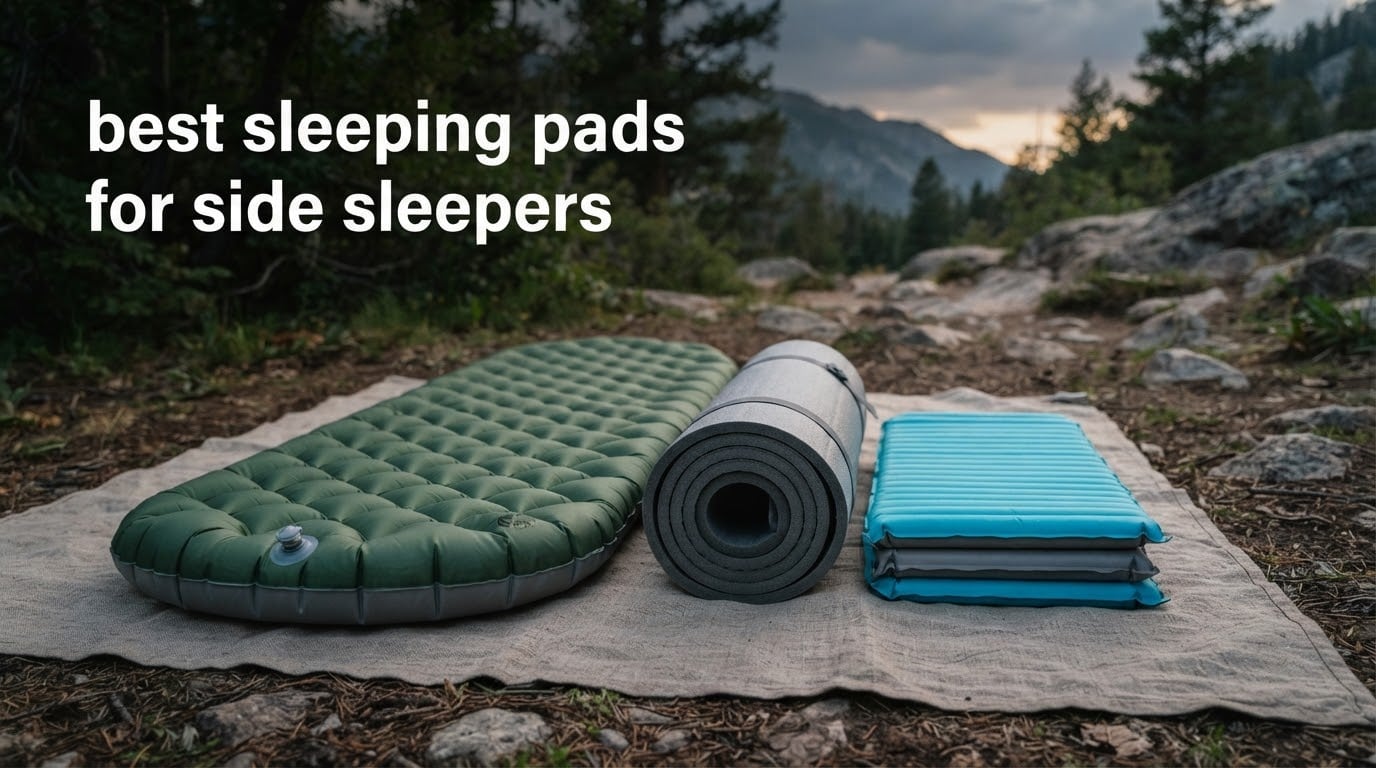
Six of the nine top results for this question are forum threads, and almost every one of them starts the same way: a side sleeper wakes up with sore hips, opens a thread, and asks why the pad they spent months researching cannot hold their shoulder off the ground. The answer is almost never the brand. It is thickness, and it is usually a thickness problem that shows up in the wrong place.
This roundup covers 10 sleeping pads built for the way side sleepers actually load a pad, ranked by loft, width, insulation and packed weight. Every pick carries the specs that decide the outcome: inches of thickness, R-value, width in inches and weight in ounces. We updated it in October 2026, and the pick list uses current-generation models only, because much of the advice still ranking for this query points at pads that are no longer made.
Short answer on thickness: side sleepers need at least 3.5 inches of pad thickness. Lying on your side concentrates your weight onto your shoulder and hip, so anything under about 3 inches lets those points sink to the ground and leaves you with sore joints by morning. Car campers can go to 4 inches or more; backpackers should treat 3.5 inches as the floor, not the target.
If you are still choosing between a mattress instead of a pad, our guides to the best mattresses for side sleepers and the best mattress toppers for side sleepers with shoulder pain cover the at-home version of the same pressure-point problem.
Table of Contents
Why Side Sleepers Bottom Out (And How to Fix It)
Bottoming out means the pad compresses until your skeleton reaches the ground. It is not the same as being uncomfortable, and understanding the difference tells you which half of the fix you need.
There are two failure modes side sleepers describe, and they pull in opposite directions. The first is the pad that is too soft: you let a little air out to make it feel plush, and by 3am your hip is on the dirt. The second is the pad that is too firm or too thin: your shoulder and arm take the load directly, and you wake with a sharp ache in the shoulder joint rather than a dull hip ache. Most community threads describe exactly this split, and most of them describe people stuck between the two with no middle setting.
The mechanism is simple. On your back, weight spreads across your whole back and a 2-inch pad handles it. On your side, that same weight lands on the narrowest points of your body. Thickness creates the space needed to spread that load before the pad compresses all the way through, and the more you weigh, the more space you need. That is why body weight changes the answer and why two people can use the same pad and get opposite results.
One more variable gets missed constantly: letting air out to soften a pad is the exact action that causes side sleepers to bottom out. A pad rated at 4 inches is rated at 4 inches fully inflated. Inflate it firm, sleep on it for several nights before you judge it, and only then decide whether it is too soft.
Are sleeping pads comfortable? Mostly yes, and comfort has very little to do with the brand name. A thick pad at a modest price point beats a thin pad at a premium price point for a side sleeper every time. What matters is whether the pad is thick enough for your position, and whether you filled it with enough air.
Our methodology is straightforward. We required a minimum of 3.0 inches of thickness for every recommendation, with one flagged exception explained in its own section. We cross-checked each pad against the review data, looked for the same bottoming-out complaint across multiple sources, and priced the comfort against packed weight so you know what the loft costs you.
Top 3 Picks for Best Sleeping Pads for Side Sleepers in October

Quick Overview All 10 Sleeping Pads Side by Side in 2026
| Product | Specifications | Action |
|---|---|---|
| ZOOOBELIVES Airlive2000 |
|
Check Latest Price |
 AKSOUL 3.9 Inch Air Mat AKSOUL 3.9 Inch Air Mat |
|
Check Latest Price |
| FNARMW 5 Inch Camping Mat |
|
Check Latest Price |
 INVOKER 3.15 Inch Memory Foam Pad INVOKER 3.15 Inch Memory Foam Pad |
|
Check Latest Price |
 Oramoose 4 Inch Air Pad Oramoose 4 Inch Air Pad |
|
Check Latest Price |
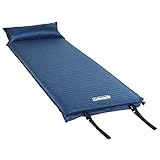 Coleman Self-Inflating Pad Coleman Self-Inflating Pad |
|
Check Latest Price |
 Lost Horizon Option3 Lost Horizon Option3 |
|
Check Latest Price |
 Kingfun 3 Inch Memory Foam Mat Kingfun 3 Inch Memory Foam Mat |
|
Check Latest Price |
 Homemate Memory Foam Pad Homemate Memory Foam Pad |
|
Check Latest Price |
 Gear Doctors Oxylus Gear Doctors Oxylus |
|
Check Latest Price |
1. ZOOOBELIVES Airlive2000 – The Best Overall Pick for Side Sleepers
- Edge-to-edge air support holds hips and shoulders off the ground
- Built-in foot pump needs no blowing or batteries
- Quiet surface that resists rustling
- Side buckles link two pads together
- Bulky when packed compared with closed-cell foam
- Waterproof TPU shell needs care around sharp objects
This is the pad we keep coming back to for one reason: the loft is edge to edge, not just at the centre. The Airlive2000 runs 74.8 by 24.4 by 3.94 inches, and the entire surface sits at roughly 4 inches rather than sloping away at the edges where a hip would slide off. For a side sleeper, that flat full-length support is the whole point.
Reviewers report the 4-inch layer does what the product claims. The single most common theme across more than 6800 reviews is that hips and shoulders stay clear of the ground through the night, which is the one complaint that ruins a trip. It is also quieter than most air pads of this thickness, and that matters to people who move around a lot.
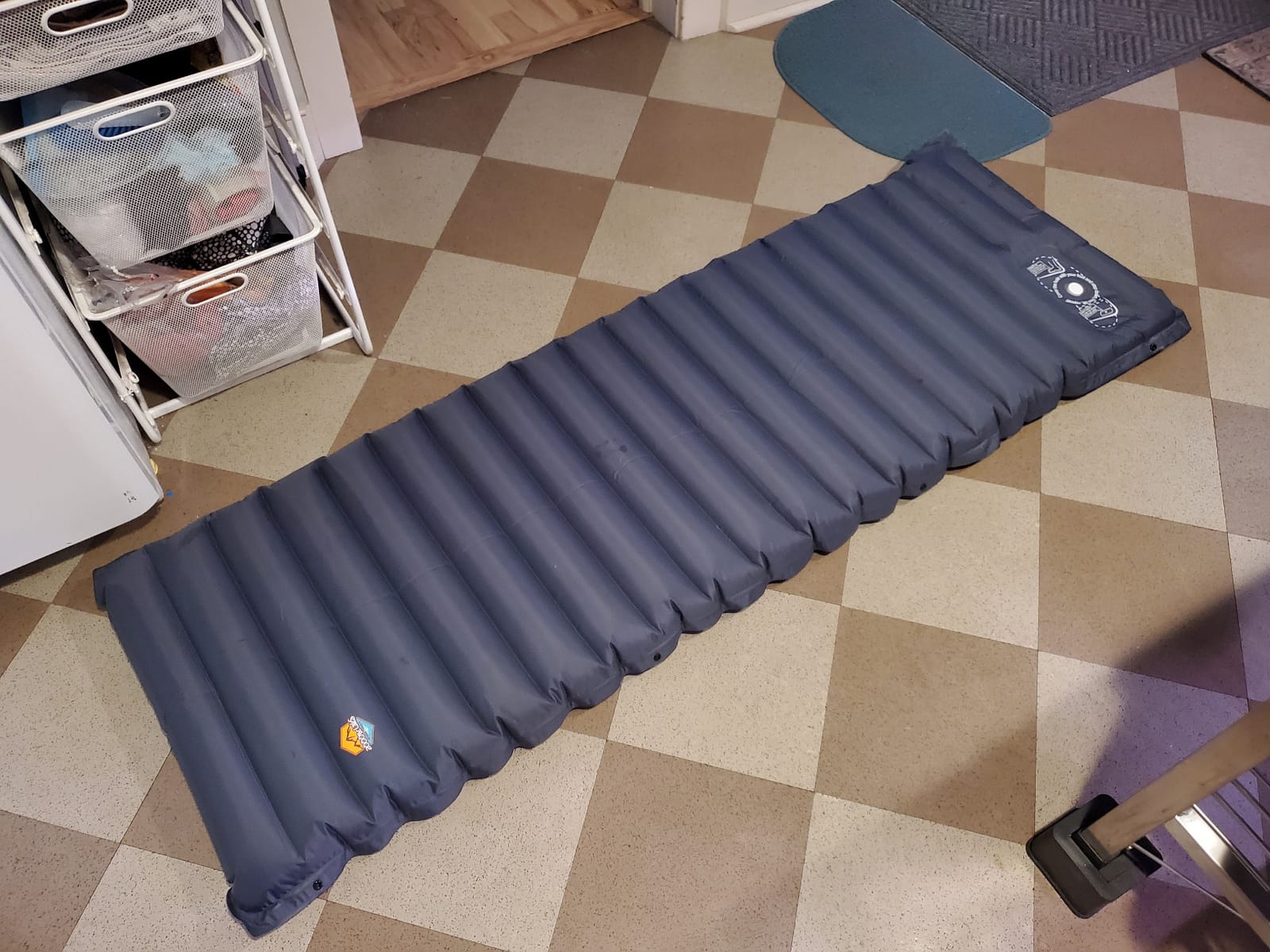
The built-in foot pump is a small thing that changes campsite routine. You inflate the pad in under a minute without lungs, a battery or a separate pump, and the dual valve lets you add air in the morning without undoing the whole setup. Reviewers also point out that the air pressure stays where you set it overnight, so you are not waking up to a flat pad.
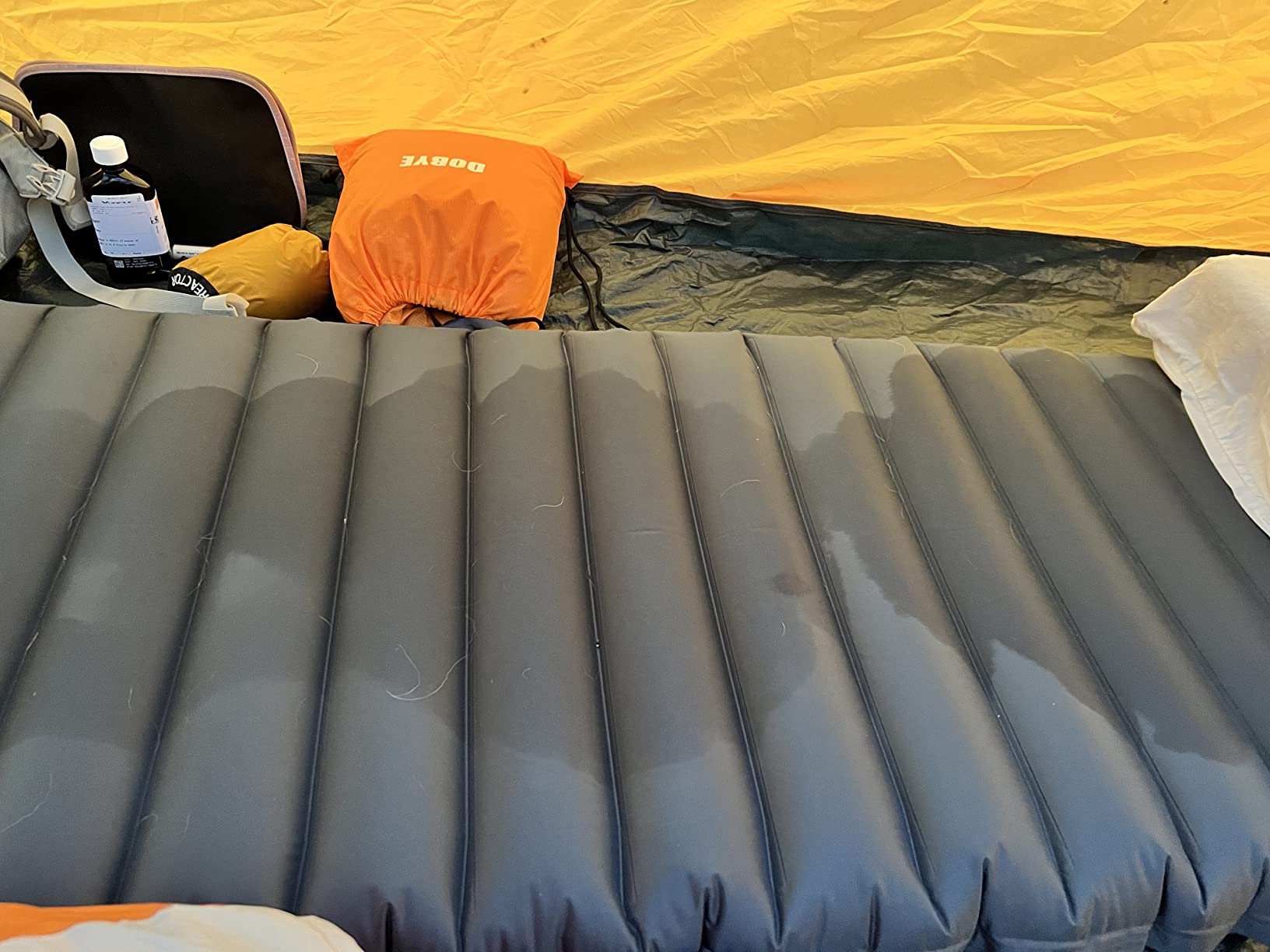
How it holds up if you roll around
The TPU shell is bonded rather than stitched in most places, and reviewers do not report the seam failures that plague cheaper air beds. Rated to 400 pounds, it holds its shape with a heavy sleeper on top. The internal structure spreads load rather than funnelling it to a single weld point, which is why it stays firm when you curl into a ball with knees drawn up.
If you share a tent, the side connections let you buckle a second pad alongside it. Two 24-inch pads do not make one wide bed, but they do give each person a defined edge so nobody spends the night with an arm hanging off the pad.
Where it falls short
The honest drawback is pack volume. A 4-inch air pad rolls into a cylinder considerably fatter than a closed-cell foam sheet, and on a multi-day trip that bulk is real. If you are walking five miles a day with a small pack, look at the AKSOUL below for a lighter way to get similar loft.
The shell is also air, so it is puncture-vulnerable. It ships with a repair patch, and most owners carry one anyway, but on talus or cactus ground you are one thorn away from a deflated night. Owners who have had a leak report that a patch holds overnight, but the pad is noticeably softer while it holds a repair.
2. AKSOUL 3.9-Inch Air Mat – Best Lightweight Pick for Backpacking
- Near 4 inches of loft at 850 g
- Integrated foot pump inflates in 30-40 seconds
- Included pillow removes an extra item
- Side snaps join two mats into a double
- Air construction is puncture-prone on rough ground
- Water resistant rather than fully waterproof
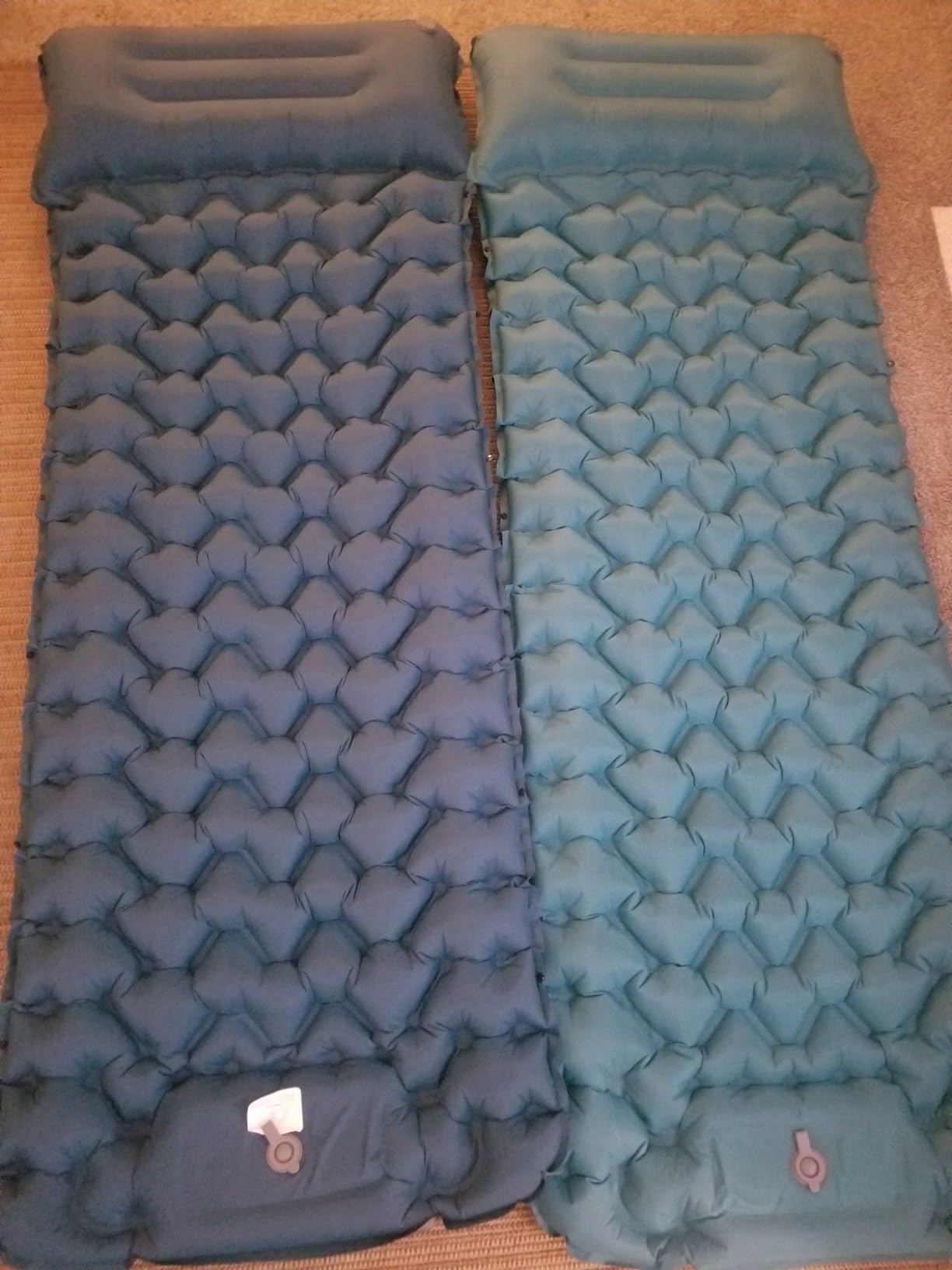
This is the one to carry when you need real side-sleeper comfort and cannot carry a car-camping mattress. At 850 g and 3.9 inches thick, it delivers 4 inches of loft at 56% of the weight of the pick above, and the 27.1-inch width is wider than most backpacking pads in this thickness class.
Reviewers single out the combination rather than either spec alone. The width means your shoulder and knee stay on the pad when you roll, and the thickness means the roll does not cost you a sore hip in the morning. The 40D nylon with TPU shell is rated to 440 pounds, which covers nearly all side sleepers without the pad deforming under a heavy hip.
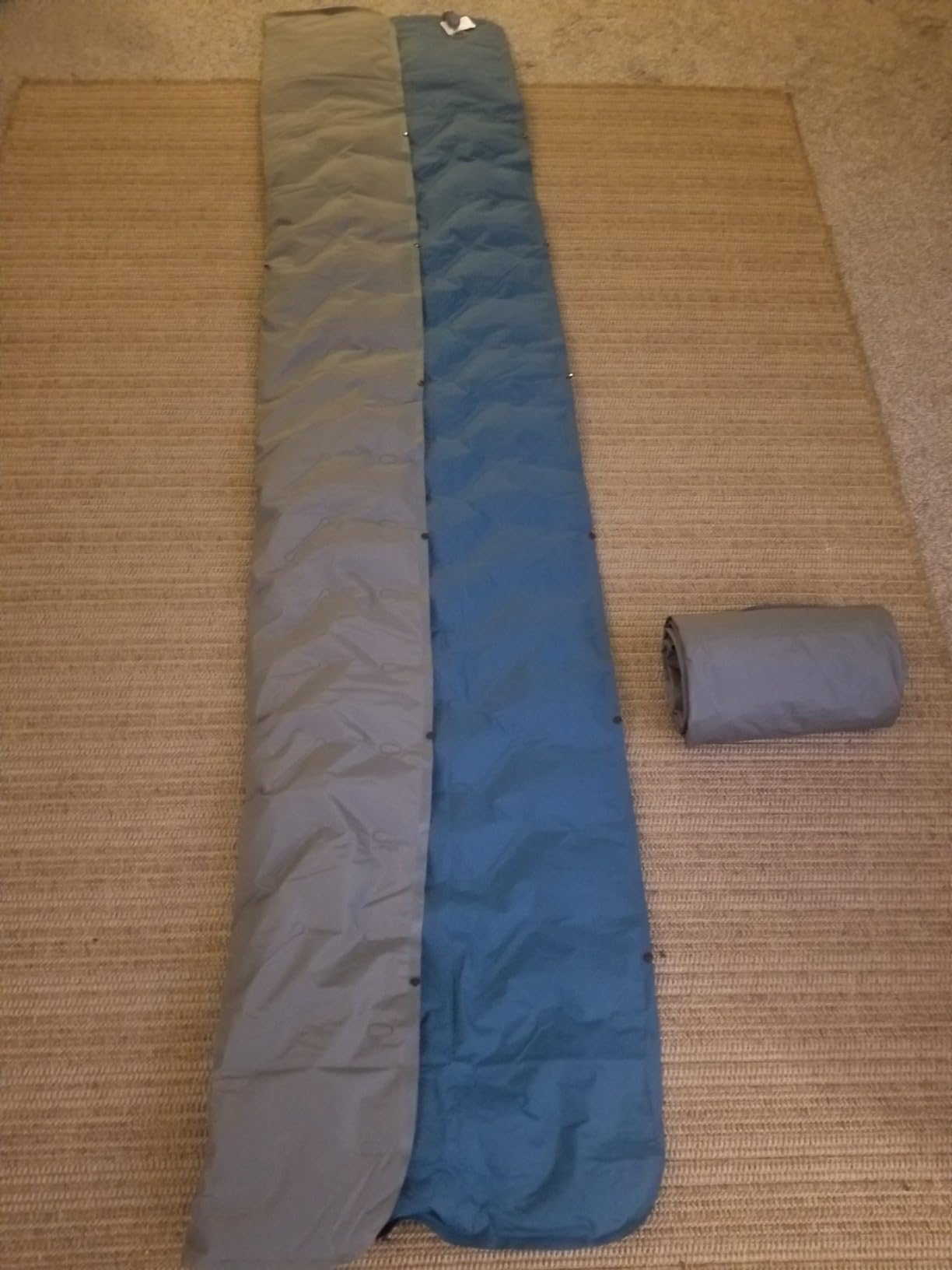
The integrated foot pump fills the whole pad in 30 to 40 seconds, and reviewers describe doing it fully clothed in the dark without waking their partner. The included pillow is the quiet hero: it removes a separate inflatable pillow from your pack list, and for a side sleeper, a pillow that fills the shoulder gap stops you rolling onto your arm.
Why the width matters as much as the loft
Most people who feel their elbow or knee drop off the edge do not need more thickness. They need more surface. At 27.1 inches, this pad holds a curled side sleeper without the constant micro-adjustment that narrow pads force on you, and that adjustment is what wakes light sleepers.
The side snap system lets you connect a second mat into a double bed, which is the cheapest fix available if you camp with a partner. Two of these side by side give each of you a 27-inch surface and an edge that stays put.
What to watch out for
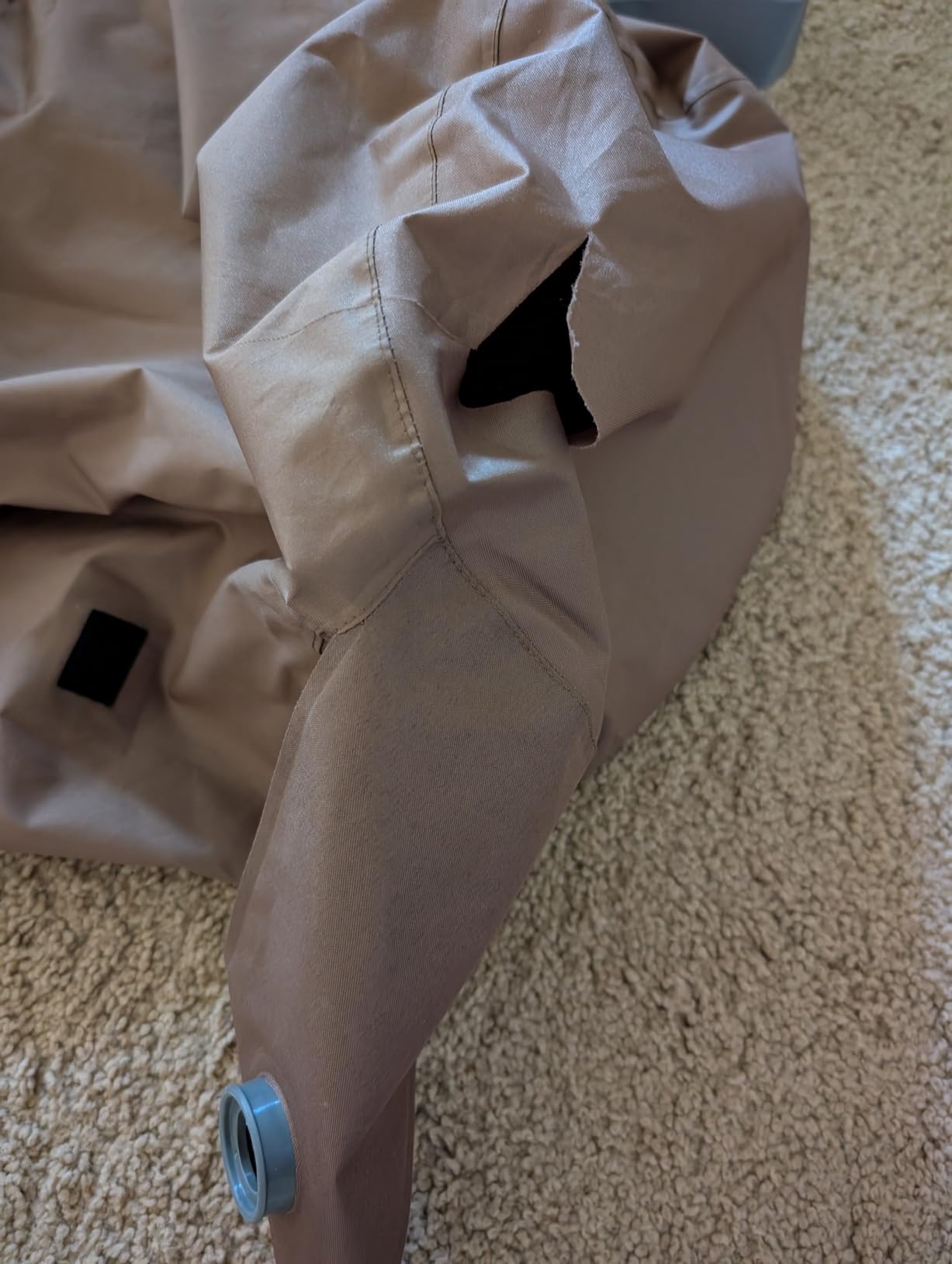
Water resistance is not waterproof, and owners note that the pad needs to be dry before you roll it. More importantly, an air pad is an air pad: owners report punctures on rough ground as the recurring complaint. Use a ground sheet, and check the pad before you roll it in the morning when a small leak is easiest to find.
The included pillow is manual-inflation and low-profile, so if you are used to a high pillow it will feel flatter than what you have at home. That is a trade most reviewers accept happily for the weight saving.
3. FNARMW 5-Inch Camping Mat – Deepest Loft in the Roundup
- Deepest loft in the roundup at 5 inches
- 79 x 28 inch surface suits tall sleepers
- Egg-cell design and built-in pillow
- Foot pump fills in about 60 seconds
- Rated to 800 lb
- Bulky when packed for multi-day trips
- Air construction stays puncture-vulnerable
Nothing else here comes close to 5 inches. If your weight has consistently driven you to the edge of a 4-inch pad, or if you sleep with a heavy blanket and want the loft to match, this is the most margin you can get in an inflatable.
Reviewers describe the egg-cell design as the reason it feels different rather than just thicker. The cells rise under the points that take your weight, so the pad rises to meet your hip instead of relying on internal air pressure alone. That means the pad stays supportive at lower firmness settings, which is where thinner pads send you to the ground.
The 79 by 28 inch surface is the second story here. At 28 inches wide, it fits a 6’4″ sleeper without the foot overhang that ruins a good night, and the width leaves room for a pillow plus an outstretched arm. Owners who move around at night say the extra width is what lets them stay on the pad.
Setup is fast. The built-in foot pump fills the pad in roughly 60 seconds and the quick-release valve dumps it in about one second, which matters if you have ever tried to force air out of a thick pad by rolling it. The drawstring support system spreads weight evenly, and the pad is rated to 800 pounds, so it will not deform under a heavy sleeper.
Who this pad suits best
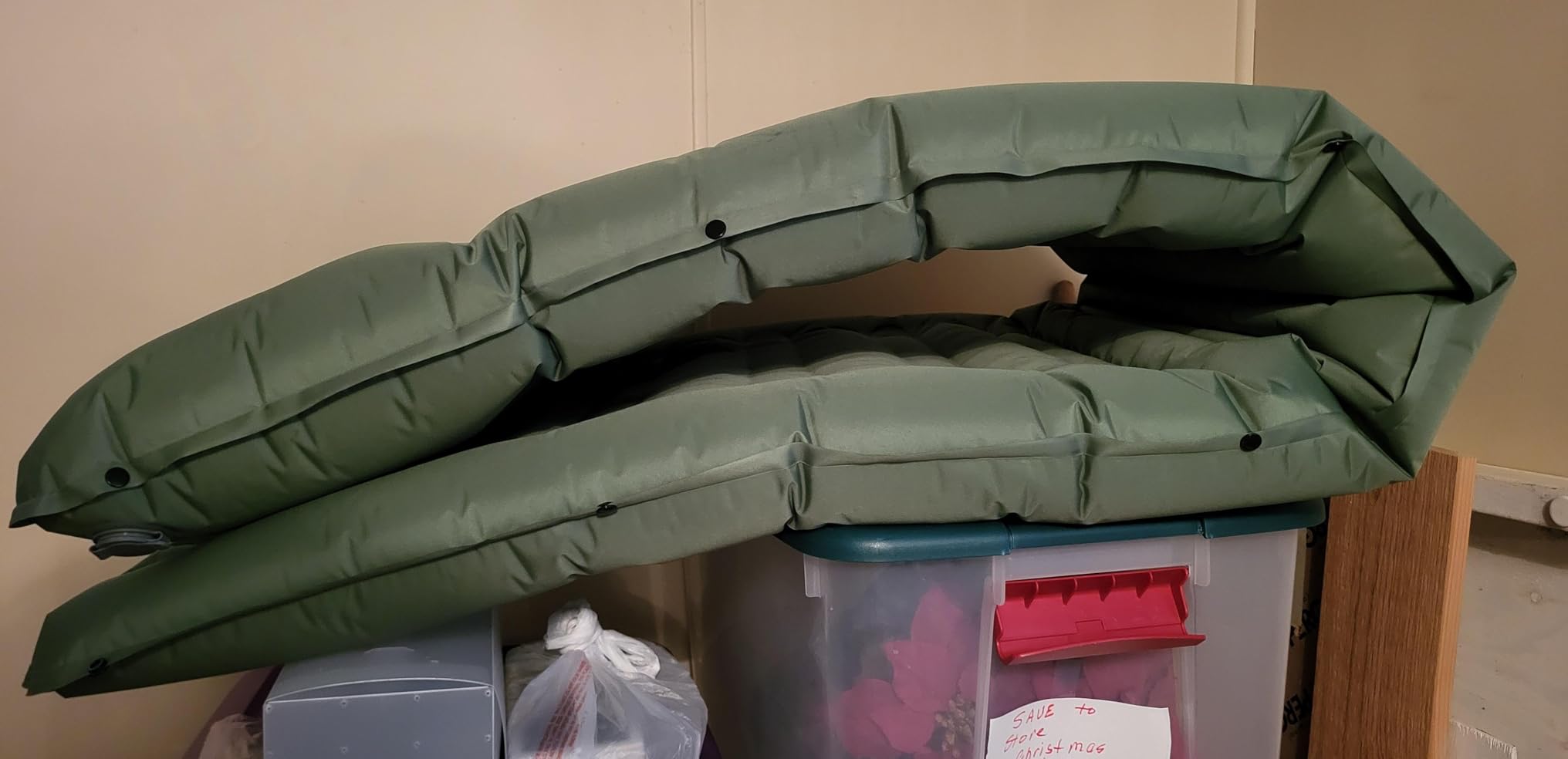
Side sleepers who also sleep warm, who camp in warm ground conditions, and who want the widest possible comfort margin without moving to a foam mattress. The built-in pillow adds head support without extra gear, and owners use the pad as a guest bed, floor bed or cot alternative, which is where the size really pays off.
If you are a light sleeper, note that the shell is quiet for a 5-inch inflatable. Owners do not report the crinkling that plagues thinner air pads, which is unusual at this loft.
Where the trade-off bites
Packed volume is the honest cost. A 5-inch air pad is the bulkiest item in this list, and on a long backpacking trip that bulk competes with real gear. If you walk more than a few miles a day, this reads as a basecamp and car-camping pad.
The air construction also means the usual care around sharp objects, and the 50D nylon with TPU coating resists abrasion without eliminating puncture risk. Carry the included repair sticker somewhere you will find it.
4. INVOKER 3.15-Inch Memory Foam Pad – Best Wide Pick for Toss-and-Turn Sleepers
- Ultra-wide 27.5 inch surface reduces cramped edges
- High-resilience foam adapts to body curves
- 30D knit shell is quiet and skin-friendly
- Integrated pillow and R-8 insulation
- Slow foam self-inflation and awkward deflation
- Carry bag stitching reported to split
- Bulky at 6.6 lb
Memory foam behaves differently from air, and side sleepers tend to notice the difference within a night. Rather than resisting compression and pushing back, high-resilience foam moulds to the curve between your shoulder and hip, which spreads the contact area instead of concentrating it on one point.
At 27.5 inches wide, this is the widest pad in the roundup, and reviewers who move around at night say the width is the main reason they stopped rolling off the edge. The R-8 thermal rating is unusually high for a foam pad at this price, and owners report it staying warm in conditions where a basic foam mat would not.
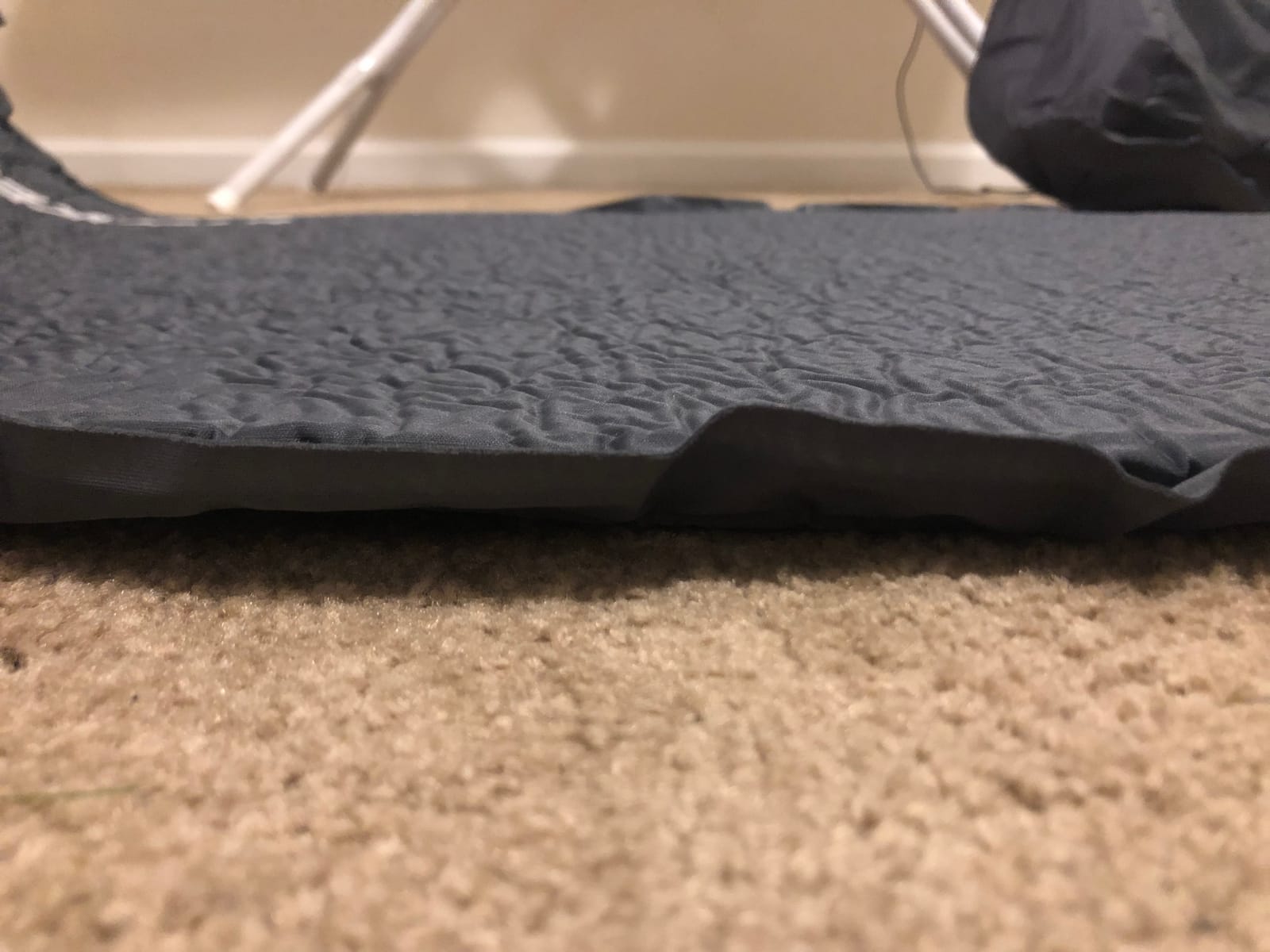
The double-valve self-inflation needs no pump, no mouth and no foot effort. Foam expands into the air chambers while you set up camp, which is the whole appeal of the format: the pad is doing work while you are cooking. Some variants include a powered pump, which takes the remaining work out of pack-down.
The 30D knit outer fabric with a waterproof TPU backing is the detail light sleepers mention most. Knit fabric does not squeak or rustle when you shift position, and it feels better against bare arms than the flocked or quilted surfaces common on foam mats.
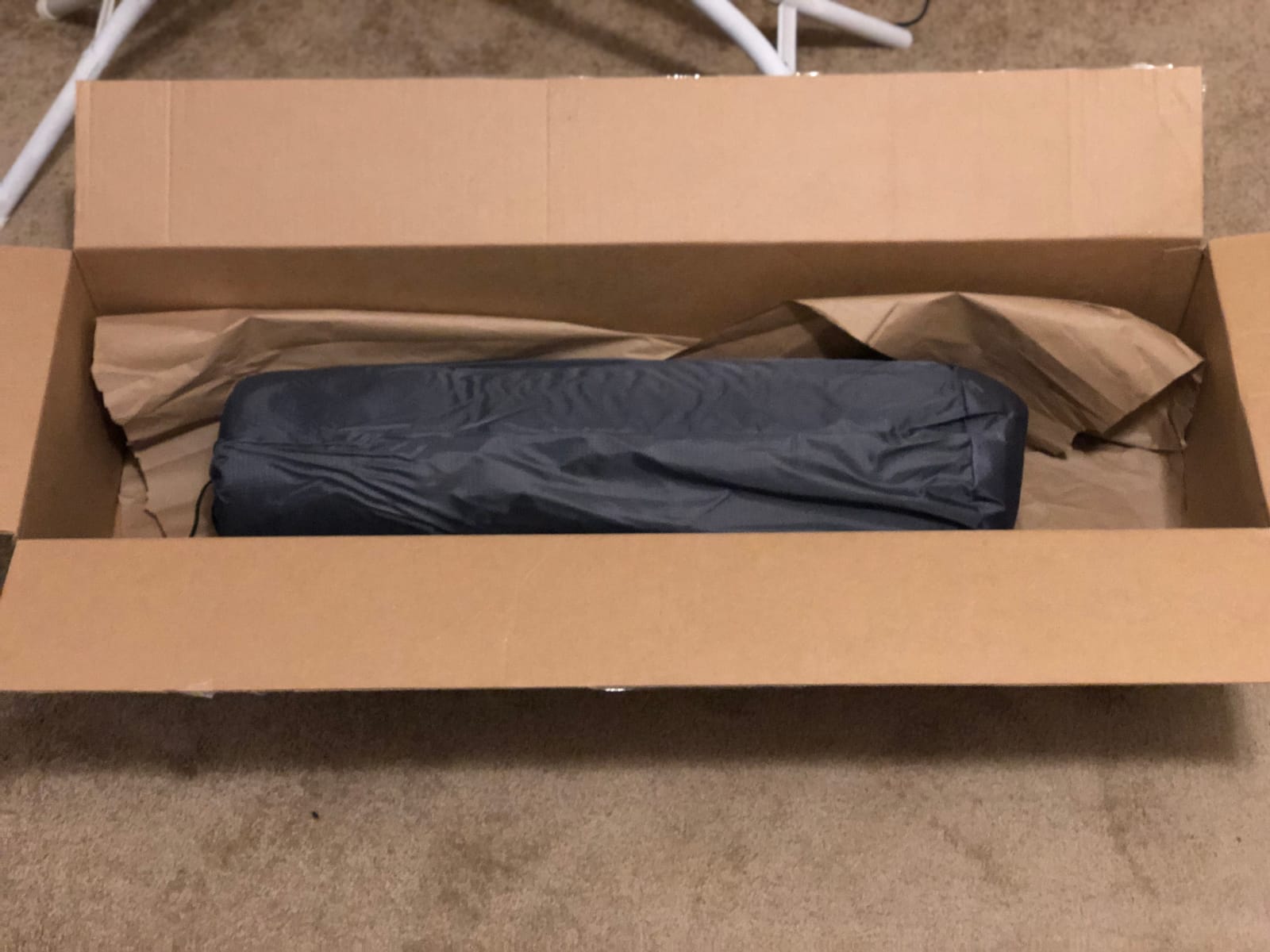
Foam versus air for side sleeping
Foam has one big advantage: it cannot deflate at 3am. There is no valve to fail and no air to lose, so the surface you set up in the evening is the surface you wake up on. That reliability is why side sleepers who camp often end up on foam regardless of weight.
Its weakness is drift. With no air layer to re-inflate, a foam pad that is not quite thick enough for your weight slowly compresses into a shape that matches how you lie, and it never fully recovers between trips. If you are near the thickness limit for your body weight, foam gives you less adjustment range than air.
What to watch out for
Self-inflation is slow, and many owners add breaths or a blower to reach the firmness they want. Pack-down is the harder part: rolling a 6.6-pound foam mat to squeeze out the air is repetitive work, and an electric pump makes a real difference if you do it more than a few times a year.
Carry bag stitching is the most common complaint, so treat the bag as consumable and roll the pad loosely. At 6.6 pounds, this is car camping and basecamp gear rather than a packable backpacking choice.
5. 4-Inch Camping Sleeping Pad with Foot Pump and Pillow – Best Lightweight Full-Length Pick
- True 4 inch loft at only 1.8 lb
- Integrated pillow supports neck alignment
- Foot pump inflates in 30-60 seconds
- Air-locking valve resists overnight deflation
- Air pad construction is puncture-prone
- Water resistant rather than fully waterproof
Here is the number that matters for this pick: 4 inches of loft at 1.8 pounds. That is thinner gear than the pick above while keeping the same width class, and it is the reason this pad appears on lightweight setups that would normally carry a 2.5-inch backpacking mat.
The surface runs 79 by 27.5 inches, which is a full-length size for tall sleepers and wide enough to keep an outstretched arm on the pad. Rated to 400 pounds, it holds its shape with a heavy side sleeper on top, and the 50D nylon with TPU coating is a reasonable abrasion balance for that weight.
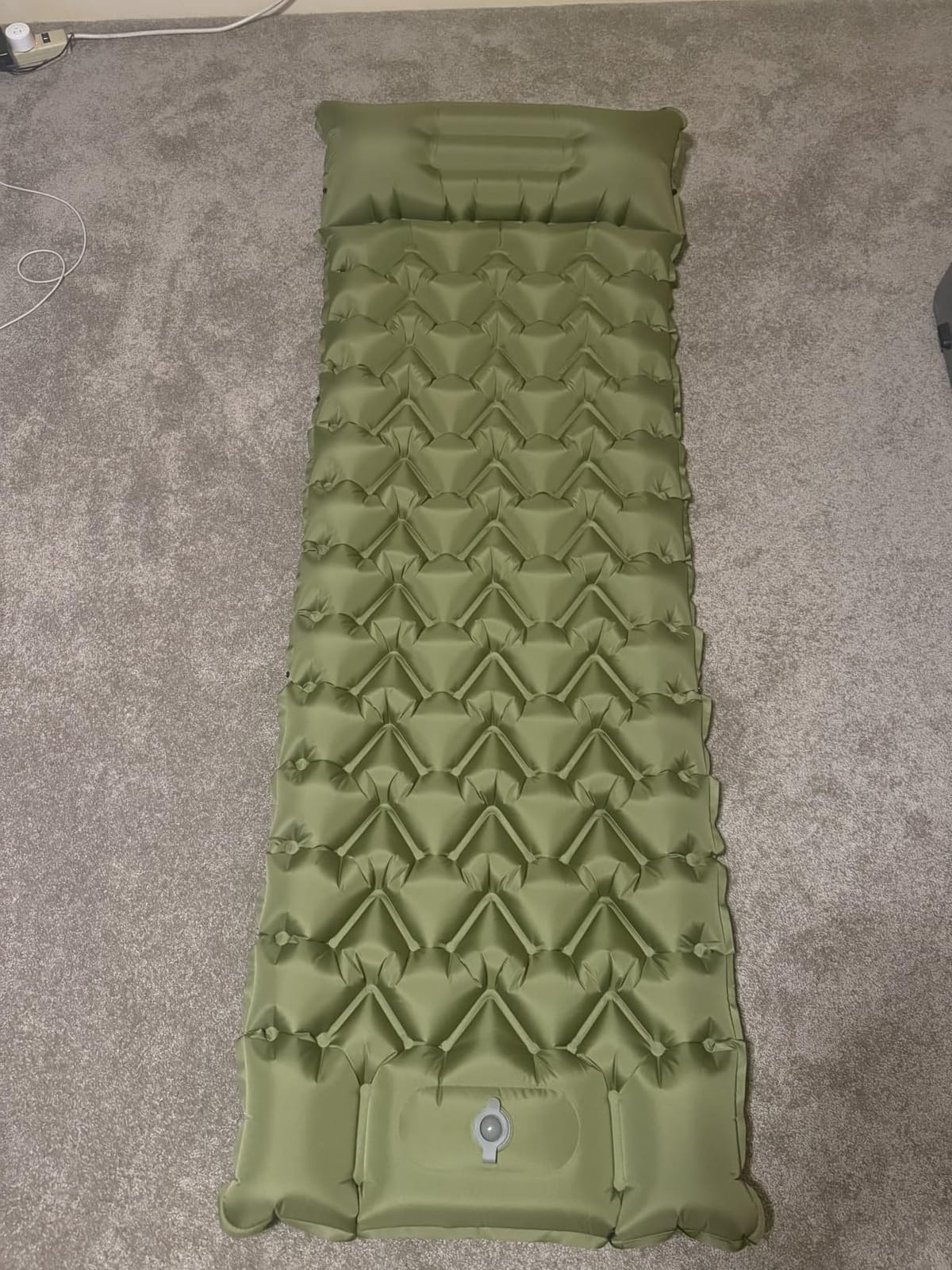
Reviewers comment on the valve design specifically. The air-locking system resists the slow overnight deflation that turns a comfortable night into a hip-on-the-ground morning, so you can set the firmness once and stop thinking about it. The integrated pillow is a similar quiet win for side sleepers, since a pillow that fills the shoulder gap is what stops you rolling onto your arm.
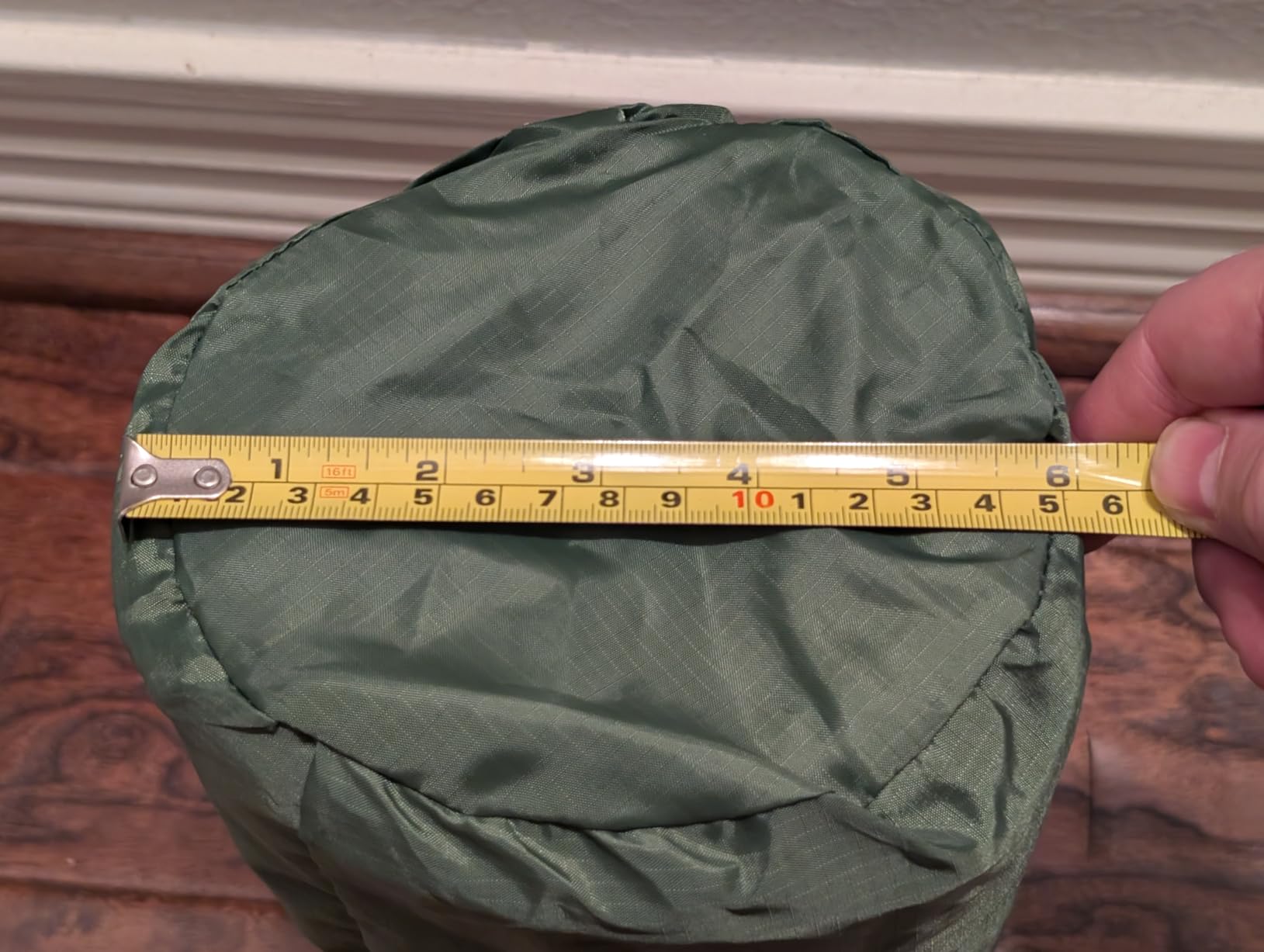
The foot pump fills the pad in 30 to 60 seconds with no separate gear, and it packs down to roughly 9.4 by 4.3 inches. That pack size is the compromise here: it is not the smallest pad available, but it is small for a 4-inch surface.
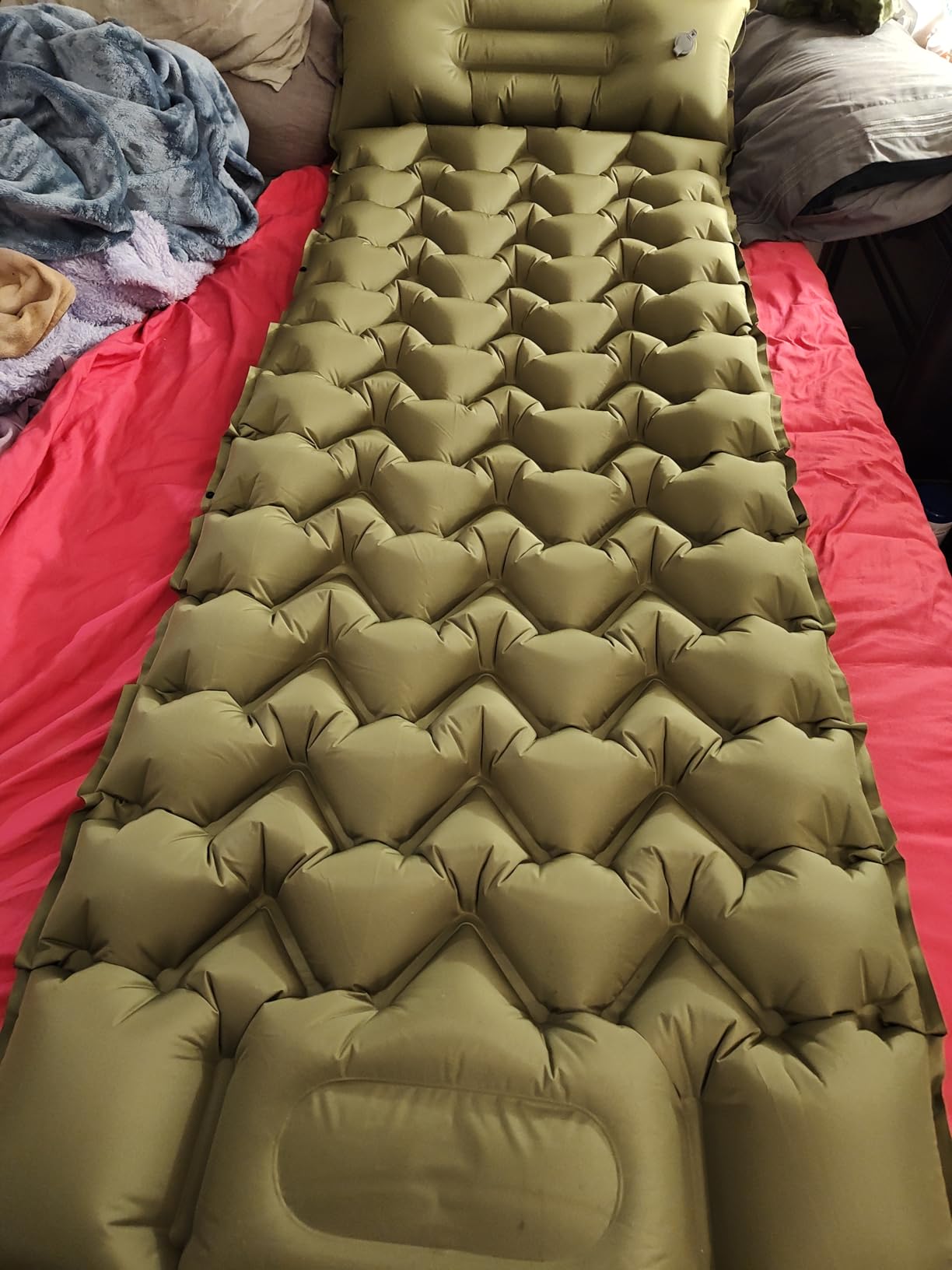
Best value for ultralight side sleepers
This pad makes the most sense for someone whose body weight sits in the middle of the range and whose trips are three-season. Reviewers use the same word about it: enough loft that the hip stays up, little enough weight that it does not drive a gear change. The integrated pillow also removes one item from the pack list, which compounds the saving.
For anyone under about 130 pounds who sleeps still, the 4-inch loft is generous, and you will not feel the ground even on moderately uneven terrain. That extra margin is the entire appeal at this weight class.
Where it falls short
It is water resistant rather than waterproof, so it needs to be dry before packing. And like every air pad, it is vulnerable to punctures on abrasive ground, which owners note as the main limitation. A ground sheet removes most of that risk.
The 1-year warranty is short by the standards of a pad in this thickness class, so treat it as a three-season tool rather than a long-term investment.
6. Coleman Self-Inflating Pad – Best Simple Car Camping Pick
- Foam core keeps some comfort even if punctured
- Quiet surface that suits side sleeping
- Integrated pillow means one less item
- Foam seals out cold ground
- Attached pillow is small and inflated separately
- Heavy and bulky for backpacking
- Strap and bag stitching can fail
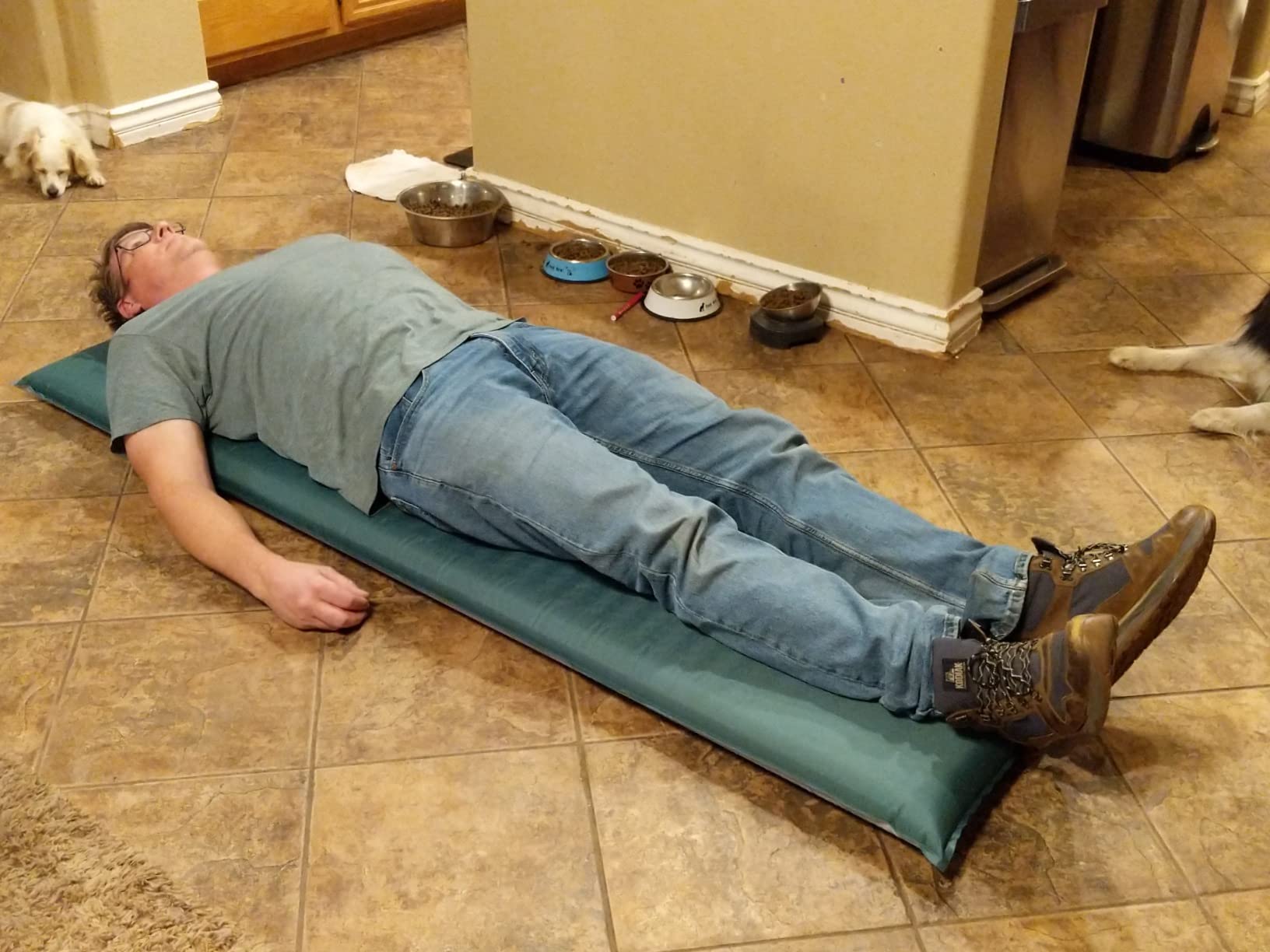
This pad sits below our 3.0-inch side-sleeper floor at 2.5 inches, so we are not recommending it as the answer to bottoming out. What it is, though, is the simplest reliable pad for car camping where weight does not matter and you want to be comfortable on the first night.
The self-inflating foam and air chamber design means there is no pump and no blowing. The foam core expands while you set up camp, and the compression straps force the air out for pack-down. That is the whole selling point: for weekend car camping, the time you spend on gear handling drops to nearly nothing.
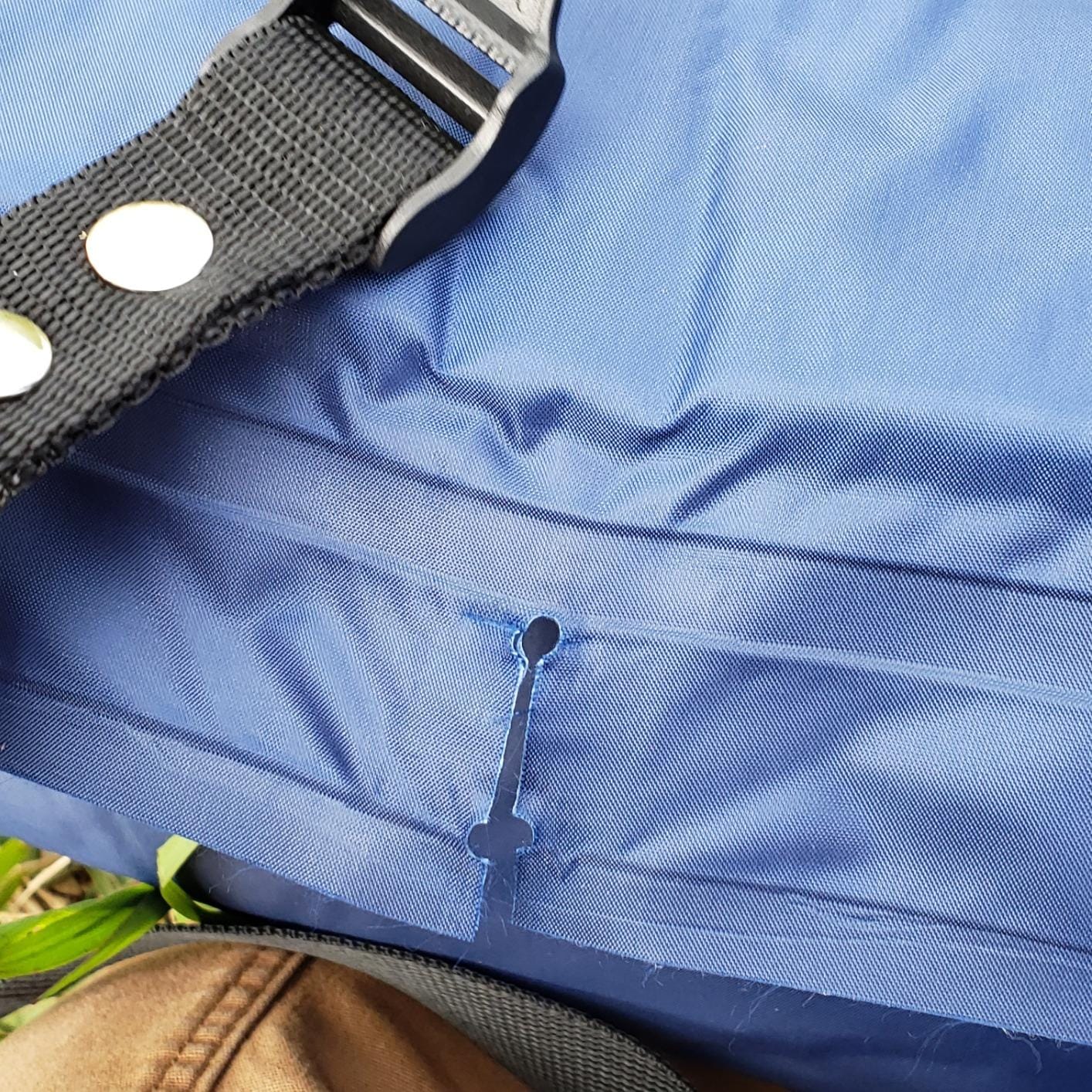
Several reviewers who are side sleepers say 2.5 inches is enough for them on a flat campsite, and the foam does keep some comfort even if the air chamber is punctured. That failure tolerance matters on a car camping trip where a flat pad would end the night. The extra padding layer between the sleeping bag and the ground also retains more bag warmth than a bare air surface.
The included inflatable pillow is the piece to set expectations on. It is inflated separately, it is small, and owners describe it as adequate rather than good. For a side sleeper, a bigger pillow at home helps, so this is a reasonable place to spend a little more.
Who should actually buy it
Car campers and anyone who values setup speed over pack weight. At 76 by 25 inches it fits most adults, the surface is quiet, and the 300-pound capacity covers most side sleepers comfortably on flat ground. If you are car camping on a site with a firm tent floor, the difference between 2.5 inches and 3.5 inches is far smaller than it is on a backcountry trail.
It also works as an extra pad under a thinner one, which is one of the quickest side-sleeper fixes described later in this guide.
What to watch out for
At 6.4 pounds, this is not backpacking gear and should not be treated as such. Reviewers also report failures in the compression strap and carry bag stitching after repeated use, so pack it loosely and expect to replace the bag sooner than the pad.
Anyone who bottoms out on a 2.5-inch pad will keep bottoming out on this one. If that is your current problem, move up to a thicker pick rather than adjusting your expectations here.
7. Lost Horizon Option3 – Best Winter Pick for Cold Ground
Lost Horizon Option3 Self-Inflating Foam Camping Mattress, Single, 4.5″
- Hybrid air and foam holds air far better than pure air
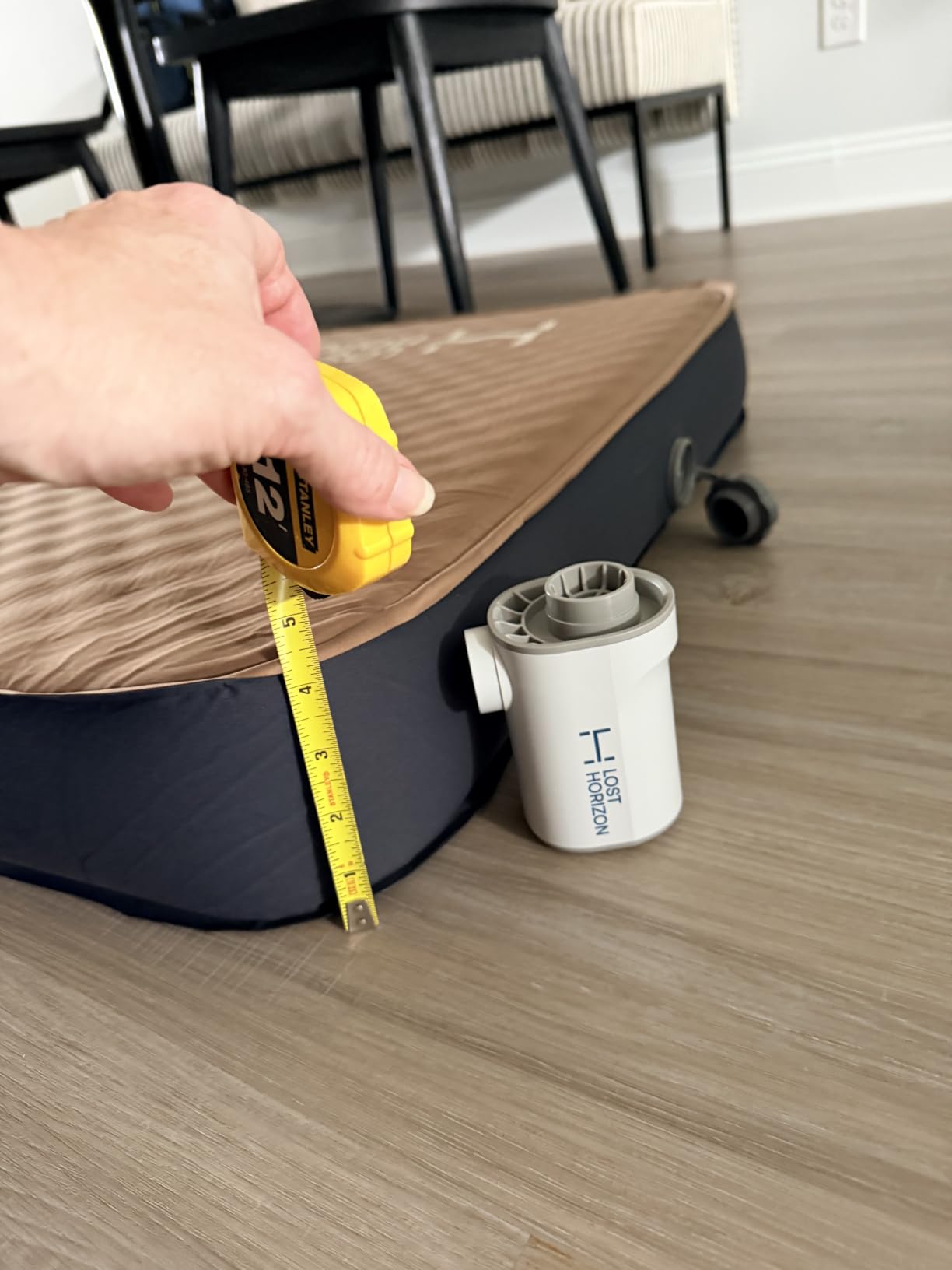
- 4.5 inches of foam gives exceptional hip support
- R-13 warmth in near-freezing wet conditions
- Silent and stable when you move
- Very heavy and bulky for carrying
- Deflation needs effort or an electric pump
- Non-standard valve can bleed air
This is the only pick that solves both problems at once: it has 4.5 inches of loft and an R-13 rating. Most thick pads on the market are uninsulated, which means a 4-inch pad that feels wonderful in July leaves you shivering in October. Side sleepers who sleep cold need both in the same pad.
The hybrid air and foam build is what makes it work. Pure air pads lose firmness overnight as temperature drops, and a soft pad in cold air means a hip on the ground by dawn. The 6.5 lb of foam in this pad holds its shape regardless of temperature, and reviewers report the surface staying stable and silent with no squeaking or shifting when you move.
At 80 by 28 inches, it fits tall sleepers and leaves width for a partner or a spread-out sleeper. Firmness is adjustable through the air and foam mix, so you can start soft and firm it up without topping off air. Owners describe the pad as the most comfortable they have used, and side sleepers are mentioned repeatedly in that context.
R-13 puts it in genuine winter territory and handles wet ground where foam insulation has an advantage over air. For a side sleeper who sleeps cold, the bag insulates you from above and this pad insulates from below, and you need both.
Who this is for
Cold-weather campers, shoulder and hip pain recovery setups, and anyone who wants one pad for every season. The combination of thick foam and high R-value means you are not choosing between comfort in summer and warmth in winter, which is the tradeoff owners say this pad eliminates.
The silent, stable surface also suits light sleepers who wake to any shifting or squeaking, and reviewers note the 4.5-inch foam core gives hip support that pure air cannot match at any firmness setting.
What to watch out for
It weighs 9 pounds. That is a car-camping, basecamp or glamping pad, and no amount of technique makes 9 pounds a backpacking choice. Deflation is laborious without an electric pump, which is sold separately.
The valve is non-standard and can bleed air if it is not centred correctly, so check it after every setup. Owners report the pad otherwise holding air overnight without topping up.
8. Kingfun 3-Inch Memory Foam Mat – Best CertiPUR-US Foam Pick
- High-density foam adapts to hips and shoulders
- Water-resistant velboa cover with TPU coating
- Anti-slip bottom with eight Velcro corners
- Rolls into a compact travel bag
- Needs about 72 hours to fully expand after unpacking
- Heavy rolled bulk limits backpacking use
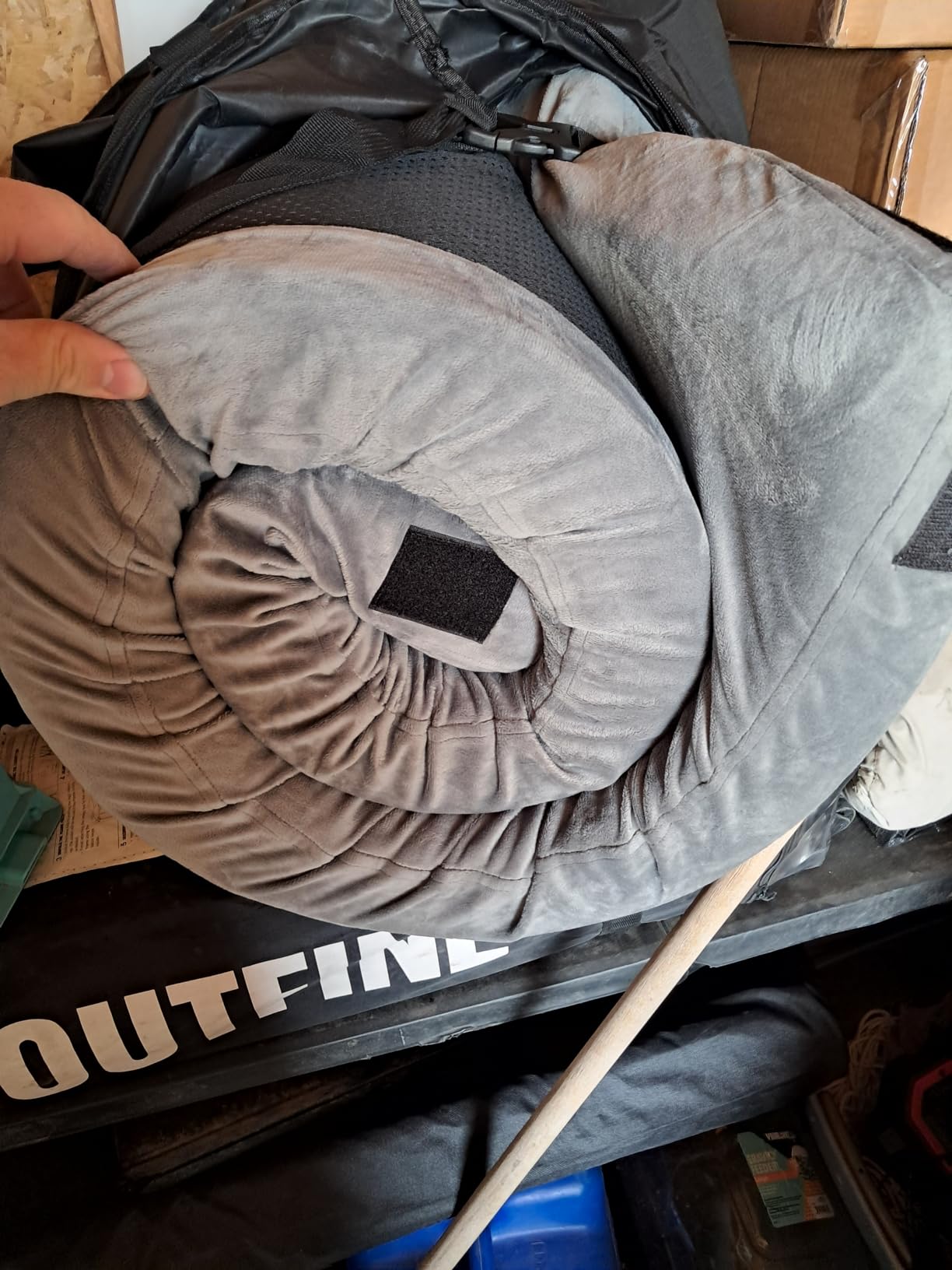
Foam is the most forgiving material for a shoulder, because it moulds instead of pushing back. This mat runs 75 by 25 by 3 inches with CertiPUR-US certified high-density memory foam, and owners describe it as the one that finally let them sleep through the night without hip pain.
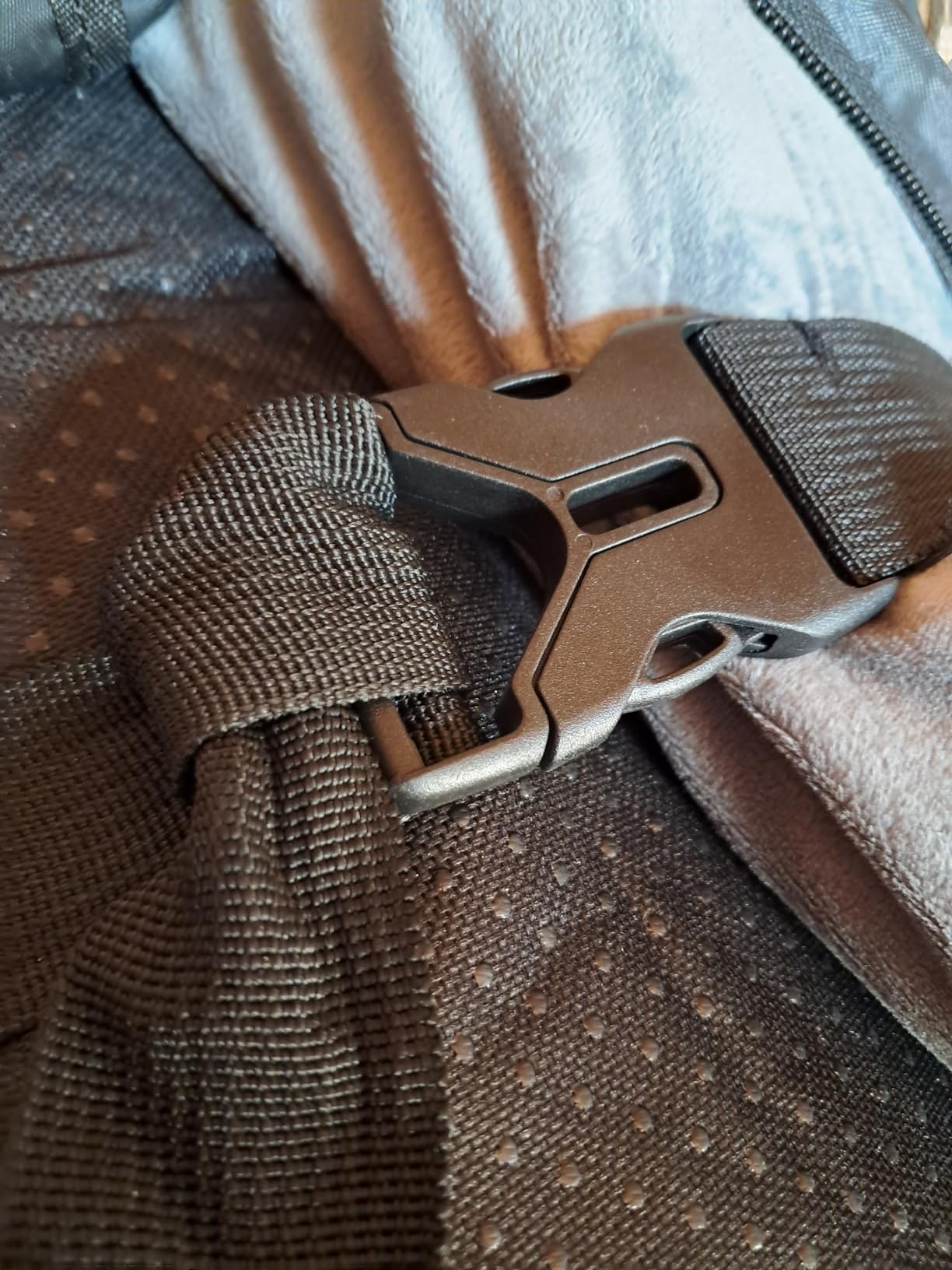
The water-resistant velboa cover with a TPU coating blocks moisture coming up from the ground, and the anti-slip bottom means the mat stays where you put it when you turn over. Eight Velcro corner connectors let you build custom layouts, which is useful for pairing pads or extending one across a wider tent floor.
Reviewers rate this one highly on comfort specifically. At 4.5 stars from more than 1200 reviews, with roughly 73% five-star ratings, it is one of the strongest consistency scores in the group, and the praise is specific: pressure on hips and shoulders eases rather than shifting.
The material is worth calling out for anyone sensitive to it. CertiPUR-US certification means the foam is made without certain chemicals, and owners mention suitability for pregnant women and infants, which is unusual to see on a camping mat.
Foam mat versus air pad for side sleepers
Foam wins on consistency and silence. There is no valve, no air to lose and no squeaking when you move, so the surface is identical every night. It also never needs deflating in the field, which removes the slowest part of breaking camp.
Air wins on packability and adjustability. A 3-inch air pad at the AKSOUL weight still weighs under 30 ounces, and you can firm it up mid-night if it softens. If bottoming out is your problem and you can control firmness, air gives you a tool that foam does not.
Where it falls short
The 72-hour expansion time catches people out. Foam arrives compressed from the roll and needs about three days to reach full thickness, so unpacking it at the campsite will leave you sleeping on a thin mat for the first night. Unpack it at home, days ahead.
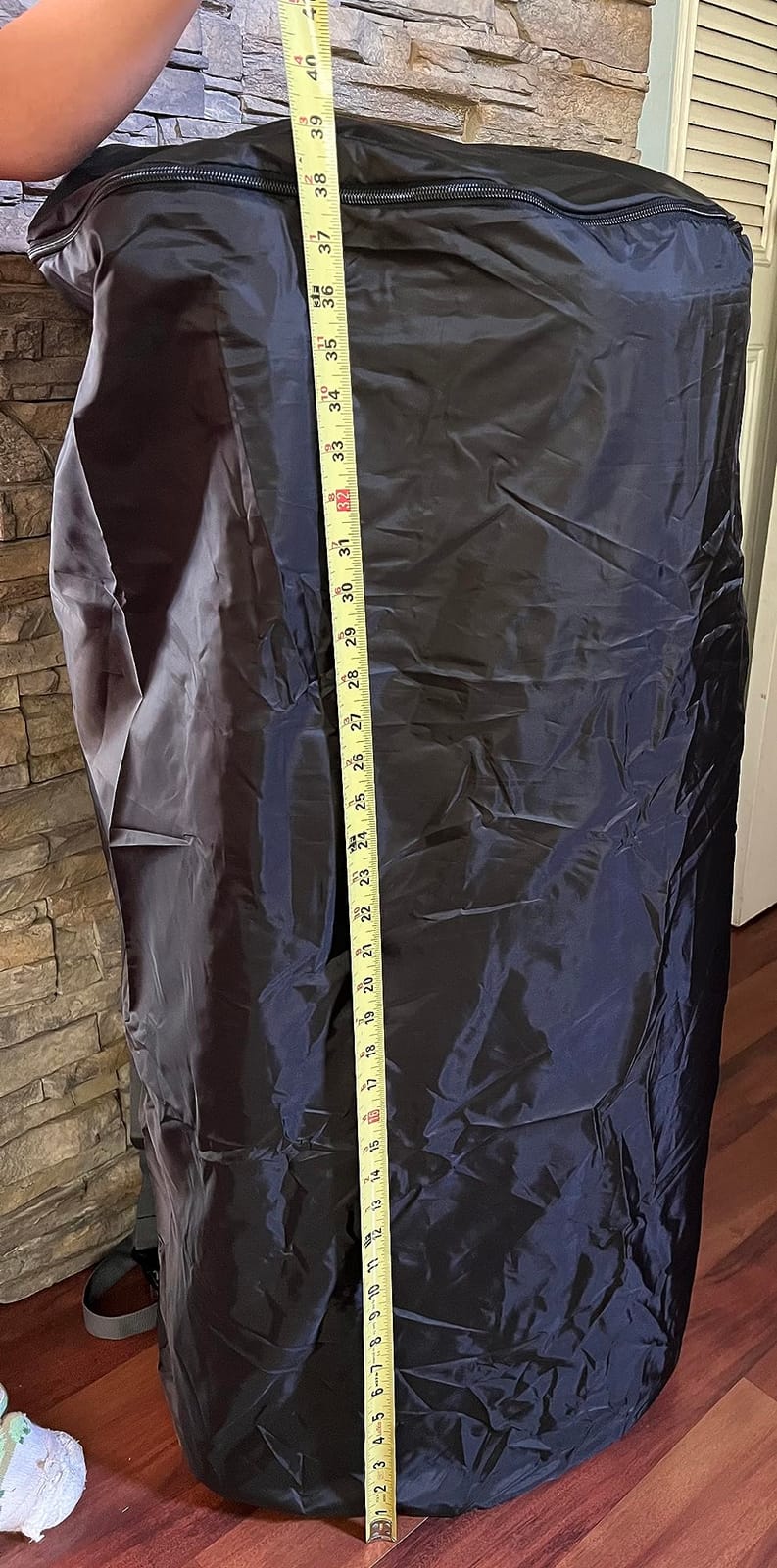
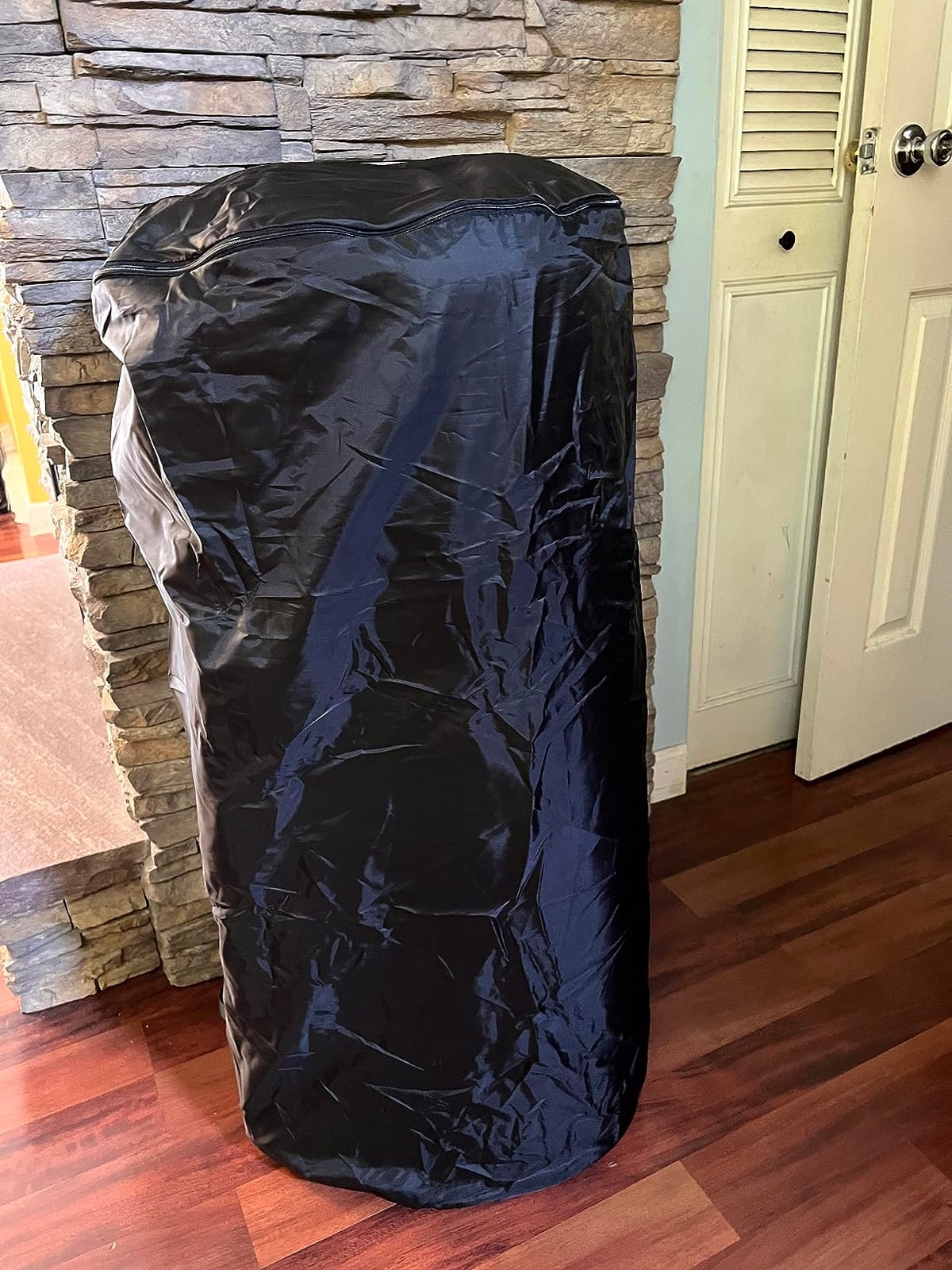
At 5.6 kg rolled, it is not a backpacking item. Treat it as car camping and basecamp gear, and use it where a firm tent floor or a cot deck would otherwise push into your hip.
9. Homemate Memory Foam Pad – Best Pick to Pair With a Cot
HomeMate 3 Inch Memory Foam Camping Mattress Pad: Portable Car Sleeping Pad
- Memory foam plus support foam absorbs rock pressure
- Users on cots report no ground feel at all
- Waterproof anti-slip temperature-regulating surface
- Removable washable cover and storage bag
- 72 inch length overhangs taller sleepers
- Heaviest foam option in the roundup at 7.8 lb
- Needs about 72 hours to expand
Cot campers get a specific problem that ground campers do not: the fabric or steel frame presses into exactly the hip and shoulder points that make side sleeping hard. This mat is built for that, and reviewers using it on a cot report no ground feel and no rock pressure at all.
The construction is a memory foam layer over a high-density support foam, and the pairing is the point. The memory foam moulds to your curve and the support layer stops it sinking into the frame, so you get pressure relief without the bottoming-out sensation that a single soft layer would produce on a hard surface.
The surface is waterproof, anti-slip and temperature regulating, which owners call out as useful on damp or uneven ground. The removable washable cover with a durable zipper is a genuine convenience over bare foam, and the Velcro corner connectors let you join pads for a group setup. Sizes run from a 63 by 26 inch kid pad up to a twin XL at 80 by 38 inches.
If you are moving from a tent to a cot, the best camping cots for side sleepers guide covers how the frame dimensions change what you need on top.
Who should buy this one
Side sleepers with hip or shoulder pain who camp from a vehicle, on a cot, or in a large tent where weight is not the constraint. At 4.5 stars with 76% five-star ratings, the highest star share in this group, reviewers are unusually consistent about the comfort claim.
The temperature-regulating surface matters in hot weather, where foam pads are often blamed for feeling warmer than air pads. Owners report the surface staying cooler than expected, and the washable cover makes a hot-weather trip less unpleasant.
What to watch out for
The 72-inch length is a cot length, not a person length. Taller sleepers report their feet hanging off the end, which compresses the foam at the toes and pushes the surface up under the knees. Check the dimensions against your height before buying.
At 7.8 pounds, this is the heaviest pad in the roundup. It is also the one most likely to need the 72-hour expansion window before first use, so plan for that. Car camping only.
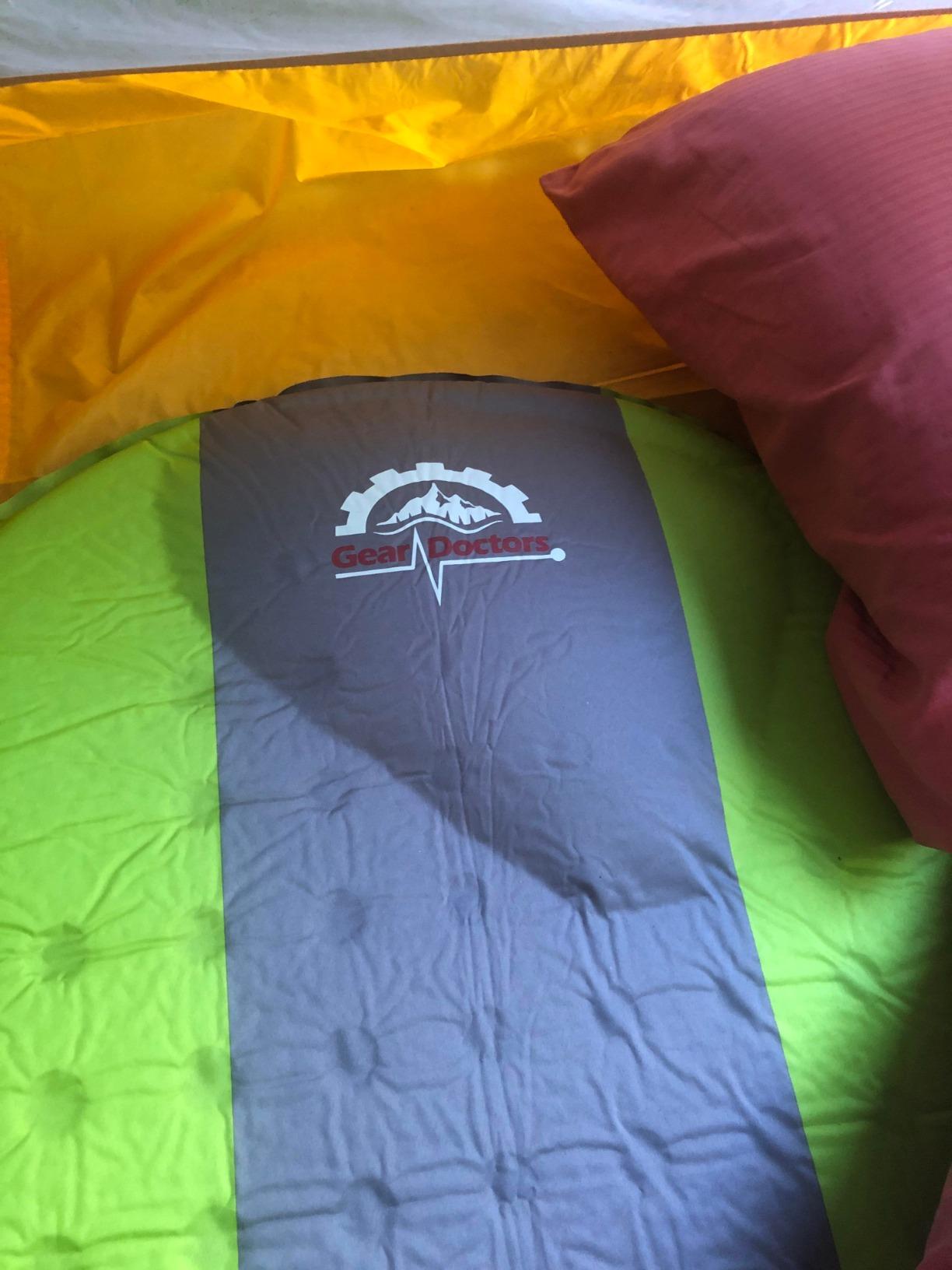
10. Gear Doctors Oxylus – Best Insulated Pick Where Cold Ground Wins
- Foam core blocks ground cold in near-freezing conditions
- Self-inflates in about 5 minutes then breath top-off
- Quiet and sturdy surface
- 75D micro-coated polyester shell
- Only 1.5 inches thick for side sleeping support
- Runs short for sleepers around 6'1 in and taller
- Bulky packed volume
We are including this pick with a clear flag: at 1.5 inches, it is well below the thickness a side sleeper needs, and we would not recommend it to anyone whose problem is bottoming out. Its 4.5 rating from more than 4700 reviews reflects genuine satisfaction, but that satisfaction comes mostly from back sleepers and from warmth rather than loft.
What it does well is insulation. The R-4.3 foam core is a genuinely four-season rating, and reviewers report it blocking ground cold in near-freezing conditions where an uninsulated pad of the same weight would not. If cold ground is your problem and your hip is not, this is one of the better answers.
It self-inflates over roughly five minutes while you set up camp, then takes a few breaths to top off for firmness. The 75D micro-coated polyester shell resists UV, moisture and abrasion better than most pads at this weight, and it is quiet with no squeaking or rustling when you move. The lifetime replacement warranty is the strongest warranty in this group and is honoured quickly for leaks.
Some side sleepers do report no bottoming out on it, which is likely a combination of body weight, campsite surface and a firm sleep. Do not read that as evidence that 1.5 inches is enough thickness.
Where it actually fits
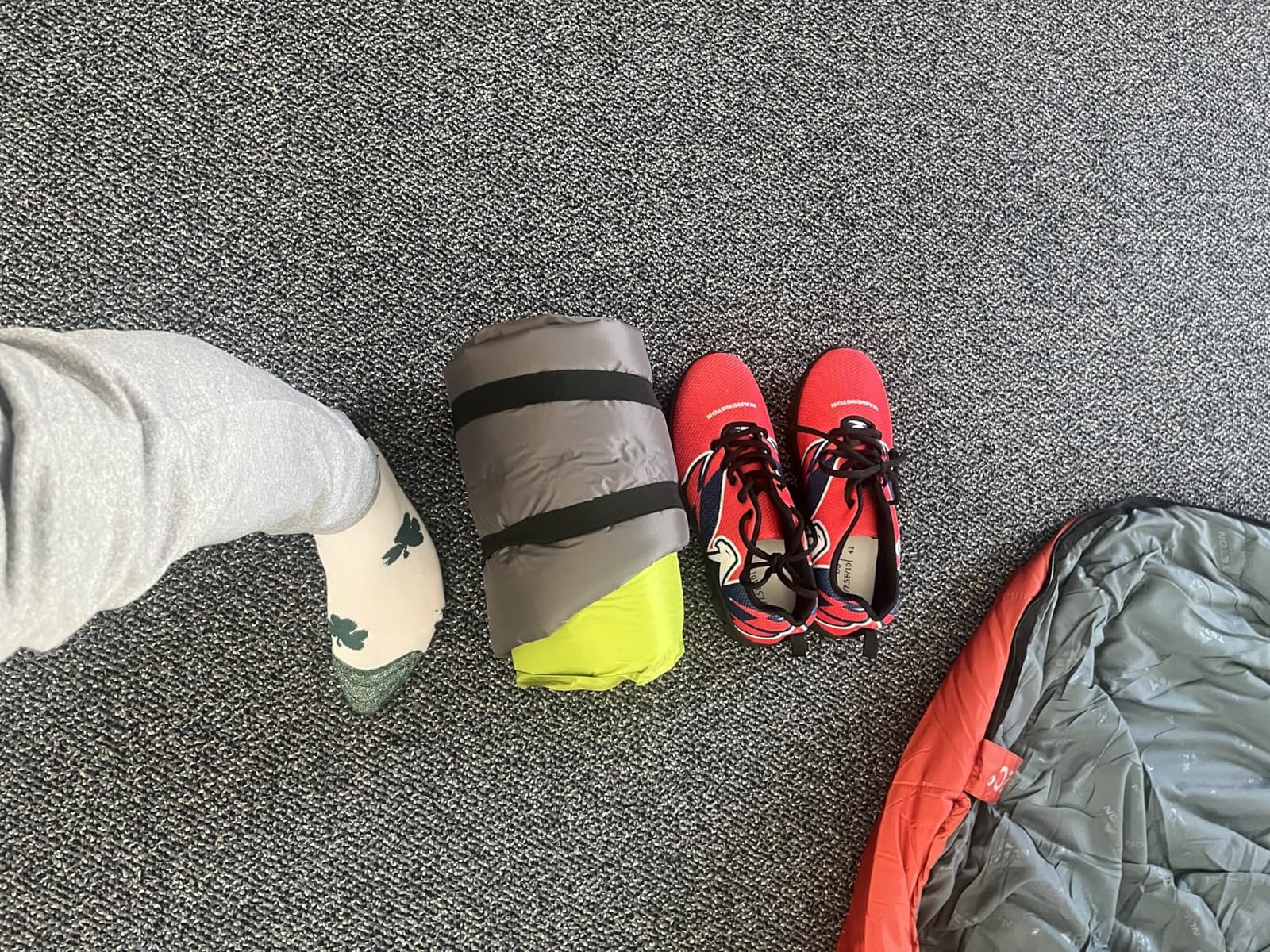
Back sleepers and campers prioritising warmth per ounce. At 2.2 pounds with an R-4.3 rating, the warmth-to-weight ratio is the reason to buy it, and the open-cell foam core is quiet and steady under a back sleeper. It packs to 8 by 12 inches, which is a fair trade for the insulation.
Side sleepers who already own a thick inflatable can use this as a base layer for extra ground insulation. Stacking an insulated pad under a 4-inch air pad raises both warmth and effective thickness, which is the best use for it here.
What to watch out for
Thickness is the problem. The 22-inch width is narrow for a side sleeper, and the 72-inch length leaves taller sleepers with their feet off the end, which pushes the surface up under the knees. Reviewers also note the packed bulk is larger than lighter inflatable pads.
If you bottom out on a pad, this is not the answer. Move up to a 3.5-inch or thicker pick instead.
How to Choose a Sleeping Pad for Side Sleeping
Four numbers decide this purchase: thickness, R-value, width and weight. Get those right and the brand matters very little. Get them wrong and no amount of brand reputation will save your hips.
Thickness by sleeper body weight
Thickness is loft measured in inches, and it is the single strongest predictor of whether a side sleeper sleeps well. The body-weight adjustment matters as much as the base number, because a heavier sleeper pushes more load into the same pad and compresses it further.
Under 130 pounds: 3.5 inches is comfortable, and 3 inches is usually fine if you sleep on a smooth site. Heavier sleepers should not go below that.
130 to 190 pounds: 3.5 inches is the realistic floor, and 4 inches is where most people in this range stop waking up sore.
190 to 250 pounds: 4 inches or more. Below 4 inches, expect your hip to reach the ground on soft ground even if the pad is rated higher.
Over 250 pounds: 4.5 inches or more, and look at foam over air, because foam resists compression under high load better than an air chamber at the same thickness.
Position also matters. Back sleepers are comfortable at 2 to 2.5 inches. Stomach sleepers need 2 to 3 inches so the pad does not push the lumbar spine up. Side sleepers need 3.5 inches as a minimum, and car campers should go to 4 inches or more.
R-value by season
R-value measures how well a pad blocks cold ground. It is the number that decides whether a comfortable pad in July is usable in October, and it has nothing to do with thickness.
R-1 to R-2 is summer camping on warm ground only.
R-2 to R-4 covers three-season trips in most temperate climates.
R-4 to R-5 handles light winter and shoulder-season cold.
R-5 and above is genuine winter territory. The Lost Horizon Option3 in this roundup is the only pick rated high enough for that.
The bag insulates you from above and the pad insulates you from below, and you need both. A thick but uninsulated pad is comfortable in July and miserable in October, which is the trap most thick pads set.
Pad type comparison
Three formats cover almost all camping pads. Air pads give the best thickness-to-weight ratio and let you adjust firmness, which makes them the default choice for side sleepers who carry. Foam pads cannot deflate and are silent, which makes them the most reliable choice for side sleepers who camp often from a vehicle. Self-inflating pads sit between the two.
Are self-inflating pads better than air pads for side sleeping? Not inherently. They are quieter and more forgiving of a puncture, but they are usually thicker and heavier, and the foam compresses permanently over time. Choose air for weight, foam for reliability.
Width: the dimension people skip
A 20-inch pad works if you sleep still. Once you start rolling, your elbow or knee comes off the edge and you adjust all night. For toss-and-turn sleepers, 25 inches is the practical minimum and 27 inches or more removes the problem. The widest picks here run 27.5 and 28 inches.
Backpacking versus car camping
If you carry your pad, weight is a real constraint and the decision is which comfort you will not compromise on. Our advice is to protect thickness and accept extra weight, because a sore hip ends the next day’s hike. The AKSOUL at 850 g is the lightest option here that still clears 3.5 inches.
If you drive to camp, weight is irrelevant and you should buy maximum loft and maximum R-value instead. That is what makes the 5-inch and 4.5-inch picks worth considering at all.
Inflation method and pad longevity
Breath inflation pushes moist air into the pad, and that moisture degrades the insulation over time. A pump sack or built-in foot pump keeps the air dry and is the single best habit for pad longevity. Pads that inflate and deflate quickly also avoid the seam stress of long roll-ups.
Keep a repair patch with your first aid kit rather than in the stuff sack, because the stuff sack is exactly where you will not find it when a leak starts.
How to Make a Too-Thin Pad Work
If you already own a pad and do not want a new one, four fixes handle most bottoming-out problems. All of them are cheap and all of them appear repeatedly in community threads.
First, inflate the pad properly. This is the most common mistake and the easiest fix. People soften a pad by letting air out because the surface feels stiff on the ground, then bottom out by 3am. Inflate it firm, sleep on it for three nights, and only judge it then.
Second, put a second pad underneath. An old foam pad under an inflatable adds both thickness and ground insulation, and users report the difference is immediate. It is also why the Gear Doctors Oxylus works well as a base layer despite its 1.5-inch thickness.
Third, add a targeted bolster. Community users report tucking a folded closed-cell foam pad under the hip specifically, which adds cushion where it matters most without adding bulk everywhere. Weight is a few ounces rather than a full second pad.
Fourth, change your position. Curl slightly rather than lying flat, draw your knees up, and keep your hips stacked. A pillow that fills the shoulder gap stops you rolling onto your arm, which is the other half of the pain people blame on the pad.
If none of that works, your pad is genuinely too thin for your body weight, and the honest answer is a thicker pad rather than a workaround.
Frequently Asked Questions
How thick should a sleeping pad be for side sleepers?
Side sleepers need at least 3.5 inches of pad thickness. Lying on your side concentrates your weight onto your shoulder and hip, so anything under about 3 inches lets those points sink to the ground and leaves you with sore joints by morning. Car campers can go to 4 inches or more; backpackers should treat 3.5 inches as the floor, not the target.
Why do I bottom out on my sleeping pad?
Bottoming out usually means the pad is too thin for your body weight, or that you let air out to soften it. A pad rated at 4 inches is rated at 4 inches fully inflated, and letting air out is the single action most likely to put your hip on the ground by 3am. If you sleep under 130 pounds, add thickness to your body weight when judging whether a pad is thick enough.
Are wider sleeping pads better for side sleepers?
They help if you move around at night. A 20-inch pad works if you sleep still, but 25 inches is the practical minimum for anyone who rolls, because 25 inches keeps your elbow and knee on the pad. Width does not replace thickness; it solves roll-off, not pressure. Most side sleepers want both.
Are self-inflating pads better than air pads for side sleeping?
Not inherently. Self-inflating pads are quieter and keep some comfort even if punctured, but they are usually thicker and heavier, and the foam compresses permanently over time. Air pads give a better thickness-to-weight ratio and let you adjust firmness mid-night. Choose air if you carry your pad and foam if you camp often from a vehicle.
What to use instead of a sleeping pad?
The main alternatives are closed-cell foam pads, camping mattresses, cots, and two pads stitched or buckled together. Closed-cell foam is the lightest and the least comfortable for side sleeping. Camping mattresses give the best comfort but the most weight. A cot paired with a foam mattress handles the roll-on-frame problem. Our guide to the best camping cots for side sleepers covers that setup in detail.
What is the most comfortable hiking mattress?
For pure comfort, a thick self-inflating foam camping mattress of 4 inches or more beats any air pad, because foam moulds to your shoulder and hip instead of pushing back. The cost is pack weight in the region of 50 to 60 ounces, which makes it a car-camping and basecamp answer rather than a backpacking one. Among backpacking options, a 3.5-inch air pad is the most comfortable choice that stays carryable.
Conclusion
The best sleeping pads for side sleepers share one trait, and it is not the brand. They are at least 3.5 inches thick, wide enough to keep an elbow on the surface, and firm enough at the top of the night that your hip never reaches the ground.
Our overall pick is the ZOOOBELIVES Airlive2000 at 4 inches with full edge-to-edge air support. For a pad you carry, the AKSOUL at 850 g gives you near-4-inch loft without doubling your pack weight. For cold ground, the Lost Horizon Option3 is the only pick here that combines serious thickness with an R-13 rating. For a vehicle setup, the FNARMW at 5 inches gives you the most loft available at any weight.
Skip anything under 3 inches unless cold ground is your only problem, inflate firm rather than soft, and test the pad at home for three nights before you commit to a trip. If you are still comparing gear, our camping sleeping pad roundup for side sleepers covers the budget end of the range in more detail.