
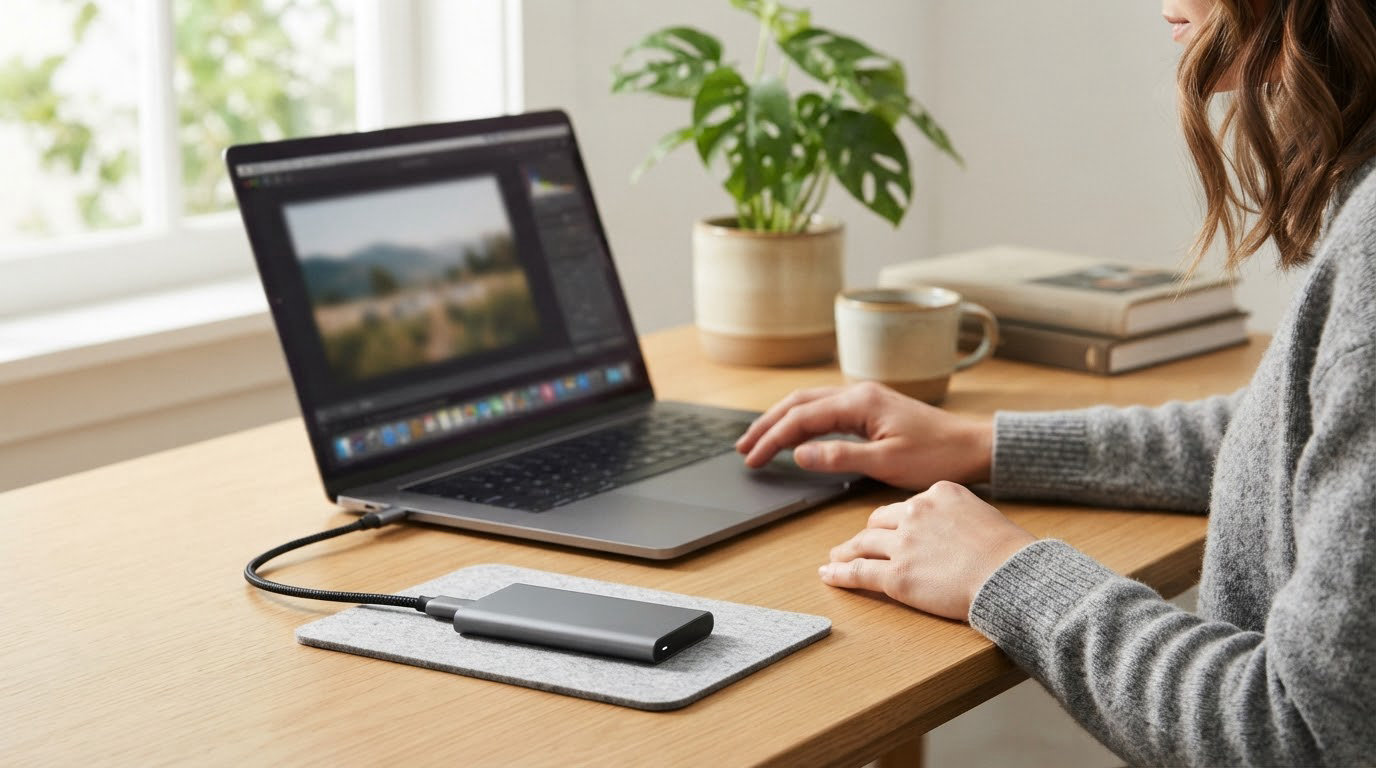
The Sandisk Extreme 2TB is the portable drive to watch during Amazon’s October event, because it pairs a rated 1050 MB/s read speed with IP65 water and dust sealing and hardware encryption in a body that weighs 1.76 ounces. For anyone who moves footage off a camera or a phone rather than installing drives inside a case, that combination is harder to find than the speed figure alone suggests.
The Crucial BX500 240GB is the other direction entirely: a SATA drive for reviving an old laptop that still spins a mechanical hard drive. The Samsung T7 1TB sits between them, working as a console add-on and a phone recording drive. All three, plus seven more, are worth a look while Prime Big Deal Days runs October 6-7, 2026, though deals change hour by hour and the button on each section is the only place the current price appears.
Table of Contents
Our Top 3 Picks for Best Amazon Prime Big Deal Days SSD Deals


Best Amazon Prime Big Deal Days SSD Deals Compared (October 2026)
| Product | Specifications | Action |
|---|---|---|
| Sandisk Extreme 2TB |
|
Check Deal Price |
 Crucial BX500 240GB Crucial BX500 240GB |
|
Check Deal Price |
| Samsung T7 1TB |
|
Check Deal Price |
 Kingston NV3 1TB Kingston NV3 1TB |
|
Check Deal Price |
 Samsung 990 PRO 2TB Samsung 990 PRO 2TB |
|
Check Deal Price |
 TeamGroup Vulcan Z 2TB TeamGroup Vulcan Z 2TB |
|
Check Deal Price |
 WD Black SN7100 4TB WD Black SN7100 4TB |
|
Check Deal Price |
 PNY CS900 500GB PNY CS900 500GB |
|
Check Deal Price |
 SSK SD500 1TB SSK SD500 1TB |
|
Check Deal Price |
 Patriot P210 512GB Patriot P210 512GB |
|
Check Deal Price |
Two categories run through the whole list: drives that plug into a port and travel, and 2.5-inch or M.2 drives that get screwed into a bay or a slot. The portable group clusters around a 1050 MB/s read ceiling, and the internal group splits cleanly between SATA drives that top out near 550 MB/s and PCIe 4.0 drives that run from 6000 to 7450 MB/s.
How We Chose
We compared the specifications that decide whether a drive suits a machine: interface, form factor, rated read and write speeds, capacity, warranty length and the NAND type where the listing names it. Alongside those we read the volume and pattern of Amazon owner reviews, since a 4.8 rating across 52,000 reviews says something different from a 4.8 rating across 300. Specs, ratings and review counts were checked in October 2026.
1. Sandisk Extreme 2TB: Best for Portable Photo and Video Backup
- Light 1.76 ounce body
- Real transfers close to the 1050 MB/s claim
- IP65 sealing and 3-meter drop protection
- Carabiner loop and hardware encryption
- Needs a decent USB-C cable to mount reliably
- Runs slightly warm on long transfers
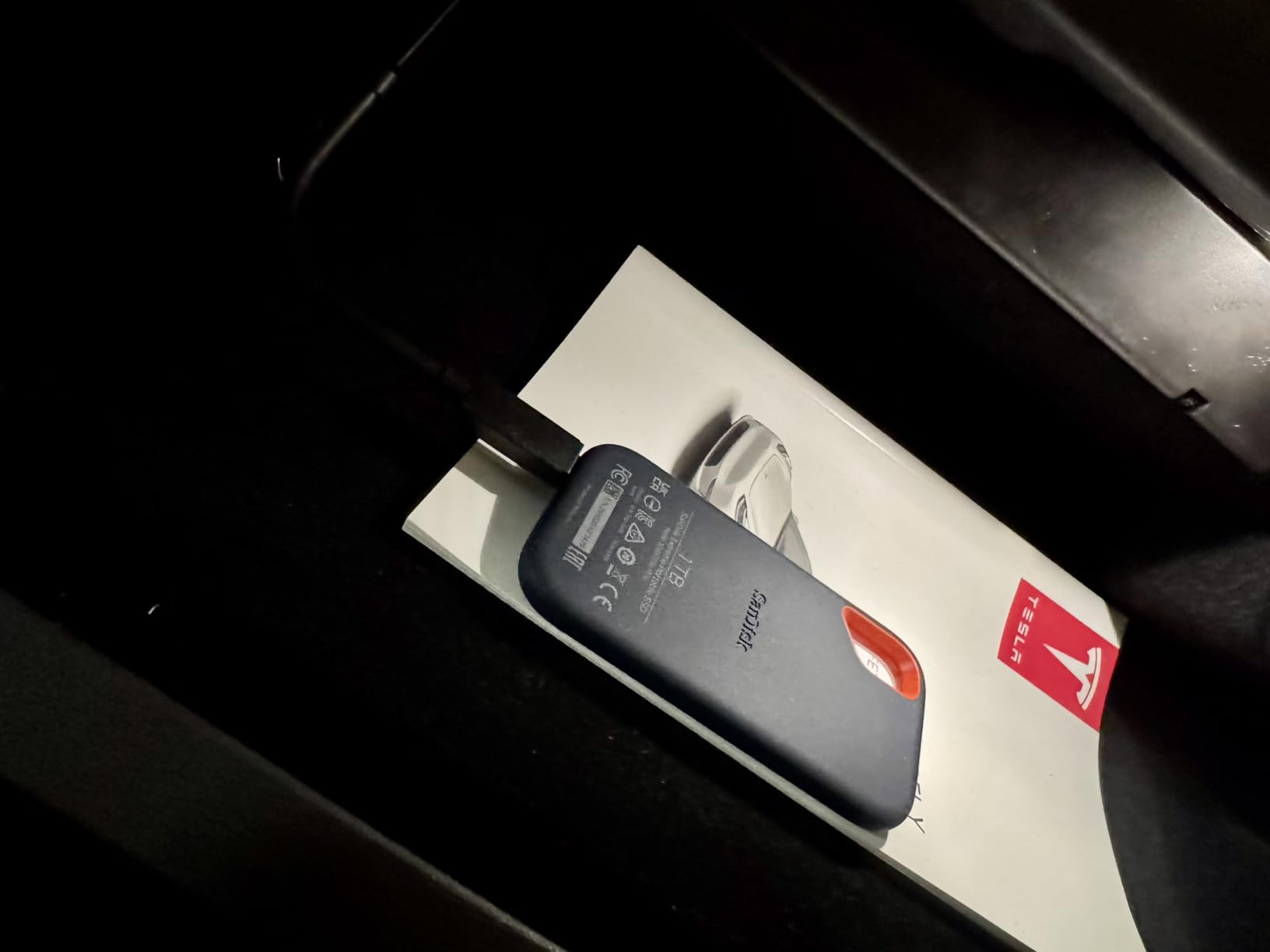
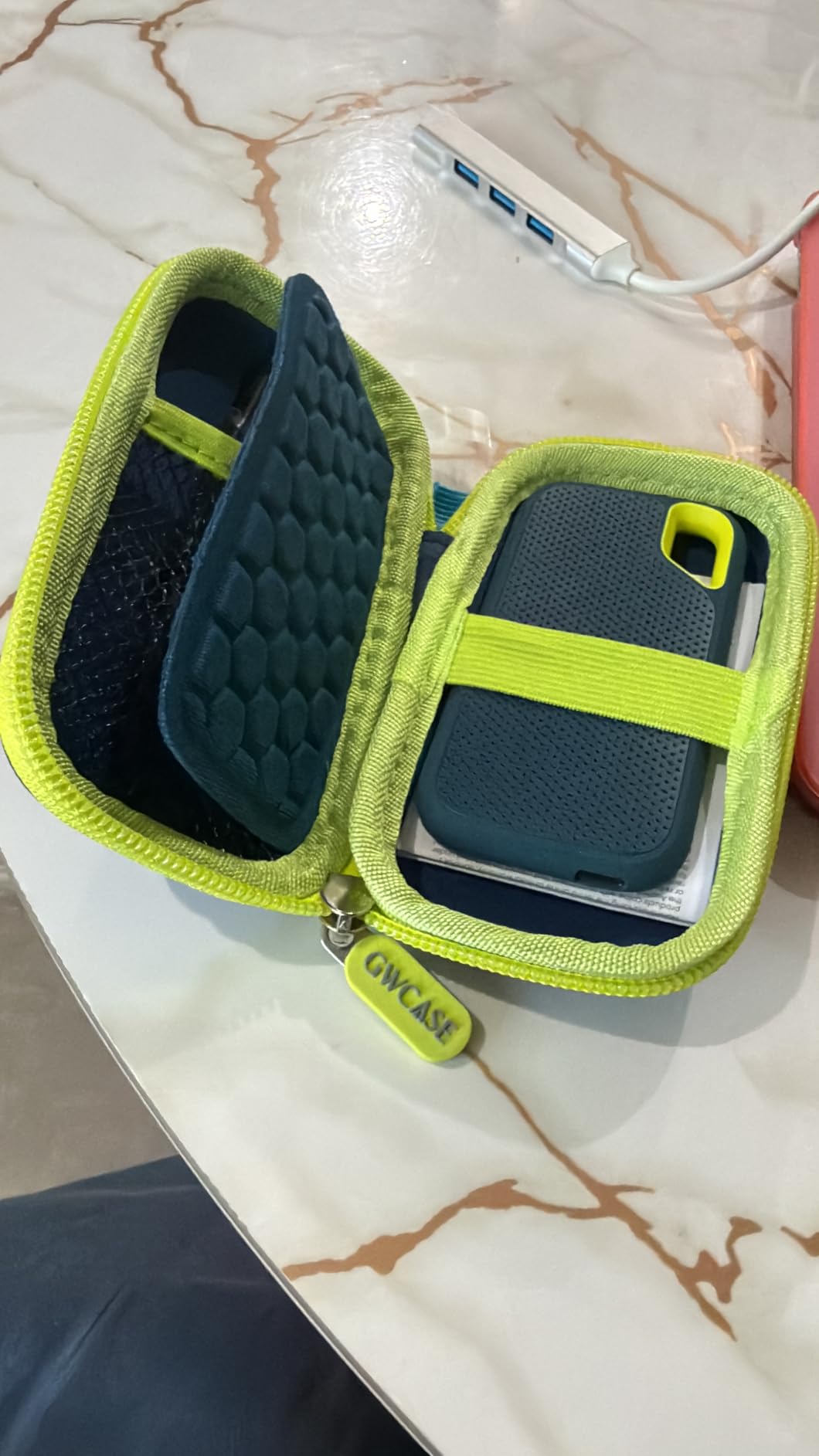
Most owners buying a travel drive want two things at once: enough capacity to hold a working shoot, and a body that survives being shoved in a bag. The Sandisk Extreme 2TB delivers on both counts, and its 91,000-plus reviews make it the most examined drive in this group.
The stand-out detail is the sealing. IP65 water and dust resistance plus 3-meter drop protection means rain, sand and a dropped drive are less of a crisis than they would be with a bare enclosure, and the 256-bit AES hardware encryption means footage can be locked down without extra software. The carabiner loop is a small thing that decides whether the drive ends up clipped to a bag or lost in a pocket.
For a photographer shooting a weekend, transferring 200GB of cards at close to the rated speed takes a few minutes rather than an afternoon, and the supplied exFAT format means it mounts on both a Mac and a Windows machine without a reformat.
The most repeated caveat across reviews is cable quality. Several owners needed a proper USB-C cable before the drive would mount at all, which is worth knowing before the sale ends and you are unpacking at a hotel desk. Owners also mention it running slightly warm during long sustained transfers, though none report throttling.
Compared with the Samsung T7 1TB, the Sandisk wins on sealing and capacity and loses on warranty length, since the T7 carries three years against five here. Compared with the SSK SD500 1TB, it is the safer buy of the two portable options, with a much larger review base behind it.
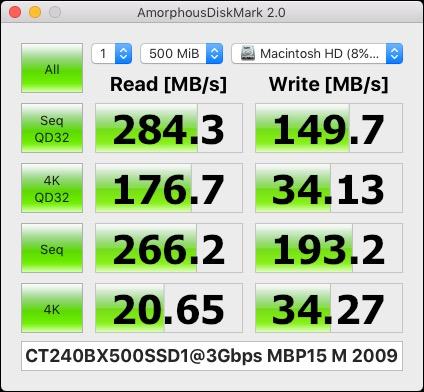
2. Crucial BX500 240GB: Best for Reviving an Old Laptop or Desktop
- Highest rated drive in this roundup
- Silent and cool running
- Drop-in fit in any 2.5-inch 7mm bay
- Micron 3D NAND
- 240GB fills up fast once Windows is installed
- Cloning software can crawl when run from an HDD boot drive
Not every machine that needs a new drive has an M.2 slot. Plenty of older laptops and desktops from the SATA era still have a 2.5-inch bay and nothing else, and for those the Crucial BX500 240GB does the one job that matters: it makes the machine feel new again.
At 4.8 stars across more than 52,000 reviews, this is the most consistently rated drive here, and owners describe the same result every time. Boots go from a coffee break to a few seconds, fans stay quiet because there is no spinning platter to spin, and the listed energy efficiency helps laptop battery life last longer than it did on a hard drive.
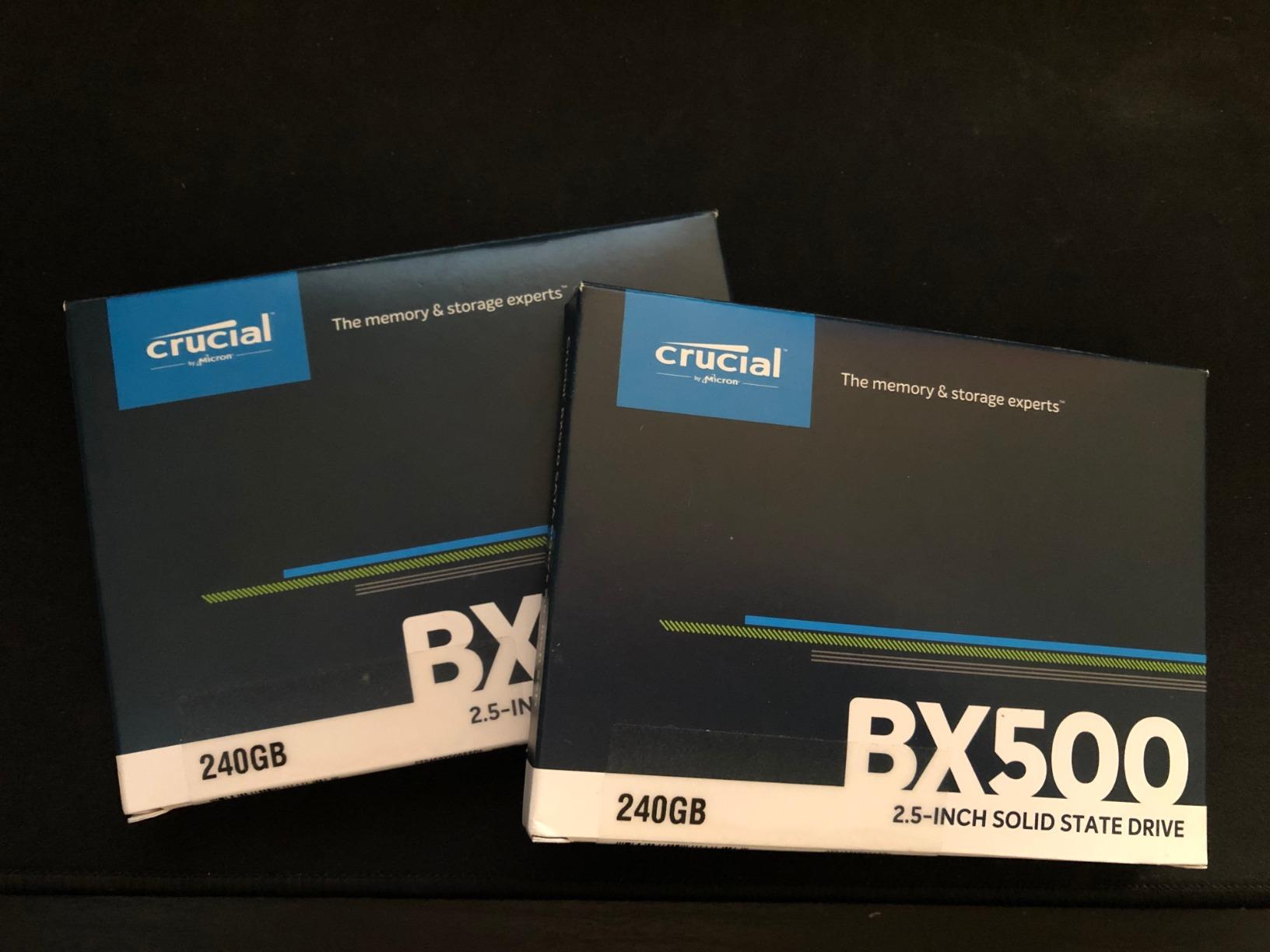
The honest limit is capacity. 240GB sounds generous on the box and feels cramped once Windows, a browser and a handful of games are installed, so most owners end up using it as a system drive paired with something larger for archives. If your old machine is a desktop you also game on, look at the TeamGroup Vulcan Z 2TB instead, which uses the same SATA interface with far more room.
Good to know: the bundled cloning software is included for moving an existing system across, and reviewers who ran it from a hard-drive boot system report it being slow. Cloning from an SSD or from a Windows installer is the smoother path.
Skip this one if your machine already has an NVMe slot nobody ever used. In that case the Kingston NV3 1TB installs into the same five minutes and multiplies your throughput by a wide margin.
3. Samsung T7 1TB: Best for Console and Phone Video Capture
Samsung T7 Portable SSD 1TB Titan Gray, USB 3.2 Gen 2, Up to 1,050MB/s
- Compact 3.3 inch aluminum unibody
- Wide console phone and tablet compatibility
- Samsung in-house DRAM and NAND
- Shock resistant to 6 feet
- Runs warm under sustained heavy transfers
- Management software only handles Samsung drives
- No water or dust rating
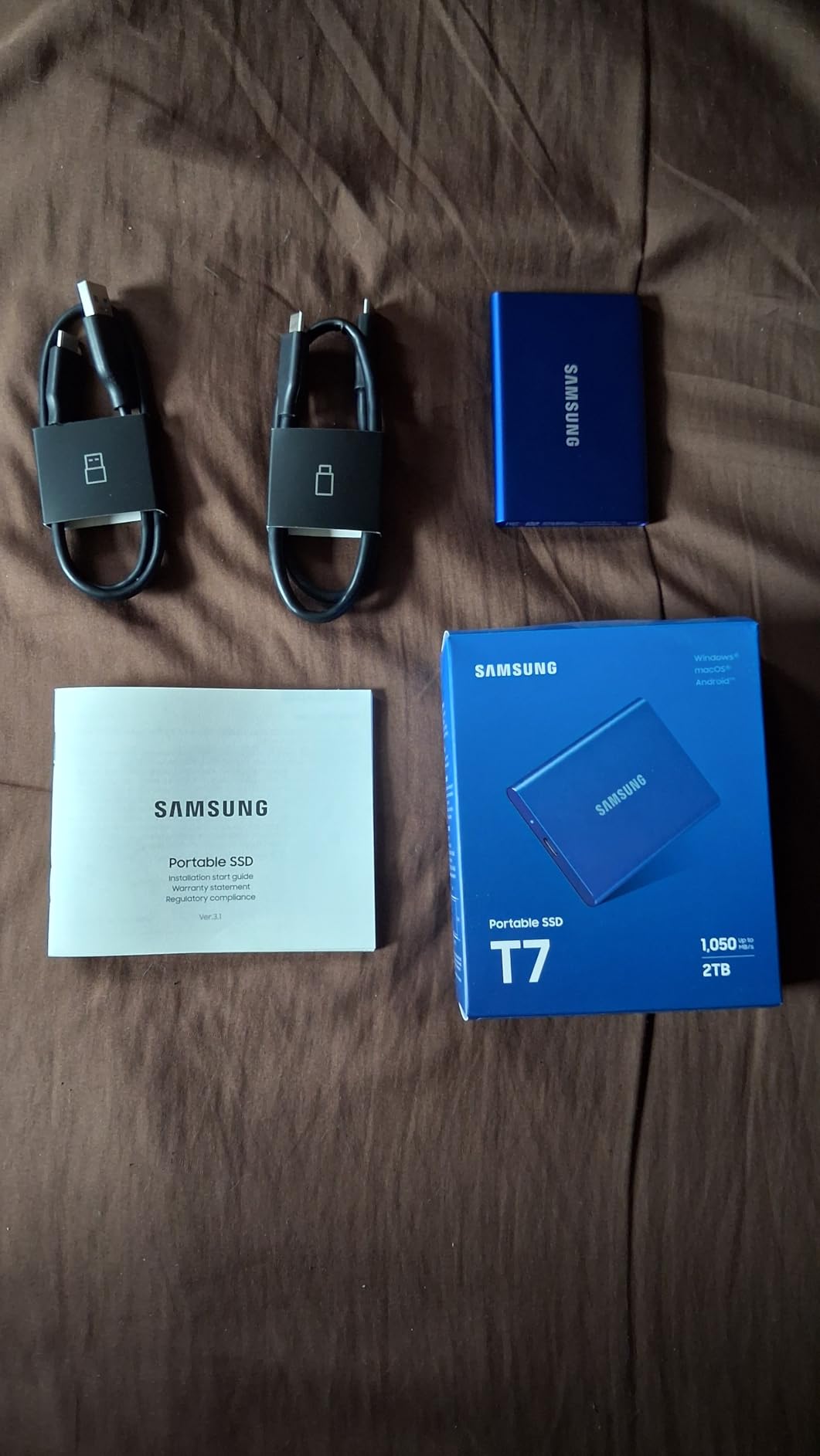
The Samsung T7 has been the default recommendation for years for a reason: it is small enough to stay in a camera bag, fast enough to record 4K 60fps directly from a phone or camera, and broad enough to move between a laptop, a tablet and a console without anyone changing their habits.
Inside the aluminum body sits an embedded PCIe NVMe drive, which is why the T7 reaches 1050 MB/s read and 1000 MB/s write in a 2.08 ounce shell. Owners who upgraded from the previous T5 generation describe the jump as roughly a doubling of transfer times in practice. For a console owner, the listed compatibility with PlayStation 4 and PlayStation 5 makes it an easy way to hold a library outside internal storage.
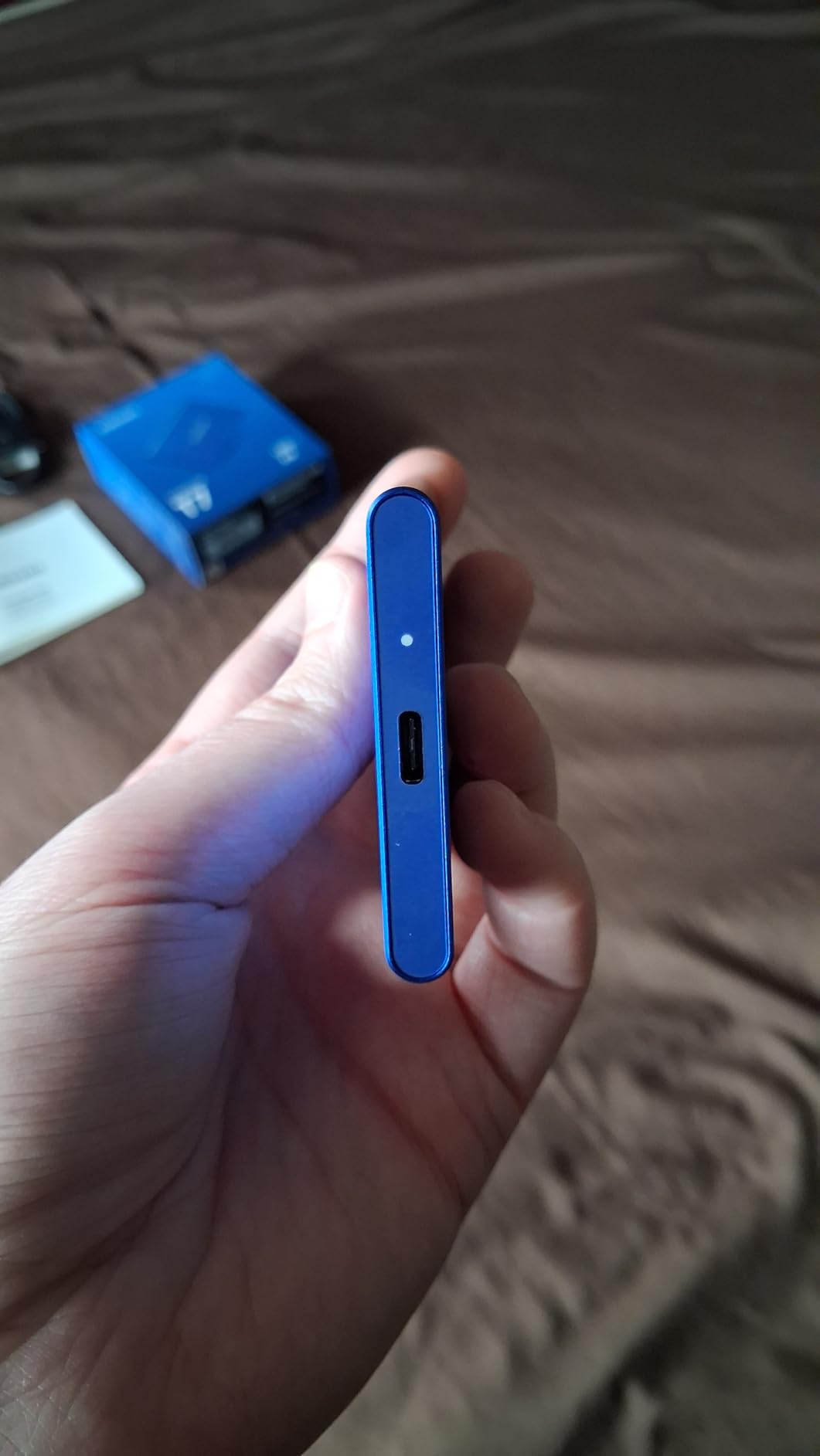
The trade-off owners raise most is heat. Under long sustained transfers the drive runs warm and benefits from airflow, so leaving it pocketed mid-transfer will cost you speed. The second recurring note is software: Samsung’s management utility will not touch non-Samsung drives, so a mixed-brand setup means learning more than one tool.
Where it beats the Sandisk Extreme 2TB is warranty and console support, and where it loses is sealing, since the T7 carries no water or dust rating. If you shoot outdoors in bad weather, the Sandisk is the safer carry. If you move files between a console, a phone and a laptop, the T7 does more of the work on its own.
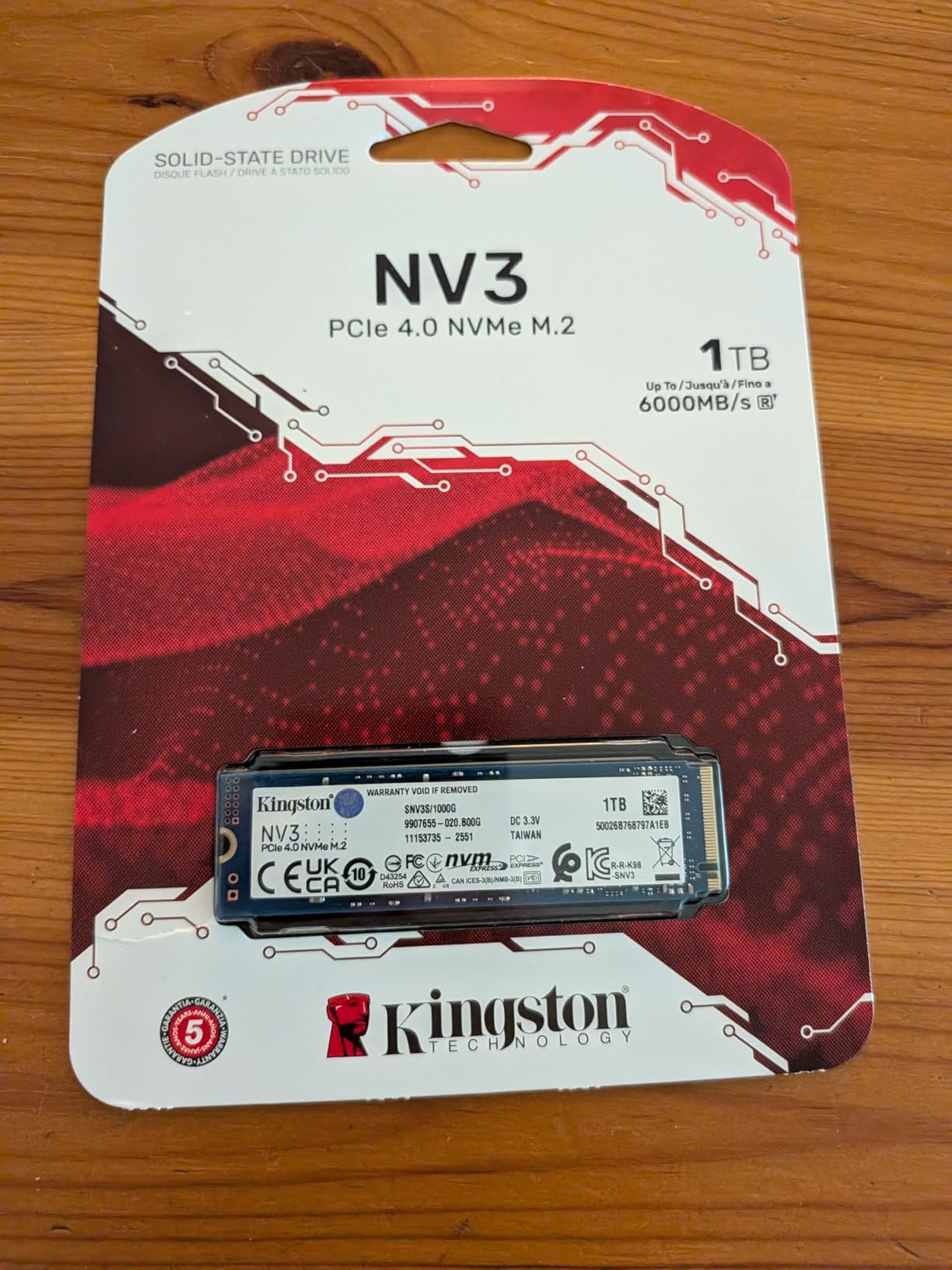
4. Kingston NV3 1TB: Best for New PC Builds on a Budget
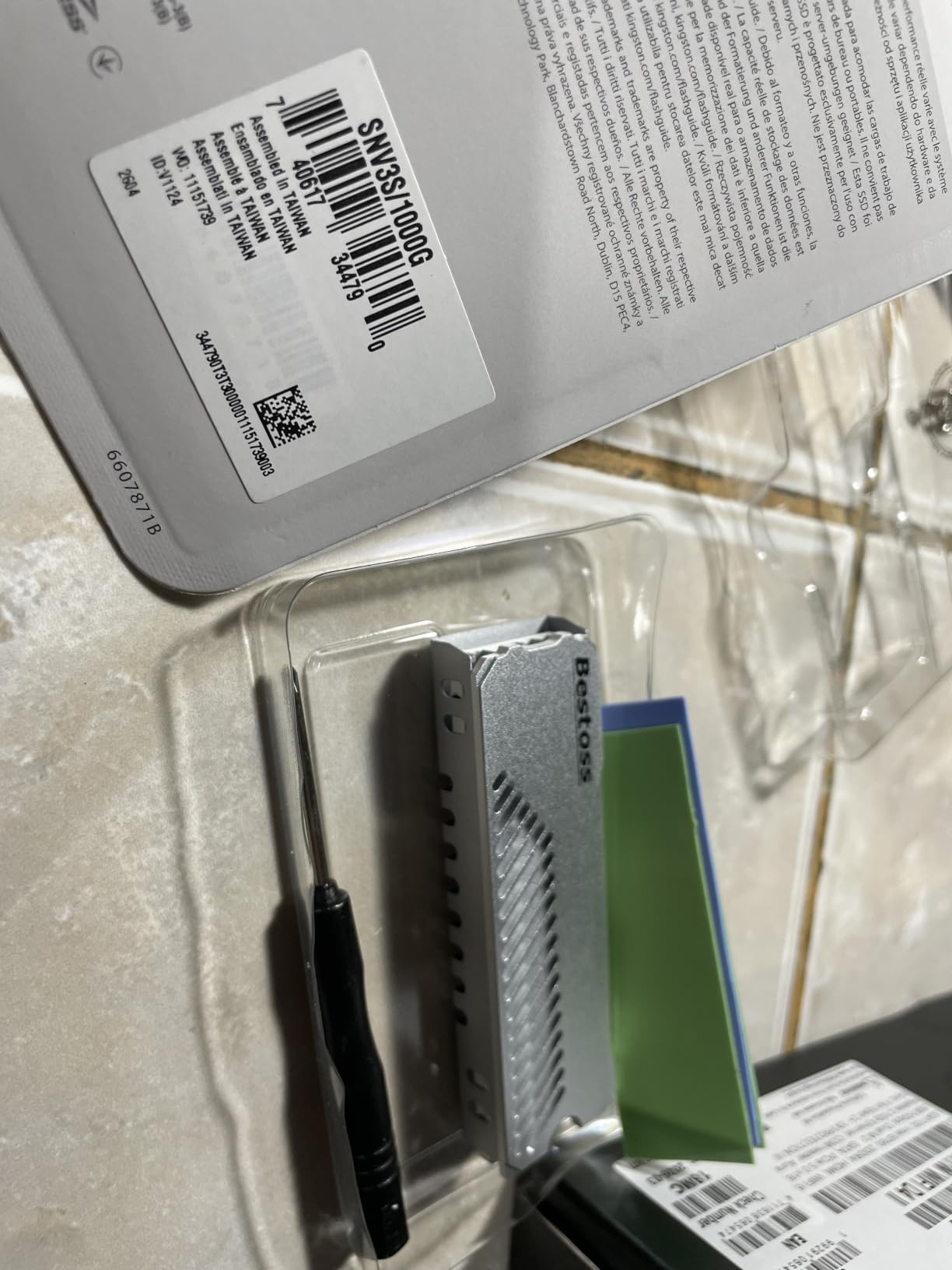
Kingston NV3 1TB M.2 2280 NVMe SSD | PCIe 4.0 Gen 4×4 | Up to 6000 MB/s | SNV3S/1000G
- Near-spec 6000 MB/s read and 4000 MB/s write
- Runs cool with no thermal throttling reported
- Single-sided board fits tight laptop slots
- Installs with no BIOS changes
- DRAM-less so random I/O trails premium drives
- Endurance rating is lower than enthusiast NVMe
- Speed dips on huge writes to a nearly full drive
A new build needs a boot drive and a game drive, and this is the one most builders put in the middle: fast enough that nothing feels like a bottleneck, cheap enough that the budget for a graphics card survives, and small enough to ignore.
Owners benchmarking this drive find results close to the listed 6000 MB/s read and 4000 MB/s write, and the review pattern is unusually consistent. It runs cool, roughly 42 to 48C under load according to owners who watched it, with no throttling reported after months at 70 to 80 percent full. Installation is plug and play, recognised immediately with no BIOS tinkering, and the single-sided M.2 2280 board fits the narrow slots found in many thin laptops.
What you give up is the DRAM cache. Random I/O trails drives built with dedicated DRAM, and the endurance figure is lower than what an enthusiast drive offers, which matters for anyone writing terabytes daily. Most gamers copying game libraries once never notice. A video editor moving projects back and forth all week might.
Good to know: speed can fall off slightly when transferring very large 50GB-plus folders onto a drive that is nearly full, so leave a little headroom rather than filling it to the last sector.
Step up to the Samsung 990 PRO 2TB if editing is the workload, since that drive has twice the capacity and a 5-year warranty. Stay here if boot times and load times are what you are chasing, and pair it with the TeamGroup Vulcan Z 2TB for bulk game storage on a SATA board.
5. Samsung 990 PRO 2TB: Best for Heavy Editing and Large Game Libraries
- 7450 MB/s read and 6900 MB/s write
- Over 55 percent random gain over the 980 PRO
- Stable under multi-drive workstation loads
- 5-year manufacturer warranty
- No heatsink included
- Runs hot under continuous heavy writes
- Management software will not touch other brands
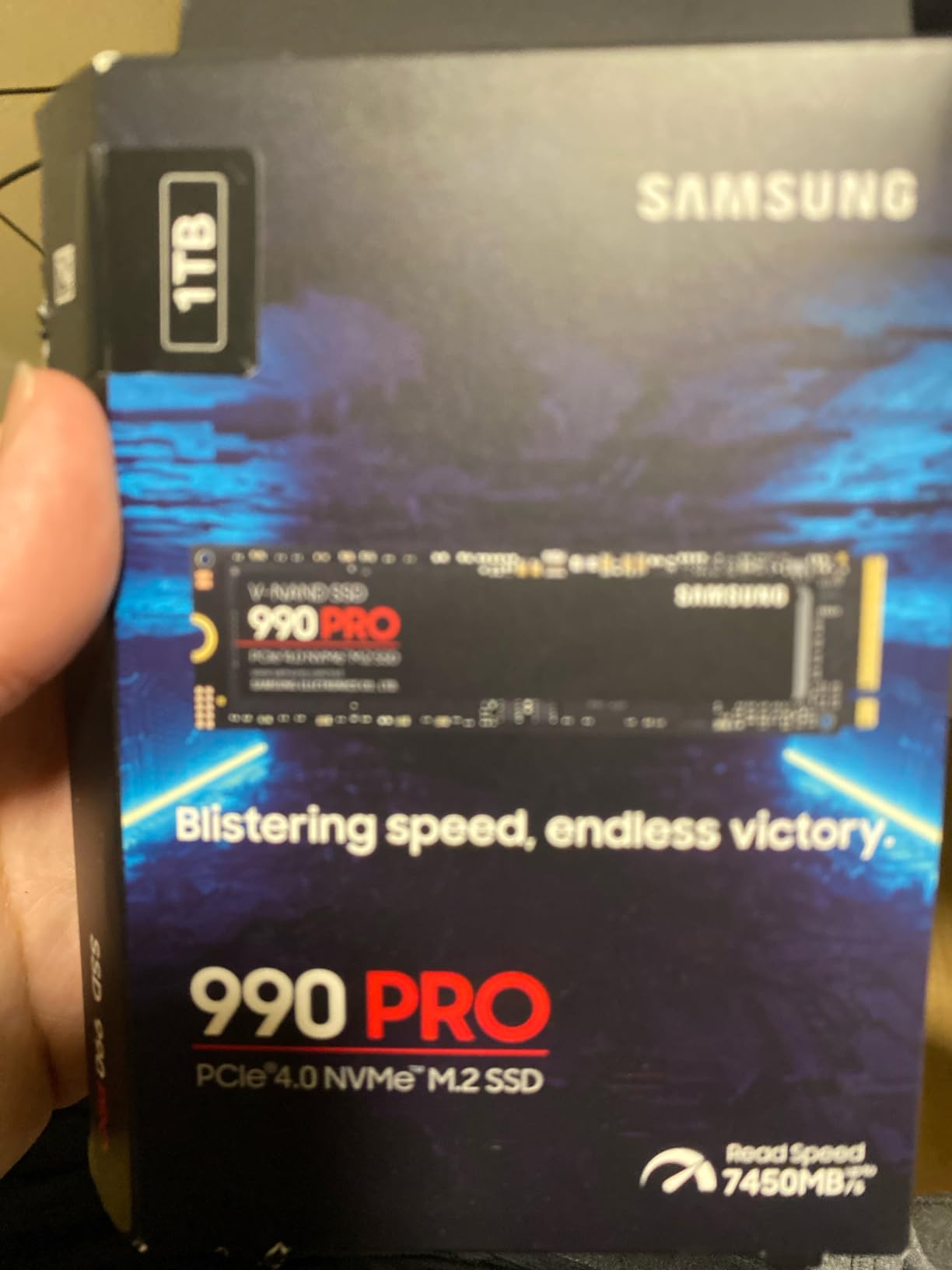
When a machine spends its day scrubbing timelines and copying camera cards, the difference between a good NVMe drive and this one shows up in the edit, not in a benchmark. The Samsung 990 PRO 2TB is the enthusiast option in this list, and the reviews describe it that way: scrub times, load times and multi-drive workstation setups behaving without drama.
At 7450 MB/s read and 6900 MB/s write on PCIe 4.0, with more than 55 percent better random performance and up to 50 percent better performance per watt than the 980 PRO it replaces, it holds consistent speeds even when several drives are busy. Owners running multi-drive NAS and workstation builds report no data loss and no instability over years.
The advice that appears in nearly every long review is about heat. No heatsink is included, and a drive that runs hot under continuous writes will throttle until firmware updates or airflow improve it. The cheap fix most owners recommend is a basic M.2 heatsink, which is worth budgeting for separately.
Worth comparing: the WD Black SN7100 4TB doubles the capacity and quotes 2400 TBW endurance, so it is the one to buy if raw space per bay matters more than peak throughput. The 990 PRO is the one to buy if you want the fastest sustained behaviour and the longest warranty here at five years.
One practical note for buyers during a sale event: check the exact capacity variant in the listing before you click, because this model is offered from 1TB to 4TB and the 2TB figure in the name is the one that matters for the speed claims above.
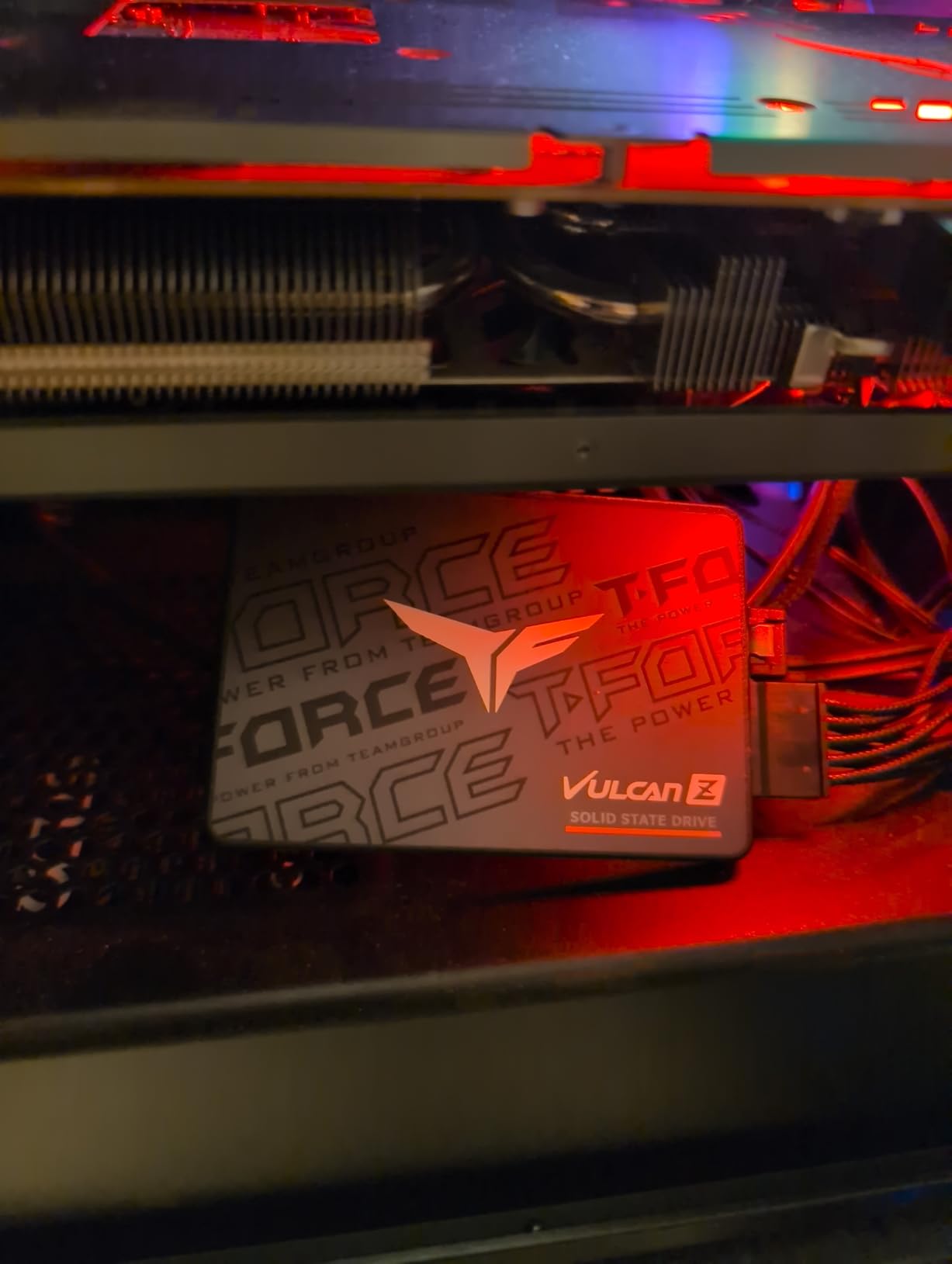
6. TeamGroup Vulcan Z 2TB: Best for SATA Gaming Library Upgrades
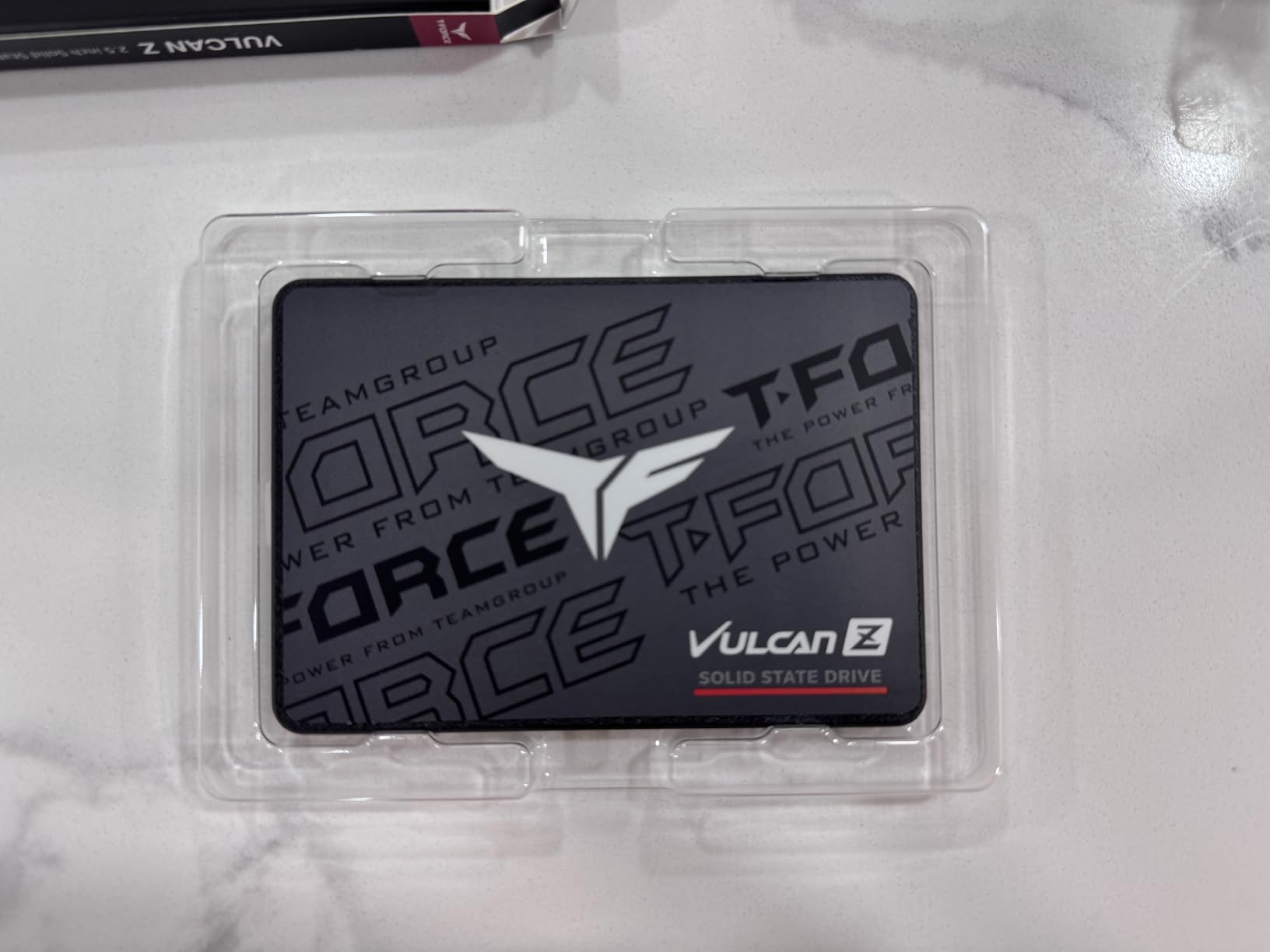
TEAMGROUP T-Force Vulcan Z 2TB SLC Cache 3D NAND TLC 2.5 Inch SATA III Internal Solid State Drive SSD (R/W Speed up to 550/500 MB/s) T253TZ002T0C101
- TLC 3D NAND with SLC cache for smoother sustained writes
- 550 MB/s read and 500 MB/s write
- Shock and vibration resistant
- TBW backed limited warranty
- SATA III caps throughput far below NVMe
- Higher cost per gigabyte than other 2.5-inch drives
- 2TB is tight for very large libraries
SATA did not disappear, and for a desktop built before M.2 became normal it is still the only option. The TeamGroup Vulcan Z 2TB is the pick here for owners who want a large game library on that hardware rather than a boot drive.
What separates it from the other 2.5-inch drives in this list is the NAND. TLC 3D NAND backed by an SLC cache holds a steadier speed through long writes than entry-level drives that stall once the cache fills, and owners writing that as smoother cutscene loads and fewer stutters. The listed 550 MB/s read and 500 MB/s write is close to the practical ceiling for the interface, so nothing here is wasted.
Owners also mention the quiet operation, which matters more than it sounds when a gaming machine sits next to a microphone, and the shock and vibration resistance gives some comfort in a case that gets moved around. The warranty is backed by a TBW figure under the JEDEC standard, which is a clearer commitment than a flat three years alone.
Skip it if the machine has any spare M.2 slot. The Kingston NV3 1TB fits there instead and delivers an order of magnitude more throughput for game loading. Buy the Vulcan Z when the SATA bays are what you have, and pair it with the Crucial BX500 240GB as a small system drive if you want the two to serve different jobs.
Good to know: 2TB covers a solid library, but if you are a recent-release heavy player or the board has two free bays, two of these is a better arrangement than one larger purchase you will regret later.
7. WD Black SN7100 4TB: Best for 4TB High-Capacity Storage
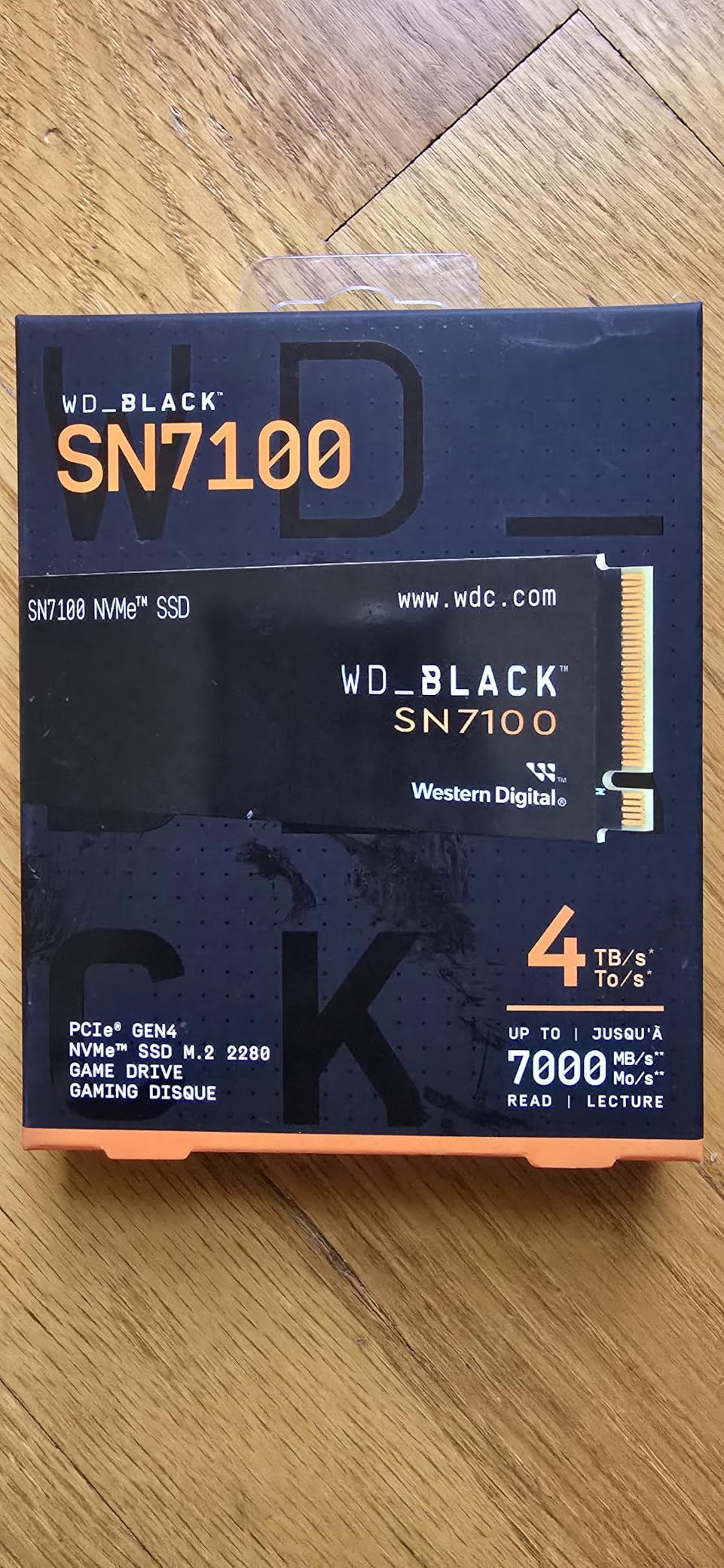
WD_Black SN7100 4TB NVMe SSD – Gen4 PCIe, M.2 2280, Up to 7,000 MB/s Read Speed, Up to 6,700 MB/s Write Speed, Next Gen TLC 3D NAND, for Laptops, Handheld Gaming Devices – WDS400T4X0E
- 4TB capacity for large libraries and archives
- Up to 2400 TBW endurance on the 4TB model
- Up to 100 percent better power efficiency than prior generation
- Listed for handheld gaming devices
- Listing states it has been replaced by the Optimus GX 7100
- No heatsink included
- Thin board has little thermal headroom in tight slots
Four terabytes changes what a machine can hold. With the WD Black SN7100 you can keep a full operating system, a large game library and a working archive on one stick, which is why it is the pick for anyone who keeps running out of space rather than running out of speed.
The ratings back that up: 4.8 stars across more than 6,500 reviews, with owners focused on the combination of capacity, near-7000 MB/s read and 6900 MB/s write, and an endurance figure listed at up to 2400 TBW for the 4TB model. The listing also names handheld gaming devices among compatible hardware, which fits a deck-sized slot where taller boards will not fit.
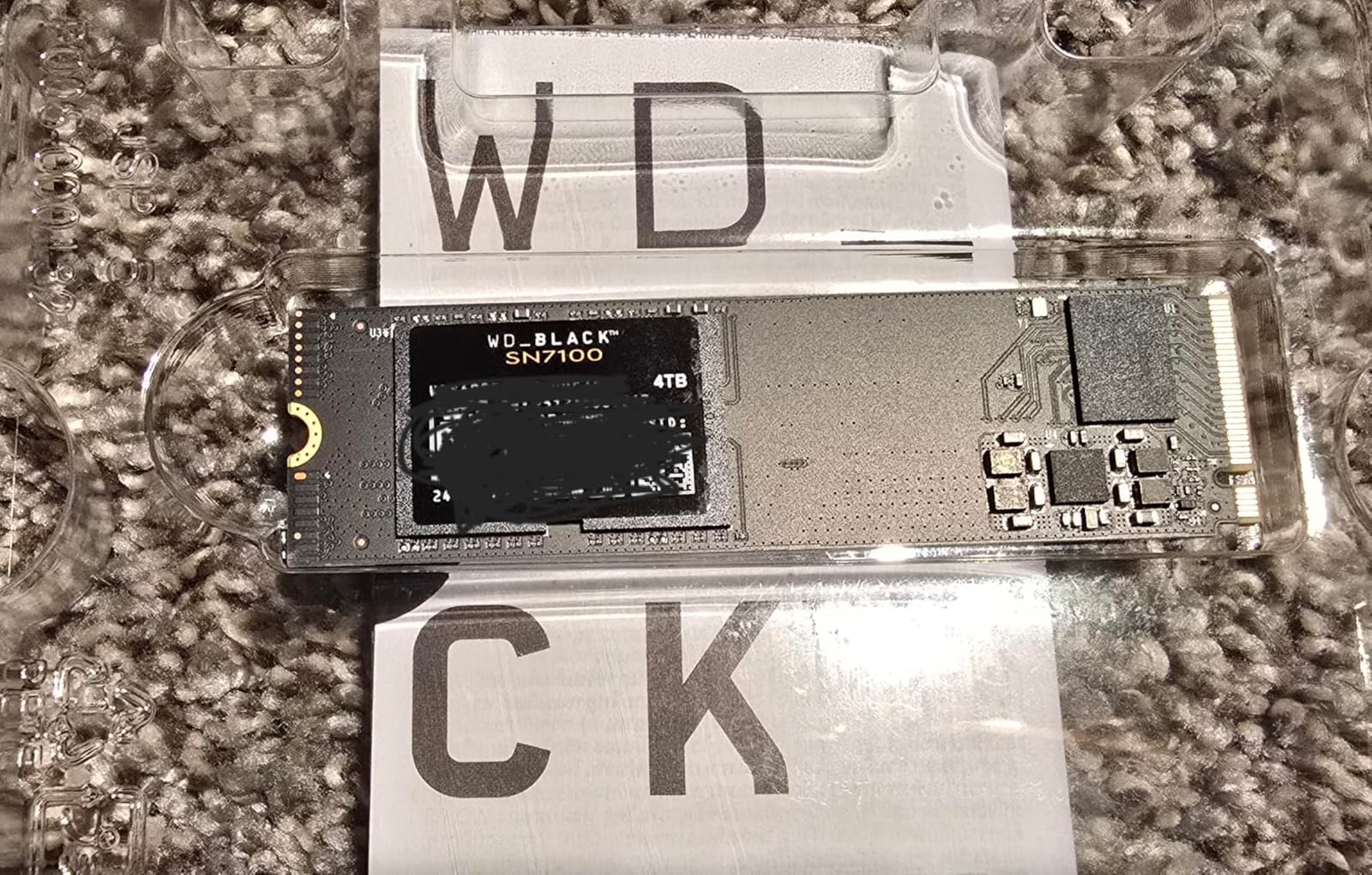
Two practical notes before anyone commits during the sale. First, the listing states this model has been replaced by the newer Optimus GX 7100, so treat any offer here as a clearance of the outgoing part and check what the successor is priced at on the same day. Second, the board is thin and single-sided with no heatsink included, which leaves little thermal headroom in a cramped slot under sustained load.
For raw space with an endurance story, we keep a separate look at the high-capacity end of the market, covering where this drive sits against the other 4TB options and how their endurance and thermals differ. If you would rather have half the space and the fastest sustained behaviour, the Samsung 990 PRO 2TB is the alternative.
8. PNY CS900 500GB: Best for School and Office PCs
- Much faster boots and app launches than a hard drive
- Up to 550 MB/s read and 500 MB/s write
- Low power draw helps laptop battery life
- Backwards compatible with SATA II systems
- 500GB is tight for large modern game libraries
- Sustained writes slower than TLC-based drives
- SATA III ceiling well below NVMe
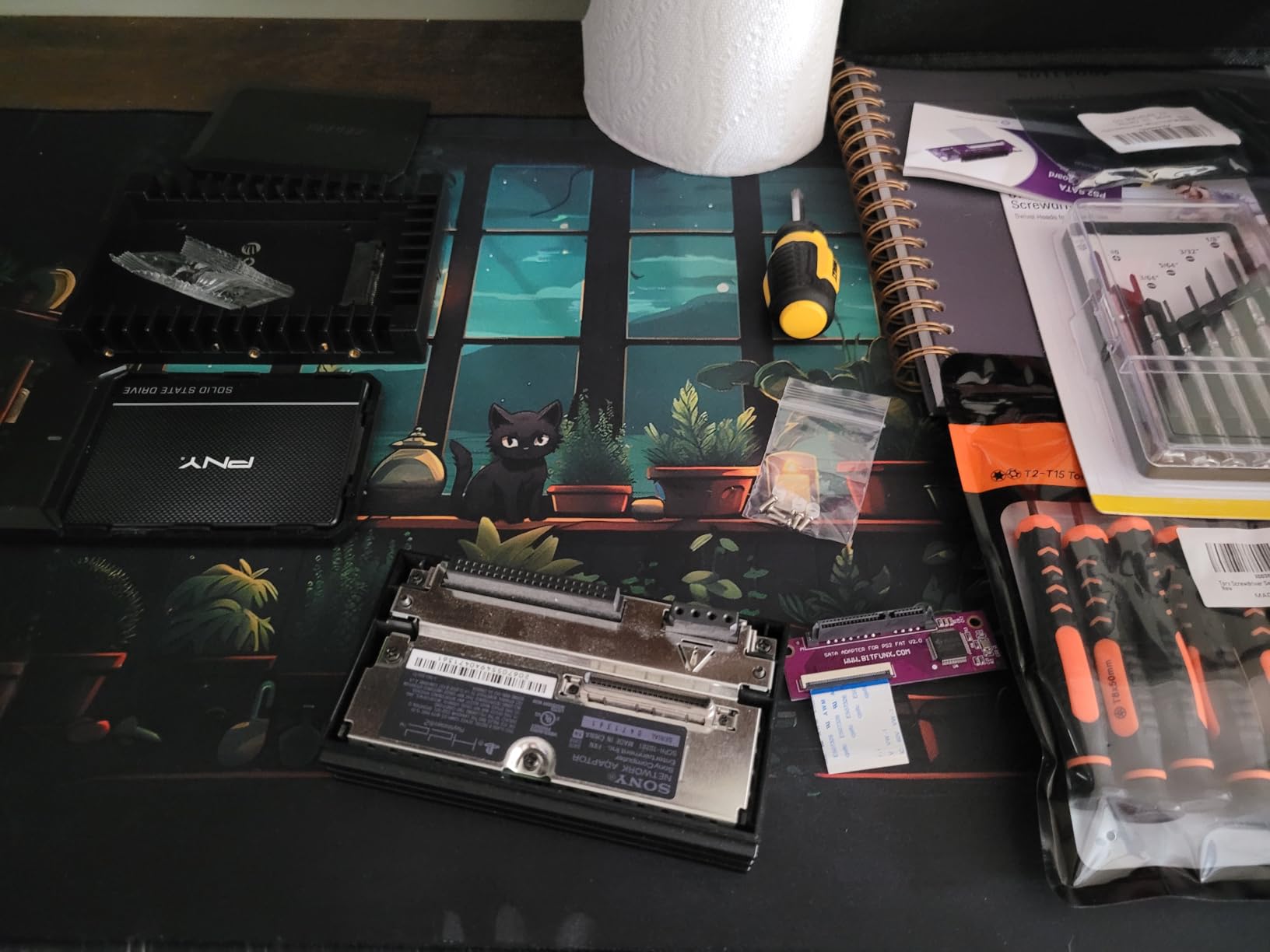
Office and school machines are where the return on a new SSD is largest, because the machine was never slow by design. It was waiting on a spinning disk. The PNY CS900 500GB is the balanced choice for that situation: enough room for a full operating system and applications, and a simple drop-in install.
Owners describe the same result across thousands of reviews. Boot times, application launches and general responsiveness improve sharply, and the low power consumption shows up as longer battery life on a laptop. The drive is also backwards compatible with SATA II systems running at 3GB/s, which covers a good number of older office hardware.
What it will not do is serve a large game library or move very large files quickly. 500GB disappears quickly once a modern title is installed, and sustained write performance is slower than the TLC-based alternatives here, which shows up when copying a big project folder in one go.
Compared with the Crucial BX500 240GB, this drive gives you more room at the same SATA speed class, while the BX500 carries the higher rating and a longer review history. If the machine has an M.2 slot, the Kingston NV3 1TB is a straightforward upgrade over either.
Good to know: this is the drive most worth buying when you have a spare bay and no need for speed beyond what SATA can deliver. The install is a matter of copying one cable and one screw.
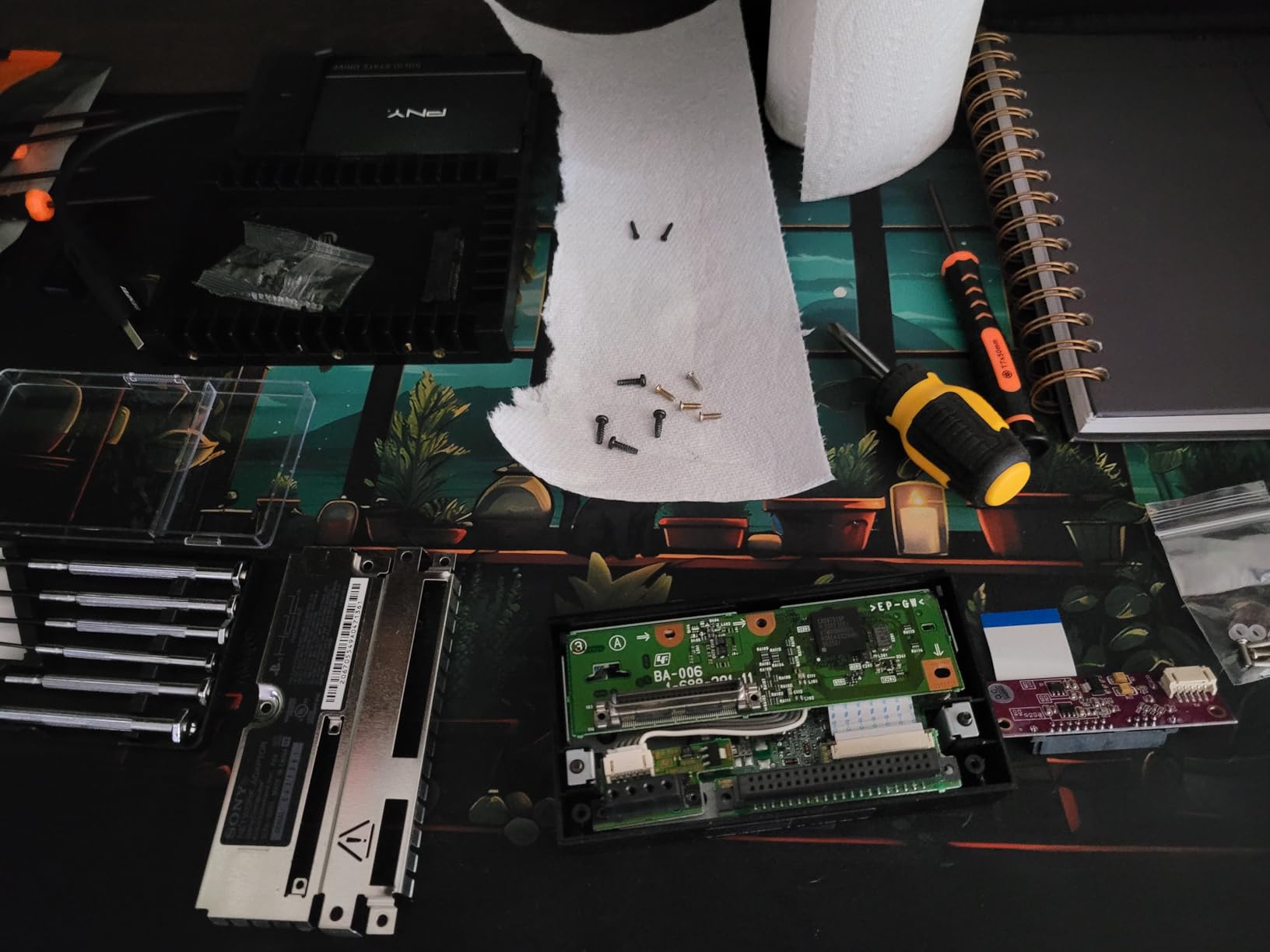
9. SSK SD500 1TB: Best for iPhone Video Capture
SSK Portable SSD 1TB External Solid State Hard Drive USB C Up to 1050MB/s
- 36.6g aluminum body with good heat dissipation
- USB-C and USB-A cables both included
- 4K60Hz ProRes HDR capture from iPhone under 2.4W
- S.M.A.R.T. diagnostics and adaptive TRIM
- Lowest rated drive here at 4.5 stars
- SLC cache covers only about 25 percent of capacity
- SMR can slow rewrite-heavy work
Recording 4K ProRes straight to a phone means the drive has to keep up in real time and weigh almost nothing. The SSK SD500 1TB is built for that narrow job, and it is the lightest portable drive in this list at 36.6 grams.
Owners like the details more than the headline speed. Both a USB-C and a USB-A cable are included, which removes the single most common portable drive complaint. The aluminum case dissipates well, peaking around 105F in owner readings, and the listed power draw under 2.4W during capture is low enough not to drain a phone battery while filming.
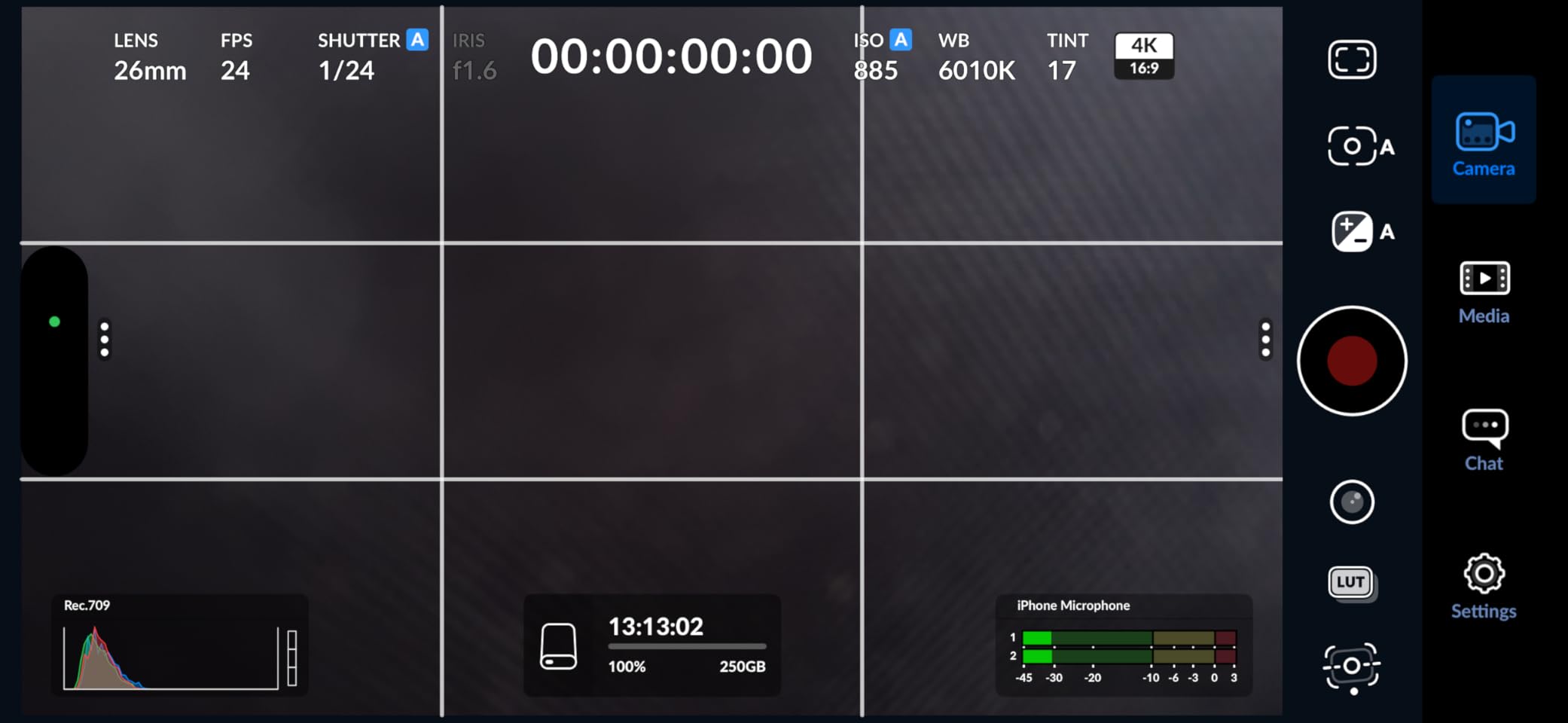
Be honest about the trade-offs, because there are real ones. This is the lowest-rated drive in the group at 4.5 stars, with 7 percent of reviews at one star. The SLC cache covers roughly 25 percent of available capacity, so a long continuous write session eventually falls off cache speed. The listing also names SMR technology, which can slow rewrite-heavy workloads compared with TLC NAND.
Windows will report 1TB as roughly 931GB. That is normal binary capacity reporting, not a fault, and it catches out a lot of first-time buyers.
Compared with the Sandisk Extreme 2TB, the SSK is lighter and cable-complete but has half the capacity, no water rating and a much thinner review history. If your footage stays on the device and gets backed up later, the Sandisk is the steadier choice.
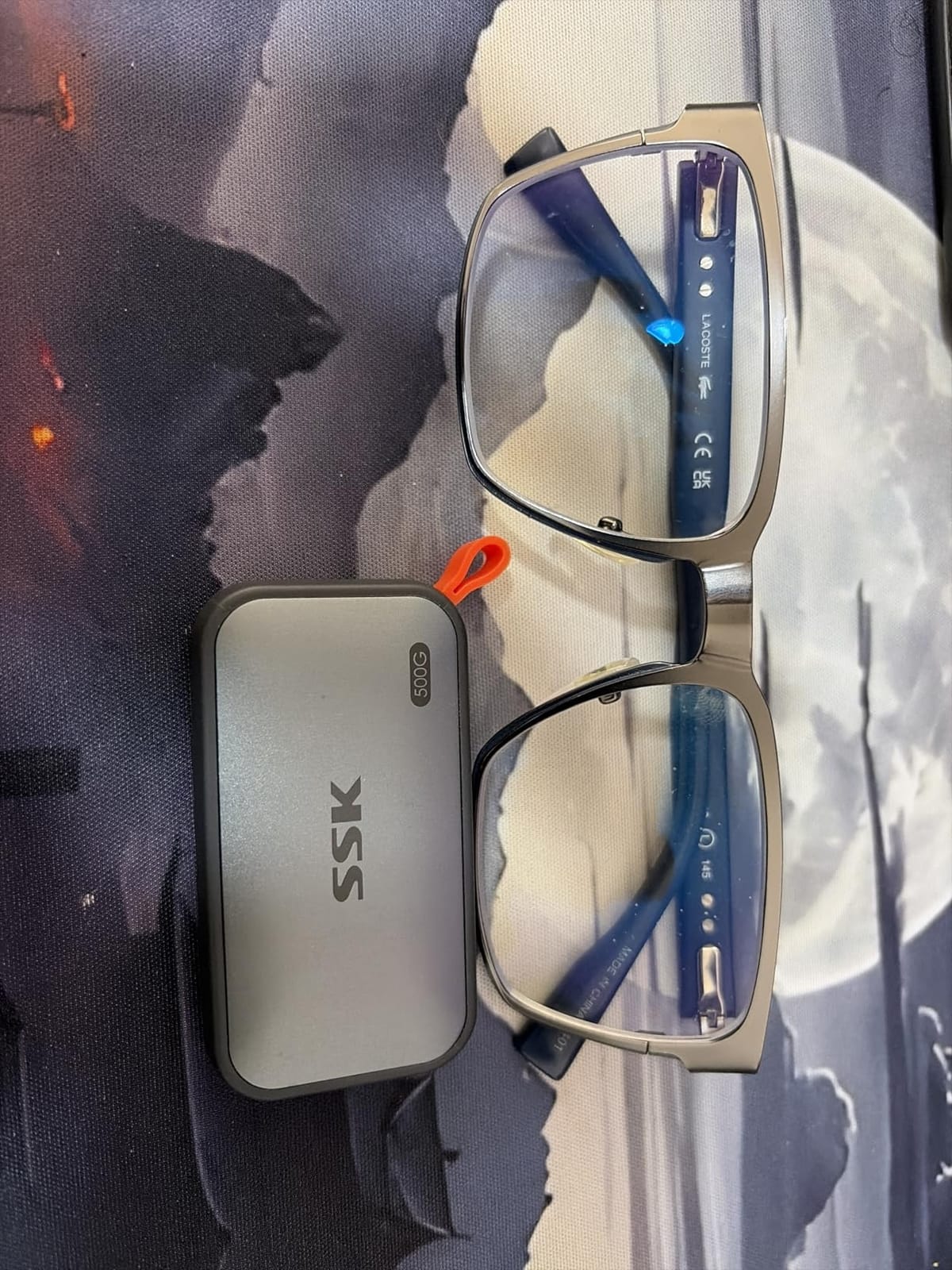
10. Patriot P210 512GB: Best for Replacing an Old Desktop Drive
Patriot P210 512GB Internal SSD – SATA 3 2.5″ – Solid State Drive – P210S512G25
- Dramatically faster boots when replacing a hard drive
- 512GB suits a boot or secondary drive
- Installs easily and works on older systems
- SmartECC and end-to-end data protection
- A few buyers reported a first drive failing
- Some describe the casing as thin
- SATA III ceiling far below NVMe
Closing out the list with the simplest job in the category. If you have a desktop tower with one dead hard drive and no interest in anything else, the Patriot P210 512GB is a straightforward replacement that owners consistently report working on the first try.
Reviewers describe noticeable improvements in boot and application launch times, and several specifically mention good BIOS compatibility on older Lenovo machines, which is where cheap desktop replacements tend to end up. The drive also carries SmartECC and end-to-end data path protection, and lists thermal throttling technology alongside a three-year warranty.
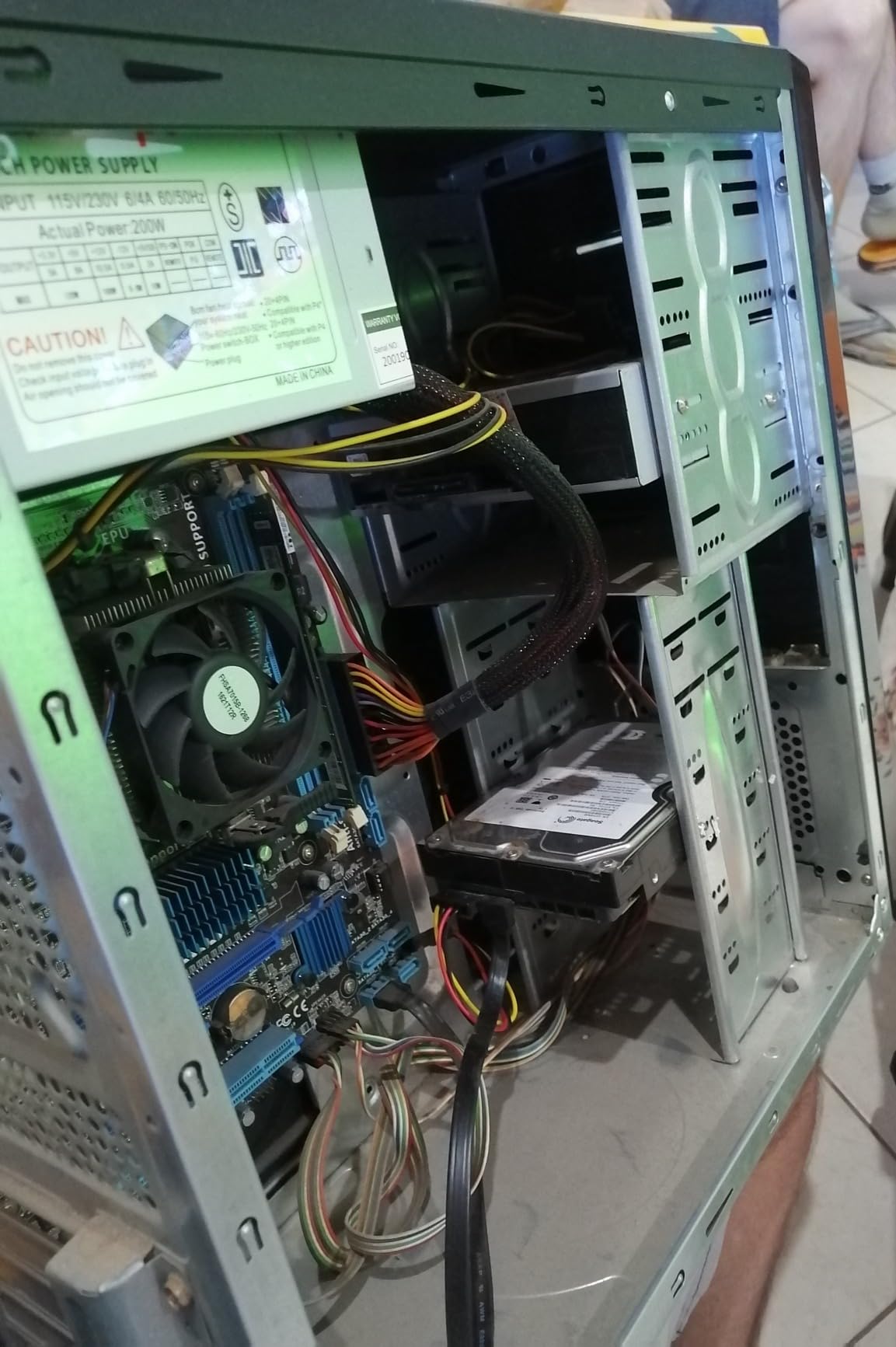
The honest notes from reviews: some buyers reported a first drive failing prematurely, though the replacement worked for them, and a few described the casing as feeling thin. Neither is a widespread pattern, but on a machine holding anything you cannot lose, the Crucial BX500 240GB has both a higher rating and a much longer review history behind the same warranty length.
Do not buy this for a gaming library. At 512GB with a SATA III interface it will fill up and slow down in ways the TeamGroup Vulcan Z 2TB will not. It is a boot drive, a second drive for a clean Windows install, or a general-purpose replacement for a machine that never had fast storage.
One number explains why it feels responsive anyway: 4K aligned random write is listed at up to 50K IOPS, which matters more day to day than the sequential throughput an NVMe drive would show on the same machine.
How to Choose SSDs During Prime Big Deal Days
SSD Interface and PC Compatibility
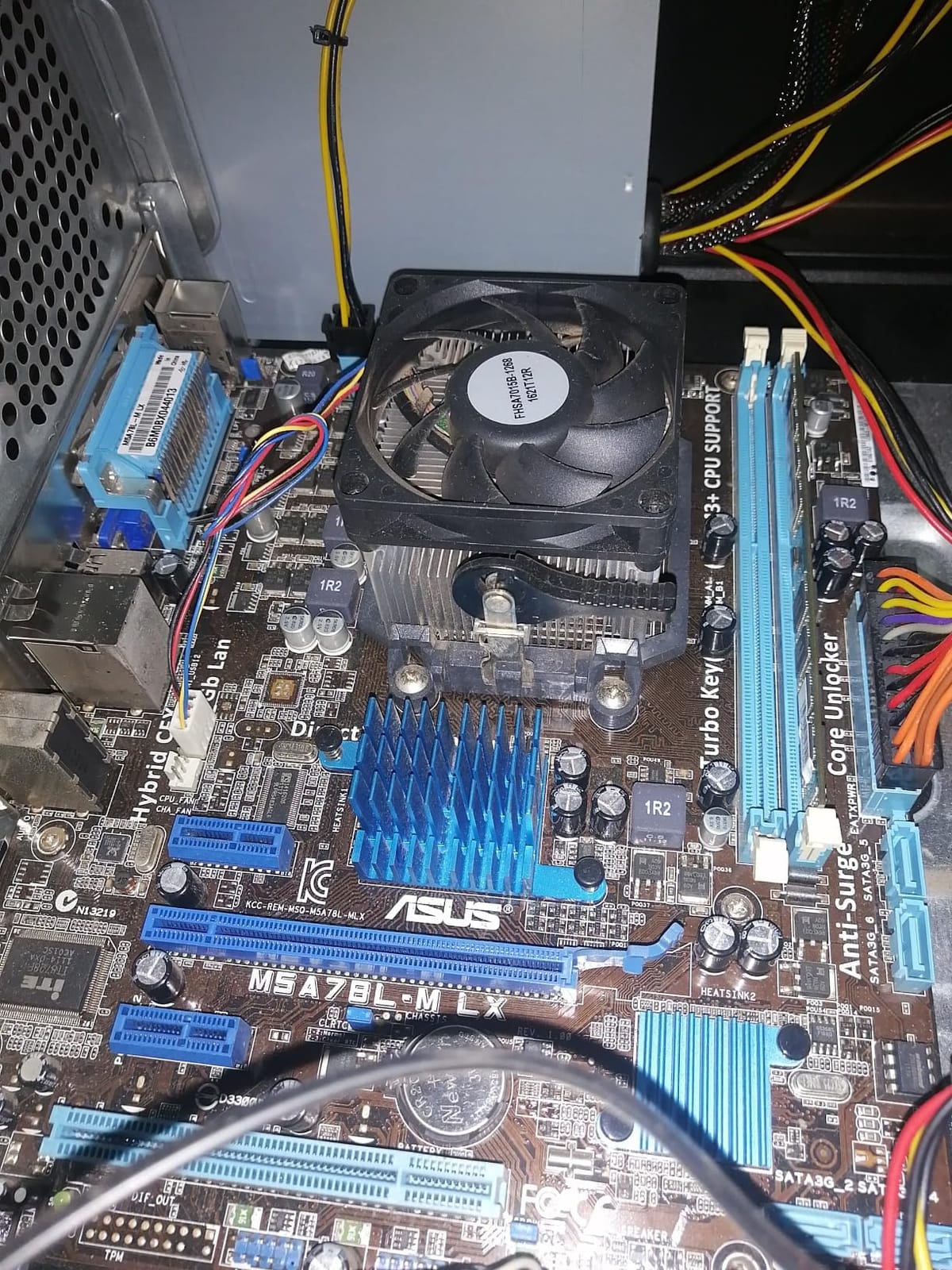
Start with the slot your machine actually has, not the speed on the box. An NVMe drive needs an M.2 2280 slot wired to PCIe, while a SATA drive needs a 2.5-inch bay or an M.2 slot that only carries SATA, which is common on thin laptops. Check the motherboard manual or the existing drive before buying, because an NVMe drive in a SATA-only bay will not be detected at all. PCIe 4.0 drives run at full speed in a Gen4 slot and at reduced speed in older Gen3 slots, which is still far faster than SATA.
SSD Capacity and Performance Trade-Offs
Two terabytes is the practical middle of this list. It holds an operating system, a large game library and room to spare, and the drives at that capacity no longer cost much more per gigabyte than the 1TB models. Below 500GB you are choosing a system drive rather than storage, and above 4TB the cost per terabyte matters more than any remaining speed gain. Our guide to 4TB NVMe SSDs covers where the high-capacity options differ on endurance and thermals.
SSD Endurance and Thermal Performance
Endurance is written as TBW, the terabytes a drive can write before its cells wear out, and anything above 200 TBW is comfortable for a normal home machine. Higher-capacity drives usually quote higher numbers for the same model, so a 4TB part often has more headroom than the 1TB version. Heat is the other half: the fastest PCIe 4.0 drives in this list run hot under continuous writes and benefit from a cheap M.2 heatsink, while the SATA drives stay cool without help. Compare two drives of the same capacity and generation before trusting a headline speed figure.
Form Factor and Installation Needs
Two shapes cover nearly everything here. A 2.5-inch SATA drive needs a bay and two cables and fits any desktop or laptop from the last two decades. An M.2 2280 drive is a stick that slots in with one screw, but it needs the right key and a PCIe lane, and on some laptops only one slot is exposed. Portable drives need no install at all, which is why the cable quality matters more than the enclosure. Check whether your machine needs a mounting bracket or a SATA-to-USB cable before you buy either type.
How to Shop SSD Deals During the Sale
Read the listing rather than the deal badge. Confirm the exact model number and generation, since the same family is sold in several capacities and the speed claim usually applies to one of them. Check that the capacity matches what you need, that the form factor fits your machine, and whether the box includes a heatsink or only the drive. Look at who sells and who ships it, since marketplace listings differ from first-party offers in returns and warranty handling. Most offers on this event need a Prime membership, and prices change throughout October 6-7, 2026.
- Match the interface to the slot before anything else
- Buy 2TB as the default unless you already know you need more
- Check the model number, not just the product family name
- Add a heatsink for any bare M.2 drive that will run long writes
- Confirm the seller and the shipper on the listing
- Use the button to see the current price rather than trusting a crossed-out figure
Frequently Asked Questions
When does Amazon Prime Big Deal Days run in 2026?
Amazon Prime Big Deal Days runs October 6-7, 2026. That is the window when storage discounts are most likely to appear, and the offers can change several times across those two days rather than settling on a single price.
Do you need Prime membership to buy SSD deals during Prime Big Deal Days?
Most offers on this event need a Prime membership, and a free trial counts for the length of the trial. Some listings run coupon discounts that apply without membership, so it is worth checking the coupon box on the product page before deciding the membership is a blocker.
Are the Best Amazon Prime Big Deal Days SSD Deals confirmed discounts?
No. These are the drives worth watching during the sale, not verified price cuts. Manufacturer list prices move and a crossed out figure does not prove a saving, so treat any percentage as a prompt to check the current price rather than as a fact.
How do I know whether an SSD deal is for the right PC?
Check three things: the form factor your machine accepts, the interface it supports, and the capacity you need. A 2.5 inch SATA drive needs a bay and cables, an M.2 2280 NVMe drive needs a PCIe slot, and a drive in the wrong slot is usually not detected at all.
Should I choose an NVMe SSD or a SATA SSD during the sale?
Choose NVMe if your machine has a compatible M.2 slot, because the speed difference is large and the install takes one screw. Choose SATA only when you are limited to a 2.5 inch bay, where a modern SATA drive still transforms an old machine compared with a hard drive.
Final Verdict: Best Amazon Prime Big Deal Days SSD Deals
The Sandisk Extreme 2TB is the pick most worth watching during the sale, because the IP65 sealing and 1050 MB/s speed solve a real problem for anyone moving footage between a camera, a phone and a laptop, and 91,000-plus reviews sit behind it. The Crucial BX500 240GB is the budget-friendly alternative, turning a mechanical hard drive machine into something that boots in seconds for the smallest outlay of any drive here.
Buy the Samsung T7 1TB if the work crosses between consoles, phones and laptops, the Samsung 990 PRO 2TB if editing and large libraries are the workload, the WD Black SN7100 4TB if you want one drive to hold everything, and the Kingston NV3 1TB if a new build needs a fast boot drive without eating the graphics card budget. For SATA-only desktops, the TeamGroup Vulcan Z 2TB covers game libraries and the PNY CS900 500GB or Patriot P210 512GB covers offices. Next step: open each section’s button, confirm the capacity variant in the listing, and buy while the drive you want still matches your machine.