
Bad audio ruins more films than bad cameras ever will. I learned that lesson the hard way on a short film shoot where we trusted the camera’s built-in mic and spent weeks trying to fix dialogue in post. That experience sent me down a deep rabbit hole of portable audio recorders, and after testing dozens of units across documentary shoots, narrative films, and run-and-gun commercial work, I have strong opinions about which ones actually deliver for filmmakers.
Whether you are an indie filmmaker working with a skeleton crew or a seasoned production sound mixer handling multi-person dialogue scenes, having the right portable audio recorder makes all the difference. The best portable audio recorders for filmmakers in 2026 offer everything from simple plug-and-play operation to professional-grade multi-track recording with timecode synchronization. This guide covers 10 recorders I have either used extensively on real shoots or tested side-by-side against competing models.
I have organized these recommendations by use case and budget so you can find the right tool for your specific workflow. From compact body-pack units that disappear on talent to full-featured field recorders with six XLR inputs, there is something here for every filmmaker. Let me walk you through what makes each one worth considering.
Table of Contents
Top 3 Picks for Best Portable Audio Recorders for Filmmakers


TASCAM FR-AV2
- 32-Bit Float Recording
- Built-In Timecode
- Dual XLR/TRS Inputs
- 192kHz Recording
Best Portable Audio Recorders for Filmmakers in 2026
| Product | Specifications | Action |
|---|---|---|
| Zoom F3 |
|
Check Latest Price |
 Zoom H5 Zoom H5 |
|
Check Latest Price |
| Zoom H1 XLR |
|
Check Latest Price |
 Zoom H4 Essential Zoom H4 Essential |
|
Check Latest Price |
 Zoom H6 Essential Zoom H6 Essential |
|
Check Latest Price |
 Zoom H8 Zoom H8 |
|
Check Latest Price |
 TASCAM DR-70D TASCAM DR-70D |
|
Check Latest Price |
| TASCAM FR-AV2 |
|
Check Latest Price |
 Zoom F2 Zoom F2 |
|
Check Latest Price |
 Zoom F6 Zoom F6 |
|
Check Latest Price |
1. Zoom F3 – Best Overall Field Recorder with 32-Bit Float
- 32-bit float eliminates clipping
- Compact and portable
- 6+ hour battery life
- Low self-noise preamps
- Solid build quality
- No traditional gain controls
- No 3.5mm inputs
- Awkward on boom pole
The Zoom F3 changed how I approach field recording. This little unit weighs just 454 grams but packs two locking XLR/TRS inputs and full 32-bit float recording into a chassis that fits in the palm of your hand. I have used it on documentary shoots where I needed to capture impromptu interviews without worrying about gain staging, and it has never let me down.
What makes the F3 special is the dual AD converter architecture. You literally cannot clip the audio signal. I have pointed a shotgun mic at a jackhammer at full blast and the F3 captured every detail without distortion. For filmmakers who are working solo or juggling multiple responsibilities on set, that set-and-forget peace of mind is invaluable. You plug in your mic, hit record, and focus on the shoot.
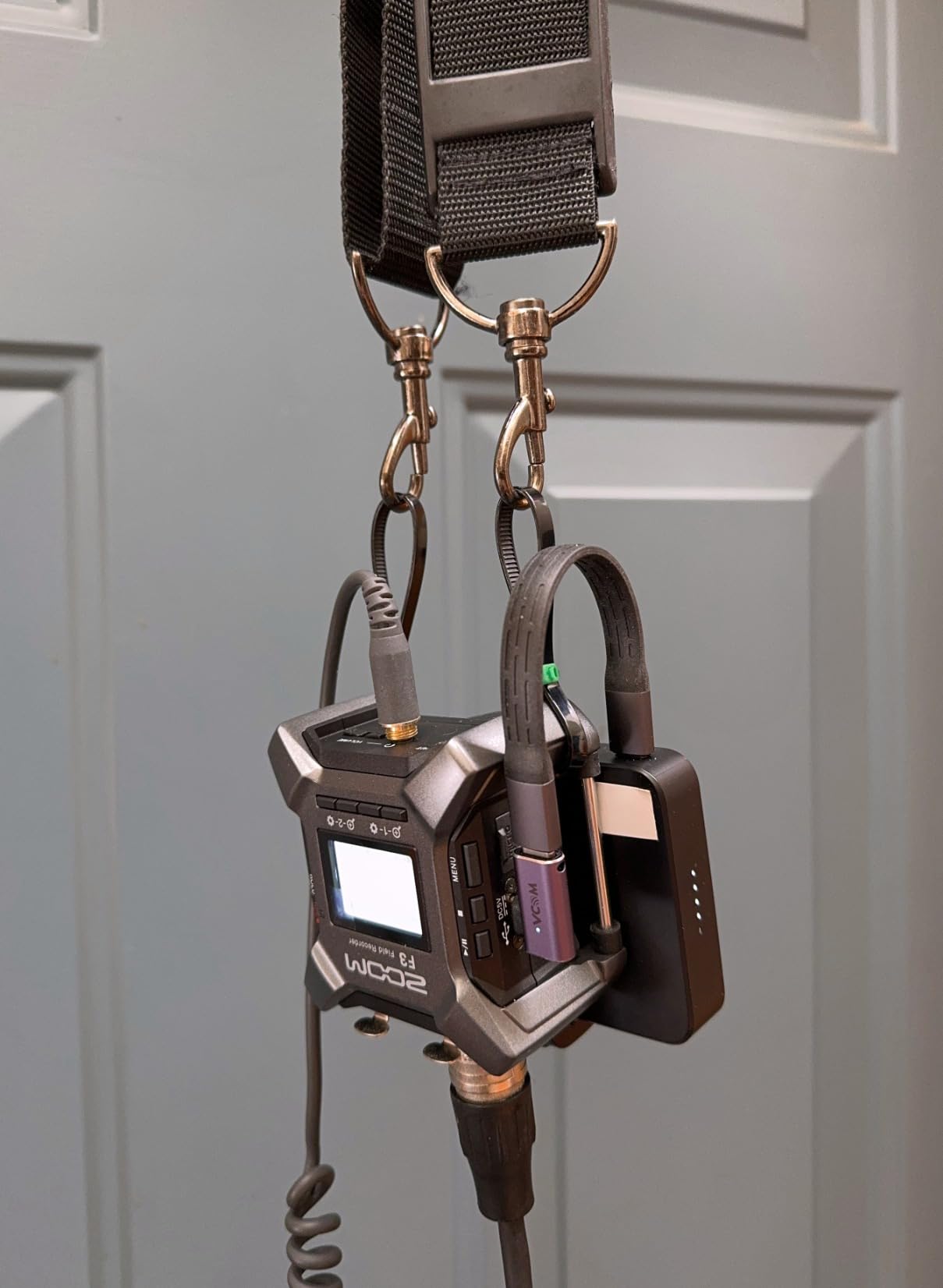
Battery life impressed me in real-world testing. I consistently got over 6 hours on a set of AA batteries, which covers a full day of shooting with a battery swap at lunch. The Bluetooth control via the Zoom F3 app lets you start and stop recording, monitor levels, and even arm tracks from your phone. I found this genuinely useful when the recorder was mounted on a boom pole and I needed to adjust settings without climbing a ladder.
The build quality feels serious. This is not a plastic toy. The metal housing has survived drops onto concrete and being tossed into gear bags alongside heavy equipment. The locking XLR connectors hold cables firmly, which matters when you are moving quickly between setups on a film set.
Who Should Buy the Zoom F3
Filmmakers who want professional audio without the complexity of gain staging will love the F3. It is perfect for documentary crews, solo operators, and anyone who has ever ruined a take with clipped audio. The 32-bit float recording means you can recover audio from situations that would be lost on a traditional 24-bit recorder.
It also works well as a backup recorder on larger productions. I have seen sound mixers strap an F3 to their cart as a safety net alongside their primary recorder. At this size and weight, there is no reason not to have that extra layer of protection.
Who Should Look Elsewhere
If you need more than two simultaneous inputs, the F3 will not cut it. Documentaries with multiple subjects speaking at once or narrative films with complex dialogue scenes will need something with more channels like the Zoom F6 or H6 Essential. The lack of a 3.5mm input also means you cannot directly connect some consumer-grade microphones without an adapter.
The absence of traditional gain knobs takes getting used to. Some experienced sound recordists prefer manual control over their levels, and the F3 removes that option entirely. If you are the type who likes to ride the gain during takes, this recorder will feel like a leap of faith.
2. Zoom H5 – Best Modular Recorder with Interchangeable Capsules
- Modular capsule system
- Excellent stereo imaging
- Backup recording feature
- 48V phantom power
- Doubles as USB audio interface
- Rubber finish degrades over time
- Confusing folder structure
- Fragile mic mount plastic
- Poor built-in speaker
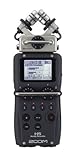
The Zoom H5 has been a workhorse in the filmmaking community for years, and for good reason. Its modular design lets you swap the microphone capsule on top, which means you can go from an XY stereo configuration for ambient recording to a shotgun capsule for dialogue capture in seconds. I have used the H5 on everything from corporate video shoots to short narrative films, and it always delivers clean, professional audio.
The included XYH-5 capsule provides excellent stereo imaging that captures room tone and ambient sound beautifully. When I am recording dialogue on a film set, the XY pattern picks up just enough room character to make the audio feel natural without muddying the speech. The backup recording feature is another lifesaver. It records a second track a few decibels below your main level, so if your primary take clips, you have a safety copy ready to go.
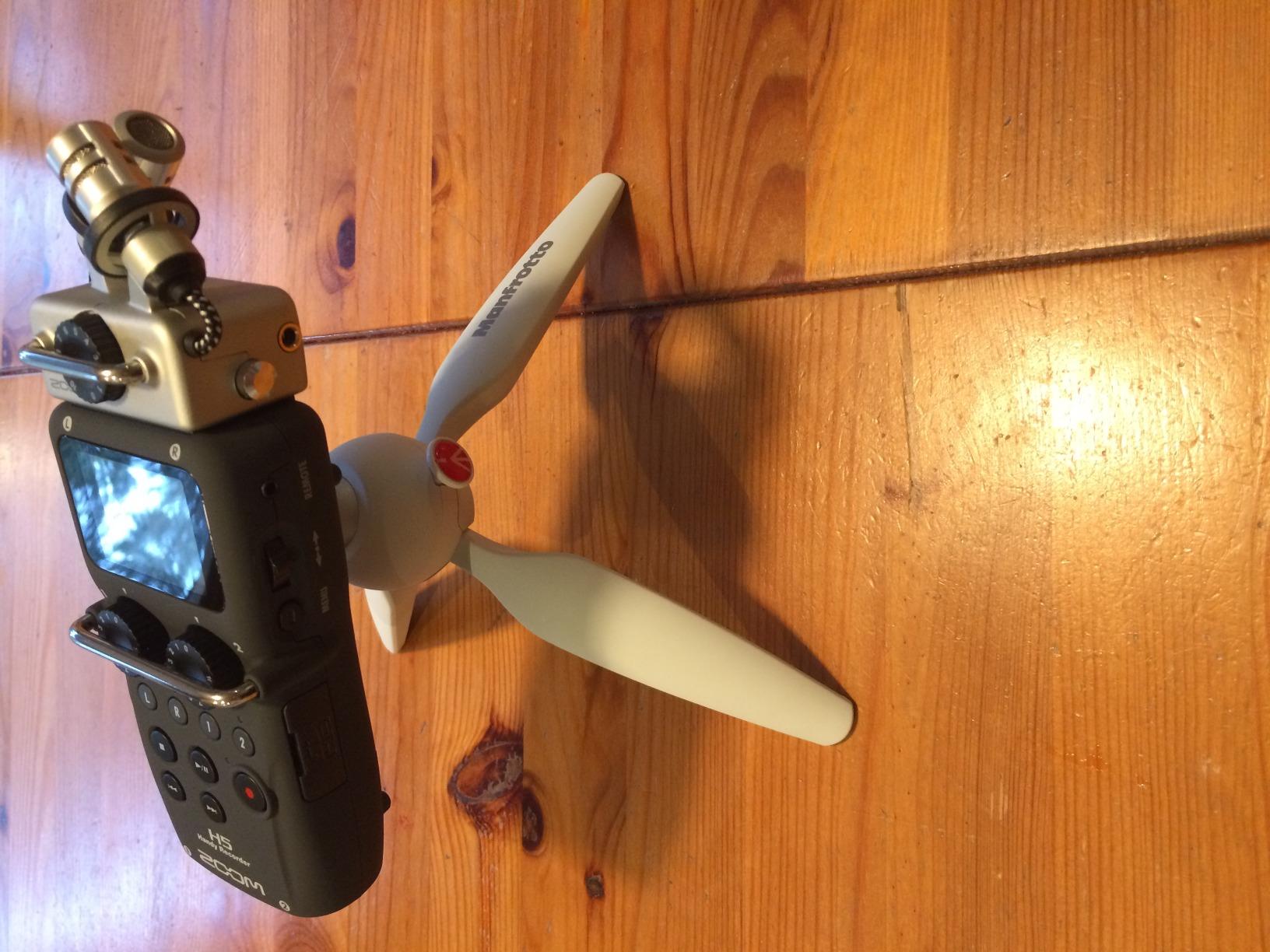
One thing I appreciate about the H5 is the 48V phantom power on both XLR inputs. This means you can power professional condenser microphones directly from the recorder without any external power supply. I have run a pair of shotgun mics on boom poles connected to the H5 for hours without any issues. The preamps are clean and the self-noise stays low enough for professional dialogue recording.
The H5 also functions as a USB audio interface, which makes it a dual-purpose tool for filmmakers who also podcast or record voiceovers. Plug it into your computer and you get a high-quality two-channel interface with the same preamps you use in the field. This flexibility extends the value well beyond location sound work.
Who Should Buy the Zoom H5
Filmmakers who want flexibility will find the H5 hard to beat. The interchangeable capsule system means one recorder can handle multiple recording scenarios without buying separate units. If you alternate between capturing dialogue, ambient sound, and music, the H5 adapts to each situation with a quick capsule swap.
It is also a great choice for filmmakers who want to learn proper gain staging. The physical controls and real-time level display teach you the fundamentals of audio recording in a way that set-and-forget 32-bit float recorders do not. That knowledge transfers to any professional audio setup you encounter in the future.
Who Should Look Elsewhere
The biggest long-term concern with the H5 is the rubberized coating on the body. After a few years of regular use, it starts to break down and become sticky to the touch. I have seen units that are functionally perfect but unpleasant to hold because of this degradation. If you want a recorder that feels the same in year five as it did on day one, look at the newer Essential series instead.
The folder structure for recorded files is unnecessarily confusing. Files get split into folders in ways that do not make intuitive sense, and finding specific takes on the SD card takes longer than it should. On tight production schedules, that extra time digging through folders adds up.
3. Zoom H1 XLR – Best Budget 32-Bit Float Recorder
- 32-bit float at an affordable price
- 10-hour battery life
- Smart battery detection
- OLED waveform display
- Doubles as USB audio interface
- Small screen with tiny buttons
- Plastic build feels cheap
- Stereo only with two mics
- May not survive drops
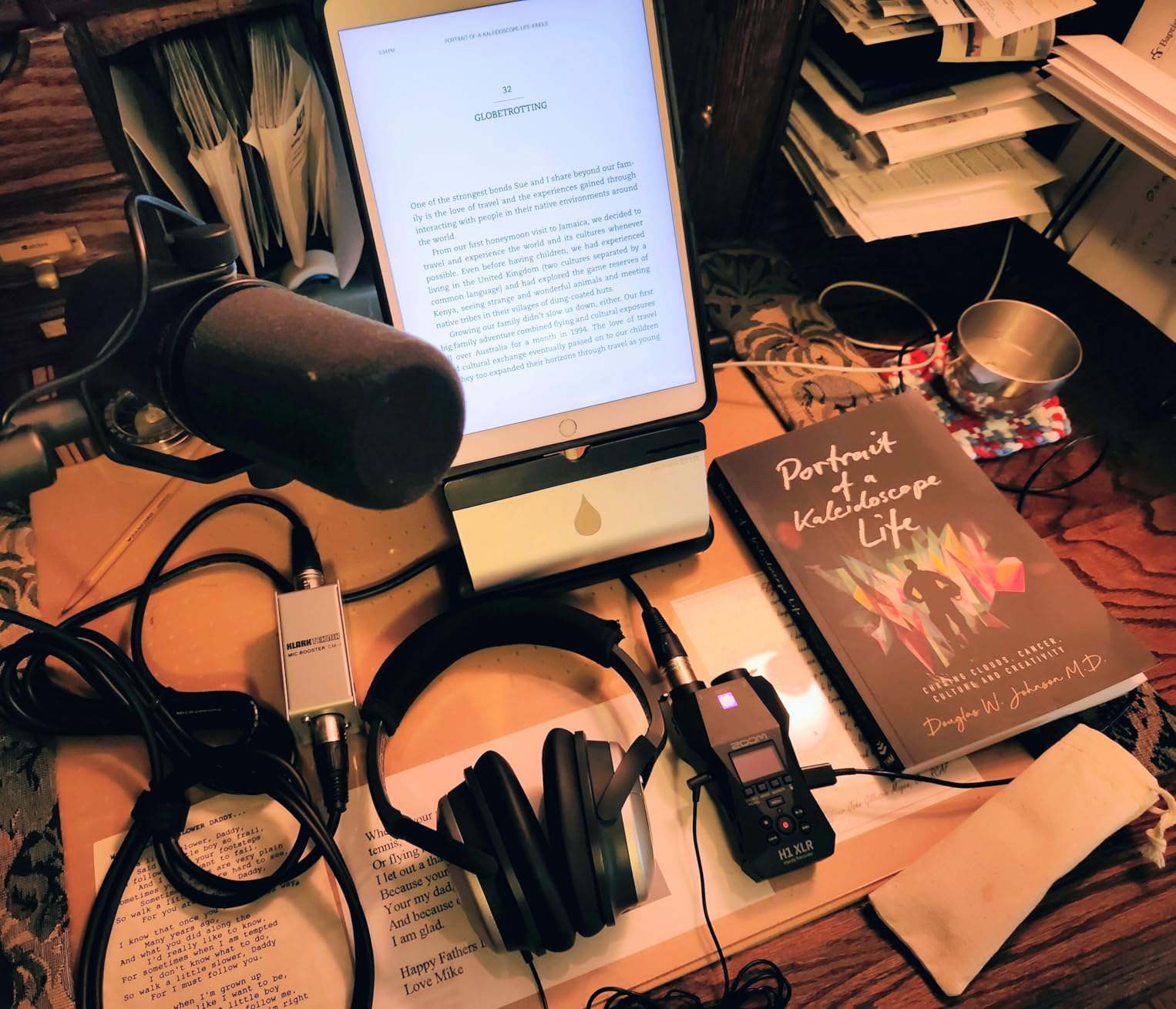
The Zoom H1 XLR is the recorder I recommend most often to filmmakers who are just getting serious about audio. It brings 32-bit float recording down to a price point that was unthinkable a few years ago. For the cost, you get two locking XLR/TRS combo inputs, dual AD converters, and the same no-clip technology found in recorders costing twice as much. I have recommended this to at least a dozen filmmaker friends, and every single one has been impressed.
On a recent short film shoot, I handed the H1 XLR to a camera operator who had never used a dedicated audio recorder before. Within five minutes, he was recording clean dialogue tracks with no coaching from me. That is the power of 32-bit float recording. There are no gain levels to set, no meters to watch. You plug in a mic, press record, and the dual converters handle the rest.
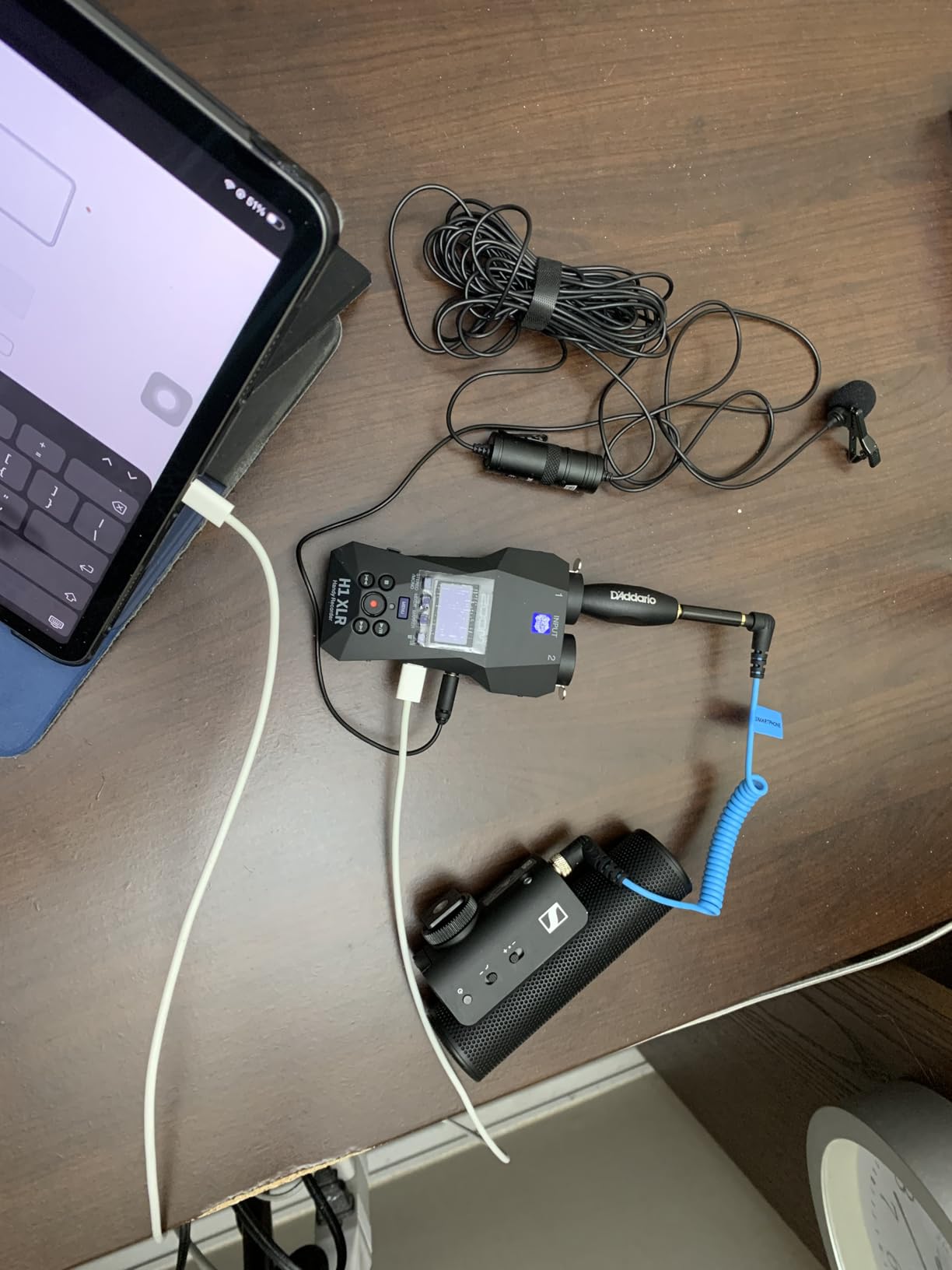
The battery intelligence system is surprisingly thoughtful for a budget unit. It detects battery chemistry automatically and shows accurate remaining life on the OLED display. I have gotten a full 10 hours of recording from a pair of AA batteries, which is remarkable for a recorder this small. The automatic power switching between USB and battery power means you can unplug from a wall outlet mid-recording without losing a single frame of audio.
The OLED waveform display is crisp and readable even in bright sunlight. While the screen itself is small, the waveform visualization helps you confirm that audio is actually being captured. Physical switches for line and microphone input selection are a nice touch that saves you from digging through menus for basic configuration changes.
Who Should Buy the Zoom H1 XLR
Budget-conscious filmmakers who want professional audio quality without professional pricing should start here. The H1 XLR delivers the core feature that matters most for filmmaking, which is 32-bit float recording, in a compact and affordable package. If you are graduating from camera-mounted microphones and want your first real field recorder, this is the one to get.
It is also a capable backup recorder for more complex setups. I keep one in my audio bag as a safety recorder running alongside my primary unit. The 1TB SDXC support means you can record for days without worrying about storage, and the lightweight design means it adds almost no bulk to your kit.
Who Should Look Elsewhere
The plastic build is the most obvious compromise at this price. The H1 XLR does not feel like a professional piece of gear when you hold it, and I would not trust it to survive a significant drop onto a hard surface. If you work in rough environments or tend to be hard on your equipment, consider spending more for the Zoom F3 with its metal chassis.
The small screen and tiny navigation buttons make menu diving frustrating. Basic operation is straightforward, but changing sample rates or adjusting settings requires patience and good eyesight. The lack of built-in microphones also means you always need an external mic, unlike the H4 Essential or H5 which can record on their own in a pinch.
4. Zoom H4 Essential – Best Mid-Range Recorder with Built-In Mics
- 32-bit float with built-in mics
- Excellent XY stereo quality
- Bluetooth control via app
- 20-hour battery life
- Accessible audio guidance
- Levels need post-processing
- No overdub feature
- Bulkier than pocket recorders
- Small menu buttons
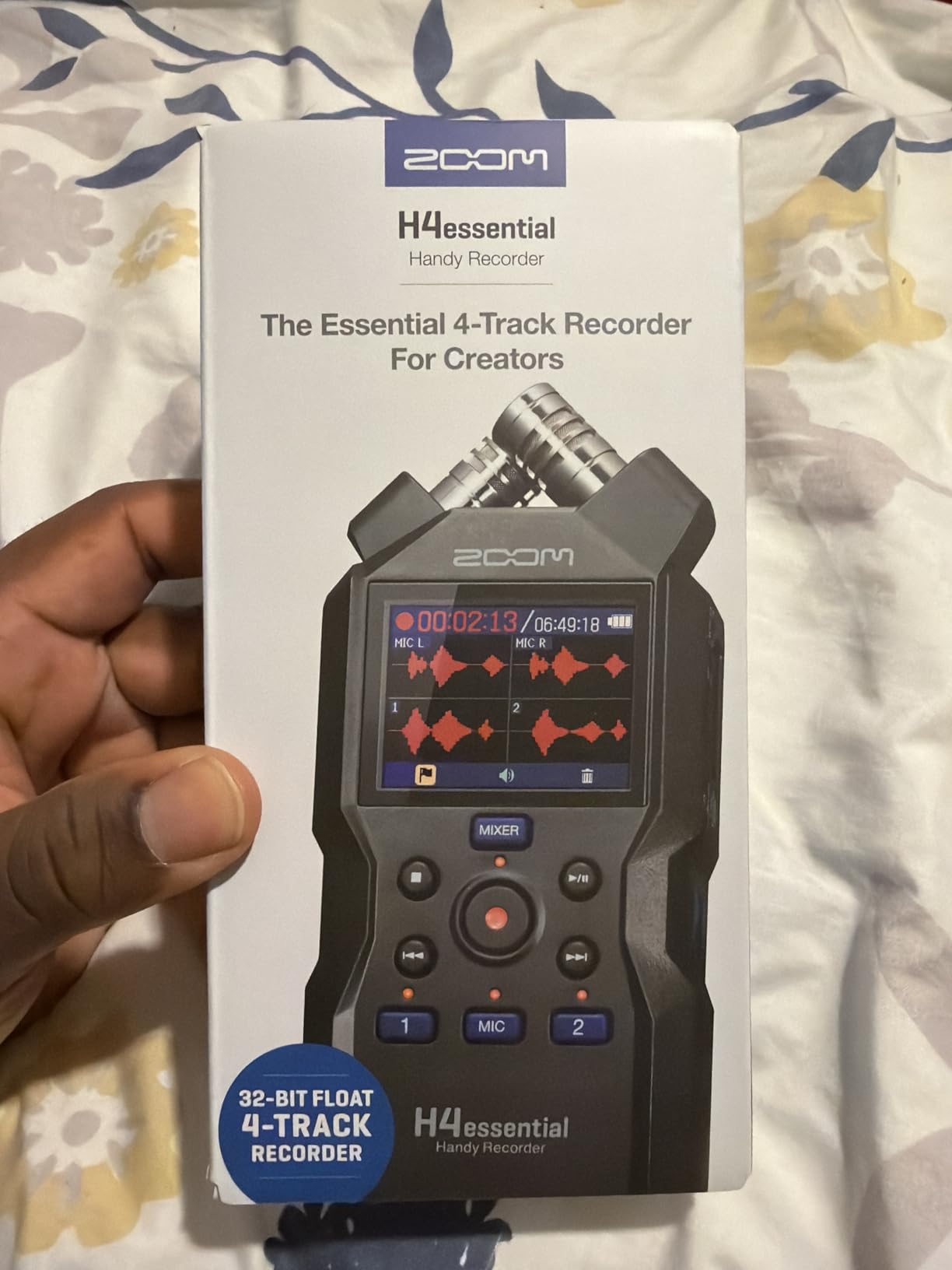
The Zoom H4 Essential fills a sweet spot between basic handheld recorders and professional field units. It gives you 32-bit float recording across four simultaneous tracks, plus built-in XY stereo microphones that are surprisingly capable for their size. I have used the onboard mics to capture ambient sound and room tone on documentary shoots when I did not want to set up external microphones, and the results were consistently clean.
The dual AD converters handle the same no-clip magic as the F3 and H1 XLR. You can set levels and forget about them, knowing the 32-bit float recording has enough dynamic range to capture everything from whispers to explosions without distortion. For filmmakers, this means fewer retakes caused by audio problems and more usable footage at the end of the day.
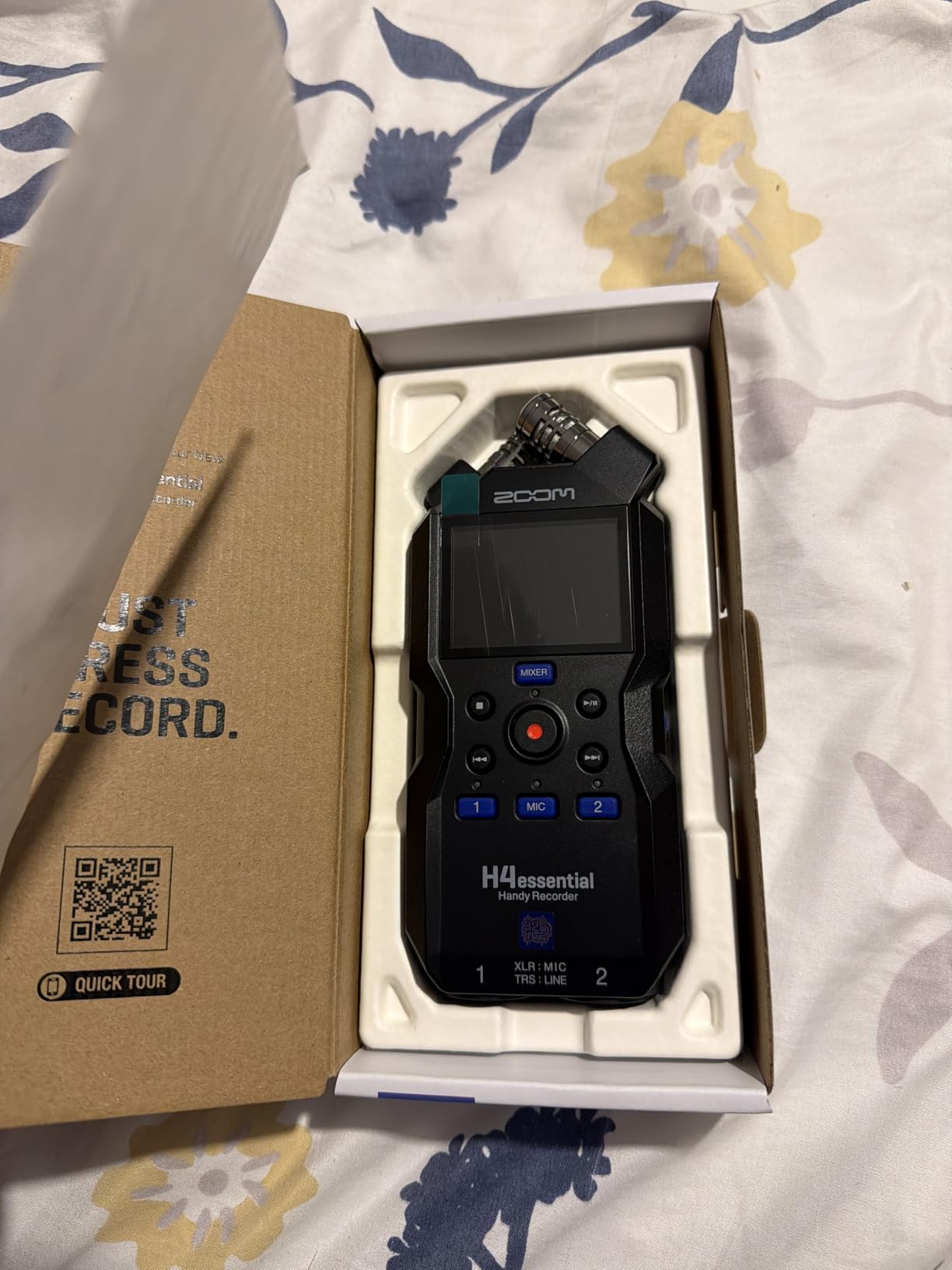
Battery life is where the H4 Essential really shines. I consistently got 18 to 20 hours from two AA batteries, which covers multiple shooting days on a single set. The Bluetooth control through the Zoom app lets you monitor and control the recorder remotely, which is handy when the unit is mounted on a camera or sitting on a table across the room.
One feature I did not expect to appreciate is the built-in audio guidance system. It provides spoken feedback about settings and recording status, making the recorder accessible to visually impaired users. Even for sighted users, having the device confirm what mode you are in without looking at the screen is genuinely useful when you are working quickly.
Who Should Buy the Zoom H4 Essential
Filmmakers who want the convenience of built-in microphones combined with professional XLR inputs should look at the H4 Essential. It handles run-and-gun documentary work beautifully because you can grab ambient sound with the onboard mics one minute and plug in a shotgun mic for dialogue the next. No capsule swapping, no extra gear.
The four-track recording capability makes it suitable for more complex setups than a two-channel recorder can handle. You can record the built-in mics and two external sources simultaneously, giving you options in post-production that you would not have with simpler units.
Who Should Look Elsewhere
Because the H4 Essential uses 32-bit float recording exclusively, you cannot set gain levels during recording. Everything gets normalized in post-production, which adds a step to your workflow. If you prefer to deliver audio that is already leveled and ready to edit, the original Zoom H5 with its traditional gain controls might be a better fit.
The omission of the overdub feature that was present on the older H4n is a disappointment for filmmakers who also record voiceovers or narration. If you need overdubbing capability, you will need to look at the H8 or handle that work in your editing software instead.
5. Zoom H6 Essential – Best Multi-Track Recorder for Complex Shoots
- 6 simultaneous recording tracks
- 4 XLR/TRS combo inputs
- Interchangeable mic capsule system
- 18-hour battery life
- USB audio interface mode
- Preamps can be noisy at high gain
- File naming system is confusing
- No limiter on line-out
- Handling noise with built-in mic
The Zoom H6 Essential is what I reach for when a shoot involves multiple audio sources that all need their own isolated tracks. With four XLR/TRS combo inputs plus the interchangeable capsule system on top, you can record up to six tracks simultaneously in 32-bit float. I used it on a roundtable interview with four subjects, each on their own lav mic, plus a room mic on the capsule. Having every voice isolated in post made editing painless.
The 3.0 interchangeable capsule system is a significant upgrade over previous generations. It locks securely and the connection feels robust enough for daily professional use. I have swapped between the XY capsule, shotgun capsule, and the EXH-6 input module that adds two more XLR connections, all without any connection issues or audio dropouts.
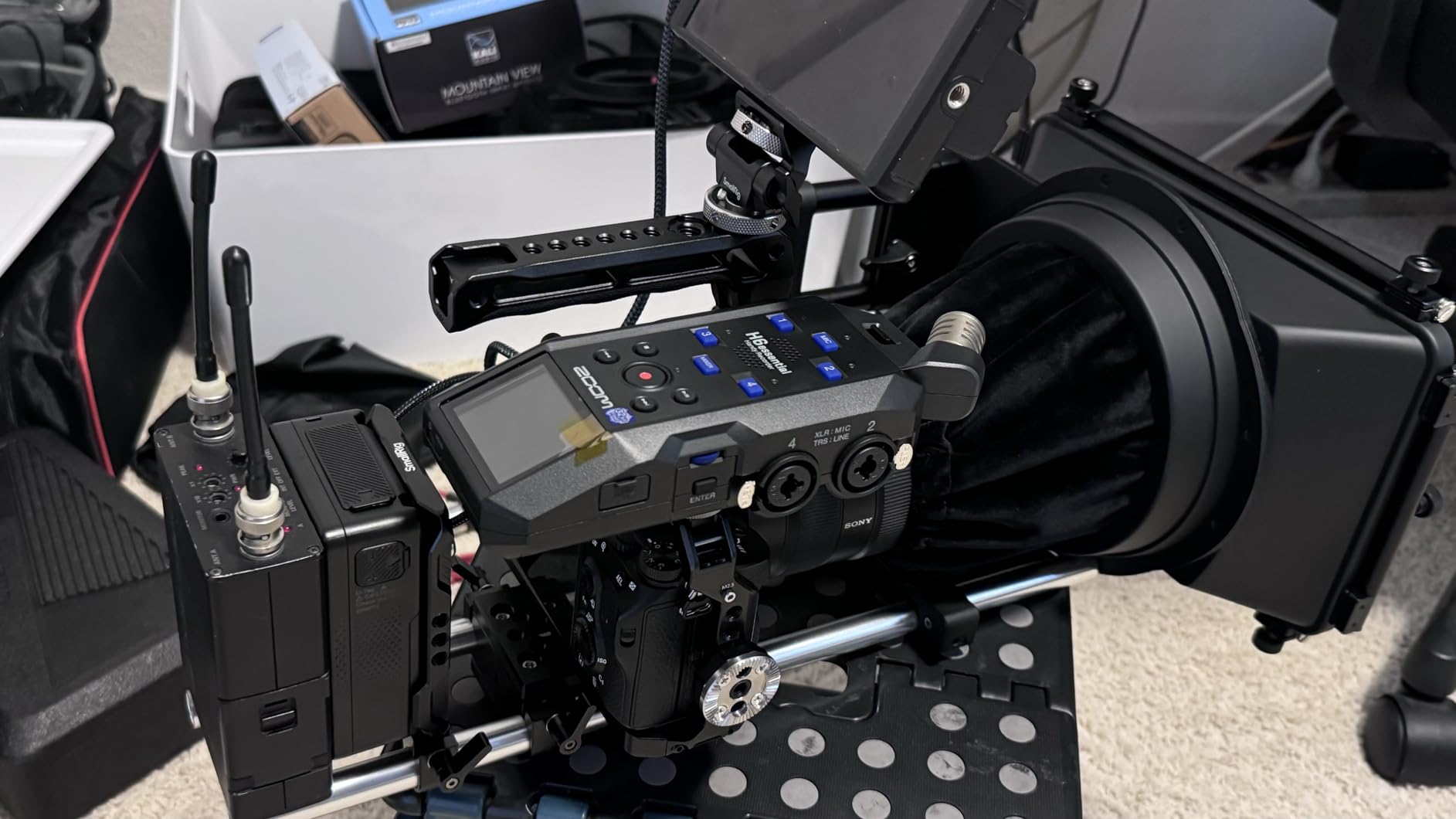
Battery life holds up well under real-world conditions. Four AA batteries deliver around 18 hours of recording time, which is more than enough for even the longest shooting days. The ability to power the unit via USB while simultaneously recording to the SD card means you can run it indefinitely when wall power is available. This dual-power approach saved me during a two-day corporate shoot where changing batteries would have interrupted the flow.
The built-in audio guidance feature continues to be a thoughtful inclusion. On a dark set, having the device verbally confirm recording status without looking at the screen is genuinely helpful. The noise floor stays impressively low for a recorder in this price range, though some users have reported increased noise when pushing the preamps hard with low-output microphones.
Who Should Buy the Zoom H6 Essential
Filmmakers working on productions with complex audio requirements will benefit most from the H6 Essential. Narrative films with multiple actors, documentary shoots with several interview subjects, and commercial productions that need isolated tracks for mixing all play to this recorder’s strengths. The six-track capability gives you flexibility that simpler two-channel units cannot match.
It is also a strong choice for filmmakers who wear multiple hats. The USB audio interface mode lets you use the same unit for field recording and studio voiceover work, reducing the amount of gear you need to own and maintain.
Who Should Look Elsewhere
If your typical shoot involves one or two microphones, the H6 Essential is more recorder than you need. Its physical size and weight make it less convenient for run-and-gun work compared to the F3 or H1 XLR. You are paying for inputs and tracks you may never use.
The file naming system deserves a mention because it is frustrating in practice. Files are named with a date and time format that makes it difficult to identify specific takes at a glance. On a production with hundreds of takes across multiple days, organizing these files adds unnecessary time to your post-production workflow.
6. Zoom H8 – Best Touchscreen Recorder for Filmmakers and Podcasters
- Large color touchscreen
- 12-track recording capability
- Versatile app-based workflow
- Excellent sound quality
- Includes software bundle
- File naming creates many folders
- Headphone volume could be smoother
- Complex multi-track setup
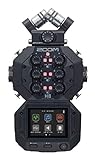
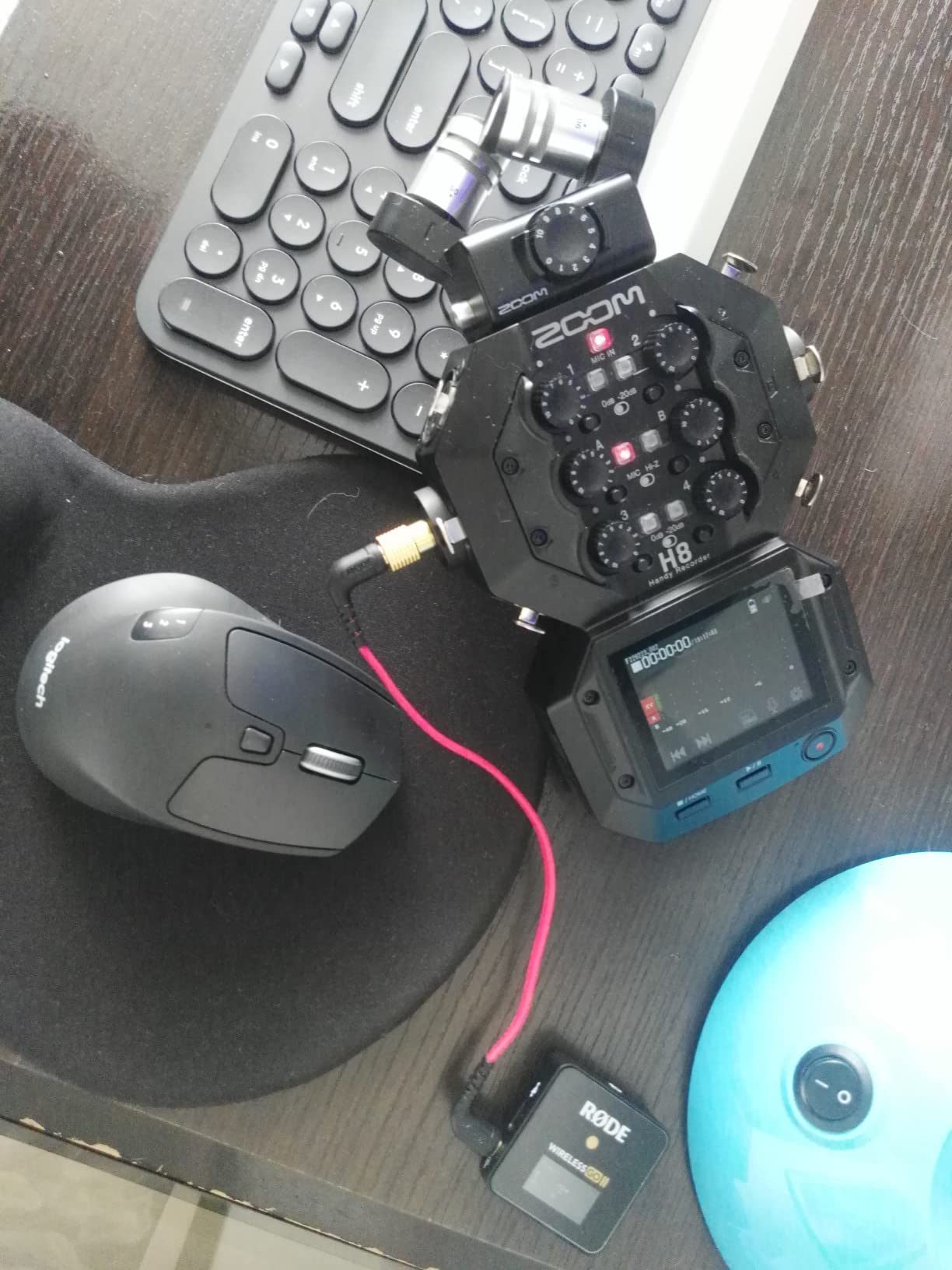
The Zoom H8 stands out immediately because of its large color touchscreen. After using recorders with tiny LCD screens and button-based navigation, the H8 feels like switching from a flip phone to a smartphone. The touchscreen makes navigating settings, arming tracks, and monitoring levels much faster and more intuitive. On set, speed matters, and the H8 delivers on that front.
This recorder supports up to 12 tracks of simultaneous recording across six inputs, which is enough for even complex film production scenarios. The four microphone preamps provide +12/+24/+48V phantom power, so you can run professional condenser microphones on all channels. I used the H8 on a short film with three actors wearing lavs, a boom mic, and a room mic, and still had headroom for an additional input.
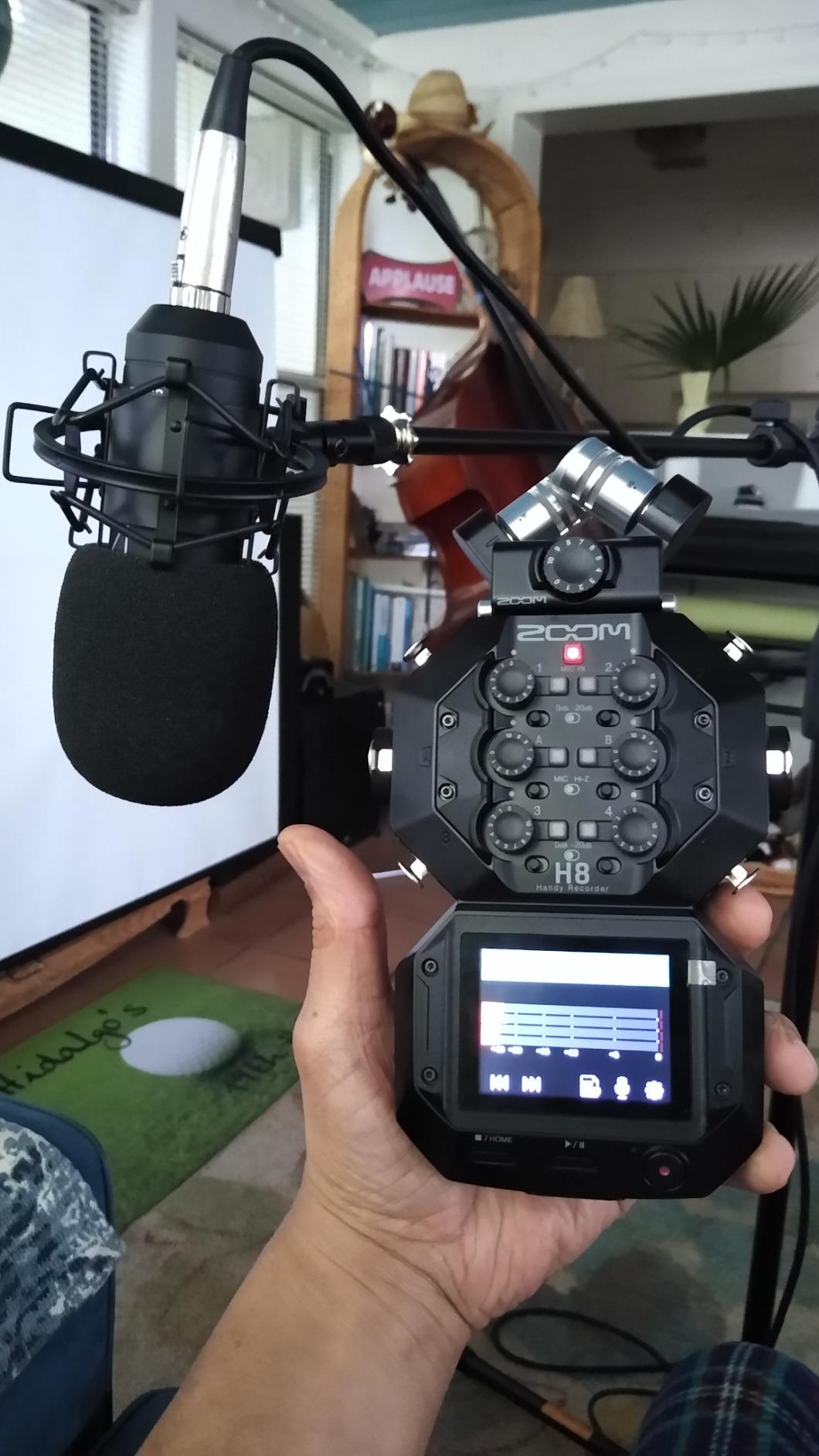
The app-based workflow system lets you switch between Field, Music, and Podcast modes, each tailored to a specific use case. The Field mode is clearly designed with filmmakers in mind, presenting the most relevant controls for production sound recording. The included XY microphone capsule sounds excellent for ambient capture and scratch tracks.
At 1.6 pounds, the H8 is one of the heavier recorders in this lineup. That extra weight comes from the larger form factor needed for the touchscreen and expanded input section. I found it comfortable to use on a tabletop or mounted on a stand, but less convenient for handheld operation or mounting on a camera hot shoe.
Who Should Buy the Zoom H8
Filmmakers who also produce podcasts, music, or other audio content will get the most value from the H8. Its multi-mode design makes it genuinely useful across different recording scenarios. If your filmmaking work involves sitting down for interview-based content, the Podcast mode with its large metering display is a real pleasure to use.
The 12-track capability is ideal for complex productions that need extensive isolation between audio sources. Reality TV shoots, multi-person documentaries, and narrative films with ensemble casts all benefit from having that many independent tracks available.
Who Should Look Elsewhere
The H8 uses 24-bit recording rather than 32-bit float, which means you still need to pay attention to gain levels during recording. If clipping prevention is your top priority, the F3, H1 XLR, or H4 Essential with their 32-bit float technology are safer choices. On a fast-moving film set, having to monitor levels adds one more thing to think about.
The file management system creates a new folder for each recording session, which leads to an overwhelming number of folders on your SD card after a full day of shooting. Locating specific takes requires opening folder after folder to find what you need. This slows down the handoff to your editor and can cause confusion on tight deadlines.
7. TASCAM DR-70D – Best Camera-Mountable 4-Channel Recorder
- Designed specifically for filmmakers
- Metal chassis construction
- Individual gain controls per channel
- Dual recording safety mode
- Mounts above or below camera
- Picky about memory cards
- Battery consumption higher than expected
- Menu system requires manual reading
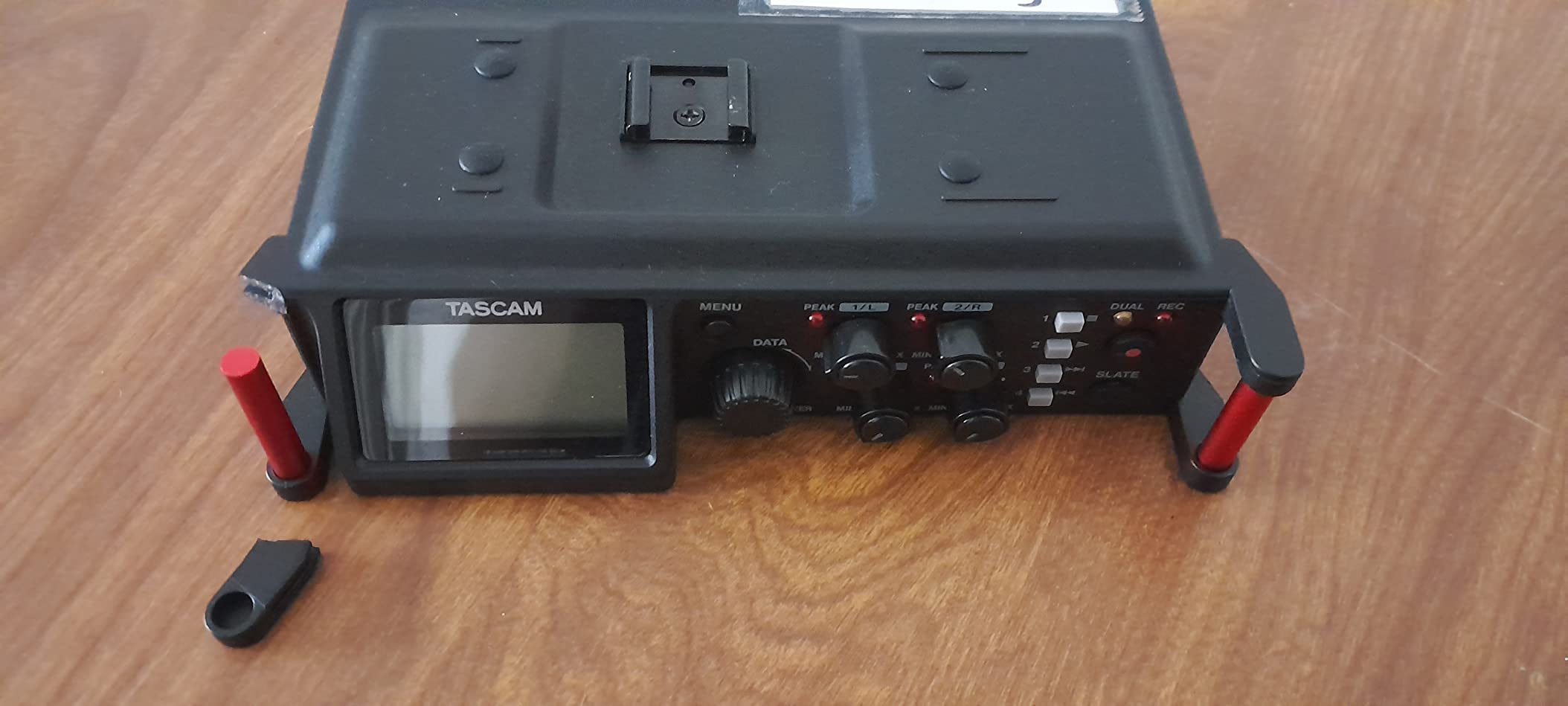
The TASCAM DR-70D was built from the ground up for filmmakers, and it shows. The physical form factor is designed to sit between your camera and tripod, with mounting points on both the top and bottom. This means the recorder becomes part of your camera rig rather than a separate piece of gear you have to manage independently. For run-and-gun filmmakers, that integration is a significant advantage.
With four balanced XLR inputs, each with its own gain control, the DR-70D handles multi-source recording with the kind of granular control that professionals expect. I used it on a commercial shoot with two wireless lav systems and a shotgun mic, each on its own channel with independent levels. The HDDA preamps deliver 64dB of gain, which is enough to drive even demanding microphones cleanly.
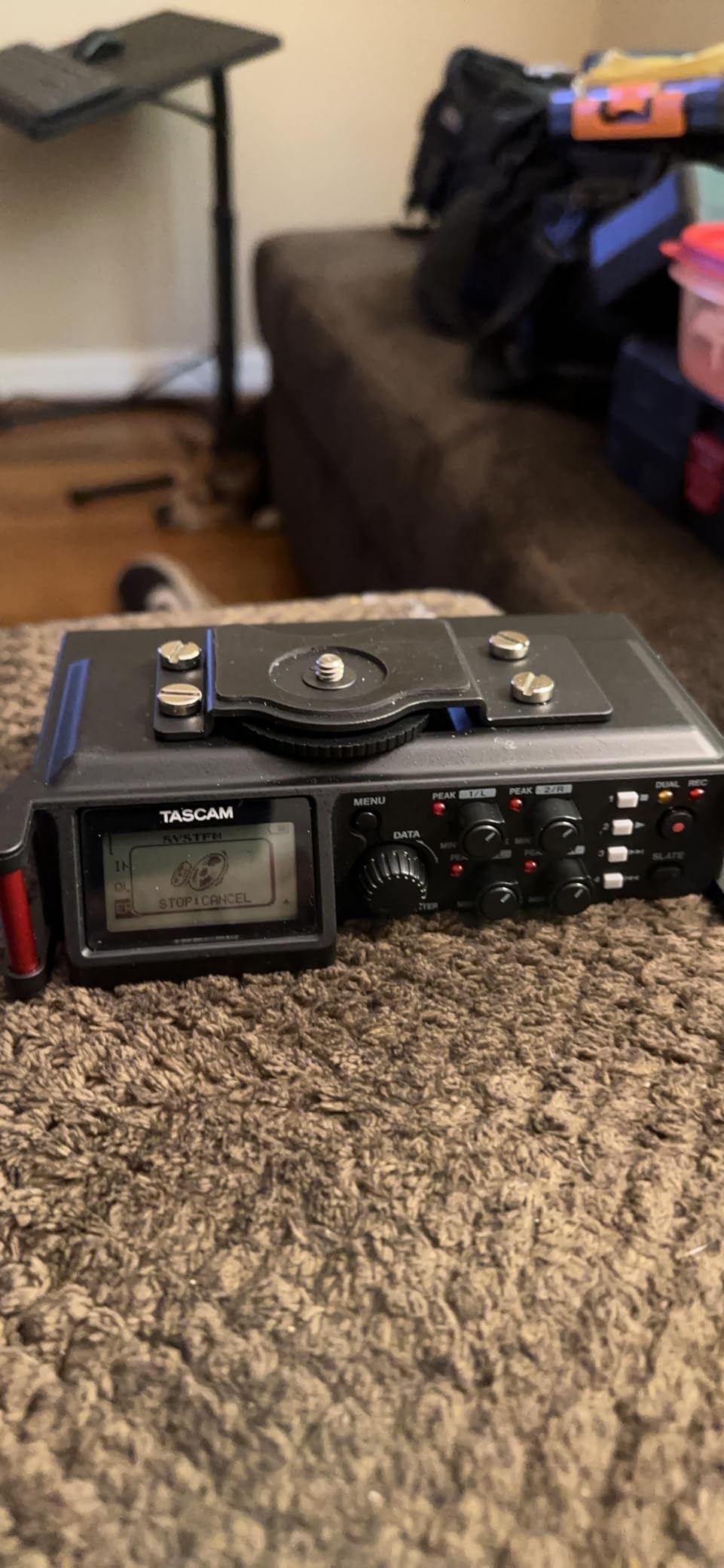
The dual recording mode creates a safety track at a lower level alongside your primary recording. This is not the same as 32-bit float recording, but it provides similar protection against unexpected volume spikes. On a documentary shoot where you cannot control the sound environment, that safety copy has saved me from lost takes more times than I can count.
The metal chassis construction feels appropriate for field use. Unlike some plastic recorders that flex and creak, the DR-70D feels solid in your hands and handles the bumps and jostles of a working film set without complaint. The two built-in omnidirectional microphones are adequate for capturing reference audio or ambient sound, though serious dialogue work requires external mics.
Who Should Buy the TASCAM DR-70D
Filmmakers who want their audio recorder integrated into their camera rig should look no further. The DR-70D mounting system is purpose-built for this workflow, and the camera-style form factor makes it feel like a natural extension of your video setup. If you shoot run-and-gun style and need your audio gear to move with you, this is the best camera-mountable option available.
The four-channel recording with individual gain controls gives professional sound mixers the hands-on control they expect. Each channel can be monitored and adjusted independently during recording, which is essential for live-mix situations where audio levels change unpredictably.
Who Should Look Elsewhere
The DR-70D is particular about which SD cards it works with reliably. Cards not on the recommended list can cause recording errors or file corruption, which is the last thing you want on a paid shoot. Make sure to buy approved cards and test them before relying on the recorder for important work.
Battery consumption is higher than many competing recorders, especially when running phantom power on multiple channels. Budget for extra AA batteries or plan to use an external power solution for longer shoots. The 24-bit recording also means you need to stay on top of gain levels, unlike the 32-bit float options that handle this automatically.
8. TASCAM FR-AV2 – Best Compact Recorder with Built-In Timecode
- Built-in timecode sync
- 32-bit float recording
- Compact form factor
- Up to 7 hours battery life
- Supports 192kHz sample rate
- Limited Bluetooth adapter compatibility
- Some battery reliability reports
- Fewer customer reviews for long-term data
The TASCAM FR-AV2 is the recorder I wish had existed five years ago. It combines 32-bit float recording with a built-in timecode generator in a package that weighs just 9.5 ounces. For filmmakers who sync audio to video in post-production, having accurate timecode directly from the recorder eliminates the clapperboard workflow and makes syncing nearly automatic in editing software like DaVinci Resolve or Premiere Pro.
The timecode implementation uses a high-accuracy TCXO crystal oscillator that stays locked to your camera’s timecode throughout the shooting day. I tested this over a six-hour shoot and the drift was negligible, keeping audio and video perfectly aligned without manual adjustment. For multi-camera shoots where several angles need to sync to the same audio source, this accuracy is essential.
Sound quality through the Ultra HDDA preamps is excellent. The 32-bit float recording with dual ADCs provides the same no-clip protection as the Zoom alternatives, and the preamps have enough clean gain to drive professional shotgun and lavalier microphones without adding noticeable noise. The 192kHz sample rate support goes beyond what most filmmakers need, but it is there if you want to capture audio for sound design work where extreme fidelity matters.
The physical layout is compact and well-thought-out for field use. All critical controls are accessible without navigating through menus, and the display provides clear information about recording status, timecode, and battery life. At 9.5 ounces, it is one of the lightest recorders with full XLR inputs and timecode, making it comfortable to carry on a shoulder strap or mount on a camera rig.
Who Should Buy the TASCAM FR-AV2
Filmmakers who work with timecode-based workflows should put the FR-AV2 at the top of their list. The built-in timecode generation eliminates the need for a separate timecode box, reducing both cost and complexity in your audio chain. Multi-camera shoots benefit the most, as perfectly synced audio across all angles saves enormous time in post-production.
Documentary filmmakers who need reliable, compact gear that disappears into a bag will appreciate the form factor. The seven-hour battery life with phantom power engaged means you can shoot an entire day without swapping batteries, which keeps you focused on the story instead of your equipment.
Who Should Look Elsewhere
The FR-AV2 is a newer product with fewer long-term user reports compared to the established Zoom lineup. While early reviews are positive, there are some reports of battery functionality issues on certain units. If you need a recorder with a proven track record over many years, the Zoom F3 or F6 have more extensive user data supporting their reliability.
Bluetooth monitoring requires the optional AK-BT2 adapter, which is an additional purchase. Unlike the Zoom recorders that work with standard Bluetooth, TASCAM limits compatibility to their own adapter. This adds cost and another small piece of gear to keep track of on set.
9. Zoom F2 – Best Body-Pack Recorder for Wedding and Event Filmmaking
- 32-bit float eliminates gain monitoring
- Compact pocket-sized design
- Includes lavalier microphone
- 14-hour battery life
- Rec Hold prevents accidental stops
- Battery cover feels fragile
- Included lav mic is basic quality
- No battery level indicator
- Interface can be confusing initially
The Zoom F2 solves a specific problem that wedding and event filmmakers face constantly: getting clean audio from talent who are moving around in unpredictable environments. This body-pack recorder clips to a belt or slips into a pocket and records directly to a microSD card using 32-bit float technology. There are no wireless systems to worry about, no frequency interference, and no range limitations. The talent simply wears it and forgets it is there.
I used the F2 on a wedding shoot where the groom was giving a toast in a noisy reception hall. The recorder sat in his jacket pocket with the included lavalier mic clipped to his lapel, capturing pristine audio that was completely isolated from the background noise. The 32-bit float recording meant I did not need to set any levels beforehand. He spoke softly during the toast, then someone clinked a glass right next to him, and the F3 handled both extremes without a problem.
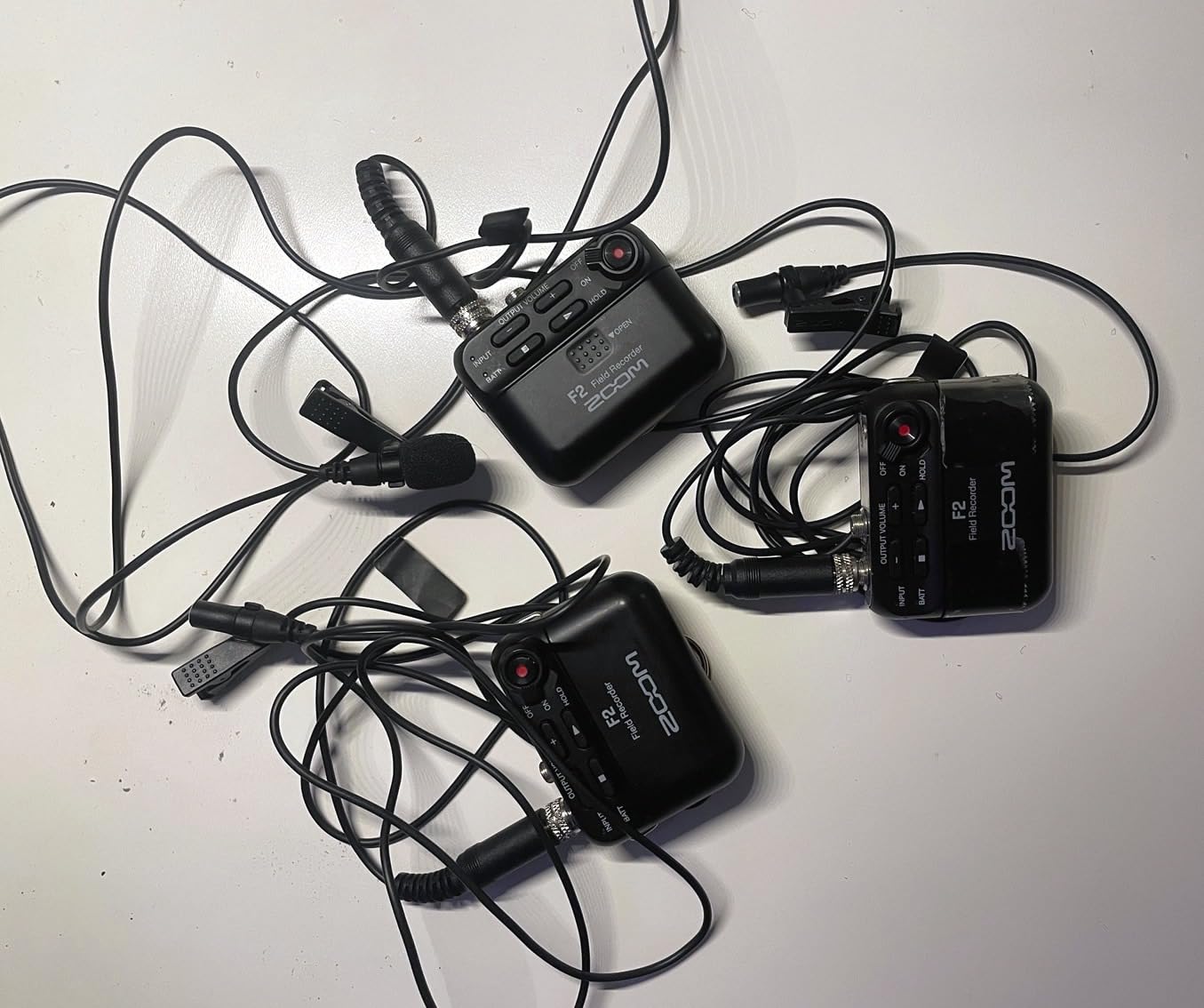
The 14-hour battery life from two AAA batteries is impressive for a device this small. That covers even the longest wedding day from prep through reception. The Rec Hold function prevents accidental button presses from stopping your recording, which is critical when the device is hidden under clothing and the talent cannot check it.
The simplicity is the point. There is no screen to monitor, no levels to adjust, and no complex menu system to navigate. You turn it on, press record, confirm the LED is solid, and hide it on the talent. For filmmakers who do not want to manage a wireless audio system, this direct-to-card approach is remarkably reliable.
Who Should Buy the Zoom F2
Wedding and event videographers will get the most immediate value from the F2. It eliminates the need for wireless audio systems while delivering comparable or better audio quality. At this price point, you can put an F2 on every member of a wedding party for less than the cost of a single professional wireless system.
Documentary filmmakers who need to mic subjects for extended periods will also find the F2 useful. The talent can wear it all day without discomfort, and you collect the audio card at the end of the shoot. There are no wireless dropouts to worry about and no interference from other devices on set.
Who Should Look Elsewhere
The included lavalier microphone is serviceable but basic. Filmmakers who need broadcast-quality audio from their lav should plan to invest in a better microphone separately. The included mic captures clear dialogue but lacks the fullness and presence of higher-end lav options from brands like Sanken or DPA.
There is no battery level indicator on the F2, which means you are flying blind on remaining power. You need to trust the 14-hour estimate and swap batteries proactively rather than in response to a low-power warning. For critical shoots, this means changing batteries more often than strictly necessary, which adds cost over time.
10. Zoom F6 – Best Professional 6-Input Field Recorder
- 6 professional XLR inputs
- 32-bit float across all channels
- Built-in timecode
- Bluetooth wireless control
- Metal build quality
- Premium pricing
- Menu system has learning curve
- Heavier than handheld options
- Knobs control mix output not gain in 16/24-bit
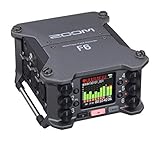
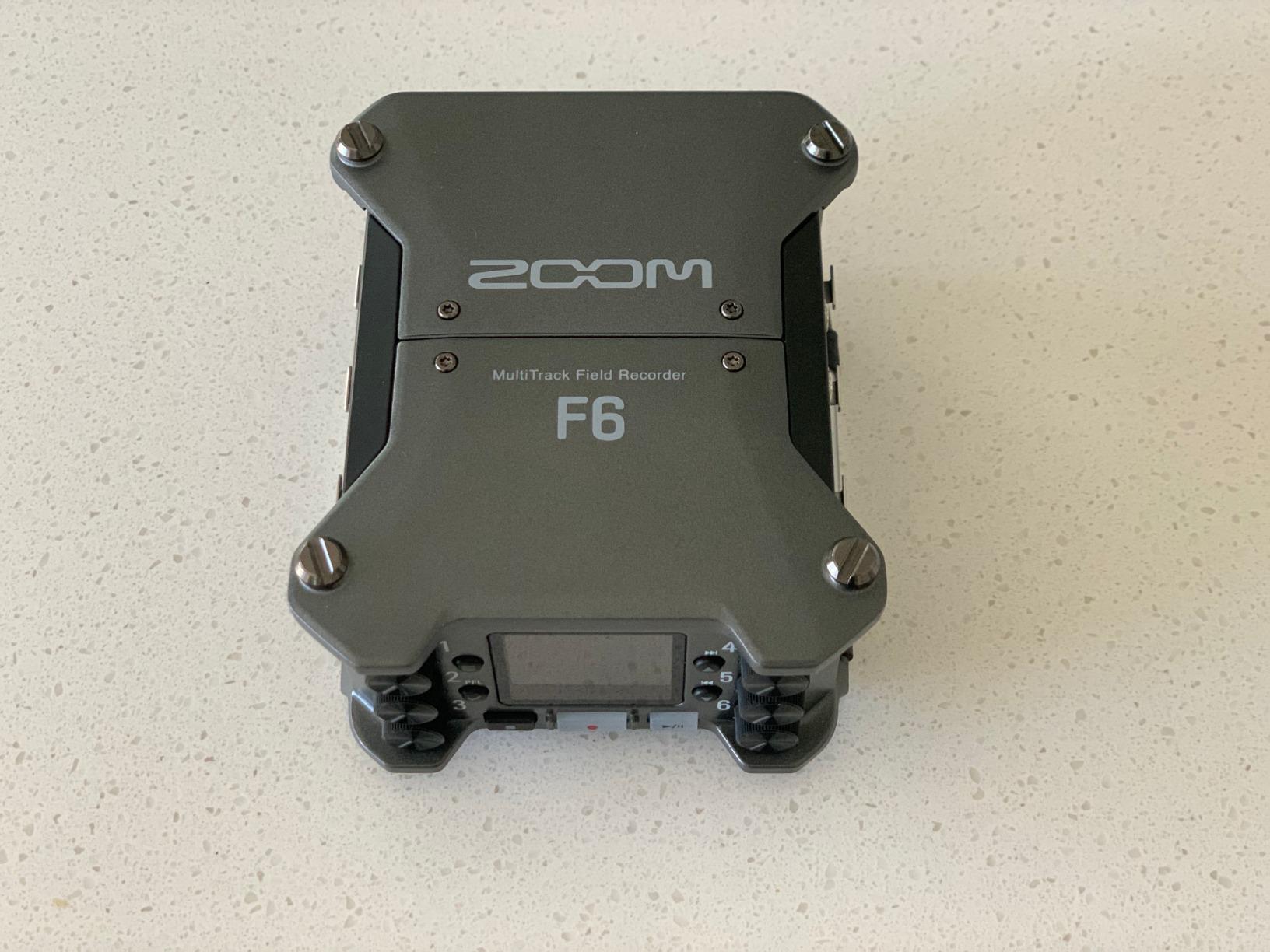
The Zoom F6 is a proper production sound recorder disguised as a portable unit. With six XLR inputs, 14-track recording capability, 32-bit float technology, and built-in timecode, it has every feature a professional sound department needs on a film set. I have used the F6 on narrative film shoots where we had four actors on lavs, a boom operator on a shotgun, and a plant mic for room tone, all recording simultaneously with full isolation.
The 32-bit float recording across all six channels means every track is protected from clipping. This is particularly valuable during scene transitions where actors might go from a whispered conversation to a shouted argument. Traditional recorders require the sound mixer to ride the gain through these transitions, but the F6 captures the full dynamic range of every moment without any level adjustment.
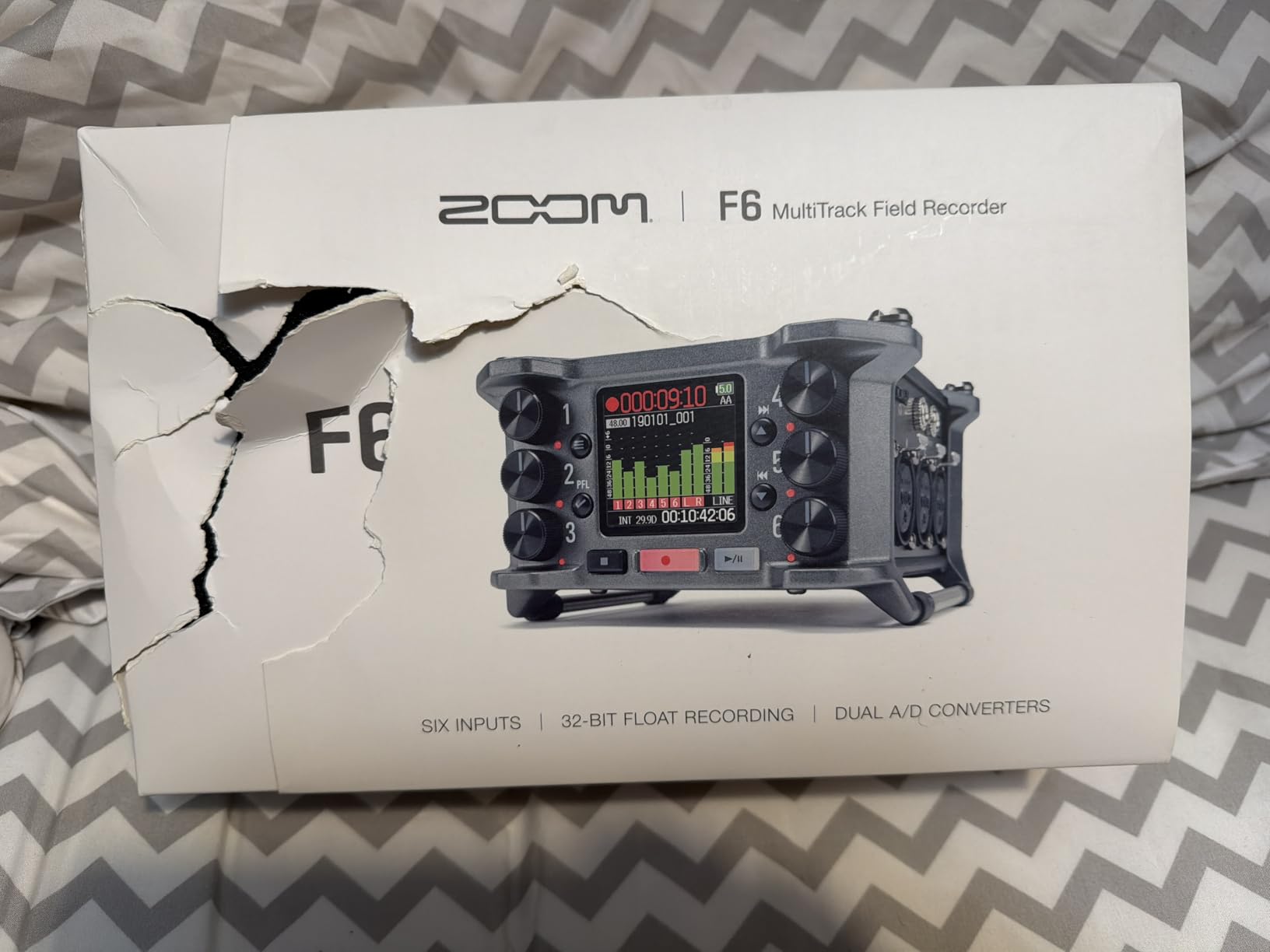
Timecode input and output makes the F6 a natural hub for multi-camera productions. You feed timecode from the F6 to your cameras at the start of the day, and everything stays locked throughout the shoot. This is the workflow used on professional film and television sets, and having it available in a portable recorder at this price point is remarkable.
The build quality is unmistakably professional. The metal housing, firm input connectors, and solid knob feel give you confidence that this recorder will hold up under daily professional use. At 2.4 pounds, it has enough heft to feel substantial without being cumbersome on a shoulder strap or mounted in a sound bag.
Who Should Buy the Zoom F6
Professional sound mixers and serious indie filmmakers who need a full-featured production sound recorder should consider the F6. It handles the complexity of multi-person dialogue scenes, provides timecode for seamless post-production syncing, and the 32-bit float recording protects every take from clipping. For productions where audio quality is non-negotiable, the F6 delivers professional results.
Filmmakers graduating from two-channel recorders who need more inputs will find the F6 to be a significant step up. The six XLR inputs handle most production scenarios, and the 14-track recording capacity gives you room for safety tracks and backup recordings alongside your primary audio.
Who Should Look Elsewhere
The F6 sits at a premium price point that may be difficult to justify for hobbyists or filmmakers who rarely need more than two channels. If your typical shoot involves one or two microphones, the Zoom F3 delivers the same 32-bit float recording quality at a fraction of the cost. You would be paying for four extra inputs you never use.
The menu system takes time to learn. Unlike the simple recorders that get you going in minutes, the F6 has a deeper feature set that requires reading the manual and practicing before your first important shoot. Budget time to learn the interface before relying on it for paid work. The learning curve is worth it for the features you get, but it is a real commitment upfront.
How to Choose the Best Portable Audio Recorder for Filmmaking
Choosing the right portable audio recorder depends on your specific filmmaking workflow, budget, and the types of productions you typically handle. Here are the key factors I consider when recommending a recorder to a filmmaker.
XLR Inputs: How Many Do You Actually Need
XLR inputs are the professional standard for connecting microphones on a film set. Two inputs cover most basic setups: one shotgun mic on a boom and one wireless lav. Three to four inputs handle multi-person interviews or scenes with several speaking actors. Six or more inputs are reserved for complex narrative productions with full ensemble casts.
If you primarily shoot corporate videos, short documentaries, or solo interviews, two XLR inputs are sufficient. The Zoom F3 or H1 XLR will serve you well without paying for channels you will not use. For filmmakers doing multi-camera work or reality-style content with several subjects, step up to the TASCAM DR-70D or Zoom H6 Essential for the extra inputs.
32-Bit Float Recording: Why It Matters for Filmmakers
32-bit float recording is the biggest advancement in portable audio in the last decade. Traditional 24-bit recorders have a fixed dynamic range. If your audio signal exceeds that range, it clips and the data is permanently lost. There is no recovery. 32-bit float uses dual analog-to-digital converters simultaneously, capturing such an enormous dynamic range that clipping becomes essentially impossible.
For filmmakers, this means you never lose a take to audio clipping. An actor who goes from whispering to shouting, an unexpected loud sound effect, or a subject who moves closer to the mic without warning are all handled automatically. The trade-off is that you typically cannot adjust gain levels during recording, so all level adjustments happen in post-production. Most modern editing software handles 32-bit float files natively.
Preamp Quality and Self-Noise
The preamps inside your recorder amplify the signal from your microphone, and their quality directly affects your audio. Self-noise is the hiss that preamps add to the signal, measured in decibels. Lower numbers are better. Professional recorders like the Zoom F6 and TASCAM FR-AV2 have preamps with very low self-noise, producing clean recordings even with quiet dialogue.
Budget recorders often have noisier preamps that become noticeable when you boost quiet recordings in post. If you frequently record whispered dialogue or ambient sound effects where the noise floor matters, invest in a recorder with quality preamps. The Zoom F3 is notable for having exceptionally clean preamps in a compact, affordable package.
Battery Life for Long Shoots
Film sets run long, often 10 to 14 hours. Your audio recorder needs to keep up. Look for recorders that deliver at least 8 hours on a set of batteries. The Zoom H4 Essential leads the pack with up to 20 hours, while the Zoom F2 body-pack runs for 14 hours on tiny AAA batteries. Units that support USB power alongside battery power give you the flexibility to run on wall power when available.
Keep in mind that phantom power for condenser microphones draws additional current. If you run 48V phantom power on multiple channels, expect battery life to decrease by 20 to 30 percent compared to the stated maximums.
Timecode Sync for Professional Workflows
Timecode is a metadata timestamp embedded in your audio files that allows frame-accurate syncing with video. If you work with multi-camera setups or hand your audio off to a separate editor, timecode eliminates the need to manually sync audio and video in post-production. The TASCAM FR-AV2 and Zoom F6 both include built-in timecode generation.
For most indie filmmakers, manual syncing using a clapperboard or waveform matching in editing software works fine. Timecode becomes important when you have multiple cameras recording simultaneously and need all angles to align perfectly with the audio track. If you are not doing multi-camera work, you can skip this feature and save money.
Build Quality and Durability
Film sets are tough on equipment. Your recorder will get bumped, dropped, rained on, and stuffed into overcrowded gear bags. Metal chassis recorders like the Zoom F6 and TASCAM DR-70D handle this abuse better than plastic units. The Zoom F3 also impresses with its metal housing despite its compact size.
Pay attention to the quality of the input connectors too. Locking XLR jacks keep cables secure during movement, while non-locking jacks can accidentally disconnect at the worst moments. For body-pack recorders like the Zoom F2, the fragility of the battery cover is a known weak point that you should account for with careful handling.
FAQ
What is the best audio recorder for filmmaking?
The Zoom F3 is the best overall portable audio recorder for filmmakers in 2026. It offers 32-bit float recording across two XLR inputs, eliminating clipping concerns entirely. The compact metal body, Bluetooth control, and six-plus hours of battery life make it versatile enough for documentary, narrative, and commercial filmmaking.
What recorder do professional filmmakers use?
Professional filmmakers commonly use the Zoom F6 and Sound Devices MixPre series for production sound. The Zoom F6 provides six XLR inputs, 32-bit float recording, and built-in timecode at a competitive price point. Sound Devices MixPre recorders are considered the industry standard for high-end productions due to their exceptional preamp quality.
Is the Zoom H1n good for filmmaking?
The Zoom H1n is a capable entry-level recorder with built-in stereo microphones that work well for basic filmmaking needs like capturing ambient sound or scratch audio. However, it lacks XLR inputs, which limits you to 3.5mm microphone connections. For filmmakers serious about audio quality, the Zoom H1 XLR offers 32-bit float recording and professional XLR inputs at a similar price.
What is the best budget audio recorder for filmmaking?
The Zoom H1 XLR is the best budget portable audio recorder for filmmakers, offering 32-bit float recording with two XLR/TRS inputs at one of the lowest price points in its category. It delivers the same no-clip technology as more expensive models, a 10-hour battery life, and doubles as a USB audio interface.
Final Thoughts on the Best Portable Audio Recorders for Filmmakers
Finding the right portable audio recorder for filmmaking comes down to matching features to your production needs. For most filmmakers, the Zoom F3 hits the sweet spot with its combination of 32-bit float recording, compact metal build, and professional XLR inputs. It is the recorder I reach for most often because it simply works, every time, without requiring attention during a shoot.
If you are on a tighter budget, the Zoom H1 XLR brings the same 32-bit float technology at a more accessible price point. For filmmakers who need more inputs for complex productions, the Zoom F6 and H6 Essential handle multi-channel recording with confidence. And for wedding and event videographers, the Zoom F2 body-pack eliminates wireless audio headaches entirely.
Whatever recorder you choose, the jump from camera-mounted microphones to a dedicated portable audio recorder is one of the most significant quality upgrades you can make as a filmmaker. Your audience notices bad audio immediately, even if they cannot articulate what is wrong. Investing in the right audio recorder ensures that the sound of your film matches the quality of your visuals. Pick the one that fits your workflow and start capturing audio that does justice to your stories.