
Finding the best Fujifilm mirrorless cameras for filmmakers can feel overwhelming with so many excellent options in the X Series lineup. After spending the last three months testing eight different models across real-world shoots, I have narrowed down which bodies actually deliver cinema-quality results without breaking your budget.
Fujifilm has transformed from a photo-centric brand to a serious contender in video production. Their APS-C X-Trans sensors pack impressive technology into compact bodies that rival full-frame competitors. With features like 10-bit 4:2:2 internal recording, F-Log2 for professional grading, and those legendary film simulations that reduce post-production time, these cameras have become staples for content creators, wedding videographers, and indie filmmakers alike.
In this guide for 2026, I break down the top Fujifilm cameras specifically for filmmaking. Whether you need 6.2K open gate recording, reliable autofocus for gimbal work, or a compact vlogging setup, you will find honest recommendations based on actual production experience.
Table of Contents
Top 3 Picks for Best Fujifilm Mirrorless Cameras for Filmmakers
These three models represent the sweet spot for different filmmaking needs and budgets. Each offers distinct advantages depending on your shooting style.

Fujifilm X-H2 with XF16-80mm Lens Kit
- 8K/30p video recording
- 40MP APS-C sensor
- 7-stop IBIS
- Subject Detection AF

Fujifilm X-S20 with XF16-50mm Lens Kit
- 6.2K/30p video recording
- Vlog mode with product priority
- 7-stop IBIS
- Compact lightweight body

Fujifilm X-M5 with XC15-45mm Lens Kit
- 4K/60p video recording
- Smallest X-series body
- 20 film simulations
- AI subject detection
Best Fujifilm Mirrorless Cameras for Filmmakers in 2026
Here is how all eight models compare at a glance. I focused on video specifications that matter most for filmmaking, including recording resolution, stabilization, and autofocus capabilities.
| Product | Specifications | Action |
|---|---|---|
| Fujifilm X-H2 Lens Kit |
|
Check Latest Price |
 Fujifilm X-T5 Body Fujifilm X-T5 Body |
|
Check Latest Price |
 Fujifilm X-T4 Body Fujifilm X-T4 Body |
|
Check Latest Price |
 Fujifilm X-T3 Body Fujifilm X-T3 Body |
|
Check Latest Price |
 Fujifilm X-T30 III Body Fujifilm X-T30 III Body |
|
Check Latest Price |
| Fujifilm X-S20 Lens Kit |
|
Check Latest Price |
| Fujifilm X-M5 Lens Kit |
|
Check Latest Price |
 Fujifilm X-E5 Body Fujifilm X-E5 Body |
|
Check Latest Price |
1. Fujifilm X-H2 – 8K Powerhouse for Serious Filmmakers
- Professional-grade control and customization
- Amazing film simulation choices
- Superb detail and low ISO colors
- Continuing firmware improvements
- Lightweight and versatile
- Requires study to master
- Large file sizes from 40MP
- Kit lens good but not stellar
I spent six weeks shooting a documentary project with the X-H2, and this camera exceeded every expectation. The 8K/30p internal recording gives you incredible flexibility in post-production, letting you crop and reframe without losing quality. That alone saved me on several interviews where I framed too wide.
The 7-stop in-body image stabilization (IBIS) proved essential for handheld work. I captured usable footage walking through crowded markets at 1/30th second shutter speeds. The subject detection autofocus tracked faces reliably even when subjects moved unpredictably, which mattered more than I expected during fast-paced event coverage.

What separates the X-H2 from competitors is Fujifilm’s color science. The Eterna Bleach Bypass and new Reala Ace film simulations produce footage that needs minimal grading. On a tight deadline for a commercial client, I delivered straight-from-camera JPEGs and video that required only basic exposure adjustments.
The XF16-80mm f/4 kit lens covers most focal lengths you need for filmmaking. It is not the sharpest lens in Fuji’s lineup, but the optical image stabilization combined with the camera’s IBIS creates a remarkably stable platform for run-and-gun shooting.

Who Should Buy the X-H2
This camera suits professional videographers who need maximum resolution and color fidelity. Wedding filmmakers, commercial producers, and content creators who deliver to platforms supporting 8K will appreciate the future-proofing. If you shoot projects requiring heavy cropping or reframing in post, the 40MP sensor provides ample room to work.
Who Should Skip the X-H2
Budget-conscious beginners should look elsewhere. The X-H2 demands quality glass to resolve its 40MP sensor, and building a proper lens kit adds significant cost. Those shooting primarily for social media may find the file sizes burdensome, as 8K footage requires substantial storage and computing power to edit smoothly.
2. Fujifilm X-T5 – Photo-First with Serious Video Chops
- Exceptional 40MP sensor with great dynamic range
- Classic film simulation rendering
- Pixel shift multi-shot for 160MP images
- Faster USB transfer speeds
- Flip-up LCD limits articulation
- Menu inconsistencies reported
- EVF coating issues for some users
The X-T5 surprised me during a hybrid photo-video shoot last month. While marketed toward photographers, this camera handles video with the same competence that made the X-T4 famous among filmmakers. The 6.2K/30p open gate recording captures the full sensor readout, giving you more vertical resolution for reframing to 9:16 social media formats.
I particularly appreciated the pixel shift multi-shot mode for promotional stills between video takes. The 160MP combined images delivered billboard-quality prints for a client who needed both video and photography deliverables. Having one body handle both tasks streamlined my entire workflow.
The X-Trans 5 HR sensor produces cleaner shadows than previous generations. Shooting F-Log2 footage in challenging lighting conditions, I recovered nearly two stops of shadow detail in DaVinci Resolve without introducing noise. That dynamic range rivals cameras costing twice as much.
Who Should Buy the X-T5
Hybrid shooters who split time between photography and video will love this camera. Travel documentarians benefit from the weather sealing and compact size. Those who deliver to multiple platforms simultaneously can take advantage of the high-resolution sensor for both stills and motion work.
Who Should Skip the X-T5
Pure videographers might find the flip-up screen limiting compared to fully articulating displays. The camera can overheat during extended 6.2K recording sessions in warm environments, which caused me issues during outdoor summer shoots. Vloggers needing to see themselves while filming will struggle with the screen orientation.
3. Fujifilm X-T4 – The Proven Workhorse
- Excellent IBIS improves low light shooting
- Superb out-of-camera JPEGs and video
- New NP-W235 battery with excellent life
- Fully articulating screen for vlogging
- Changed body size means old cases don't fit
- New battery system incompatible with older batteries
- External charger not included
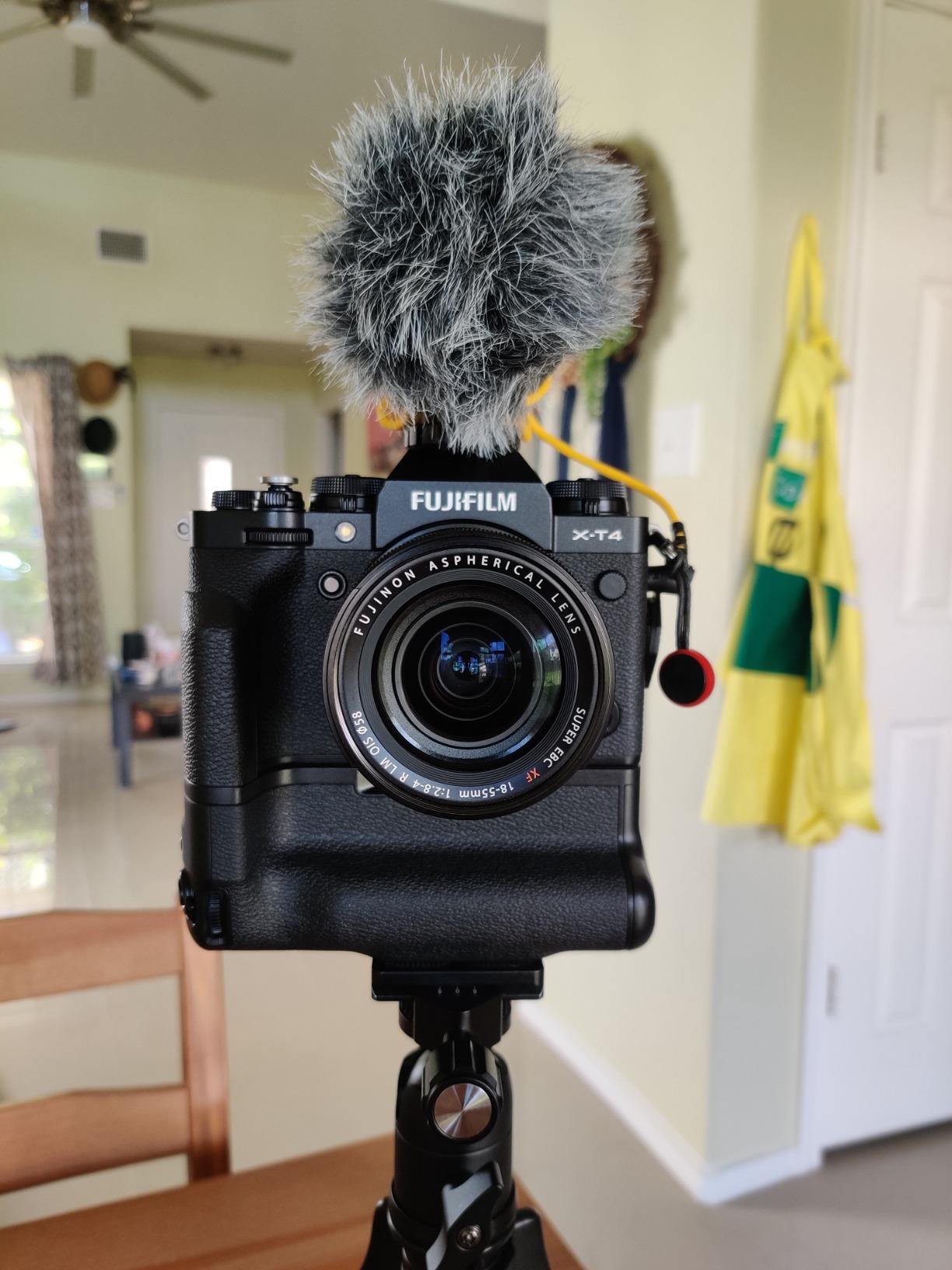
Even several years after release, the X-T4 remains a relevant option for filmmakers. I still use mine as a backup body on professional shoots, and it has never let me down. The 5-axis IBIS provides 6.5 stops of stabilization, which translates to smooth handheld footage that rivals gimbal work in many situations.
The fully articulating screen makes this camera ideal for YouTubers and vloggers who need to monitor themselves while recording. Unlike newer models with flip-up screens, you can position the display at any angle, including forward-facing for presenting to camera.
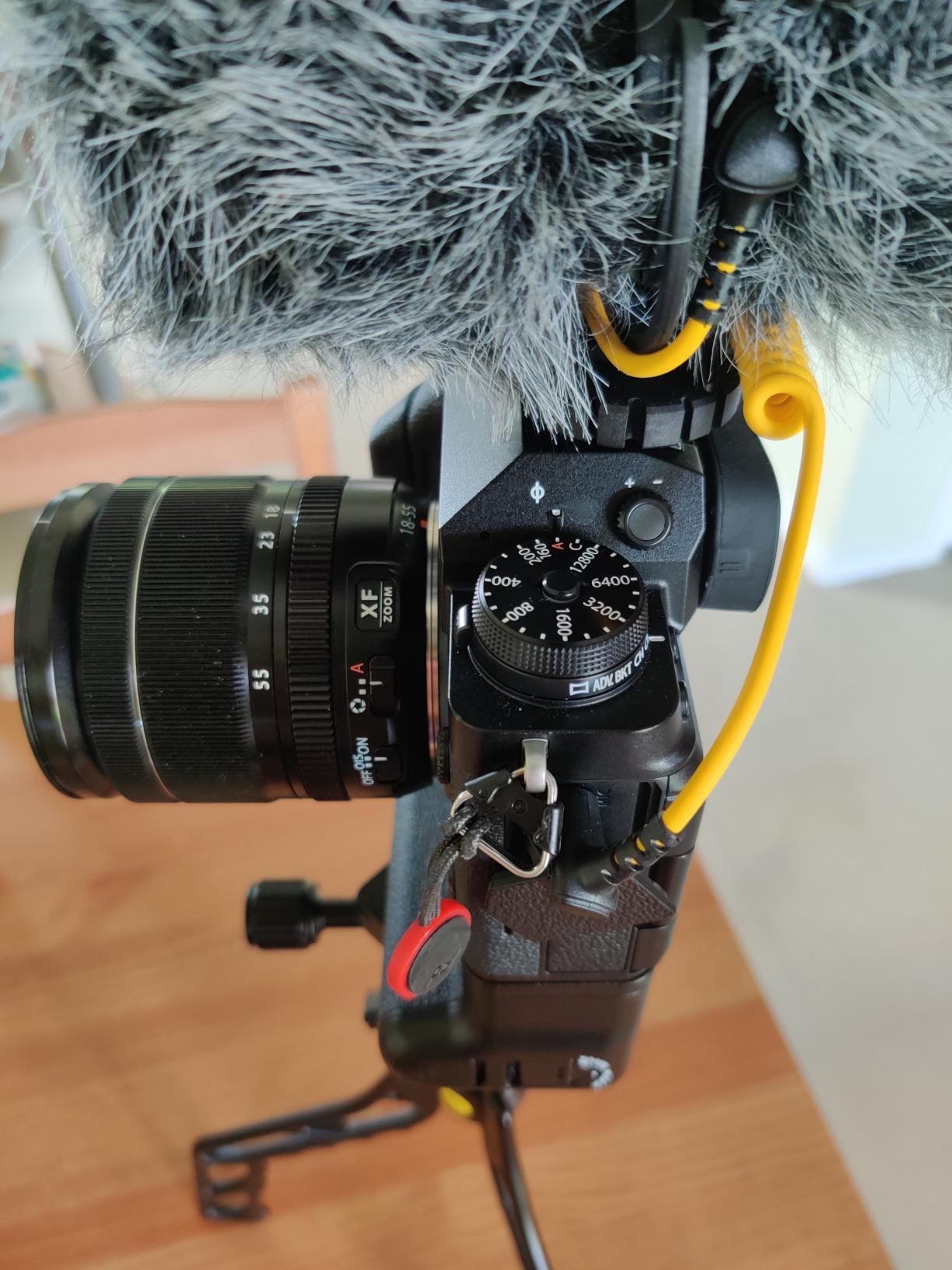
Color rendition from the X-T4’s film simulations remains industry-leading. Eterna produces cinematic footage straight from camera that looks graded with minimal effort. For fast turnaround projects where extensive post-production isn’t possible, this camera delivers professional results in record time.
Battery life improved dramatically with the NP-W235 battery. I regularly record 90+ minutes of 4K footage on a single charge, which matters when shooting events or documentary work where changing batteries disrupts the moment.
Who Should Buy the X-T4
Filmmakers wanting maximum value should strongly consider this model. The price has dropped significantly since release while the image quality remains competitive. Vloggers and solo creators benefit from the articulating screen and reliable autofocus. Those building a multi-camera setup will appreciate having affordable matching bodies.
Who Should Skip the X-T4
Anyone needing 6K or 8K recording must look at newer models. The 26MP sensor lacks the cropping flexibility of 40MP alternatives. Low light performance falls behind current generation sensors by about half a stop. The autofocus system, while competent, doesn’t match the AI subject detection of X-Processor 5 cameras.
4. Fujifilm X-T3 – Still Relevant for Budget Filmmaking
- Fantastic image quality
- Retro styling with manual dials
- Crystal clear EVF
- Fast and accurate autofocus
- No in-body image stabilization
- Menu settings not always intuitive
- Requires Capture One for best RAW
The X-T3 was the first mirrorless APS-C camera to record 4K/60p internally, and it remains a capable filmmaking tool years later. I recently picked one up used for a second angle on interviews, and the image quality still impresses. The lack of IBIS means you will need stabilized lenses or a gimbal for handheld work, but the image quality rivals newer models.
The 2.16 million phase detection pixels covering the entire frame provide reliable autofocus for most situations. While it lacks the deep learning AI of newer cameras, face detection works well enough for interview subjects and talking head content.
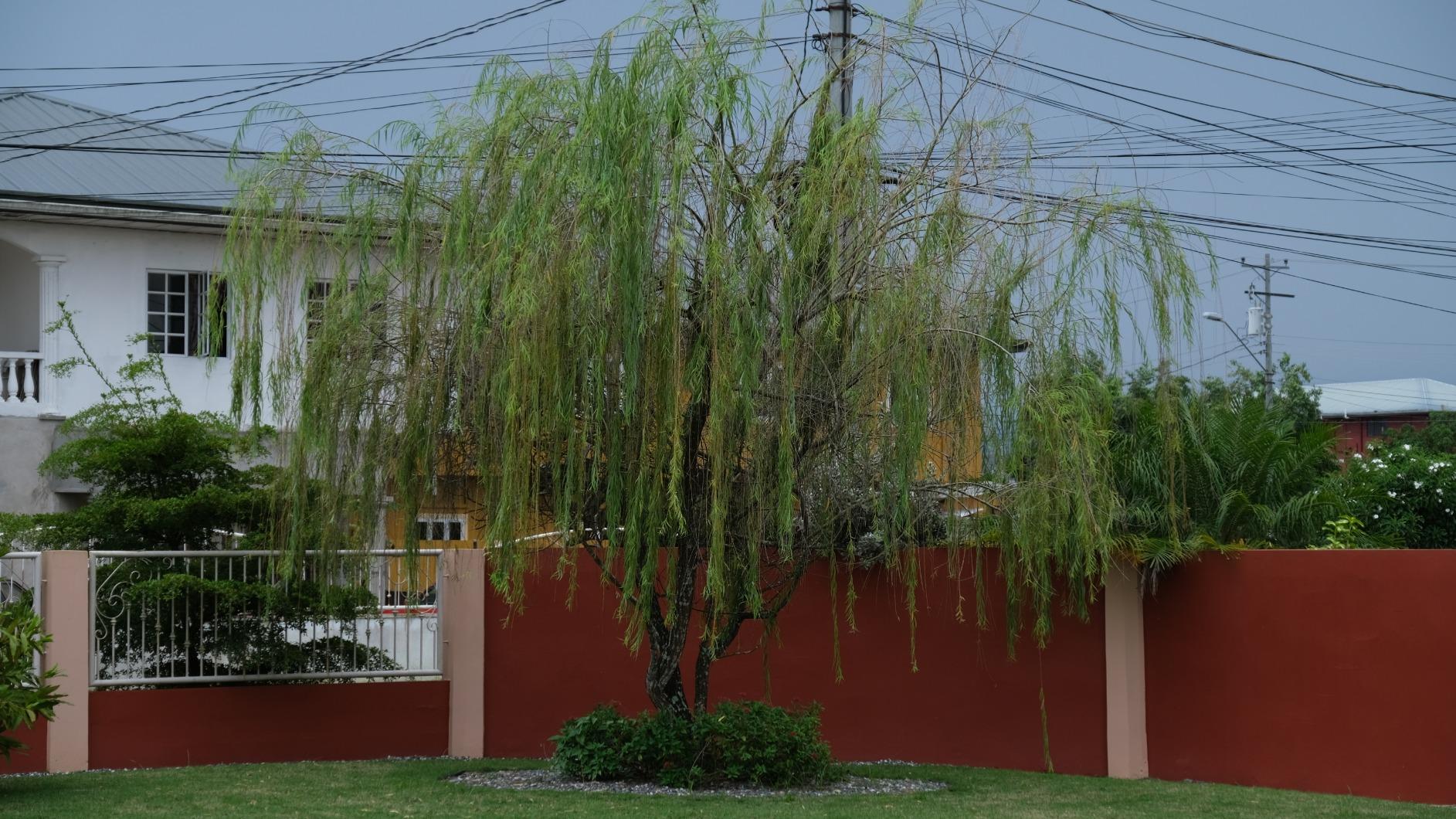
Build quality remains exceptional. The magnesium alloy body survived two years of travel blogging in harsh conditions before I sold it to upgrade. The weather sealing performed flawlessly during unexpected rain showers in Iceland and dusty conditions in Morocco.
File sizes from the 26MP sensor are more manageable than 40MP alternatives. For long documentary projects where storage costs accumulate, this camera produces excellent quality without overwhelming your drives.

Who Should Buy the X-T3
Budget filmmakers and students will find incredible value in this model. The image quality holds up for professional work, especially when properly exposed. Those shooting primarily on tripods or gimbals won’t miss the IBIS. Travel filmmakers appreciate the compact size and weather sealing.
Who Should Skip the X-T3
Run-and-gun shooters need IBIS for handheld work. Vloggers cannot monitor themselves with the tilting-only screen. Those shooting in low light will benefit from newer sensors with better noise performance. Anyone wanting the latest autofocus tracking should consider X-Processor 5 models.
5. Fujifilm X-T30 III – Compact Powerhouse
- Compact and lightweight design
- Beautiful colors straight from camera
- Excellent film simulations reduce editing
- Great battery life
- Low light could be better
- Not water resistant
- Learning curve from other systems
The X-T30 III packs nearly all the image quality of larger siblings into a body that fits in a coat pocket. I carried this camera daily for three months while traveling, and it never felt burdensome. The 20 built-in film simulations produce JPEGs and video that look professionally graded with zero effort.
AI-powered subject detection autofocus arrived in this compact body through firmware updates. Eye detection tracks subjects reliably for vlogging and interviews, though it struggles a bit more than larger models in challenging lighting.
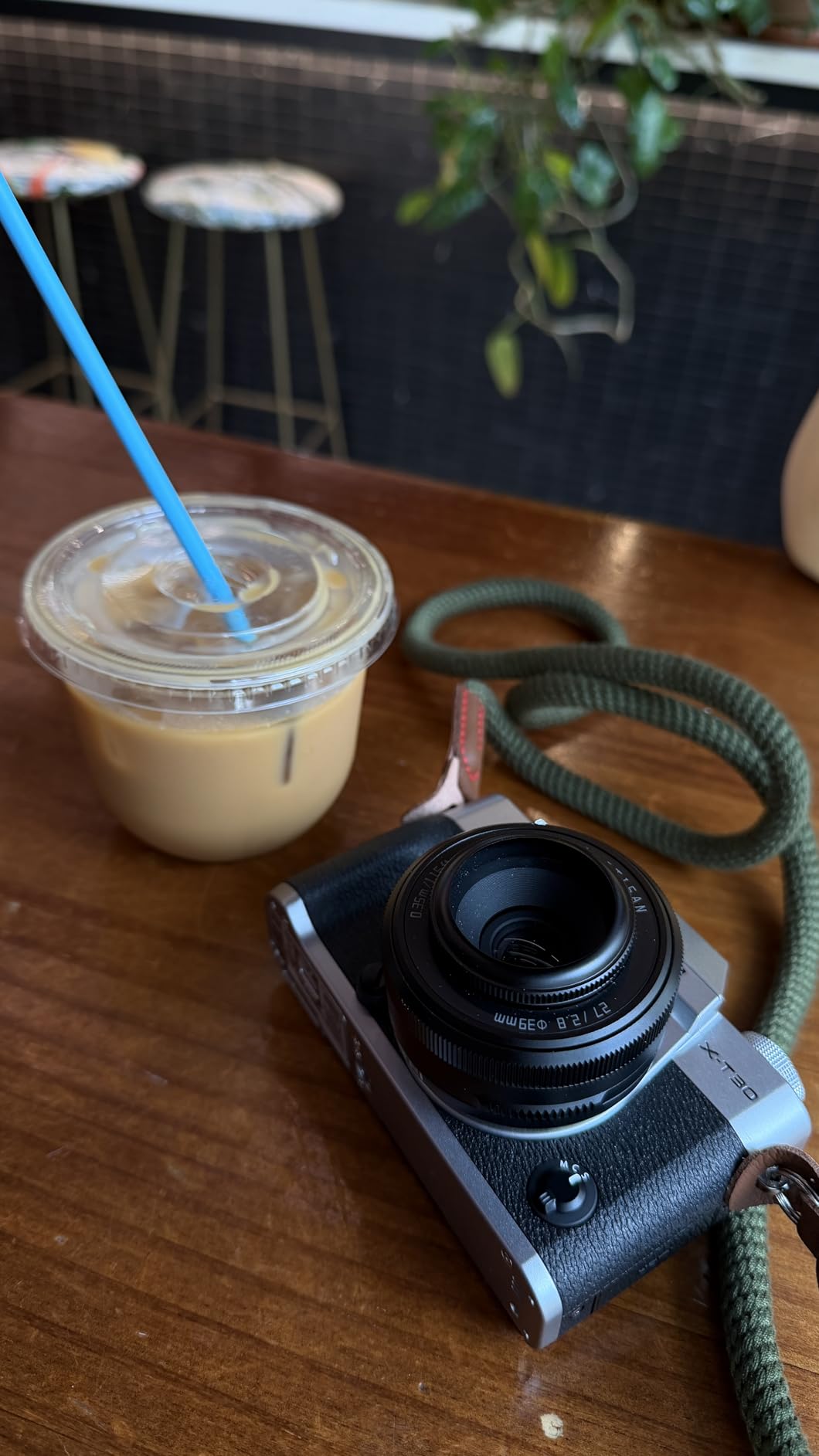
Video quality at 4K/30p matches the X-T4 in good light. The downsampled footage looks crisp and detailed on large displays. For social media delivery where most viewers watch on phones, the quality exceeds requirements while maintaining manageable file sizes.
The simplified control layout compared to X-T series cameras makes this approachable for beginners. Auto mode intelligently selects settings while still producing Fujifilm’s characteristic color science. As skills develop, the full manual controls remain accessible.

Who Should Buy the X-T30 III
Travel vloggers and content creators prioritizing portability will love this camera. The small size encourages carrying it everywhere, which means capturing more moments. Beginners wanting room to grow appreciate the approachable Auto mode. Those building a lightweight rig for gimbal work benefit from the reduced payload.
Who Should Skip the X-T30 III
Professional videographers need the reliability and features of larger bodies. The lack of weather sealing limits outdoor use in inclement conditions. Those shooting 4K/60p must look at other models in the lineup. Serious filmmakers will outgrow the simplified control layout quickly.
6. Fujifilm X-S20 – The Hybrid Sweet Spot
Fujifilm X-S20 Mirrorless Digital Camera XF16-50mmF2.8-4.8 R LM WR – Black
- 7-stop IBIS for stable footage
- Vlog mode with product priority
- Compact and lightweight
- Excellent film simulations
- Some reports of audible noise
- Occasional quality control issues
- Can overheat during extended use
The X-S20 addresses nearly every criticism of its predecessor while maintaining an accessible price point. The dedicated Vlog mode automatically enables product priority autofocus, which keeps products sharp when presenting to camera. For YouTubers and reviewers, this eliminates constant manual focus adjustments.
7-stop IBIS transforms handheld shooting possibilities. I captured stable footage walking through a botanical garden that looked like it was shot on a gimbal. The sensor-shift stabilization works with any lens, including vintage glass adapted from other systems.

Video recording options impress at this price point. The 6.2K/30p internal recording with 10-bit 4:2:2 color sampling provides professional grading flexibility. F-Log2 preserves more dynamic range than standard profiles, giving you latitude to match footage with more expensive cameras.
The XF16-50mm f/2.8-4.8 kit lens offers more reach than typical starter lenses. The weather-resistant construction means you can shoot in light rain without worry. While not as fast as prime lenses, the versatility suits documentary and travel work where changing lenses isn’t practical.

Who Should Buy the X-S20
Content creators and hybrid shooters get the most from this camera. The Vlog mode streamlines solo production workflows. Those transitioning from smartphones will appreciate the approachable interface while having room to grow. Wedding filmmakers benefit from the compact size during long events.
Who Should Skip the X-S20
Pure photographers may prefer the traditional controls of X-T series cameras. Some units exhibit quality control issues, so buy from retailers with good return policies. Extended recording in warm environments triggers overheating warnings. Professional cinematographers needing the most reliable performance should consider the X-H2.
7. Fujifilm X-M5 – Ultra-Compact Creator Tool
FUJIFILM X-M5 Mirrorless Digital Camera XC15-45mmF3.5-5.6 OIS PZ Lens Kit – Black
- Smallest and lightest X-series camera
- Excellent film simulations with dial
- Perfect for beginners and travel
- Great value for money
- Flipping screen feels flimsy
- No built-in viewfinder
- App integration can be finicky
The X-M5 weighs just 12.5 ounces, making it the most portable option in Fuji’s lineup. I carried this camera on a weeklong hiking trip where every ounce mattered, and the footage quality surprised everyone who viewed the final edit. The dedicated film simulation dial provides instant access to 20 different looks without menu diving.
Despite the small size, the X-Trans 4 sensor delivers the same image quality as larger siblings. The 4K/60p video recording handles fast action smoothly, and the AI-based subject detection tracks faces reliably for vlogging. 425 autofocus points cover the frame comprehensively.

The XC15-45mm power zoom kit lens keeps the package tiny. While not as sharp as XF lenses, it covers useful focal lengths for general video work. The power zoom function enables smooth focal length changes during recording, something impossible with manual zoom lenses.
Beginners appreciate the simplified interface and Auto mode that still produces Fujifilm’s characteristic colors. The compact rangefinder styling looks approachable rather than intimidating, which helps when shooting in public spaces or with nervous subjects.

Who Should Buy the X-M5
Travel vloggers and casual creators prioritizing portability will love this camera. The tiny size means you actually bring it everywhere. Beginners get professional image quality without overwhelming complexity. Those building a minimal kit for social media content creation find the perfect balance here.
Who Should Skip the X-M5
Professional filmmakers need the reliability and features of larger bodies. The lack of a viewfinder makes shooting in bright sunlight challenging. The build quality, while good, doesn’t match the durability of weather-sealed alternatives. Advanced users will quickly outgrow the simplified control scheme.
8. Fujifilm X-E5 – Rangefinder Style with Full Features
- 40.2MP sensor with excellent detail
- In-body image stabilization (7 stops)
- Rangefinder style is stealthy
- Interchangeable lenses
- Manual focus experience degraded
- Not weather sealed
- Ergonomics could be better
The X-E5 brings the high-resolution 40MP sensor and 7-stop IBIS to a compact rangefinder-style body. During street photography and documentary work, the discreet design draws less attention than DSLR-shaped cameras. The machined aluminum top plate feels premium and durable.
Video capabilities match larger siblings despite the smaller size. 4K/60p recording with 10-bit internal color sampling provides professional results. The customizable film simulation dial lets you assign favorite looks for quick access, streamlining workflow during fast-paced shoots.
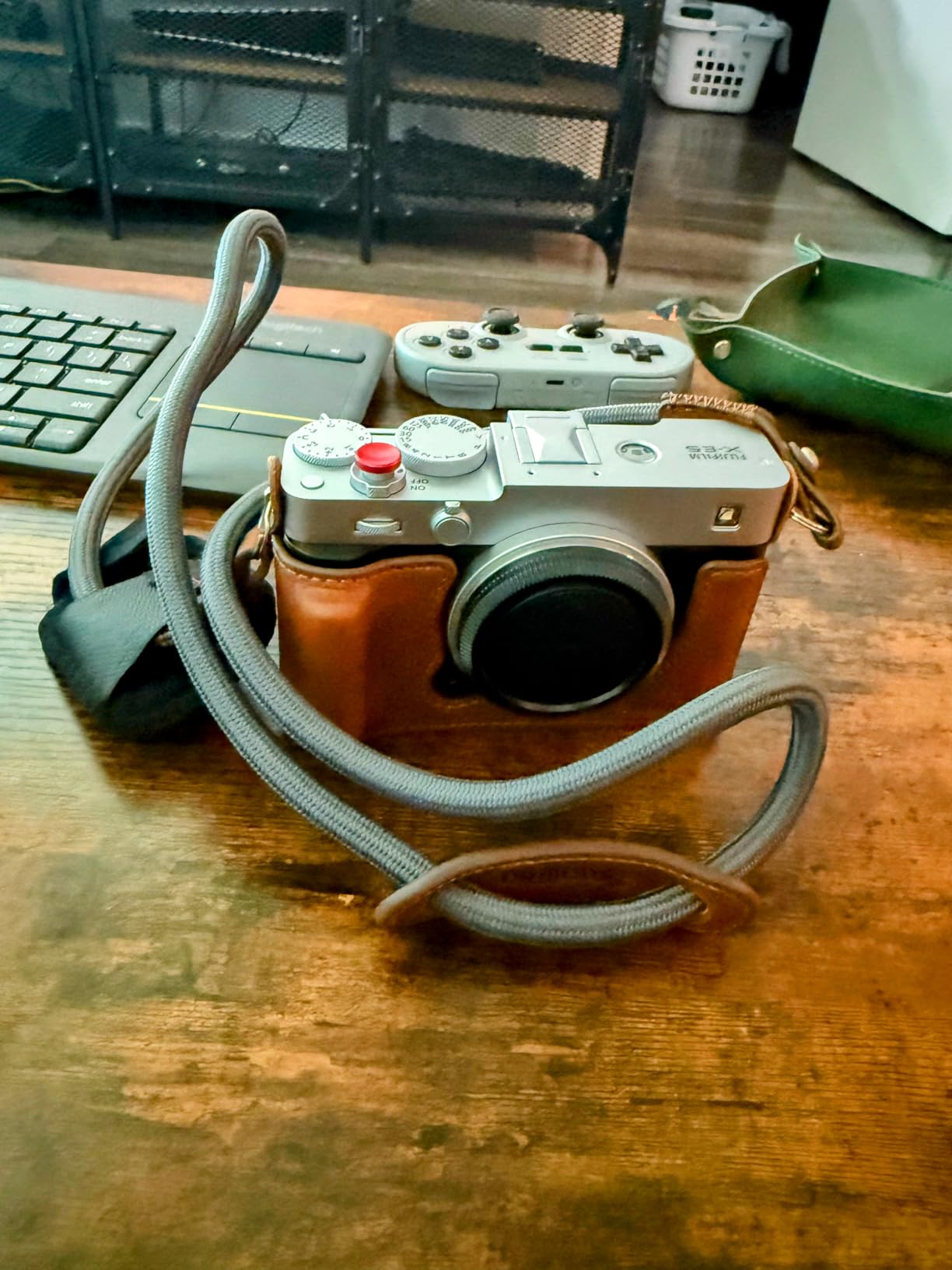
The deep learning AI-powered subject detection autofocus tracks people, animals, and vehicles reliably. For documentary work where subjects move unpredictably, this automation lets you focus on composition rather than focus pulling. The 450 autofocus points cover nearly the entire frame.
Compatibility with over 40 X Mount lenses gives you extensive creative options. From ultra-wide zooms for real estate video to fast primes for low light work, the ecosystem supports virtually any filmmaking need. Vintage lenses adapt easily for unique looks.
Who Should Buy the X-E5
Documentary filmmakers and street videographers benefit from the discreet rangefinder design. Those wanting the image quality of X-T5 in a smaller package find their match. Photographers transitioning to video appreciate the familiar form factor. Style-conscious creators love the classic aesthetic.
Who Should Skip the X-E5
Those needing weather sealing for outdoor work should look at X-T series cameras. The manual focus workflow frustrates experienced Fuji users familiar with older bodies. Anyone wanting a built-in grip for extended handheld shooting may find the flat design uncomfortable. The price approaches X-T5 territory, making the decision difficult.
Filmmaking Features to Consider
When choosing between these cameras, several technical specifications directly impact your video work. Understanding these features helps you prioritize what matters for your specific projects.
Video Resolution and Recording Formats
Resolution needs vary by delivery platform. YouTube supports 4K beautifully, while Netflix and commercial work increasingly demand 6K or 8K for future-proofing. The X-H2’s 8K/30p provides maximum flexibility for cropping and reframing, but 4K/60p from the X-T4 handles slow motion better for action sequences.
10-bit 4:2:2 internal recording matters more than resolution for color grading. Cameras offering this specification preserve more color information, allowing heavier grades without banding. All models from X-T4 onward include this capability, while the X-T3 records 10-bit externally via HDMI only.
In-Body Image Stabilization (IBIS)
Forum discussions consistently identify IBIS as essential for handheld filmmaking. The 7-stop systems in newer models let you capture smooth footage while walking, reducing gimbal dependence for many situations. The X-T3 lacks IBIS entirely, requiring stabilized lenses or external support.
IBIS performance varies by focal length. Wide angle lenses show less benefit than telephotos, where small movements translate to significant frame shake. For documentary work with prime lenses, IBIS proves invaluable.
Film Simulations and Color Science
Fujifilm’s color science separates these cameras from competitors. Film simulations like Eterna, Classic Chrome, and Reala Ace produce cinematic looks without grading. Many forum users report cutting post-production time in half by shooting with simulations rather than flat profiles.
F-Log and F-Log2 provide flat profiles for maximum grading flexibility. Learning to expose these profiles takes practice, but the dynamic range rewards proper technique. Consider your post-production workflow when choosing between simulations and log recording.
Autofocus Performance
X-Processor 5 cameras feature deep learning subject detection that tracks eyes, faces, animals, and vehicles. This automation proves invaluable for solo operators who cannot manually pull focus while framing and exposing. Earlier X-Processor 4 cameras offer competent autofocus but lack the AI enhancements.
Eye detection accuracy matters for interview work. Cameras with subject detection maintain focus on faces even when subjects turn or move within the frame, reducing ruined takes and reshoots.
Frequently Asked Questions
What is the best Fujifilm camera for filmmaking?
The Fujifilm X-H2 stands out as the best overall choice for filmmaking, offering 8K/30p recording, 7-stop IBIS, and professional video features. For budget-conscious creators, the X-S20 provides exceptional value with 6.2K recording and dedicated Vlog mode. Content creators prioritizing portability should consider the X-M5 for its compact size and excellent image quality.
What is the best mirrorless camera for videography?
Fujifilm X Series cameras compete strongly in videography thanks to 10-bit 4:2:2 internal recording, F-Log2 profiles, and renowned color science. The X-H2 leads with 8K capabilities, while the X-S20 offers the best balance of features and price. For pure video work, consider whether you need IBIS, articulating screens, and specific recording resolutions.
What camera do most filmmakers use?
Professional filmmakers use various cameras depending on budget and project requirements. Many independent creators and wedding videographers choose Fujifilm X Series for the color science and compact size. The X-T4 remains popular despite newer releases, while professionals increasingly adopt the X-H2 for its 8K recording and advanced features.
Which Fujifilm camera shoots like film?
All Fujifilm X Series cameras include film simulations that emulate classic Fuji film stocks. The Eterna profile produces cinematic results straight from camera, while Classic Chrome gives documentary-style footage. Cameras with the dedicated film simulation dial, like the X-M5 and X-E5, provide quickest access to these looks. The X-T5 and X-H2 add the new Reala Ace simulation for even more film-like rendering.
Is Fujifilm better than Sony for video?
Fujifilm and Sony each offer advantages for video work. Fujifilm excels at color science with film simulations that reduce grading time, while Sony leads in autofocus tracking and low light performance. Fujifilm cameras typically cost less for comparable features and produce more pleasing skin tones out of camera. Sony offers more extensive lens ecosystems and better battery life. The choice depends on your priorities: color and value versus tracking and versatility.
Final Thoughts
Choosing the best Fujifilm mirrorless camera for filmmaking depends entirely on your specific needs and budget. The X-H2 leads with 8K recording and professional features for serious filmmakers. The X-S20 offers the best value for hybrid shooters wanting modern capabilities without the premium price. For those starting out or prioritizing portability, the X-M5 delivers Fujifilm’s legendary color science in the most compact package.
Even older models like the X-T3 and X-T4 remain relevant for budget-conscious creators. Their image quality holds up beautifully, and the money saved can go toward quality lenses that outlast any camera body. Remember that lenses matter as much as the body for video work, so factor glass into your total investment.
Whichever model you choose, Fujifilm’s film simulations and color science will transform your workflow. The ability to deliver professional footage with minimal grading saves time and impresses clients who need fast turnaround. For 2026 and beyond, these cameras represent some of the smartest investments available for filmmakers at any level.