
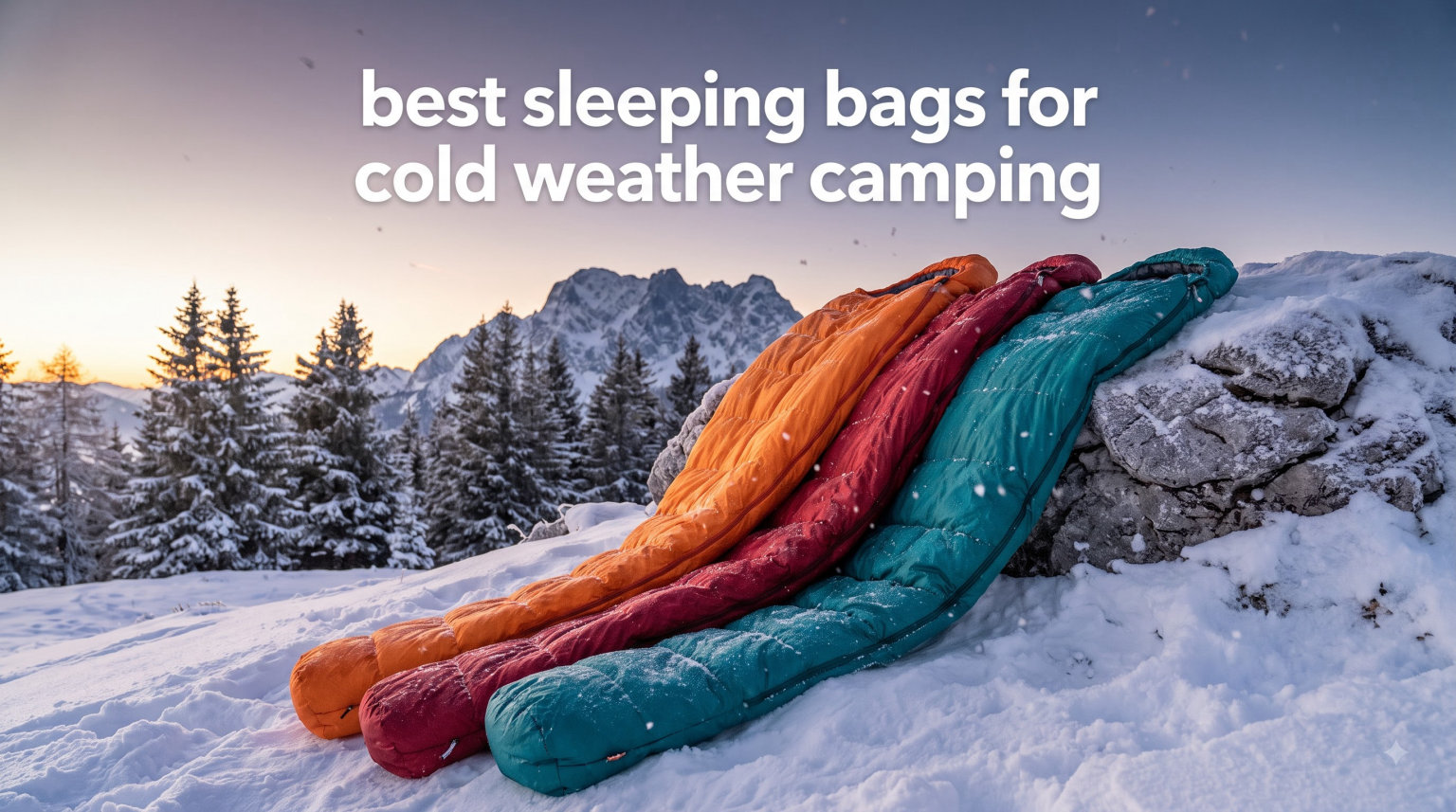
I learned the hard way that a 40°F summer bag in 25°F mountain air is a one-way ticket to a night of misery. My teeth chattered for three hours before I gave up and slept in the car. That trip taught me that picking the best sleeping bags for cold weather camping is not about a brand name on the tag. It is about reading the rating, understanding the fill, and matching the bag to your actual conditions.
This guide is built on what I have learned in real camps and from talking with outfitters and gear editors who test in sub-freezing conditions. We will walk through temperature ratings, insulation types, key features, and the sleep system pieces many shoppers forget. By the end, you will know exactly how to choose a bag that keeps you warm, dry, and rested in 2026‘s nastiest shoulder-season and winter nights.
Whether you are heading into the Rockies in February or planning a wet November weekend in the Pacific Northwest, the right bag changes everything. Cold-weather camping is supposed to be quiet, beautiful, and challenging in the right ways. It is not supposed to make you question your life choices at 3 a.m. Let me show you how to skip the second part.
Table of Contents
What Makes a Sleeping Bag Cold Weather Ready
A cold weather sleeping bag is designed to trap warm air close to your body and block heat loss from radiation, conduction, and convection. Three things matter most: the temperature rating, the type and amount of insulation, and the construction that keeps drafts out.
Cold weather generally means nighttime temperatures below 32°F (0°C). That covers anything from late fall camping at altitude to genuine winter expeditions. Bags rated for these conditions usually carry a comfort rating of 20°F to -40°F depending on use case. The sweet spot for most cold-weather campers is a 0°F to 20°F comfort rating, which covers shoulder seasons and moderate winter nights without weighing you down.
I always look at three numbers when comparing bags: comfort rating, lower limit rating, and extreme rating. The comfort rating is the temperature at which an average sleeper stays warm. The lower limit is the temperature at which a man can sleep curled up without shivering. The extreme rating is a survival temperature for a few hours, not a comfortable one. Treat the extreme rating as a safety number, not a planning number.
Temperature Ratings Explained: Comfort, Lower Limit, and Extreme
Most reputable sleeping bags sold in North America follow the EN 13537 (now ISO 23537) standard. This test uses a heated manikin in a controlled chamber to measure how much insulation a bag provides. The standard then assigns three numbers, and grabbing the wrong one is the most common mistake I see.
The comfort rating is what you should plan around. If you sleep cold, add 10°F to the comfort rating before buying. The lower limit rating assumes a warm sleeper in a curled position, and the extreme rating is a survival figure, not a comfort figure. I have met plenty of campers who chose a -20°F bag based on the extreme rating and froze at 15°F.
Two extra factors shift the real-world temperature. First, your sleeping pad matters as much as your bag because ground conduction steals heat. Second, what you wear to bed changes everything. A balaclava and dry base layers can make a 20°F bag comfortable in 10°F conditions. The rating is a starting point, not a guarantee.
Down vs Synthetic Insulation: Which Is Right for Cold Weather?
The insulation question is the backbone of any cold weather sleeping bag decision. Down and synthetic insulation each win in different scenarios, and the right choice depends on where and how you camp.
Goose and duck down is the warmest insulation by weight, with the best compressibility and longest lifespan when cared for. Fill power measures loft: 650-fill is decent, 800-fill is excellent, and 900-fill is premium. Higher fill power means more warmth per ounce, which is why expedition bags push 800 to 900 fill. I have a 15-year-old 800-fill bag that still packs smaller than most synthetic bags.
Down loses loft when wet, and wet down loses nearly all insulating value. Modern hydrophobic down treatments (DownTek, Nikwax Hydrophobic Down) fix this by helping each down cluster repel water. They are not magic, but they buy you time in damp conditions. If you camp in wet cold climates like the Pacific Northwest, look for hydrophobic down or pair the bag with a waterproof shell.
Synthetic insulation is heavier and bulkier, but it insulates when wet and dries faster. Polyester fibers like PrimaLoft and Climashield are the workhorses of budget-friendly cold weather bags. For car camping, family camping, or wet shoulder-season trips, synthetic makes a lot of sense. Ultralight winter backpackers still prefer down because every ounce matters on a long trail.
One more thing to check on down bags is the Responsible Down Standard (RDS) certification. RDS ensures the down is sourced from birds that were not force-fed or live-plucked. If ethical sourcing matters to you, an RDS-certified bag is the way to go. Brands like REI, Patagonia, and Rab publish their certifications clearly.
Key Features to Look for in a Cold Weather Sleeping Bag
Beyond temperature rating and fill, the right features separate a great cold weather bag from a mediocre one. These are the design elements I always check before buying.
A draft collar is the insulated tube around your neck that seals in warmth. On a true cold weather bag, the draft collar is one of the most important features. Without it, body heat escapes upward out of the bag. A good draft collar cinches comfortably and has a separate drawcord from the hood so you can adjust one without the other.
Zipper draft tubes run the length of the zipper and prevent cold air from sneaking through the teeth. Look for full-length tubes with anti-snag tape so the zipper does not catch on the fabric in the dark. Two-way zippers let you vent your feet on warmer nights, which is critical when shoulder-season temperatures swing 30 degrees between dusk and dawn.
The hood should cinch down to leave only your nose and mouth exposed. A poorly designed hood leaks heat fast. Pillow pockets are surprisingly nice, and internal stash pockets keep batteries and lip balm from freezing overnight. Check the shape: a mummy bag is warmer and lighter, while a semi-rectangular bag gives more room to roll around but weighs more.
Shell fabric denier matters for durability. A 20D ripstop nylon is light but delicate, while a 30D to 50D fabric handles abrasion better. For car camping, higher denier is fine. For backpacking, balance weight against the rough stuff you expect to drag the bag over.
Sleeping Pad R-Value: The Missing Half of Your Sleep System
I cannot tell you how many cold shivering campers I have met who blamed their sleeping bag when the real culprit was the pad. A bag compresses under your body weight and loses loft, which means the insulation between you and the cold ground is reduced. The sleeping pad is the system that handles ground conduction.
R-value measures insulation. An R-value of 1 is bare-minimum summer, R-value 3 to 4 handles three-season use, and R-value 5 or higher is required for winter camping. Match your pad R-value to the conditions you expect. If you have a 0°F bag and an R-value 2 summer pad, you will still freeze because the ground is pulling heat out of you.
For serious cold weather, combine a high R-value pad with an insulated one for redundancy. Two pads stacked can buy you 10°F of comfort. I run an R-value 4.5 inflatable paired with a closed-cell foam pad in deep winter, and that combination has saved me many nights below zero.
Choosing by Climate and Use Case
Climate matters as much as temperature ratings. Dry cold, like the Rockies in January, is forgiving. Down performs well, and you can push a bag’s temperature rating. Wet cold, like the Pacific Northwest from November through April, is the opposite. Humidity wicks heat faster, condensation builds on the inside of your tent, and down loses loft. Synthetic or hydrophobic down is the safer bet.
Car camping lets you prioritize warmth and comfort over weight. A 4-pound synthetic bag is fine when you are not carrying it. Backpackers need to balance warmth against weight, which is why a 2-pound 800-fill down bag is the gold standard for three-season shoulder use. Mountaineering and expedition camping pushes into 800 to 900 fill, full draft systems, and hoods designed for use with a helmet if needed.
For most readers, the use case is car camping or short backpacking trips in moderate winter. A 0°F to 20°F comfort rating, 600 to 800 fill down, or quality synthetic insulation, will cover 90% of trips. Save the -40°F expedition bag for actual expeditions.
Fit, Shape, and Size Considerations
A bag that is too big creates dead air pockets your body has to heat. A bag that is too tight compresses insulation and reduces loft. The right fit is snug but not constrictive. Most brands offer regular and long sizes, and taller campers should not try to squeeze into a regular.
Women’s-specific bags are not just marketing. They are cut with more insulation in the torso and feet, shorter overall length, and a shape that fits wider hips. Sleep cold? A women’s-specific bag is often warmer than a unisex bag at the same temperature rating.
Mummy bags are the warmest shape for the weight. Semi-rectangular bags add room to move and slightly more comfort. Rectangular bags are heavy but allow you to zip two together, which is great for couples and family camping. For cold weather specifically, I lean toward mummy or semi-rectangular to minimize dead air space.
Care, Storage, and Maintenance Tips
A well-cared-for sleeping bag can last 15 years or more. A poorly stored one can lose half its loft in two seasons. The biggest mistake I see is people leaving their bag compressed in a stuff sack for months between trips. That crushes the insulation and reduces warmth permanently.
Store your bag loosely in a large cotton or mesh storage sack. Hang it over a chair, drape it in a closet, or use the storage cube that came with the bag. Compression sacks are for transport, not for storage. This single habit will extend the life of your bag and keep it warm.
Wash your bag only when it is dirty or loses loft. Use a front-loading washing machine (top loaders with agitators can damage baffles), a technical cleaner like Nikwax Down Wash, and run an extra rinse cycle. Dry on low heat with clean tennis balls to break up clumps of down. For synthetic bags, dry on low to medium heat. Reproof the DWR coating on the shell every few seasons with a spray-on or wash-in product.
Small habits matter. Air out your bag every morning of a trip so moisture can escape. Use a sleeping bag liner to keep body oils and sweat off the insulation. Patch small holes with repair tape before they grow. These steps cost nothing and add years to your investment.
FAQs
What temperature rating sleeping bag do I need for cold weather camping?
For most cold weather camping, a comfort rating between 0°F and 20°F is the sweet spot. This covers shoulder seasons and moderate winter nights. If you sleep cold or camp at higher altitudes, add 10°F of safety margin to that comfort rating.
How do I choose a sleeping bag for winter camping?
Start with the comfort rating, not the lower limit or extreme rating. Match the bag to your expected nighttime low, then match your sleeping pad R-value to the same conditions. Pick down for dry cold and weight savings, or synthetic for wet cold and easier care.
What’s the difference between down and synthetic insulation for cold weather?
Down is warmer per ounce, compresses smaller, and lasts longer when properly cared for, but loses loft when wet. Synthetic insulation is heavier and bulkier, but it insulates when wet, dries faster, and costs less. Hydrophobic down narrows the gap but does not eliminate it.
Can you use a summer sleeping bag in cold weather?
You can, but you will likely be cold and at risk of hypothermia in freezing conditions. A 40°F summer bag has too little insulation and lacks draft collars and hoods designed for cold weather. Layering with a liner and wearing base layers helps, but a properly rated cold weather bag is safer and more comfortable.
How do I care for a down sleeping bag for cold weather camping?
Store it uncompressed in a large cotton or mesh sack. Wash only when needed with a down-specific cleaner, and dry on low heat with tennis balls to break up clumps. Air the bag out every morning of a trip, use a liner to keep body oils off the insulation, and reproof the DWR coating every few seasons.
Final Thoughts
The best sleeping bags for cold weather camping are the ones that match your conditions, your sleep system, and your body. Start with the comfort rating, not the lower limit. Match the fill type to your climate, and do not forget the sleeping pad R-value. Take care of the bag and it will take care of you for years.
If I had to pick one bag for most cold weather campers in 2026, I would look for a 0°F to 20°F comfort rating, 650 to 800 fill down (or quality synthetic), a draft collar, full zipper draft tube, and a properly insulated hood. Pair it with an R-value 4 or higher sleeping pad, and you have a sleep system that will keep you warm from late fall through early spring.
Cold weather camping is one of the most rewarding ways to experience the outdoors. Get the bag right, and the rest of the trip takes care of itself. Stay warm out there.