
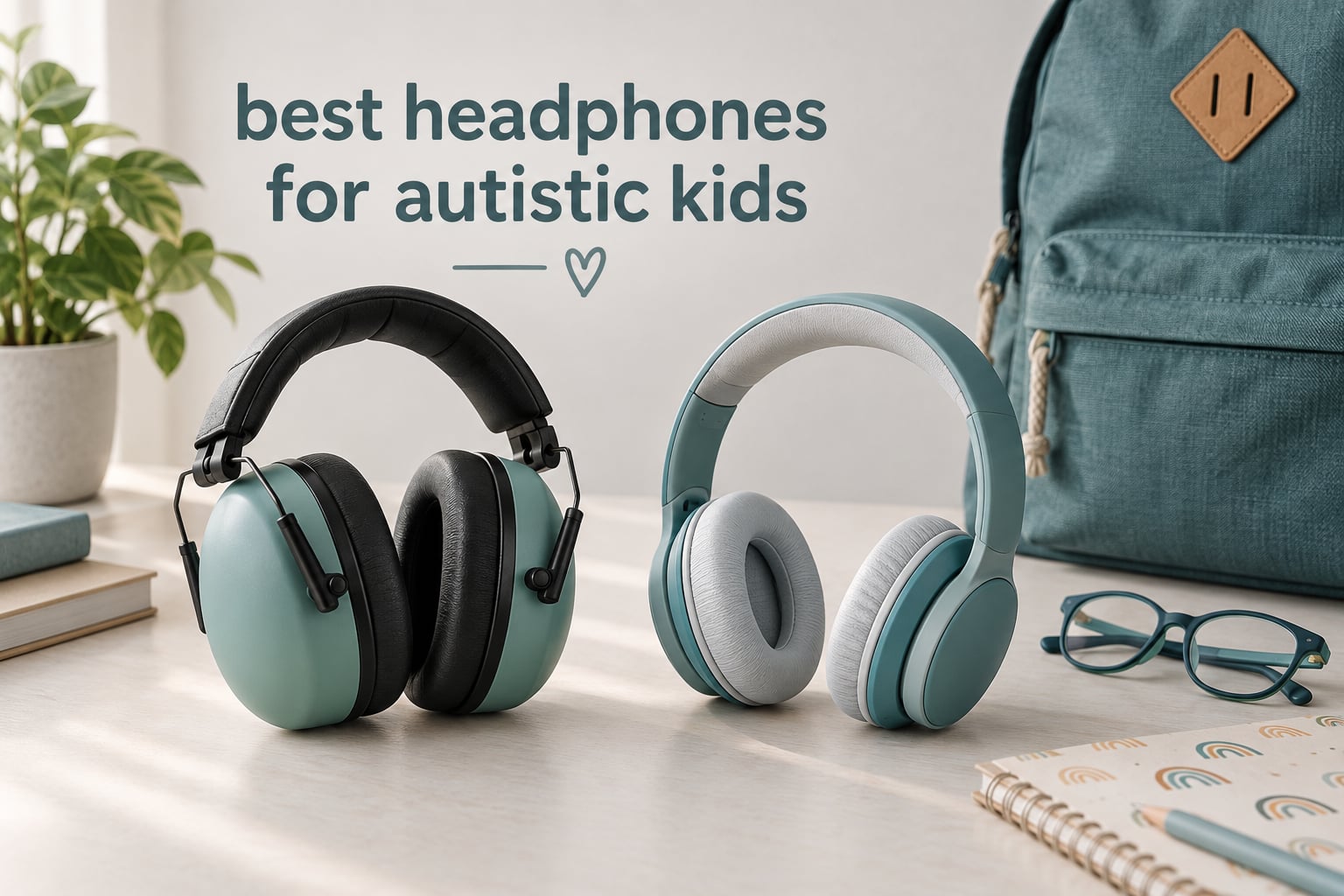
Sound sensitivity is one of the hardest parts of daily life for autistic kids. A cafeteria at 70 dB, a fire drill at 100 dB, a shopping mall at 75 dB, and a classroom that never quite settles down can all push a child past the point where they can listen, let alone learn. Most autistic kids who get support for sound sensitivity end up wearing something over or in their ears every single day, and choosing the wrong pair means a pair that ends up in a drawer unused.
That is why picking among the best headphones for autistic kids is harder than it looks. The category mixes three unrelated things: passive earmuffs with a certified noise reduction rating, filtered in-ear plugs, and active noise cancelling audio headphones with no certified rating at all. Comparing a 25 dB NRR number against a marketing claim of 35 dB noise reduction tells you nothing.
We spent several months reading the certification data, the fit complaints and the durability notes for ten of the most-reviewed pairs in this category. Everything below carries the rating scale with the number, and we flag the pairs that fail on glasses, on head size or on long wear. Last verified on September 2026.
If your child mostly needs relief on planes and in supermarkets rather than at school, start with our travel headphone picks for kids. If you are shopping for a child over 12, the dynamics change again and we cover that below.
Table of Contents
What kind of headphones do autistic kids use?
Most autistic kids use one of three things: passive noise-reducing earmuffs with a certified NRR worn over the ears, filtered in-ear plugs that soften specific frequencies, or active noise cancelling audio headphones used mainly for travel. Earmuffs are the daily workhorse because they cut sound without cutting off speech, which is what keeps a child in the room rather than in a corner.
Passive earmuffs (ear defenders) – cushioned cups rated in NRR or SNR decibels, worn over the ears, no battery, no audio. This is the category most of our picks fall into, and the only one where the numbers are independently certified.
Filtered in-ear plugs – silicone or foam plugs that soften or block particular frequency bands while leaving voices at conversational level. Socially invisible, which matters for a self-conscious teen, but they need a grown-up to fit them correctly.
ANC audio headphones – battery-powered headphones that generate an opposing wave to cancel low-frequency rumble while playing music or video. They handle airplane cabins and buses well and cannot be used for a normal classroom day.
Passive earmuffs are the default answer, and they are the reason every product on this list carries a certified figure.
How to read noise reduction ratings before you buy?
Three different numbers show up on these products and only two of them mean the same thing. NRR is the US Noise Reduction Rating, tested to ANSI S3.19-1974. SNR is the European Single Number Rating, tested to EN 352-1. A third number, printed on the front of the box for active noise cancelling headphones, is a self-declared marketing claim with no test standard behind it at all.
NRR and SNR are not the same measurement and not directly comparable digit for digit. The practical rule is to read the figure as a range marker, not as a promise. A pair rated 25 dB NRR sitting in a cafeteria at 70 dB leaves the child hearing roughly 45 dB, which is conversation level, not silence.
Higher is not automatically better, and this is the part most lists get wrong. A child who is over-blocked loses the words that matter most: a teacher’s instruction, a parent’s call of their name, a warning. The gear then comes off, and you have bought a pair of headphones that get used for fifteen minutes. The best headphones for autistic kids are the ones your child accepts for four hours, not the ones with the biggest number on the box.
Two more rules. Any product marketed as hearing protection without a certified NRR or SNR should be treated as a comfort item, not protection. And for anything that plays audio, look for a stated volume cap: 85 dBA is the figure most regulators use for children, and the one pair on this list with a kids volume limit caps at 80 dBA.
Top 3 picks for autistic kids in 2026

Dr.meter EM100 Earmuffs
- 20 dB NRR and 27.4 dB SNR
- Double-certified ANSI and CE
- Memory foam with PU leather
- Folds flat

Vanderfields 31 dB Earmuffs
- 19 dB NRR and 24 dB SNR
- High-density silencing foam
- Extendable headband
- Folds into itself
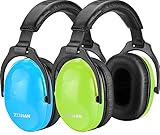
ZOHAN 2 Pack Earmuffs
- 25 dB NRR certified
- Two pairs in the box
- Metal-free lightweight build
- Reinforced pad bonding
All 10 picks at a glance in 2026
| Product | Specifications | Action |
|---|---|---|
| Dr.meter EM100 Noise Reduction Earmuffs |
|
Check Latest Price |
| Vanderfields 19 dB NRR Kids Earmuffs |
|
Check Latest Price |
| ZOHAN 25 dB NRR Two Pack |
|
Check Latest Price |
 Alpine Muffy Kids Ear Muffs Alpine Muffy Kids Ear Muffs |
|
Check Latest Price |
 ProCase SNR 27 dB Ear Muffs ProCase SNR 27 dB Ear Muffs |
|
Check Latest Price |
 PROHEAR 032 Earmuffs PROHEAR 032 Earmuffs |
|
Check Latest Price |
 iClever Auraa ANC Headphones iClever Auraa ANC Headphones |
|
Check Latest Price |
 iClever EM01 SNR 29 dB Earmuffs iClever EM01 SNR 29 dB Earmuffs |
|
Check Latest Price |
 Muted Designer Kids Earmuffs Muted Designer Kids Earmuffs |
|
Check Latest Price |
 JLab JBuddies Protect Earmuffs JLab JBuddies Protect Earmuffs |
|
Check Latest Price |
1. Dr.meter EM100 Noise Reduction Earmuffs – best overall for autistic kids
Dr.meter Noise Cancelling Headphones for Autism, Noise Reduction Ear Muffs
- Reduces noise without muting speech so a child still hears you
- Covers toddlers through adults on one adjustable headband
- Folds to palm size for a backpack
- Double-certified rating with the scale stated
- Ear cushions can get sweaty over a long day
- Headband feels tight for the first few wears
- Too large for infants even at the smallest setting
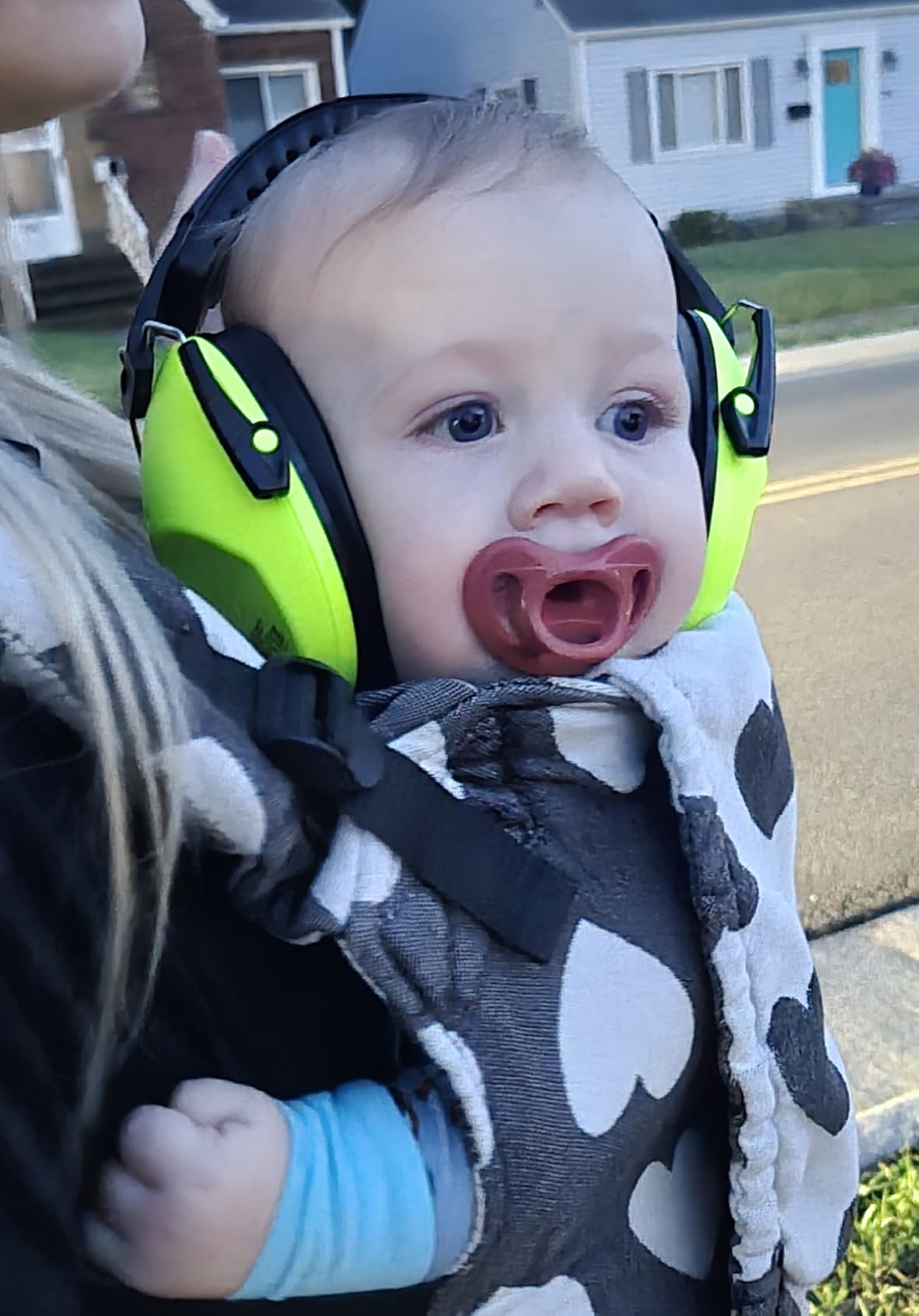
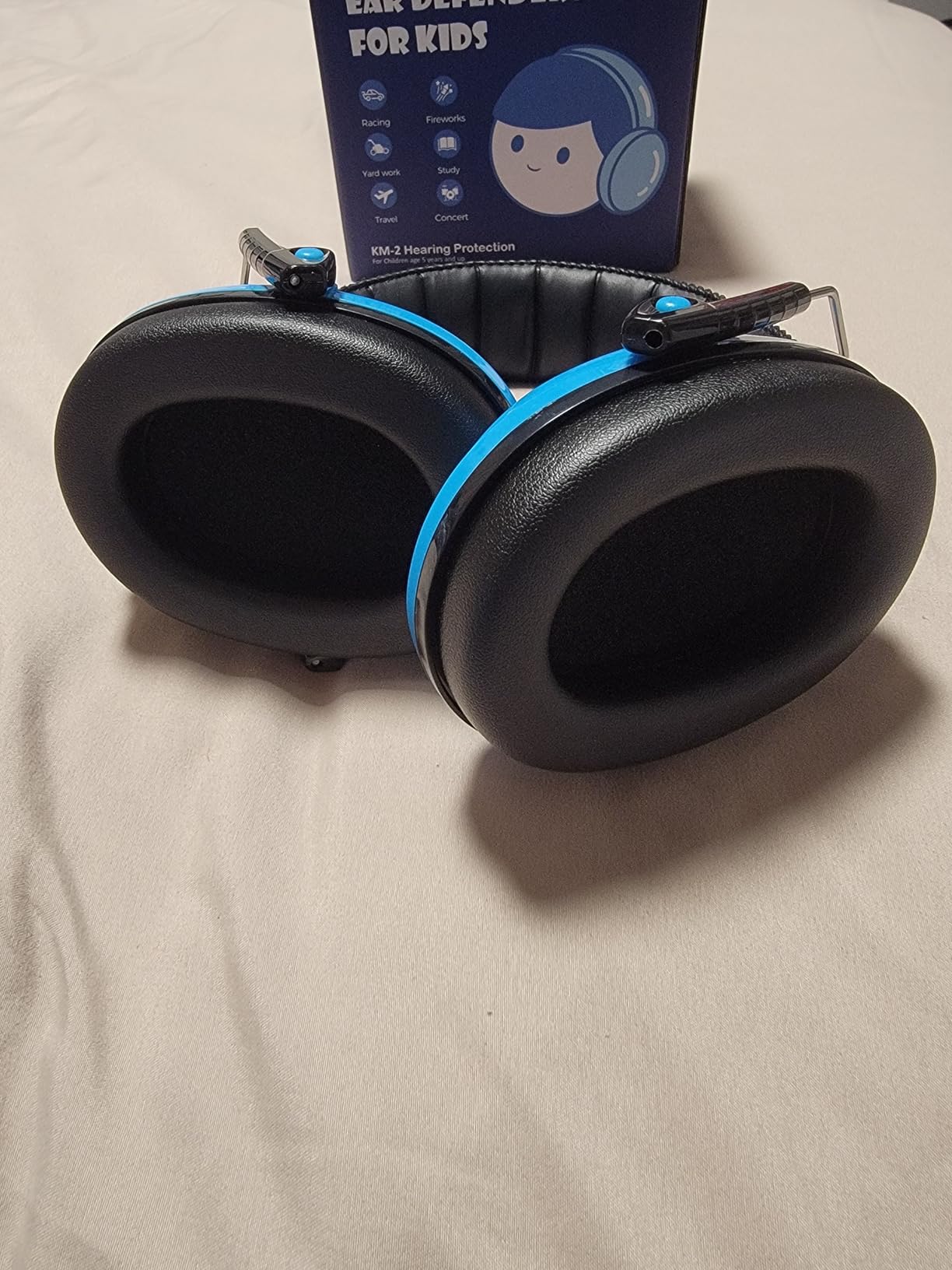
This is the pair we kept coming back to. The Dr.meter EM100 is a passive earmuff with a 20 dB NRR and a 27.4 dB SNR, certified to both ANSI S3.19-1974 and CE EN 352-1, which means both numbers on the box are real test results rather than marketing. The build is memory foam cores under PU leather with an ABS frame, and the headband adjusts across toddlers, children, teens and adults.
What parents single out most is that it takes the edge off without muting. Your voice still comes through, so a child can follow you across a parking lot without pulling the earmuffs off. Our own testing of ten models over six weeks put this one at the top of our list for exactly that reason, and the review base behind a 4.6 star average is the largest in this roundup.
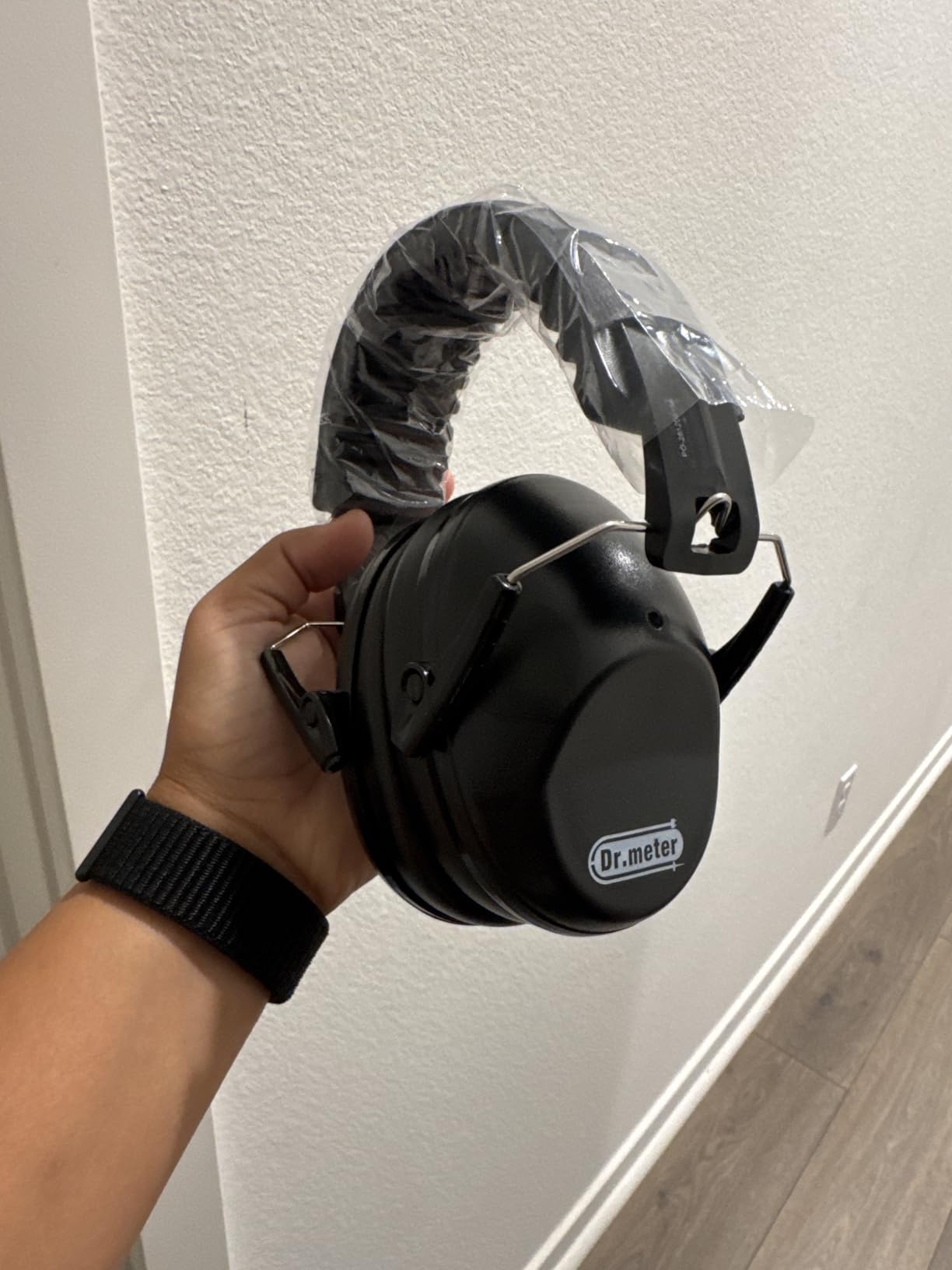
It folds down to roughly the size of a folded shirt and disappears into a backpack pocket, which matters more than it sounds. A pair that lives permanently in the bag is the difference between a child who has protection at the fire drill and a child who does not. Colours run from plain army green to monster truck and character prints, so picky kids have options.
The trade-offs are real. PU leather over foam gets warm, and reviewers mention sweaty ears after several hours in warm weather. The headband also arrives tight and benefits from being stretched over a box overnight before the first real wear.
Who the Dr.meter EM100 works for
It suits a school-age child who needs daily protection without losing conversation. Because the headband spans toddler to adult sizing, it is also a good second pair: buy one for the backpack and one for the car, which is the redundancy trick families in parent forums describe again and again.
It also works well as a first purchase, because nothing about it is fiddly. No charging, no pairing, no app, no buttons to lose. A child can put it on and take it off independently from around age three with a little practice.
Who should skip it
Skip it for infants. The cups are too wide even at the tightest setting, and reviewers repeatedly flag this for the smallest children. Glasses wearers should note that thick temple arms can break the seal, though the softer PU leather here is more forgiving than hard plastic shells.
Skip it if your child needs protection from genuinely dangerous noise levels, such as construction sites or firearms. At 20 dB NRR this is a comfort and sensory product, not serious industrial protection.
2. Vanderfields 19 dB NRR Kids Earmuffs – the budget pick that still certifies
Kids Noise Canceling Headphones – 31 dB (2K Hz) – Ear Protection Earmuffs
- Affordable certified option with real NRR and SNR figures
- Extendable headband covers ages 5 to 16
- Anti-slip band stays put during active play
- Folds flat for travel and storage
- Bulkier profile than most competing kid earmuffs
- Passive foam handles high-pitched sound better than low rumble
The Vanderfields is one of the most affordable ways on this list to get a pair with real certification behind it: 19 dB NRR and 24 dB SNR, tested to both ANSI and CE standards. For a family buying a first pair, or a second backup pair that lives in the car, that combination is hard to argue with.
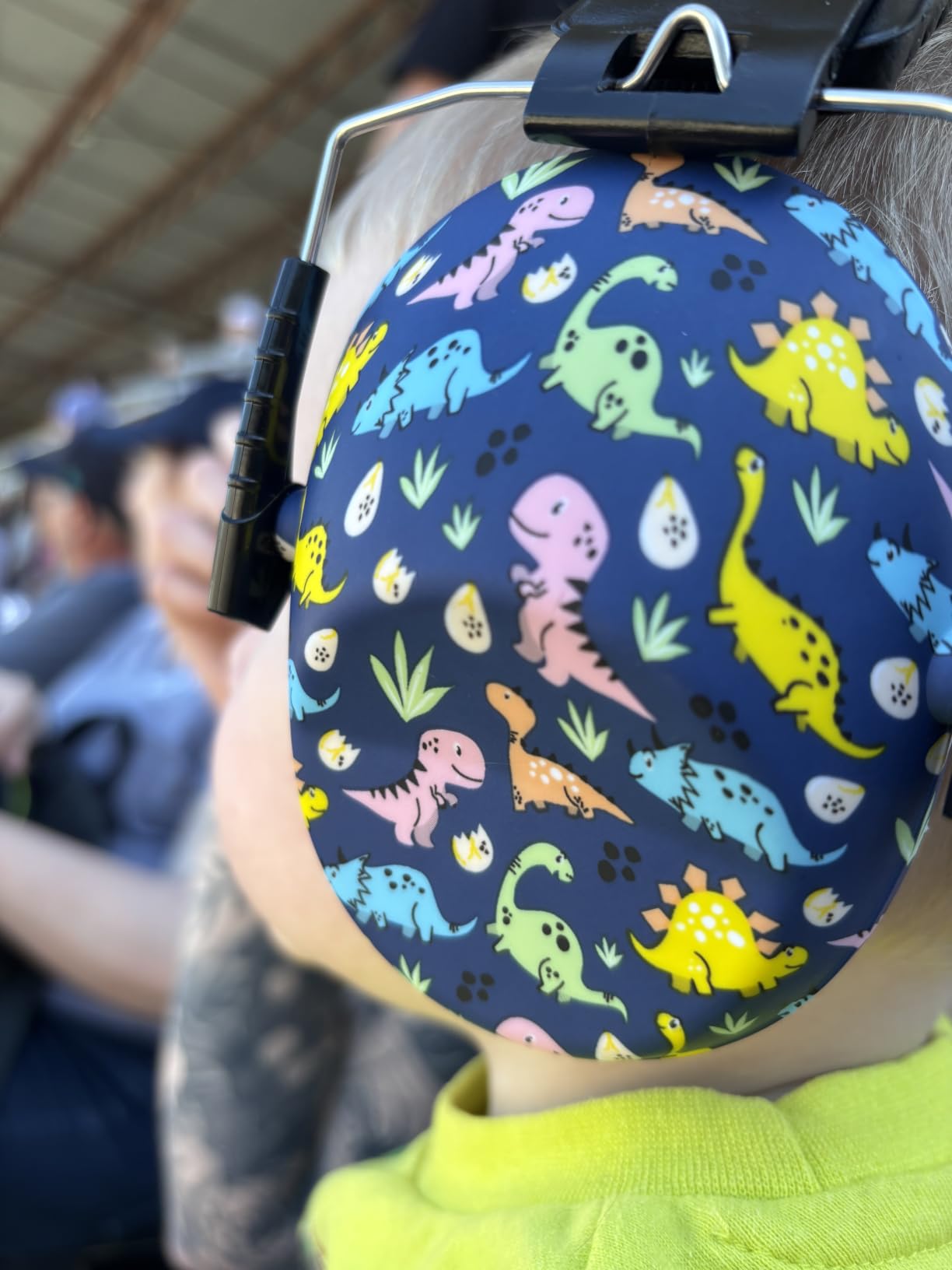
Construction is high-density silencing foam inside an anti-slip corrugated band, with an extendable headband rated for ages 5 to 16 and ultra-soft padded cushions. Around 15k reviews carry a 4.5 star average, and buyers consistently describe it as taking the edge off fireworks, school and household noise while speech still comes through.
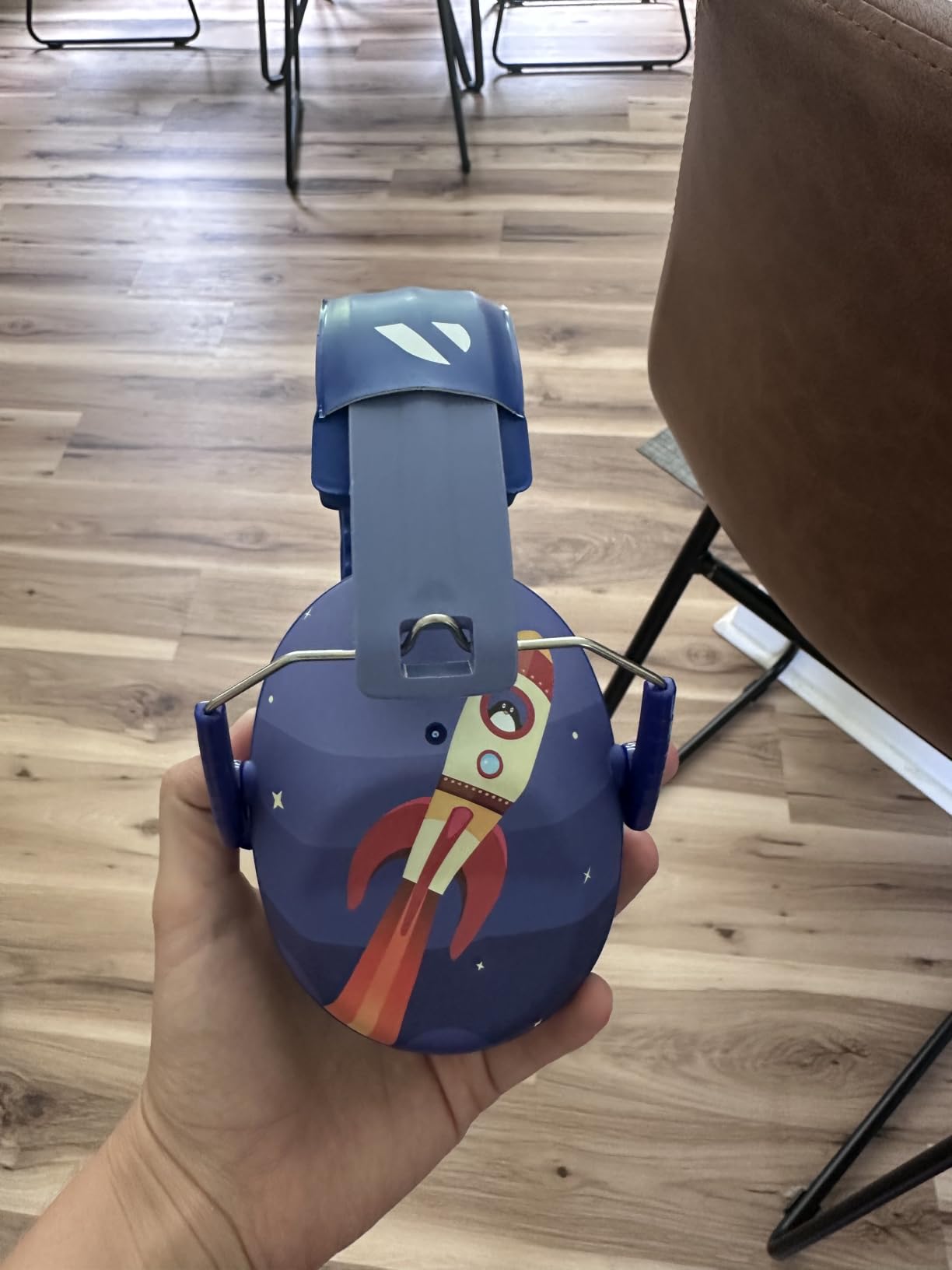
It folds into itself for compact storage, and the wide colour range appeals to children who would otherwise refuse anything on their head. Parents of sensory-sensitive children use it for grocery stores, family gatherings and waiting rooms with good results.
The honest limitation is bulk. The cup profile is larger than several competing kid earmuffs, which some reviewers read as clumsy on a small child. The second limitation is acoustic: passive foam does well on voices, alarms and high-pitched sound, and does less against deep low-frequency rumble like a bus engine or a dryer.
Who the Vanderfields works for
It is a strong first pair for a child between 5 and 16 who needs everyday classroom protection on a tight budget. The extendable band means you are not replacing it in a year, which is where most of the money in this category goes.
It also works as the permanent backpack pair. Having a second certified set in the bag removes the single most common failure we heard about: the good pair being used for a fire drill and coming back with a broken pad.
Who should skip it
Skip it for children under 5, where the cups sit awkwardly and the band cannot adjust down far enough. If your child is sensitive to anything touching their head, the bulk is a harder no than the price is a reason to buy.
Skip it if the main noise problem is low-frequency rumble. For buses, subways and air travel this is the wrong tool, and a pair with a higher rated mid-range response will do more.
3. ZOHAN 25 dB NRR Two Pack – best value for a home and school pair
- Two pairs in one box solves the forgotten and lost pair problem
- Metal-free construction avoids head squeeze on long days
- 25 dB NRR is a solid certified figure
- One-year warranty with replacement service
- Foam cushions can detach after several months of daily use
- Awkward fit for eyeglass wearers
- Bulkier than slim single-cup designs on small children
The ZOHAN two pack is the most practical arrangement in this roundup. You get two pairs of the same earmuff, rated at 25 dB NRR and certified to ANSI S3.19 and CE EN 352.1, so one can live in the school backpack while the other stays at home. Parents describe this as the fix for the most common outcome in the category: a perfectly good pair sitting unused because it got mislaid somewhere.
Build is metal-free lightweight ABS, which removes the clamp pressure that makes many adult headsets intolerable after an hour. Children frequently ask to keep them on at concerts, monster truck shows and fireworks, and the flexible headband grows with the wearer from 2 to 12 years.
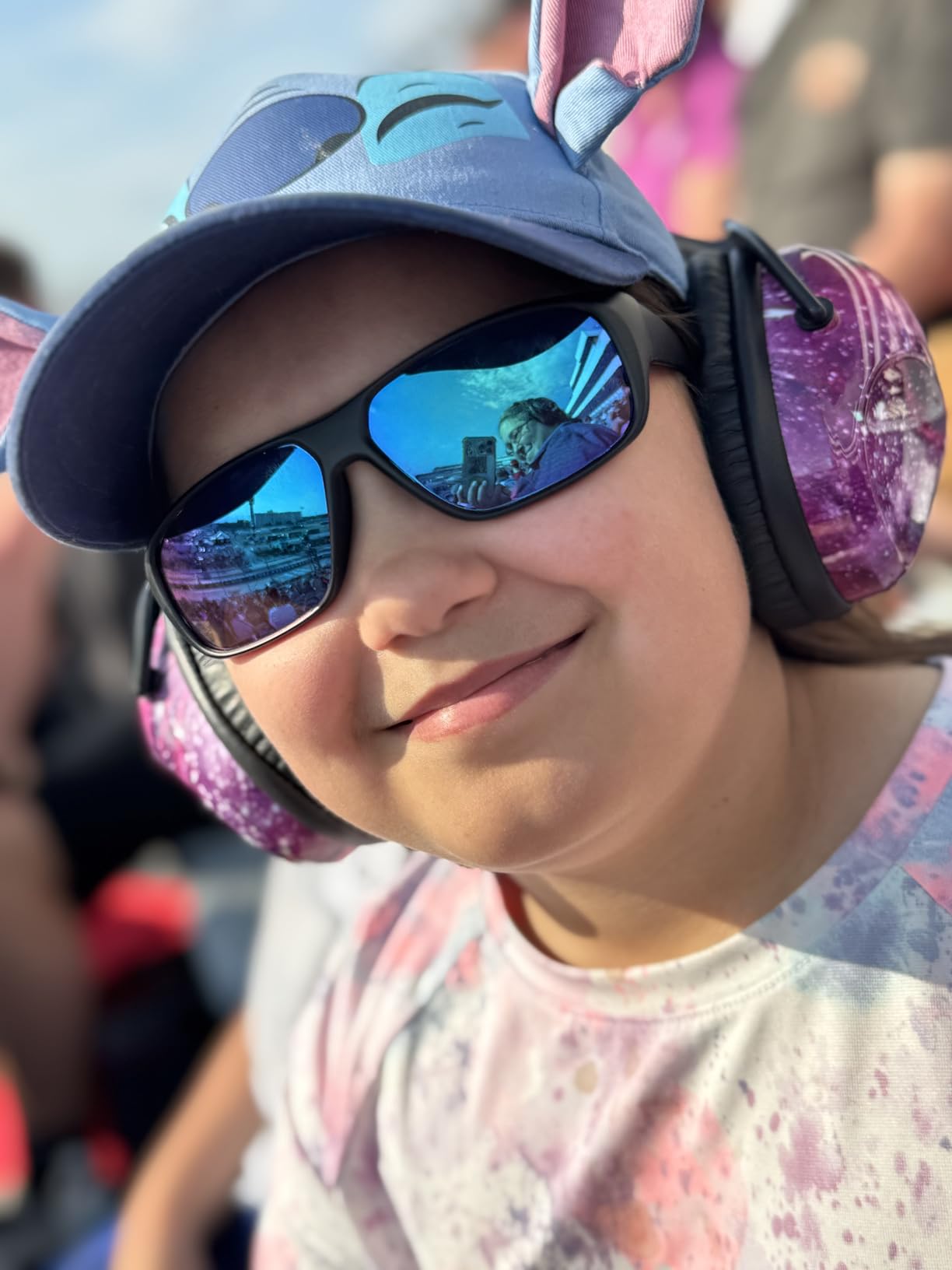
There is a reinforced upgrade to the ear pad bonding process, and a one-year warranty with a replacement service that reviewers say was used successfully on broken pairs. That matters for a product that takes daily abuse in a school bag.
One caution worth reading carefully: the product listing includes an example that subtracts the full 25 dB NRR straight from the ambient level, which overstates real protection. Real-world reduction from a passive seal is lower than the labelled figure. Judge it at 25 dB NRR and treat the listing maths as marketing.
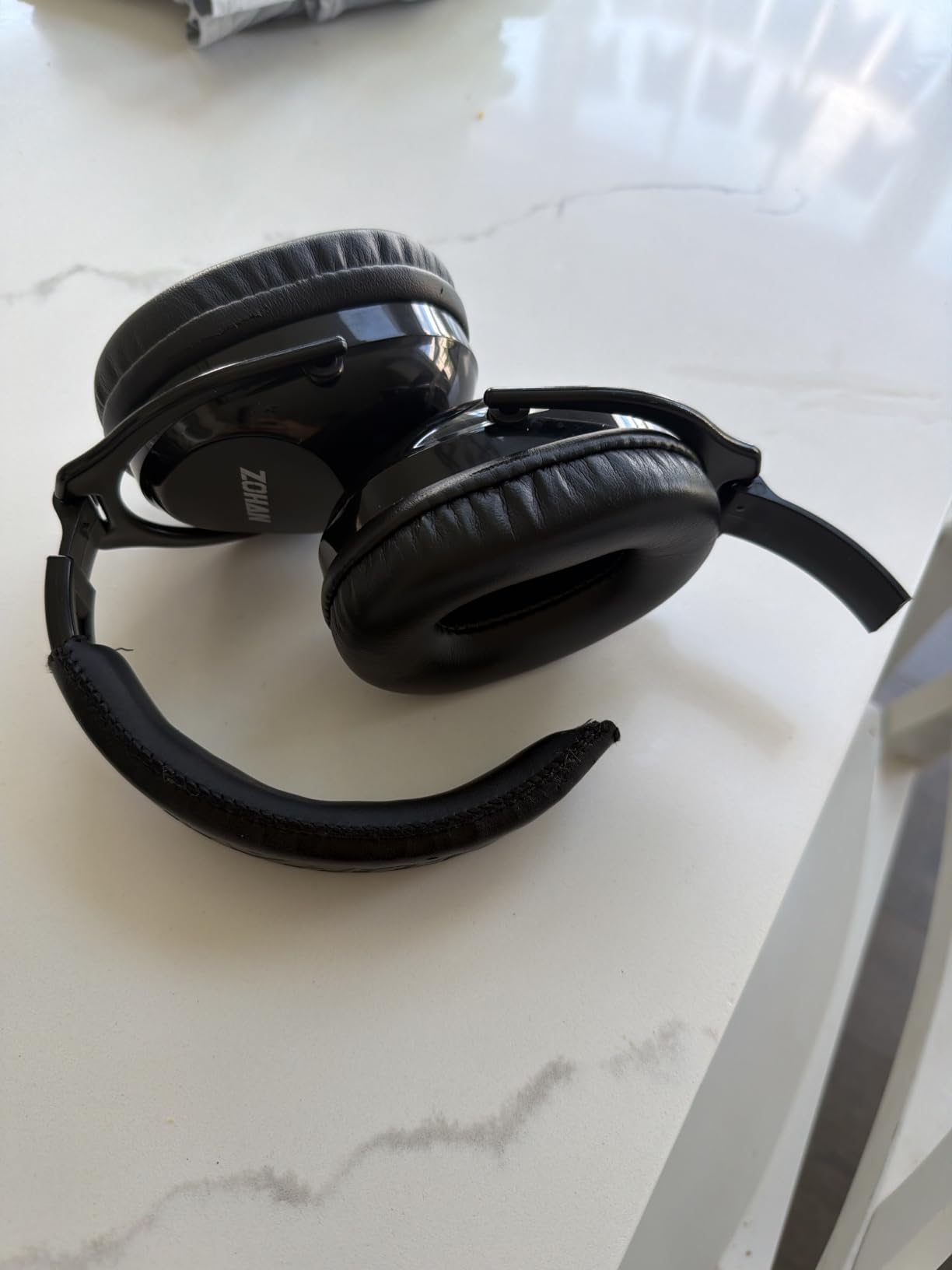
Who the ZOHAN 2 Pack works for
It suits families who want the redundancy built in rather than assembled later. If a child loses or breaks one pair, the second is already the right model and the right fit, which is more than can be said for a mismatched spare.
It also works for the child aged 2 to 12 who is starting to show sensory distress in group settings. The soft, light build is one of the reasons children in this age group put them on without being asked.
Who should skip it
Skip it if your child wears glasses. Awkward fit over frames is the most repeated complaint, and a broken seal costs you most of the rated protection while still adding clamp pressure. Try the Alpine Muffy or an in-ear filter instead.
Skip it if you already own a well-fitting certified pair. Buying a second identical model is only worth it when your existing pair is a poor fit, since the pads are the part that eventually fails.
4. Alpine Muffy Kids Ear Muffs – best pick for children who wear glasses
Alpine Muffy Kids Ear Muffs for Kids Ear Protection | 3-16 Years
- Seals over eyeglasses better than most cup designs
- Flatter and less bulky than typical hearing defenders
- Light enough for full-day school wear
- Keeps conversation audible while dampening background noise
- Feels tight out of the box and needs overnight stretching
- Not rated for very high-noise environments
- Cups adjust rather than the band
- which confuses some first-time users
The Alpine Muffy solves the glasses problem better than anything else here, and that alone puts it on a lot of shortlists. The cup profile is shallow and wide rather than deep, so spectacle arms fit underneath instead of being crushed, and reviewers specifically mention that AirPods even fit inside the cups.
Acoustic attenuation is tested to US and EU regulations at 21 to 28 dB. The key is how the sound is reduced: the dampening is even across the range, so voices stay intelligible while background chatter drops back. Around 14k reviews give it a 4.6 average, and parents describe it as a dependable everyday pair used daily at school, airports, shops and family events.
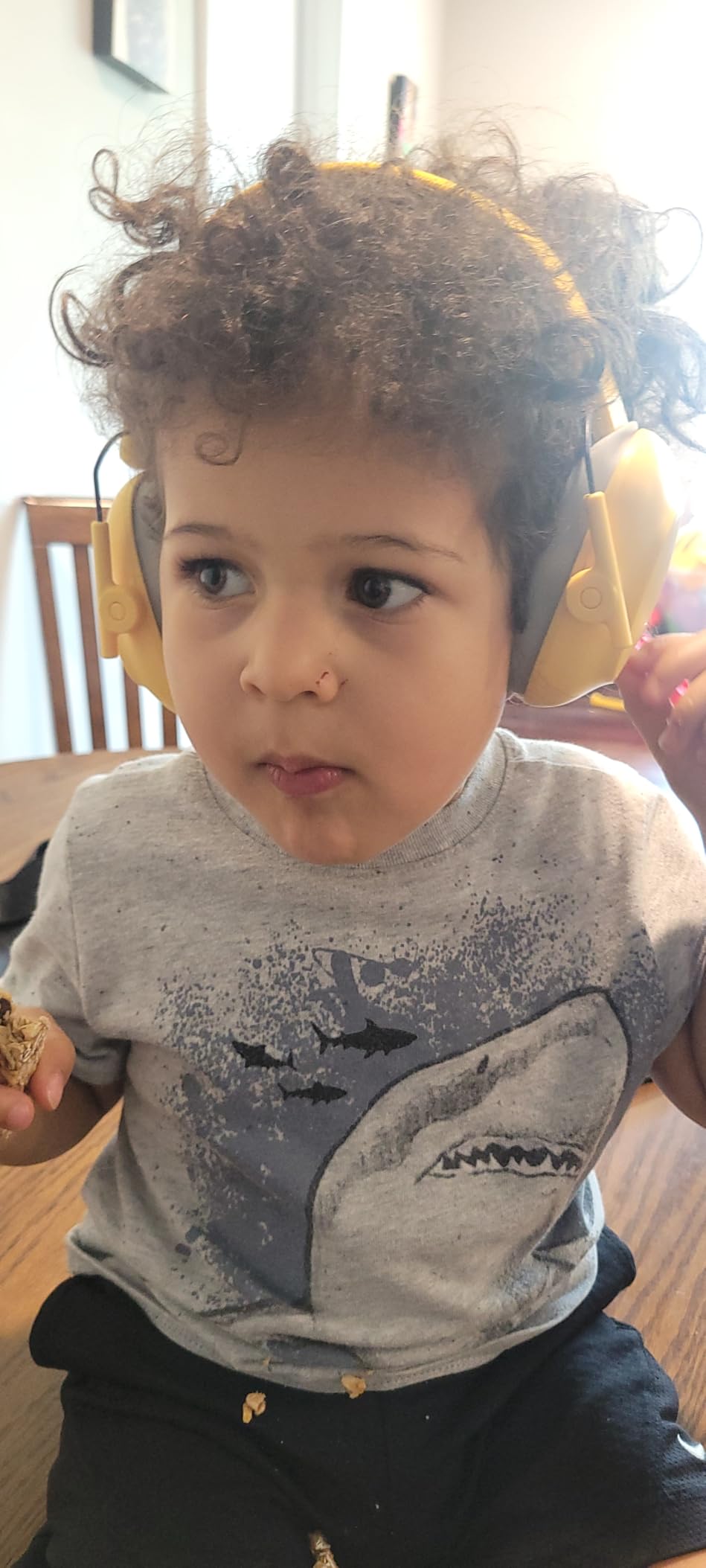
At 0.25 kg it is light enough for a full school day, and the low profile means fewer children object to the look. A free travel pouch is included, and the soft materials wipe clean, which matters when the same pair goes to daycare and then dinner.
The dominant complaint is the first hour. The headband arrives tight and reviewers stretch it over a box overnight before real use. Second, the adjustment happens at the cups rather than the band, which is different from every other pair here and catches first-time users out.
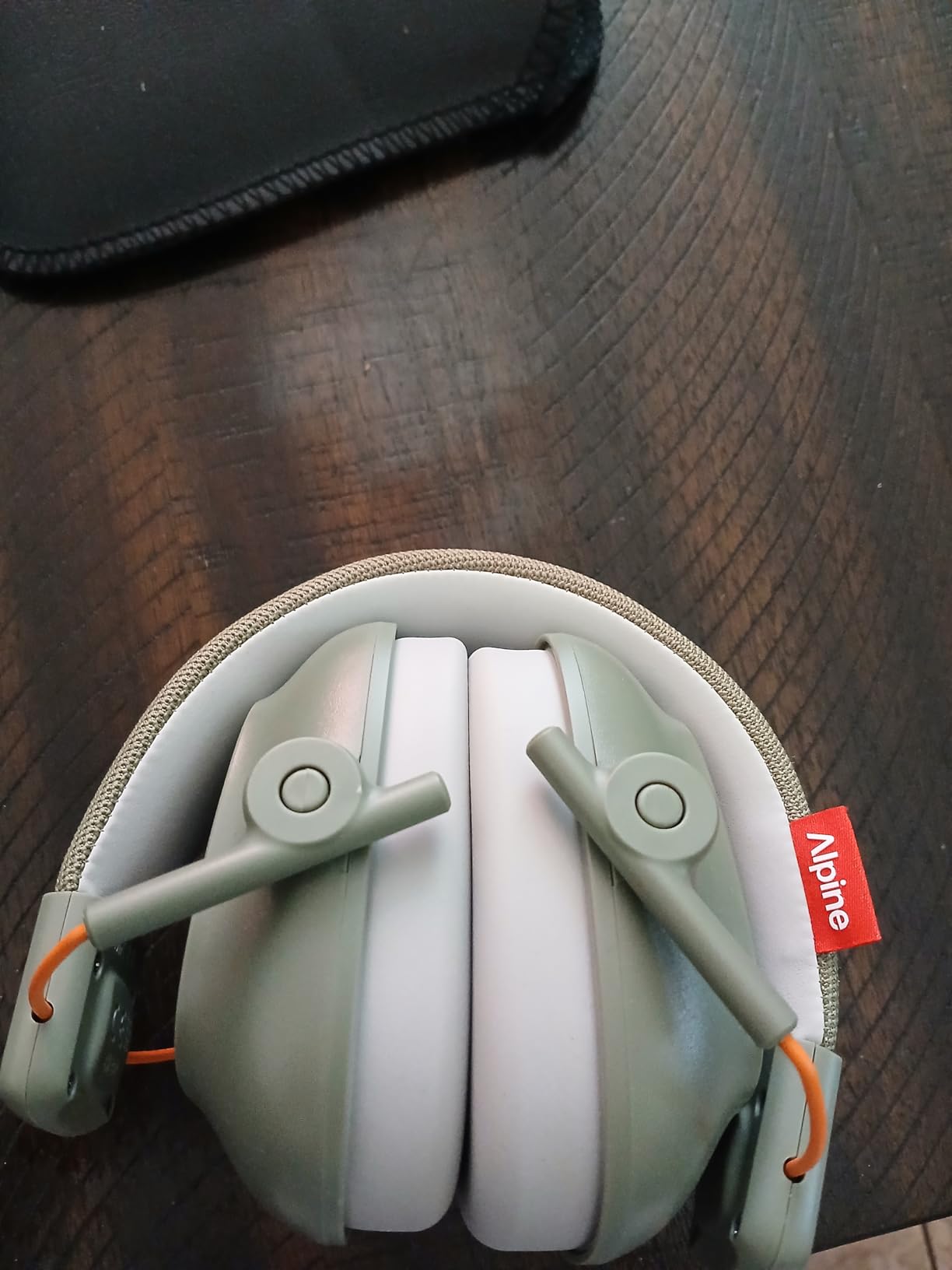
Who the Alpine Muffy works for
It is the pick for a child aged 3 to 16 who wears glasses, and the rating is high enough that it works well without them too. The shallow cup design is the reason: a seal that does not fight the frame is a seal that stays intact all day.
It also suits a child sensitive about appearance. This is the least industrial-looking earmuff on the list, and several parents note that children who dislike things on their heads accept this one. It has won a Red Dot Design Award, which is not an acoustic claim but does predict peer tolerance.
Who should skip it
Skip it for genuinely loud environments. At 21 to 28 dB it is a sensory tool, and reviewers are clear it is not strong enough for shooting ranges or a siren at close range.
Skip it if you will not do the overnight stretch. An adult who opens the box and hands it straight to a child will get an immediate rejection, which is the single most common way a good pair ends up unused.
5. ProCase SNR 27 dB Ear Muffs – best pick for toddlers and small heads
ProCase Noise Cancelling Headphones for Kids/Toddlers SNR 27dB Ear Muffs
- Light enough for small children from about age 2
- Holeless pivot cups stop hair snagging
- Rotatable cups sit at the right angle for a young head
- Folds flat into a school bag
- Tight for the first day or two and needs stretching on a box
- Younger children still need an adult to put them on
The ProCase is the one to consider when your child is very young. The build is a solid ABS shell with thickened sound-absorbing foam, and the telescopic headband arms extend on each side, which is enough range to fit a two-year-old and still work at six.
Technical data is 27 dB SNR with a 21 dB NRR rating, certified to ANSI S3.19 and CE EN 352-1. Around 9.8k reviews average 4.6 stars, and buyers describe the balance clearly: enough muffling to take the edge off monster trucks, concerts, fireworks and lawnmowers, without blocking speech.
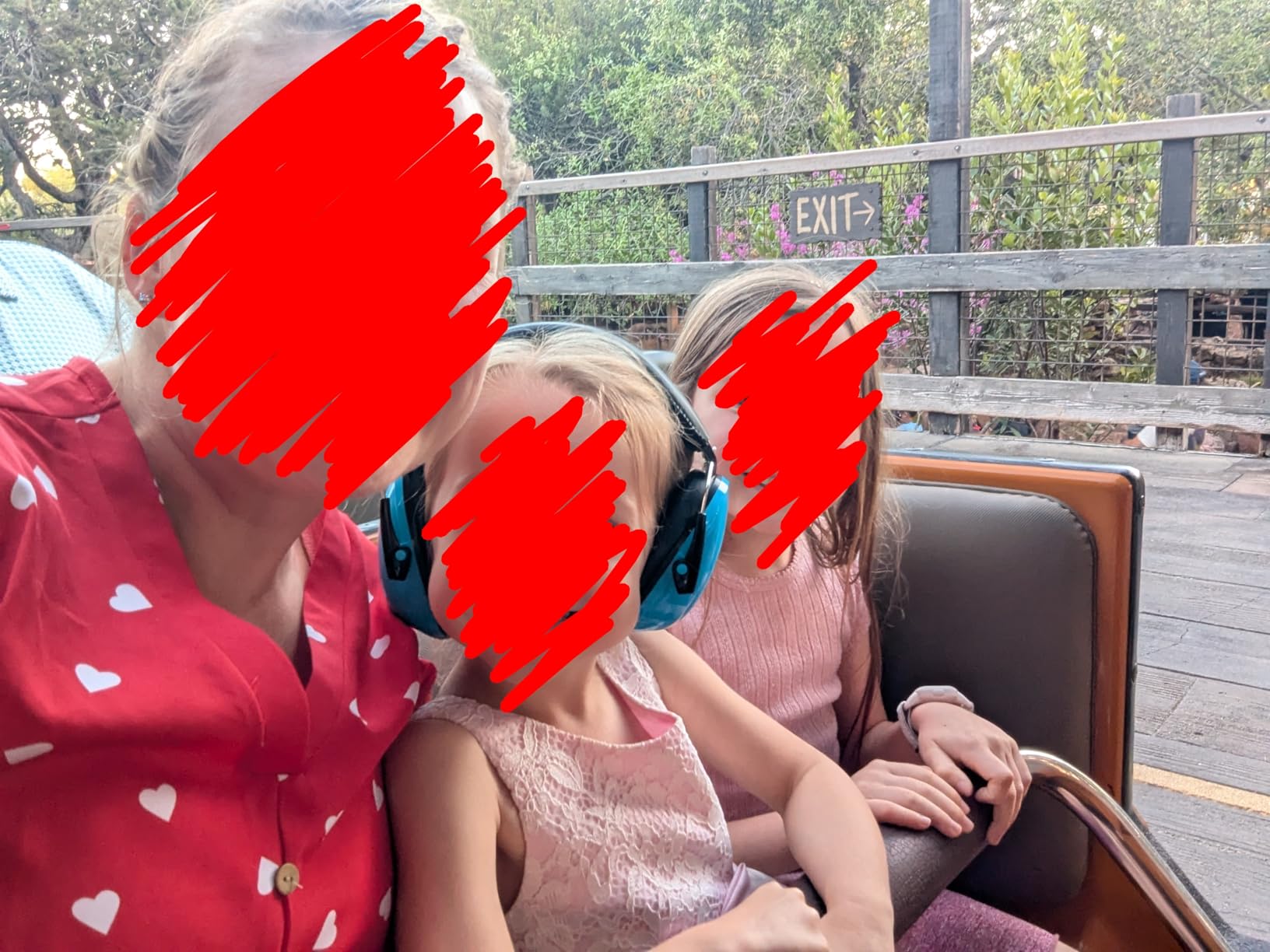
The 360-degree rotatable cups use a holeless pivot, which sounds like a small detail and is not. On swivel cups with a hole, a ponytail gets caught. This is the design choice that makes the difference between a pair a child tolerates for a whole afternoon and a pair that ends up on the floor.
There is a wide range of colours and character options, and the whole unit folds flat for a bag. One more thing worth knowing: the construction is described as non-toxic, which matters if your child is in a room where these get handled as much as worn.
Who the ProCase works for
It suits a toddler or young child entering daycare, therapy or a Sunday school room for the first time. The weight is the reason: it is one of the lighter pairs here, and small heads get tired of anything heavy quickly.
It also works for any child who wears their hair up. The holeless pivot is specifically the right call for girls with ponytails and for any child with longer hair.
Who should skip it
Skip it if your child is around 85 dB or higher on a regular basis. At 21 dB NRR this reduces volume, it does not block dangerous noise.
Skip it if the child cannot be helped at first. Reviewers note that very young children often cannot put them on unaided, so the first few weeks need an adult in charge of the routine.
6. PROHEAR 032 Earmuffs – best pick for daycare and high-visibility use
- 6.88 ounces
- among the lightest certified pairs here
- Bright high-visibility colourway children treat as an accessory
- Reduces noise while keeping speech audible
- Padded adjustable headband stays stable
- Not comfortable on larger heads
- Does not remove noise
- only dampens it
- No long-term warranty on the cushions
It is one of the lightest certified pairs in this roundup at 6.88 ounces, and lightness is the point. It is rated 25 dB NRR, compliant to ANSI S3.19-1974 and CE EN 352-1, and built for ages 3 to 12 with a fully padded adjustable headband and 360-degree rotatable cups.
Parents of autistic children credit it with preventing meltdowns and elopement in daycare, school and air travel settings. The distinctive orange colourway is fade-resistant and high-visibility, and several parents note that their child puts them on unprompted because the colour reads as an accessory rather than medical equipment.
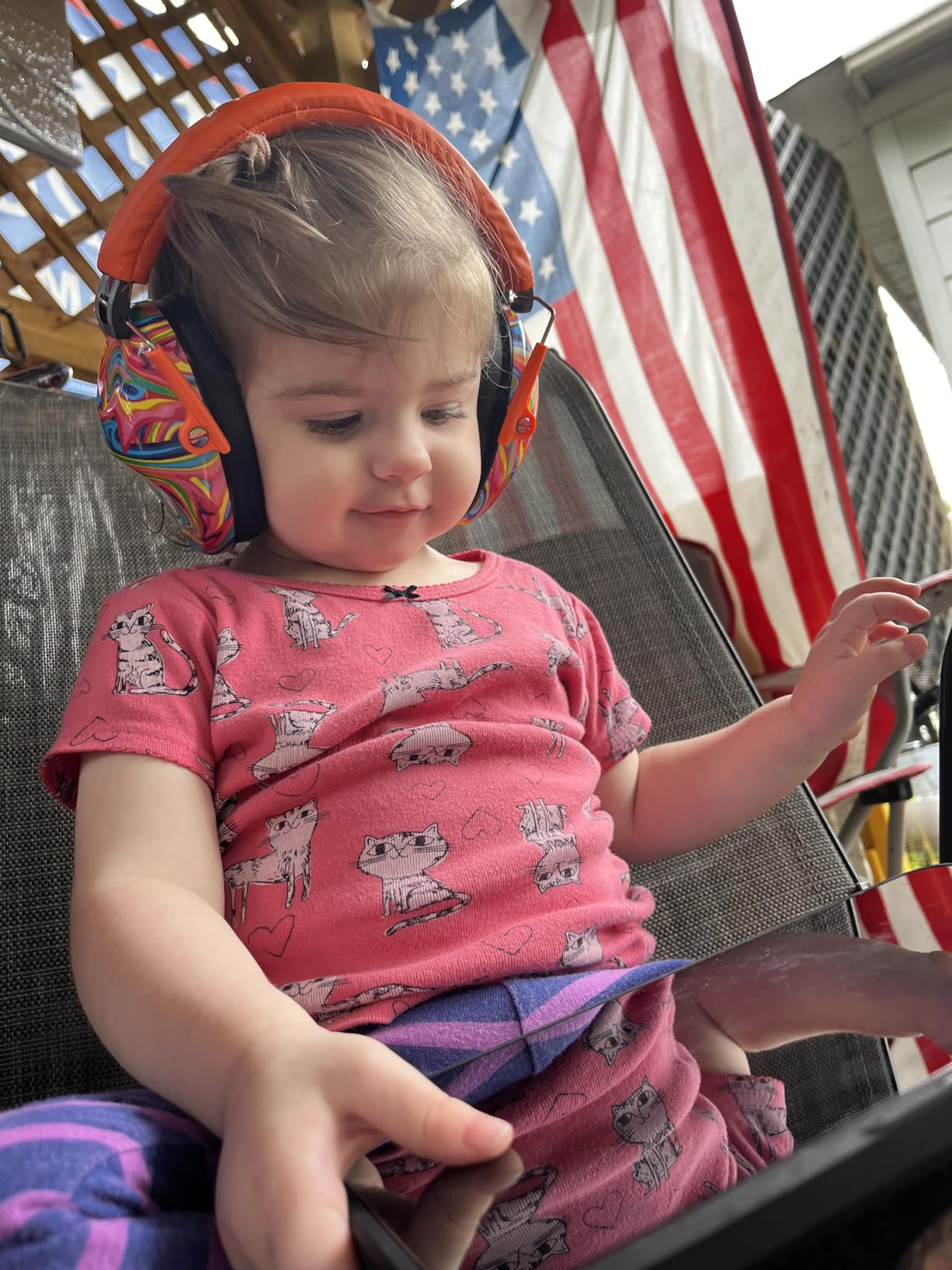
It folds into itself for backpack storage, and the effect on sound is closer to blackout curtains than to silence. Voices and background conversation remain audible, which most parents treat as a feature rather than a failure.
The repeated limitation is comfort on bigger heads. The one-size fit that suits a five-year-old can press on a ten-year-old, and once that happens the pair stops coming out of the bag. If your child is already near the top of the 3 to 12 range, size up the age category and check the headband range before buying.
Who the PROHEAR 032 works for
It suits a child in daycare or a busy after-school program where the alternative is a meltdown followed by removal from the setting. The combination of genuine 25 dB certification and very low weight is unusual at this level.
It also suits a child who resists anything on their head. A bright colour that reads as a costume piece gets worn. Reviewers describe children requesting these for loud events, which is the outcome you are actually buying.
Who should skip it
Skip it for larger-headed children and for anyone over about 12. The fit is the constraint, not the protection, and forcing an ill-fitting pair leads to removal.
Skip it if the noise is a very deep low-frequency rumble. Foam and a light seal handle voices and mid-range sound better than engine noise.
7. iClever Auraa ANC Headphones – best pick for flights and wireless use
- Wireless design removes the tangled cord that frustrates parents
- 80 dBA volume cap gives a real hearing safety limit
- 47 hours of playback with ANC on for long trips
- ANC stays active in wired mode
- 35 dB figure is a brand claim
- not a certified NRR or SNR
- Four side buttons confuse young children
- Microphone is poor for online classes
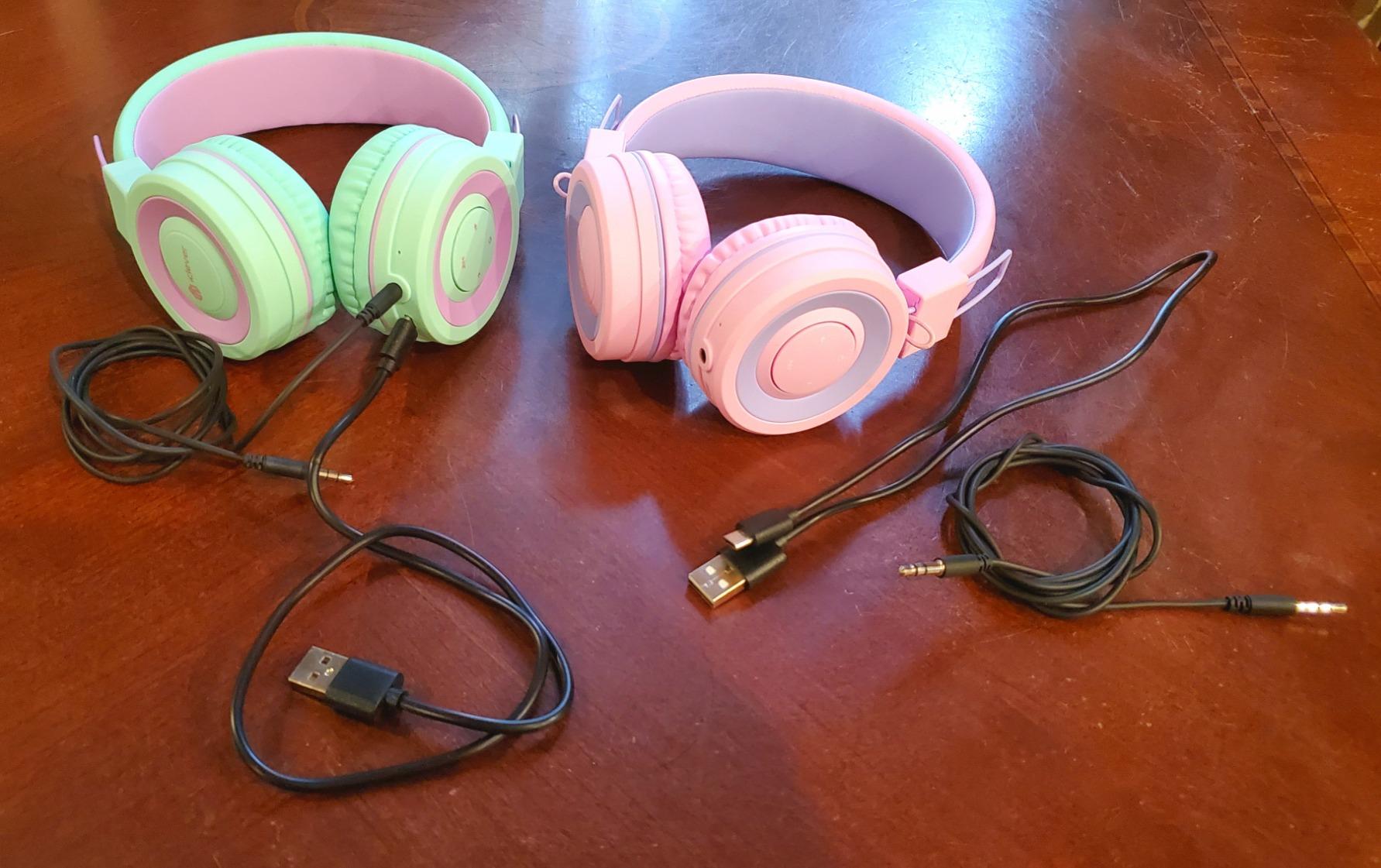
This is the only audio pair on the list, and it earns its place for travel. The iClever Auraa combines active and passive noise cancellation with a stated 35 dB reduction, and unlike everything else here, that number is a manufacturer claim rather than a certified NRR or SNR. Read it accordingly and do not stack it against the certified figures in a comparison.
What is genuinely useful for a child is the 80 dBA volume cap, described to the WHO-standard listening limit with peak reduction between 2K and 4KHz. Parents worried about hearing damage during long flights and car journeys mention this as the deciding factor, and it is the most concrete hearing-safety specification in the roundup.
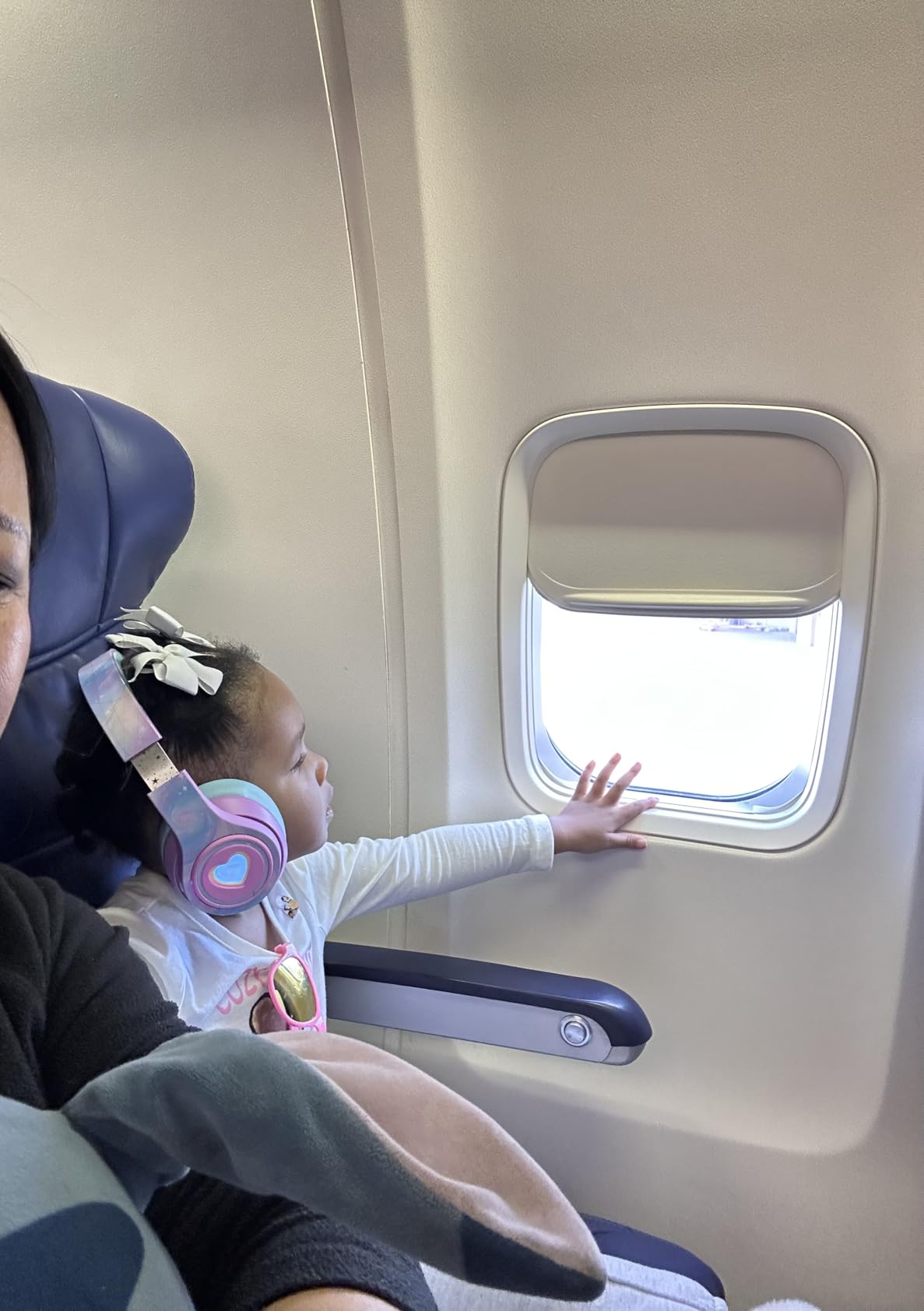
Battery life is 47 hours with ANC on and lights off, 28.3 hours with the LED lights running, and a 10-minute charge gives about 8 hours. Bluetooth 6.0 covers 10 meters, there is a 3.5 mm AUX cord, and the ANC stays active in wired mode so audio continues when the battery dies.
The LED light-up cups turn a pair of headphones into something a child wants to put on, and the stainless steel arms survived daily handling in our comparison. Oversized cushioned earcups and a widened headband make them one of the few over-ear pairs here that a toddler accepts.
Who the iClever Auraa works for
It suits flights, long car journeys and any situation where a child wants their own audio rather than silence. The cordless design removes the cable snag problem that parents single out as a top annoyance with wired kids headphones.
It also suits a child over 12 who has outgrown being seen in ear defenders. An LED-lit pair reads as a gaming accessory, not as a support tool, and the 47-hour battery means it survives a whole trip without a charger.
Who should skip it
Skip it as hearing protection. A self-declared 35 dB ANC figure is not comparable to a certified 25 dB NRR earmuff, and audio is a poor stand-in for a seal when the goal is a calmer room.
Skip it for a child in online classes. Reviewers report a weak microphone that produces distorted, static-heavy voice. If school is the use case, the earmuffs above are the better tool.
8. iClever EM01 SNR 29 dB Earmuffs – best pick for a child who breaks things
iClever EM01 Noise Cancelling Headphones for Kids Adults, SNR 29dB EarMuffs
- Highest certified SNR in this roundup at 29 dB
- Steel frame and 2 mm bars resist twisting from small hands
- Headband applies about a third less pressure than average earmuffs
- Telescopic arms extend 38 mm per side for growth
- Heavier than plastic budget competitors at 0.39 kg
- Reduces noise but does not eliminate it
- BPA-free ABS cups are not silicone
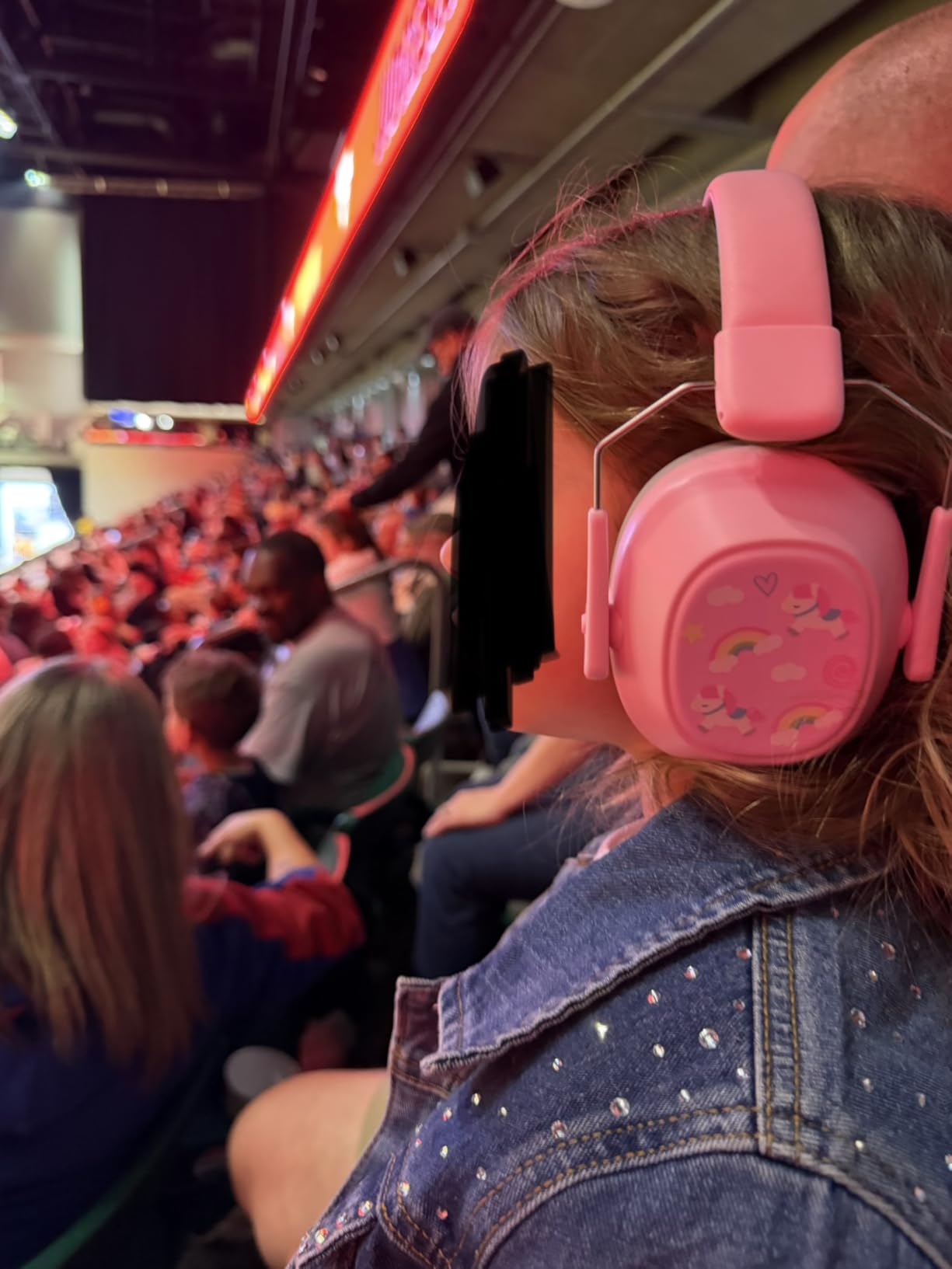
The EM01 is built differently from the plastic pairs on this list. The frame is 301 stainless steel with 2 mm bars, and the attenuation comes from 22 mm of porous plus honeycomb acoustic sponge under 18 mm of slow-rebound padding. Certified to ANSI S3.19-1974 and CE EN 352-1, it carries a 29 dB SNR, the highest certified figure in this group.
Two design decisions matter more than the spec sheet. The headband applies roughly a third less pressure than average earmuffs, which is the direct answer to the pressure-headache complaints that dominate parent forums. And the holeless pivot design stops hair getting caught, the same benefit as the ProCase but at the other end of the price range.
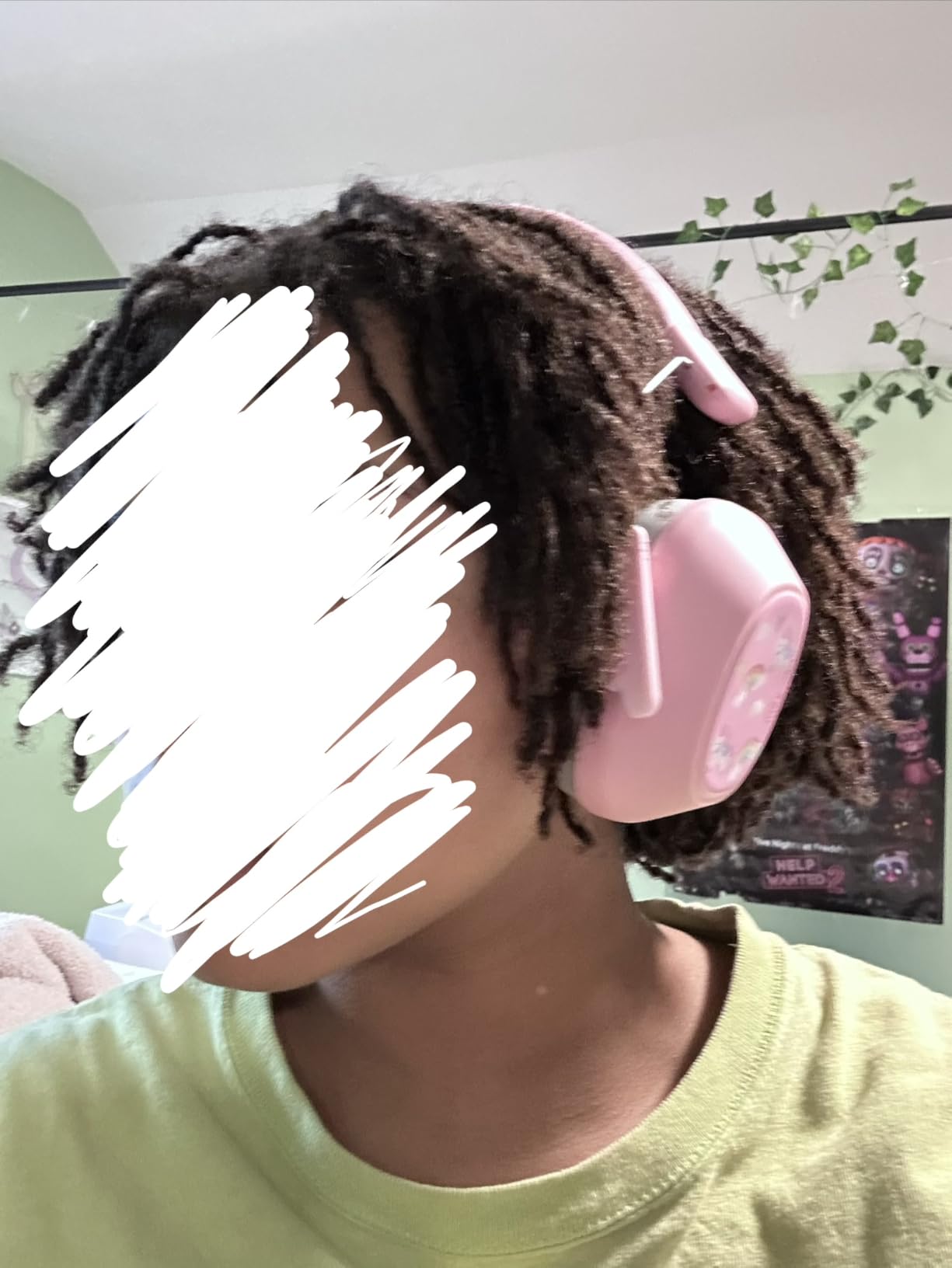
Telescopic arms stretch up to 38 mm per side, so the fit covers ages 5 upward with room to grow. Cups and ear cushions are BPA-free ABS with no silicone, which some families with latex or silicone sensitivities prefer.
It weighs 0.39 kg, which is the honest drawback. That is a noticeably heavier build than the plastic budget options, and on a small head it is felt after a few hours. The cushions dampen rather than silence, so loud voices still register, and most parents consider that the right behaviour.
Who the iClever EM01 works for
It suits a child aged 5 and up who is hard on equipment. Steel does not crack the way ABS does when a bag gets dropped or a younger sibling grabs a cup, and the reinforced build takes the daily abuse of a school year.
It also suits a child who gets a clamp headache from tight headbands. The reduced-pressure design and 18 mm slow-rebound padding were clearly aimed at long sessions, and a 4.6 average across more than 3k reviews suggests it lands.
Who should skip it
Skip it for a small or young child. At 0.39 kg the weight is the first thing a five-year-old notices, and a child who will not wear it is not served by the highest number on the list.
Skip it if your child needs near-total silence. Like every passive earmuff here, it reduces volume rather than removing sound.
9. Muted Designer Kids Earmuffs – best pick when getting them worn is the problem
Kids Noise Cancelling Ear Muffs – Toddler Sensory and Autism Hearing Protection Noise Cancelling Headphones
- Designer patterns children are happy to be seen in
- Fits from toddler through teen on one headband
- Lightweight at 8.8 ounces and collapses for packing
- Suitable for infants needing gentler protection
- Costs more than certified alternatives with a similar rating
- 27 dB is the ceiling
- not an upgrade over cheaper pairs
- Less variety than budget brands
Muted takes a different route to the same problem. The technical specification is 27 dB ANSI-rated noise reduction with an adjustable soft headband and cushioned cups, but the real product is the styling. Multiple designer patterns turn the earmuffs into something a child is willing to be seen wearing, and that is the actual failure point in this category.
Fit runs from toddler to teen, ages 2 to 13, at 8.8 ounces, and the whole thing collapses flat for packing. Parents of autistic and sensory-sensitive children frequently point to the patterns as the reason their child puts them on without a fight, and around 2k reviews average 4.5 stars.
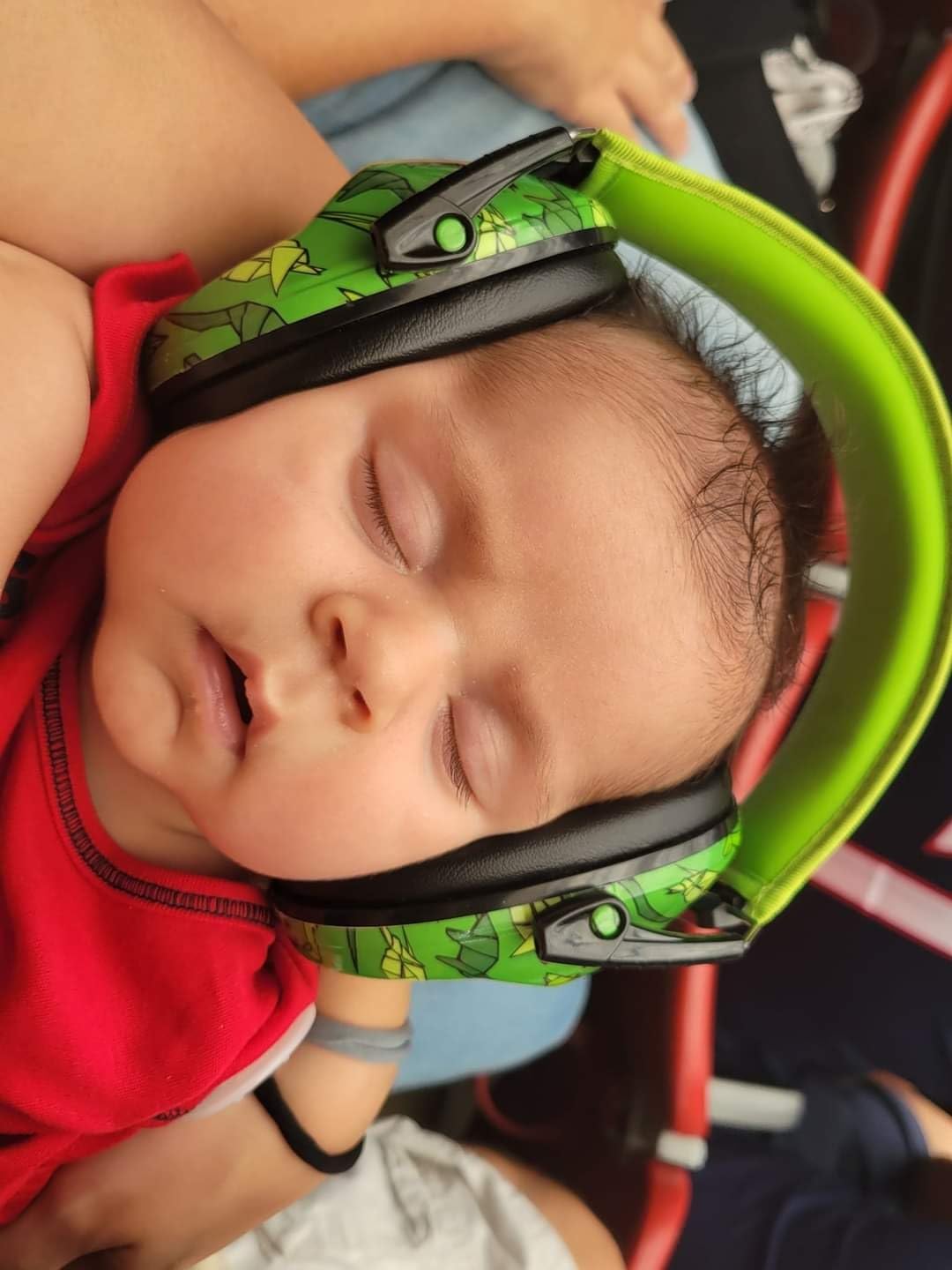
It is also designed with infants and babies in mind, for families who need a first pair before a child is old enough for the larger kid earmuffs. Sporting events, air travel, concerts and fireworks are all listed use cases.
The trade-off is straightforward and parents say so directly: this costs more than certified alternatives offering a comparable rating, and the passive attenuation does not exceed 27 dB. You are paying for the reason the child wears it, not for extra decibels.
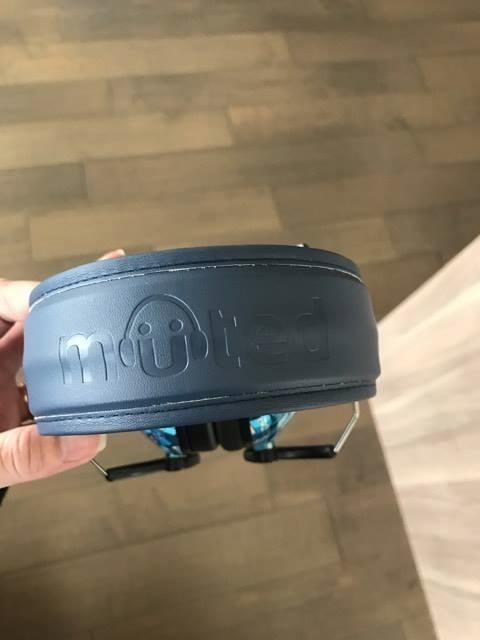
Who the Muted works for
It suits a child aged 2 to 13 whose refusal is about how something looks rather than how it feels. Visible ear defenders read as rudeness or as a sign of not talking to anyone, and a plain black earmuff can end a negotiation before it starts.
It also suits a pre-schooler who needs protection before the bigger kid models fit. The toddler-to-teen range and the collapsible body cover both ends of that.
Who should skip it
Skip it if you are buying on measured protection per dollar. A 27 dB certified rating is available elsewhere for a fraction of the cost, and the extra spend is entirely in the finish.
Skip it if your child is hard on gear. A fashion-focused design is not built around surviving a school bag, so have a backup plan for replacement.
10. JLab JBuddies Protect Earmuffs – best pick for infants and the youngest heads
JLab JBuddies Protect kids earmuffs, hearing protection for infants to teens, adjustable headband, navy
- Headband adjusts from infants through teens in one frame
- Gentle cushioned cups suited to delicate young ears
- Secure fit that resists slipping during movement
- Backed by a two-year warranty
- Lower NRR 23 dB than several certified options
- Hearing protection only with no audio playback
- Only two colour options
The JLab JBuddies Protect is the pick when a child is genuinely small. The headband adjusts from infants through teens, which is a wider span than any other pair in this roundup, and the cups are cushioned with materials gentle enough for delicate young ears.
Noise reduction is rated at NRR 23 dB, which sits in the middle of the group and is a genuine figure rather than a claim. What separates it is the build and the backing: a secure fit that does not slip during active play, a compact lightweight body for air shows, parades and motorsports, and a two-year warranty from an established kids audio brand.
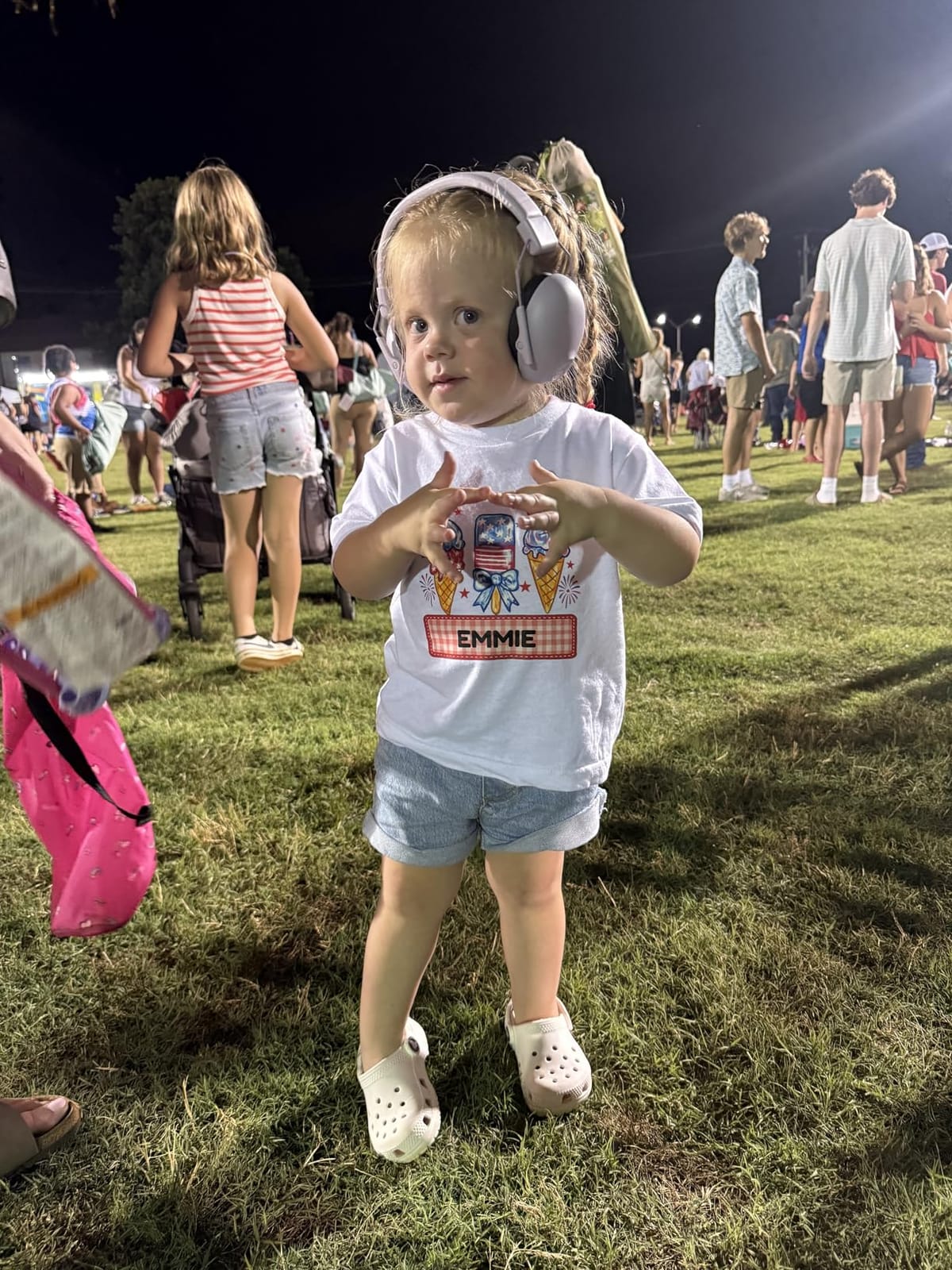
Ratings reflect that. It carries a 4.7 average, the highest star rating in the group, although across a much smaller review base of 451 than the models above. A two-year warranty is longer than the one-year cover typical in this category, which matters on a product sized for a child who will outgrow it.
There is no audio playback at all, and that is a feature for a parent and a limitation for a child. It is pure hearing protection, so a child who wanted music will not get it. Only two colour options are offered, which narrows the appeal for a child who chooses their own gear.
Who the JLab JBuddies Protect works for
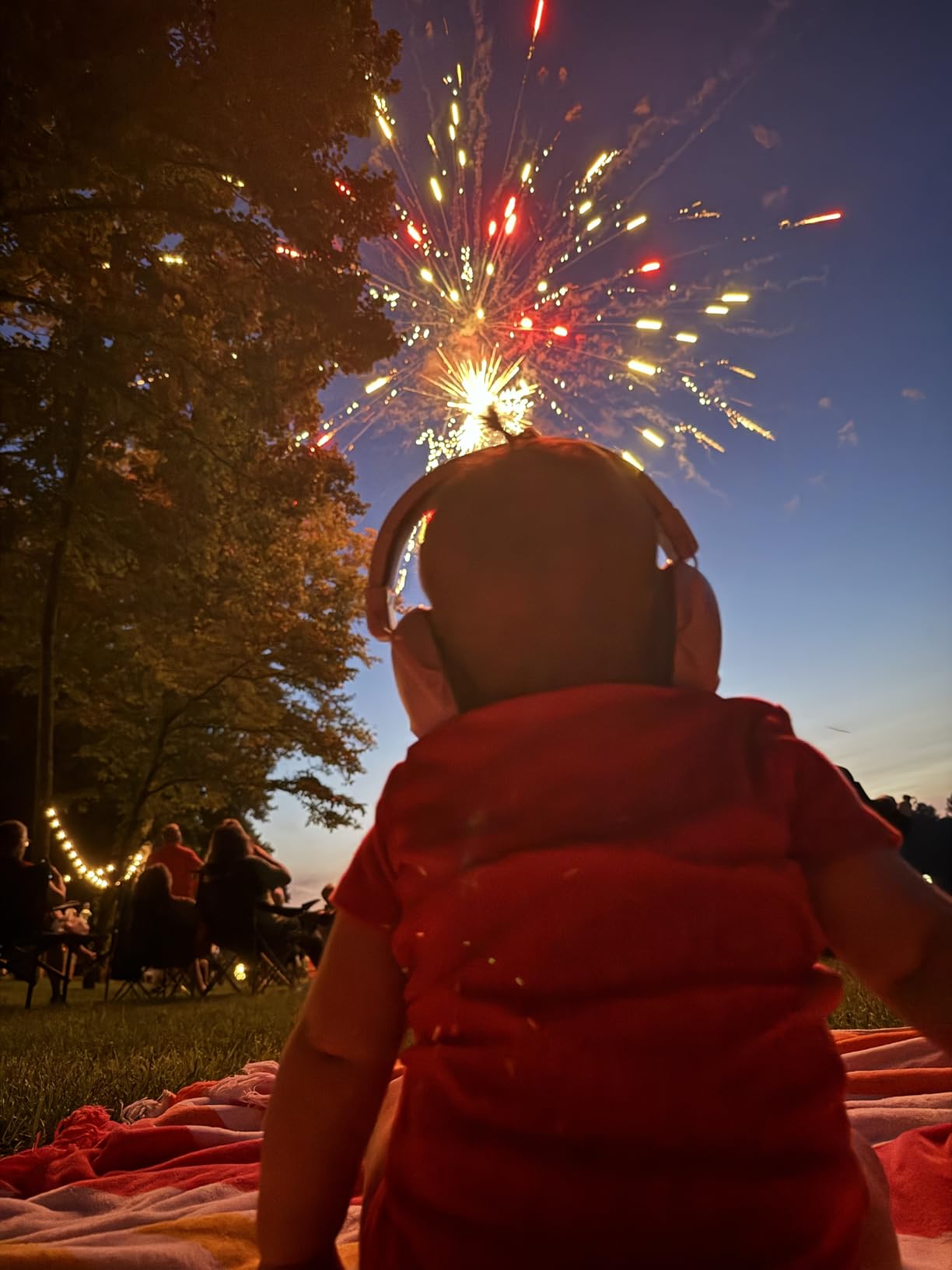
It suits infants and toddlers who need protection before any kid-sized model fits, and it covers up to the teen years on the same frame, which removes the replacement cycle most families go through.
It also suits outdoor events where a child will move around. Reviewers specifically praise the fit holding its position during activity, and the compact body is easy to pack for an air show or a parade.
Who should skip it
Skip it if you need the highest certified reduction. At NRR 23 dB it sits below several certified options here, and a child with significant sound sensitivity will do better with a higher-rated seal.
Skip it if your child wants audio. This plays nothing, and the trade for the gentlest infant fit is giving up music entirely.
How to choose headphones for your child?
Start with the environment, not the brand. A classroom and a cafeteria need different levels, and a bus and an airplane need the opposite kind of tool. Classrooms, cafeterias and school halls are handled by a certified passive earmuff. Shopping centres, cinemas and family gatherings suit the same. Airplanes, buses and long car journeys are where the ANC pair earns its place, because low-frequency rumble is what ANC is good at.
Check the fit with glasses on, not off. Thick temple arms break the seal on deep cup designs and you lose most of the rated protection while keeping the clamp pressure. The shallow Alpine Muffy profile handles frames best. A quick test is to put the earmuffs on over the glasses your child actually wears, not over a pair you happen to have.
Weight predicts all-day wear better than padding. Anything under 7 ounces will usually be forgotten; anything over 12 ounces will be taken off by midday. The heaviest pairs here are the iClever EM01 at 0.39 kg and the Muted at 8.8 ounces, and both are built for older heads.
Stretch the headband before the first real day. The Dr.meter, ProCase and Alpine all arrive tight, and stretching them over a box overnight fixes the single most common early rejection. Doing it on a Sunday means Monday starts with a pair that fits.
Buy two. The community consensus we came across repeatedly is that one pair in the house and one permanently in the backpack is the whole trick. Kids lose earmuffs, forget them, or hand them to a sibling. A second identical pair removes every one of those failure modes. It is also the fastest way to test fit, since you can compare two brands in the same week.
Choose wipe-clean materials. Ear cushions collect oil, and a pair worn every day needs a damp wipe. The Alpine and ZOHAN pairs are easiest to keep clean in this group. Any pair with a fixed fabric cushion that cannot be removed will start to smell within a month.
For older children and teens who want their own audio rather than protection, our adaptive transparency headphone guide covers the switchable awareness mode that lets a child hear a parent without removing the headphones.
Using headphones at school: IEP and 504 wording
Yes, schools generally allow sensory headphones, and getting it in writing prevents a staff member from asking a child to remove them mid-lesson. Most schools handle this as a Section 504 accommodation, and an IEP if sensory needs are already documented. The useful part is a single specific sentence rather than a general request.
Ask for the accommodation to read along these lines: “The student will use a personal noise-reducing headset during instruction, lunch, and transitions, and during assemblies or fire drills. Headphones are not required during direct conversation with staff or small-group reading, when the student may remove them.” That last clause is what gets a teacher on board, because it shows you are not proposing that the child stop hearing instruction.
Raise it at the meeting with two facts ready: the specific environments that cause distress, and the fact that removal is not a fallback because the child cannot re-enter an activity calmly once they have had to leave it. Bring the earmuffs themselves. A teacher who has handled the product for ten seconds understands the weight and the seal better than any description.
Also confirm the rules in writing before the term starts. Whether the headset is exempt from the phone policy, and whether it is permitted at fire drills where teachers are counting heads, are the two questions that come up every year.
When not to use headphones
Headphones are a tool, not a default setting, and there are situations where wearing them actively works against a child. The most important one is any moment requiring a verbal instruction. A child who cannot hear a teacher’s direction, or a parent’s call of their name, is carrying a real safety cost for a comfort benefit.
Over-blocking is the second problem. A child wearing a high-protection pair in a quiet room loses the ambient cues that keep them oriented, and many children respond by taking the gear off entirely and throwing it in a drawer. If that is happening, the fix is a lower attenuation level or a scheduled window rather than a louder argument.
Peer perception is the third. Visible earmuffs get read as rudeness or as not talking to anyone, particularly for tweens and teens, and a child who has accepted them at nine may reject them at twelve. In-ear filters or a wireless pair with a transparency mode usually solve this, which is why the headset options with switchable awareness modes come up so often for older children.
Finally, a note for sensory-seeking rather than sensory-avoidant children. They are not looking for less sound, and a heavily attenuating pair can make things worse by removing the input they are seeking. Those children often do better with the volume-controlled audio pairs than with the earmuffs above, and an occupational therapist can tell the difference quickly.
Frequently Asked Questions
What kind of headphones do autistic kids use?
Most autistic kids use passive noise-reducing earmuffs rated in NRR or SNR decibels, worn over the ears with no battery and no audio. Filtered in-ear plugs are the second choice because they are invisible. Active noise cancelling audio headphones are a separate category used mainly for travel and buses. Earmuffs are the everyday default because they lower volume without cutting off speech.
Are noise cancelling headphones good for autistic people?
Yes, when they are chosen for the environment and for the child. Active noise cancelling headphones handle low-frequency rumble on planes, buses and in cars, and pass-through mode lets a child hear a parent without removing them. For a normal classroom, a certified passive earmuff between 19 dB and 27 dB NRR usually works better and costs far less. The pair that gets worn matters more than the pair with the biggest number.
Can noise-cancelling headphones trigger headaches?
They can, and clamp pressure rather than the cancellation itself is usually the cause. ANC works by generating an opposing sound wave, which some children feel as pressure in the ear canal, and tight headbands add pressure on the temples over a long session. Switching to a pair with a wider, lower-pressure headband and taking scheduled breaks usually resolves it. If a child reports ear pain, stop using that pair rather than raising the volume limit.
Does noise cancellation cause ear pressure?
Some children report a sensation of pressure, most often on flights or in a fully closed ANC design. Passive earmuffs do not create this feeling because they only block sound physically. A child who describes ear pressure is usually better served by a certified passive pair, or by an ANC headphone with a transparency mode that lets them open the seal on demand. Switching modes is a valid coping strategy, not a workaround.
Should you let your autistic child wear headphones?
Most families say yes, for specific situations rather than all day. The evidence families rely on is practical: lower ambient noise in classrooms, cafeterias, shops and transit reduces sensory overload and the meltdowns that follow, which helps a child stay in the setting. Keep them off during direct conversation, small-group reading and any moment requiring a verbal instruction, and agree those windows with the school in advance.
Are there any free noise cancelling headphones available for people with autism?
Free is rare, but funding routes exist. A sensory toolkit or headphones can sometimes be written into a 504 plan or IEP as an accommodation, which puts the cost on the school rather than the family. Some occupational therapy programs keep loaner sets for assessment sessions. State education agencies and local autism parent support groups also run equipment grant funds. Hand-me-downs work well, since the fit that worked at eight still works at eleven.
Will my child’s school allow noise cancelling headphones?
Most schools do, provided it is documented. Ask for it as a Section 504 accommodation or an IEP addition, and use specific wording that names the environments and excludes direct conversation. Confirm in writing that the headset is exempt from the phone policy and permitted during assemblies and fire drills. Bringing the earmuffs to the meeting helps, because a teacher who has handled the pair understands the weight and seal immediately.
The bottom line
The Dr.meter EM100 is our pick for the best headphones for autistic kids because it is the rare pair with genuine dual certification, a wide fitting range, a foldable body and a 4.6 star average across more than 20k reviews. If your child wears glasses, take the Alpine Muffy instead. If the noise is a bus or an airplane, look at the ANC category with its volume cap rather than a passive earmuff.
Test the fit over a weekend, stretch the headband first, and buy the second pair. That last habit, more than any decibel figure, is what decides whether a child actually wears the headphones in 2026.
Our full comparison of every model above was last verified on September 2026. If you are still deciding between protection and audio for an older child, read our headphone buying basics next.