
A desk PC can drive a serious hi-fi system, but the speakers that come with it never will. The tiny driver behind a monitor grille, or the pair of laptop transducers flanking your keyboard, exist to prove the machine makes noise. They are not tuned, they are not placed, and they cannot produce a soundstage you would want to sit inside for an hour. That gap is where the best powered speakers for desktops come in: a matched pair of bookshelf-style cabinets, each with its own amplifier built in, that take a signal straight from your PC and turn it into something worth listening to.
For this roundup we looked at twelve active systems spanning the whole practical range, from a USB bar that fixes an office PC in a weekend, to a THX-certified 2.1 set with a proper subwoofer for gaming and films. Every entry below carries the specifications the manufacturer publishes, plus the complaints and praises that show up repeatedly across owner reviews, so you can see the trade-offs before spending anything. Last updated for 2026, and rewritten from scratch since the last update.
If you only want one answer right now: the Edifier R1280T is the pair we would put on a desk first, because it is the most complete single purchase in the group. It carries two analog inputs, real tone controls, and a remote, and it covers every source you are likely to own without a second box. The rest of this guide explains when a different pick makes more sense, what powered actually means, and how to place whatever you choose so it sounds better than the price suggests.
Table of Contents
Top 3 Picks for Best Desktop Speakers in 2026

Edifier R1280T
- 42W peak output
- 4 inch full-range driver
- 13mm silk dome tweeter
- Dual AUX inputs with remote
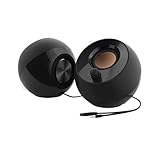
Creative Pebble 2.0
- Single USB cable for power and audio
- 45 degree angled drivers
- 8.8 watts output
- Front facing volume knob

Logitech Z313 2.1
- 25W RMS
- 9 inch compact subwoofer
- Control pod for volume and bass
- 3.5mm plug and play
The three above cover the most common outcomes. If your desk is small and your budget is small too, the Creative Pebble pairs are hard to argue with. If low end matters for games and films, the Logitech Z313 puts a real subwoofer under your desk without redesigning the room. Everything else in this guide competes with one of those three on a specific strength: wireless flexibility, gaming positional audio, RGB styling, or raw build quality.
Quick Overview: All 12 Picks at a Glance
| Product | Specifications | Action |
|---|---|---|
| Edifier R1280T |
|
Check Latest Price |
| Creative Pebble 2.0 |
|
Check Latest Price |
| Logitech Z313 2.1 |
|
Check Latest Price |
 Klipsch ProMedia 2.1 THX Klipsch ProMedia 2.1 THX |
|
Check Latest Price |
 Logitech G560 Logitech G560 |
|
Check Latest Price |
 Amazon Basics 2.0 Amazon Basics 2.0 |
|
Check Latest Price |
 Sanyun SW208 Sanyun SW208 |
|
Check Latest Price |
 Logitech Z207 Logitech Z207 |
|
Check Latest Price |
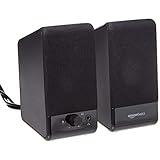 Amazon Basics Compact Amazon Basics Compact |
|
Check Latest Price |
 Redragon GS520 Redragon GS520 |
|
Check Latest Price |
 Cyber Acoustics CA-2014 Cyber Acoustics CA-2014 |
|
Check Latest Price |
 LENRUE G11 LENRUE G11 |
|
Check Latest Price |
Read that table as a map rather than a ranking. Eight of these twelve are 2.0 stereo pairs with no separate subwoofer, three ship with one, and one is a single soundbar-style bar. Five draw power from a USB port and the other seven need a mains adapter, and that one distinction explains most of the sound and desk-space differences you are about to read about.
1. Edifier R1280T Powered Bookshelf Speakers: Best Overall Desktop Pair
Edifier R1280T Powered Bookshelf Speakers -2.0 Near Field Studio Monitor
- Balanced nearfield tuning that suits music and games
- Dual AUX inputs keep two devices connected
- Side-panel bass and treble knobs plus a remote
- Two-year manufacturer warranty
- Large cabinet needs genuine desk or shelf space
- Wired only with no Bluetooth or USB audio
- Requires a wall outlet instead of USB power
The R1280T is the pair we keep coming back to. The amplifier lives in the right-hand cabinet and the other is a passive slave, and the whole system is a bookshelf speaker rather than a computer peripheral, which is why it sounds like one. Owners consistently describe the tuning as natural and balanced, and that balance is the whole point at nearfield distances, where a hyped bass curve stops being fun and starts being tiring.
Underneath that is a 13mm silk dome tweeter paired with a 4-inch full-range driver, rated at 42 watts maximum output with an 85 dB signal-to-noise ratio and a listed response starting at 80 Hz. Nothing in those numbers is spectacular, and that is rather the point: this is a monitor-style balance rather than a headline figure.
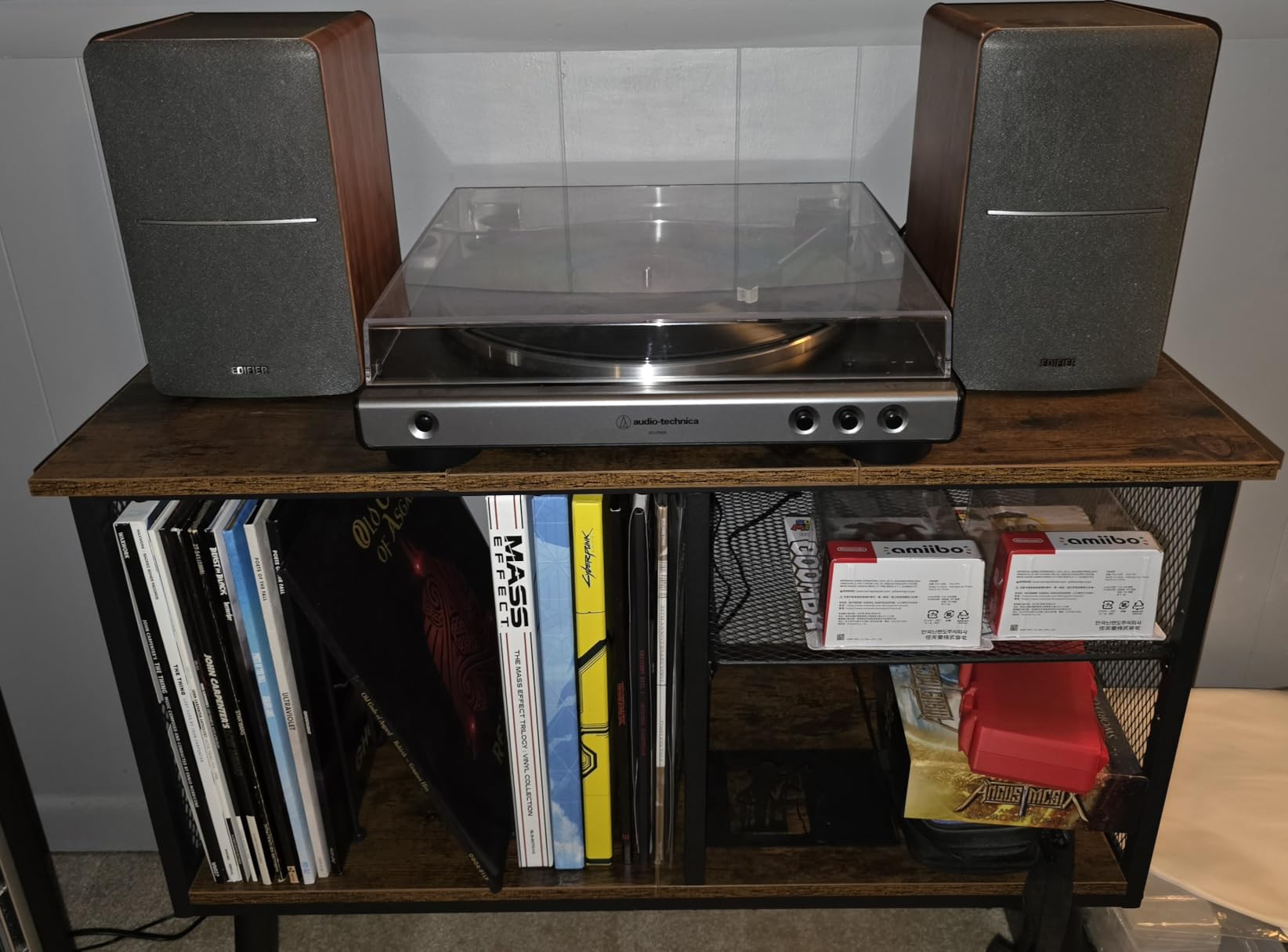
What makes it the best desktop pair in this guide is the control surface. The active cabinet carries bass and treble knobs on its side panel, so you can trim the low end when the speakers are close to a wall, and the remote handles volume from your chair. There is also a 25-step volume adjustment, which is more granularity than most compact sets offer.
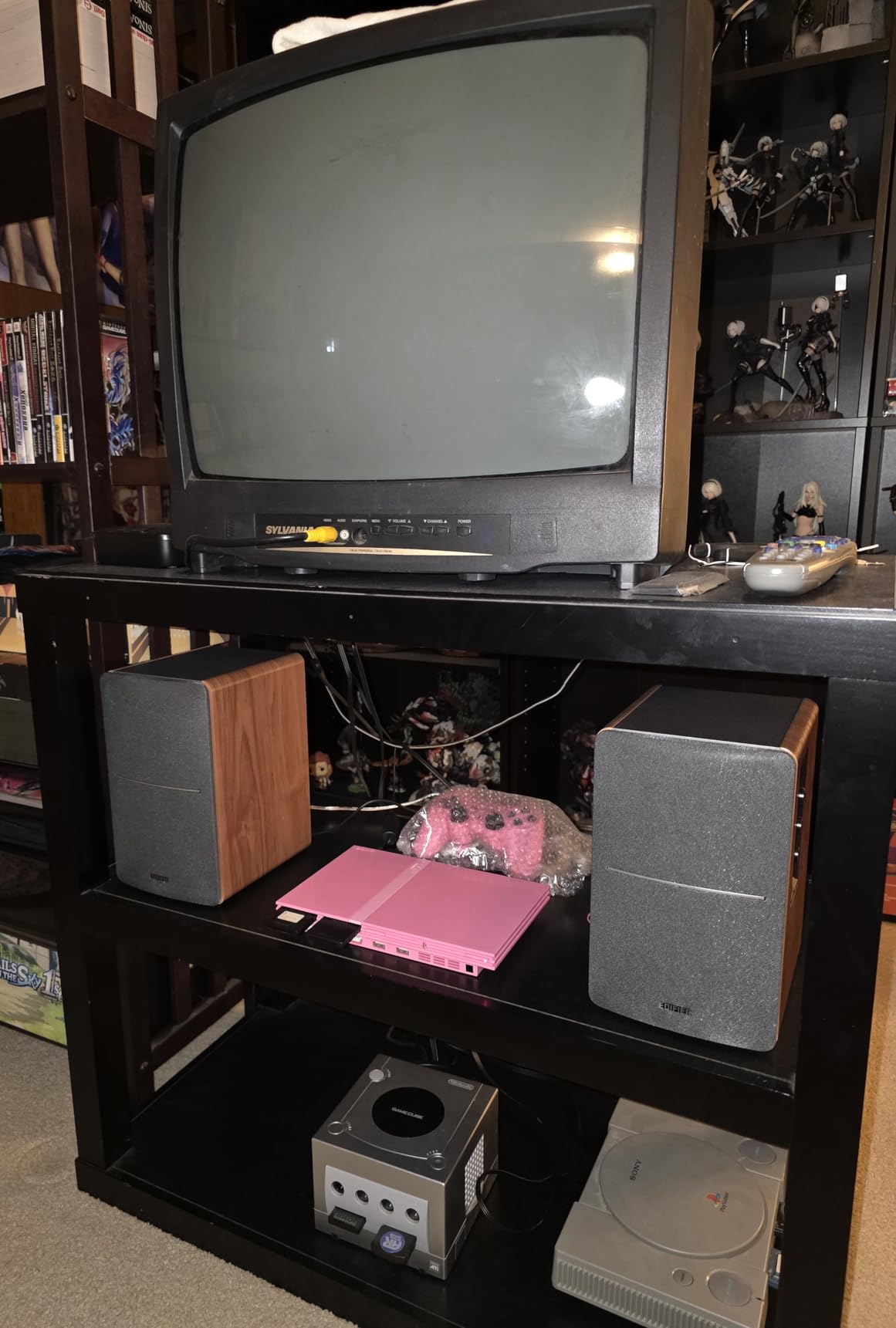
Connectivity is entirely analog and deliberately so. Two AUX inputs accept 3.5mm or dual RCA, so a PC and a turntable or console can sit connected at the same time and you switch between them at the back. The 4-ohm impedance is nominal, and the enclosure is MDF with a wood-effect vinyl wrap rather than solid timber, which keeps the 4900 g weight down and the edges consistent.
The R1280T suits anyone who wants one box to do everything
If you switch between gaming, music, and occasional film, this is the least complicated way to do it. Two analog inputs mean no dongle, no pairing, and no codec to negotiate, and the tone controls let you flatten the sound for late-night listening without touching your PC settings.
It also has the longest useful upgrade path in the group. Because the amplifier is built in and the inputs are line-level, adding a subwoofer later is a matter of running a sub with its own amplifier rather than replacing the whole system.
The R1280T is a poor fit for tiny desks or cable-free setups
The cabinet is substantial, and buyers regularly mention that it needs a real surface rather than the corner of a desk crowded with a monitor arm. Owners also point out that there is no wireless option at all, so a phone cannot stream to it without an adapter.
Then there is power. This is an AC-powered system, so it needs a socket on the desk or a power strip, and it cannot be moved to the couch with a single cable the way a USB set can. For a permanent listening station that is a non-issue. For a hybrid desk-and-couch setup it is a real constraint.
2. Creative Pebble 2.0: Best Value for a Small Desk
- Exceptionally clear nearfield sound for the money
- One USB cable handles both power and audio
- Angled drivers aim sound at ear level
- Real front-facing volume knob
- Very little sub-bass below the mids
- Permanent inter-speaker cable limits placement
- Highly directional so aim matters
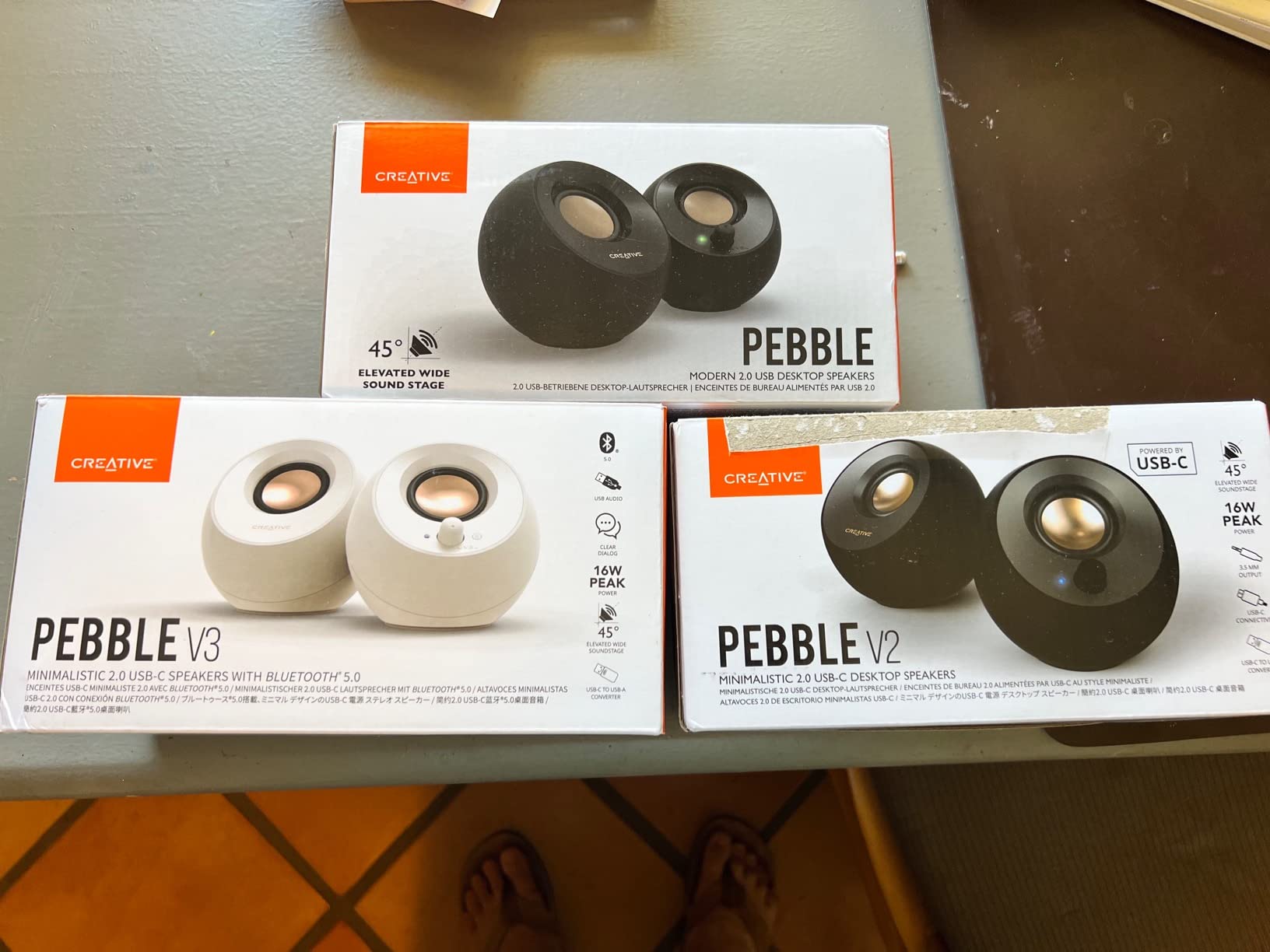
The Pebble is the reason desktop audio advice usually starts here. There is no amplifier to buy, no wall socket, and no second cable, because a single USB lead to the PC carries both power and the digital audio signal. It is the least friction you can put between a laptop and speakers that sound good.
What separates it from the other budget pairs is the driver angle. The 2-inch drivers sit on a 45-degree ramp so they fire at your ears rather than at your chest, and the stated response runs from 100 Hz to 17 kHz with an 86 dB signal-to-noise ratio. That upper limit is lower than a bookshelf pair, but at arm’s length the ear is not the problem; the missing bottom end is.
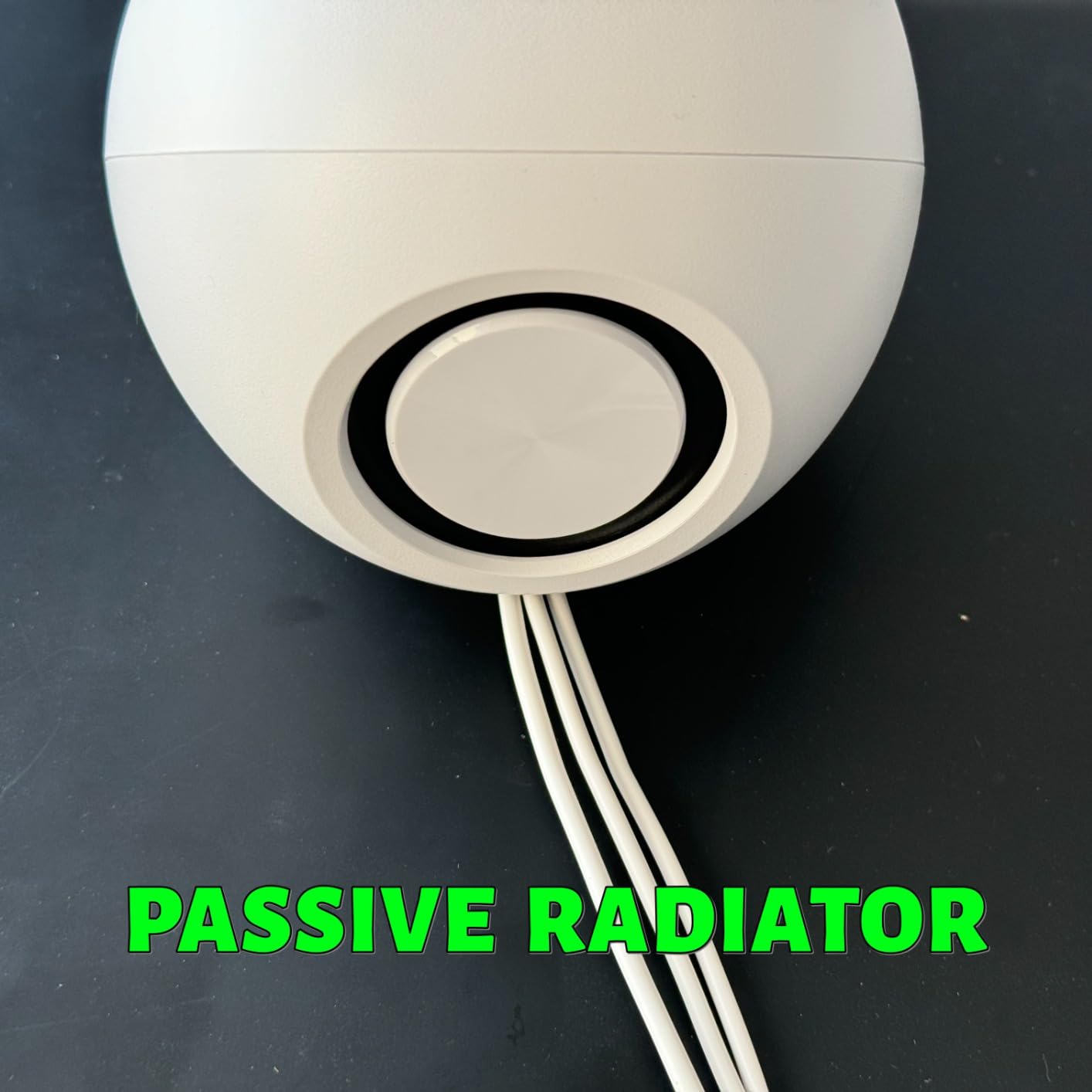
Owners rate the tonal clarity as the standout, and reviewers across the board describe it as the best-sounding entry-level desktop pair. The plastic cabinet, listed at 4.5 inches square, is deliberately plain, but it is shaped so the two speakers can sit either side of a monitor without a stand.
Volume is handled by a proper rotary knob on the front of one speaker, which is a small thing that matters every day. Click-stepped buttons get tiring within a week; a knob does not.
The Pebble fits dorm rooms, offices, and hot desks
Anyone moving setups regularly will like that it draws everything from USB. No adapter, no wall outlet, and a 4.5-inch footprint that fits behind a laptop stand. It is also a sensible default office pair, since it is easy to carry between desks and impossible to overdrive.
For music, podcasts, calls, and general desktop work, that is all you need. A lot of people keep these permanently and never feel the need to upgrade.
The Pebble is the wrong choice for bass-heavy media
The recurring complaint is the absence of low end. There is no sub-bass below roughly 100 Hz, so electronic music, action films, and gunfire sit where a bookshelf pair would put them. Pushing the volume to compensate makes it harsh rather than bigger, which is the classic limit of a 2-inch driver in a small box.
Second, the two cabinets are permanently wired to each other, so the stereo spread is fixed by the length of that lead. Wide desk placement means a cable running behind the monitor, and a very wide one is not achievable without an extension.
3. Logitech Z313 2.1 System: Best Budget Step Up With a Subwoofer
- Subwoofer adds real low end most 2.0 sets cannot
- 25W RMS is ample for a desk
- Single control pod handles volume and bass
- Simple 3.5mm connection to a PC
- Subwoofer consumes real desk or floor space
- Only 25W RMS so a large room will overwhelm it
The Z313 answers the most common regret in this category. Almost everyone who starts with a compact 2.0 pair eventually wants more low end for games and films, and a system that ships with a subwoofer removes that second purchase entirely. It is the route a buyer takes once, rather than twice.
Output is rated at 25 watts RMS, which is honest continuous power rather than a peak number, and the response is listed down to 48 Hz. The satellites use 5.25-inch drivers with small tweeters, and the subwoofer carries a 9-inch driver in a side-firing ported cabinet. Total weight is 3.4 kg, so it is a permanent fixture rather than a portable set.
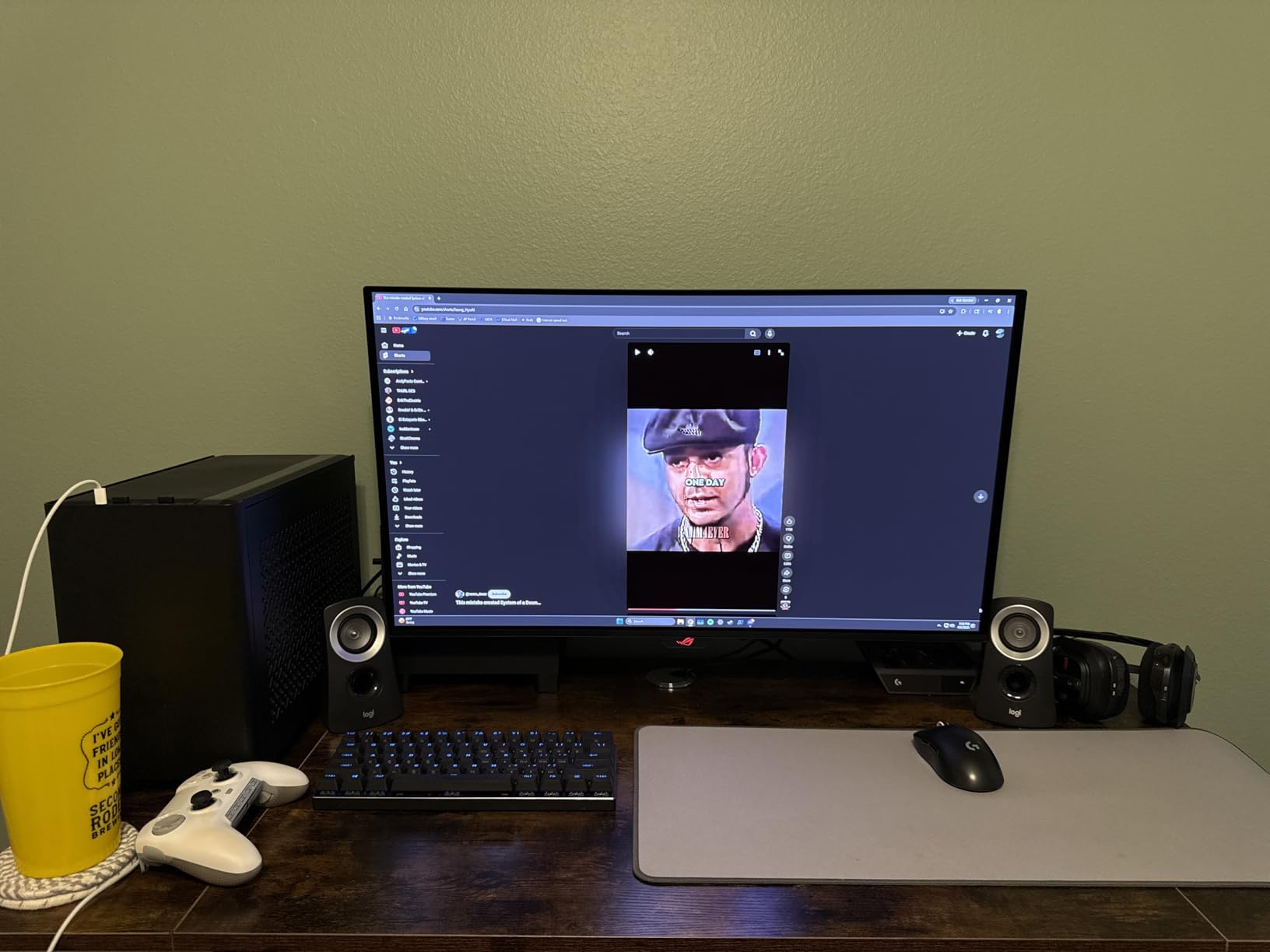
The control pod is the part owners mention most. One puck holds main volume and separate subwoofer gain, so you can set the low end once and adjust overall level from the desk without reaching behind the subwoofer. For games and films that independent bass control is what makes the difference between a system and a stereo pair with a rumble attached.
Connection is a single 3.5mm plug from the control pod to the PC’s line output. That simplicity is the appeal for anyone who does not want to negotiate drivers, codecs, or pairing menus.
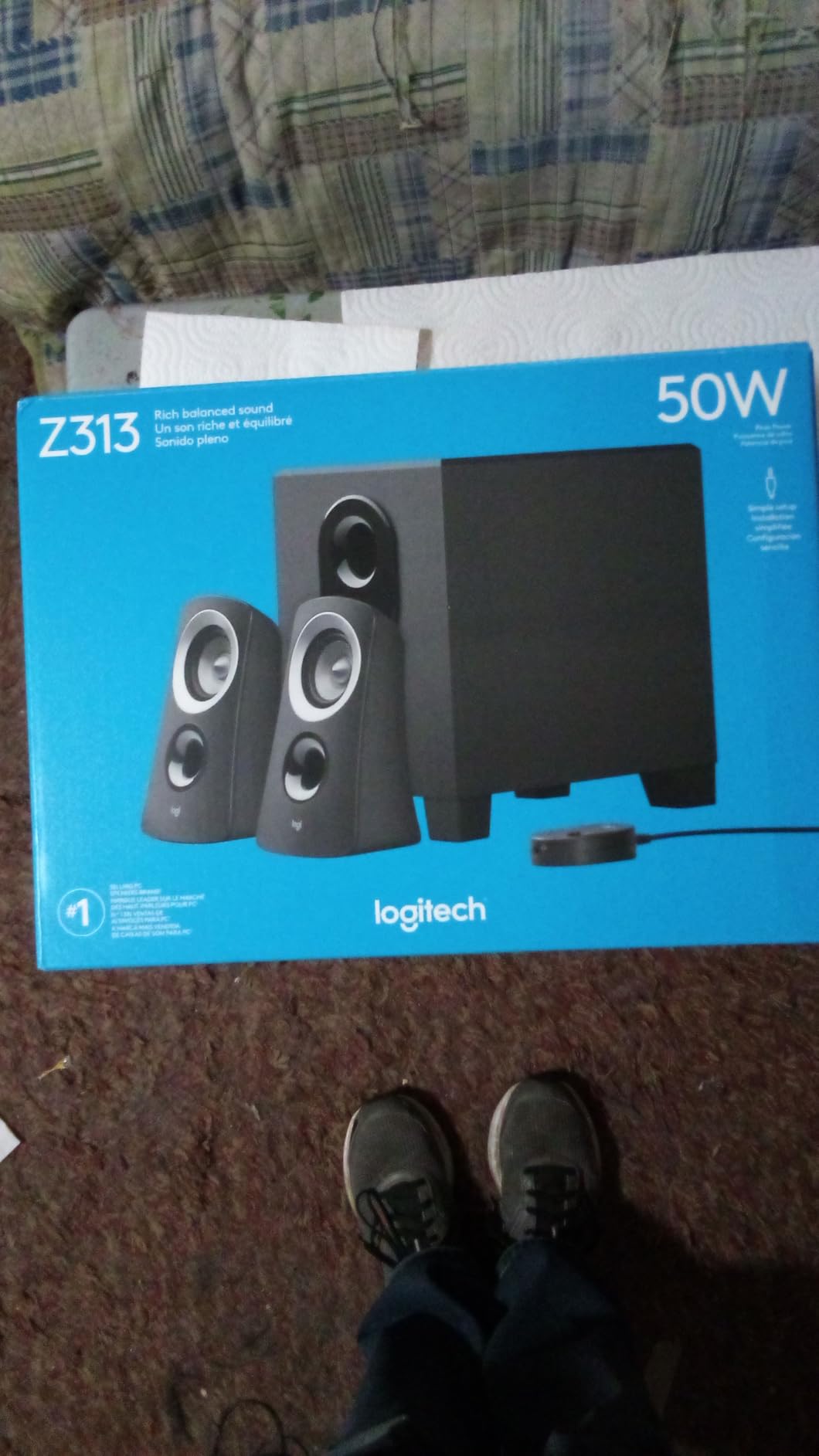
The Z313 is right for a single desk that does music and games
Buyers treat it as a dependable step up from flat all-in-one PC speakers, and that is exactly what it is. The subwoofer delivers bass that small 2.0 sets physically cannot, and the satellites stay out of the way on either side of a monitor.
It is also a good fit for a shared family PC that gets used for films as well as work calls, since the subwoofer gain lets you pull the low end back for spoken content.
The Z313 costs you desk space and room-filling volume
The subwoofer is the complaint that appears in every negative review. It is not a footwell unit, so it competes with your keyboard, your desk mat, or the floor space beneath the desk.
Second, 25 watts RMS is modest. Owners trying to fill a larger room push it past its comfort zone, and the system loses the clean output that made it appealing in the first place. If your PC sits in a big open-plan space rather than a corner, step up in power rather than in volume.
4. Klipsch ProMedia 2.1 THX System: Best for Bass and Cinematic Gaming
Klipsch ProMedia 2.1 THX Certified Computer Speaker System (Black)
- Deep tight bass you can physically feel
- Horn-loaded satellites stay clear at high volume
- High sensitivity plays loud without straining the source
- THX-certified crossover keeps mids and bass separate
- No power switch so a switched strip is needed
- Green power LED is bright in a dark room
- Subwoofer amplifier panel runs hot at sustained high volume
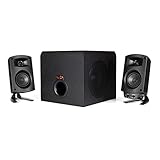
Where the Z313 adds a subwoofer to a modest stereo pair, the Klipsch is built around one. The 6.5-inch side-firing ported driver in an ABS and MDF cabinet produces genuine low-frequency weight, and reviewers describe the bass as tight rather than merely loud, which is the harder thing to achieve in a sub of this size.
The satellites use Klipsch MicroTractrix horn loading on 3-inch midrange drivers. The horn improves efficiency and controls dispersion, which is why the system can play loudly without the midrange smearing that usually comes with volume. The listed figure is 200 watts peak and 110 dB in-room output, with a 106 dB signal-to-noise ratio and THX certification for the crossover.
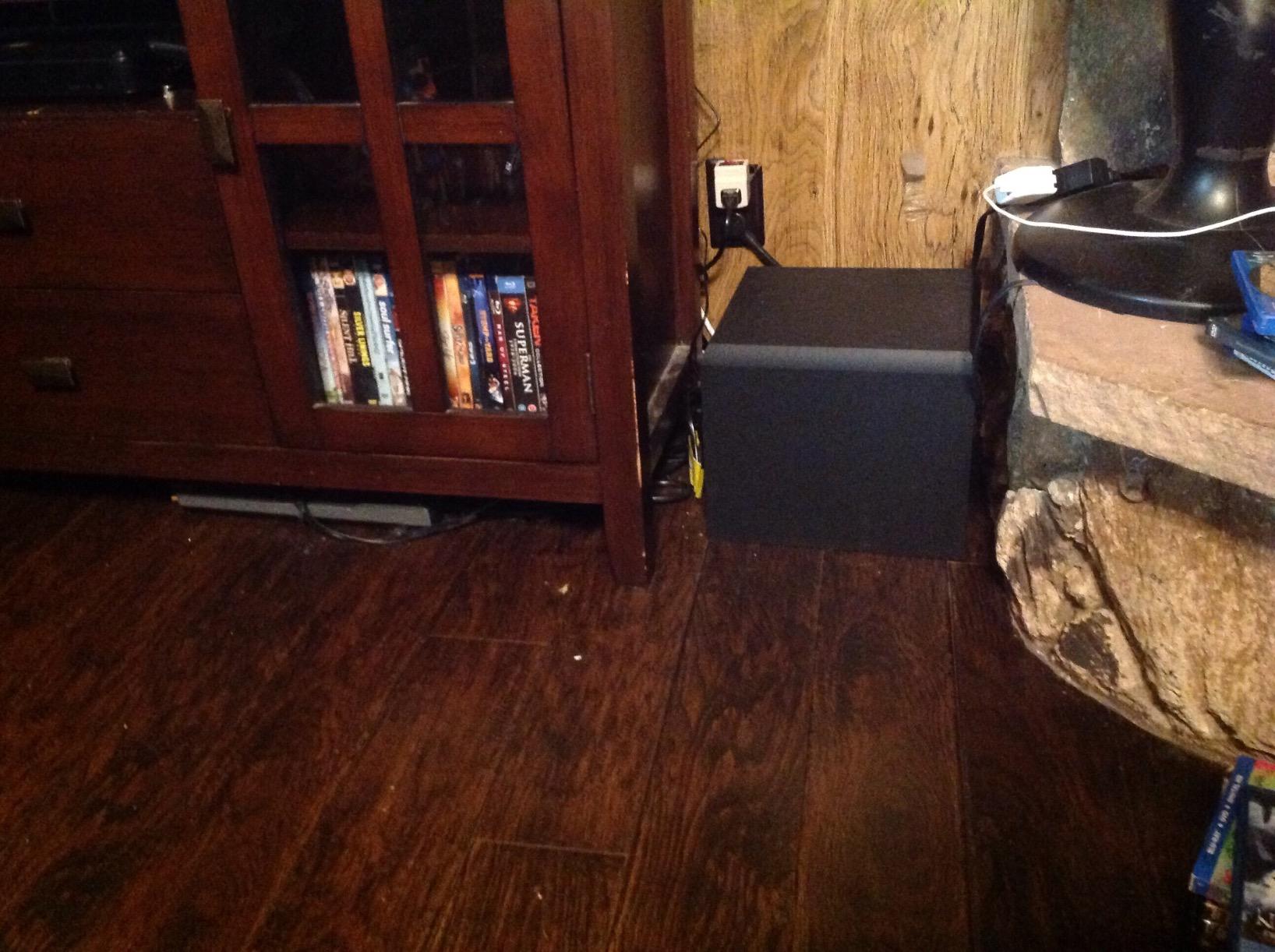
This is the system to buy if films and games dominate your listening. Watch an action sequence and the subwoofer handles the weight under the dialogue rather than competing with it, which is what the THX-certified crossover is tuned to prevent.
Like the Z313, control is handled from a small pod with main volume and independent subwoofer gain. That dial is the difference between a subwoofer that supports the mix and one that buries it, and owners specifically recommend setting it lower than you think you need.
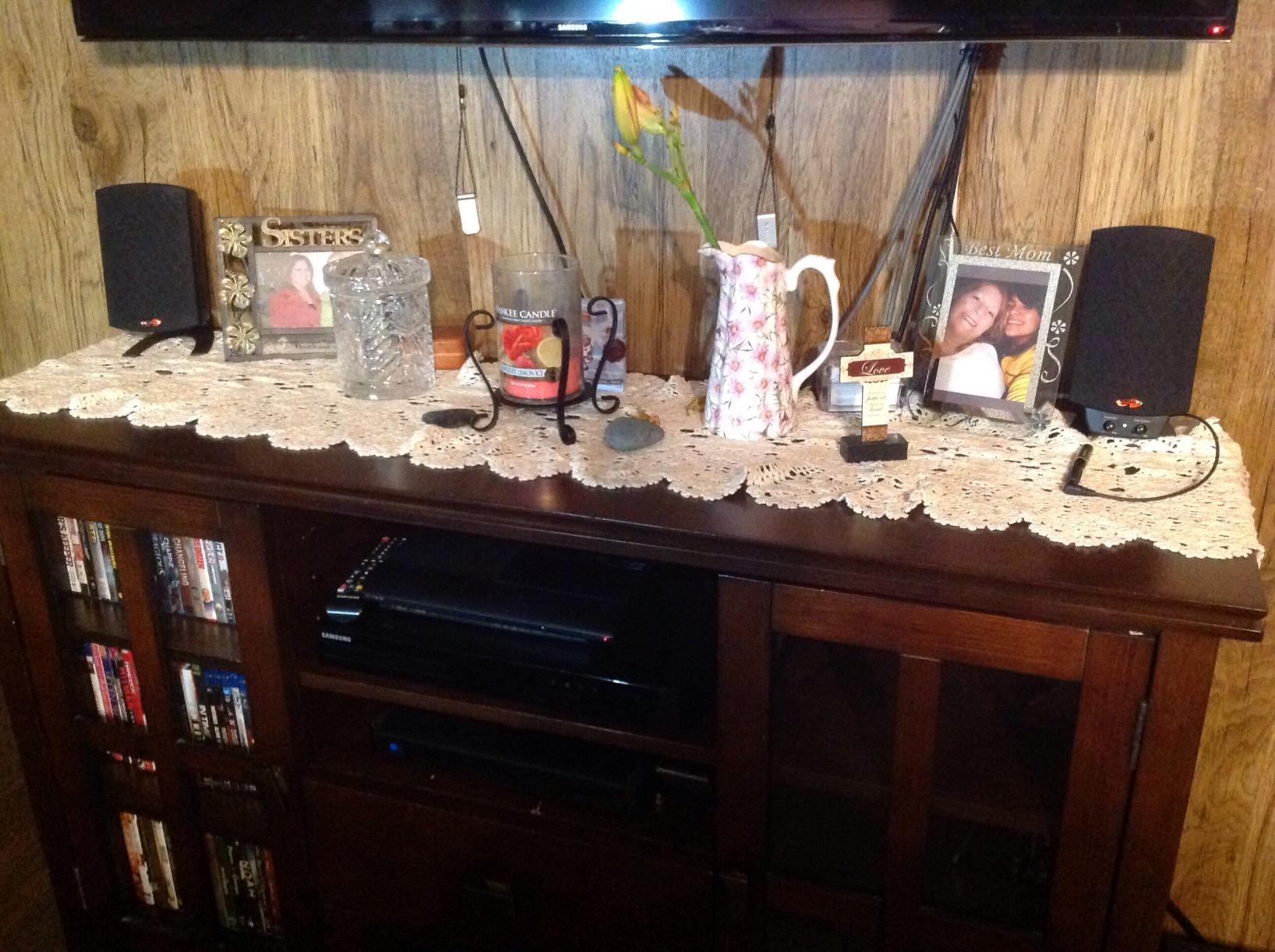
The ProMedia system suits gamers who want a home-theatre feel at a desk
Forum and owner discussion around this category keeps returning to sub-bass as the deciding factor, and this is the system in our group that delivers it without a second purchase. The high sensitivity also means it plays loudly on modest source levels, so your PC volume stays lower and the noise floor stays quieter.
It is also a strong choice for a desk that doubles as a media position, since the satellites handle music and the sub covers film sound effects.
The ProMedia system is awkward in a tidy or dark setup
There is no power switch on the cabinet. Owners recommend a switched power strip, which adds a box and more cable to a desk that may already be crowded.
Second, the green power LED is bright enough to be noticeable in a dark room, which matters if you watch films at night. The subwoofer’s amplifier panel also runs hot during long high-volume sessions, so it needs airflow and is not something to tuck into a closed cabinet.
5. Logitech G560: Best for Positional Gaming Audio
Logitech G560 PC Gaming Speaker System with 7.1 DTS X – Black
- Positional audio makes footsteps and gunfire easy to localize
- Far more headroom than entry-level desktop pairs
- RGB lighting driven by in-game audio
- Bluetooth and USB sources both supported
- Largest desk footprint in the group at 12.1 pounds
- DTS:X surround is Windows only
- Lighting depends on Logitech software
The G560 is the only system here aimed squarely at competitive shooters rather than music. Its advantage is not tone, it is localization: DTS:X Ultra processing across 7.1 channels gives you cues for direction and distance that a stereo pair physically cannot encode, and gamers describe it as a step change in directional awareness.
Power headroom is the other argument. The listed figure is 240 watts peak with a maximum sound pressure of 97 dB, which means you can run an action game loud without the midrange breaking up. That headroom is why it stays composed at higher levels than a compact 2.1 set while delivering bass of its own.
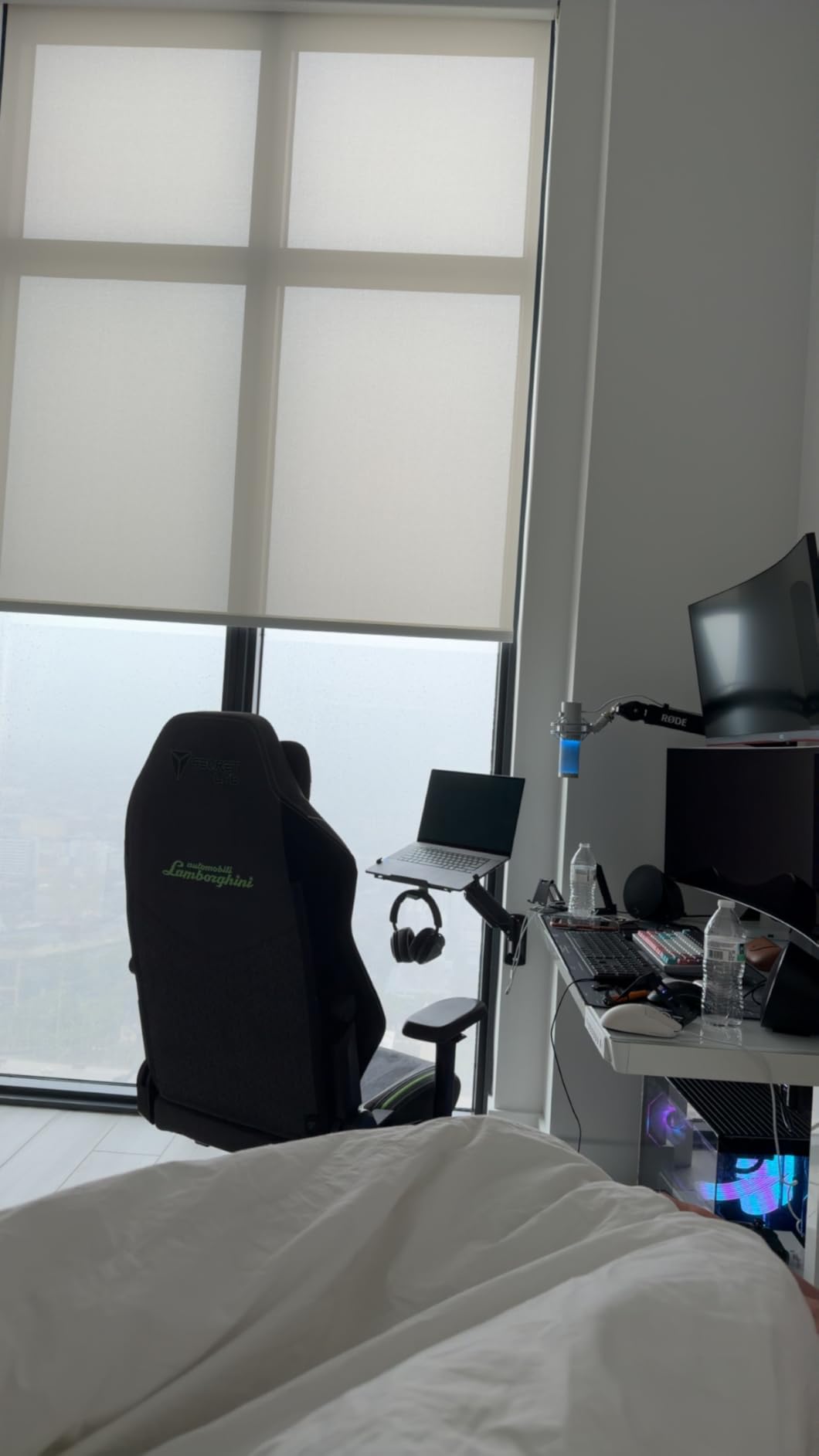
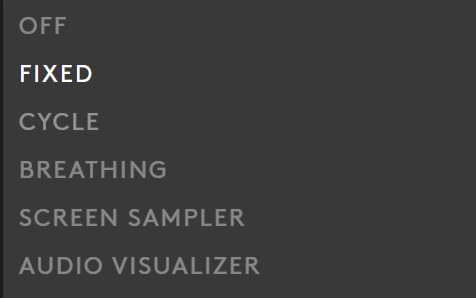
LIGHTSYNC lighting is the visual hook. Four customizable zones across the satellites and subwoofer react to in-game audio, which turns the system into part of the setup rather than a box beside it. Bluetooth and USB are both supported, so a phone can join without unplugging anything.
At 12.1 pounds for the set, this is the heaviest and most physically committed option we tested. It is a permanent desk installation, and it assumes you have space on both sides of the monitor for the satellites.
The G560 is the right pick for competitive shooters and streaming
If you play games where knowing which side a footstep came from changes whether you survive, positional processing is worth more than tonal refinement. The 7.1 output combined with the power headroom makes it a genuine upgrade over a stereo pair for that specific purpose.
It also suits a shared desk where the visual lighting needs to match a gaming setup, since most 2.0 pairs in this guide are deliberately invisible.
The G560 is a poor companion for music and for Macs
The first limitation is hard to ignore. DTS:X surround processing is Windows only, so on macOS you get the speakers and the power but not the positional layer that justifies the system in the first place.
Second, the RGB lighting depends on Logitech software, which adds background processes and a configuration step for a cosmetic feature. Owners who prefer a clean desk find the lighting adds visual clutter rather than removing it, and music listening is better served by a pair in this guide without a subwoofer to overpower the midrange.
6. Amazon Basics Stereo 2.0 Speakers: Best Known Plug-and-Play Pair
Amazon Basics Stereo 2.0 Speakers for PC or Laptop with Volume Control, 3.5mm Aux Input, USB-Powered, 1 Pair, Black
- Cheapest dependable upgrade for a PC without speakers
- Clear audio for video calls and music
- In-line volume plus a single USB power cable
- Compact footprint with a base that will not scratch the desk
- Limited bass from the small 3.9 inch drivers
- LED accent cannot be switched off
- Some unpowered USB hubs cause cut-outs
This is the pair most people will meet first, because it is the default answer to a machine with no speakers. Its reputation rests on volume: it carries a very large body of owner feedback, and the consistent theme is that it is a simple, honest improvement over laptop and monitor audio for everyday use.
The physics are modest. Maximum output is listed at 2.4 watts, with a 3.9-inch woofer paired with a 1-inch tweeter inside a metal and plastic cabinet weighing 1.4 pounds. A bottom-mounted passive radiator gives the low end more movement than a bare driver of that size would manage, but it is a bass assist rather than bass.
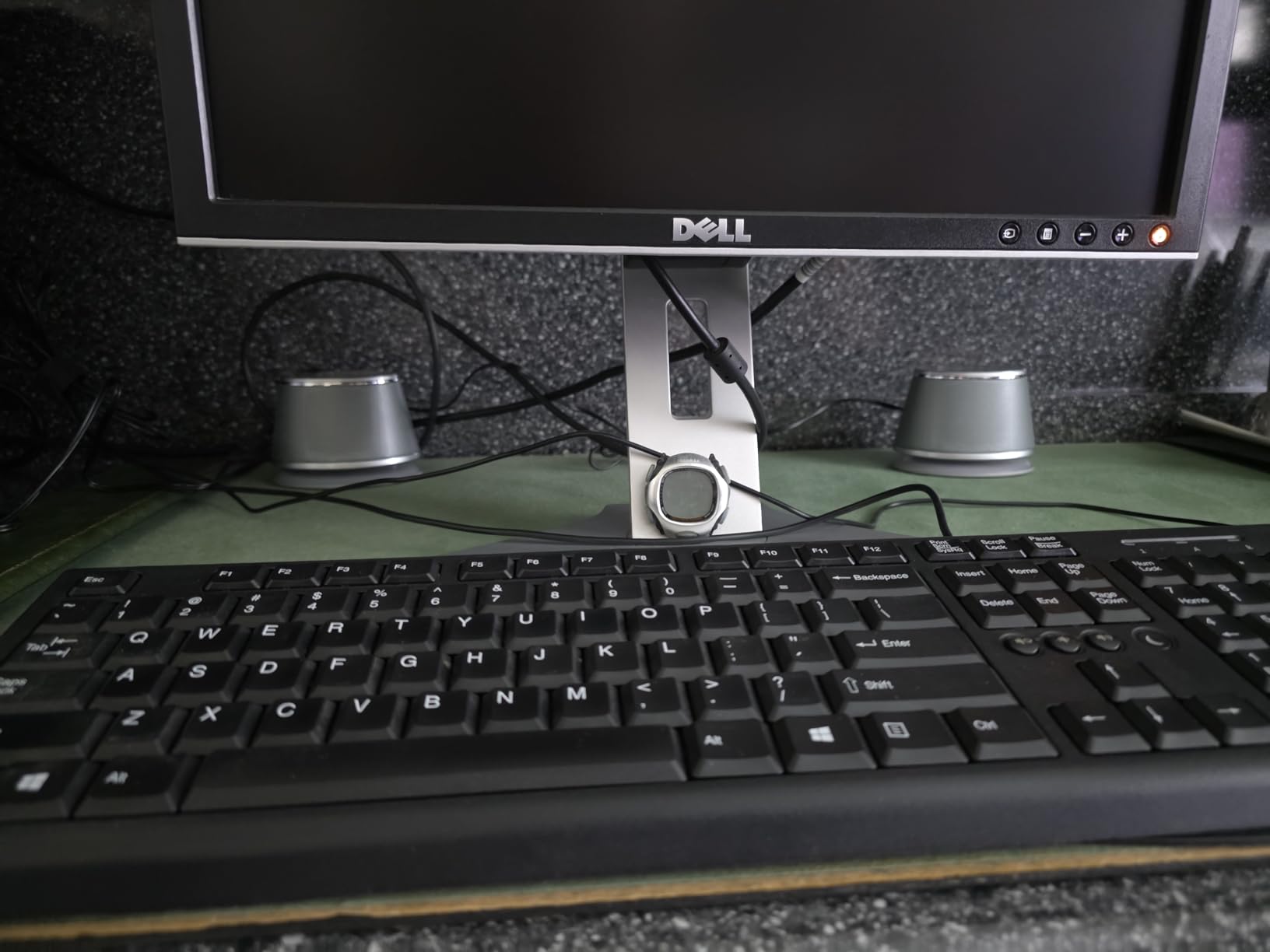
Operation is about as simple as it gets. Audio arrives over a 3.5mm aux cable, power comes from a USB port, and a single in-line control on the cable handles volume. Two cables, no pairing, no configuration, and it works the moment it is plugged in.
The base is padded rather than bare plastic, which sounds like trivia until you have moved a speaker across a lacquered desk. The blue accent light is the one purely cosmetic addition, and it draws a mixed response for reasons that are not about audio at all.
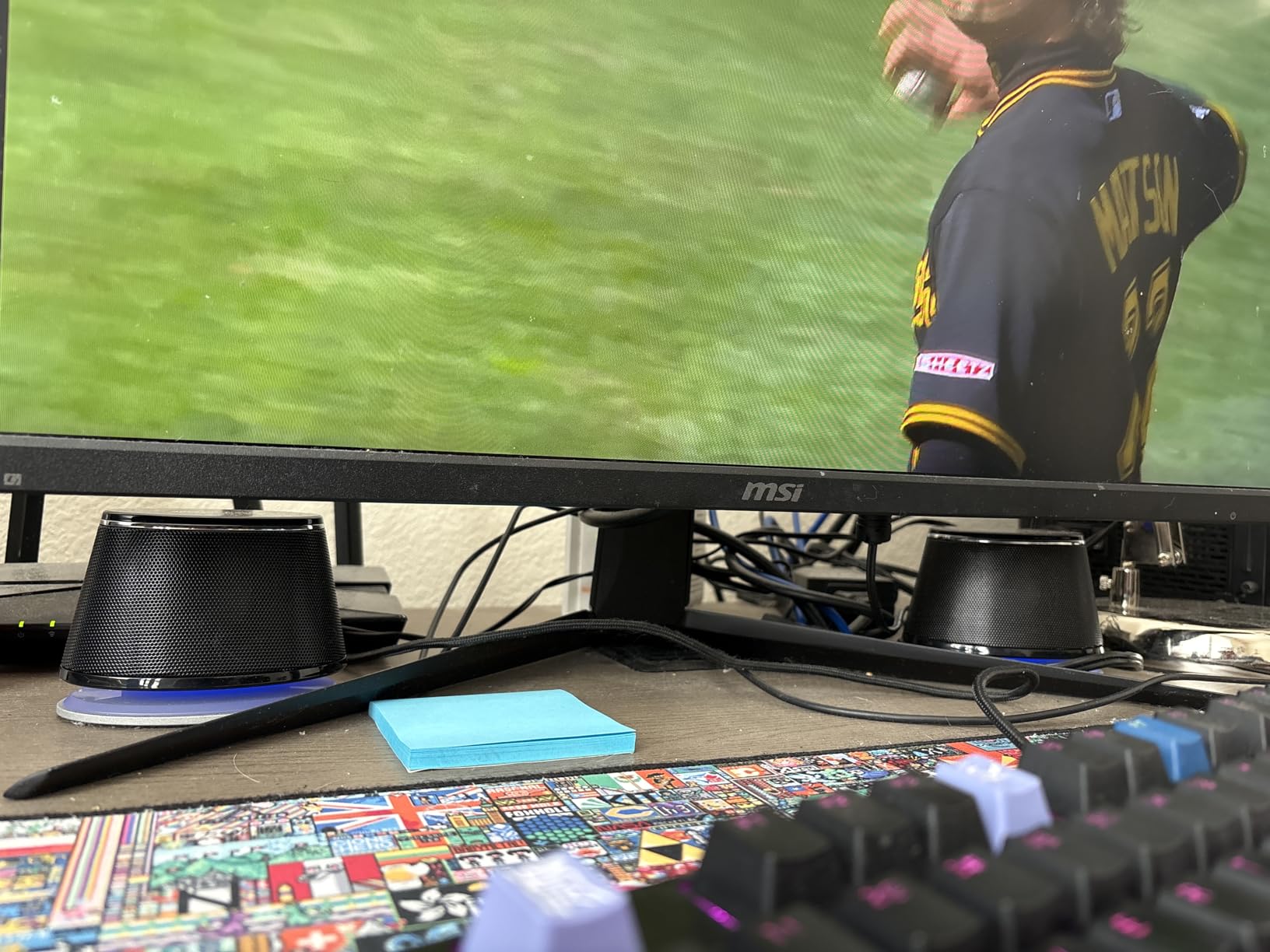
These Amazon Basics speakers suit a fixed office PC and long meetings
The target user is someone whose PC has no audio output worth using and who needs voices, video, and background music to be intelligible rather than impressive. At that task they perform well, and the in-line control means volume is reachable without leaning around the monitor.
They also work as a temporary or secondary pair, since USB power means you can move the whole system to another machine in seconds.
They are the wrong choice for music you actually enjoy
Bass is the first limit. Reviewers return to it constantly, and a bottom radiator cannot manufacture low frequency that a 3.9-inch driver in a small plastic box is not physically able to move.
Second, the LED accent cannot be turned off, which is a genuine annoyance in a dark or shared room. Third, thin minimally shielded cables draw a small number of hum and early-failure reports, and because the system draws noticeable power, an unpowered USB hub can cause cut-outs mid-playback. Use a powered port.
7. Sanyun SW208: Best for Wireless and Digital Audio Sources
Sanyun SW208 3″ Active Bluetooth 5.0 Bookshelf Speakers, Built-in 24bit DAC
- Smooth sound with real dynamic range for the size
- Three input paths including a built-in 24-bit DAC
- Side-panel tone controls on the main speaker
- Quiet standby from a built-in noise elimination circuit
- Loud power-on chime that cannot be disabled or adjusted
- Output falls off quickly when not aimed at the listener
- Only one cabinet holds the amplifier and controls
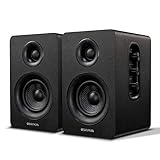
The SW208 is the most grown-up answer at the compact end of this list. Where most small pairs offer a USB port purely for power, this one decodes digital audio over USB through a built-in 24-bit DAC, alongside Bluetooth 5.0 and a 3.5mm aux input. That gives you three genuinely different ways to feed it.
It is also the only pair here with proper tone control at this size. Bass and treble knobs sit on the main speaker, so you can correct for a desk against a wall or for bright nearfield listening without changing source settings.
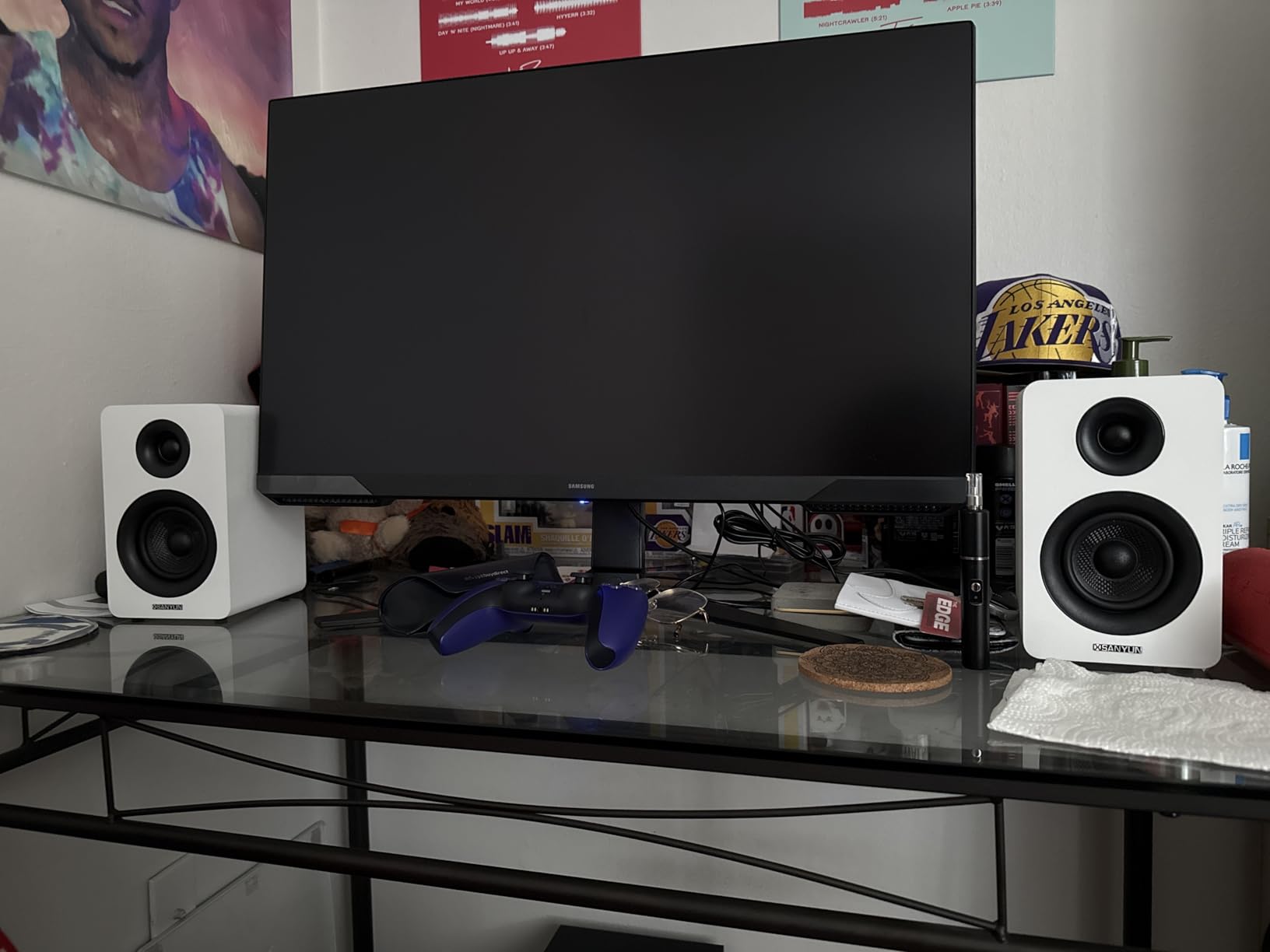
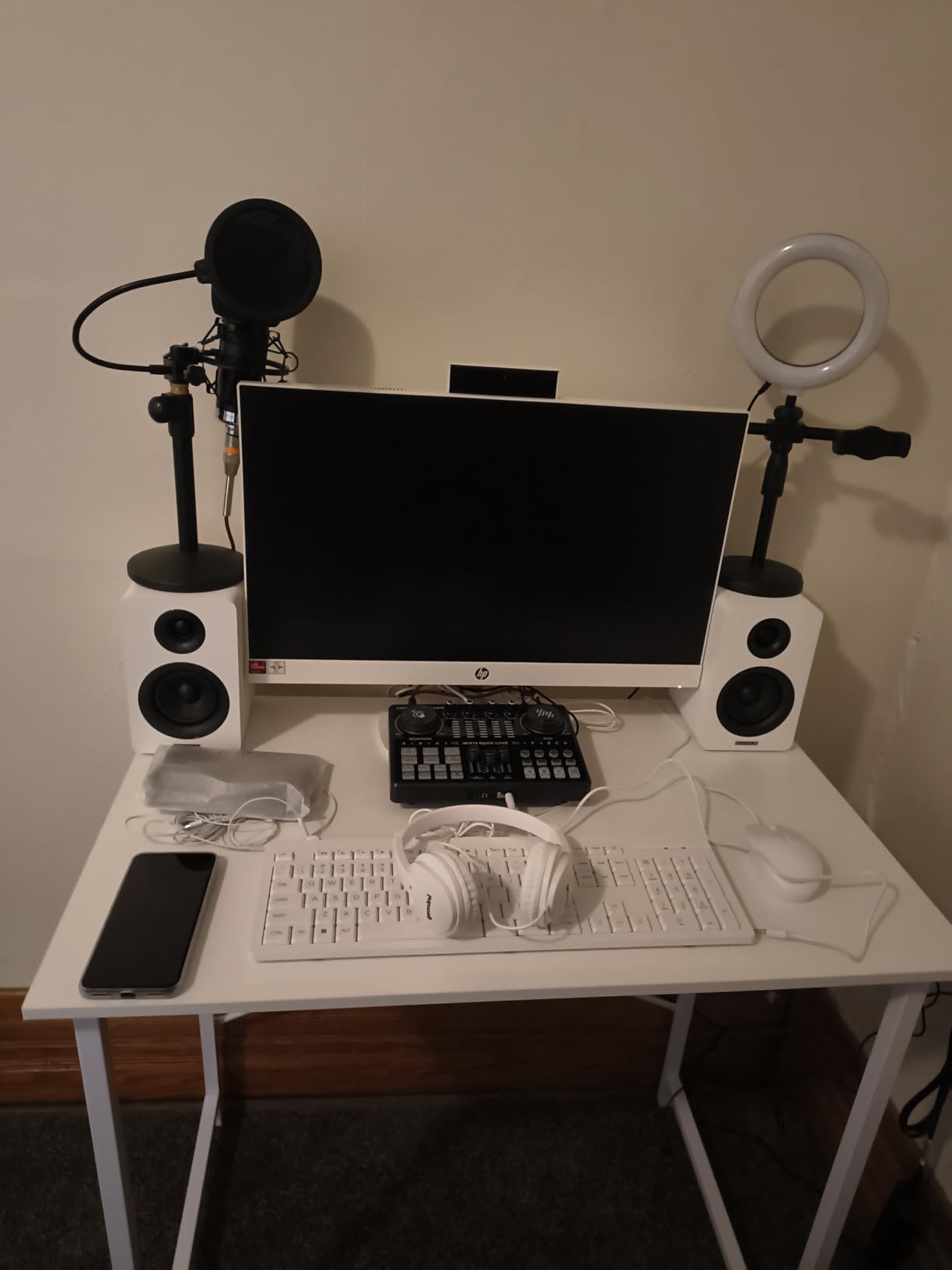
Owners repeatedly say these look and sound more expensive than they are. The carbon-fibre-look cabinets, at 7.5 by 4.7 by 5.4 inches and 6.5 pounds, sit properly on a desk next to a monitor rather than hiding behind it, which is part of why they show up in setup photographs at all.
The USB DAC path is the interesting one for anyone who cares about source quality. Feeding digital audio from a PC over USB avoids the noise of an analog cable run, and the Bluetooth path is there for switching to a phone without unplugging anything.
The SW208 suits a desk that switches between a PC, a laptop, and a phone
Three inputs means three devices can share one system, and the tone knobs mean a single pair can suit both nearfield work and a step back from the desk. That combination is rare in a compact bookshelf format.
It is also a good fit for anyone moving from a laptop to a permanent desk, because nothing has to be reconfigured when the source changes.
The SW208 has two specific annoyances you should know about
First, the power-on sound effect is loud and cannot be disabled or turned down. That is a real problem in a shared office or late at night, and it is the complaint that appears most consistently across owner reviews.
Second, dispersion is narrow. Output drops off sharply when the speakers are angled away from the listening position, so they need to be aimed deliberately rather than simply turned for tidiness. Maximum volume is also short of filling anything larger than a corner of a room.
8. Logitech Z207: Best for Bluetooth and Wired Sources Together
- Bluetooth and wired sources play at the same time
- Very slim vertical design uses almost no desk space
- Balanced 2.0 sound with good volume for the class
- On-speaker headphone jack and volume controls
- Thin bass that crackles when pushed hard
- Volume indicator is black on black and hard to read
- Rubber feet let the speakers slide when bumped
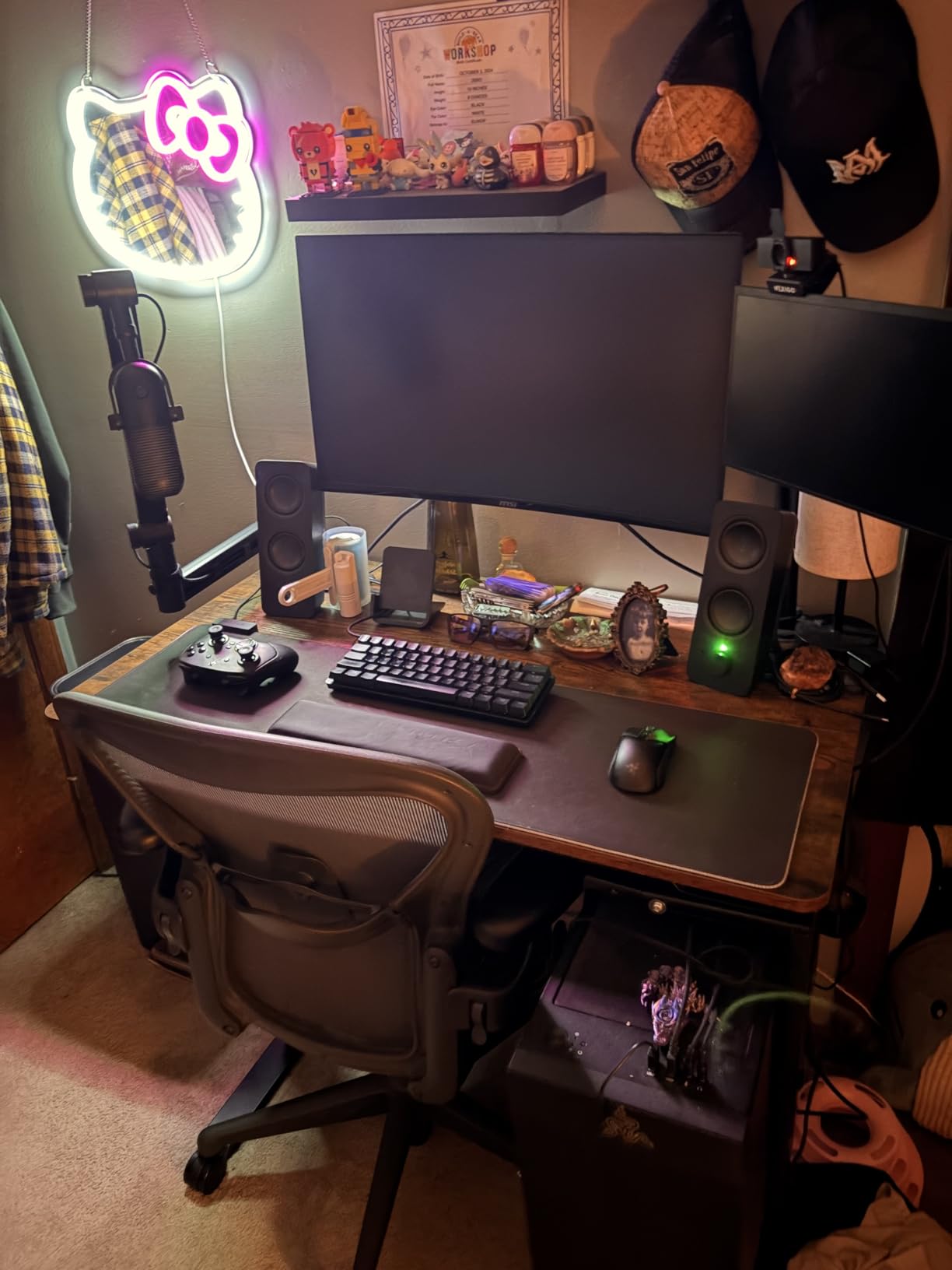
The Z207 solves a narrow problem neatly: keeping a PC and a phone on the same speakers. Bluetooth and the 3.5mm cable are both live at once, and Logitech Easy-Switch moves between them without re-pairing, so a call arriving mid-game does not require unplugging anything.
The form factor is the other argument. These are tall and narrow, standing in built-in feet, and at 1.4 inches wide they occupy almost no desk surface. A pair fits on either side of a monitor without displacing a monitor arm or a lamp.
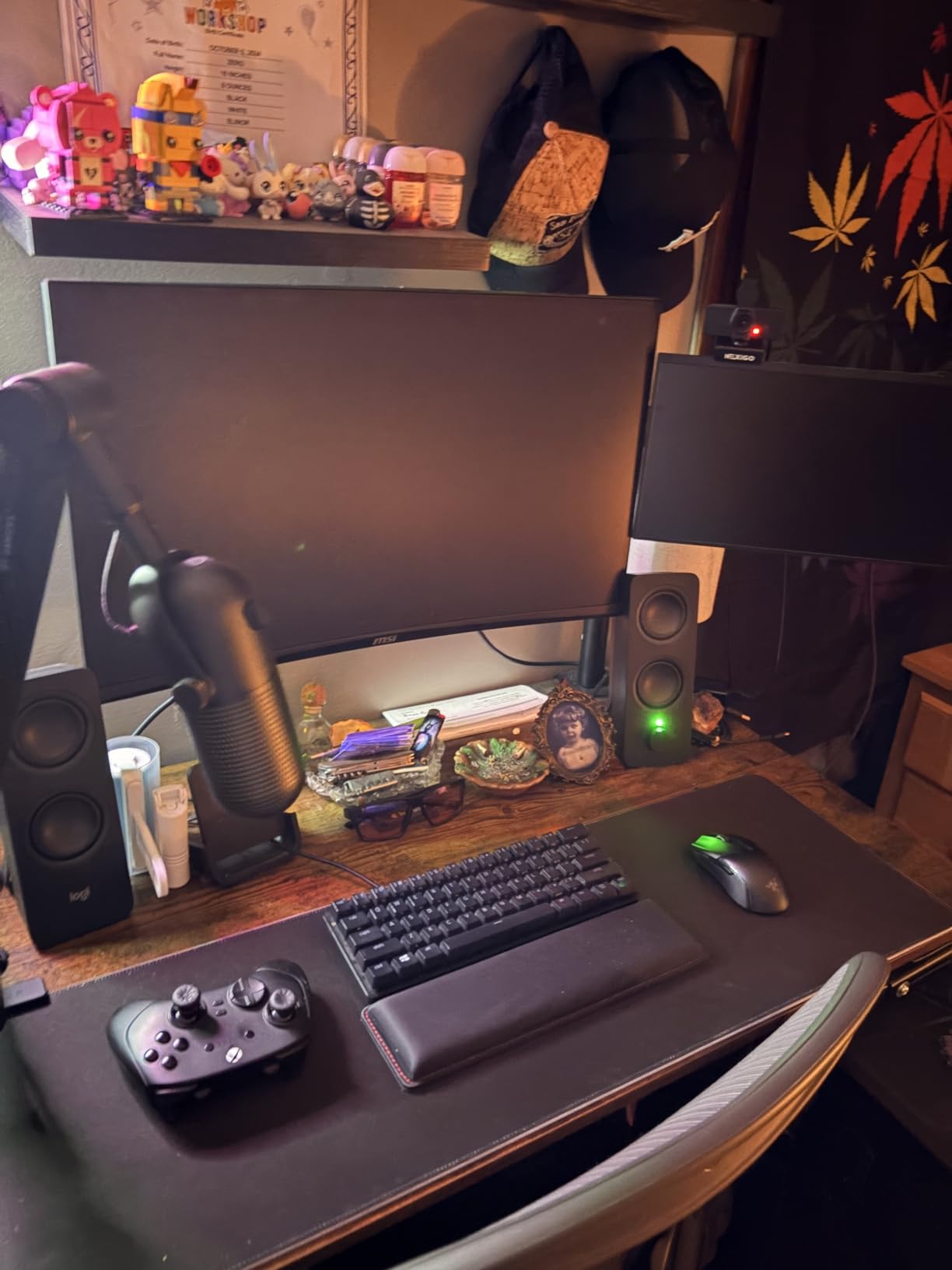
Each speaker carries one active full-range driver alongside a passive radiator for low-end assist, with a 1.5-inch tweeter listed in the specifications. Total output is 10 watts, and the whole set weighs 2.9 pounds, so it stays portable despite the power requirement.
There is a headphone jack on the speaker itself, which is a small convenience that turns a gaming session into a private one without a separate amplifier.
The Z207 suits hybrid desk setups and mixed devices
Anyone whose audio comes from more than one device gets a lot from this pair. Bluetooth 4.2 covers phones, tablets, and laptops, while the analog input handles a desktop PC, and both work at the same time.
Long-term owners report these still going after six years, which is worth weighing against the shorter-lived budget sets in this guide when you are thinking about durability.
The Z207 runs out of headroom faster than a 2.1 set
At 10 watts the pair is fine for music and calls, but owners report that bass is thin and can crackle when the level is pushed. If you like to play films or games loud, that ceiling arrives sooner than it would with a system that has a dedicated subwoofer.
Second, the volume indicator is a black dot on a black panel and is almost impossible to read in daylight, which is a small but daily annoyance. The feet also let the cabinets slide when a cable tugs them, so push them back into position now and then.
9. Amazon Basics Compact USB Speakers: Best for a Second or Temporary Pair
Amazon Basics USB-Powered Computer Speakers with Volume Control for Desktop or Laptop PC, Compact Size, Headphone Jack, Portable, Plug-N-Play, Black
- Very inexpensive way to add sound to a machine with none
- Single front control for power standby and volume
- Front headphone jack for private listening
- Compact and portable with no driver installation
- Only about 2.2 watts total RMS so output is modest
- Very limited bass extension from the 2 inch woofer
- Basic plastic build
This is the budget floor of the guide, and it exists for a legitimate reason: a second machine. A spare PC, a test bench, a laptop in another room, or a temporary setup where a permanent system makes no sense. At that job it is entirely adequate.
Specification-wise it is the smallest thing here. Maximum output is listed at 2.1 watts, with 2.2 watts total RMS across the pair, a 2-inch woofer, and a frequency range of 103 Hz to 20 kHz. The cabinet is 2.76 by 3.55 by 5.3 inches and weighs 0.66 kg, so it is small in every dimension.

Power comes from a 5V USB supply and the audio is analog over 3.5mm, so it works on anything with a headphone socket. There is no software and no driver to install, which is the entire appeal.
The front control combines power, standby, and volume on one button, and the front headphone jack means you can switch to private listening without reaching for the PC.
These speakers suit a spare, temporary, or shared machine
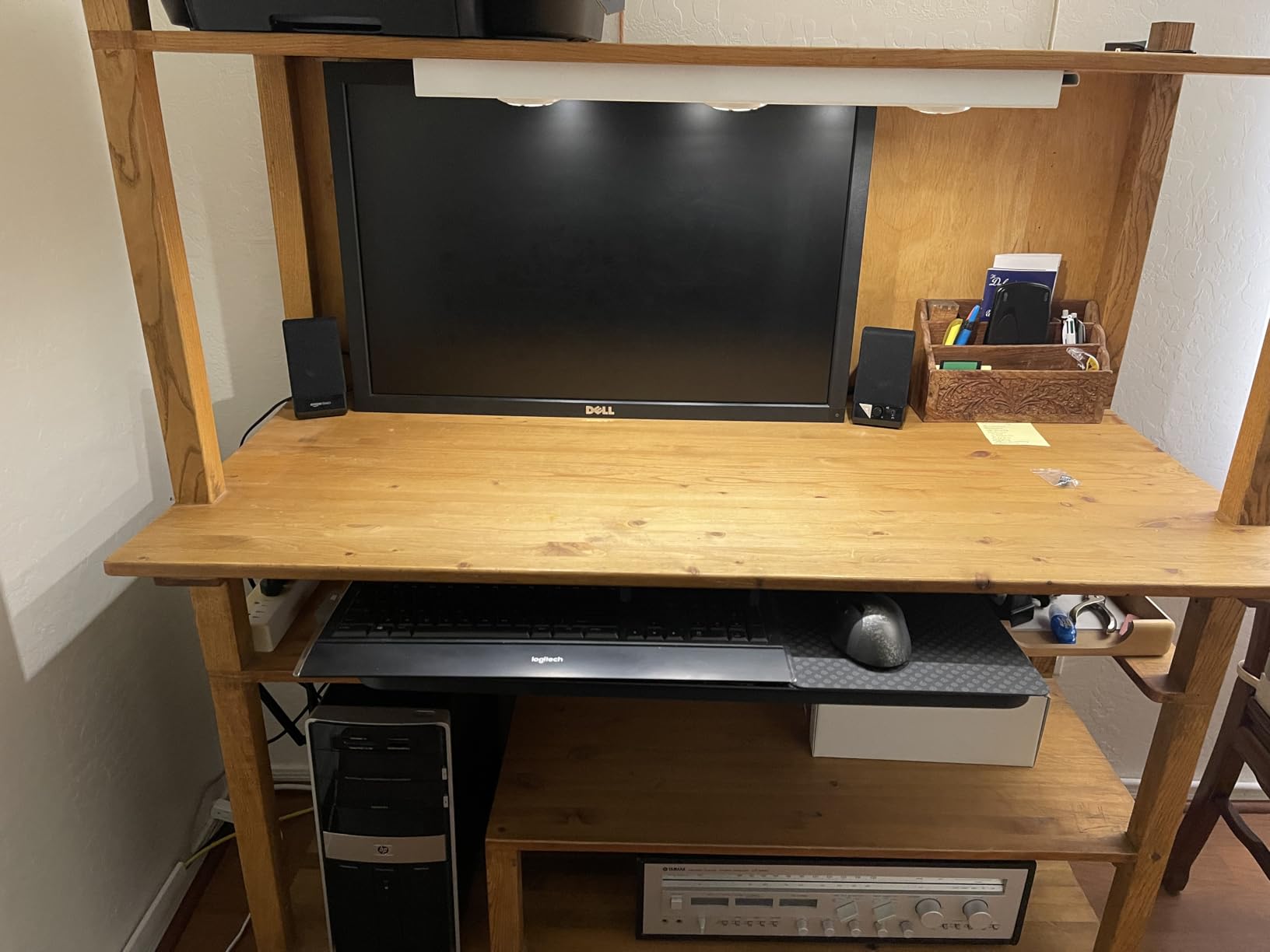
They are genuinely portable, draw power from the computer itself, and need nothing from the operating system. That makes them the easiest recommendation on this list to justify without any condition attached.
They are also a reasonable stopgap while a larger system is out of reach, since owners report clear speech and video for the entire time they use them as a secondary pair.
They are not a primary music system for any desk
Two and a quarter watts of total continuous power is the limit that matters. It is enough for voice and it runs out quickly for music, and the 2-inch woofer offers almost no low-frequency extension at all.
Build quality is plain plastic with no tone control of any kind, so there is nothing to adjust when a room or a source makes it sound wrong. If this is going to be your main pair, spend the difference on a pair with a real driver in it.
10. Redragon GS520: Best for RGB Styling on a Budget
Redragon GS520 Wired 2.0 Channel Stereo Sound Desktop RGB Computer Speakers
- Touch RGB lighting with six modes plus an off setting
- Brushed finish looks more premium than the price implies
- Separate volume up and down buttons for fine adjustment
- Clear voice and game effects at moderate levels
- Fixed inter-speaker cable is about 31 inches
- Distortion appears above roughly 40 percent software volume
- Too tall to fit under many monitor stands
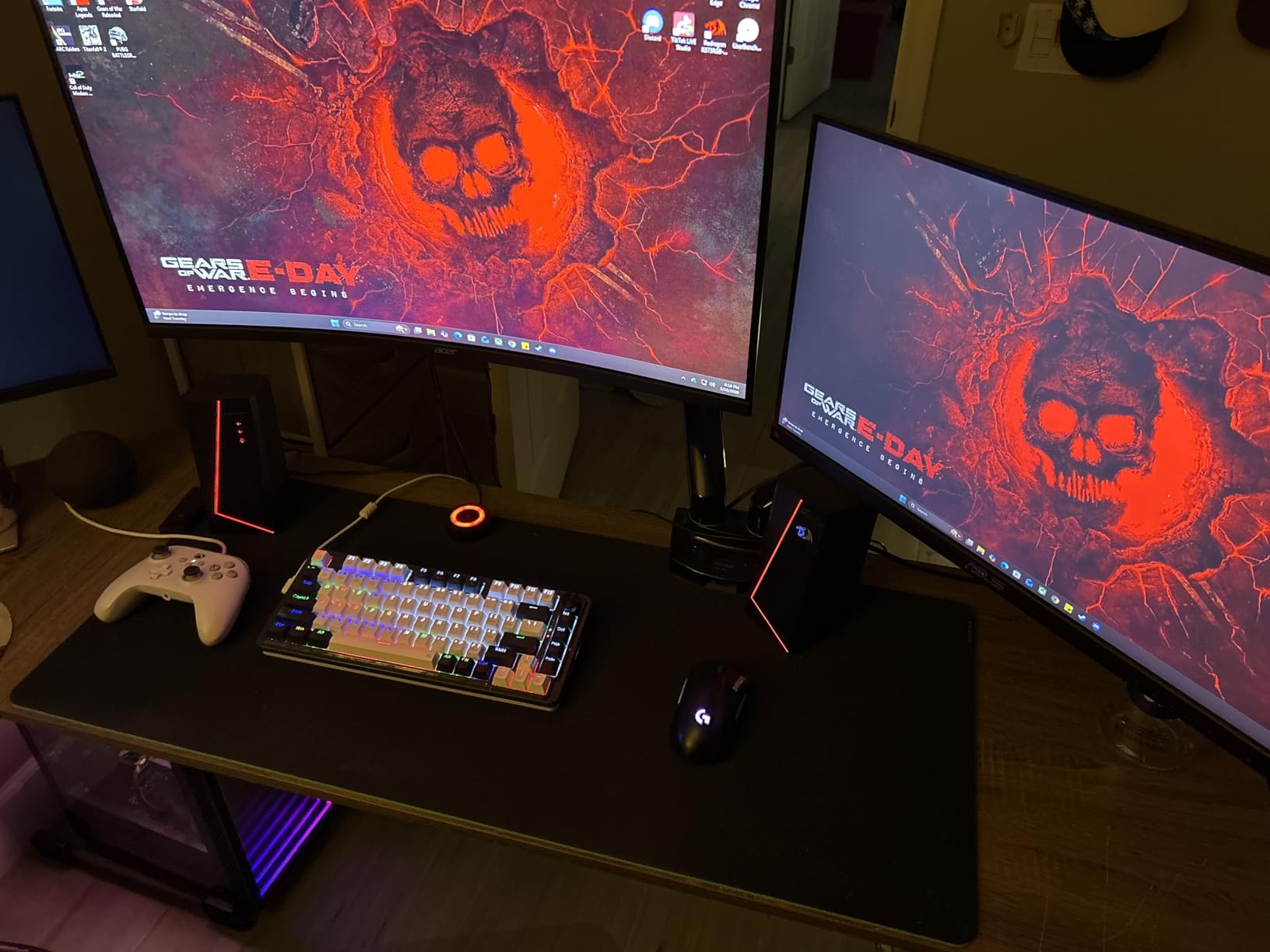
The GS520 exists for a specific kind of build: a setup where the lighting is part of the design, and a plain black pair would break it. Touch control on the top of the active speaker cycles six lighting modes and includes an off setting, which is more than most budget lighting offers.
The cabinet is a brushed-metal look in ABS and aluminium, and owners consistently note that it reads as more expensive in person than the specification sheet suggests. Audio is a 2-inch full-range driver per cabinet with 3 watts of output, powered from USB with 3.5mm audio alongside it.
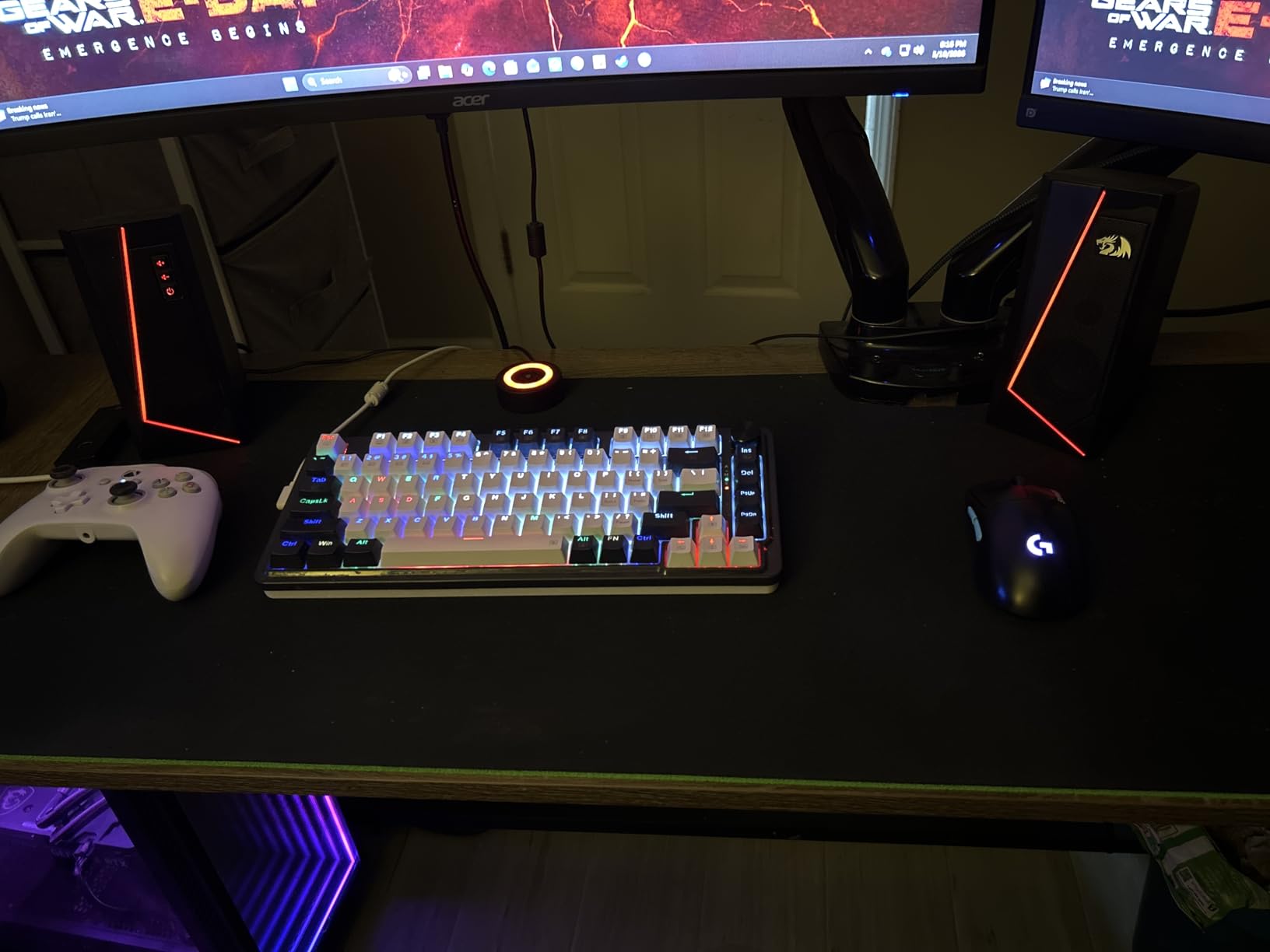
Separate volume up and volume down buttons give finer control than a single cycling button, and at moderate levels the sound is described as clear for voice and game effects. That is the honest scope: this is a gaming-and-chat speaker, not a music speaker.
Overall weight is 1.8 pounds, which is light enough to reposition easily, and the touch surface is the only control, so it stays clean visually.
The GS520 suits a coordinated gaming setup on a tight budget
If your desk already has matching peripherals, this pair completes it for very little, and the six lighting modes plus the off setting mean it can stay dark when you are not gaming. The finish is the other reason people buy it; it does not read as a plastic computer speaker.
It is a good casual choice for a second PC that mostly runs chat, browser audio, and lighter games.
The GS520 is limited by its cable, its height, and its ceiling
The fixed inter-speaker cable is around 31 inches, which is too short for the wide separation an ultrawide monitor needs, and you cannot easily lengthen it. The cabinet is also 7 inches tall, so it will not fit beneath many monitor stands.
Second, owners report distortion appearing above roughly 40 percent software volume, which caps how loud you can run games before the sound degrades. Third, a nontrivial share of buyers report a pair failing to power on within one to two years, so treat it as a replaceable prop rather than an investment.
11. Cyber Acoustics CA-2014: Best for Voice, Calls, and Meetings
- Very inexpensive way to add sound to a machine with none
- All front controls plus a headphone jack on the right speaker
- Treble-forward tuning that makes voices clearer
- AC adapter means no dependence on USB bus power
- Cables are unusually short so both speakers must sit close
- Very little bass and low overall volume
- Light enclosures can walk on a smooth desk
The CA-2014 is tuned in a way that suits a specific task. Owners who use it for meetings and spoken content point to a treble-forward balance that makes voices clearer than several bass-heavier alternatives in this guide, which is a real benefit when a conference call is the primary use.
Output is 4 watts into a 4-ohm load with a 68 dB signal-to-noise ratio, and the 3.75 by 6 by 7.25 inch cabinet is slim enough to sit behind a monitor. A balanced armature driver handles the work, and the set weighs 1.5 pounds.
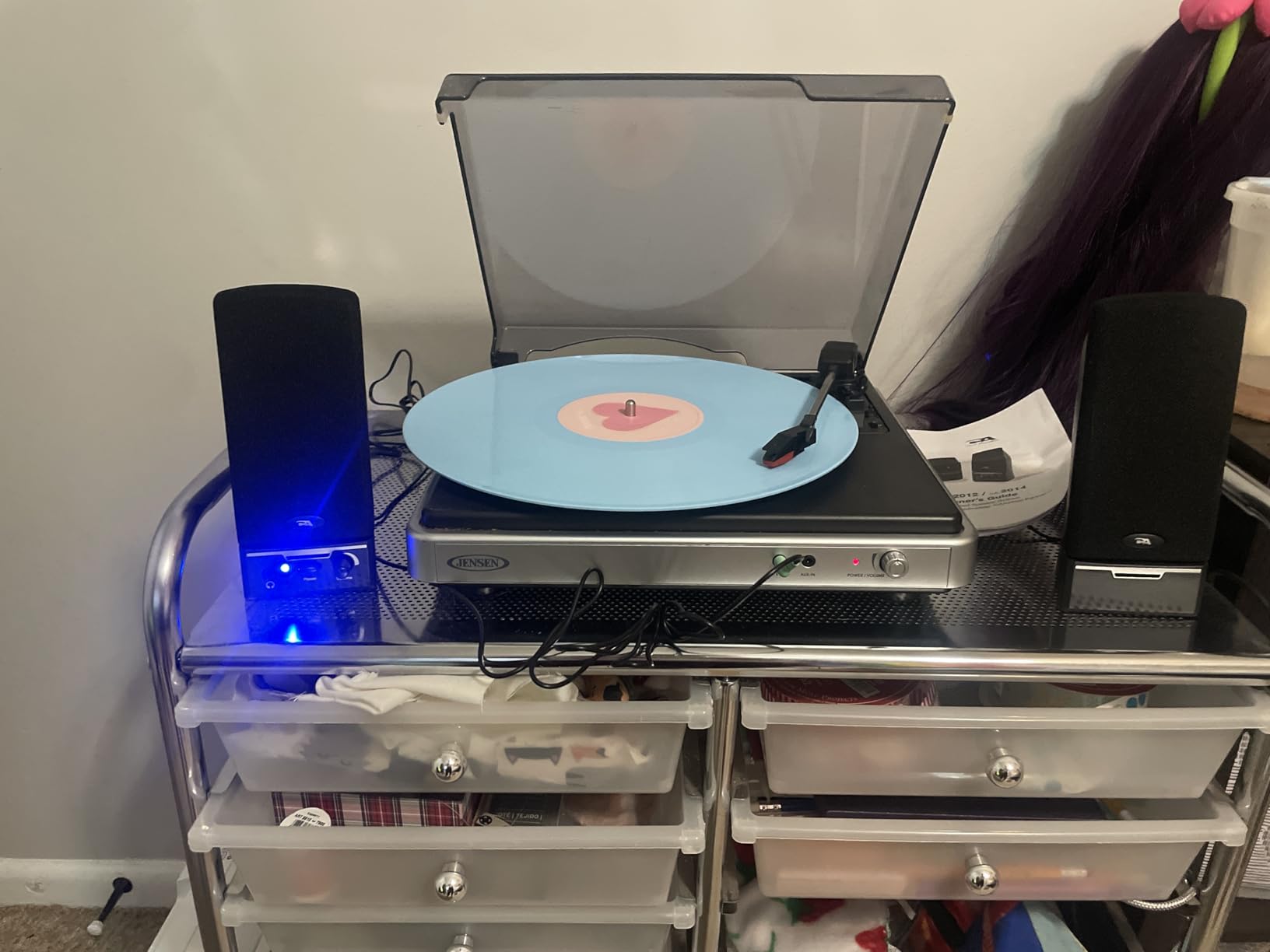
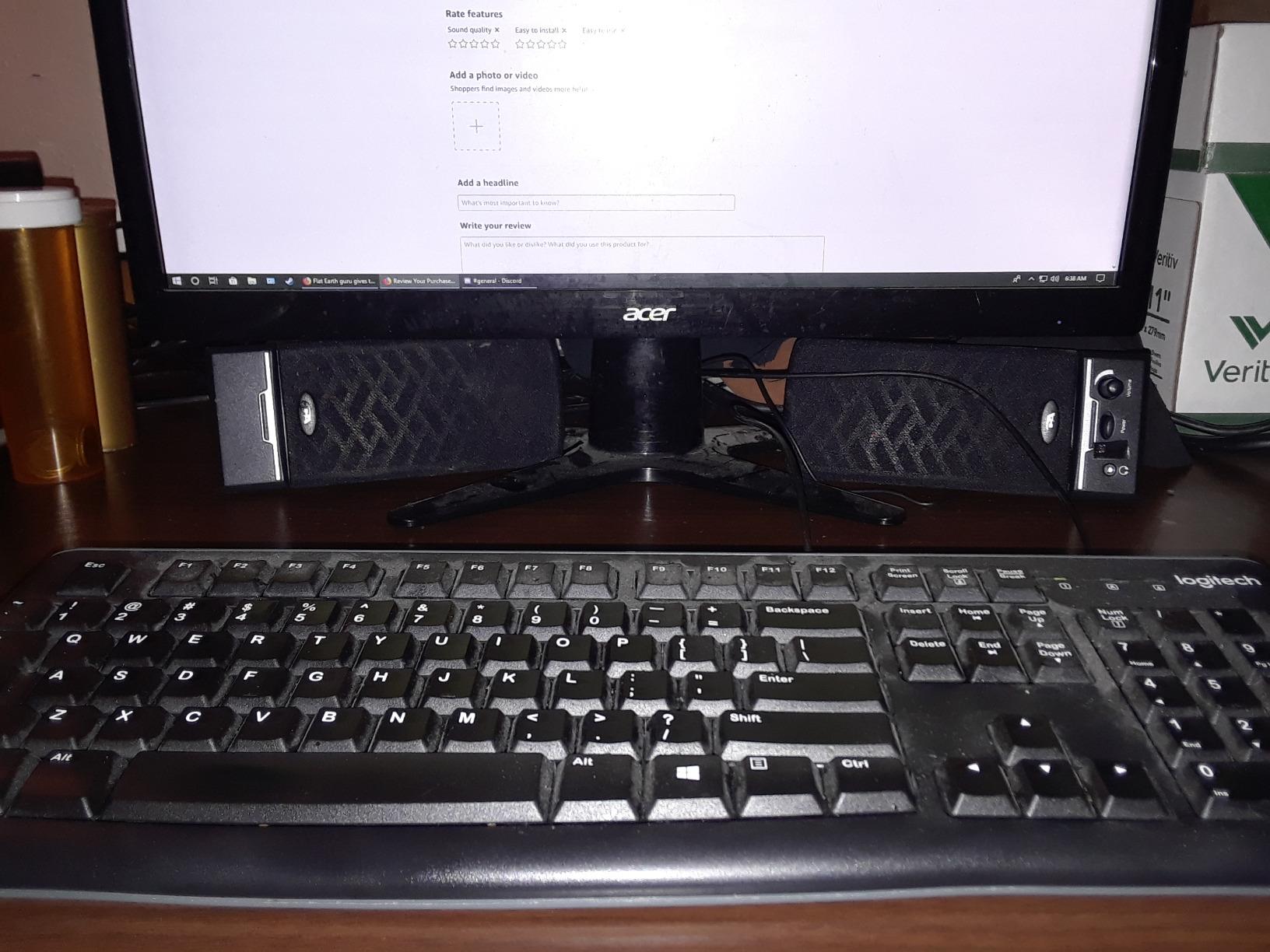
All the controls are on the front of the right speaker: power, a mechanical volume knob, a 3.5mm headphone jack, and an LED indicator. That layout means nothing needs to be reached around, which matters when you adjust level between calls.
Power comes from an included AC adapter rather than USB, so it does not compete with your PC for bus power and will not cut out on an unpowered hub.
The CA-2014 suits home offices where speech is the main audio
For daily calls, podcasts, and video with dialogue, the tuning works in your favor. The front headphone jack also means a private call takes one plug rather than a different device.
It is a genuinely sensible first purchase for an office desktop that has never had speakers at all, and the mechanical volume knob is more precise than a stepped button at the same money.
The CA-2014 cannot be placed far apart and cannot go loud
The most consistent complaint is cable length. Both speakers have to sit close to the PC, so the stereo image is narrow and you cannot create any real separation between channels on a desk.
Second, there is very little bass and the overall level is low, so music is background material rather than a listening experience. Light enclosures also slide on a smooth desk when playing loudly, and a small number of pairs arrive with a dead channel or a shorted headphone jack.
12. LENRUE G11 Soundbar: Best for a Single-Bar Desk Setup
- Single bar tucks under a monitor and frees desk space
- USB-C adapter included so it works with new and old ports
- Clear distortion-free sound for video and background music
- Top-mounted volume knob is easy to reach
- Only 5 watts so maximum volume is modest
- Light is on-off only and cycles colours automatically
- No Bluetooth no headphone port and no microphone
The G11 takes a different approach to the desk problem. Instead of two cabinets, it is a single 14.6-inch bar with four amplifier IC horns driving stereo across it, designed to sit under a monitor and disappear. Owners cite freed desk space as the reason to buy it more than sound quality.
Output is 5 watts from USB power, with 3.5mm aux as an alternative source. A USB-C adapter is included, so it works with newer laptops that lack the older square port, and the volume knob sits on the top edge where a fingertip finds it.
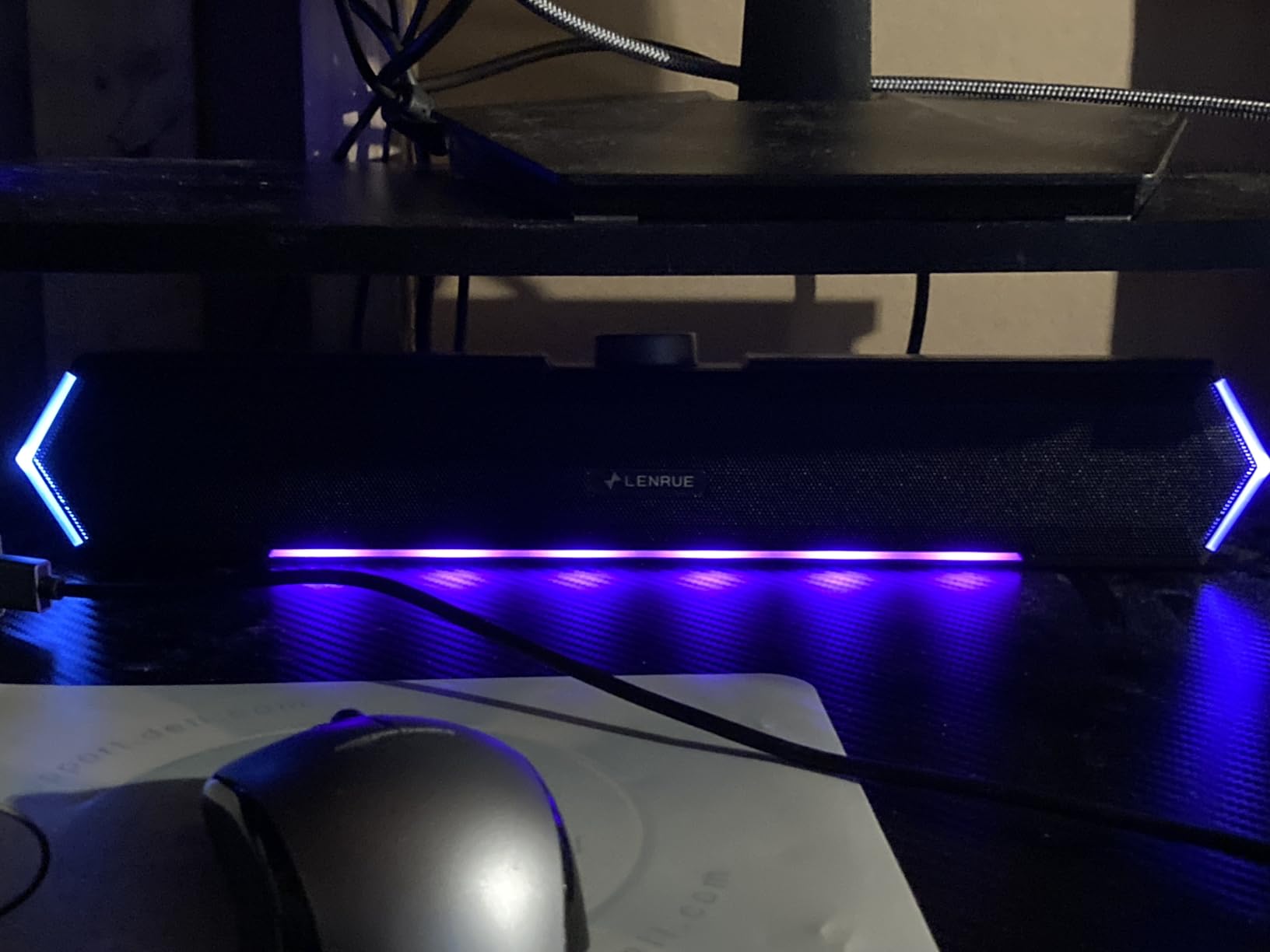
Lighting is handled by touch on the angular end panels. There is no physical light button, and no button at all is needed for power, since the single top knob handles volume and the unit is fed by USB.
Cables are glued rather than detachable, which keeps the desk tidy at the cost of any future flexibility. At 2.36 by 14.57 by 2.56 inches and 0.65 kg, it is the least intrusive object on this list.
The G11 suits minimal desks and laptop-first working
If your setup is built around a single monitor with nothing either side of it, two satellite speakers are awkward. A bar solves that, and the included USB-C adapter removes the usual argument about which port you have.
It is also a good background-music system: owners describe the sound as clear and distortion-free for video, calls, and casual listening.
The G11 trades away stereo separation, ports, and lighting reliability
Drivers 14.6 inches apart in a bar that sits under a screen give a wide but shallow soundstage, and there is no way to angle the two ends independently. With 5 watts there is also limited headroom once you want it loud.
Second, the lighting is an on-off touch control with an automatic colour cycle rather than a selectable mode, and owners report it failing after a few weeks. Finally there is no Bluetooth, no headphone jack, and no microphone, so switching to a phone means an adapter and private listening means unplugging.
What Powered Actually Means, and Why It Matters on a Desk?
A powered speaker, also called an active speaker, has its amplifier built into the cabinet. A passive speaker does not. This is the single most misunderstood term in the category, and it is the first word of the query that brings most people here, so it is worth being precise about it.
A passive speaker takes a line-level signal and does nothing with it except move air. It needs something else, usually a stereo amplifier or an AV receiver, to boost that signal to a level the driver can work with. A powered pair has that amplifier inside the active cabinet, often along with the crossover and tone controls, so it accepts a line-level signal from your PC directly.
For a desk this removes two things at once: the cost of an amplifier and the box plus cables it occupies. It also means your setup is one object. If you already own an amplifier, buy passive speakers instead. If you do not, which is the case for nearly every PC owner, powered is the only sensible starting point.
One consequence catches new buyers out. Because the amplifier is inside the speaker, the line input on a powered pair is a line-level input, not a speaker-level one. Connecting an external amplifier into it will not work, and a turntable with a built-in preamp can feed it directly, while a phono-only turntable needs a preamp in between. That matters if you are planning an LP player later, which is a common plan among the readers who ask us for advice.
The same vocabulary carries over to much larger systems, by the way. When the goal shifts from one desk to a room, the same powered-versus-passive distinction decides the purchase, and our guides to QSC powered speakers for DJs and Mackie powered speakers for small venues cover that end of the market.
How to Choose Powered Desktop Speakers
Six decisions account for almost every difference between the systems above. Work through them in order and the twelve products sort themselves into a much smaller shortlist.
1. Pick your footprint before anything else. Measure the usable width beside your monitor before you shop. Under 5 inches of depth per speaker rules out bookshelf cabinets like the Edifier R1280T and points you toward a compact 2.0 or a single bar. A 2.1 system needs somewhere to put the subwoofer, and the most common complaint in owner reviews is not the sound, it is where the sub ended up.
2. Decide between 2.0 and 2.1 honestly. A 2.0 pair is two full-range speakers with no dedicated low-frequency driver. A 2.1 adds a subwoofer that handles the bottom end, usually below about 100 Hz. Rule of thumb: if you sit within arm’s reach of the speakers and mostly listen to music and work, 2.0 is enough and the stereo image will be better for it. If you play games or watch films regularly, or your PC is more than a few feet away, you will want 2.1 or a 2.0 pair with a separate sub later.
3. Start with 2.0 if you can, and add a subwoofer afterwards. This is the upgrade path that works, and it is worth planning for even if you buy 2.1 on day one. Most subwoofers with their own amplifier accept a line-level feed and can sit alongside an existing pair, so you are not replacing the speakers when you chase more bass. The mistake is buying a small 2.0 pair, deciding it is too small, and concluding that speakers do not work for music.
4. Choose connectivity for the source you actually use. Analog 3.5mm is universal, cheap, and adds no meaningful latency, which makes it the safest choice for anything involving games. RCA gives a cleaner line signal over longer runs. USB audio through a built-in DAC avoids analog noise entirely and is worth having if your computer’s output is the main source. Bluetooth is the most convenient and the least predictable: the codec varies by pairing, and the reported latency on wireless desktop systems runs to tens of milliseconds, which you will feel on a competitive shooter.
5. Treat advertised wattage as a category label, not a measurement. Peak power is a momentary maximum and tells you very little. Continuous, or RMS, power is the figure that describes how hard a speaker can be driven all day, and it is the only one worth comparing. The gap between the two is where inflated claims live: a system advertising 200 watts peak may deliver a fraction of that continuously, which is exactly why the Logitech Z313 publishing 25 watts RMS is more informative than a larger number on a box would be.
6. Place them properly, because it costs nothing. Put the two speakers at the edges of the monitor, roughly level with your ears, and angle them inward so they form an equilateral triangle with your head. That triangle is the nearfield listening position, and keeping tweeters at ear height is worth more than any upgrade below this list. If the bass is thin, move the speakers closer to a rear wall, because a boundary reinforces low frequency. If they are too boomy, pull them forward onto stands or foam pads to decouple them from the desk.
One last practical note. Desk speakers at arm’s length expose flaws that headphones hide, which is a good thing, but it also means your ears hear more detail and more fatigue. Owners on specialist audio forums repeatedly single out low-volume clarity and long-session comfort as the deciding factor rather than maximum volume, and that is a better target for a daily system than raw output.
Frequently Asked Questions
What are the best powered desktop speakers?
The Edifier R1280T is the best all-round powered desktop speaker pair, with a 4-inch full-range driver, a 13mm silk dome tweeter, two analog inputs, side-panel tone controls, and a remote. The Creative Pebble 2.0 is the best value for a small desk, running from a single USB cable. The Logitech Z313 is the best budget upgrade when you want a subwoofer for games and films.
What is the best speaker for a desktop PC?
The best speaker for a desktop PC is the one that stays clear at low listening volume, because desk listening happens at arm’s length for hours rather than at party volume. The Edifier R1280T wins on that basis, with a 4-inch driver, a silk dome tweeter, and bass and treble controls that let you correct the balance for your room instead of living with it.
What are the best active desktop speakers?
Active and powered mean the same thing: the amplifier is built into the speaker cabinet, so no separate stereo amplifier is needed. Among active desktop speakers, the Sanyun SW208 is the most flexible, with Bluetooth 5.0, USB audio through a built-in 24-bit DAC, and a 3.5mm input. The Edifier R1280T is the best-sounding active pair for a permanent desk.
Do I need a subwoofer for a PC?
You need one if you play games, watch films, or listen more than a few feet from your speakers, since a compact 2.0 pair cannot move enough air to produce real low end. You do not need one for music at a desk, and a pair with a subwoofer on day one is not always the right call. Most powered systems can be paired with a separate subwoofer later, so starting with 2.0 is a safe route.
What is the 83% rule for speakers?
The 83% rule is an old speaker guideline tied to the Stribeck effect, the dip in output a driver shows as it is driven close to its resonant frequency. It is used when designing crossovers and matching subwoofers, not when picking a desktop speaker, so it matters to you mainly if you plan to add a separate subwoofer to a powered pair later.
Final Verdict on the Best Powered Speakers for Desktops
After working through all twelve, the Edifier R1280T remains the best powered speakers for desktops pick for a simple reason: it is the only one that covers every input and adjustment a normal PC owner will ever need, in a cabinet that still fits on a desk. Two analog inputs, real tone controls, and a remote, with no pairing and no external amplifier.
Pick something else when a specific constraint decides it. Tiny desk, USB-only, minimum fuss means the Creative Pebble 2.0. Games and films mean a subwoofer, so the Logitech Z313 for a modest system or the Klipsch ProMedia 2.1 for genuine weight. Windows shooters where direction matters more than tone mean the Logitech G560. And a single monitor with nothing either side of it means the LENRUE G11 bar, which uses less desk surface than anything else here.
Whichever you choose, spend five minutes on placement before you spend anything on tone controls. Speakers at ear level, angled inward, near a wall for bass, will outperform a more expensive pair pushed into the back corners of a desk. Our broader guides to powered bookshelf speakers and JBL powered speakers for larger rooms cover the next step up if your PC is not the only thing in the room.