
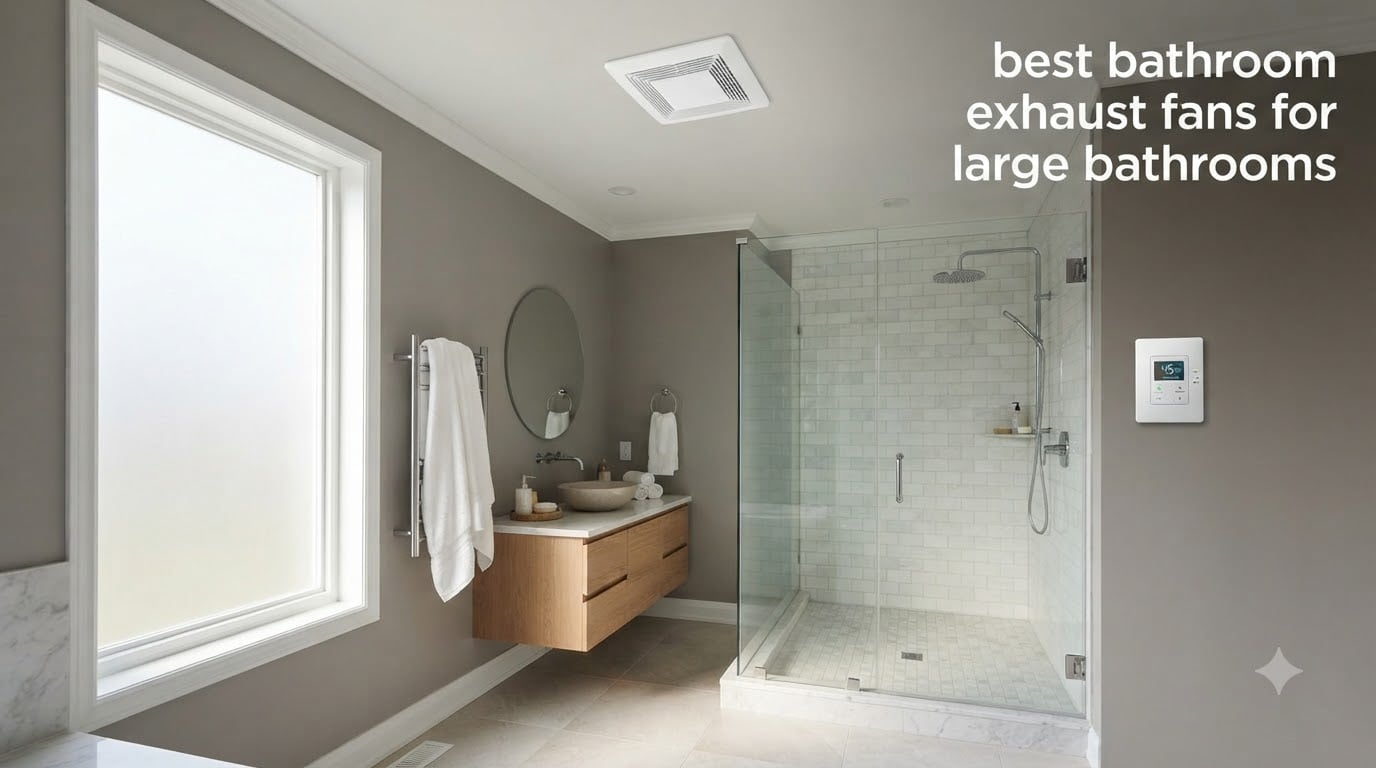
When I started looking for the best bathroom exhaust fans for large bathrooms, I quickly learned that the number on the box is only part of the story. A large room can still feel damp when the fan is undersized, the duct is restrictive, or the grille sits in a poor location.
This guide compares eight models with airflow from 110 to 300 CFM, noise ratings from under 0.3 to 2.0 sones, and different combinations of lighting, humidity sensing, continuous operation, and retrofit-friendly hardware.
I prioritize useful bathroom ventilation over marketing claims: enough CFM for the room, quiet operation you can tolerate, compatible ductwork, and controls that keep the fan running long enough to clear steam. Building codes and local requirements vary, so confirm electrical, duct, and bathroom-over-shower rules with your local authority before installation.
Table of Contents
Top 3 Picks for Large Bathrooms in 2026
Best Bathroom Exhaust Fans for Large Bathrooms in 2026
| Product | Specifications | Action |
|---|---|---|
 BV Bathroom Exhaust Fan 200 CFM BV Bathroom Exhaust Fan 200 CFM |
|
Check Latest Price |
 Panasonic WhisperFit Retrofit 110 CFM Panasonic WhisperFit Retrofit 110 CFM |
|
Check Latest Price |
 OREiN 3-in-1 Bathroom Exhaust Fan OREiN 3-in-1 Bathroom Exhaust Fan |
|
Check Latest Price |
 KAZE APPLIANCE SEP150 KAZE APPLIANCE SEP150 |
|
Check Latest Price |
 Panasonic WhisperCeiling 290 CFM Panasonic WhisperCeiling 290 CFM |
|
Check Latest Price |
 Broan-NuTone QTXE150 Broan-NuTone QTXE150 |
|
Check Latest Price |
 Delta BreezProfessional Pro300 Delta BreezProfessional Pro300 |
|
Check Latest Price |
| Panasonic FV-1115VQ1 |
|
Check Latest Price |
1. BV 200 CFM Bathroom Exhaust Fan — Maximum Airflow
- Strong airflow
- Room-side ceiling mount
- Stainless housing
- HVI 2100 and UL certifications
- Requires 6-inch duct
- Some users report noise variation
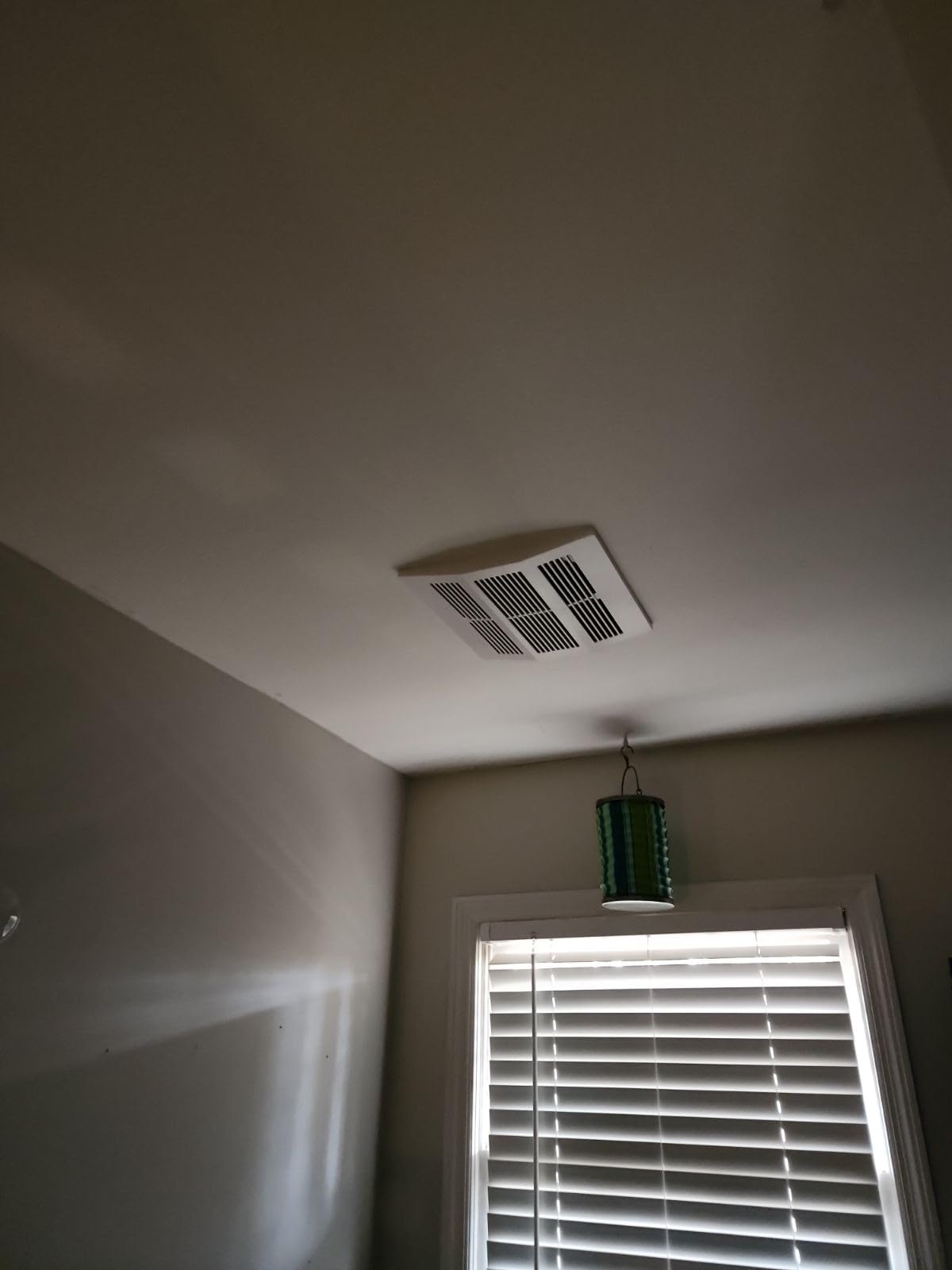
The BV is my pick when raw airflow matters more than a built-in light or a whisper-level sound rating. Its listed 200 CFM and 200-square-foot coverage make it a practical candidate for a large master bath with a separate toilet area or a shower that produces a lot of steam.
The 6-inch collar is a major planning point. If your home already has 4-inch duct, changing the full run is not always simple, and a reducer can reduce the effective airflow. I would measure the existing duct before choosing this model rather than assuming the grille size tells you what is behind it.
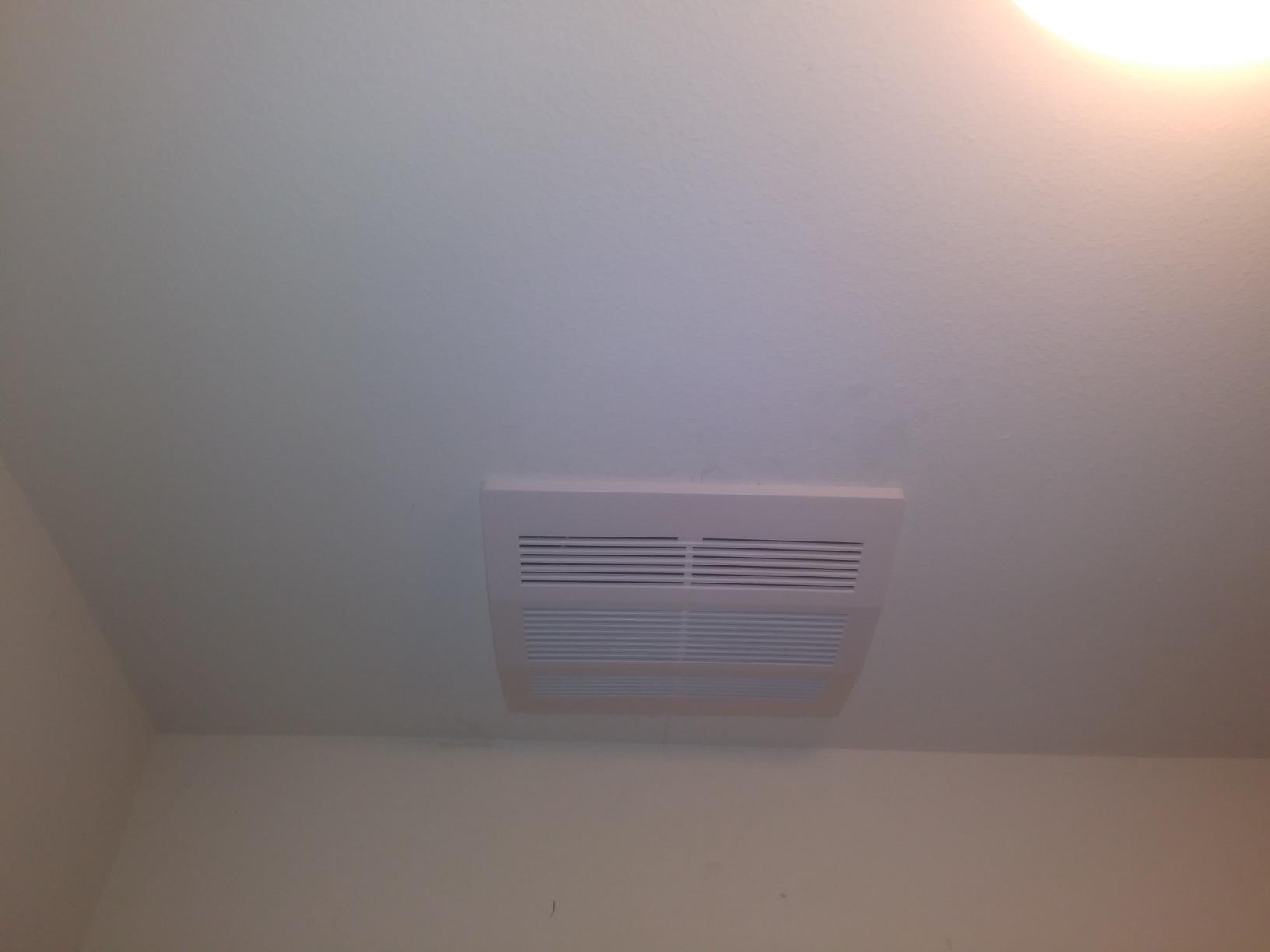
At 2.0 sones, it is not the quietest fan in this group, but the sound is still a meaningful improvement over many older high-volume fans. User feedback also points to strong steam removal and straightforward ceiling mounting, while a few buyers noticed inconsistent noise between units.
When the BV works best
Choose it for a roughly 100-to-200-square-foot bathroom with a 6-inch duct already in place. It is also a sensible option when the room has multiple moisture sources and you want a single fan to move a large volume of air.
Its 55-watt power draw and single-speed operation keep the feature list simple. That simplicity helps if you want strong ventilation without a humidity sensor, timer, or light built into the housing.
When to choose another model
Do not choose the BV if your existing duct is 3 or 4 inches unless you are prepared to modify the duct run. I would also avoid it in a bedroom-adjacent ceiling where 2.0 sones would be distracting.
For the quietest high-airflow choice, the Panasonic WhisperCeiling 290 CFM is stronger, but it is larger and more expensive. The BV earns its place by delivering 200 CFM at a more approachable tier.
2. Panasonic WhisperFit Retrofit 110 CFM — Best Quiet Retrofit
Panasonic WhisperFit Retrofit Ceiling Mount Bathroom Exhaust Fan, 50-80-110 CFM, FV-0511VF1
- Very quiet
- Selectable airflow
- Retrofit bracket
- Energy Star certified
- 4-inch duct preferred
- About a minute to full speed
- Instructions could be clearer
The WhisperFit is the most balanced retrofit pick in the roundup. I would use its 110 CFM setting for a large bathroom near the upper end of what this category commonly needs, then step down to 80 or 50 CFM when the room is smaller or the duct run is restrictive.
The 0.8-sone rating is the feature I notice most when comparing it with powerful fans. At 15 watts, the brushless DC motor is designed to move air efficiently, while SmartFlow technology helps the fan respond to changing pressure in the duct.
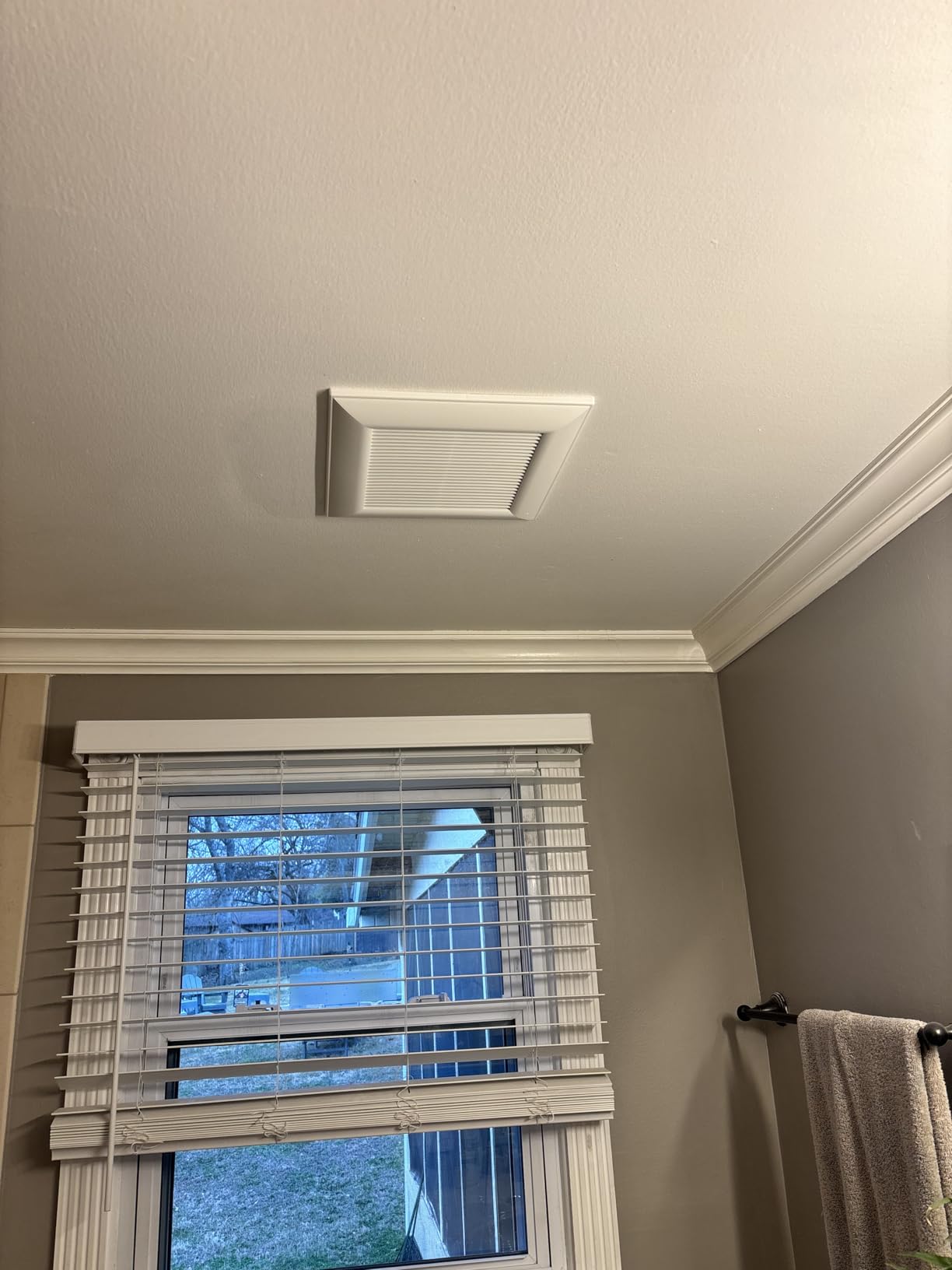
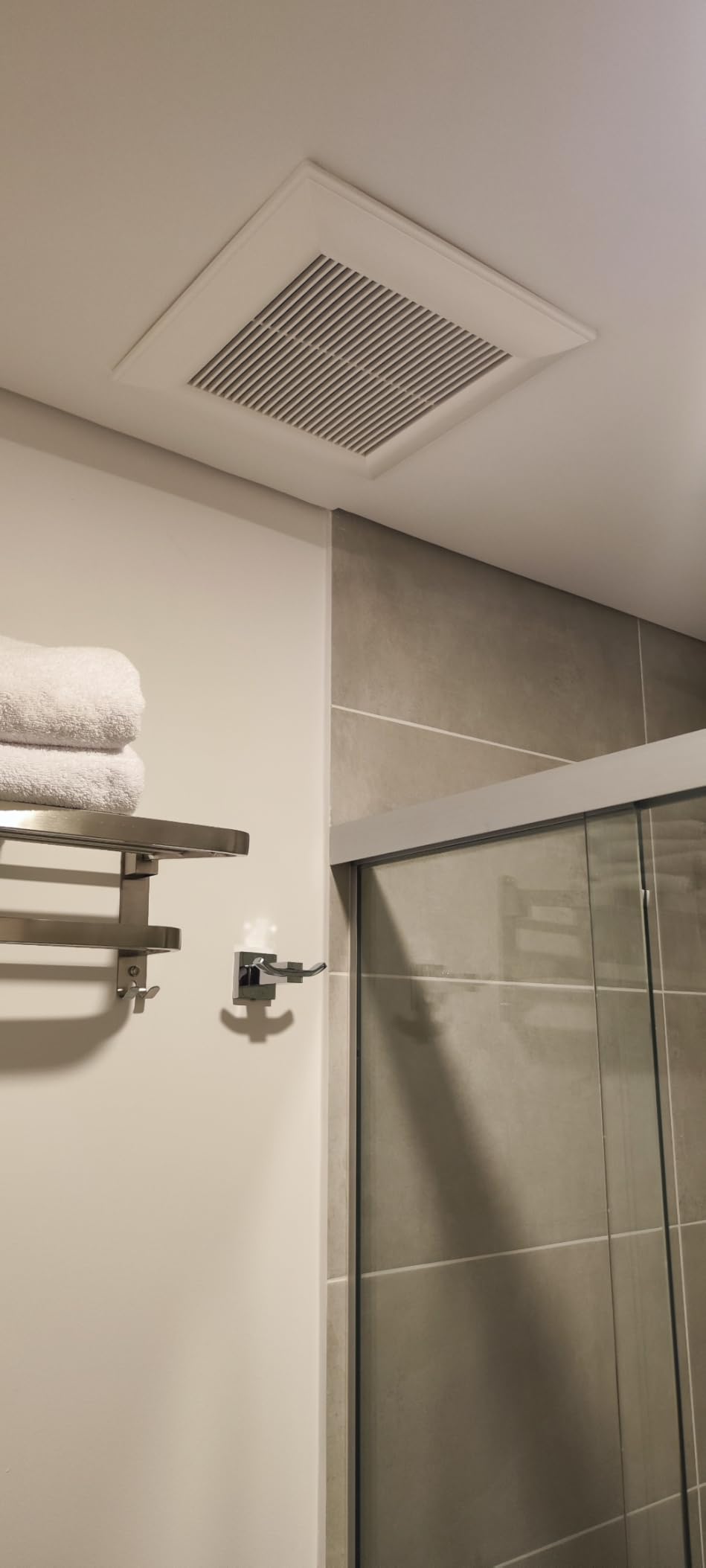
The 5-5/8-inch housing depth is helpful in 2×6 construction, and the Flex-Z Fast Bracket can make replacement work less disruptive. Panasonic includes a 4-to-3 adapter, but the best performance still comes with compatible 4-inch ductwork and a short, smooth route outdoors.
Why this retrofit stands out
Panasonic has a strong reputation in homeowner discussions for quiet, reliable ventilation, and this model’s 1,544 reviews give it more field history than most picks here. That is useful when a buyer is deciding between a familiar model and a newer fan with similar headline CFM.
I also like the three airflow settings because they let one product serve a changing household. Start at 80 CFM for ordinary use and move to 110 CFM for long showers or a room with limited natural ventilation.
What limits the WhisperFit
It is not the best answer for an enormous bathroom with several fixtures. For that job, move toward the 200-to-300 CFM models, or consider a properly sized inline fan and multiple grilles.
The motor takes roughly a minute to reach full speed according to user reports. That is not a defect for continuous ventilation, but it means a sensor-controlled setup may not clear a steam plume as quickly as a fan that starts at full power immediately.
3. OREiN 160 CFM 3-in-1 — Best Light and Sensor Package
- Fan
- light and night light
- Automatic humidity control
- Room-side installation
- Energy Star
- Sensor may run long
- Night light can be bright
- No dimmer or timer switch
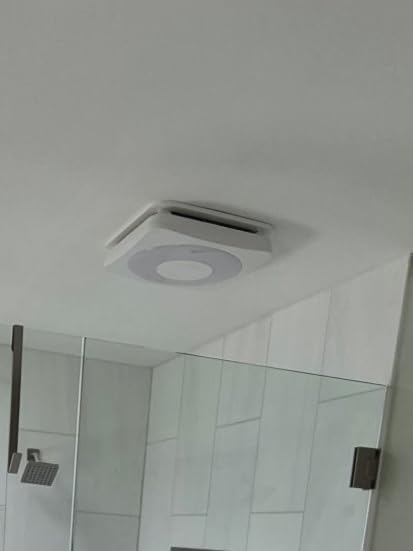
The OREiN is the best all-in-one choice for a large bathroom that needs ventilation, general lighting, and a soft night light. Its 160 CFM airflow sits in a useful middle ground, and the 1.0-sone rating keeps it quiet enough for a ceiling above a bedroom.
The 1500-lumen LED offers 3000K, 4000K, and 5000K color temperatures. A humidity sensor starts the fan at 60% relative humidity, which is valuable for people who forget to switch the fan on after a shower.
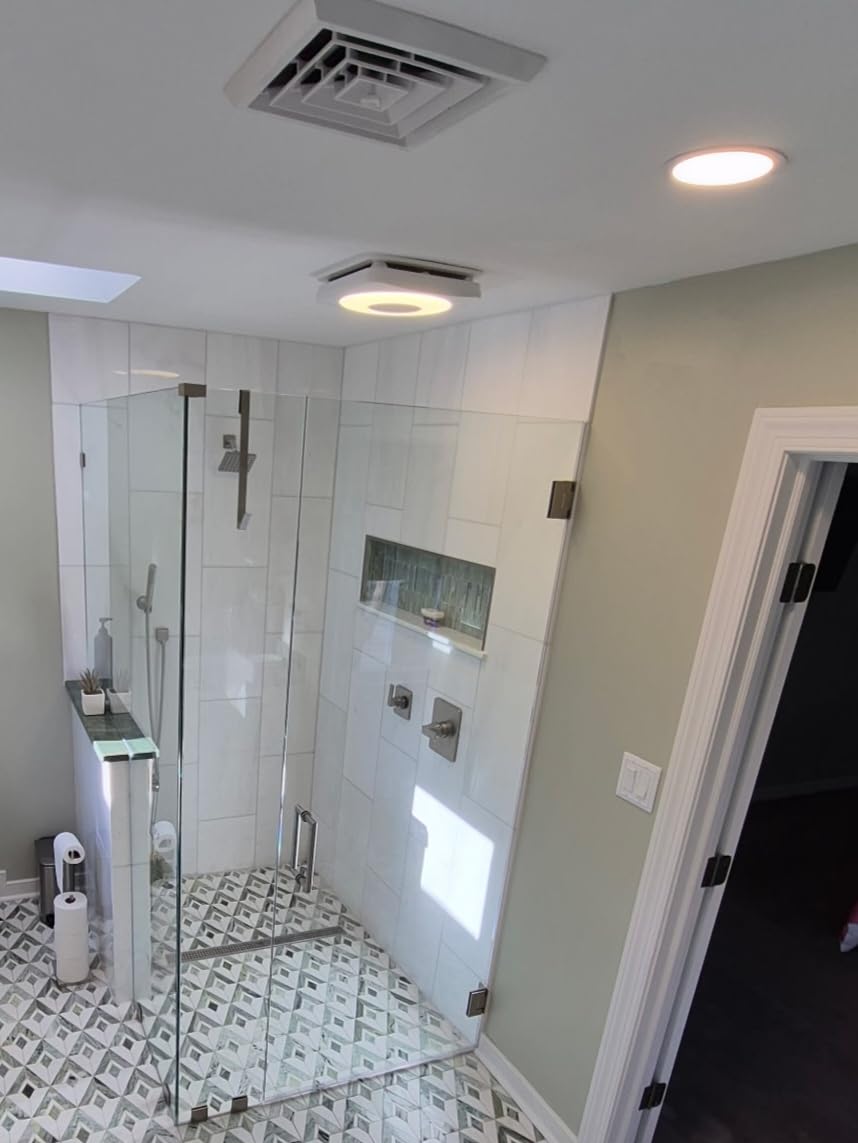
Room-side installation is another practical advantage. I would still have a professional inspect the wiring and ceiling opening, but the product is a better fit than a unit that requires attic access for every adjustment.
Who benefits from the 3-in-1 design
This model suits a remodel where the existing grille, light, and fan are being replaced together. It can reduce the number of separate ceiling fixtures while giving you a clear, bright main light and a lower-output night-light mode.
It is also a good fit for families with children or for anyone who wants automatic moisture control without a separate smart-home system. The fan’s Energy Star, HVI, ETL, and FCC certifications add useful baseline confidence.
Trade-offs to consider
Some users say the humidity sensor keeps the fan running longer than expected. If your bathroom is already close to the sensor threshold, test the room and adjust the placement or controls before assuming the fan is faulty.
The night light may be too bright for a sleep-oriented room, and the unit is not compatible with dimmer or timer switches according to the product data. Plan your wall control before installation.
4. KAZE APPLIANCE SEP150 150 CFM — Quietest Basic Option
- Very quiet
- 150 CFM airflow
- Removable duct with damper
- Sliding hanger bars
- Attic access required
- May need duct upgrade
- Ceiling opening may need work
The KAZE SEP150 makes a strong case when 150 CFM is enough and quiet operation is the priority. Its 0.5-sone rating is among the lowest in the group, while the 150 CFM output should cover many large bathrooms without the bulk of a 290 or 300 CFM unit.
The fan uses a metal housing, a removable 6-inch duct, and a backdraft damper. Sliding hanger bars span up to 24 inches, which helps during attic installation, but they do not eliminate the need to work above the ceiling.
Where the SEP150 makes sense
Choose it for a 100-to-150-square-foot room with accessible attic space and an existing route for 6-inch duct. The low noise rating is especially helpful when the bathroom is directly below a bedroom or nursery.
I would also consider it for a replacement project where the ceiling opening is close to the listed size. The opening specification matters because a mismatch can turn a straightforward swap into drywall and framing work.
Where it falls short
The 6-inch requirement can be a problem in older homes with 3-inch duct. A reducer may fit, but it creates more resistance and can reduce the airflow you actually receive at the grille.
With 98 reviews, the model has less field history than the Panasonic and Broan-NuTone picks. Its value is still attractive, but I would pair the purchase with careful duct and framing checks.
5. Panasonic WhisperCeiling 290 CFM — Best for Extra-Large Rooms
- Very high airflow
- Rust-resistant housing
- Built-in damper
- Detachable motor assembly
- Large and heavy
- 2.0 sones
- May need 6-to-4 reducer
- Framing may be required
The WhisperCeiling 290 CFM is the right kind of power for an extra-large bathroom, a bathroom with a separate tub and shower, or a room where one fan must handle several moisture sources. It is overkill for a small room, but that is not a criticism when the room genuinely needs the airflow.
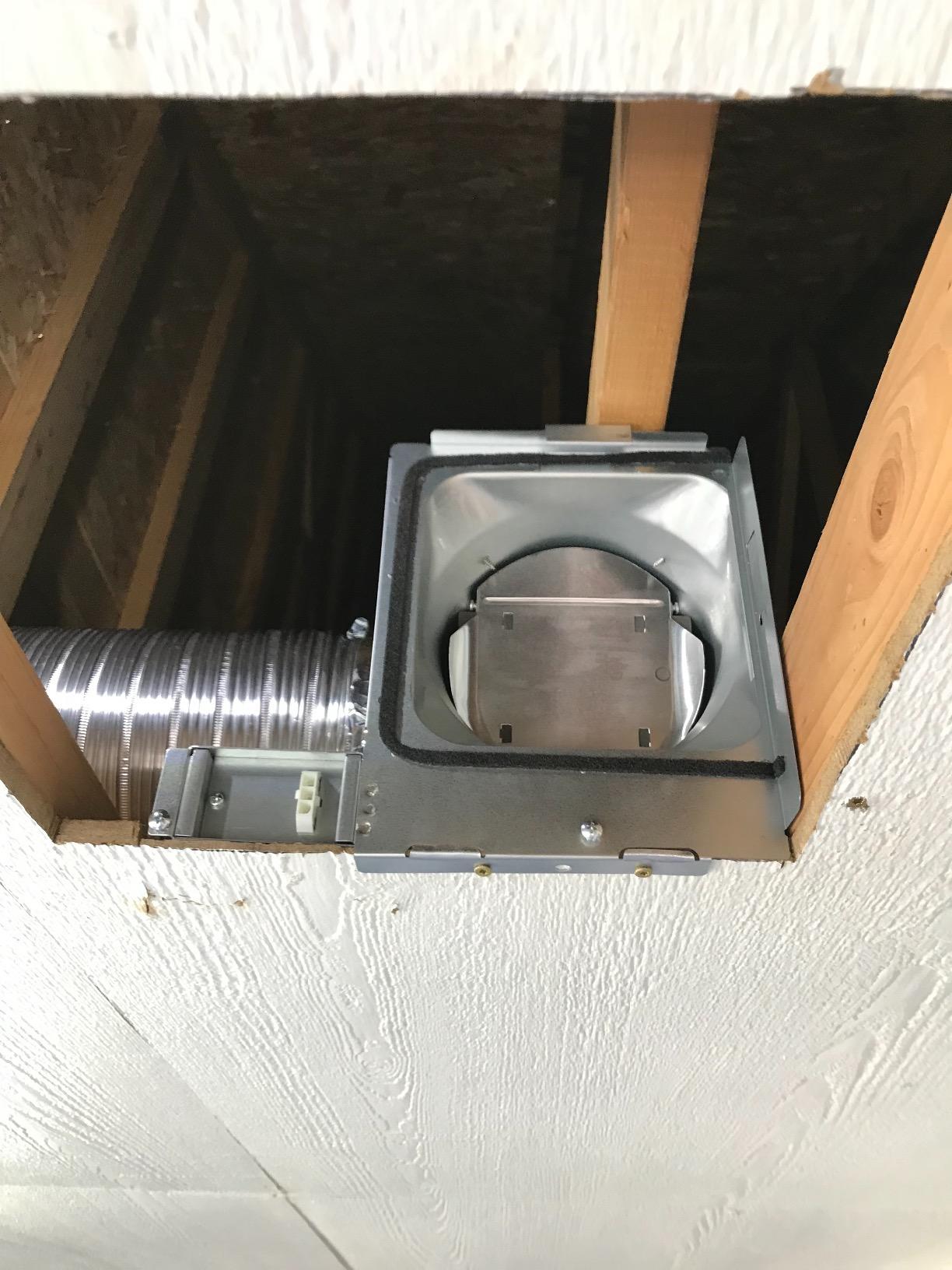
The galvanized steel housing, built-in damper, and detachable fan-and-motor assembly make the unit feel built for service access. It is designed around 2×8 construction and uses a 6-inch duct, so installation should be planned around the structure rather than the grille alone.
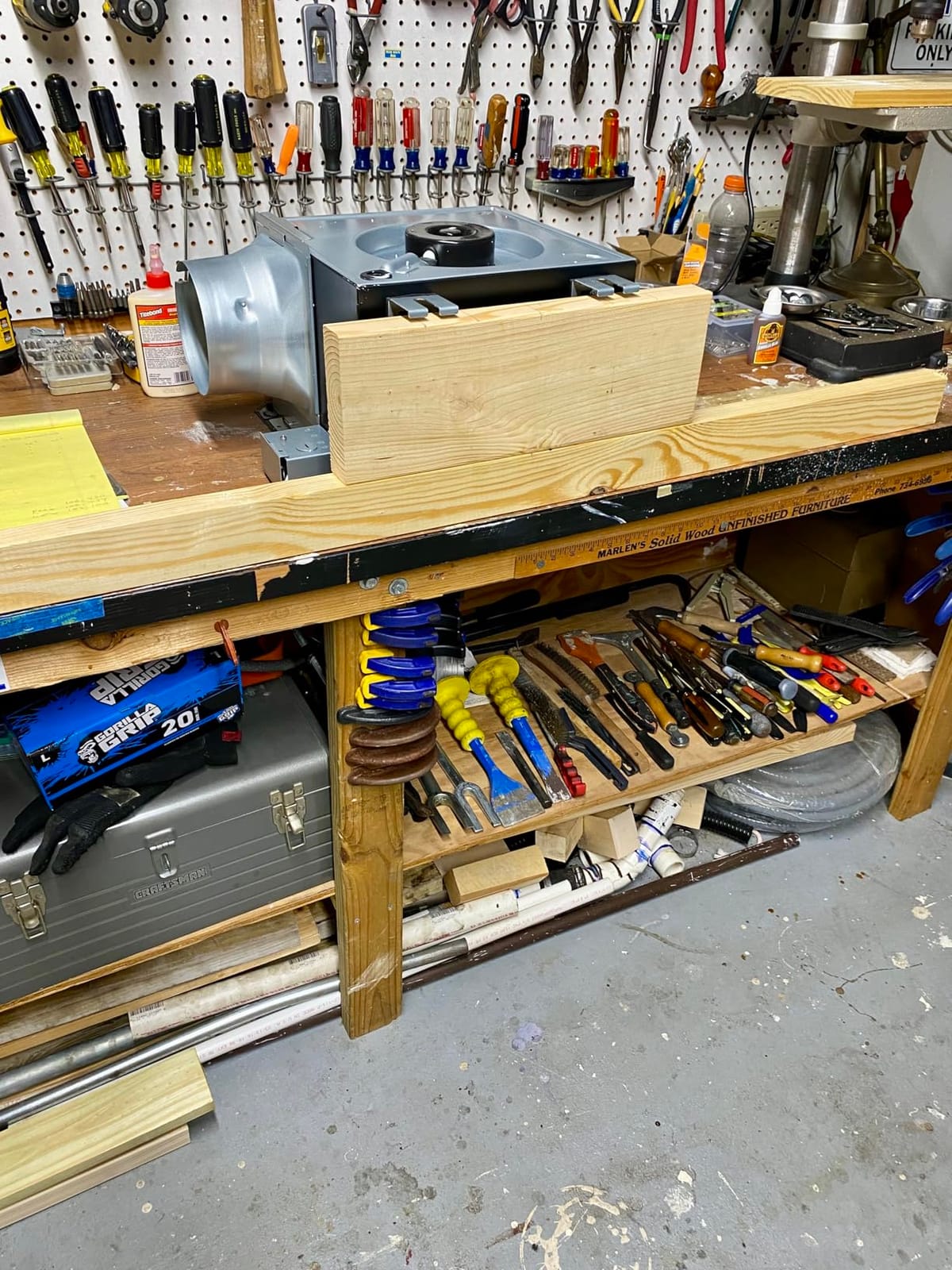
At 2.0 sones, it is audible at high output, yet the motor is quieter than many older high-volume fans. User feedback emphasizes steam and odor removal and professional-grade construction more than absolute silence.
Why choose 290 CFM
A 12×12 bathroom is 144 square feet, but square footage is only the beginning. Vaulted ceilings, a soaking tub, a long shower, poor makeup air, and a long duct run can all make the room harder to ventilate than its floor area suggests.
This model is most appropriate when you have confirmed the duct can support the airflow. A 6-to-4-inch reducer may appear convenient, but it can increase static pressure and make the advertised CFM less useful.
Why not choose it
Skip it for a compact half-bath where a 50-to-110 CFM model already provides adequate air changes. The extra airflow can create drafts and unnecessary noise.
Installation complexity is the other reason to pause. I would not frame a ceiling around a 290 CFM fan until the joist depth, duct route, electrical supply, and exterior termination are all confirmed.
6. Broan-NuTone QTXE150 — Best Traditional Installation
- Quiet for 150 CFM
- Continuous operation
- Energy Star certified
- UL listed over shower
- Retrofit may require modification
- Some seller model errors
- Damper can arrive damaged
The Broan-NuTone QTXE150 is a solid traditional choice for a new installation or a remodel with 2×8 construction and 6-inch ducting. Its 150 CFM airflow is enough for many large bathrooms, and 1.4 sones keeps the sound profile controlled.
It is Energy Star certified, paintable, and capable of continuous operation. The product is also UL listed for use over a bathtub or shower when installed on a GFCI-protected circuit, subject to the product instructions and local code.
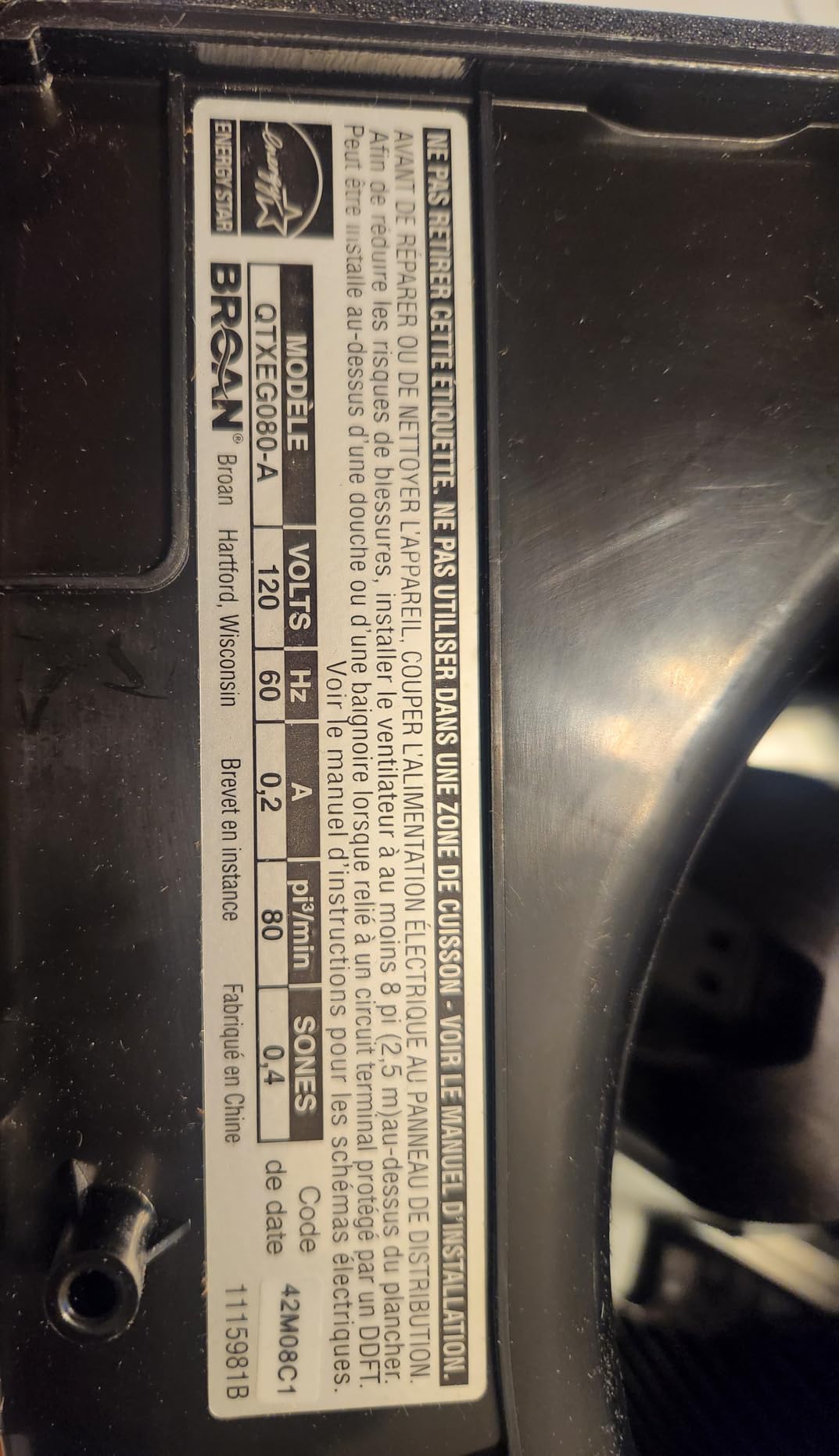
Customer feedback is positive about humidity removal and quiet performance, but there are reports of sellers sending an 80 CFM model instead of the advertised 150 CFM version. I would verify the model number and grille before accepting a shipment.
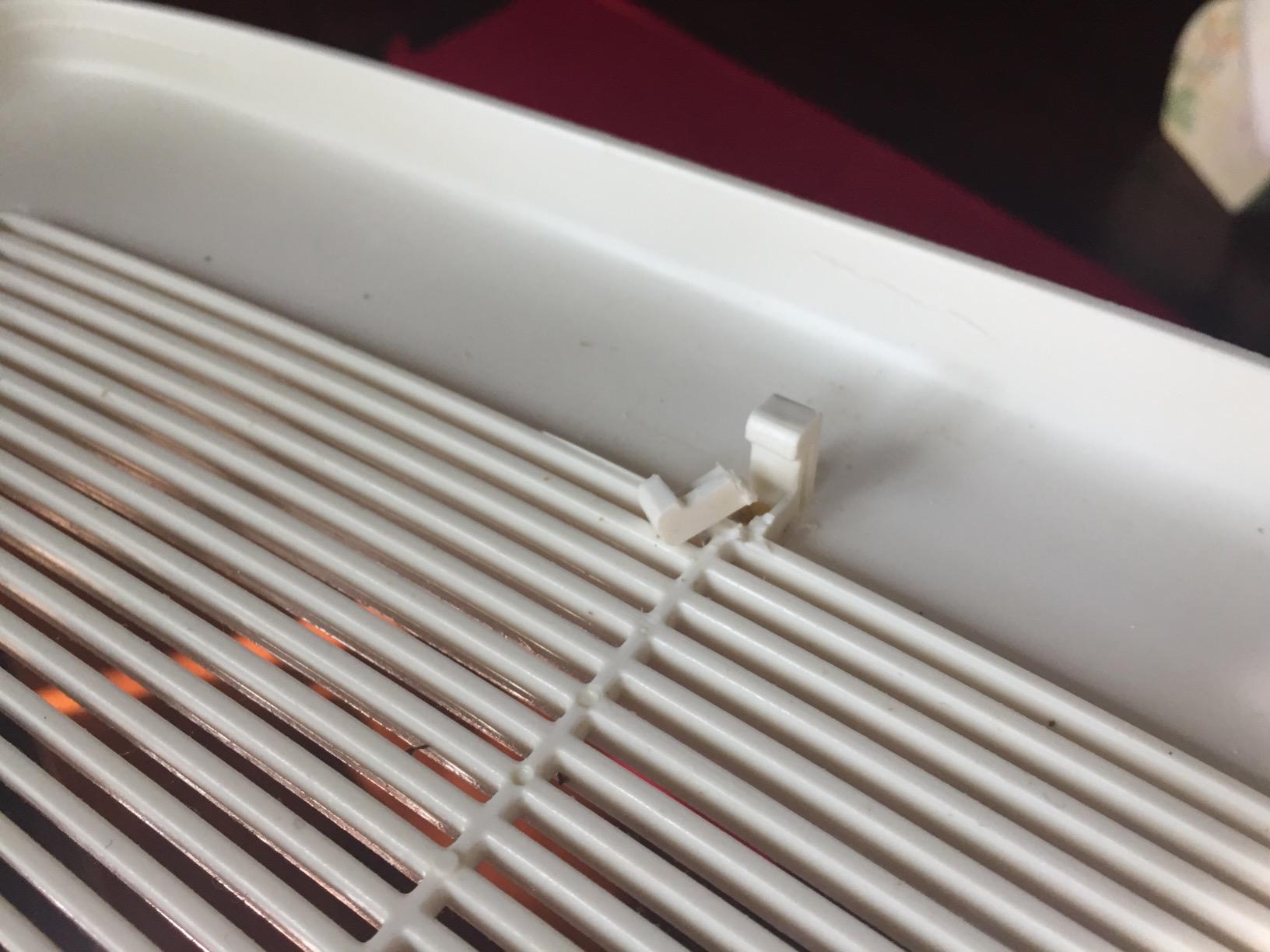
Best-fit rooms and projects
This is a good fit for a room up to about 140 square feet when you want a straightforward ceiling fan rather than a smart or multi-function fixture. The continuous-operation rating also makes it relevant for a bathroom used frequently throughout the day.
Broan-NuTone is a familiar name in residential ventilation, and the fan’s 122 reviews support a reasonable middle ground between an established Panasonic model and a newer KAZE offering.
Installation cautions
It is not the easiest retrofit when the existing opening and duct are substantially smaller. Check the 2×8 construction requirement and the 6-inch duct diameter before ordering.
Inspect the backflow preventer on arrival. A damaged damper can allow reverse airflow, odors, or cold air into the room, and that is a small part to check before the fan is installed above the ceiling.
7. Delta BreezProfessional Pro300 — Best Continuous-Run Power
breez Delta BreezProfessional Pro300, 300 CFM Bathroom Exhaust Bath Fan
- Highest airflow
- Brushless DC motor
- Energy Star qualified
- Continuous operation
- Large housing
- Additional framing support
- Not the quietest option
The Delta BreezProfessional Pro300 is the airflow leader in this group at 300 CFM. I would reserve it for a genuinely large bathroom, a room with multiple high-moisture fixtures, or a project where a fan needs to run for long periods without being turned off.
Its brushless DC motor and listed 7.3 CFM per watt make it more efficient than its power level might suggest. The green LED indicator is simple, and the continuous-running rating is useful in bathrooms that need background ventilation.
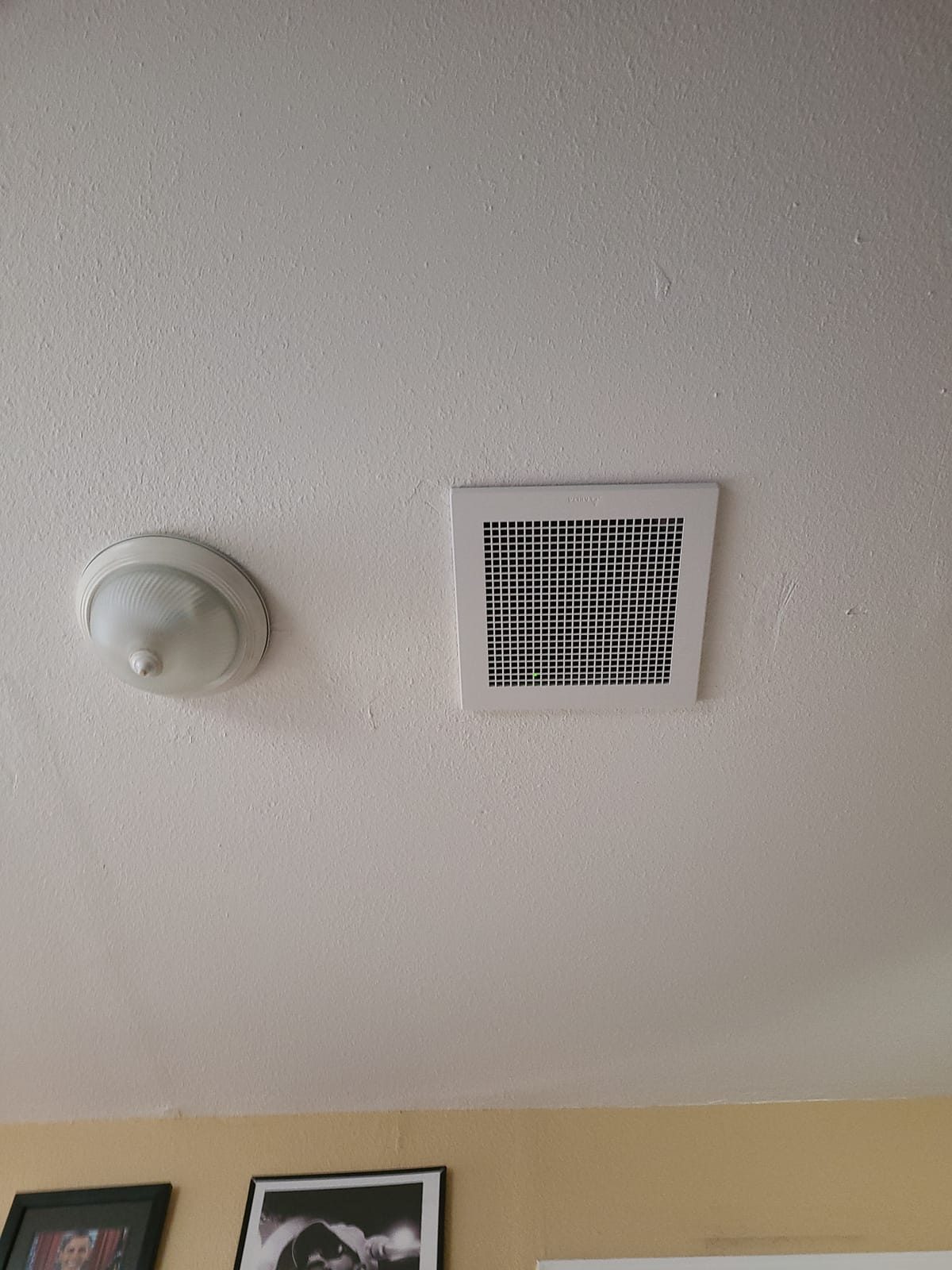
The tradeoff is physical size. The 15.4-pound housing may need additional framing support, and a large room with a short, straight duct run is a better installation than a small room with a long, restrictive duct.
Why continuous operation matters
A fan that runs continuously can control ordinary humidity before a shower becomes a visible cloud. It can also reduce the chance that a user forgets to activate the fan, which is one reason homeowners praise automatic and continuous controls.
Continuous operation does not mean unlimited airflow. Duct size, bends, insulation, exterior caps, and static pressure all affect what reaches the room, so the 300 CFM figure is a rated capacity rather than a promise at every register.
What to watch
At 2.0 sones, this is not the right fan for a quiet bedroom ceiling. Its size and support needs also make it a poorer choice for a quick retrofit.
If you need less noise and a smaller housing, the Panasonic 290 CFM model is the closest airflow alternative. If you need a smaller room solution, the WhisperFit 110 CFM will be easier to place and likely less expensive to operate.
8. Panasonic FV-1115VQ1 WhisperCeiling DC — Best Adjustable Quiet Pick
- Near-silent rated operation
- Pick-A-Flow adjustment
- 11.8-watt ECM motor
- Six-year motor warranty
- Reliability concerns reported
- Highest setting can be audible
- Support may be difficult
The Panasonic FV-1115VQ1 is my quietest adjustable pick. Its three settings let you choose 110, 130, or 150 CFM, and the under-0.3-sone rating is especially attractive for a large master bath where a fan running overhead would otherwise be distracting.
The 11.8-watt ECM motor combines quiet operation with useful energy efficiency. Pick-A-Flow gives you room to adapt after installation instead of locking the bathroom into one airflow level.
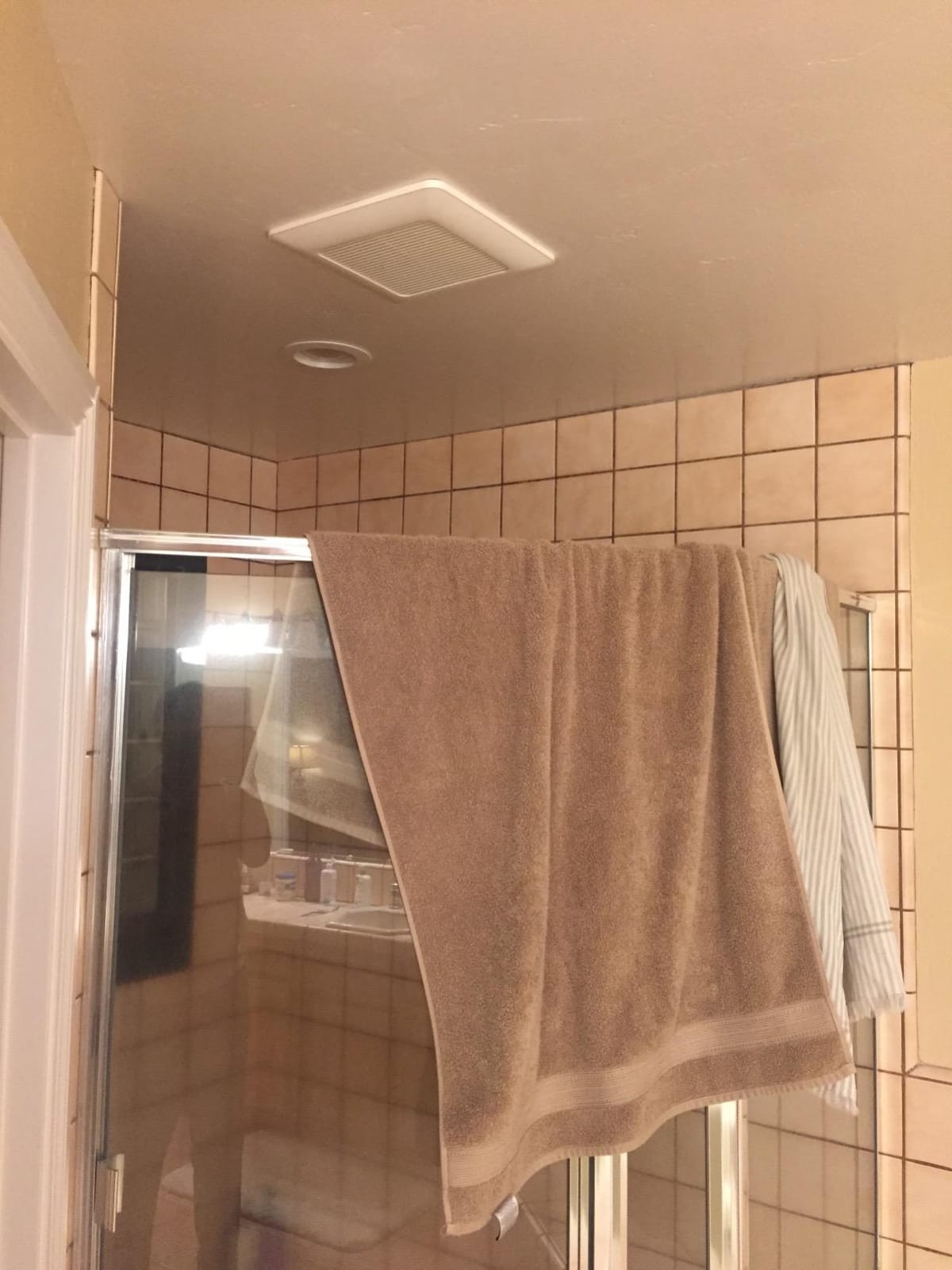
It comes with a Flex-Z fast installation bracket and a 6-inch duct adapter. I would still confirm the joist depth, because the housing is 7-3/8 inches deep and the bracket simplifies placement rather than changing the structure around it.
Why the adjustable settings matter
Airflow needs can change with season, room use, and duct conditions. I would start at 110 CFM, then increase to 130 or 150 CFM if the mirror remains fogged or humidity lingers after showers.
This is a better long-term approach than automatically choosing the largest fan. The lowest setting can handle routine ventilation quietly, while the highest setting is available when the room needs more air movement.
What to investigate before buying
Some user reviews raise concerns about long-term reliability and warranty support. That does not override the model’s strong engineering, but it makes keeping the receipt and confirming the seller important.
At the highest speed, a few users find it louder than expected. Treat the under-0.3-sone figure as a low-noise specification, not a guarantee that every installation will be silent.
Buying Guide: How to Choose a Bathroom Exhaust Fan for a Large Bathroom?
Calculate airflow from room volume and moisture load
CFM means cubic feet per minute, the amount of air a fan moves each minute. A simple starting method is to calculate room volume by multiplying length, width, and ceiling height, then choose enough airflow to exchange the room’s air at a practical rate.
For a 12×12 bathroom with an 8-foot ceiling, the room volume is 1,152 cubic feet. A fan in the roughly 110-to-150 CFM range is a common starting point, but a vaulted ceiling, multiple fixtures, or heavy steam production can justify 160 CFM or more.
Forum users often ask whether 140 CFM is enough for an 8×20 bathroom. That room is 160 square feet, and the right answer depends on height, duct resistance, and how much moisture the fixtures generate; I would not pick CFM from floor area alone.
Use sone ratings to protect comfort
A sone is a perceived loudness measurement, not simply a decibel number. Lower is quieter, and many buyers find a fan below 1.5 sones comfortable for a bathroom used as a bedroom-adjacent space.
Quiet operation matters because a powerful fan does little good if people avoid turning it on. The KAZE SEP150 and Panasonic FV-1115VQ1 are the quietest rated choices here, while the BV, Panasonic 290 CFM, and Delta Pro300 prioritize higher airflow.
Check the duct before trusting the CFM number
Duct size and route can reduce effective airflow. A 4-inch duct, 6-inch duct, long run, sharp elbows, flexible duct, and a restrictive exterior cap all create resistance that a fan must work against.
For a high-CFM model, use the manufacturer’s recommended duct size whenever possible. I would avoid silently reducing a 6-inch fan to 4 inches because the grille is easier to connect; a smooth, properly sized route is more useful than a quick adapter.
Makeup air is another practical issue. A tightly sealed house may need a transfer path or another ventilation strategy so the fan does not pull air through gaps while struggling to exhaust the bathroom.
Choose the controls that match your routine
Humidity sensors start or increase ventilation when relative humidity rises, while a timer can keep the fan running after a shower. Continuous-run models are useful for busy bathrooms and for people who may forget a wall switch.
The OREiN combines a 60% humidity trigger, LED light, and night light, but its sensor behavior and dimmer limitations deserve attention. If you prefer predictable operation, a simple switch or dedicated timer may be easier to manage.
Plan installation and maintenance
Confirm joist depth, ceiling opening, electrical supply, GFCI requirements, and whether the unit may be installed over a shower. A 2×6 retrofit, a 2×8 new installation, and an attic installation do not describe the same job.
Clean the grille and check the damper periodically, and replace a fan that has become noisy, rattles, or leaves persistent moisture. Homeowner discussions consistently recommend running a fan for 15 to 20 minutes after showering, but runtime should follow the room’s moisture level and the product instructions.
Building codes differ by location, and a permit may be required for electrical or duct changes. I would ask a licensed electrician or HVAC professional when the fan is over a shower, the circuit is uncertain, or the duct route crosses fire-rated construction.
Which model should you buy?
For a 12×12 bathroom, start with 110 to 150 CFM and keep the sone rating below 1.5 if quietness is important. For a larger room, long shower, or multiple fixtures, compare 160 to 300 CFM only after checking the duct.
The Panasonic WhisperFit is my retrofit choice, the OREiN is my light-and-sensor choice, the BV is my value airflow choice, and the Delta Pro300 is my high-volume continuous-run choice.
Frequently Asked Questions
What is the best exhaust fan for a large bathroom?
The best fan depends on room size, ceiling height, duct resistance, and noise tolerance. A 110-to-150 CFM fan is a common starting point for a 12×12 bathroom, while 160 to 300 CFM suits larger rooms or multiple moisture sources.
How many CFM do I need for a 12×12 bathroom?
A 12×12 bathroom with an 8-foot ceiling contains 1,152 cubic feet. About 110 to 150 CFM is a practical starting range, but add airflow for a vaulted ceiling, long shower, multiple fixtures, or a restrictive duct.
What is considered a powerful bathroom exhaust fan?
A fan around 150 CFM is powerful for many large bathrooms, while 200 to 300 CFM is high-capacity airflow for extra-large rooms, multiple fixtures, or difficult duct runs. Effective airflow still depends on the duct and installation.
Is it okay to oversize a bathroom exhaust fan?
A slightly larger fan can be useful when the duct and room support it, but excessive CFM can create drafts, noise, and wasted energy in a small bathroom. Choose for the room’s volume and moisture load, not the largest number available.
Is 110 CFM too much for a small bathroom?
It can be more airflow than a small bathroom needs, and it may be audible or create drafts. A smaller setting or a lower-CFM model is usually more comfortable when the room has modest moisture needs.
What is the highest CFM bathroom exhaust fan with a light?
Among these products, the OREiN combines 160 CFM with a 1,500-lumen LED and a humidity sensor. A higher-CFM fan may require a larger housing, stronger duct, and more installation space.
Conclusion
The best bathroom exhaust fans for large bathrooms are not simply the models with the biggest CFM. The right choice is the one that matches the room’s volume, the shower’s moisture load, the duct’s resistance, and the noise level your household will accept.
I would choose the Panasonic WhisperFit for a quiet retrofit, the OREiN for automatic humidity control plus lighting, the BV for strong value, the KAZE for very quiet 150 CFM airflow, and the Delta Pro300 when 300 CFM and continuous operation are justified.
Before ordering, measure the existing duct and ceiling opening, confirm the joist depth, and decide whether a sensor, timer, or continuous run fits your routine. That small planning step helps make sure the fan you buy moves useful air in 2026, not just air in theory.