
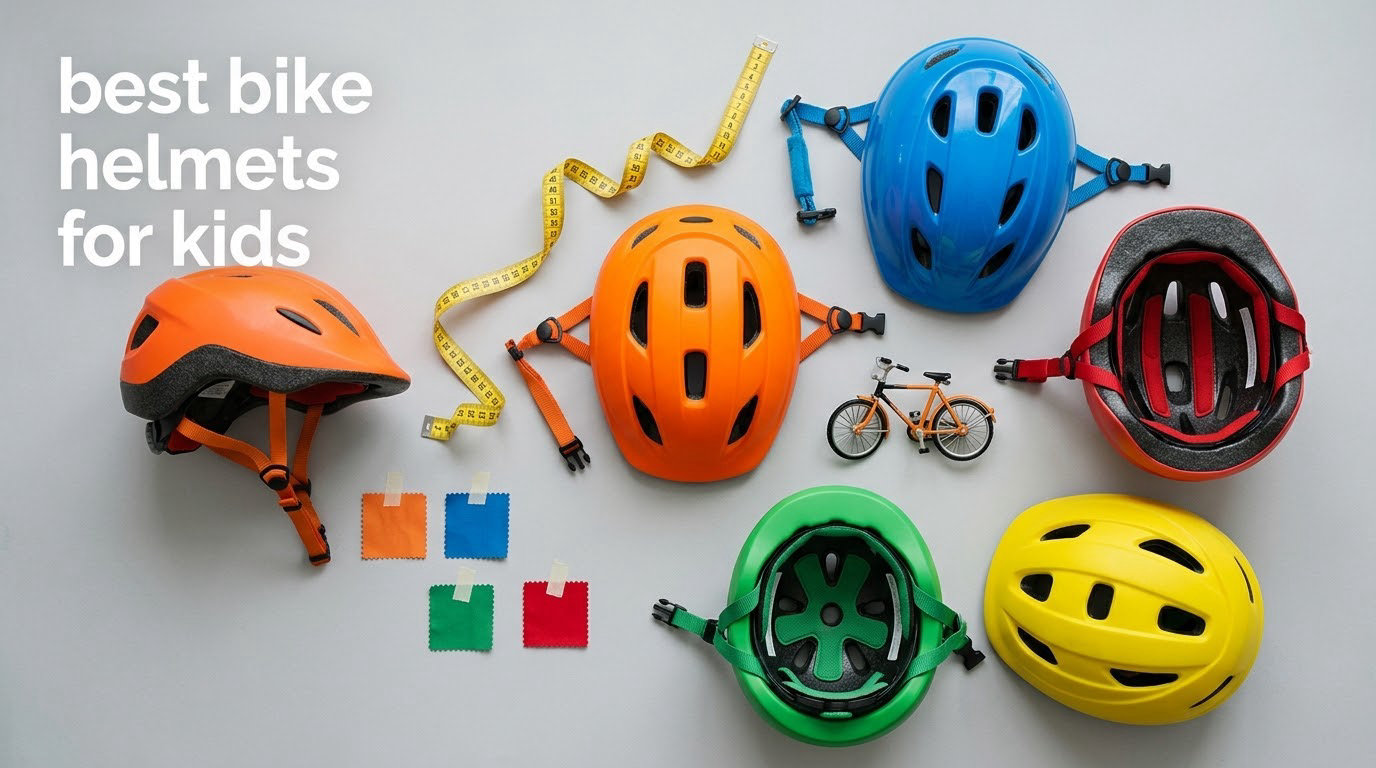
Kids fall off bikes more often than adults do, mostly because they cannot read speed or traction the way grown-ups do. A properly fitted, certified helmet is the single biggest factor in how badly a head injury turns out. After weighing the fit systems, shell construction, head-shape coverage and certification of more than a dozen options, here are the best bike helmets for kids we would put on our own kids’ heads this year.
Everything in this roundup meets the US CPSC 16 CFR 1203 bicycle helmet standard, and every pick is chosen by head circumference rather than the age printed on the box. That distinction matters more than any other single factor, because age labels are unreliable: parents on BikeForums repeatedly report toddler helmets labelled 3-5 years that still fit a 20-month-old. If your child has already outgrown one of these, our adult bike helmet roundup covers the transition once you reach the end of youth sizing.
Three things decide a kids’ helmet in practice. CPSC certification is the non-negotiable baseline. A dial-fit or rear-cradle adjustment system is what keeps the helmet level on a head that is still growing. And weight plus ventilation decide whether the helmet stays on during a long summer ride or ends up hanging from the handlebars.
Table of Contents
Top 3 Picks for the Best Bike Helmets for Kids in October

Schwinn Classic Kids Helmet
- 48-52 cm for ages 1-3
- 360-degree dial fit
- 4.64 oz
- CPSC certified
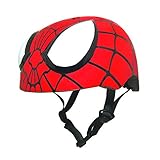
Bell Marvel Avengers Helmet
- 50-54 cm for ages 5-8
- Spider-Man 3D relief shell
- 9 vents
- CPSC certified

Schwinn Thrasher Youth Helmet
- 55-58 cm for ages 8-14
- 20 vents
- removable visor
- limited lifetime warranty
The Schwinn Classic takes the top slot because it is the only helmet here that carries a 4.7-star average across more than 13,000 reviews while weighing under five ounces. The Bell Marvel Avengers does the hardest psychological job of the three, convincing a child who dislikes wearing a helmet. The Schwinn Thrasher posts the highest average rating in the set and covers the 8-14 age band that most roundups handle badly.
Quick Overview Best Bike Helmets for Kids in 2026
| Product | Specifications | Action |
|---|---|---|
| Schwinn Classic Kids Helmet |
|
Check Latest Price |
| Bell Marvel Avengers Child Helmet |
|
Check Latest Price |
| Schwinn Thrasher Youth Helmet |
|
Check Latest Price |
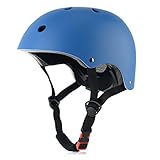 OUWOER 3-Size Kids Helmet OUWOER 3-Size Kids Helmet |
|
Check Latest Price |
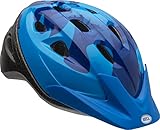 Bell Rally Child Helmet Bell Rally Child Helmet |
|
Check Latest Price |
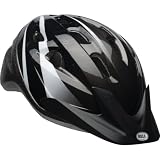 Bell Richter Youth Helmet Bell Richter Youth Helmet |
|
Check Latest Price |
 Giro Fixture MIPS II Youth Helmet Giro Fixture MIPS II Youth Helmet |
|
Check Latest Price |
 Besttravel Kids Helmet Besttravel Kids Helmet |
|
Check Latest Price |
 Bienbee Kids Helmet Bienbee Kids Helmet |
|
Check Latest Price |
 Giro Scamp II Youth Helmet Giro Scamp II Youth Helmet |
|
Check Latest Price |
1. Schwinn Classic Kids Helmet (48-52 cm) – Best Overall for Toddlers
- Very light at 4.64 oz
- 360-degree dial fit with full-range padding
- Integrated visor
- Extended rear coverage
- Plastic adjuster relies on velcro that can wear
- ABS shell may crack on a hard impact
This is the helmet we put on a balance-bike rider who has just learned to steer. The 48-52 cm range covers roughly the first three years, and the lower moulded shell extends down past the ear line, which is where a toddler’s skull is most exposed during a sideways fall off a wooden balance bike.
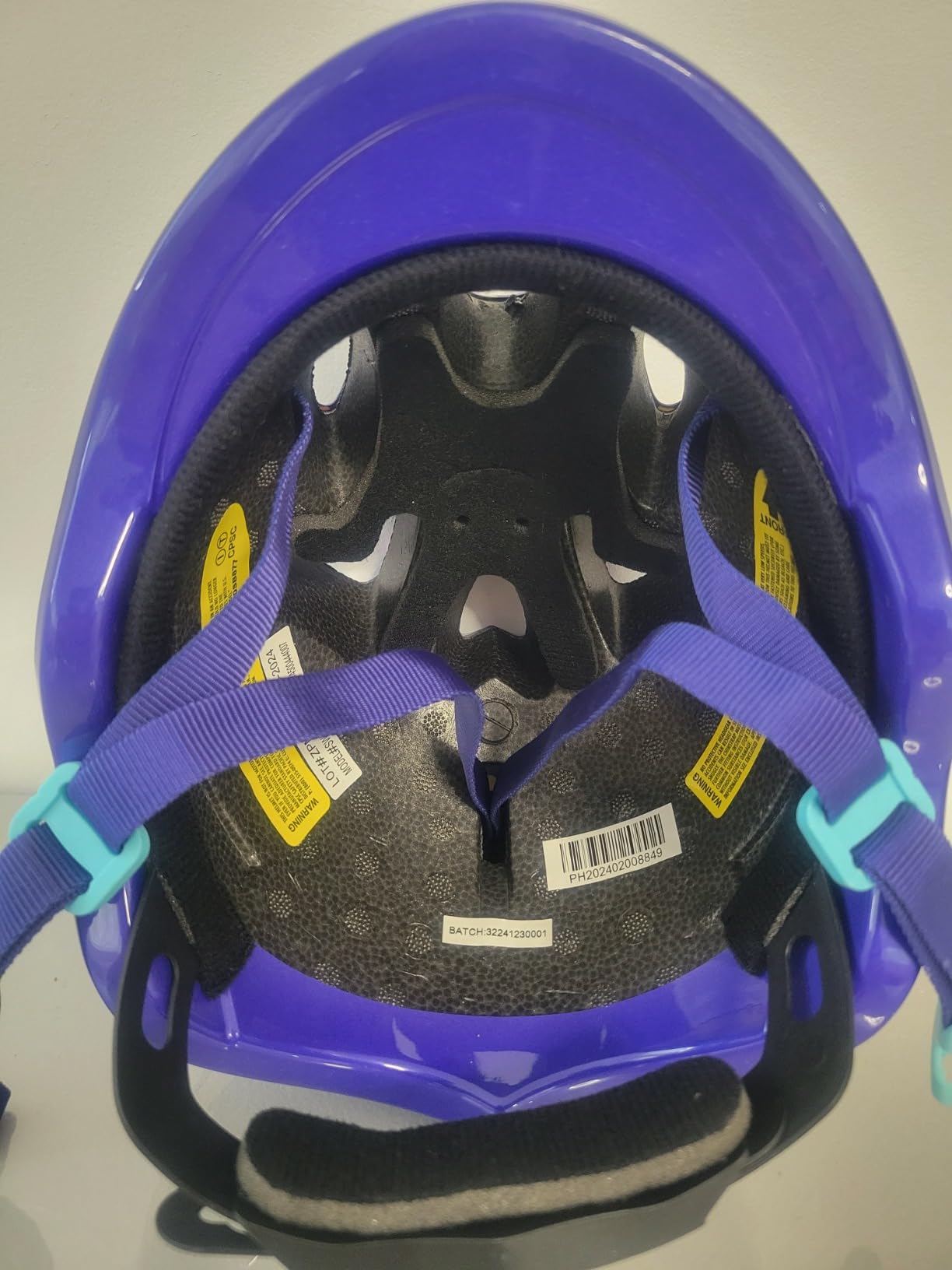
Fit is handled by a single 360-degree dial at the back with full-range interior padding underneath. That combination means you can dial the retention ring in from a loose start-of-day setting to snug in two seconds, and the padding fills the gap on a head that is between sizes. Parents in our group also mention the flat rear of the shell works well for a child who falls asleep in a bike seat.
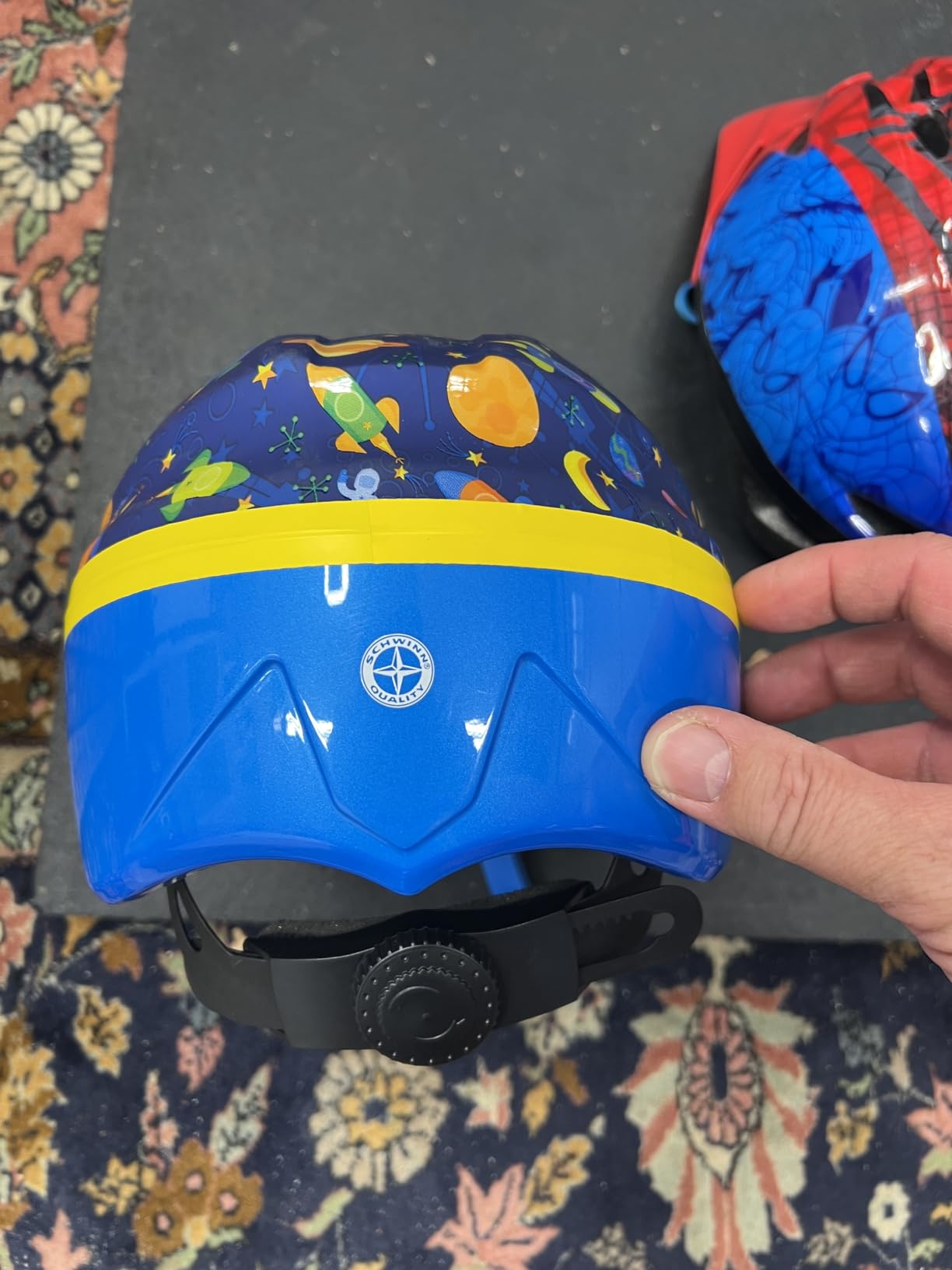
At 4.64 ounces it is the lightest helmet in this roundup by a wide margin, and the pink and orange wave design is the kind of thing a two-year-old points at rather than resists. The integrated visor shades the eyes on bright morning school runs without the separate accessory rattle that clip-on visors produce.
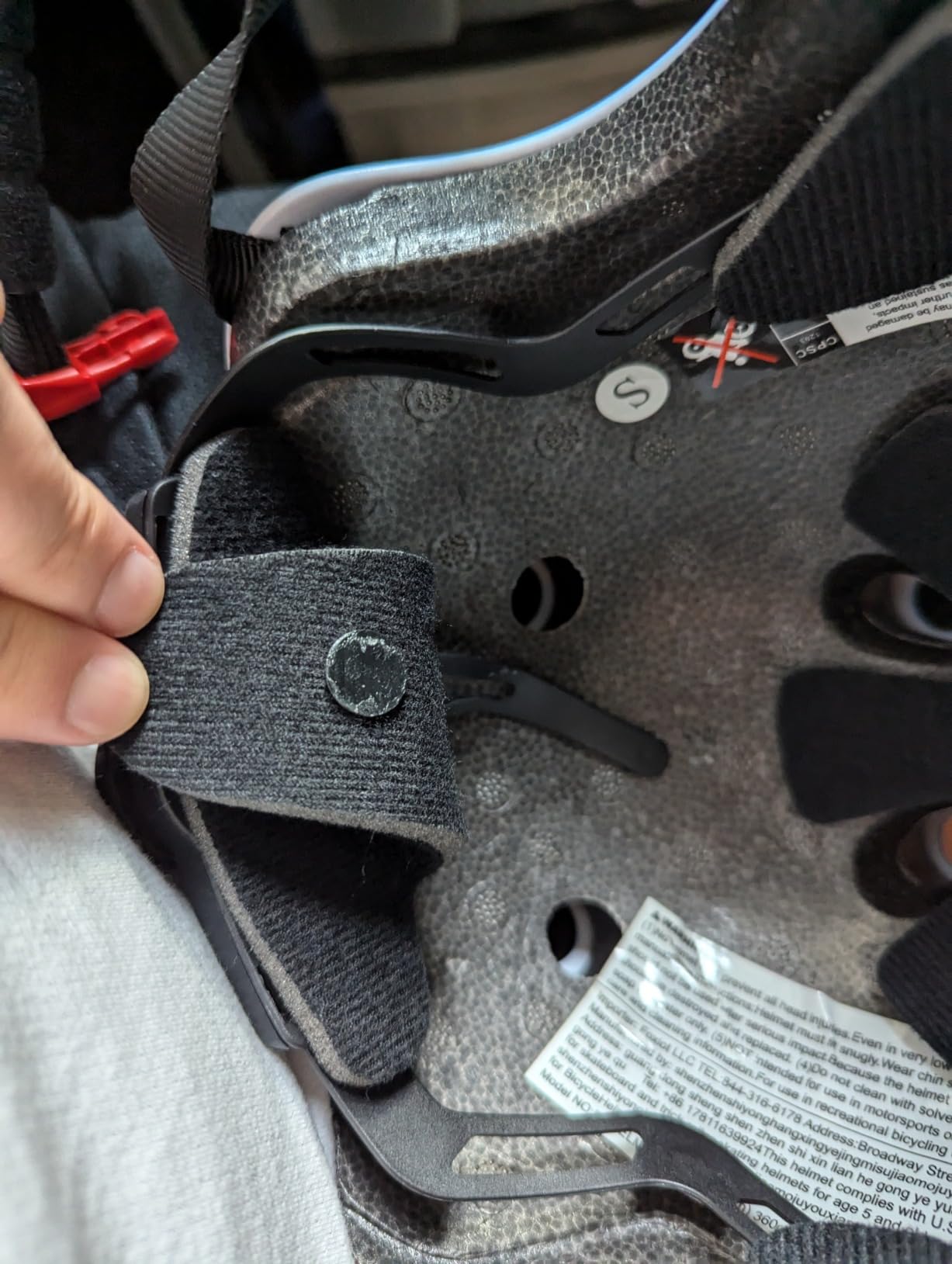
The one weakness worth knowing about is the adjuster. It holds with a velcro-style piece inside the rear dial, and a few reviewers report that the grip softens after a year of daily on-and-off use. The shell is also thin ABS rather than a thicker in-mold construction, so parents should retire it after any real impact rather than reason about whether it is still usable.
Why parents pick it over the alternatives
There is no lighter certified option in our group, and the dial-plus-padding fit survives the growth spurt that turns a toddler into a preschooler. It also carries the CPSC standard for ages 1 and older with extended head coverage, which is the correct certification for a child still on a balance bike or riding in a bike trailer seat.
When to skip it and buy the next size up
If your child is already over three, the 48-52 cm shell leaves very little dial travel before it stops tightening. Check the measurement rather than the age, and move to the 50-54 cm band if the fit cannot be snug. Also skip it for a child who face-plants on a pump track; that rider wants a full-face shell, not a low-profile one.
2. Bell Marvel Avengers Child Helmet (50-54 cm) – Best for Kids Who Refuse Helmets
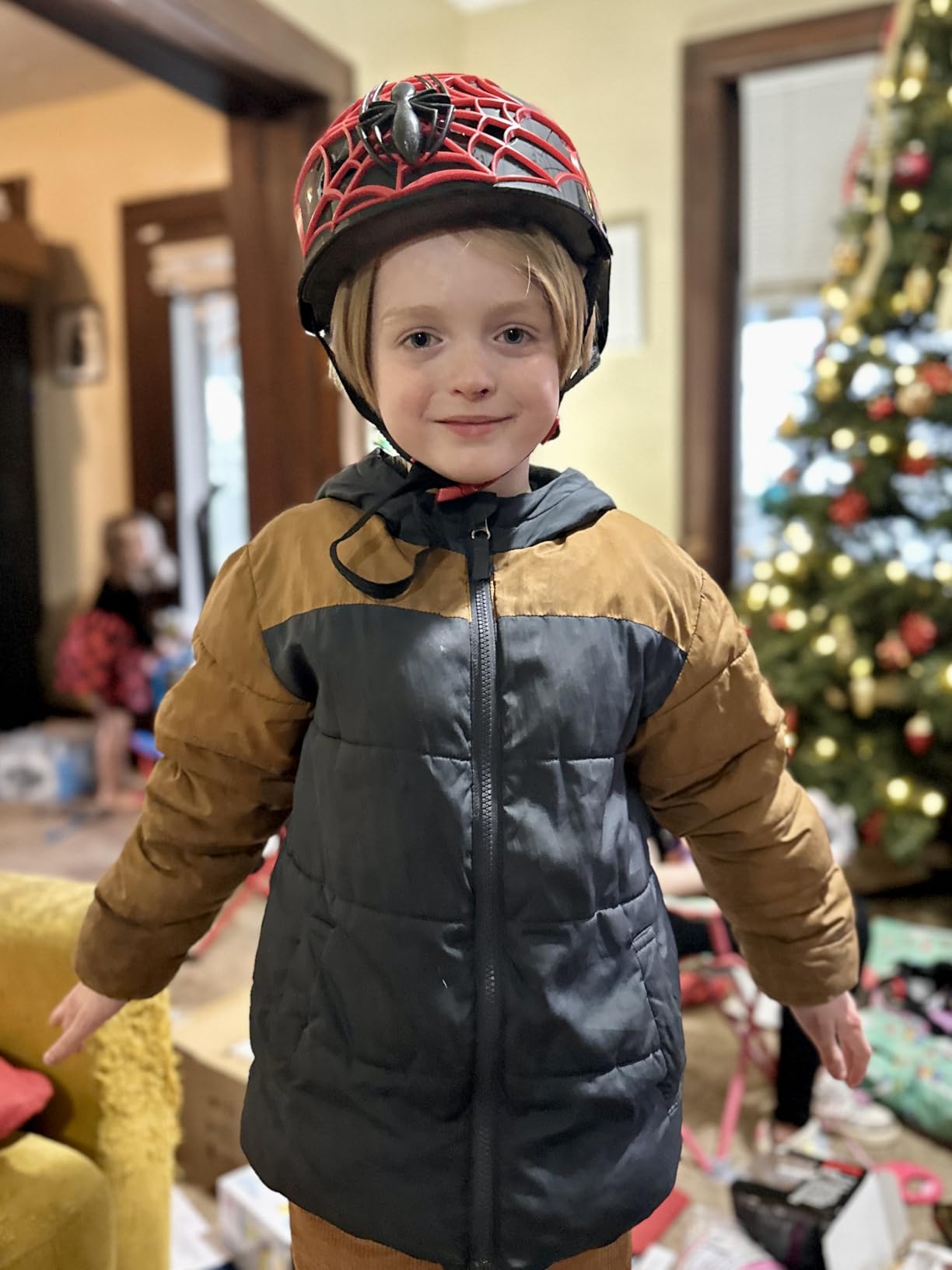
- Spider-Man 3D raised character shell
- CPSC certified
- Side-squeeze buckle is easy for small hands
- Durable construction
- Toddler version has no adjustment
- Runs large for smaller children
Older kids rejecting a helmet is the most common problem parents bring to us, and the fix is usually a design that reads as gear rather than as protective equipment. The raised Spider-Man 3D relief on this shell gives a seven or eight year old something to show off at the school gate, which is worth more than any technical upgrade.
The 50-54 cm child size fits most heads in the five-to-eight band, and the low-profile classic bicycle shape keeps the ears clear so the child can hear approaching traffic. Nine vents handle a slow neighbourhood loop, and the side-squeeze buckle is one of the easier buckles here for a child to work unaided, which matters when independence is the point.
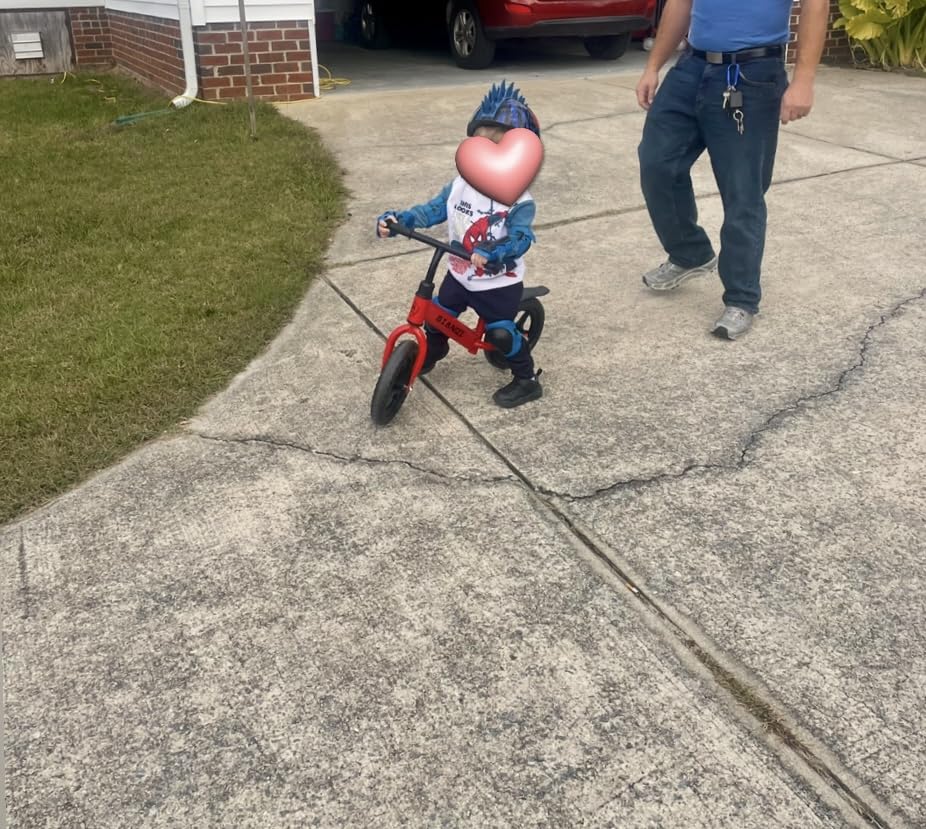
Reviewers note that children actively ask for this helmet by character, and several parents describe a previously helmet-refusing child wearing it without complaint. The ASTM-free, single-shell construction is a proven design that Bell has sold for years in one shape or another, so there is little unusual about the impact structure.
Two cautions. The child size is fixed at 50-54 cm with a single fit, so a head at the narrow end of the range can still ride loose, and reviewers report it running large for smaller children in that band. If you pick a smaller character helmet marketed for toddlers, note that version is not adjustable at all, so the measurement decides the purchase.
Why parents pick it over the alternatives
Nothing else in this roundup turns a character into a relief-moulded 3D shell at this size, and the side-squeeze buckle solves the two-handed fiddling that stops a five-year-old buckling up alone. It is also the one helmet here most likely to survive being dropped in a school corridor rather than a garage.
When to skip it and buy the next size up
Skip it for any child who has already passed about eight years old and is heading toward 55 cm, because there is nothing in between here and the youth shells. Also skip it for a child with very long hair worn loose, since the fixed side coverage tends to sit on top of a ponytail rather than clear it.
3. Schwinn Thrasher Youth Helmet (55-58 cm) – Best Rated for Ages 8-14
- Highest average rating in the set
- 20 vents
- Removable and washable padding
- Limited lifetime warranty
- Heaviest shell in the roundup
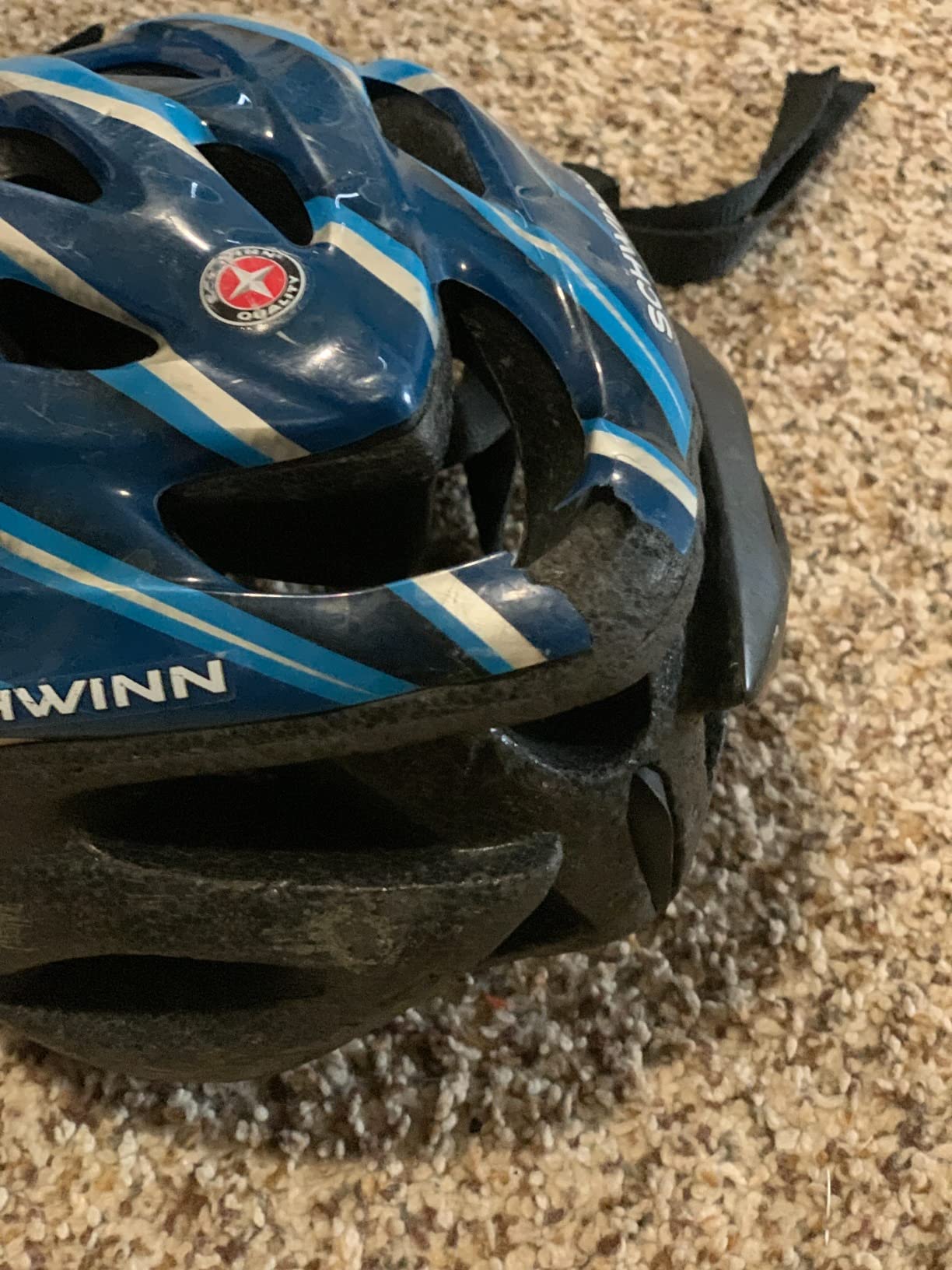
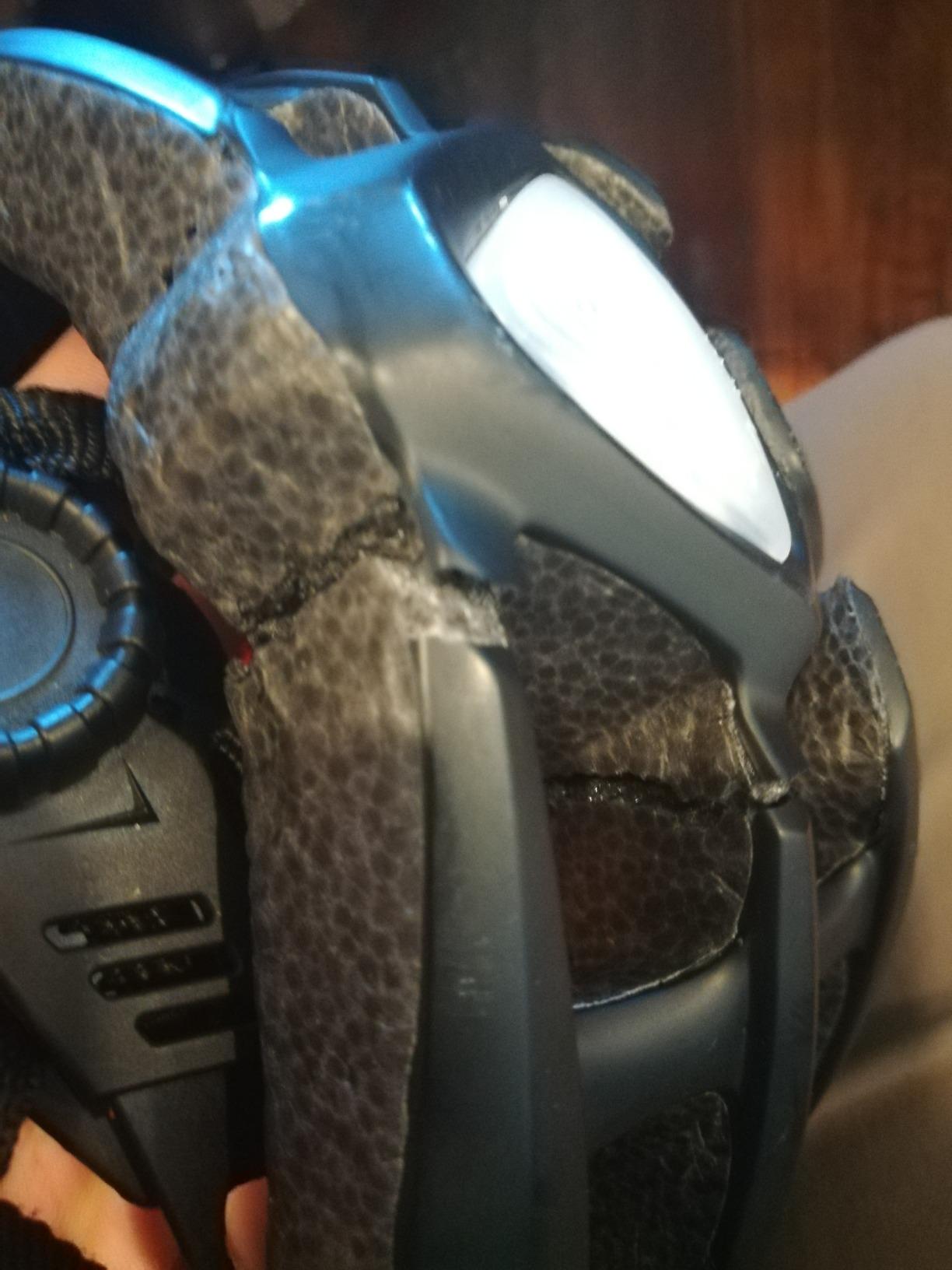
- Occasional shell peeling from foam
- Shell damage reported on a few units
This is the highest-rated helmet we could find in the youth band, and the rating is consistent enough across thousands of reviews to be meaningful. The 55-58 cm range closes most of the gap that trips up parents of eight-to-fourteen-year-olds, and the Schwinn 360 Comfort dial system keeps the retention ring even as the head grows through that range.
Twenty vents is the most we saw in this group, and it shows on a long summer commute where a hotter shell becomes the reason a kid pushes the helmet back. The padding is removable and washable across the full coverage area, which handles the sweat and grime that accumulate on a helmet worn every school day for a year.
The removable visor is a genuine advantage over the fixed visors on some youth shells, because it can come off for a child who is riding on an unlit path or riding with a bike rack. The limited lifetime warranty is also the longest coverage we saw, which is unusual at this level.
At 13.12 ounces it is the heaviest helmet here, and on a smaller head in the 55 cm range that weight is noticeable. A small number of reviewers also report the shell separating from the foam at the edges, plus a few models arriving with impact damage to the box contents, so inspect the shell on arrival rather than assuming it is fine.
Why parents pick it over the alternatives
For a child who has outgrown the small shells and is not ready for an adult helmet, this covers the band that most roundups skip, and the dial fit extends the usable life of the purchase. Twenty vents plus washable padding is the combination that keeps it on through a July commute.
When to skip it and buy the next size up
Skip it if your child is a small-framed eight-year-old at the very bottom of the range, where the extra weight is most obvious, or if a helmet-free summer routine is already a fight. At 58 cm your child is at the top of youth sizing and the honest next step is an adult shell, which our adult helmet guide covers.
4. OUWOER Adjustable Kids Helmet (48-61 cm) – Best for Growing Riders
- Three sizes covering toddler to adult-range
- Crank dial plus two pad sets
- Multi-sport for biking and skating
- CPSC certified
- Runs large at the smallest setting for toddlers
- Shell scratches easily
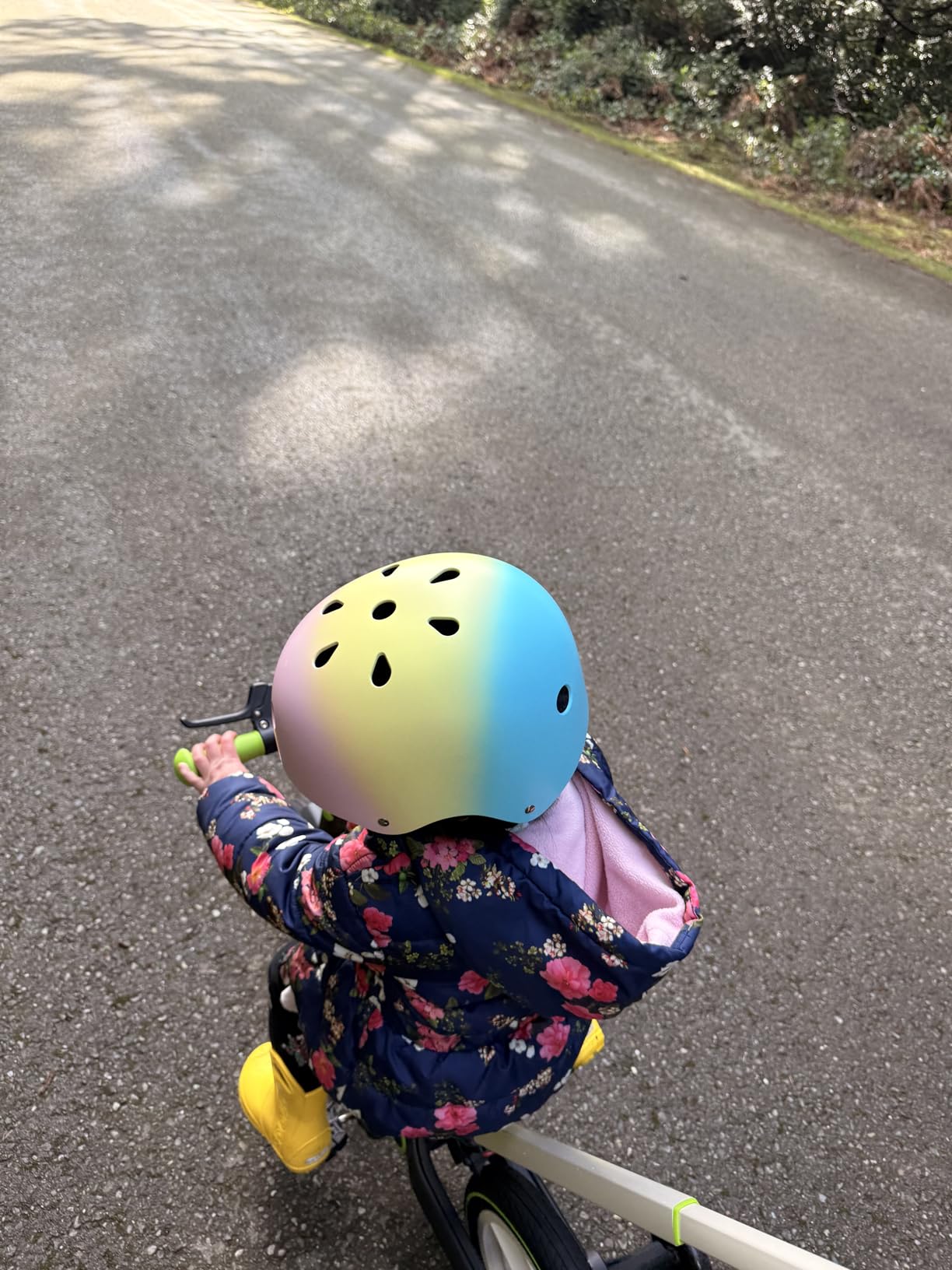
Most families cycle through three helmets in a decade, and this is the pick that lets them buy one brand three times instead. The small size covers 48-54 cm for roughly ages two to eight, the medium covers 54-57 cm for youth riders, and the large covers 57-61 cm, which carries a larger child further than most youth shells reach.
Fit comes from a crank adjustment dial combined with two sets of pads of different thickness and a length-adjustable chin strap. The two pad sets are the part parents underestimate: they let you thicken the interior for the first year and swap them out later, which is how a single purchase covers a wider span of head growth than a fixed-padding shell can.
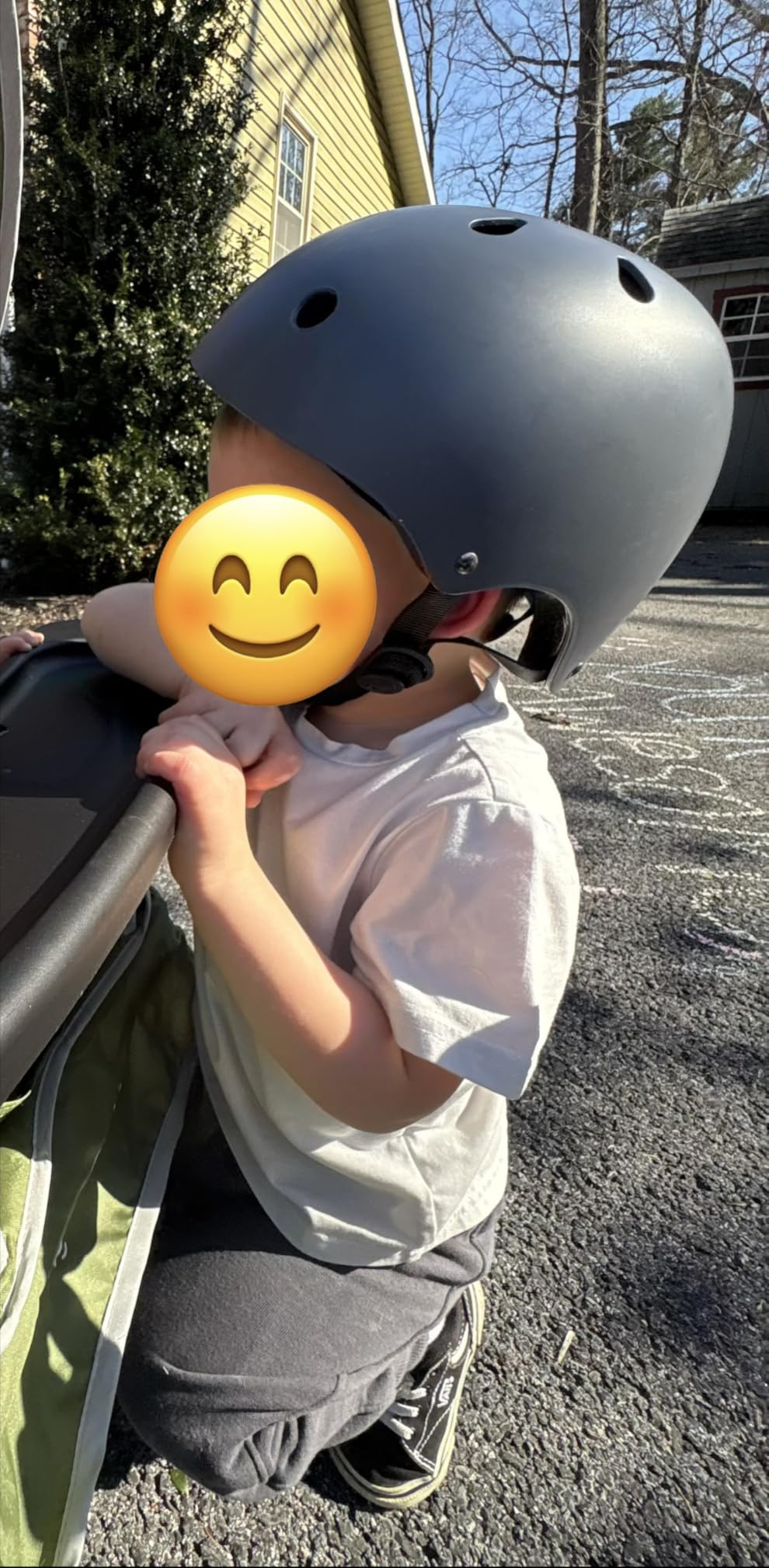
The review base is the second largest of any helmet in this roundup, and the pattern in the reviews is consistent. Parents repeatedly describe the dial fit and the two pad sets as the reason the helmet lasted from preschool through the first years of a pedal bike, and the 11 vents keep it wearable on a warm day.
The recurring complaint is sizing at the small end. A number of parents report that even at the tightest dial setting the small size runs large for a two-year-old, and the shell picks up scratches easily in a bag or bike basket. Both are manageable, but neither is something you discover on the ride.
Why parents pick it over the alternatives
It is the only pick that spans toddler through large youth sizing from the same model, and the certified coverage means one buy instead of three. The multi-sport rating also covers scooter and roller-skate use, so it is not tied to a single pedal bike.
When to skip it and buy the next size up
Skip it for a child under two who is still on a balance bike, because the small size will sit high before the dial can tighten it down. It is also the wrong choice if you want a low-profile road or skate silhouette, since this is a deeper multi-sport shell with more rear coverage.
5. Bell Rally Child Helmet (52-56 cm) – Best Budget Pick
- Pinch Guard buckle stops skin pinch
- True Fit one-step adjustment
- Lightweight at 227 g
- Multiple colour options
- Less ventilation than premium models
- One size can miss unusual head shapes
- Basic feature set
The single most useful feature in this helmet is the patented Pinch Guard buckle. The buckle webbing enters the clasp from the side, so a parent buckling from above cannot pinch the child’s chin, and a child can manage it without an adult. For a family with a sore-under-the-chin complaint, that mechanism answers the problem directly.
At 227 grams it is light on a small head, and the low-profile classic shape gives good coverage without the deep rear wrap that makes a child feel boxed in. The True Fit system adjusts in one step, so putting the helmet on and taking it off for a slow street is fast.
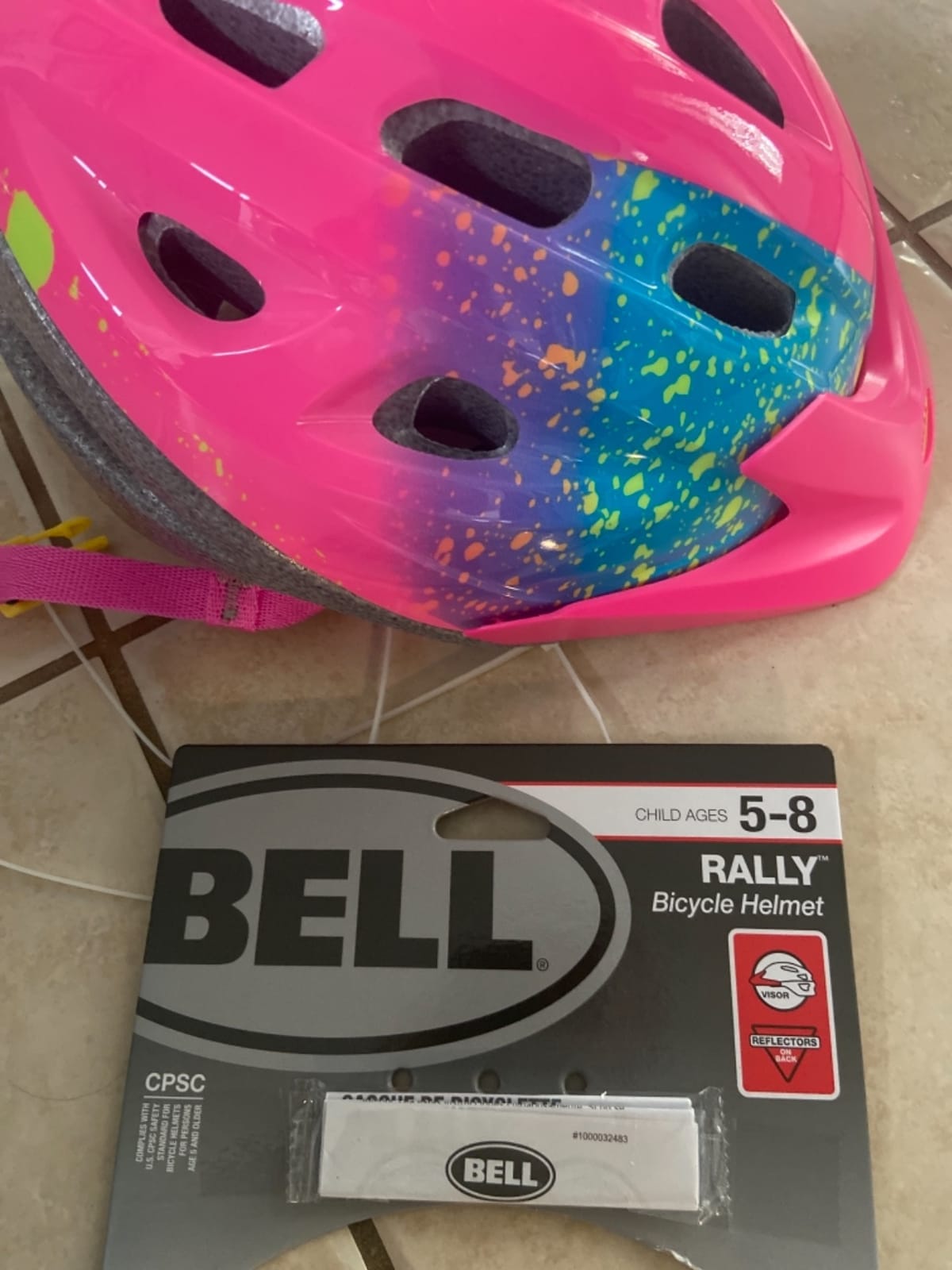
The honest limitation is ventilation. This shell has fewer effective vents than the Schwinn models in this roundup, and a reviewer who rides a long summer loop with a full head of hair will feel it. It is also a one-size shell in the 52-56 cm range, so a child with an unusually long or narrow head can struggle to get it level.
Reviewers are split on the visor depending on the variant, and the fin and plain options read quite differently depending on the child’s preference. Check that your child can buckle it before you leave home; that single test saves a lot of frustration on the kerb.
Why parents pick it over the alternatives
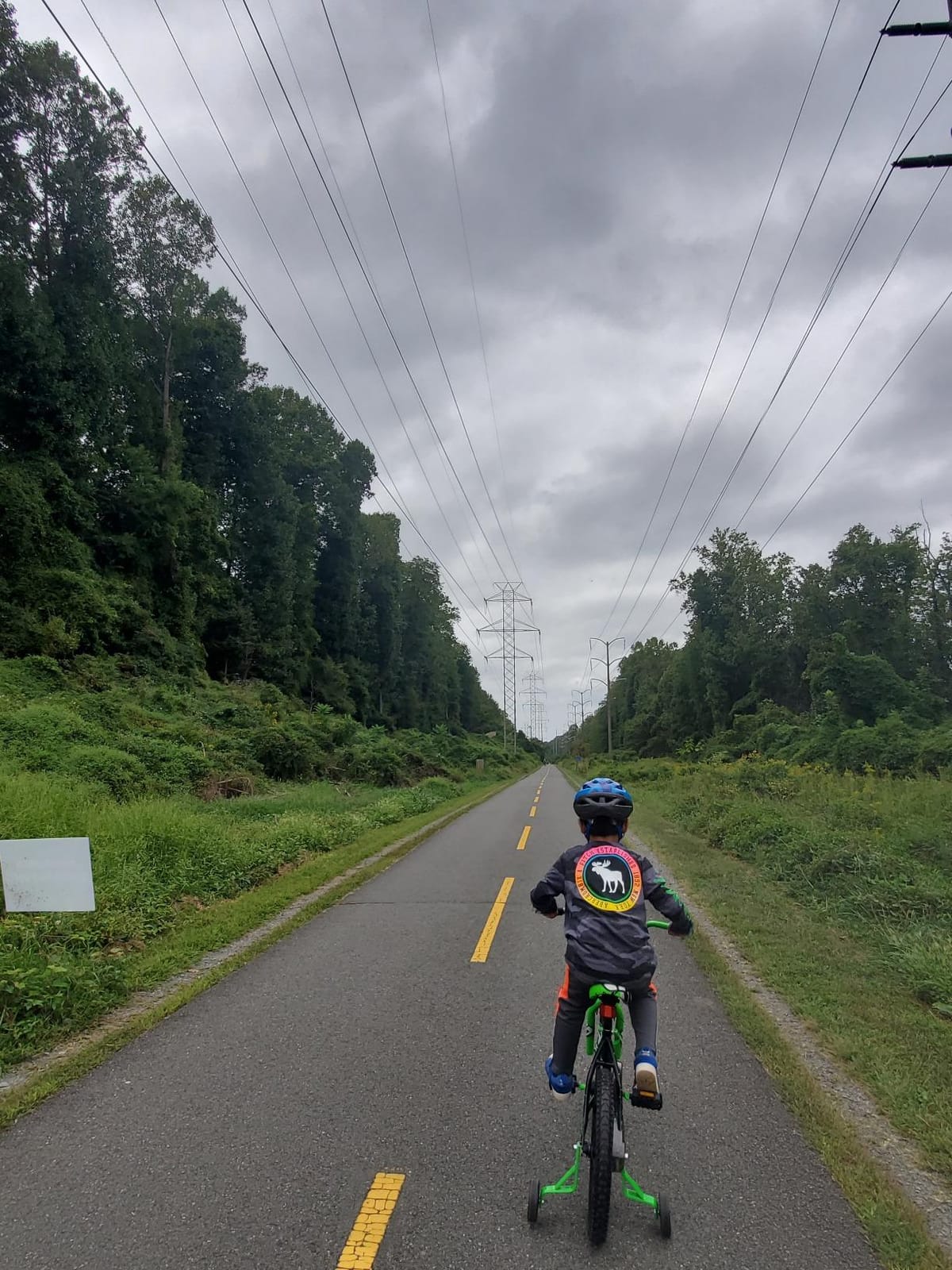
It covers the 5-to-8 band at the lowest cost of any certified child helmet here, and the pinch-free buckle removes the most common reason children fight a helmet. A parent replacing a cracked helmet at short notice wants this, not a premium shell.
When to skip it and buy the next size up
Skip it for a child in long summer rides who runs hot, because the vent count is modest. Also skip it if the measurement lands at the very edge of 52-56 cm, because the one-size shell has no dial travel to rescue a borderline fit.
6. Bell Richter Youth Helmet (54-58 cm) – Best for the School Commute
- Integrated visor for sun glare
- True Fit one-step adjustment
- Pinch Guard buckle
- Lightweight at 10.24 oz
- Adjustment can feel stiff at first
- One-year warranty only
A school run is a different use case from a trail ride. The child is moving at low speed but often in low light, in traffic, and the shell needs to sit still while they glance both ways. This model covers 54-58 cm with the True Fit one-step system and the same pinch-free buckle as the smaller Rally, so a family can use one buckle habit across two sizes.
At 10.24 ounces it sits in the middle of the weight range, light enough for a daily commute without feeling substantial. The integrated visor is fixed rather than detachable, which is a downside for a child who also rides unlit paths, but it shades the eyes effectively for a morning ride into direct sun.
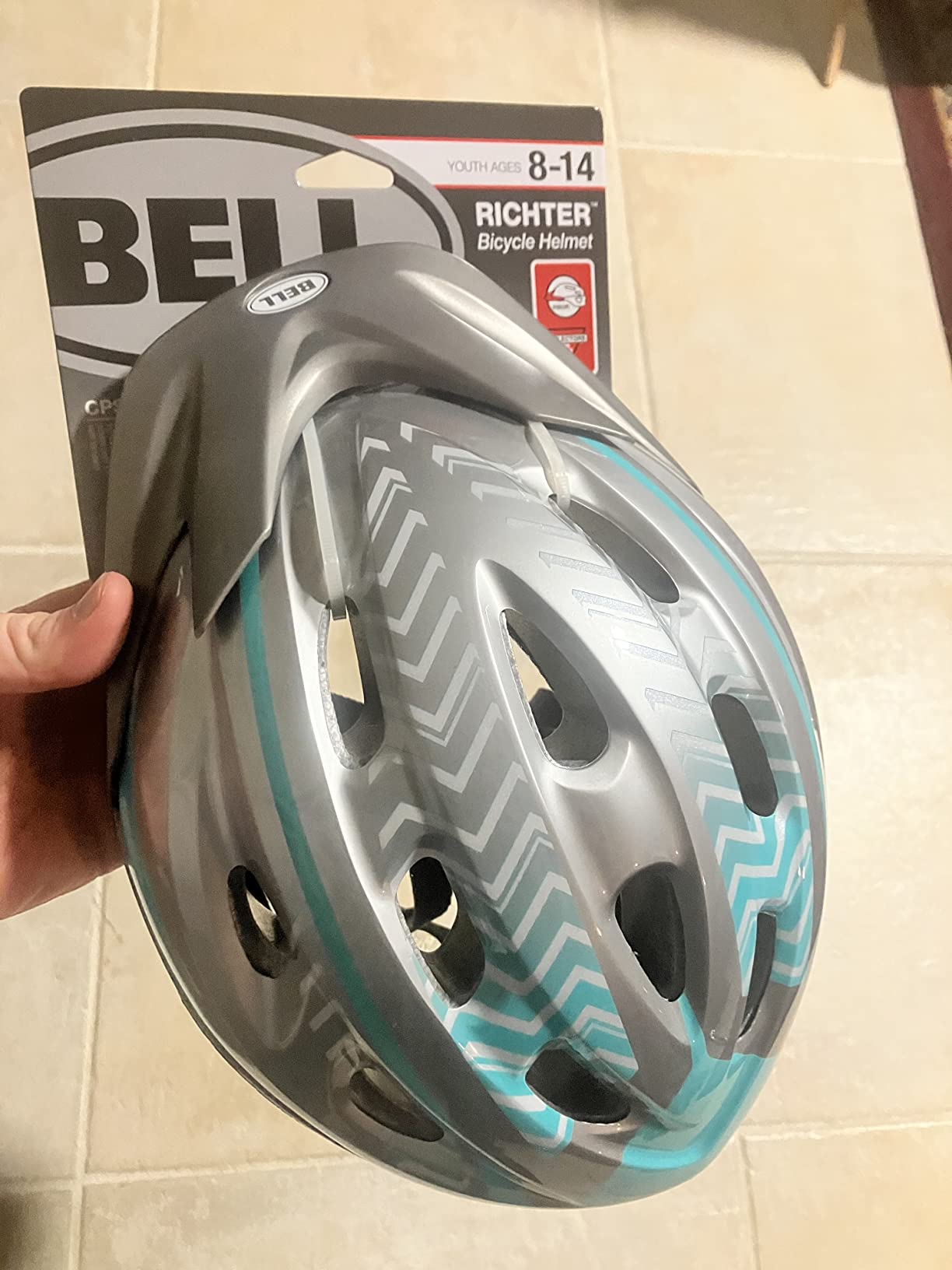
Reviewers consistently mention that the fit is solid for the eight-to-fourteen range and the ventilation is adequate for a steady commute. Several parents point out the True Fit dial feels stiff for the first few adjustments, then loosens into smooth operation once the rider knows how much tension it takes.
The warranty is one year, which is the shortest in this group and noticeably shorter than the limited lifetime cover on the Schwinn Thrasher. That matters less for a commute helmet than a trail helmet, but it is worth knowing if your child drops it.
Why parents pick it over the alternatives
The visor handles the glare that makes a child squint and misjudge a kerb, and the one-step adjustment means it goes on and off quickly at the school gate. It also overlaps the 54-58 cm band with the top of the child range, which smooths the sizing transition around age eight.
When to skip it and buy the next size up
Skip it for a child riding without a visor because of glasses or a headlight mount, since the visor is fixed. If your child is already past 58 cm, this is the end of the road and an adult shell is the next step rather than a bigger youth model.
7. Giro Fixture MIPS II Youth Helmet (50-57 cm) – Best for Rotational Protection
Giro Fixture MIPS II Road Bike Helmet – Matte Pink/Purple – Universal Youth (50-57cm)
- Integrated MIPS Brain Protection System
- Roc Loc Sport fit with 7 cm adjustment
- Ponytail compatible
- Reflective details for low light
- Heaviest in the roundup
- Far fewer reviews than budget picks
- Road-bike shape suits steady riding best
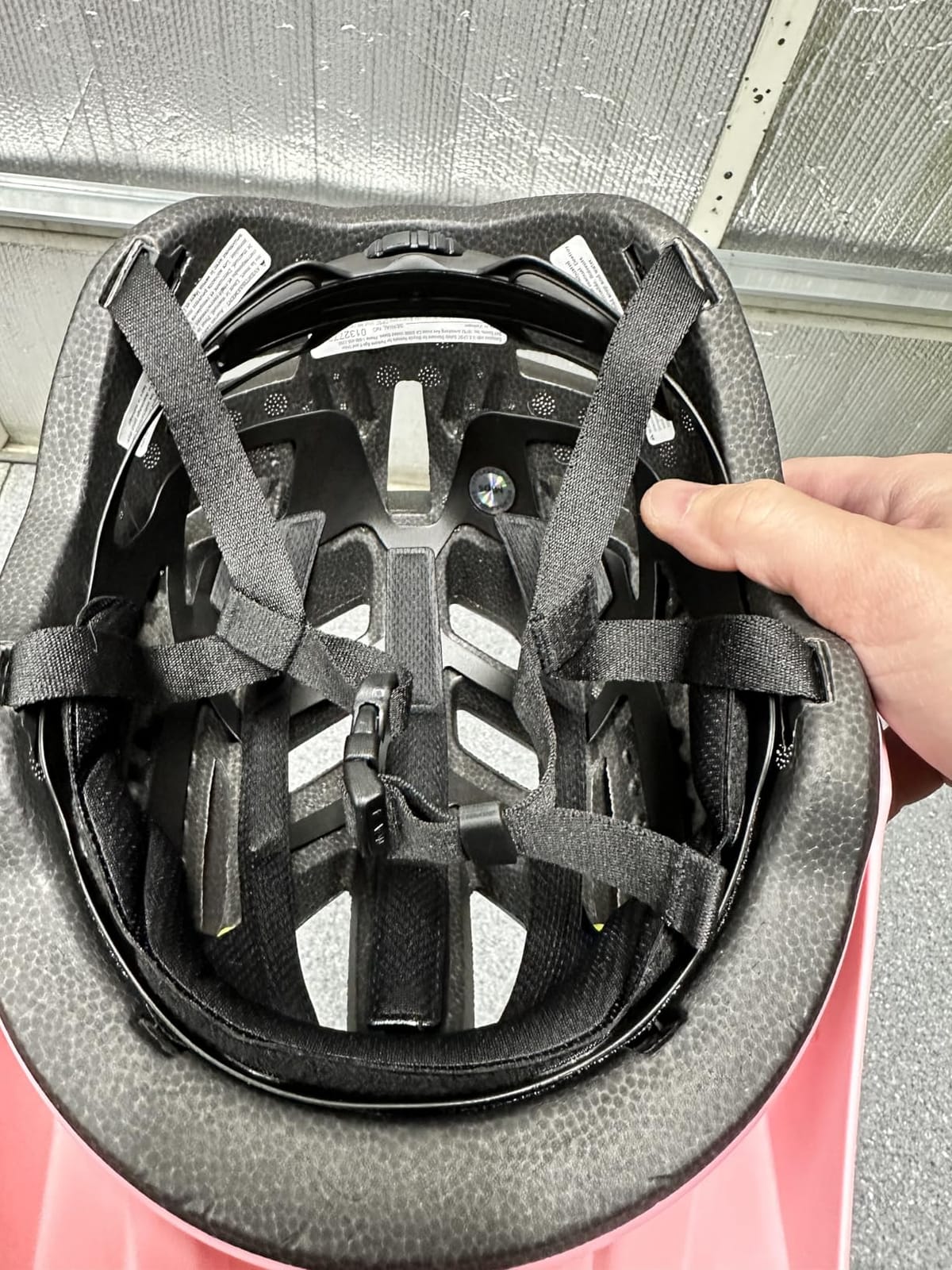
This is the only helmet in our list with a rotational impact system built into the shell rather than added as a clip-in liner. The MIPS layer sits between the EPS foam and the in-mold polycarbonate shell, so it can slide a small distance relative to the skull on an angled impact and reduce the rotational shearing that a helmet without it cannot address.
The universal youth fit covers 50-57 cm, which is unusually wide for a single shell and closes the awkward gap between a 55 cm child size and a 57 cm youth size. The Roc Loc Sport dial has a 7 cm adjustment range, so the same helmet can be dialled in tight for a younger child and opened out as they grow.
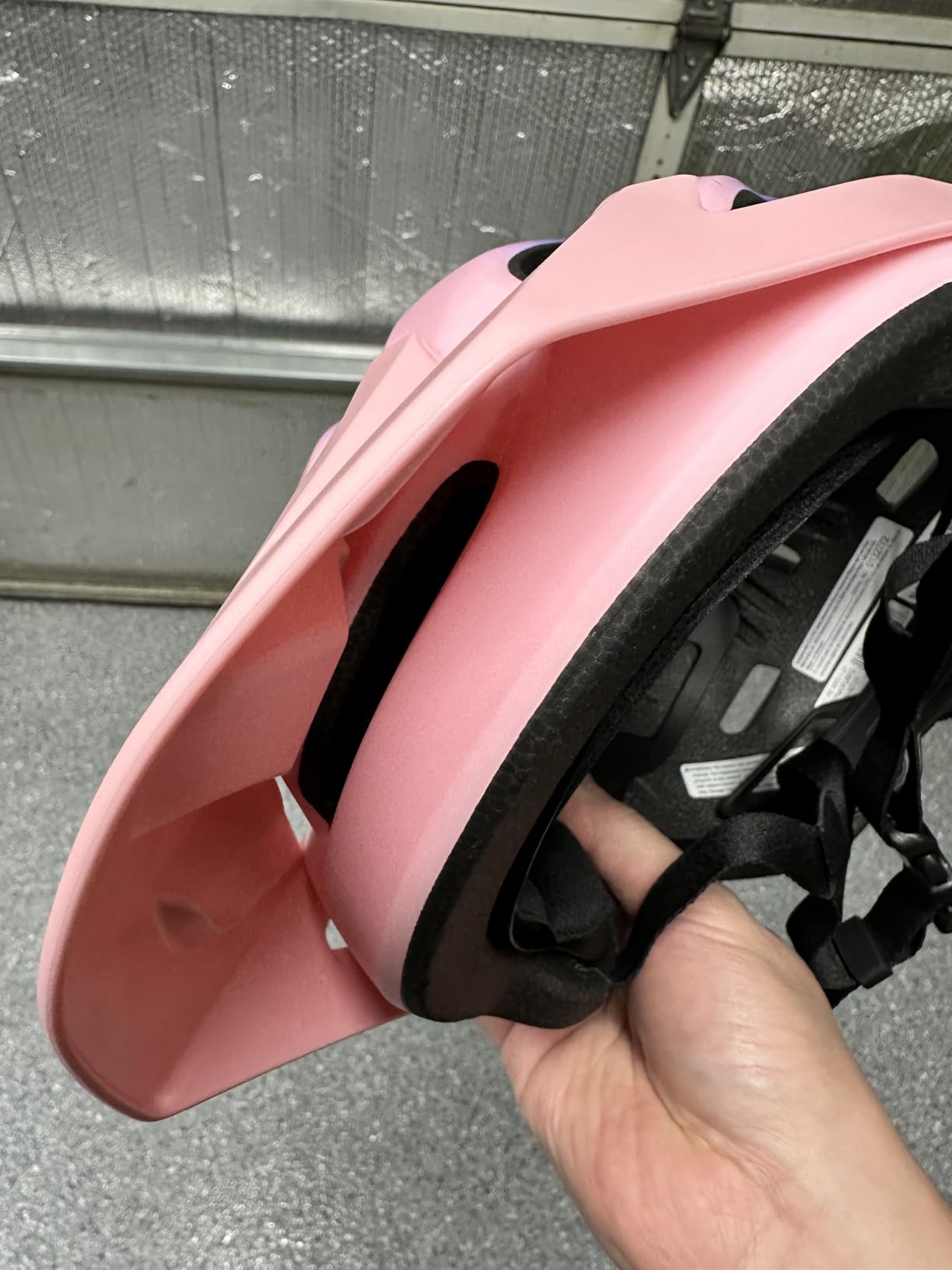
Two details make it practical for daily use. The rear is shaped to clear a ponytail, which is the problem that causes parents to reject MIPS helmets, and reflective details help a dusk school run where a plain shell disappears. Parents on cycling forums point out that fit is the deciding factor, and this shell has the widest adjustment travel here.
It is the heaviest helmet in the roundup at 1.6 pounds, and the review count is far smaller than the budget picks, so the rating rests on fewer opinions. The road-bike shape also suits steady forward riding better than loose trail riding, where a full-face shell would be the safer choice.
Why parents pick it over the alternatives
It is the only option here with integrated rotational protection across a 50-57 cm range, and the integrated layer avoids the hair-catching liner problem that comes with add-on MIPS units. Wide adjustment travel means one purchase can span a whole growth phase.
When to skip it and buy the next size up
Skip it for a small child who complains about weight, since 1.6 pounds is the heaviest shell here. It is also the wrong pick for a child on a bike seat or trailer who needs extended head coverage, and for a rider past 57 cm who should move to an adult MIPS helmet, which our MIPS helmet roundup covers in detail.
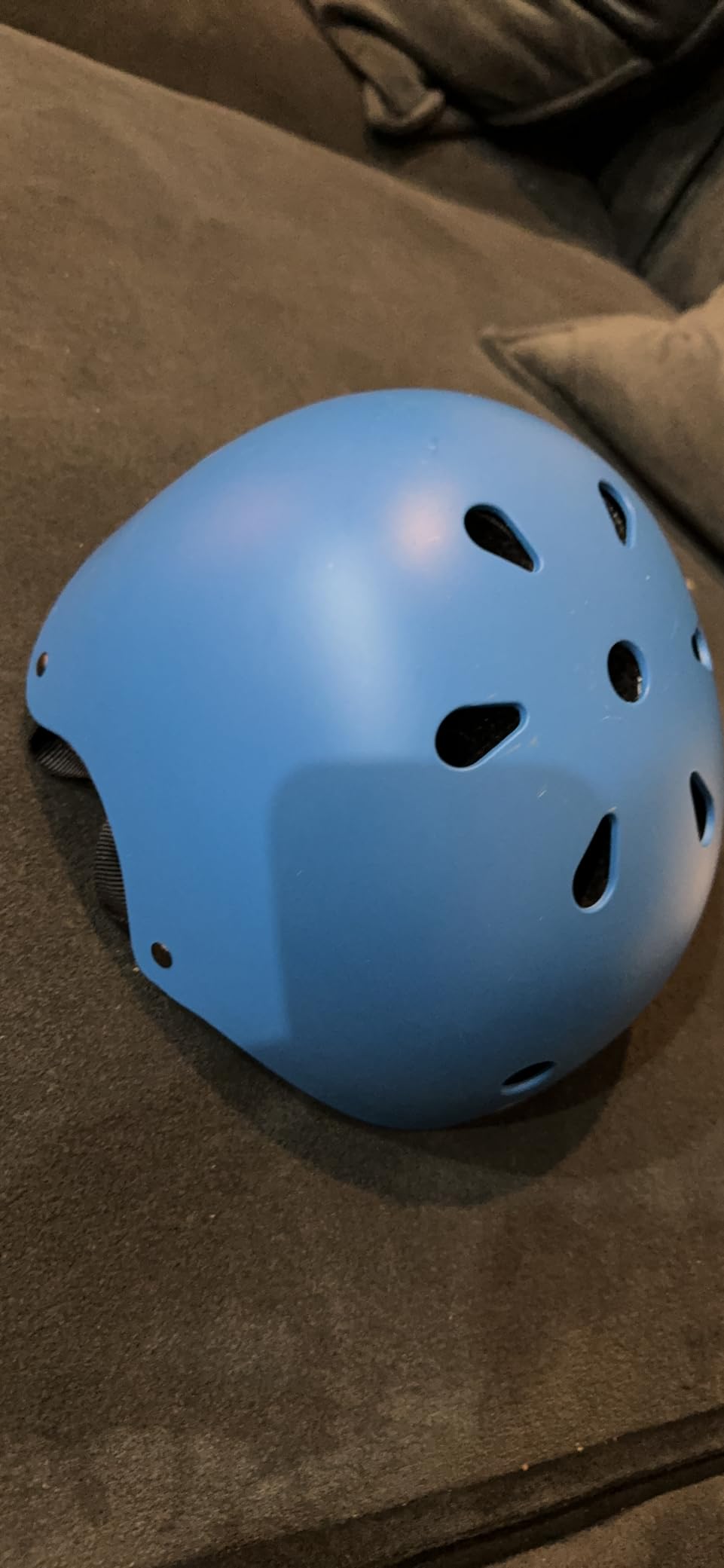
8. Besttravel Kids Helmet (48-54 cm) – Best for One Helmet That Lasts
Besttravel Kids Bike Helmet, Toddler Adjustable Toddler Bike Helmet Ages 3-8 Years Old Boys Girls Multi-Sports Safety (Blue)
- Lifetime service warranty
- ABS shell with EPS core
- 11 vents
- Adjustable fit that grows with the child
- Less established brand
- Fit problems at the extremes of the range
The differentiator here is the lifetime service warranty, which is unusual and worth paying attention to if your child is rough on a helmet. The shell is a rugged ABS over an EPS core, and the 48-54 cm range covers roughly ages three to eight, which is the full span of a balance bike and a first pedal bike.
At 300 grams it is heavier than the toddler shells but still fine for a short-to-medium ride, and 11 vents with breathable foam padding keep the interior tolerable in warm weather. The adjustable fit is described as growing with the child, which matches what reviewers report across the range.
Parents using it for more than a bike tend to be the happy ones, because it is rated for skateboards, scooters, roller skates and ice skating as well. A helmet that is only certified for cycling is a false economy in a household where the same child rides a scooter to school.
The main reported drawback is fit at the edges of the 48-54 cm range, where a head at the top or bottom of the band can sit slightly off. The brand is also far less established than the other names here, which matters less for a certified multi-sport shell than it would for a technical one.
Why parents pick it over the alternatives
The lifetime service warranty is the strongest cover we found, and the multi-sport rating means one helmet covers the balance bike, the scooter and the skates. Eleven vents and a rugged ABS shell are sensible specs for a helmet that will be knocked about.
When to skip it and buy the next size up
Skip it if your child is already above about eight years old, since 48-54 cm will not reach. It is also the wrong choice if you want a low-profile road helmet, because this is a deeper multi-sport shell with wider coverage.
9. Bienbee Kids Helmet (49-55 cm) – Best for Winter and Skate Sports
Toddler Helmet, Bienbee Kids Bike Helmet Skateboard Helmets for Bicycle Balance Bike Scooter for Girls Boys Kids Age 1-3-5-8-14 Years
- Covers ages 1-14 across three sizes
- Also rated for skiing and snowboarding
- Breathable foam padding
- Many colour and pattern options
- Warranty terms not clearly stated
- Less known brand
- Smaller review base than established names
Most helmets in this roundup stop at cycling, skateboards and scooters. This one is also listed for skiing and snowboarding, and with three size options covering ages one to fourteen it is the widest age spread of any pick here. For a family that uses one helmet from a snowy street to a summer path, that reduces the number of purchases.
The construction is a thickened EPS core inside an ABS shell, with an adjustable fit and breathable foam padding against the head. At 13.2 ounces it is on the heavier side, which is unsurprising for a shell rated for cold-weather impact, but fine for a child who will wear it for short winter rides.
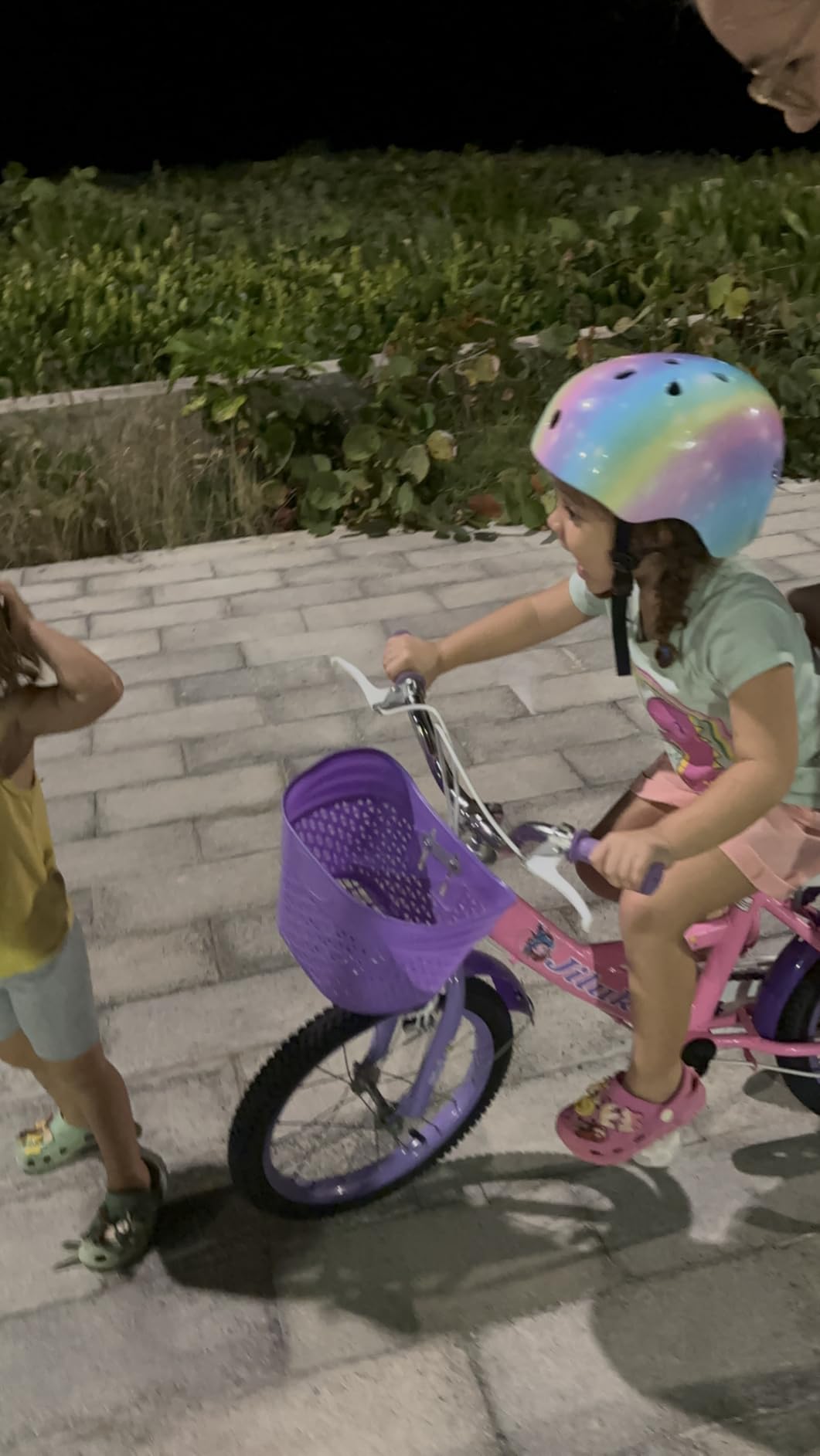
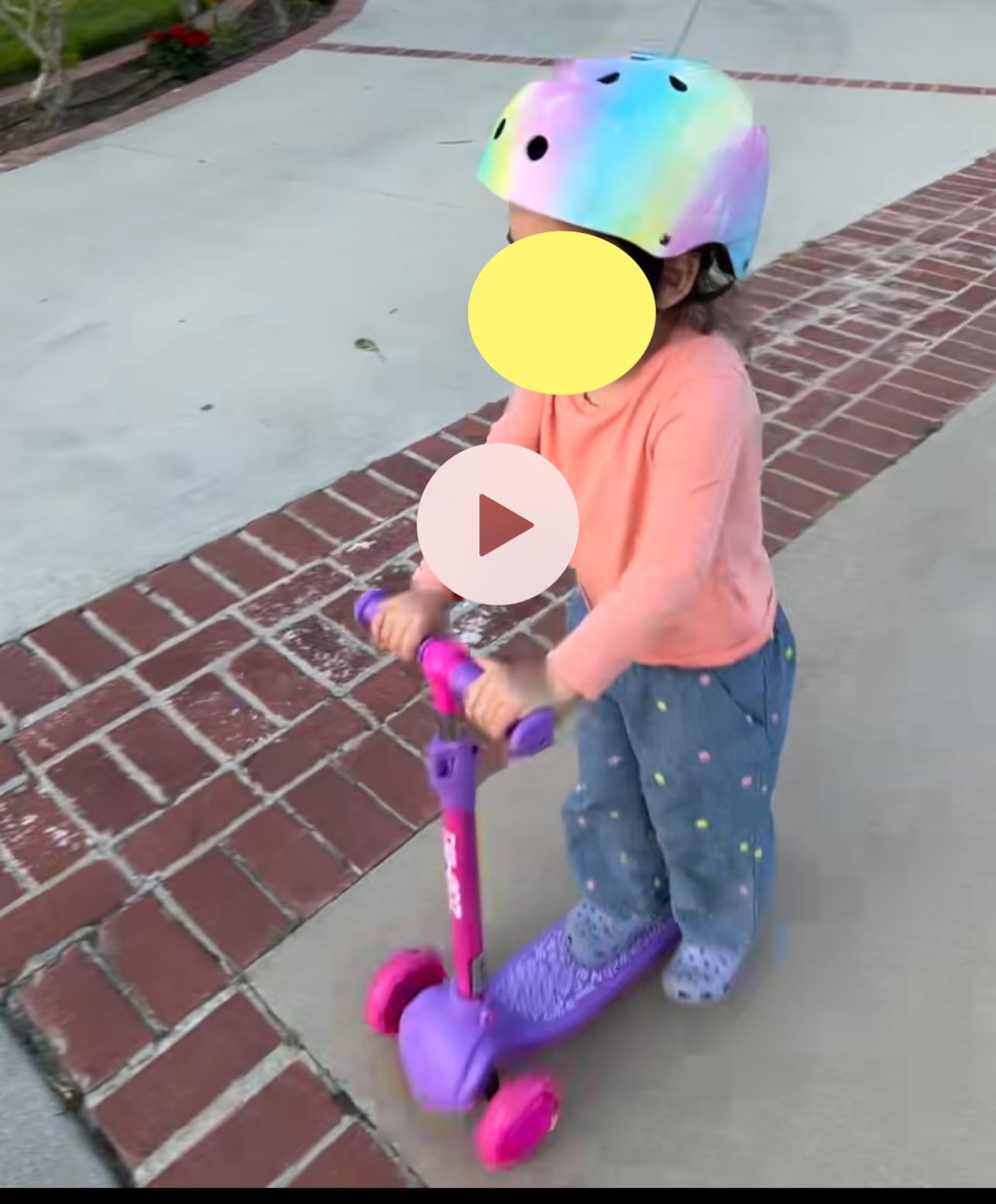
Reviewers tend to talk about the design options rather than the specs, and that is the point. A child who picks the colour and pattern themselves is more likely to put it on without a fight, and the ranking in the kids’ bike helmet category suggests the designs are doing their job.
The caveats are practical. The warranty terms are not clearly stated, which is a reason to keep the receipt. The brand is less recognised, and the review base is small enough that the average rating carries less weight than the thousands behind the Schwinn and Bell models.
Why parents pick it over the alternatives
It is the only pick certified for snow sports as well as cycling and skating, and the three size options cover a wider age range than anything else in the roundup. The design variety solves the helmet refusal problem without a character mould.
When to skip it and buy the next size up
Skip it for a child riding in warm weather over long distances, because 13.2 ounces is heavier than the toddler and youth shells. It is also the wrong choice if you want a certified standard named on the listing, since the stated certification is thinner here than on the CPSC-marked models.
10. Giro Scamp II Youth Helmet – Best Dial-Fit for Young Riders
Giro Scamp II Youth Bike Helmet – Matte Pink/Green – Small
- Roc Loc Jr fit system shaped for a child's head
- Large rubberised adjustment knob for adults
- In-mold hardbody lower wrap
- Highest average rating in the roundup
- Only two size options
- Smaller review count
- Premium tier cost compared with basic models
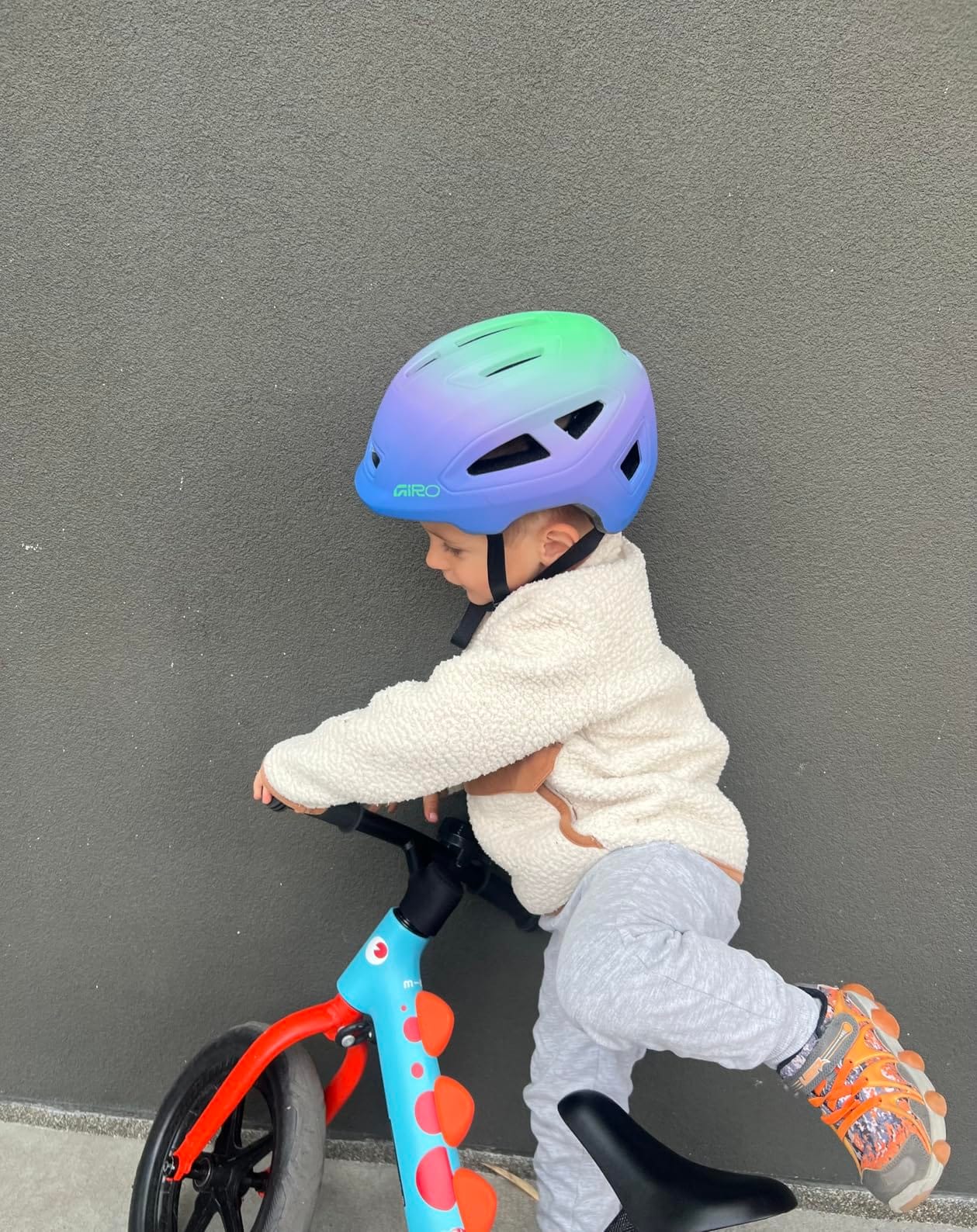
The reason this model feels different in the hand is the Roc Loc Jr fit system, which is dial-shaped for a child’s head curvature rather than adapted from an adult one. The adjustment knob is also large and rubberised, so an adult can close the gap in one motion while a younger child can find it with cold hands.
Construction is an in-mold shell with a hardbody lower wrap, which fusing the tough outer shell to a polycarbonate lower shell keeps the profile light and durable without a separate glued-on layer. The anatomic shape came from research on children’s head proportions, so the shell hugs rather than perches.
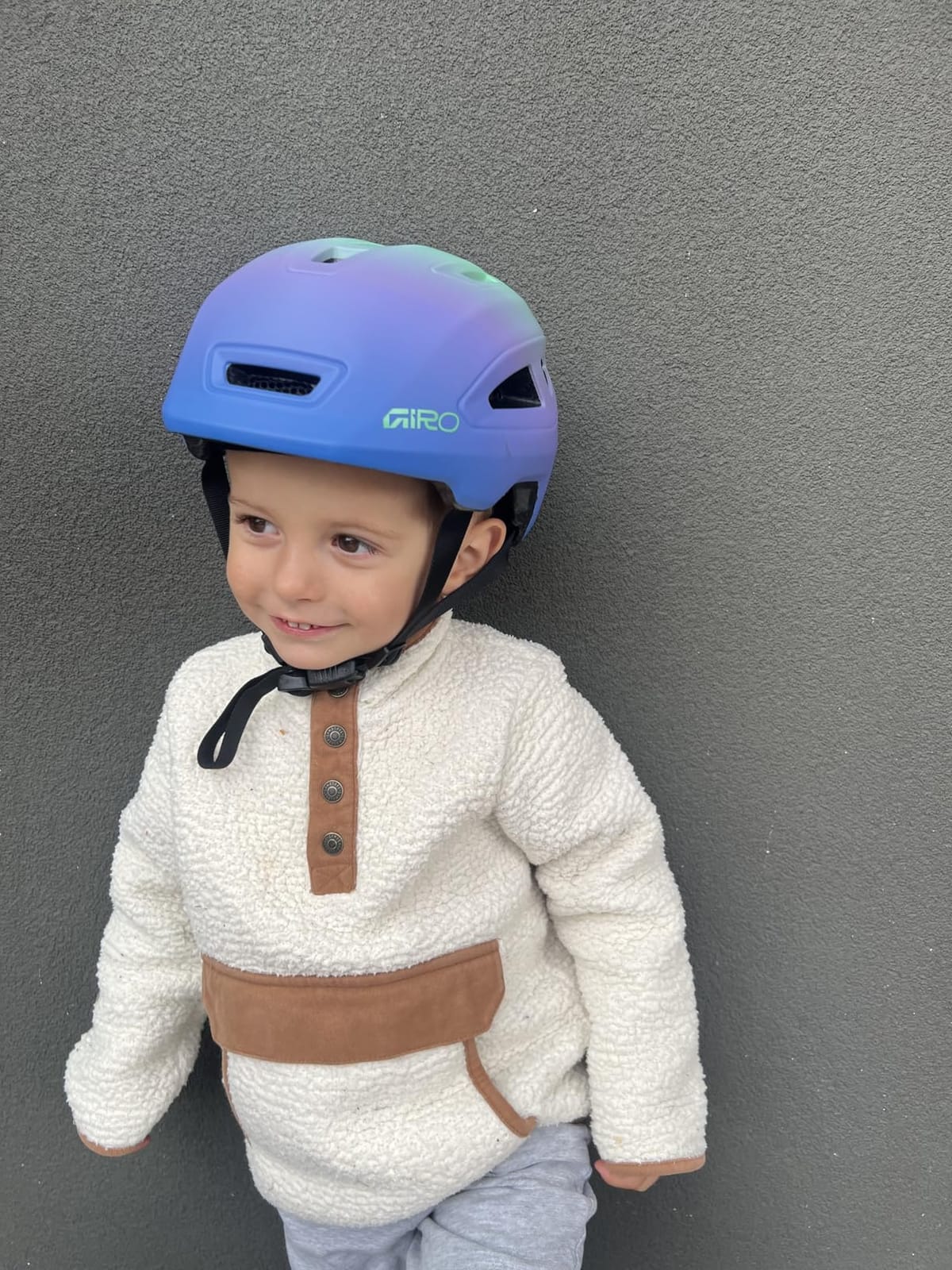
It posts the highest average rating of any helmet we reviewed, at 4.8, and the reviews describe a helmet that fits a child’s head properly without adjustment fought over each ride. Parents on cycling forums name fit as the deciding factor rather than brand, and this is the model that fits most easily in our group.
Only two size options are offered, so a child who outgrows the small size moves straight to an adult shell. The review count is also small for the rating it carries, so treat the average as encouraging rather than conclusive, and expect to pay a premium tier figure compared with a basic multi-sport shell.
Why parents pick it over the alternatives
The child-specific dial and anatomic shell solve the perching problem that appears on tall or narrow heads, and the large knob makes adult adjustment genuinely one-handed. In-mold construction keeps the weight down without thinning the impact structure.
When to skip it and buy the next size up
Skip it if your child needs the 54-58 cm youth range, because the two size options here stop short of that. It is also the wrong pick for a scooter-only rider who does not need the premium construction, or for a child who wears a full-face helmet for trail and pump track work.
How to Measure Your Child’s Head for a Bike Helmet
Measure before you shop, and measure every time you change helmet sizes. The tape goes around the head just above the eyebrows, across the back, and level above the ears and the widest part at the back of the skull.
Keep the tape level. A tape that tilts down towards the back of the head gives a smaller number than the helmet will actually fit, and that is how a well-measured child ends up with a helmet that slides backwards on the first ride.
Measure twice, once in centimetres and once in inches, and write both down. A measurement of 23 inches is 58.4 cm, which lands in the top of the youth range and is the point at which most kids need an adult shell rather than a larger youth one.
What a measurement usually means, as a rough guide:
46-48 cm: around 1 to 2 years old. Look for a shell certified for ages 1 and older.
48-50 cm: around 2 to 3 years old, the classic balance bike range.
50-52 cm: around 3 to 4 years old, still usually a toddler shell.
52-54 cm: around 5 to 6 years old, the child band.
54-56 cm: around 6 to 8 years old, moving into youth shells.
56-58 cm: around 8 to 12 years old, the top of youth sizing.
58 cm and above: an adult XS or S, not a bigger youth helmet.
Those ages are approximations only. A tall eight-year-old can sit at 54 cm and a small twelve-year-old can sit at 57 cm, which is exactly why the measurement decides and the box label does not.
How to Check the Fit: The 2 2 2 Rule
The 2 2 2 rule is the fastest way to confirm a helmet is on correctly, and it takes about fifteen seconds. Two fingers above the brows, two fingers under the chin strap, two seconds to shake the head and check nothing moves.
Start with the helmet low on the forehead, about two finger widths above the eyebrows. If it sits higher, the head can slide backwards in a crash, which is the single most dangerous thing a poorly fitted helmet does. Push it forward until the brows line up with the two-finger mark.
Then check the straps. You should fit two fingers between the strap and the chin, and the two straps should meet just under the earlobe in a comfortable V. Straps that sit above the ear or cross the jaw are the wrong length and will not hold the helmet level.
Finally, spend two seconds shaking your head side to side and forward and back. The helmet should stay in contact with your head throughout, and it should make no noise when you tap the shell. If it lifts, tighten the dial before anything else, then adjust the straps second.
If a helmet cannot pass 2 2 2 at any dial setting, it is the wrong helmet, regardless of what it is labelled. That is the advice parents repeat most often on cycling forums: go to a bike shop and try several on rather than trusting a single measurement online.
MIPS, KinetiCore and WaveCel: Rotational Impact Protection Compared
To know whether a helmet has MIPS, look for the MIPS name or logo on the label or shell, then check whether the protection is built into the shell or added as a separate liner. Integrated systems sit permanently between the EPS foam and the outer shell. Clip-in liners sit inside the helmet as a removable ring or disc, which is a layer that can catch long or curly hair.
These systems exist because most real falls are angled, not straight down. A helmet without rotational protection handles a direct hit well but allows the brain to rotate inside the shell on an oblique impact. MIPS is the best-known name, KinetiCore uses crumple zones in the rim of the helmet rather than a separate liner, and WaveCel uses a honeycomb structure of small cells inside the helmet.
Among the helmets in this roundup, the Giro Fixture MIPS II is the only one with rotational protection, and its system is integrated rather than a clip-in liner. That is why it does not have the hair-snagging problem parents report with add-on liners.
Is MIPS worth the extra money? It adds protection against one type of impact, not all types, and a helmet that fits poorly is more dangerous than a helmet with extra features. Fit first, then consider rotational protection if the budget stretches, which is the same order the cycling forums reach.
CPSC 16 CFR 1203, EN 1078 and ASTM F1492: Which Standard Matters
CPSC 16 CFR 1203 is the US standard for bicycle helmets, and there are two versions. The age 1 and older version requires extended head coverage, with deeper side and rear coverage to protect a young child’s larger proportion of head. The age 5 and older version has less coverage and is the weaker of the two for small children.
EN 1078 is the European equivalent and covers pedal cycles and similar wheeled toys, including scooters. It is a different test method to the CPSC version, so a helmet sold for the European market is not automatically certified for US sale, and the label should say so either way.
ASTM F1492 is the skateboard and scooter standard in the US. A child who rides a scooter or a skateboard on the same streets as the bike rider needs the ASTM mark, and a cycling-only standard does not cover that use.
How to read the labels on the picks here: the Schwinn Classic, Schwinn Thrasher and Besttravel models are marked for ages 1 and older with extended head coverage. The Bell Marvel, Bell Rally and Bell Richter, and the Giro models are marked for ages 5 and older. A child under five should be on an age 1 and older helmet.
None of these standards is optional. If a listing does not name a standard, treat that as a reason to choose a different helmet rather than as a detail to ignore.
Head Shape, Long Hair and the Sizing Gap at 58 cm
Head circumference tells you whether a helmet is big enough. It does not tell you whether the shape works, and this is the gap most roundups leave open. A tall, narrow head is the classic problem: the helmet perches on the crown and slides forward over the eyes because the shell is too round for the head.
The fix is the rear cradle. A dial at the back that wraps a band around the base of the skull holds the helmet lower and level, which is why the Giro Scamp II with its Roc Loc Jr system and the Giro Fixture with its 7 cm Roc Loc Sport range are worth a closer look for a tall head. Lower-profile shells with a deeper rear wrap, such as the Schwinn Classic, also sit better on this shape.
Long hair is the second fit variable. A loose ponytail can sit under a MIPS clip-in liner and get pulled when the liner slides, which is why parents on cycling and mountain biking forums reject otherwise good helmets for that reason. Integrated systems such as the one in the Giro Fixture II avoid the problem entirely, and several models in this roundup are shaped to clear a ponytail at the rear.
The third issue is the sizing gap. Youth sizing usually ends at 58 cm and adult XS begins around 55 to 57 cm in some ranges, which sounds contradictory but reflects different brands using different measurements. A child at 58 cm is not going to get a meaningful extra year from a stretched-out youth shell; move them to an adult XS or S instead.
Our adult helmet roundup covers the wider fit question, and for cold-weather riding our youth ski helmet guide explains the liner and insulation differences that a bike helmet does not have.
When to Replace a Kids Bike Helmet
Replace the helmet after any crash, however minor. The EPS foam and the in-mold shell are designed for a single impact, and the helmet cannot be checked for hidden damage with confidence afterwards. This is the rule most consistently stated on cycling forums, and it does not change with the price of the helmet.
Replace it if your child has grown out of the size range, because a helmet that has become loose offers no protection. Replace it if the shell has cracked, the dial mechanism has stripped, or the padding has compressed into a flat, hard layer.
Check the manufacturing date on the label inside the shell. Most manufacturers treat a helmet as having a service life of roughly five years from that date, because the foam and the polymer degrade with heat and UV exposure, and a helmet stored in a hot garage ages far faster than one kept indoors.
On whether cheaper helmets are safe: any helmet sold legally in the US meets CPSC 16 CFR 1203, so a well-fitting affordable model is a sensible purchase. The compromise is usually in features rather than the impact structure, so a low-cost certified helmet that fits snugly beats a premium one that slides around. If buying two, the honest comparison is the premium helmet against two certified replacements over the same years.
How We Picked and Tested These Helmets
Every helmet in this roundup was assessed against a fixed list: the certification named on the product, the head-circumference range against the measured fit, the adjustment system and how far it can travel, the shell construction, the weight, the vent count and the buckle mechanism. Ratings and review counts are taken from the listings at the time of writing, and the number of reviews is noted where it is small, because a 4.8 average across a handful of reviews says much less than a 4.7 across thousands.
We also read the negative reviews, since the cons on each card come from reported problems rather than from the absence of praise. Sizing complaints, velcro wear, shell cracking and stiff dials all appear in the reviews of the models here, and each one is listed where it applies.
This guide was last updated in 2026. Helmet standards do not change often, but designs and colours do, so use the buttons below to see the current listing.
Frequently Asked Questions
How do you know if a helmet has MIPS?
Check the label or shell for the MIPS name or logo, then look at how it is fitted. An integrated system sits permanently between the EPS foam and the outer shell, while a clip-in liner is a removable ring inside the helmet that can catch long or curly hair. The Giro Fixture MIPS II in this roundup uses the integrated type.
What is the 2 2 2 rule for bike helmets?
The 2 2 2 rule checks a fit in about fifteen seconds. Keep two finger widths between the helmet and the child’s eyebrows, two fingers between the chin strap and the chin, then spend two seconds shaking the head to confirm nothing moves. If the helmet lifts, tighten the dial first and the straps second.
What size bike helmet does a 4 year old need?
Most four year olds measure between 50 and 53 cm, which is the toddler band. A 4 year old with a head of 50-52 cm can use an age 1 and older helmet with extended coverage, while a head of 52-54 cm needs a child shell with a proper adjustment system. Measure the head rather than trusting the age label.
What age is a 48 to 52 cm helmet for?
A 48-52 cm helmet usually fits a child of about 2 to 4 years old, though age varies with head size. The Schwinn Classic covers that range and is certified to the CPSC standard for ages 1 and older with extended head coverage, which is the correct certification for a balance-bike rider.
Are cheaper kids bike helmets less safe?
Not in the way most parents expect. Any helmet sold legally in the US meets CPSC 16 CFR 1203, so an affordable certified helmet is a sound purchase. What cheaper models cut is features such as a rear cradle, extra vents or rotational protection. A cheap helmet that fits snugly is safer than a premium one that slides around.
When should I replace my child’s bike helmet?
Replace it after any crash, however minor, because the foam and shell are designed to absorb a single impact and hidden damage cannot be checked afterwards. Also replace it once your child outgrows the size range, if the shell cracks or the dial strips, or roughly five years after the manufacturing date printed inside the shell.
The Best Bike Helmets for Kids in 2026: Final Word
The Schwinn Classic is the best of the best bike helmets for kids for most families, because it is the lightest certified option here, its dial-plus-padding fit survives a growth phase, and it carries the extended head coverage a balance-bike rider needs. Buy the Bell Marvel when getting your child to wear a helmet at all is the real problem, and the Schwinn Thrasher when your child has outgrown the small shells but is not ready for an adult one.
Measure the head before you order, fit to the 2 2 2 rule on the first ride, and treat the crash rule as absolute. If you tell us your child’s head circumference, your rough budget and what they ride, we can narrow this list down to a single pick.