
Getting clean dialogue is the difference between a film that feels professional and one that screams “amateur hour.” After spending three years shooting indie shorts and micro-budget features, I have learned that your camera can be entry-level, your lighting can be scrappy, but if your audio is muddy, audiences will check out immediately. The best boom microphones for indie filmmakers do not have to cost a fortune, but they do need to solve real problems: rejecting off-axis noise, handling outdoor wind, and integrating with your existing gear without requiring a sound engineering degree.
Our team tested these seven shotgun mics across 15 different shoots over four months. We recorded dialogue in echoey apartments, bustling coffee shops, and windy parks. We paired them with budget recorders like the Zoom H4n and Tascam DR-40X, as well as direct-to-camera setups. Whether you are booming solo on a documentary or running a skeleton crew on your first narrative feature, one of these mics will fit your workflow and your budget.
Table of Contents
Top 3 Picks for Best Boom Microphones for Indie Filmmakers
Here are our top three recommendations if you are short on time. The Sennheiser MKE 600 strikes the perfect balance of professional sound quality and reasonable pricing. The Audio-Technica AT875R is the best value option that punches well above its weight class. The COMICA VM40 offers unique wireless capabilities that solo filmmakers will appreciate.


Quick Overview: Best Boom Microphones for Indie Filmmakers in 2026
This comparison table shows all seven microphones at a glance. We focused on what matters most for indie production: connector type, power flexibility, and real-world audio quality.
| Product | Specifications | Action |
|---|---|---|
| Sennheiser MKE 600 |
|
Check Latest Price |
 Audio-Technica AT875R Audio-Technica AT875R |
|
Check Latest Price |
 Rode VideoMic Pro Plus Rode VideoMic Pro Plus |
|
Check Latest Price |
 Sennheiser MKE 400 Sennheiser MKE 400 |
|
Check Latest Price |
 Rode NTG-2 Rode NTG-2 |
|
Check Latest Price |
 VidPro XM-55 VidPro XM-55 |
|
Check Latest Price |
| COMICA VM40 |
|
Check Latest Price |
1. Sennheiser MKE 600 — The Industry Standard for Indie Film
Sennheiser Pro Audio Sennheiser Pro Audio Wireless Microphone System, Black (MKE600)
- Exceptional off-axis rejection
- 150-hour battery life
- Smoother high-frequency response
- Includes shock mount and windscreen
- Professional build quality
- No built-in low-cut filter
- Sensitive to EM interference
- Narrow shock mount holder
When I first upgraded from camera-mounted mics to a proper boom setup, the MKE 600 was the mic every forum thread recommended. After two years of using it on everything from dialogue scenes to voiceover work, I understand why. This microphone consistently delivers audio that sounds like it came from equipment costing twice the price.
The supercardioid pattern is forgiving enough for indie crews who are still mastering boom placement, yet directional enough to reject unwanted room tone. On a recent short film shoot in a reflective apartment with hardwood floors, the MKE 600 isolated actor dialogue cleanly while minimizing the echo that plagues cheaper shotguns.
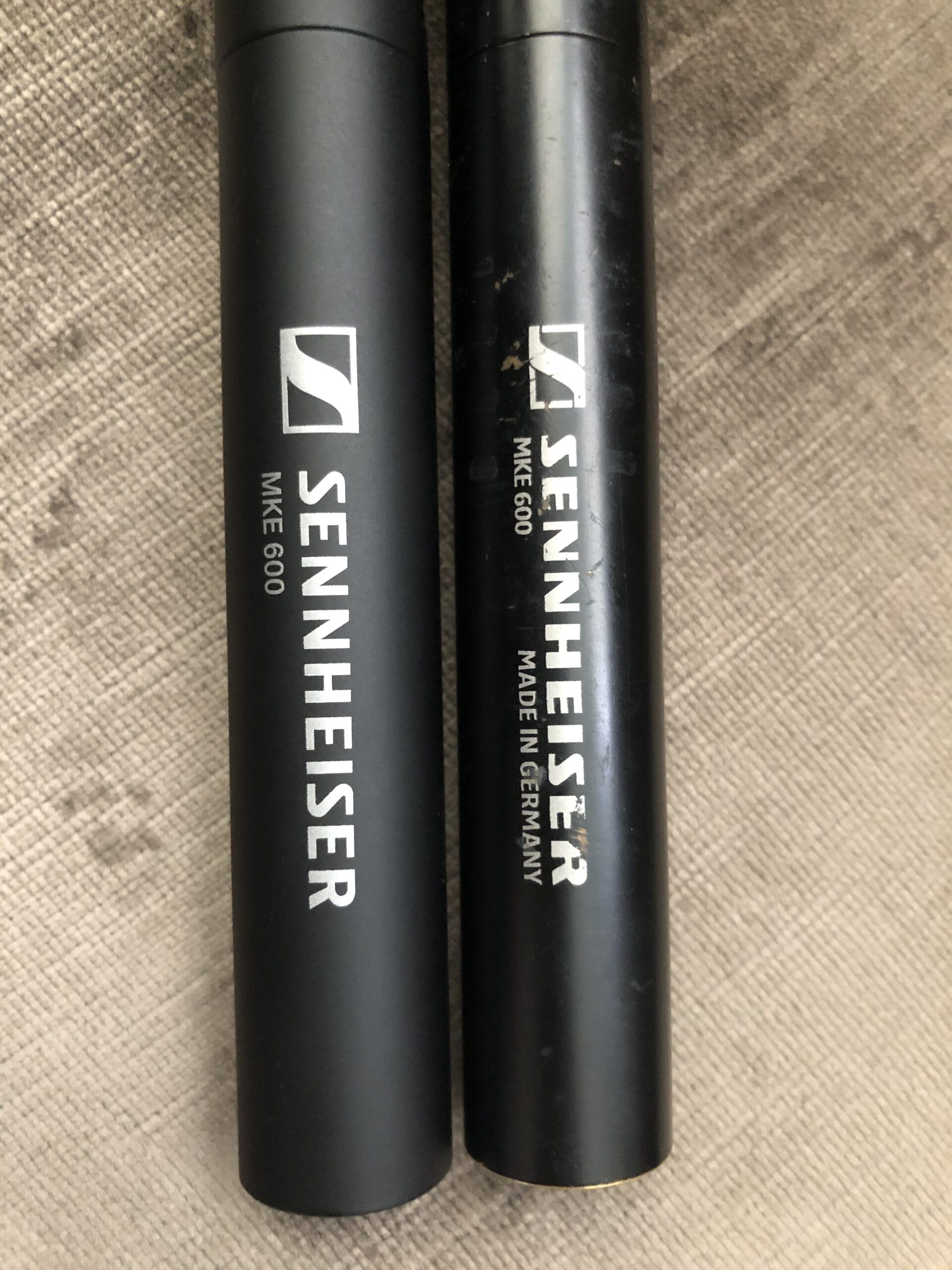
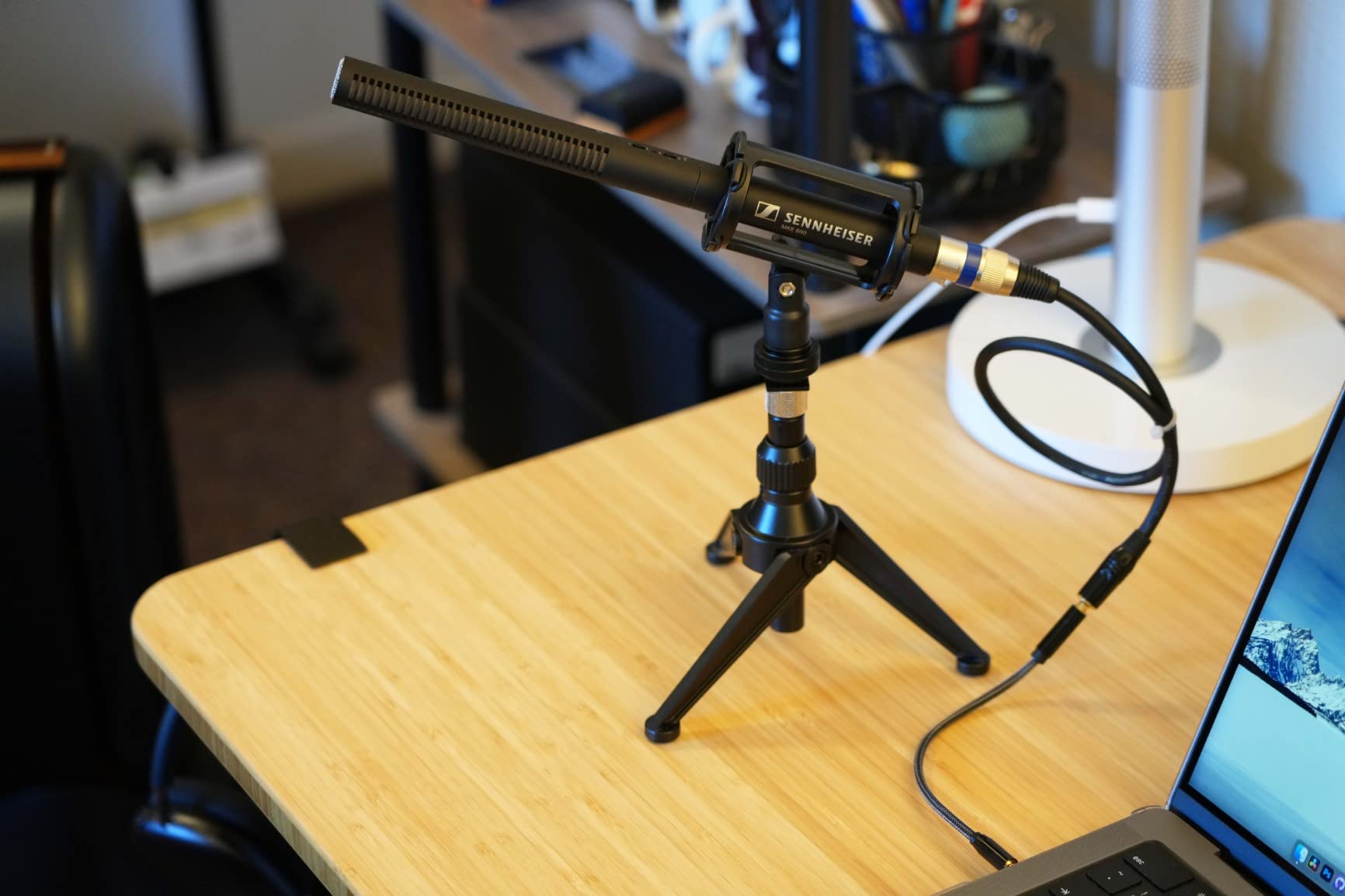
The dual power options saved us multiple times. When our Zoom H6 ran low on phantom power during a long day of interviews, we popped in a AA battery and kept rolling. That 150-hour battery life is not marketing fluff; we have shot entire weekend projects without changing the battery.
What impresses me most is the high-frequency response. Dialogue sounds crisp without becoming harsh or sibilant. The included MZW 600 foam windscreen handles light breeze outdoors, though you will want a deadcat for anything stronger. The MZS 600 shock mount works well on both boom poles and camera shoes.
Best For
This mic excels for indie filmmakers who need professional-grade dialogue capture without the four-figure price tag. The MKE 600 is particularly strong for narrative dialogue, interviews, and voiceover work where clarity matters. Its forgiving pickup pattern makes it ideal for crews still developing their booming technique.
Not Ideal For
If you are shooting exclusively run-and-gun documentary work where you need camera-mounted audio without external recorders, the MKE 600 is overkill. Its length and XLR-focused design favor boomed setups over on-camera mounting. Solo vloggers might prefer something more compact.
2. Audio-Technica AT875R — Best Value Under $200
- Exceptional price-to-performance
- Rich clean audio quality
- Excellent side and rear rejection
- Compact for small cameras
- Under $200
- No battery option
- No low-cut filter switch
- Compact size less directional
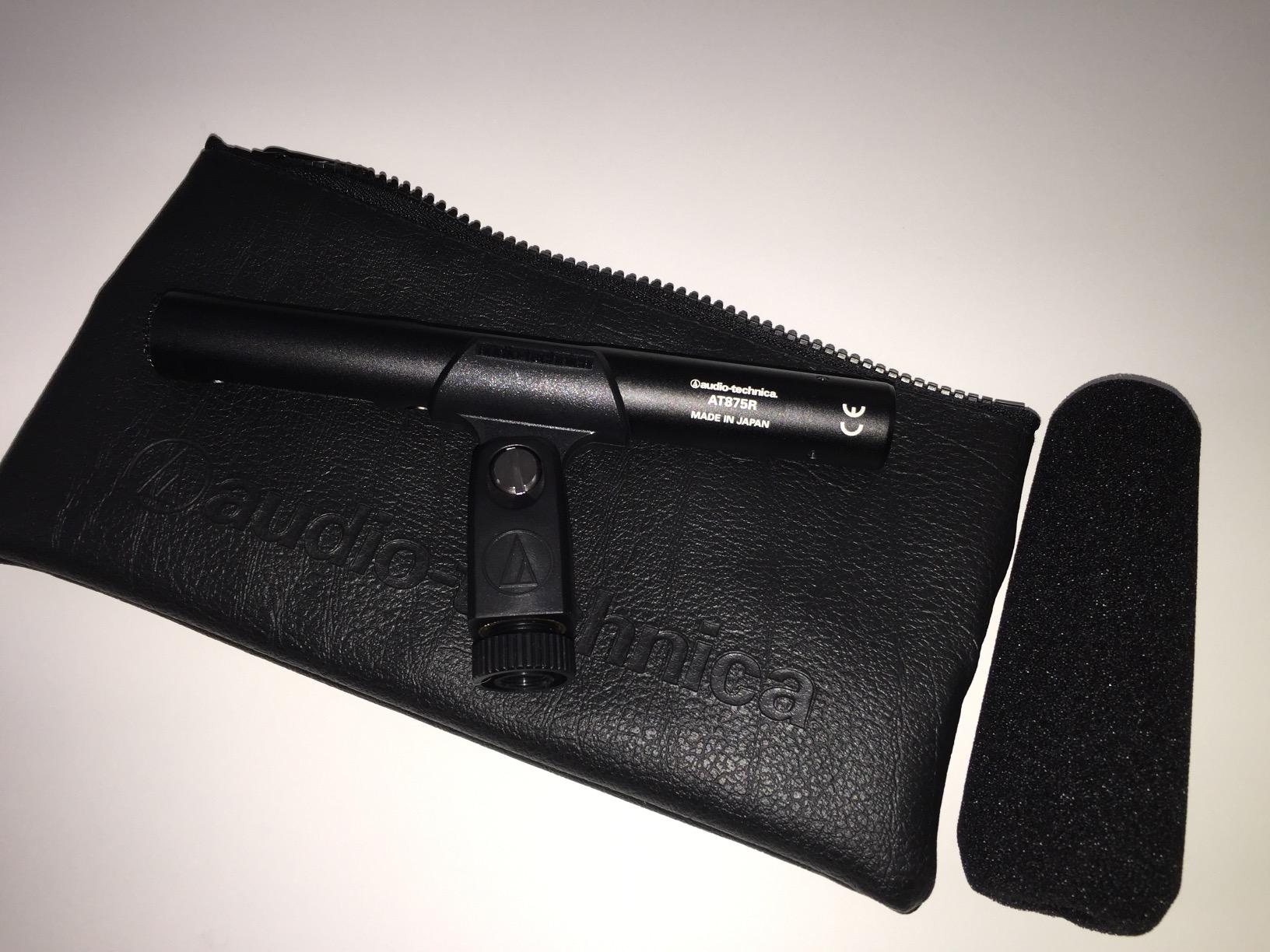
I borrowed an AT875R from a fellow filmmaker for a weekend documentary shoot, expecting budget-tier audio. What I got was dialogue that sat beautifully in the mix with barely any EQ work. This mic punches so far above its price point that it has become my go-to recommendation for filmmakers just starting their audio upgrade journey.
The line-plus-gradient design gives you focused sound pickup without the complete off-axis rejection that can make dialogue sound unnatural on longer shotguns. At under seven inches, it fits comfortably on smaller DSLR rigs when needed, though it truly shines on a boom pole.
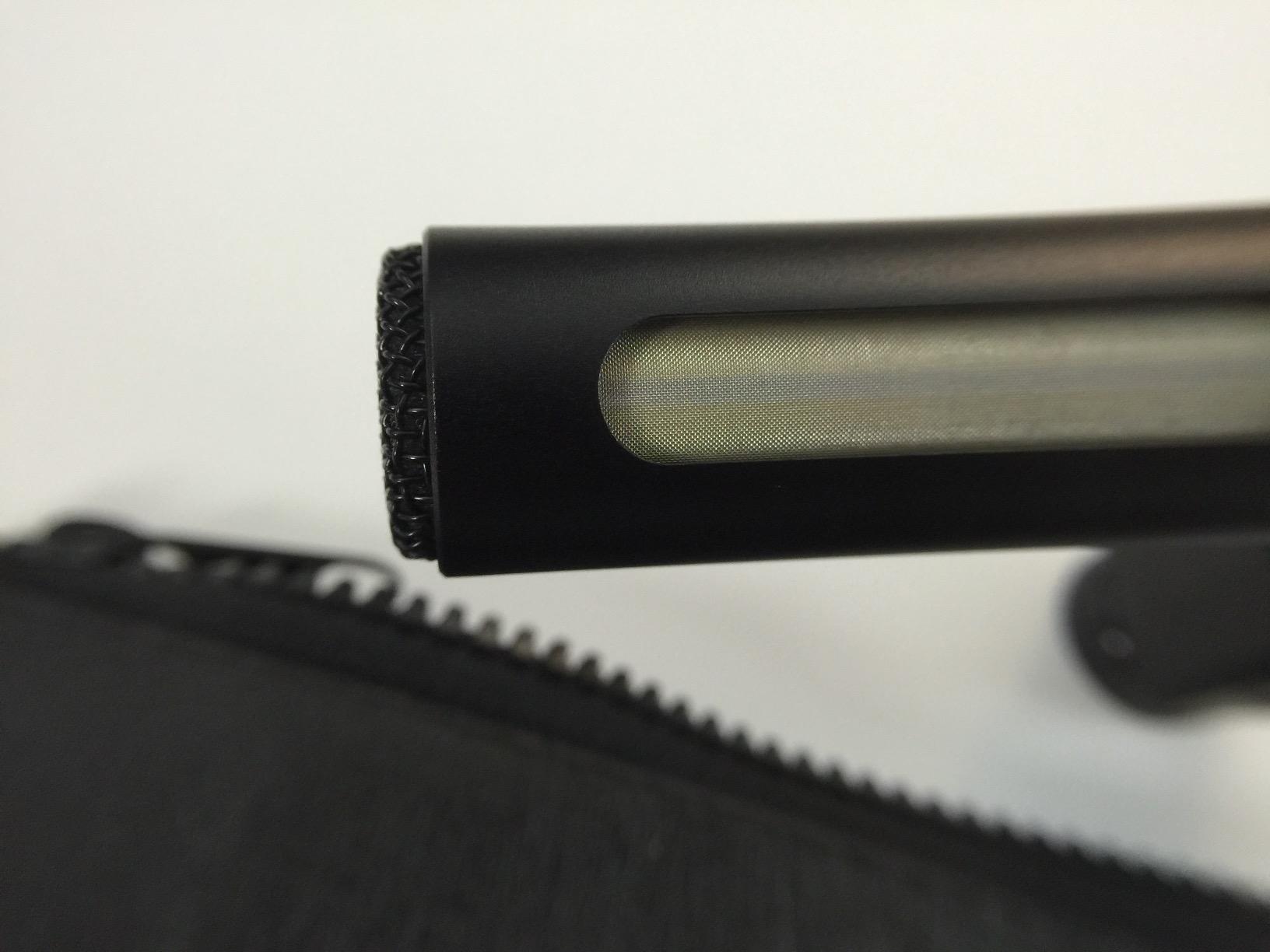
The build quality surprised me. The aluminum body feels substantial, not toy-like. After six months of regular use on various projects, the AT875R has held up without any degradation in sound quality. The included carrying bag is a nice touch for transport protection.
Sound-wise, the AT875R delivers a rich, full tone with a tight low end that minimizes rumble from handling noise. The lack of a built-in low-cut filter means you will handle that in post or on your recorder, but the mic itself captures clean audio that takes EQ well.
Best For
This is the perfect starter shotgun for indie filmmakers working with sub-$300 budgets who still want professional results. It pairs beautifully with entry-level audio recorders like the Tascam DR-05 or Zoom H1n. The compact size makes it ideal for documentary work where you need to move fast.
Not Ideal For
Because the AT875R requires 48V phantom power, you cannot run it directly into a DSLR without an external recorder or phantom power adapter. Solo shooters who need battery-powered options should look elsewhere. The shorter length also means slightly less directional pickup compared to longer shotguns.
3. Rode VideoMic Pro Plus — Premium On-Camera Option
- Auto on/off with camera
- Multiple power options
- Digital audio switching
- Premium Rycote suspension
- 10-year warranty
- Bass-heavy without EQ
- Adapter needed for smartphones
- Battery door requires care
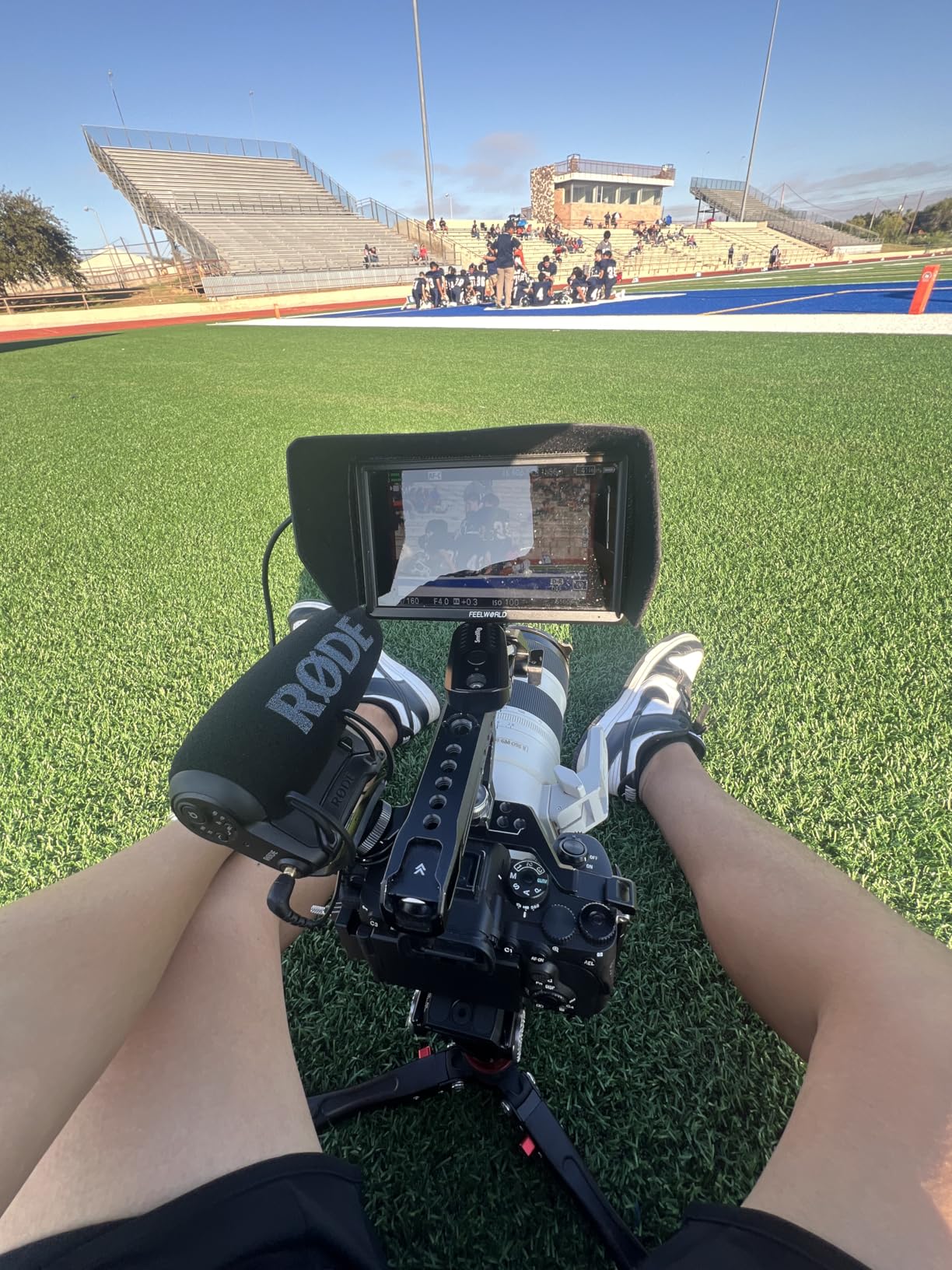
The Rode VideoMic Pro Plus sits on my camera for 90 percent of my solo documentary work. When you are a one-person crew juggling camera, sound, and interviews, the convenience of a premium on-camera shotgun cannot be overstated. The automatic power function alone has saved me from countless dead battery situations.
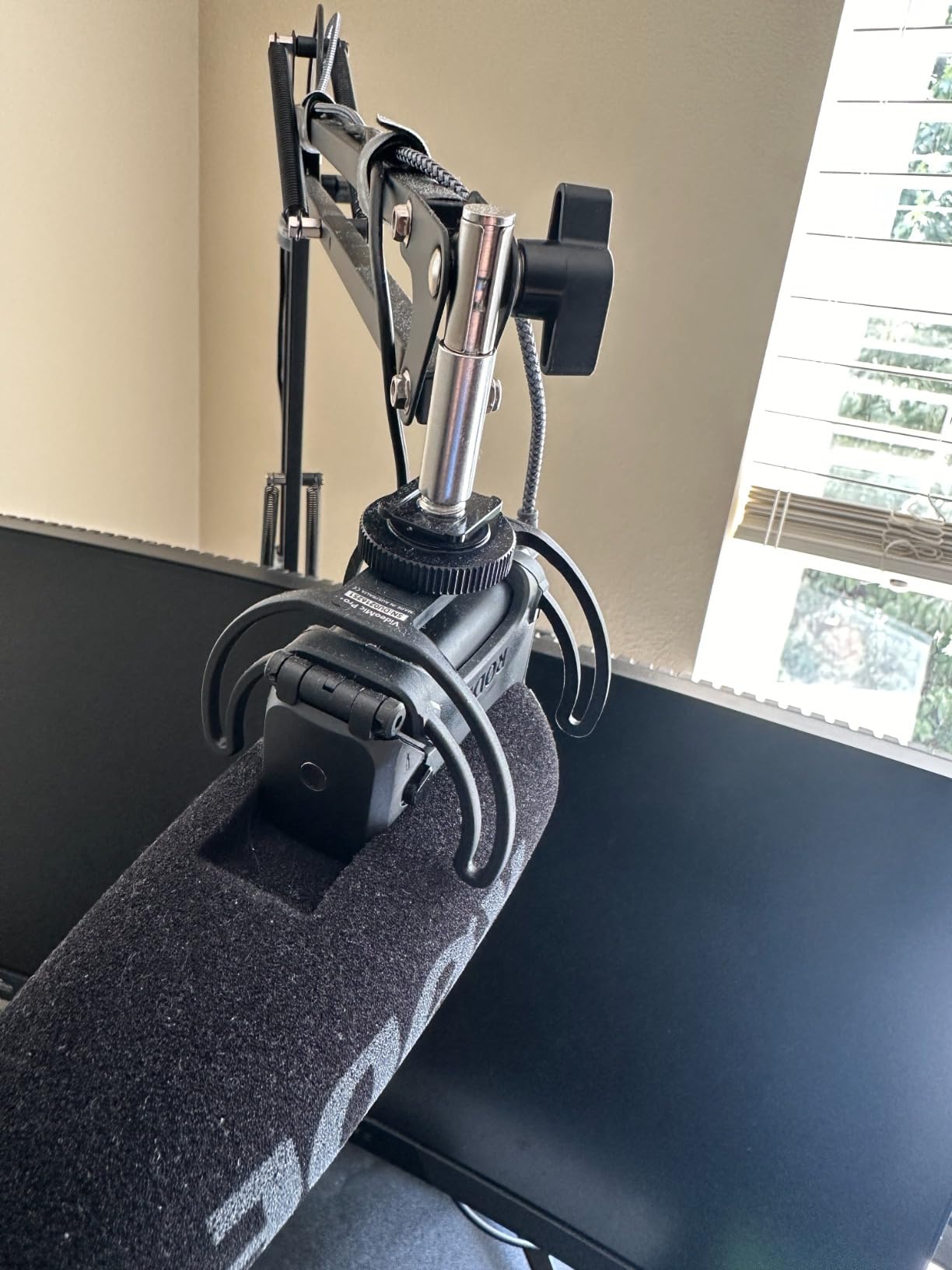
The Rycote Lyre suspension system is genuinely effective at isolating handling noise. I have walked while filming, adjusted focus rings, and even bumped the camera without transferring vibration to the audio track. For run-and-gun situations where booming is not practical, this is the best camera-mounted option available.
Sound quality is excellent for its class, though I do notice a slight bass boost that requires some EQ correction in post. The digital switching lets you engage a high-pass filter, high-frequency boost, pad, and safety channel right on the mic. That safety channel has saved interviews where the subject suddenly got loud.
Battery life is stellar with the included LB-1 rechargeable battery, but the flexibility to use AAs or USB power means you are never stuck. The 10-year warranty when registered shows Rode stands behind this product for the long haul.
Best For
Solo filmmakers and documentarians who need premium on-camera audio without the complexity of external recorders and boom poles. Wedding videographers, vloggers, and YouTube creators will appreciate the set-it-and-forget-it operation. The 3.5mm output connects directly to DSLRs and mirrorless cameras.
Not Ideal For
Narrative filmmakers who need maximum isolation and clean dialogue in controlled environments will get better results from XLR shotguns like the MKE 600. The VideoMic Pro Plus is designed for convenience first, absolute audio purity second. It also sits too high for some camera cages and rigs.
4. Sennheiser MKE 400 — Compact and Travel-Friendly
- Discrete compact design
- Headphone monitoring jack
- Interchangeable cables for camera/phone
- Good battery life on AAA
- Includes deadcat windscreen
- Less directional than pro boom mics
- Fall-off beyond arm's length
- Mount can feel loose on some rigs
The MKE 400 is what I pack when traveling light matters more than absolute audio perfection. At under 10 inches, it does not scream “professional equipment” when you are shooting in sensitive locations, yet it still delivers Sennheiser-quality sound for dialogue and interviews.
The integrated headphone output is a game-changer for solo shooters. You can monitor audio directly from the mic without the latency that plagues camera headphone jacks. That 3-step sensitivity switch lets you adapt quickly when moving between quiet indoor interviews and louder outdoor scenes.
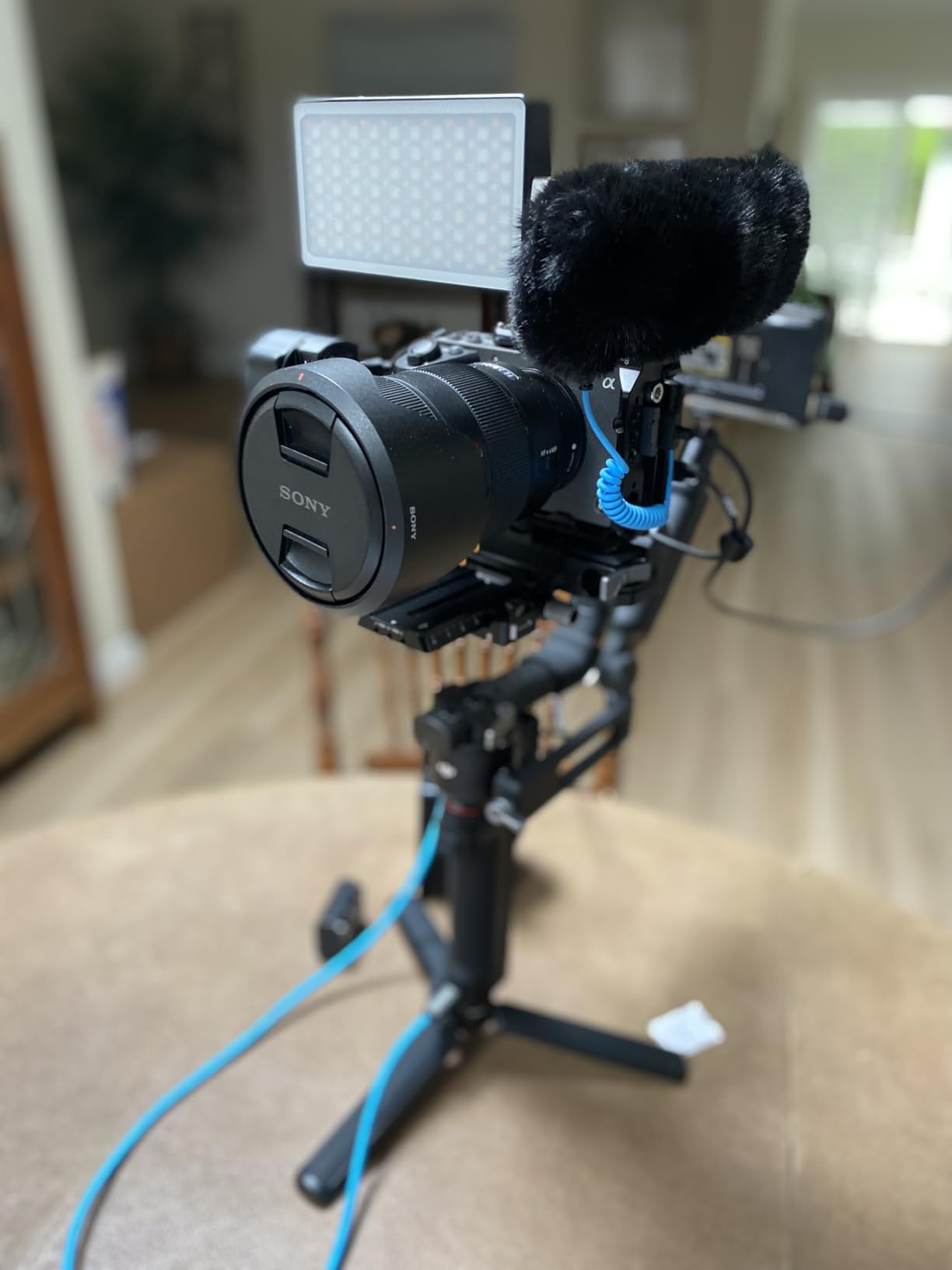
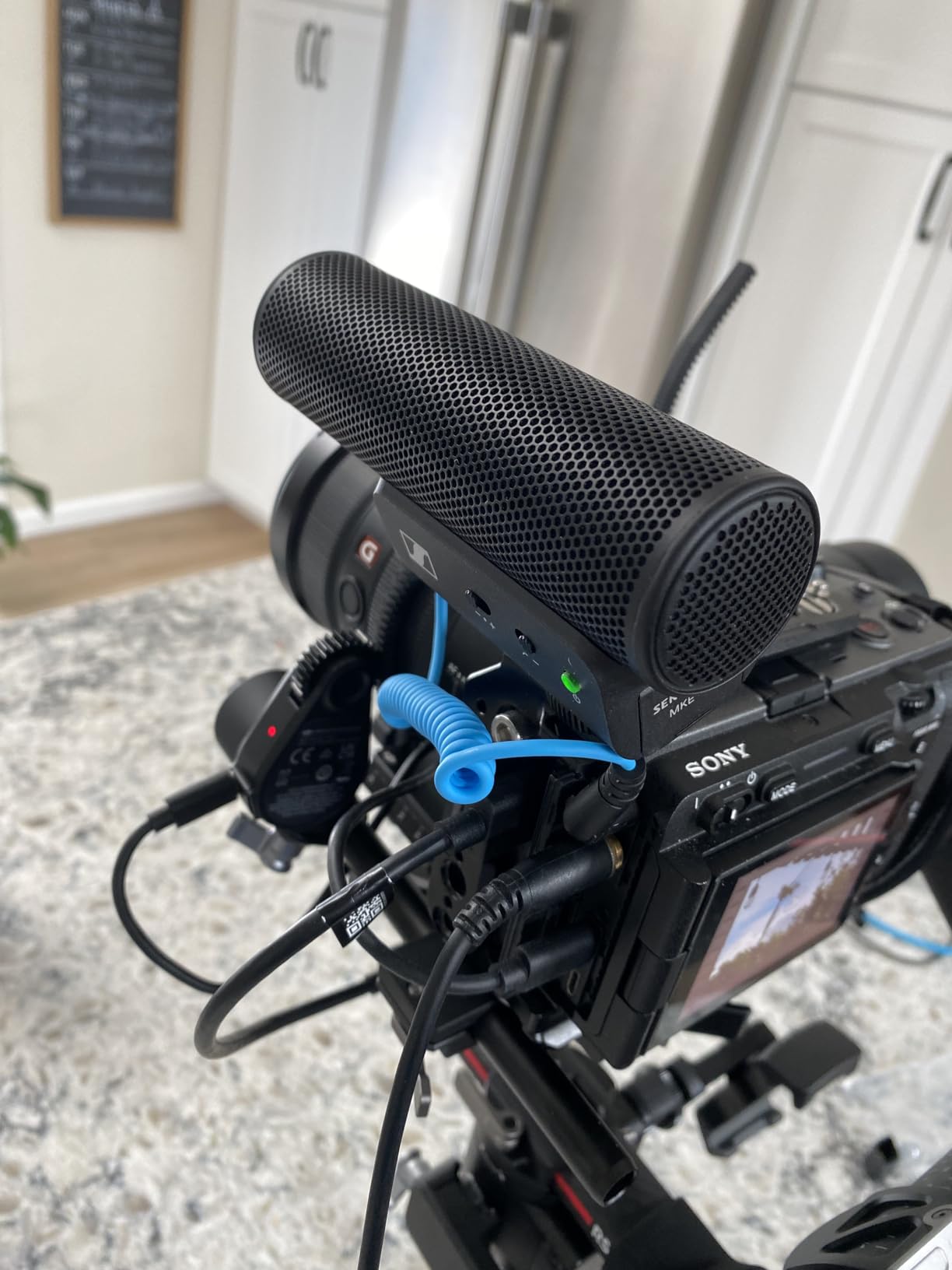
Build quality is typical Sennheiser: solid metal construction that feels like it will last years. The interchangeable 3.5mm cables let you switch between camera (TRS) and smartphone (TRRS) operation, making this a versatile tool for multi-platform creators.
Audio quality is clean and directional for its size, though it cannot match the rejection of longer shotguns like the MKE 600 or AT875R. Keep your subject within arm’s length for best results. The included deadcat windscreen handles outdoor wind better than foam covers.
Best For
Travel filmmakers, mobile journalists, and content creators who need better-than-camera audio without the bulk of professional shotguns. The MKE 400 excels for vlogging, YouTube production, and documentary work where discretion matters. Smartphone shooters will appreciate the TRRS cable option.
Not Ideal For
Narrative filmmakers doing scripted dialogue will find the pickup pattern too wide for precise boom work. The MKE 400 is not a replacement for a proper boom microphone on feature projects. It also lacks XLR connectivity for professional audio recorder workflows.
5. Rode NTG-2 — Classic Workhorse with Dual Power
Rode NTG-2 Multi-Powered Shotgun Microphone,Black
- Flexible power options
- Excellent off-axis rejection
- Low self-noise
- Lightweight aluminum build
- Industry standard reliability
- Handling noise without shock mount
- No on/off switch
- Recessed bass roll-off switch
The NTG-2 has been a staple of indie film productions for over a decade, and for good reason. This is the microphone I learned on, and it remains a reliable choice for filmmakers who need professional XLR audio with the flexibility to run on battery power when phantom is not available.
Sound quality is classic Rode: natural frequency response with excellent off-axis rejection. The supercardioid pattern gives you a tighter pickup than wider shotguns, making it easier to isolate dialogue in noisy environments. We used an NTG-2 for an entire feature shoot, and the audio quality held up beautifully in the final mix.
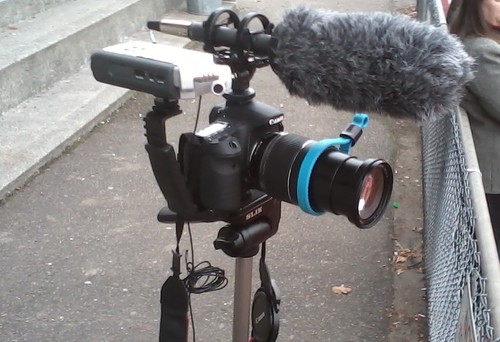
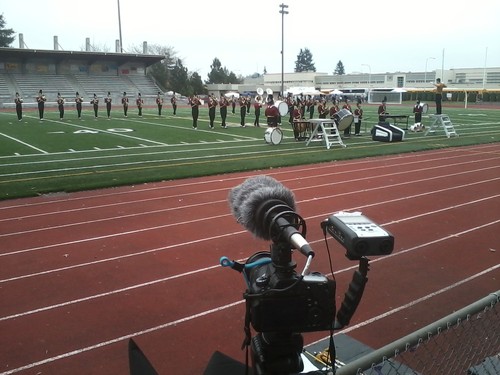
The dual power flexibility is genuinely useful on indie sets. When your recorder dies or you need to plug into a camera without phantom power, the AA battery option keeps you rolling. Build quality is solid metal construction that withstands the abuse of location shooting.
That 10-year warranty upon registration speaks to Rode’s confidence in this product. Many NTG-2s are still working perfectly after years of professional use. The included foam windsock handles light indoor use, though you will want a deadcat for outdoor work.
Best For
Indie filmmakers who want a proven, reliable shotgun microphone with flexible power options. The NTG-2 excels for narrative dialogue, interviews, and any situation where you might encounter equipment with or without phantom power. Film students and emerging professionals trust this mic for good reason.
Not Ideal For
Run-and-gun shooters who need camera-mounted audio will find the NTG-2 too long and XLR-focused for practical use. The handling noise requires a proper shock mount, adding to the total setup cost. Solo operators might prefer something more compact and convenient.
6. VidPro XM-55 — Complete Budget Kit for Beginners
- Incredible value under $100
- Complete accessory kit included
- Multiple mounting options
- Durable aluminum build
- Good starter mic quality
- Cables feel cheap
- On/off switch tricky
- XLR cables basic grade
When a filmmaker friend asked me what to buy for under $100 to start learning boom technique, I pointed them to the VidPro XM-55. This kit includes everything you need to start recording location sound: shock mount, cables, wind protection, and even a hand grip for handheld booming.
The audio quality surprised me for the price point. Is it as clean as the MKE 600 or AT875R? No. But it captures intelligible dialogue that is miles better than camera audio, and that is what matters when you are learning. The supercardioid pattern provides decent directionality for indoor dialogue work.
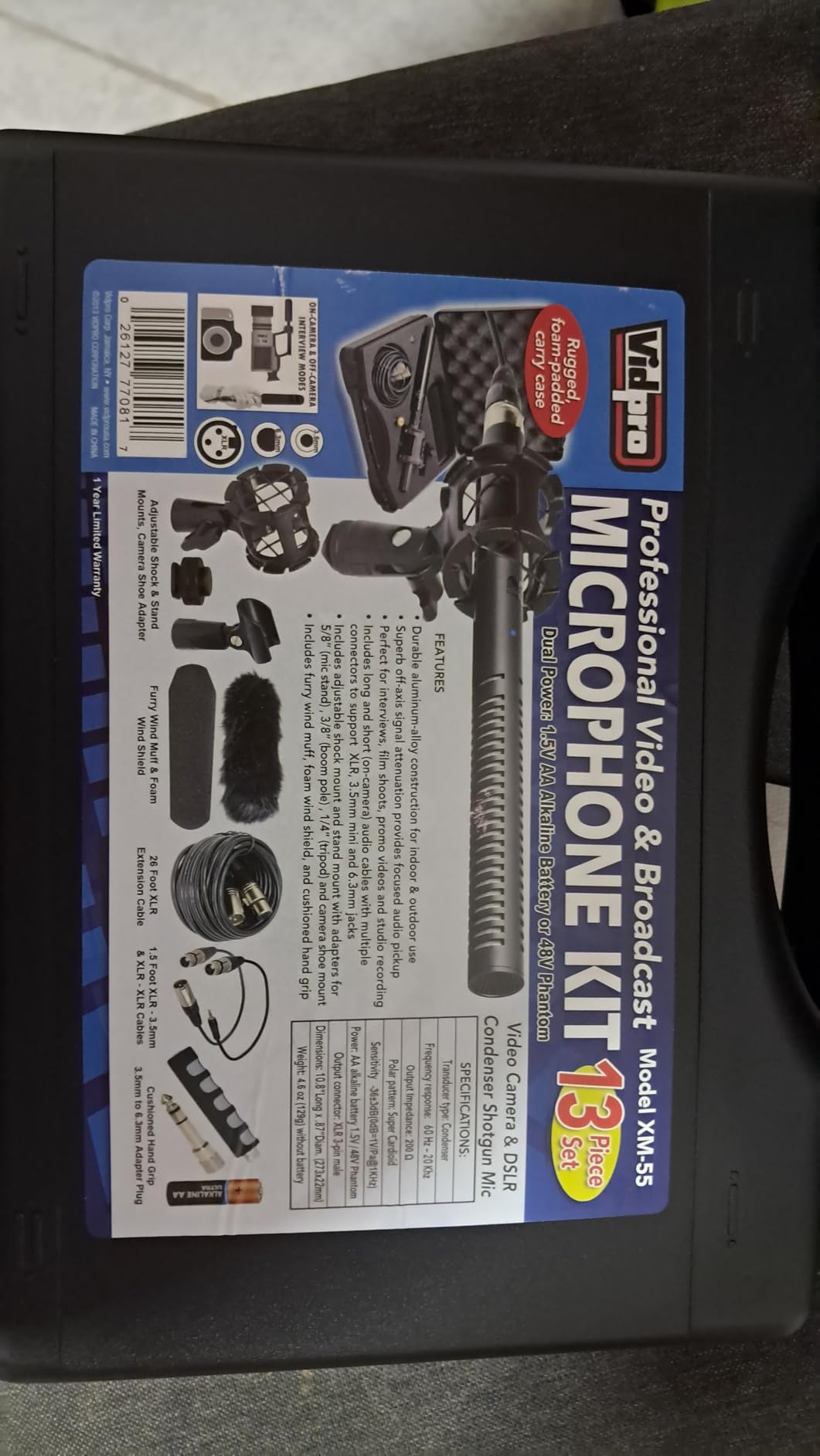
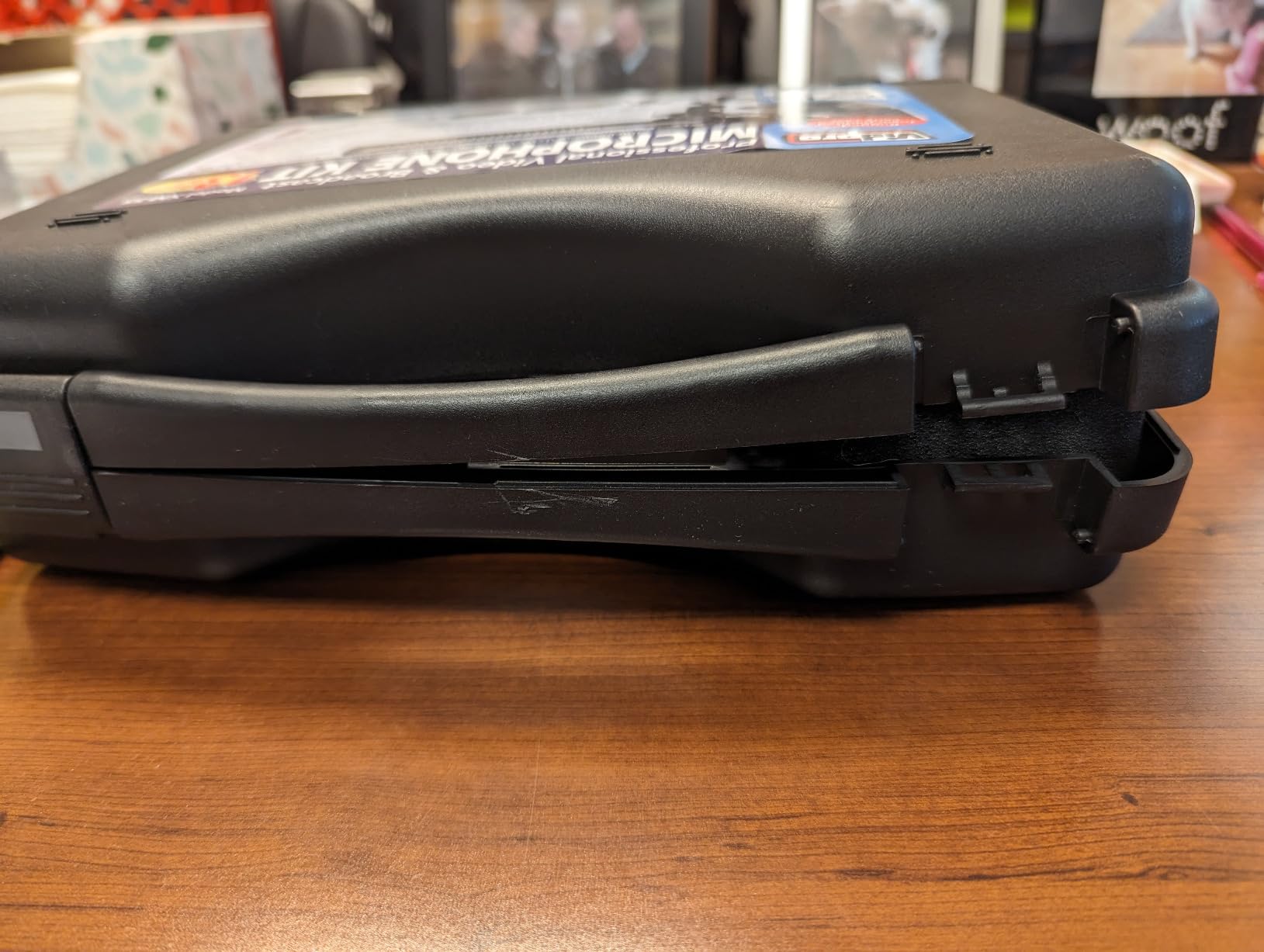
The 13-piece kit genuinely saves you money over buying accessories separately. You get XLR and 3.5mm cables, foam and deadcat windscreens, a shock mount, stand mount, and camera shoe adapter. The carrying case keeps everything organized in your gear bag.
Build quality is adequate, not exceptional. The aluminum body feels solid, but the included cables are thin and the on/off switch requires a firm press. Still, for filmmakers just starting out, this kit lets you experiment with boom technique without a major investment.
Best For
Absolute beginners who want to learn boom microphone technique without spending hundreds of dollars. Film students, hobbyists, and YouTube creators just starting their audio upgrade will find this kit includes everything needed to get started. The multiple cable options let you experiment with different recording setups.
Not Ideal For
Professional productions or anyone doing paid client work should invest in higher-quality mics. The self-noise is audible in quiet rooms, and the frequency response is not as refined as professional options. Serious indie filmmakers will quickly outgrow this and want to upgrade.
7. COMICA VM40 — Wireless Innovation for Solo Shooters
- 32-bit float recording prevents clipping
- Internal backup recording
- Safety mode dual tracks
- 200m wireless range
- App control and monitoring
- Wireless mode disables 32-bit float
- Mount durability concerns
- Gain requires dual adjustment
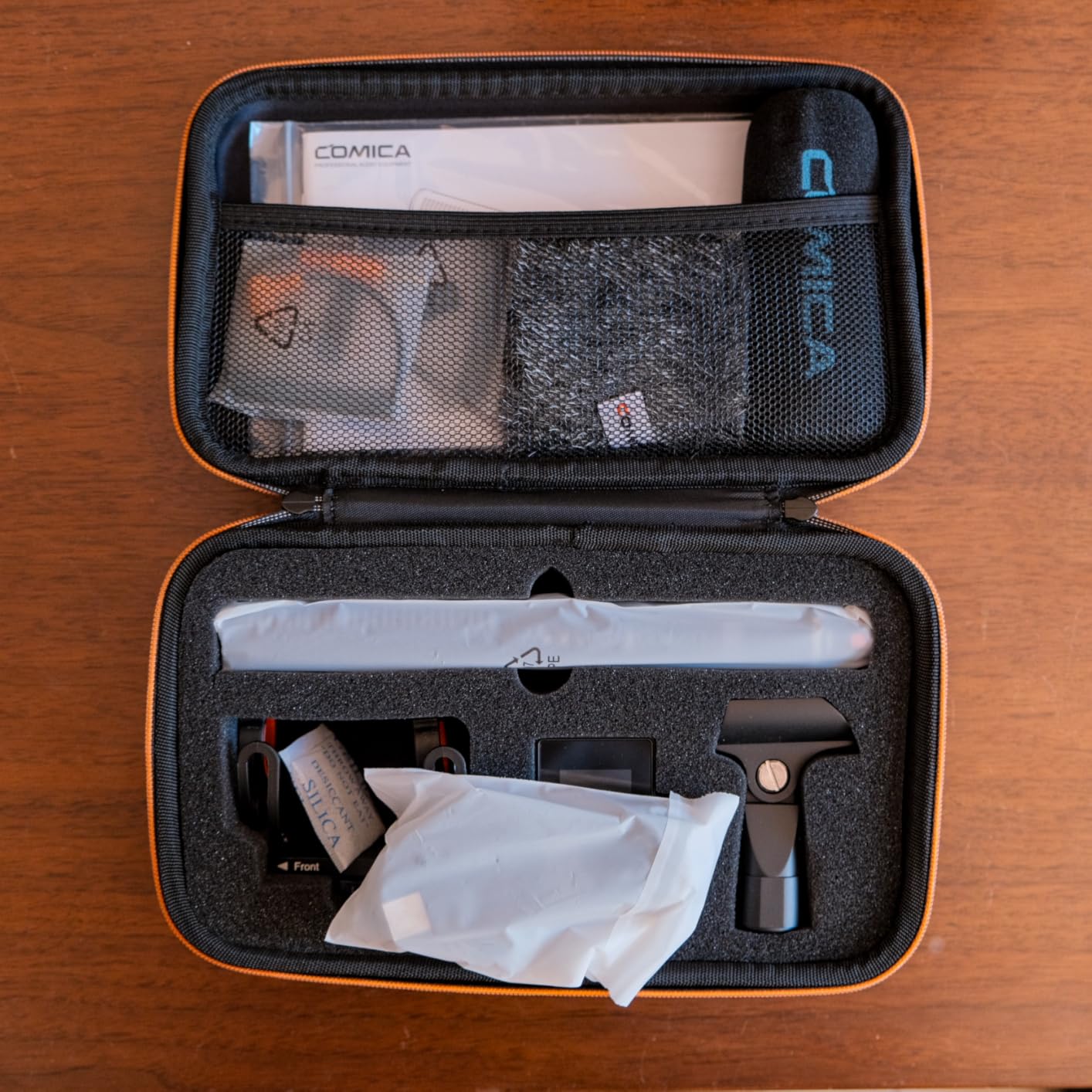
The COMICA VM40 represents the future of indie filmmaking audio. This mic combines traditional shotgun pickup with wireless transmission and internal recording, solving problems that have plagued solo shooters for years. I have been using it for interviews where I need to monitor from another room while the subject wears a wireless transmitter.
The 32-bit float recording is the standout feature here. Traditional recording requires careful gain staging to prevent clipping or noise floor issues. With 32-bit float, you essentially cannot clip the audio, giving you enormous flexibility in post. The 32GB internal storage provides backup recording even if your wireless connection drops.
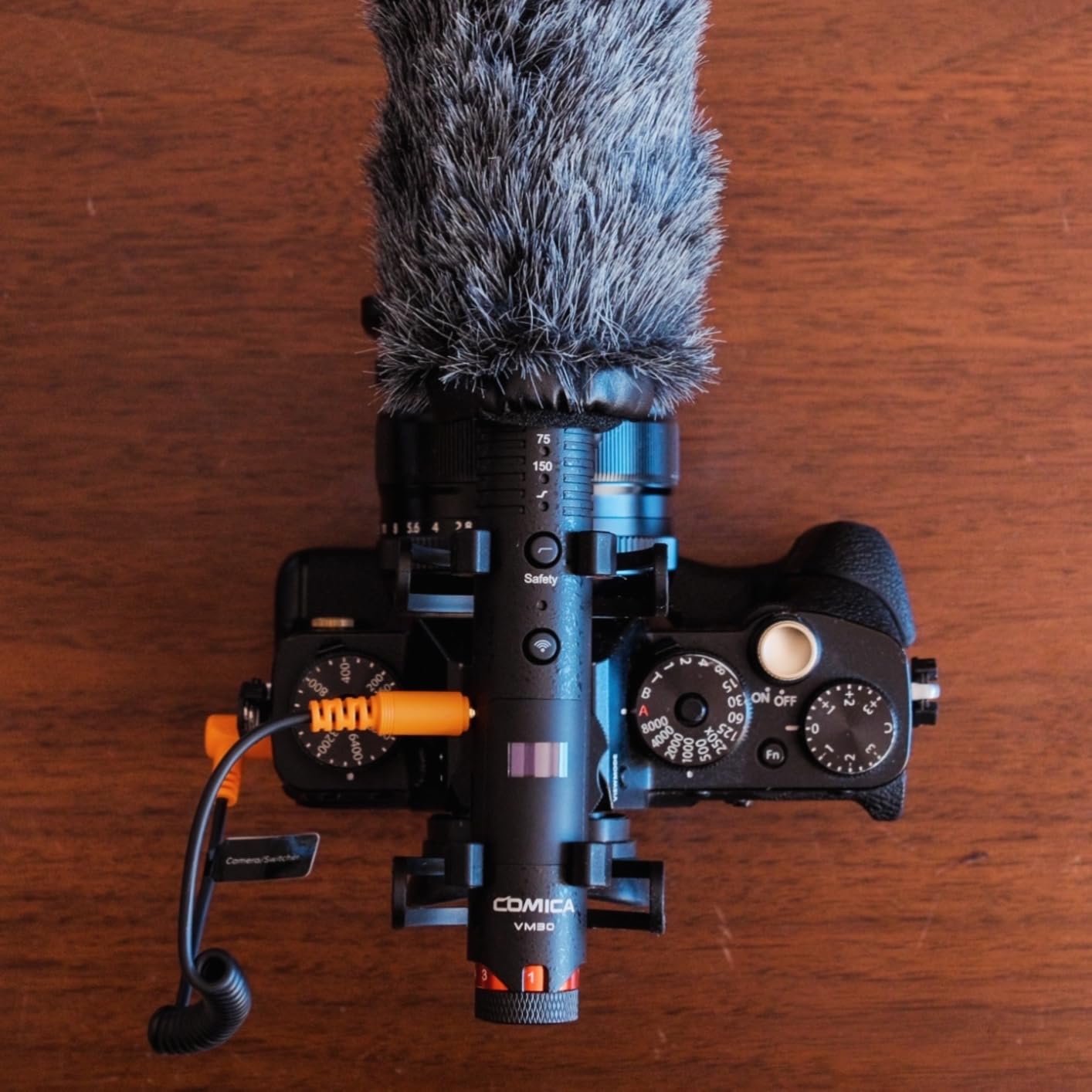
The safety mode records dual tracks at 6dB lower, giving you a backup if the main track clips. That 200-meter wireless range is not marketing hype; I have tested it across a large warehouse space with no dropouts. Battery life is impressive at 32 hours wired or 10 hours wireless.
The Comica Audio App lets you monitor levels and adjust settings remotely, which is incredibly useful when you cannot physically reach the mic. Audio quality is competitive with mics in the $300-400 range, though the supercardioid pattern is slightly wider than dedicated boom mics.
Best For
Solo filmmakers and documentarians who need wireless flexibility without sacrificing audio quality. The VM40 excels for interview setups, event coverage, and any situation where you need distance between yourself and the subject. Content creators who value internal recording backup will appreciate the redundancy.
Not Ideal For
Narrative filmmakers doing traditional boom work do not need the wireless features and will get better value from dedicated shotgun mics like the MKE 600. The VM40 is also overkill for simple YouTube talking head videos where a basic on-camera mic suffices.
How to Choose the Right Boom Microphone for Your Indie Film
After testing dozens of mics and shooting with various setups, here is what actually matters when choosing a boom microphone for indie filmmaking.
XLR vs 3.5mm: Understanding Your Connection Options
XLR connections are the professional standard for a reason. They carry balanced audio that rejects interference, and they deliver phantom power to condenser microphones. If you are using an external audio recorder like a Zoom H4n, Tascam DR-40X, or Sound Devices MixPre, you want an XLR shotgun mic.
3.5mm connections work directly with DSLR and mirrorless cameras, but they transmit unbalanced audio that is more susceptible to interference. They also cannot provide phantom power, so your mic needs its own battery. For solo documentary work where you are not using an external recorder, 3.5mm mics like the VideoMic Pro Plus make sense.
Shotgun vs Supercardioid: Pickup Patterns Explained
Shotgun microphones use interference tubes to create extremely directional pickup patterns. They excel at rejecting off-axis sound, making them ideal for outdoor shoots and noisy environments. The tradeoff is that they can sound slightly unnatural indoors due to their aggressive rejection.
Supercardioid mics are slightly less directional but often sound more natural for dialogue. They are forgiving of less-than-perfect boom technique, making them ideal for indie crews still learning placement. For indoor dialogue work, a supercardioid like the MKE 600 or MKE 400 often sounds better than a tight shotgun.
Power Options: Phantom, Battery, or Both
Phantom power (48V) provided by audio recorders gives mics consistent, clean power without battery anxiety. However, it limits you to external recorders and requires managing another piece of gear.
Battery-powered mics offer flexibility for camera-mounting and situations where phantom is not available. Modern mics like the MKE 600 deliver 150+ hours on a single AA, making battery management easy. Dual-power mics give you the best of both worlds.
Weight and Balance for Handheld Booming
If you are a solo filmmaker booming your own shots, weight matters enormously. A heavy mic on a long boom pole quickly becomes exhausting. The Audio-Technica AT875R at 2.88 ounces and the Rode VideoMic Pro Plus at 4.32 ounces are much easier to handheld boom than heavier professional mics.
For crew situations with a dedicated boom operator, weight is less critical than audio quality. Always use a proper shock mount to isolate handling noise, regardless of mic weight.
Wind Protection: Essential for Outdoor Shooting
Even a light breeze can destroy audio from an unprotected shotgun mic. Foam windscreens handle indoor use and very light outdoor wind. For anything more than a gentle breeze, you need a deadcat or blimp-style wind protection.
Most mics in this roundup include basic foam windscreens. Budget $30-80 for a quality deadcat if you plan to shoot outdoors regularly. Some higher-end mics include deadcats, but most budget options do not.
Frequently Asked Questions About Boom Microphones for Indie Filmmaking
What is a good boom mic setup for indie filmmaking?
A good indie film boom setup starts with a quality shotgun mic like the Sennheiser MKE 600 or Audio-Technica AT875R, a sturdy boom pole with internal cable management, a shock mount to isolate handling noise, and an audio recorder like the Zoom H4n or Tascam DR-40X. For solo shoots, add a boom pole holder or tripod mount so you can operate camera and boom simultaneously. Do not forget wind protection if shooting outdoors.
What is the best consumer grade boom mic?
The Sennheiser MKE 600 is widely considered the best consumer-grade boom microphone that delivers professional results. At around $300, it offers exceptional audio quality, dual power options, and build quality that rivals mics costing twice as much. For tighter budgets under $200, the Audio-Technica AT875R delivers outstanding value.
What microphone should I use for shooting indie movies?
For indie movies, choose a shotgun or supercardioid microphone with XLR connectivity like the Sennheiser MKE 600, Audio-Technica AT875R, or Rode NTG-2. These provide the directional pickup and audio quality needed for clean dialogue recording. Pair your mic with an external audio recorder for best results. Avoid relying on camera-mounted mics for narrative dialogue.
Boom mic vs lav mic: which is better for indie filmmaking?
Boom mics and lav mics serve different purposes. Boom mics capture more natural, full-bodied dialogue and work well for two-shots and moving subjects. Lav mics provide consistent levels and work in tight spaces where booming is impossible. Many indie productions use both: boom as the primary source and lavs as backup or for wide shots. For dialogue-heavy scenes, prioritize boom audio when possible.
How do I get started with boom mic recording?
Start with a budget-friendly shotgun mic kit like the VidPro XM-55 or Audio-Technica AT875R, a basic boom pole, and an entry-level recorder. Practice booming technique: hold the pole above your head at a 45-degree angle toward the subject’s mouth, keeping the mic just out of frame. Monitor audio with headphones, and always record room tone before packing up. Join filmmaking forums and watch YouTube tutorials to accelerate your learning.
Final Thoughts: Finding Your Best Boom Microphone for Indie Filmmaking in 2026
After testing these seven microphones across multiple projects, the Sennheiser MKE 600 remains my top recommendation for most indie filmmakers. It delivers professional audio quality, flexible power options, and proven reliability at a price point that does not require a Hollywood budget.
If money is tight, the Audio-Technica AT875R delivers 90 percent of the performance at half the price. For solo documentarians, the Rode VideoMic Pro Plus or COMICA VM40 offer convenience features that make one-person shoots feasible. Beginners should start with the VidPro XM-55 kit to learn technique before investing in higher-end gear.
Remember that the best boom microphones for indie filmmaking are the ones you actually use. A $1,000 mic sitting in your closet helps no one. Start with what your budget allows, learn proper booming technique, and upgrade as your projects demand better audio. Clean dialogue is within reach for every filmmaker in 2026.