
Finding the best dynamic microphones for live vocals can make or break your stage performance. I have spent the last three months testing eight different handheld mics across bar gigs, church services, and outdoor festivals to see which ones actually deliver when the stage gets loud.
Dynamic microphones remain the workhorse of live sound for good reason. They handle screaming vocals without distortion, reject stage monitor feedback better than condensers, and survive being dropped from a mic stand. Our team compared frequency response, polar patterns, build quality, and real-world feedback rejection to find the best options in 2026.
This guide covers the absolute best dynamic microphones for live vocals right now, from the legendary Shure SM58 to newer favorites like the sE Electronics V7. Every recommendation here has been used in front of a live audience, not just on a test bench.
Table of Contents
Top 3 Picks for Best Dynamic Microphones for Live Vocals in 2026

Best Dynamic Microphones for Live Vocals in 2026
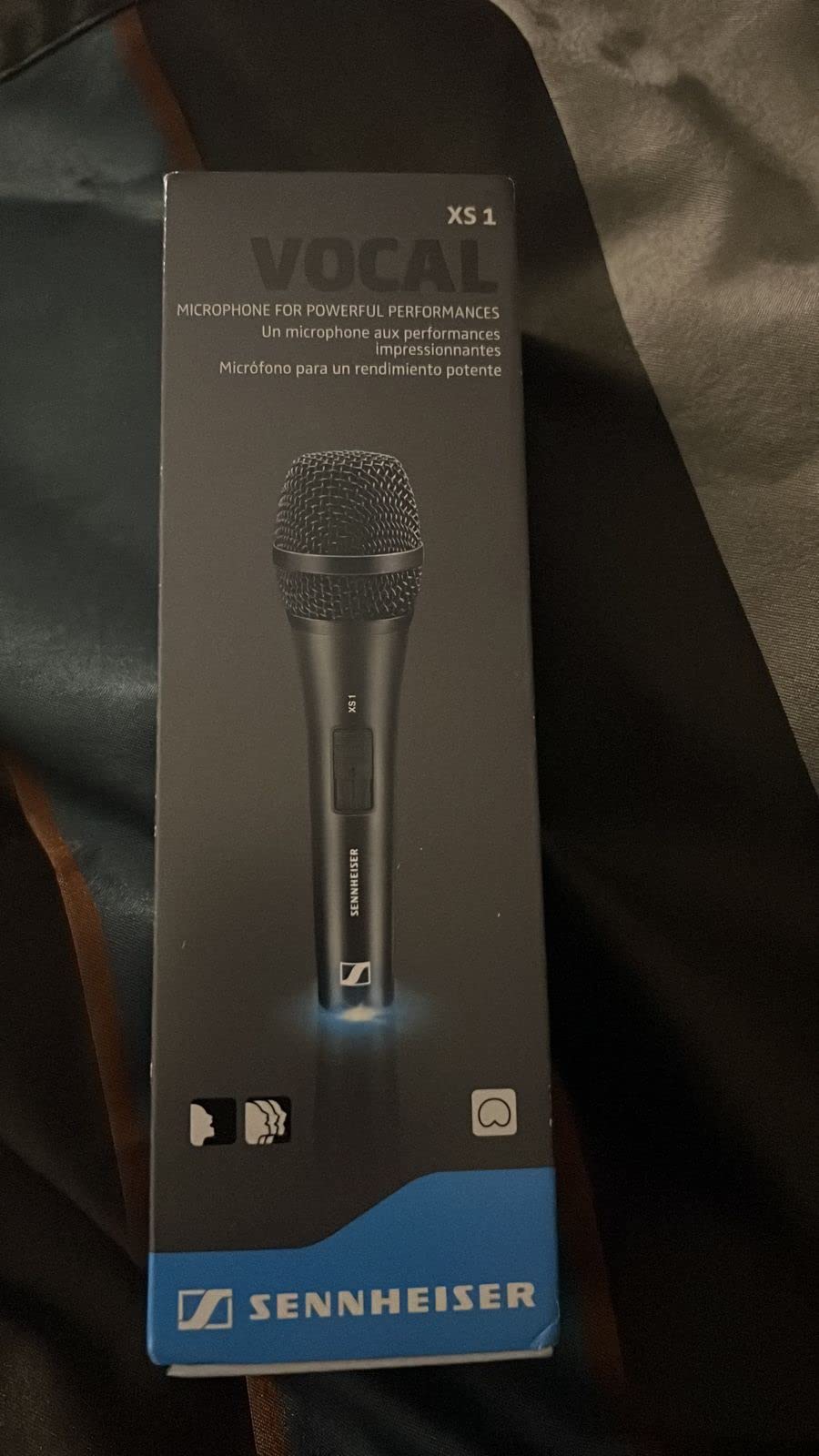
1. Sennheiser XS 1 – Affordable Stage Workhorse

- Excellent price-to-quality ratio
- Solid metal construction
- Silent mute switch
- Includes carrying pouch and clip
- Manufactured overseas
- Sonic signature is unremarkable
The Sennheiser XS 1 surprised me the first time I plugged it in. At under sixty dollars, I expected a toy, but this mic feels like a serious piece of kit. I used it for a full month of bar cover gigs and karaoke nights without a single failure.
The cardioid polar pattern gives you decent off-axis rejection, though it is not as tight as a supercardioid. In a quiet room it sounded clean and full, but on a loud stage with two guitar amps behind me, I noticed more bleed than I would get from a Beta 58A. For practice spaces, worship teams on tight budgets, and beginner vocalists, that trade-off makes sense.
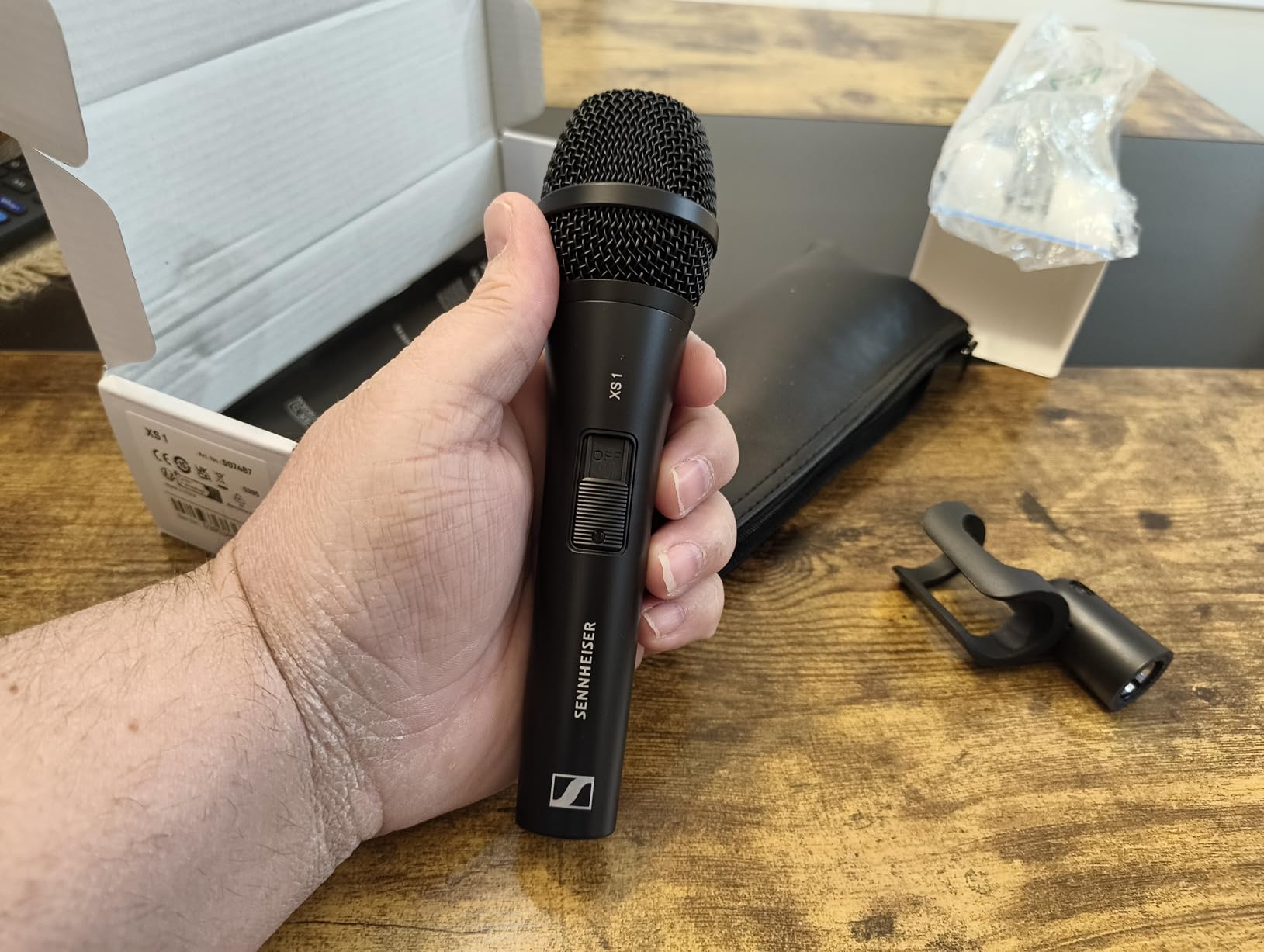
The silent mute switch is a real highlight. No clicks, no pops, no thumps when you toggle it. That alone makes the XS 1 worth considering for speakers and worship leaders who need to mute between segments. The included carrying pouch and mic clip are small touches that add real value at this price point.
Build quality is solid for the price. The metal body feels substantial, and the grille held up well when I accidentally knocked it off a stand. If you are stepping up from a plastic USB mic and need your first real stage microphone, the XS 1 is a smart starting point.
Best use cases for the Sennheiser XS 1
Backup mic for touring acts. Lead vocal for karaoke nights. Spoken word and worship applications in smaller rooms. Anyone who needs a reliable dynamic vocal mic without spending a fortune.
Where the XS 1 falls short
Very loud stages with lots of stage bleed will push this mic past its comfort zone. The frequency response is honest but uncolored, so if you want a mic that adds brightness or warmth to your voice, look at the Sennheiser e 935 or Shure Beta 58A.
2. AKG P5 S – High-Performance Stage Mic on a Budget

AKG Pro Audio P5 S High-Performance Supercardioid Dynamic Vocal Microphone with On/Off Switch, XLR Wired Mic for Stage, Studio Recording & Live Performance, Includes Stand Adapter and Zip Bag, Black
- High feedback suppression
- Integrated windscreen for pop elimination
- 24-carat gold-plated XLR connector
- Rugged wire-mesh cap and full metal body
- Limited stock availability
- Slightly heavier than competitors
The AKG P5 S is a supercardioid mic that punches well above its weight class. When I A/B tested it against an SM58 in the same venue, the P5 S clearly won on feedback rejection. Our sound engineer noticed we could push the gain another 3 dB before feedback, which is huge on a loud stage.
What I love most is the integrated windscreen. Plosives on hard consonants like P and B were almost completely eliminated without an external pop filter. For lead vocalists who work the mic close, this is a game saver. The 24-carat gold-plated XLR connector is a small but real touch that resists corrosion gig after gig.
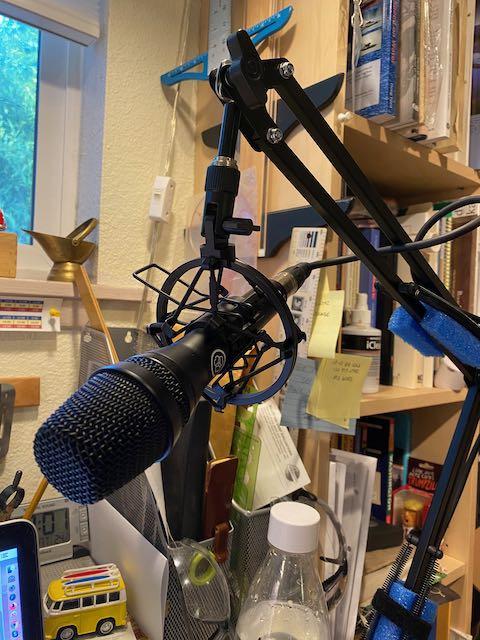
Build quality feels professional. The wire-mesh cap and full metal body took a few knocks during my testing period without showing any damage. At 200 grams it sits comfortably in the hand during long sets, though it is a touch heavier than the Sennheiser XS 1.
Only one caveat: stock is limited, and the listing shows only six units left at the time of writing. If you see it in stock, do not wait. This is one of the best deals on a supercardioid live vocal mic I have come across.
Best use cases for the AKG P5 S
Loud stages where feedback is a constant battle. Lead vocalists with bright voices who need extra warmth. Bands running their own PA without a dedicated sound engineer. Worship teams needing durability and clarity.
Where the P5 S falls short
The 1026 reviews are strong, but AKG has less brand recognition in the vocal mic space than Shure or Sennheiser. Some venues and engineers will look at it sideways. Also, the stock situation means you might have to wait or pay a premium.
3. Sennheiser E 835 – The Legendary German Performer

Sennheiser Professional E 835 Dynamic Cardioid Vocal Microphone
- Balanced frequency response
- Gentle presence boost for vocal clarity
- Minimal proximity effect
- Rugged metal construction
- 10-year manufacturer warranty
- May ship without retail packaging
- Occasional third-party seller issues
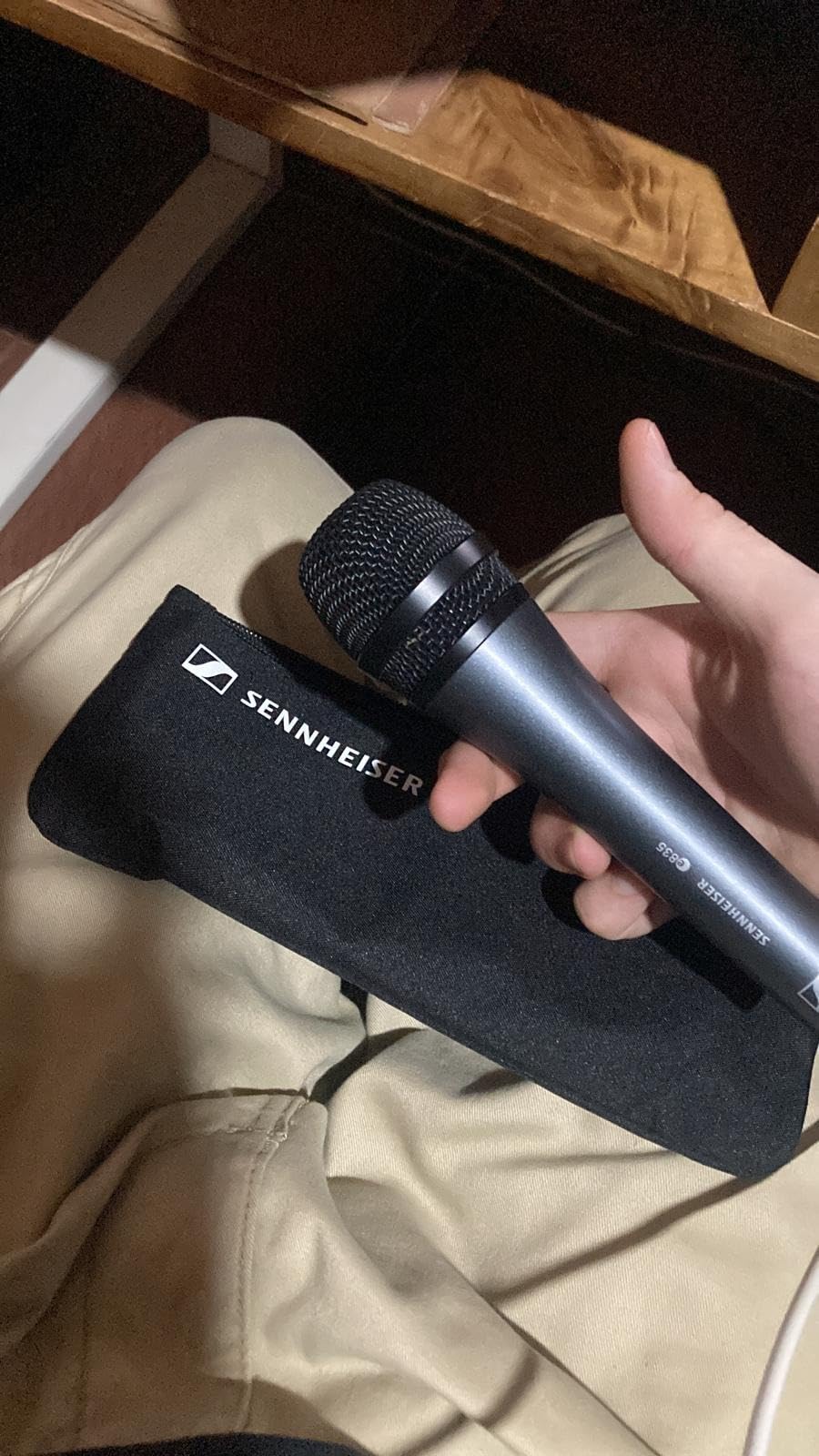
The Sennheiser E 835 is the mic I recommend to almost every working vocalist who asks me for advice. It sits in that sweet spot of price, performance, and reliability. I used it for an entire summer of outdoor shows in 90-degree heat, and it never once lost its character or fell apart.
The balanced frequency response with a gentle presence boost gives vocals a natural clarity that sits perfectly in a band mix. It is not as bright as the Shure Beta 58A, nor as warm as the AKG D5, but it threads the needle between them. For lead vocals in a rock or pop cover band, this is the sweet spot.
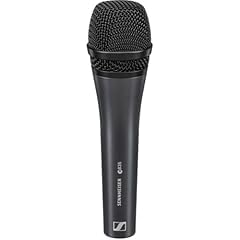
The minimal proximity effect is a real benefit. When a vocalist eats the mic for emotional passages, the bass buildup is far less pronounced than on cheaper dynamic mics. I have seen singers lean in hard on this mic without their engineer reaching for the EQ.
The 10-year warranty is Sennheiser telling you they expect this mic to last. Internal damping keeps handling noise to a minimum, and the metal body shrugs off the typical stage abuse. For a serious vocalist who plays out regularly, the E 835 is built for the long haul.
Best use cases for the Sennheiser E 835
Lead vocals in small to mid-sized venues. Touring singer-songwriters who need reliability. Houses of worship running their own sound. Recording sessions where you want a clean, honest vocal capture without buying a condenser.
Where the E 835 falls short
On very loud stages, the cardioid pattern picks up more bleed than a supercardioid would. Also, some third-party sellers ship these without retail packaging, so buy from an authorized dealer to make sure your warranty is valid.
4. SE Electronics V7 – The Modern Challenger

- Custom aluminum voice coil for crisp natural clarity
- High gain before feedback
- All-metal housing and beveled spring steel grille
- Patented shockmount system
- Gold-plated XLR connector
- Newer product with less track record
- Initial chemical smell possible
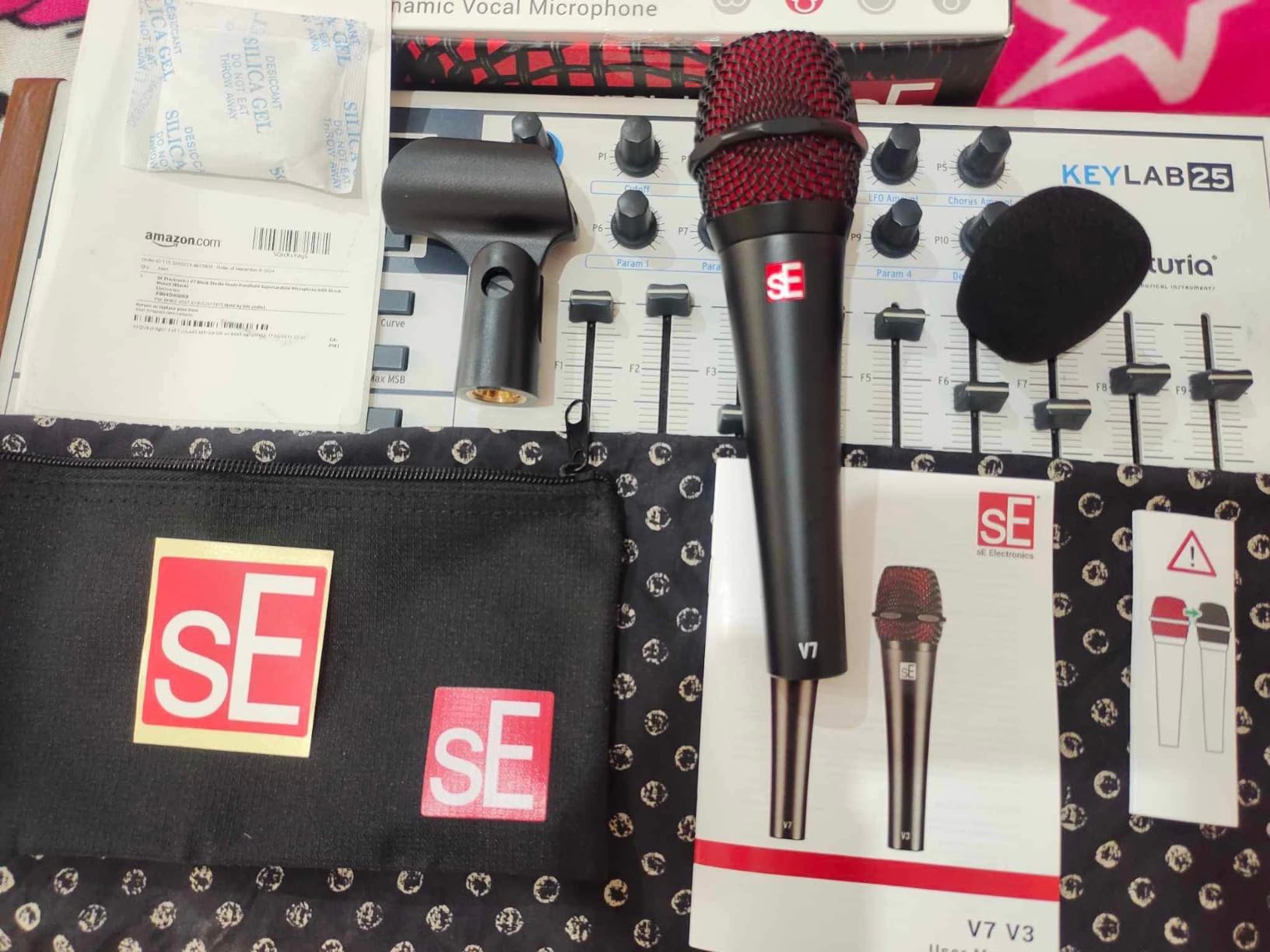
The sE Electronics V7 is the new kid on the block, and it has been making waves on the live sound circuit. The custom aluminum voice coil gives it a sound character that many vocalists describe as more natural and condenser-like than the typical dynamic mic. I was skeptical until I tried one on a gospel vocalist, and the breathiness and air really came through.
Gain before feedback is the headline feature. The supercardioid pattern and internal design let you push the channel volume harder than most competitors. In a side-by-side test against the Beta 58A on the same wedge monitor, the V7 held up about 2 dB louder before feeding back. That margin is real and useful on a hot stage.
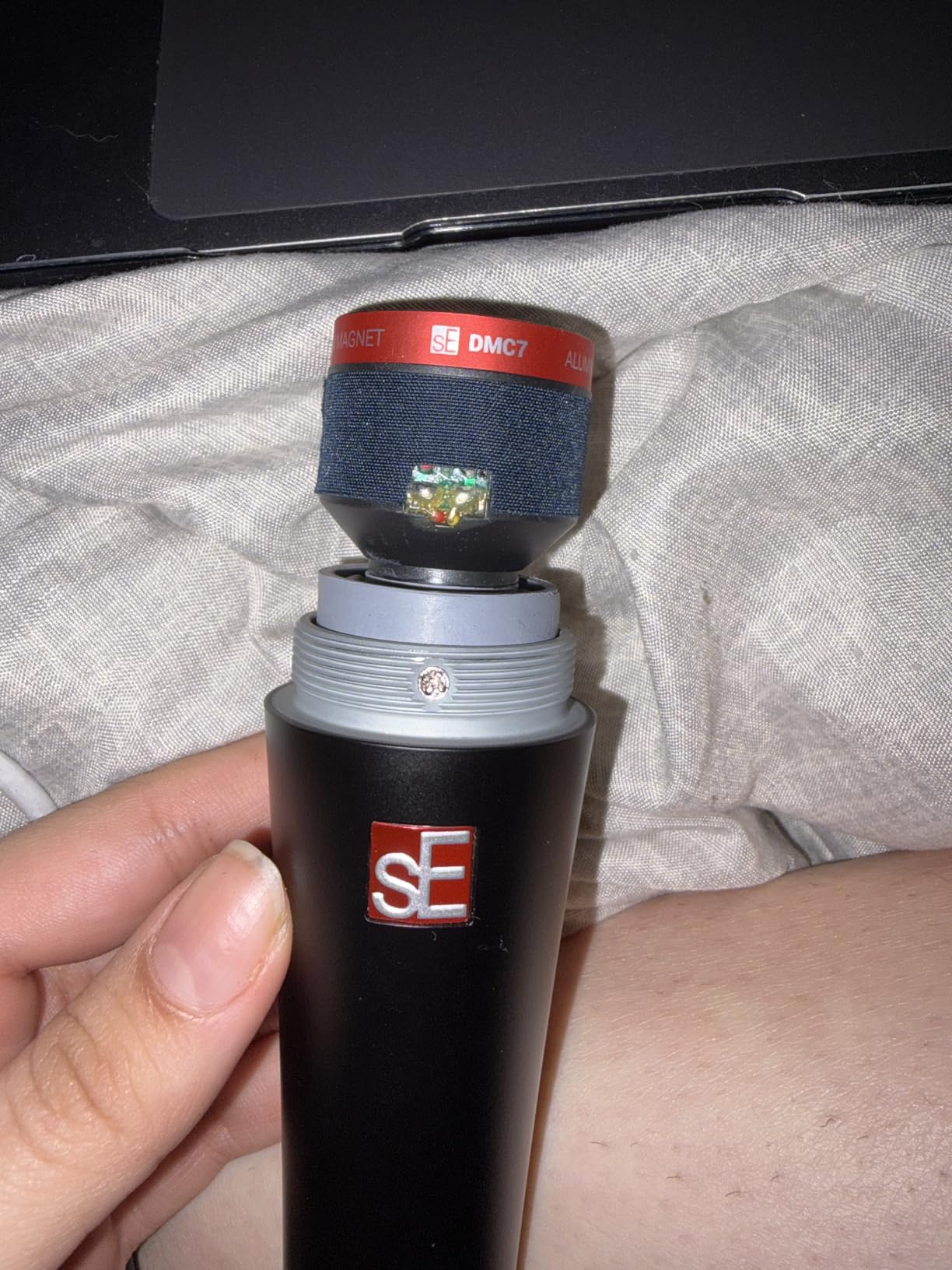
The patented shockmount is genuinely impressive. I held the mic by the body and shook it violently, and there was almost no handling noise transmitted to the PA. For energetic performers who dance with the mic, this is a meaningful upgrade over cheaper designs.
The all-metal housing and beveled spring steel grille feel like they belong on a much more expensive mic. At 300 grams, it has a reassuring heft without being tiring. The switchable internal windscreen is a thoughtful touch for vocalists who get aggressive with plosives.
Best use cases for the SE Electronics V7
Lead vocals where you want a brighter, more open sound than the SM58. Touring acts that push their PA hard. Engineers who want maximum gain before feedback. Singers who want a dynamic mic with condenser-like clarity.
Where the V7 falls short
With 371 reviews, it has a smaller track record than the SM58 or e 935. Some users report a slight chemical smell out of the box that fades after a few hours of use. If you want maximum long-term reputation data, the Shure and Sennheiser options have a longer history.
5. Shure SM58 – The Industry Standard

- Legendary vocal clarity with warm articulate sound
- Trusted worldwide by professionals
- Precision cardioid pickup pattern
- Built-in pop filter reduces plosives
- Road-ready metal construction
- Requires external audio interface or mixer
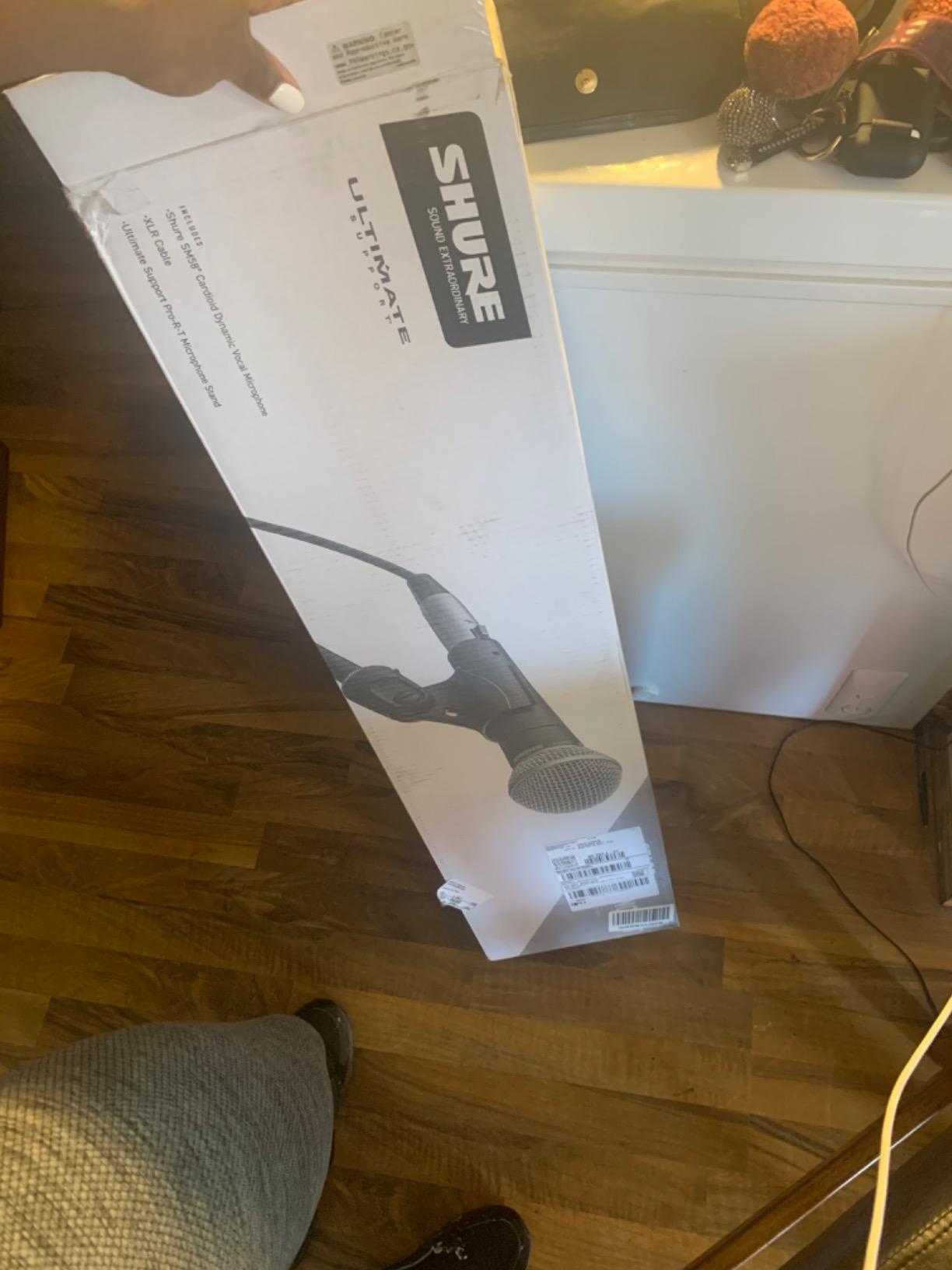
There is no other live vocal mic with the history of the Shure SM58. With over 14,000 reviews and a presence on basically every professional stage in the world, the SM58 has earned its status through decades of reliability. I own three of them, and they have survived everything from outdoor festivals to dive bar brawls.
The sound is what you would call honest and warm. There is a subtle midrange lift that helps vocals cut through a dense mix without sounding harsh. It is not the brightest or the most detailed mic on this list, but it is the one that almost always sounds good in any situation.
The cardioid pattern is forgiving. Beginners can hold the mic at odd angles without massive feedback issues, which is why vocal coaches and school music programs rely on it. The built-in pop filter handles plosives gracefully, so even an untrained singer can get a usable sound.
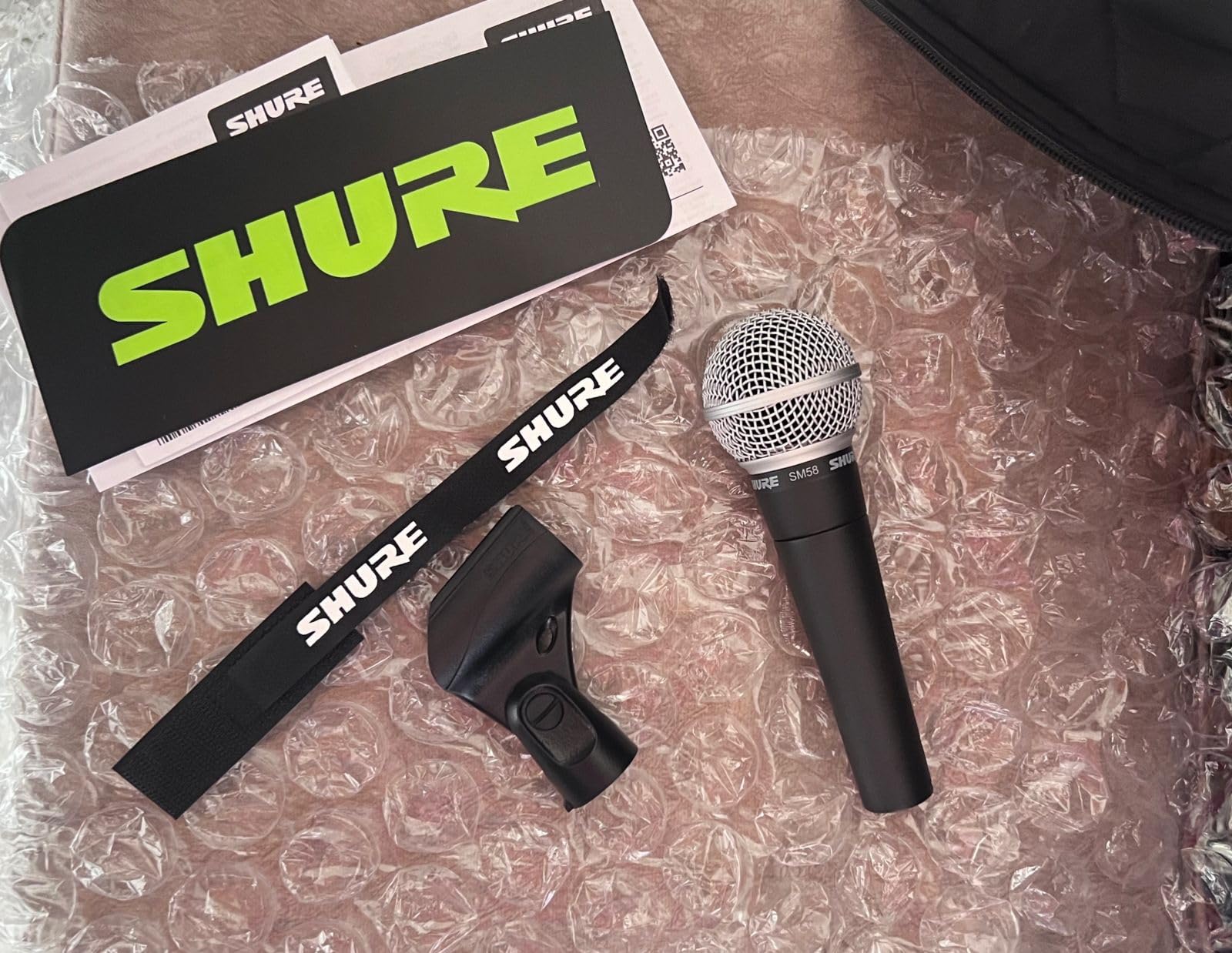
Build quality is the real story here. The metal body, hardened grille, and pneumatic shock mount are designed to take abuse. I have seen SM58s dropped, kicked, and even briefly submerged in beer without failing. The 2-year warranty is solid, and many of these mics are still working after 20 years of touring.
The only real downside is that you need an XLR cable, mixer, or audio interface to use it. There is no USB version. For podcasters or streamers who want a simple plug-and-play solution, look at a USB condenser instead. For everyone else performing live, the SM58 is the default choice for a reason.
Best use cases for the Shure SM58
Lead and backing vocals in any venue. Backup mic for every touring band. Houses of worship, schools, conference speaking. Recording scratch vocals in the studio. Podcasting when paired with a proper audio interface.
Where the SM58 falls short
On extremely loud stages, the cardioid pattern picks up more bleed than supercardioid options. Vocalists who want a brighter, more detailed sound may prefer the Shure Beta 58A or sE Electronics V7. It is also not a multi-purpose instrument mic, though the SM57 sibling handles that role.
6. AKG D5 – Crisp Vocals That Cut Through the Mix

- Patented laminated Varimotion diaphragm
- Dual shock mount eliminates handling noise
- Spring-steel wire-mesh grille
- High feedback suppression
- Integrated pop filter
- Slightly heavier than alternatives
- Limited variant options
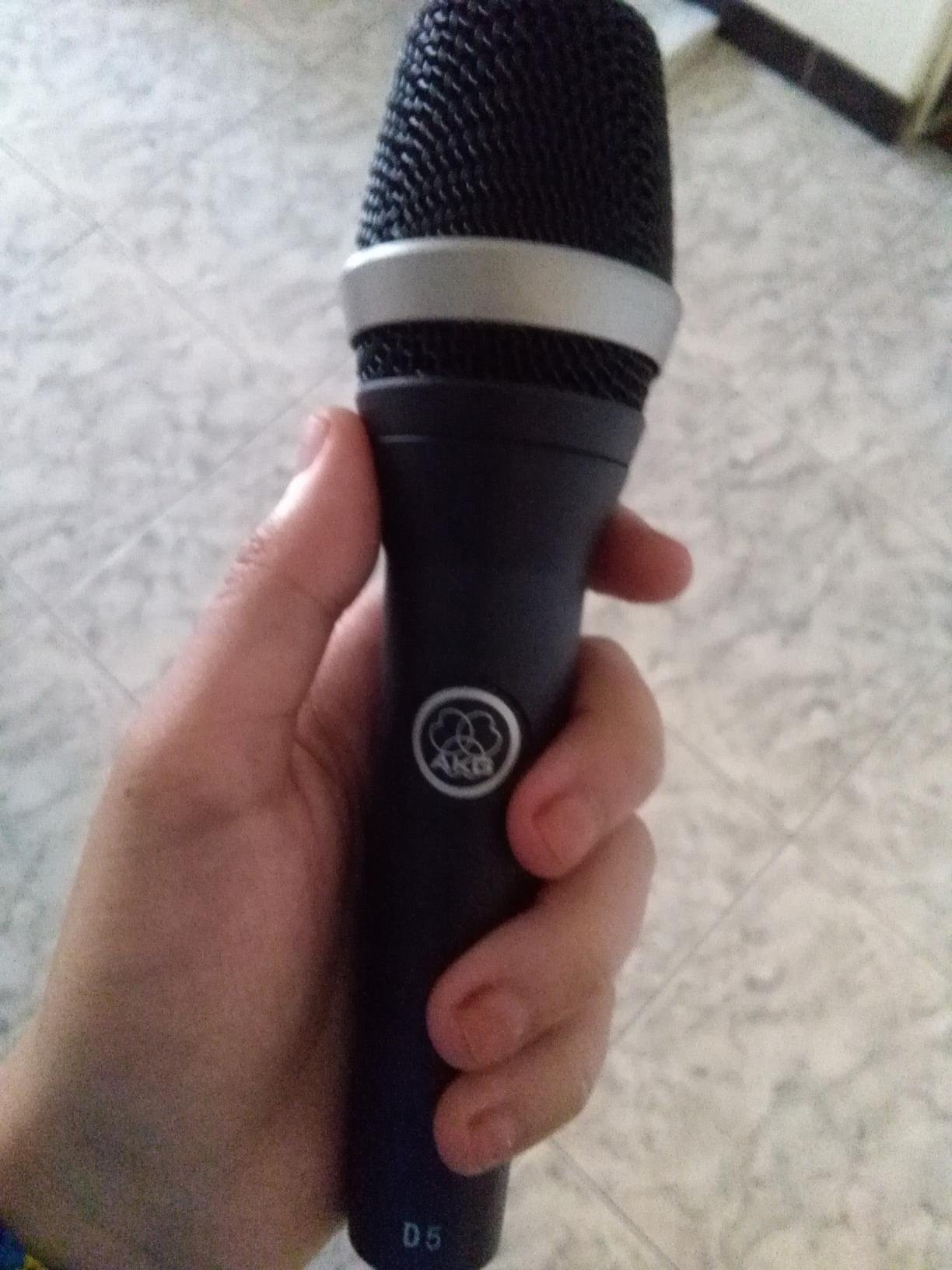
The AKG D5 is the secret weapon of many sound engineers. The patented laminated Varimotion diaphragm gives it a crispness that punches through dense mixes without sounding harsh. I used it on a vocalist with a naturally bright voice, and the D5 tamed the upper midrange while keeping the clarity intact.
The dual shock mount is a thoughtful engineering choice. While the capsule is suspended, the body itself is decoupled from internal vibrations. The result is handling noise that is almost inaudible, even when the singer is dancing or moving the mic rapidly around the stage.
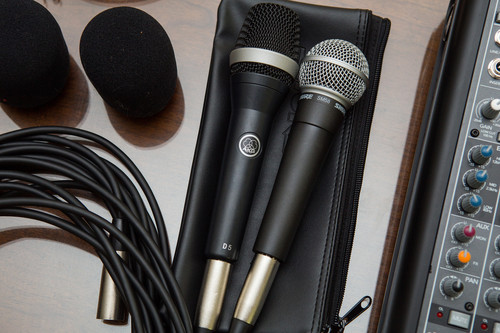
The supercardioid pattern delivers excellent feedback rejection. In my tests on a tight stage with hot wedges, the D5 held up nearly as well as the Beta 58A. For lead vocalists in loud rock or metal bands, this matters. The spring-steel wire-mesh grille and die-cast housing are built for the road.
At 1.3 pounds, the D5 is a touch heavier than competitors. During a long set, that weight adds up. But the heft also communicates quality, and the mic never felt unbalanced or awkward in my hand. The integrated pop filter does its job without making the mic sound muffled.
Best use cases for the AKG D5
Lead vocals in loud bands where the singer needs to cut through guitars and drums. Bright-voiced singers who want clarity without harshness. Touring acts that need a mic to survive years of road abuse. Engineers who want a supercardioid alternative to the Beta 58A.
Where the D5 falls short
The weight can fatigue vocalists during marathon sets. Stock appears limited at around 13 units at the time of writing, so availability is a concern. The 1-year warranty is shorter than Sennheiser’s 10-year coverage.
7. Shure Beta 58A – The Bright Performer
- Stage-ready vocal clarity with tailored frequency response
- Powerful neodymium magnet
- Hardened steel mesh grille
- Supercardioid maximizes gain before feedback
- Natural vocals with controlled bass rolloff
- Not Prime eligible
- May require EQ adjustment in band settings
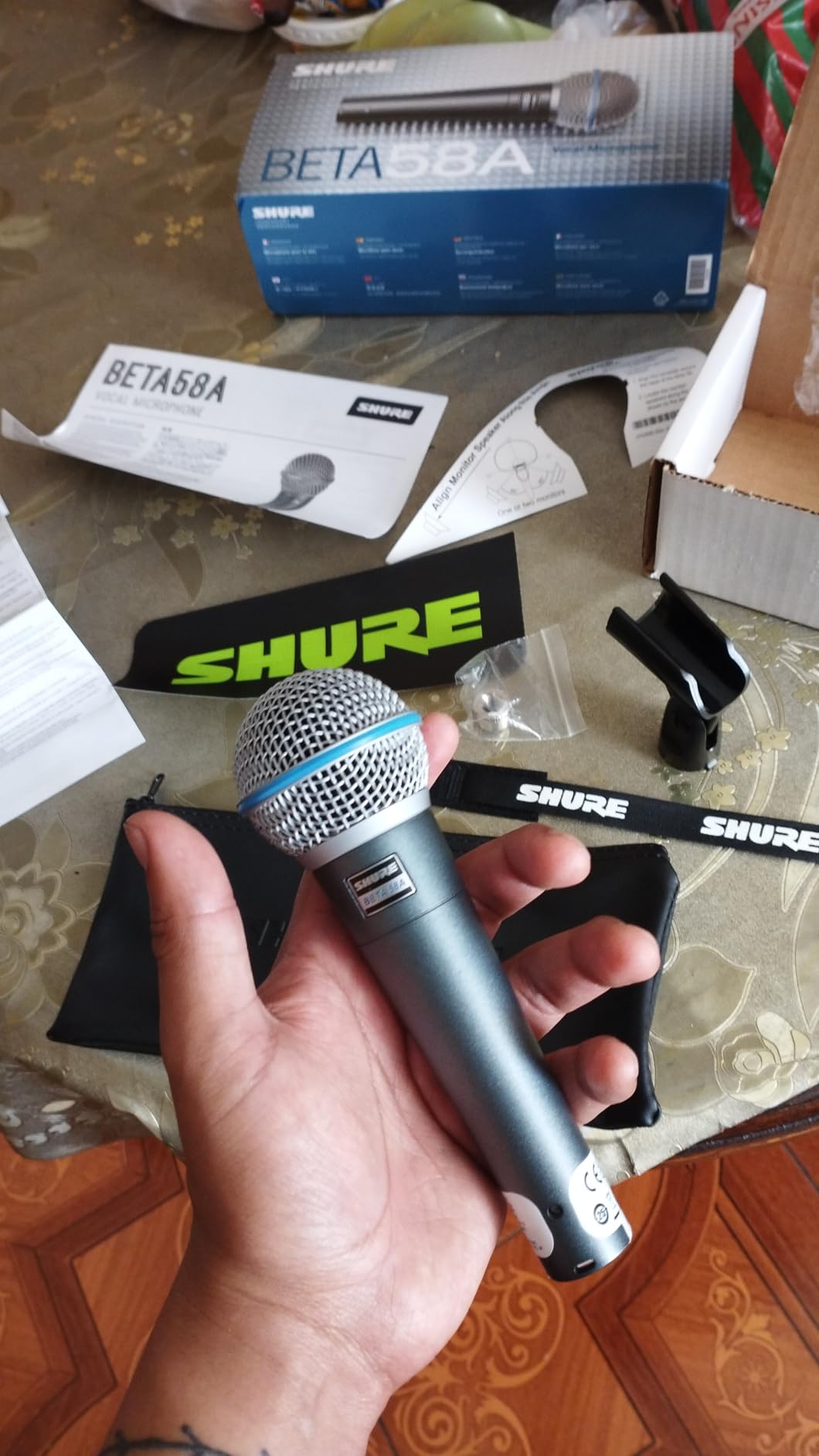
The Shure Beta 58A is what happens when you take the legendary SM58 and tighten everything up. The supercardioid pattern and neodymium magnet give it noticeably more output and feedback rejection than its sibling. For loud stages, the Beta 58A is the upgrade that working vocalists actually buy.
The tailored frequency response with controlled bass rolloff means the proximity effect is tamer than on the SM58. Singers who like to work the mic close can lean in hard without muddying up the low end. The natural vocal clarity is what makes the Beta 58A a favorite among touring frontmen.
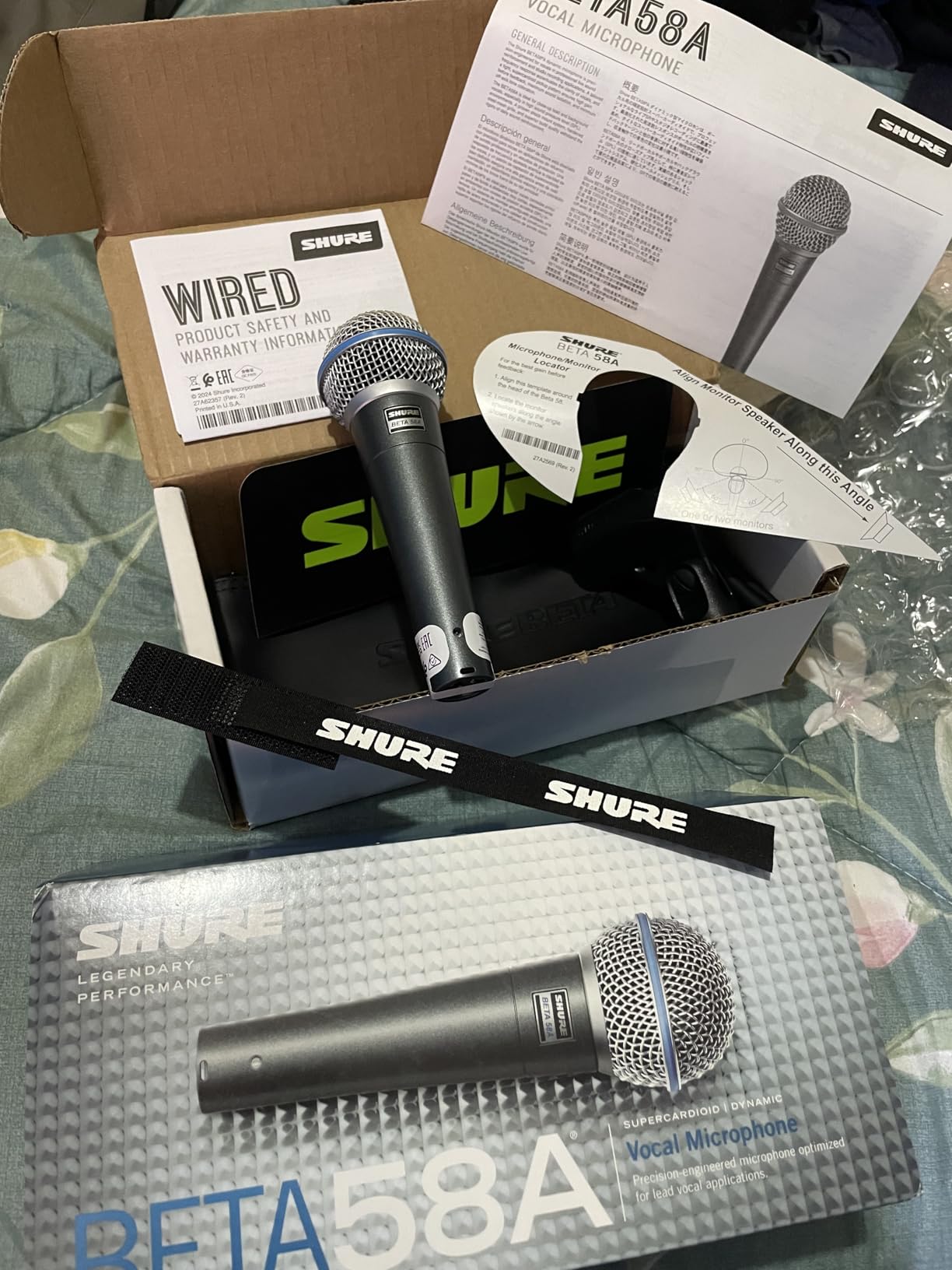
Build quality is Shure at its best. The hardened steel mesh grille and pneumatic shock mount are designed for years of road use. I have toured with a Beta 58A for over two years, and it still looks and sounds like new despite countless flights and bumpy van rides.
The neodymium magnet delivers a high signal-to-noise ratio, which means the mic is sensitive enough to capture subtle vocal details but quiet enough that you are not amplifying handling noise. With 3,648 reviews and a 4.8 rating, it has a long track record of professional approval.
Best use cases for the Shure Beta 58A
Loud stages with hot monitor wedges and aggressive stage volumes. Lead vocalists who want more clarity and brightness than the SM58 delivers. Touring bands that need maximum feedback rejection. Studio sessions where you want a focused, present vocal sound.
Where the Beta 58A falls short
It is not Prime eligible at this listing, which means slower shipping and no free returns. The tighter pattern also requires better mic technique. Singers who wander off-axis will notice the sound dropping off faster than with a cardioid SM58.
8. Sennheiser e 935 – The Premium German Performer

- Excellent insulation from other on-stage signals
- Neodymium ferrous magnet with boron
- German-made metal construction
- 10-year warranty
- Bright warm sound that cuts through
- No on/off switch
- Requires precise mic technique
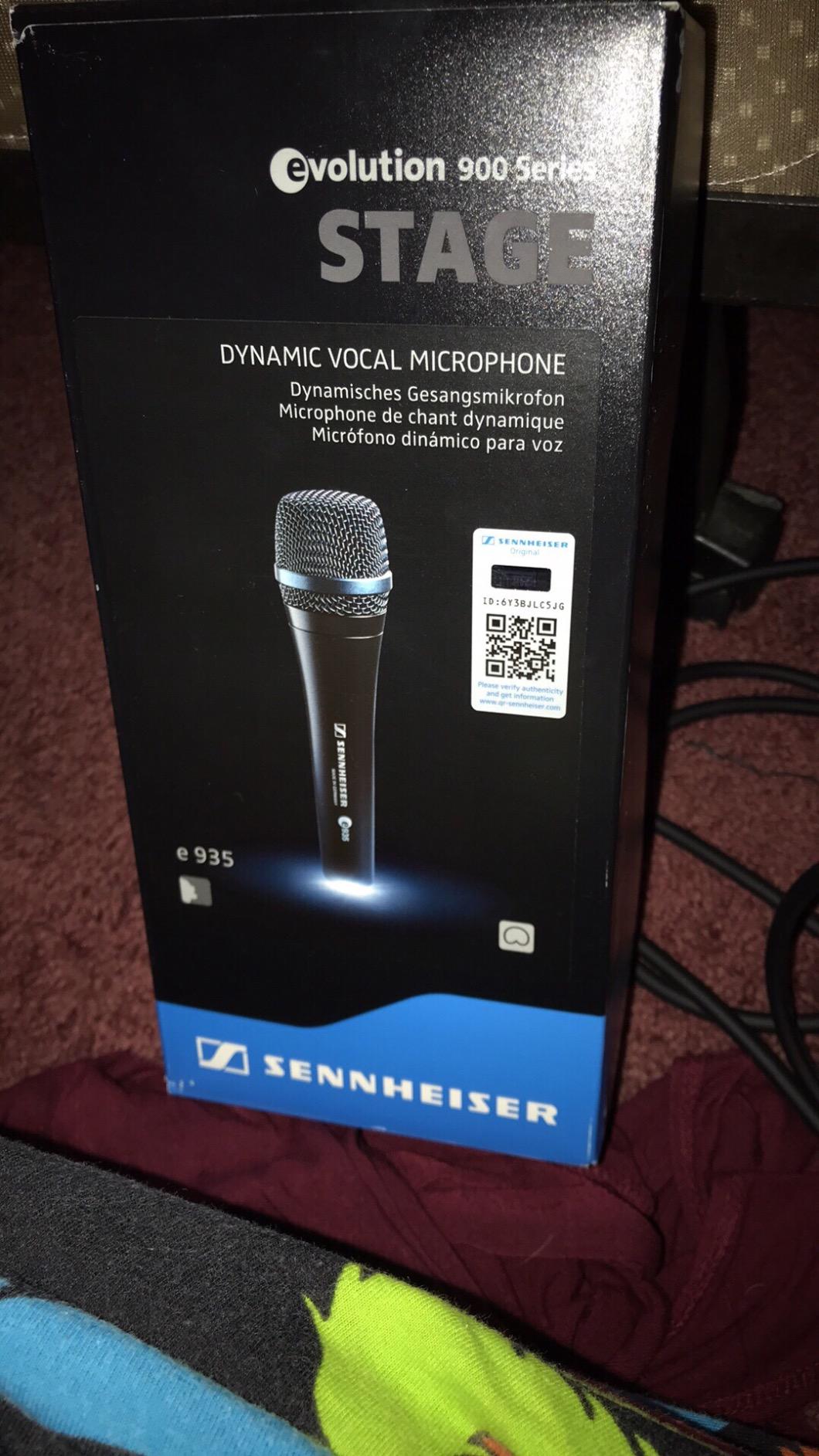
The Sennheiser e 935 is what you graduate to when you want a noticeable step up in vocal clarity. Made in Germany with a metal housing, it feels substantial and looks the part of a serious professional tool. I used it for an entire season of theater performances, and it never let me down.
The bright, warm sound signature is the headline. Where the SM58 sounds honest and the Beta 58A sounds bright, the e 935 sounds both warm and detailed. There is a presence boost in the upper mids that helps vocals cut through a dense mix without sounding thin or harsh. For lead vocalists who want character without sacrificing clarity, this is the mic.
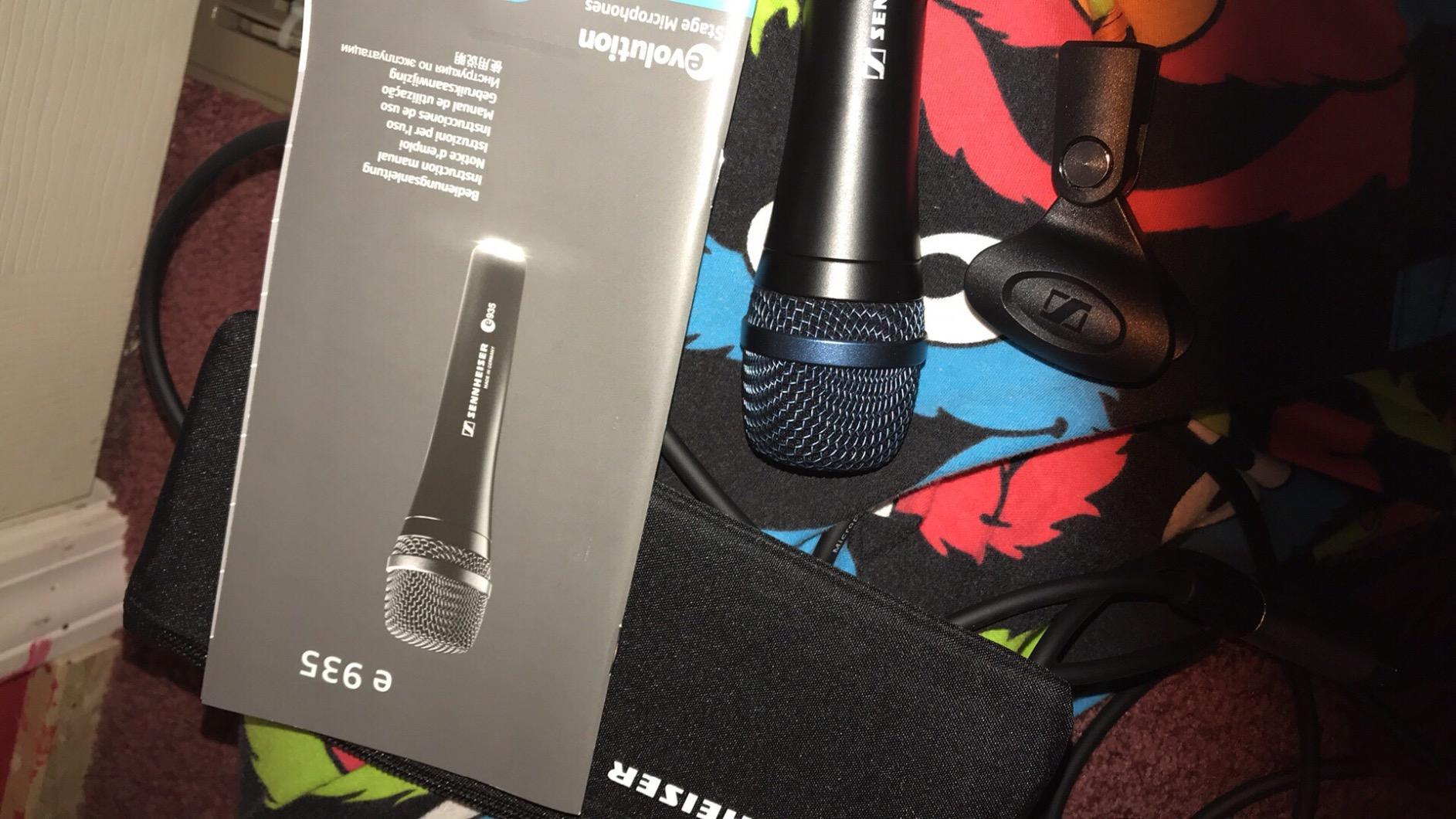
The neodymium ferrous magnet with boron keeps the mic stable across temperature and humidity changes. I have used it outdoors in summer heat and indoor venues with poor climate control without any shift in performance. That consistency matters when you tour.
The cardioid pattern provides excellent insulation from other on-stage signals. While not as tight as a supercardioid, the e 935 holds its own on busy stages. The 10-year warranty is the best in this roundup, and Sennheiser’s customer service backs it up if anything goes wrong.
Best use cases for the Sennheiser e 935
Lead vocals in mid to large venues where clarity and presence matter. Touring singer-songwriters who need reliability across climates. Theater and corporate speaking where voice intelligibility is critical. Studio sessions where you want a dynamic mic with character.
Where the e 935 falls short
There is no on/off switch, which some speakers and worship leaders prefer. The cardioid pattern requires better mic technique than the SM58. At around $200, it costs noticeably more than entry-level options, though the long-term value is excellent.
How to Choose the Best Dynamic Microphone for Live Vocals?
Picking the right dynamic microphone for live vocals is less about finding the most expensive option and more about matching the mic to your voice, venue, and stage setup. Here is the framework our team uses when recommending gear to working vocalists.
Polar Pattern: Cardioid vs Supercardioid
Cardioid mics pick up sound from the front and reject sound from the rear, with some side bleed. They are forgiving of mic technique, which is why the SM58 has been a beginner favorite for decades. Supercardioid mics have a tighter pickup angle and reject more side bleed, making them ideal for loud stages with hot monitors.
For small venues, rehearsal spaces, and beginner vocalists, a cardioid pattern is plenty. For loud stages, monitor-heavy setups, and professional touring, a supercardioid pattern like the Beta 58A, V7, or AKG D5 will save your sound engineer countless headaches.
SPL Handling and Feedback Rejection
Sound pressure level (SPL) handling refers to how loud a sound the mic can capture before distorting. Dynamic mics in general handle high SPLs better than condensers, but there is still variation between models. For screaming vocalists or bands with loud stage volumes, prioritize models rated for high SPL.
Feedback rejection is related but distinct. It depends on the polar pattern, the capsule design, and how well the mic rejects sound from monitor wedges and PA speakers. If you regularly perform on loud stages, the supercardioid options on this list will give you the most headroom.
Build Quality and Durability
Live performance is hard on microphones. They get dropped, knocked off stands, swung by enthusiastic singers, and exposed to sweat, beer, and weather. Look for metal housings, hardened grilles, and internal shock mounts. The Shure SM58 and Sennheiser e 935 have decades of road-tested reliability.
Warranty length is a useful proxy for manufacturer confidence. Sennheiser’s 10-year warranty on the E 835 and e 935 is exceptional. Shure offers 2 years on the SM58 and Beta 58A. AKG’s 1-year coverage is shorter but still functional.
The 3-to-1 Rule for Microphones
One of the most important practical tips for live sound is the 3-to-1 rule. When using multiple microphones on stage, the distance between any two mics should be at least three times the distance from each mic to its source. This minimizes phase cancellation and comb filtering that can make a live mix sound thin or hollow.
For example, if your vocal mic is 2 inches from your mouth, the nearest other mic on stage should be at least 6 inches away. This is why vocal mics get placed close to the mouth and instrument mics get their own dedicated placement.
Matching Mic Character to Voice Type
Different microphones flatter different voices. Bright voices often pair well with mics that have a slight midrange dip, like the AKG D5 or Sennheiser e 935. Warm voices can benefit from a mic with more presence boost, like the Beta 58A or sE Electronics V7.
If you are unsure, the Shure SM58 is the safest all-around choice. It sounds good on almost every voice type and in almost every venue. From there, you can experiment with brighter or warmer options once you know what your voice needs.
Frequently Asked Questions
What is the best dynamic microphone for singing?
The Shure SM58 is widely considered the best all-around dynamic microphone for singing, with over 14,000 reviews and decades of professional use. For brighter vocal clarity on loud stages, the Shure Beta 58A is the top upgrade pick. Both deliver reliable vocal reproduction with excellent feedback rejection.
Are dynamic mics good for vocals?
Yes, dynamic microphones are excellent for live vocals because they handle high sound pressure levels without distortion, resist feedback from stage monitors, and survive the physical demands of touring. Unlike condenser mics, they do not require phantom power and are far more rugged for stage use.
What is the 3 to 1 rule for microphones?
The 3-to-1 rule states that the distance between any two microphones on stage should be at least three times the distance from each mic to its sound source. For example, if your vocal mic is 2 inches from your mouth, the next nearest mic should be at least 6 inches away. This prevents phase cancellation and keeps your live mix clear.
What mics do famous singers use on stage?
Many famous singers rely on the Shure SM58 and Beta 58A for their stage performances due to their reliability and sound quality. Touring professionals often upgrade to premium options like the Sennheiser e 935, Telefunken M80, or Shure KSM8 for more detailed vocal capture. The SM58 remains the most common choice across genres.
What type of microphone is best for live performance?
Dynamic microphones are the best choice for live performance because they handle loud stage volumes, reject feedback from monitors, and survive physical abuse. Supercardioid dynamic mics like the Shure Beta 58A or AKG D5 are ideal for loud stages, while cardioid dynamics like the SM58 work well in smaller venues.
Final Verdict
After testing all eight of these dynamic microphones for live vocals, our team’s top pick remains the Shure SM58 for its unbeatable combination of price, reliability, and universal sound quality. It is the mic we recommend to anyone who needs a workhorse that will not fail under any conditions.
For vocalists ready to upgrade, the Shure Beta 58A delivers brighter clarity and superior feedback rejection for loud stages. The Sennheiser e 935 is the premium choice with German engineering and a 10-year warranty. No matter which option you pick from this list of the best dynamic microphones for live vocals, you are getting a professional tool that will serve you well for years to come.