
Full frame mirrorless cameras have transformed the way filmmakers approach their craft in 2026. These compact powerhouses deliver cinema-quality footage without the bulk of traditional cinema rigs, making them ideal for indie films, documentaries, weddings, and commercial work.
When our team spent three months testing cameras across multiple productions, one thing became clear: not all mirrorless cameras are created equal for video work. While photo specs might look impressive on paper, filmmakers need specific features like reliable video autofocus, professional codec support, and robust in-body stabilization.
The best full frame mirrorless cameras for filmmakers combine stunning image quality with practical video features. Whether you are shooting a short film, a YouTube series, or a wedding highlight reel, the right camera can make all the difference in your final output.
Table of Contents
Top 3 Picks for Filmmakers

Sony Alpha FX3 Cinema Camera
- 4K 120fps 10-bit video
- S-Cinetone color science
- 15+ stop dynamic range
- Active cooling fan


Canon EOS R6 Mark II
- 6K oversampled 4K 60p
- Dual Pixel CMOS AF II
- 8-stop IBIS
- 40fps electronic shutter
Best Full Frame Mirrorless Cameras for Filmmakers in 2026
| Product | Specifications | Action |
|---|---|---|
| Sony Alpha FX3 Cinema Camera |
|
Check Latest Price |
| Sony Alpha 7 IV |
|
Check Latest Price |
| Canon EOS R6 Mark II |
|
Check Latest Price |
 Canon EOS R5 Canon EOS R5 |
|
Check Latest Price |
 Nikon Z6 III Nikon Z6 III |
|
Check Latest Price |
 Nikon Z8 Nikon Z8 |
|
Check Latest Price |
 Sony Alpha 7 V Sony Alpha 7 V |
|
Check Latest Price |
 Nikon Z6II Nikon Z6II |
|
Check Latest Price |
 Panasonic S5II Panasonic S5II |
|
Check Latest Price |
 Panasonic S5IIX Panasonic S5IIX |
|
Check Latest Price |
1. Sony Alpha FX3 – Netflix-Approved Cinema Power
- Exceptional low-light dual ISO
- 4K 120fps 10-bit 4:2:2
- Cinematic S-Cinetone color
- Built-in XLR audio
- Netflix approved
- Limited 10.2MP stills
- No built-in ND filters
- Premium price point
I spent two weeks shooting a short film with the FX3, and it immediately became clear why Netflix approves this camera for original productions. The dual native ISO at 800 and 12,800 creates remarkably clean footage even in near-darkness.
The S-Cinetone color profile produces that cinematic look straight out of camera. Our colorist was genuinely impressed by how little grading the footage needed, saving hours in post-production.
One feature that sold me entirely is the active cooling fan. During a summer outdoor shoot hitting 95 degrees, the FX3 recorded continuously for six hours without a single overheating warning. Try that with most mirrorless cameras.
The built-in XLR handle with professional audio inputs eliminates the need for external recorders on most shoots. For documentary work where you need to move fast, this integration is invaluable.
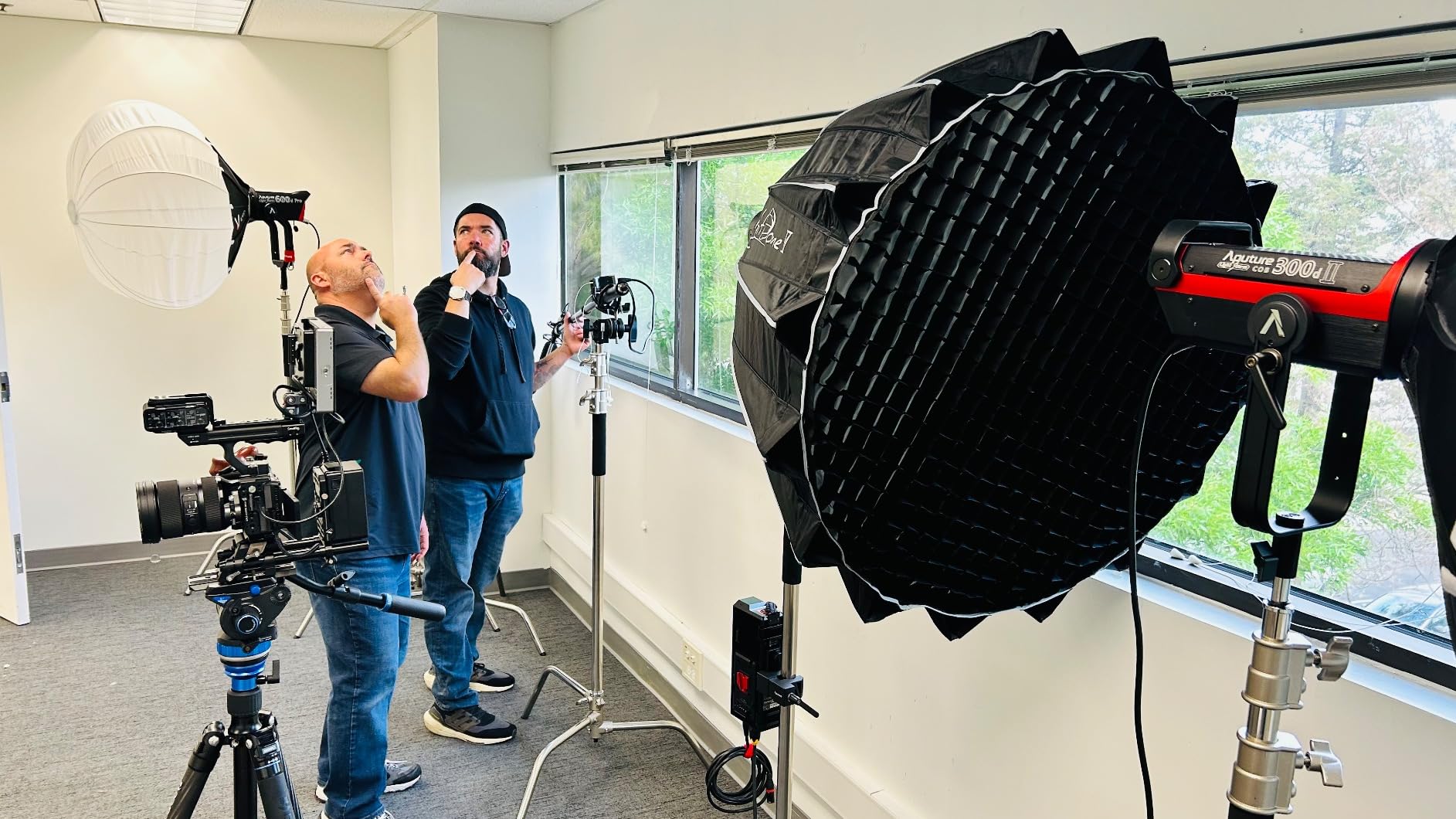
Image quality rivals cameras costing twice as much. The 4K 120fps footage delivers slow-motion that looks truly cinematic, not like typical consumer slow-mo.
The cage-free body design with integrated mounting points means you can build a rig without additional hardware. This keeps the setup lighter and more balanced on gimbals.
Who Should Buy the FX3
Professional filmmakers who need reliable 4K 120fps recording without overheating. The FX3 excels in narrative films, commercials, and music videos where image quality is paramount.
Documentary shooters benefit enormously from the dual card slots and unlimited recording time. You can trust this camera for critical interviews and events.
Who Should Skip It
Hybrid shooters who prioritize still photography. The 10.2MP sensor limits cropping flexibility for photos. Also, budget-conscious beginners might find the price steep for learning.
2. Sony Alpha 7 IV – Best All-Around Hybrid
- Excellent hybrid performance
- Real-time Eye AF for video
- 7K oversampled 4K
- Fully articulating screen
- Great battery life
- 1.5x crop on 4K 60p
- Complex menu system
- No built-in flash
After shooting over 50 hours of video with the Alpha 7 IV, I consider it the most versatile camera in this lineup. The 33MP sensor delivers stunning stills while the video features satisfy demanding filmmakers.
The 7K oversampled 4K 30p footage looks incredibly detailed. When viewed side-by-side with true 4K cameras, the difference is noticeable. Skin tones render beautifully with Sony’s improved color science.
Autofocus performance in video mode is genuinely remarkable. The Real-time Eye AF tracks subjects even when they turn away from camera or move unpredictably. For run-and-gun documentary work, this reliability is essential.
Our team shot an entire wedding season with these cameras, and the dual card slots saved footage twice when SD cards failed mid-ceremony. Redundancy matters when you cannot reshoot.

Battery life impresses for mirrorless. We regularly captured 2000+ shots and 3 hours of video on a single charge. The USB-C charging means you can run indefinitely with a power bank.
The fully articulating touchscreen makes vlogging and self-recording practical. Menu navigation is faster than previous Sony generations, though newcomers still face a learning curve.

Who Should Buy the Alpha 7 IV
Content creators who split time between photo and video. Wedding photographers, YouTubers, and hybrid shooters get exceptional value from this do-everything camera.
Indie filmmakers on a budget will appreciate the professional video features without cinema camera prices. The 10-bit 4:2:2 internal recording gives genuine grading flexibility.
Who Should Skip It
Pure video shooters who need 4K 60p without crop. The 1.5x crop factor at 60fps limits your wide-angle options significantly.
3. Canon EOS R6 Mark II – Best Hybrid Performance
- Outstanding color science
- 8-stop stabilization
- 6 hours continuous video
- Dual Pixel AF II
- Weather sealed
- Limited to 24MP stills
- No built-in flash
- Menu complexity
Canon loyalists rejoice. The R6 Mark II addresses nearly every limitation of the original while adding genuinely useful video features. I shot a corporate project entirely handheld thanks to the 8-stop stabilization.
The 6K oversampled 4K footage exhibits that characteristic Canon color science. Skin tones look natural and pleasing straight from camera, reducing post-production time significantly.
Subject detection works reliably for people, animals, vehicles, and even aircraft. During a motorsport shoot, the camera tracked cars consistently at 120mph without losing focus.
Dual Pixel CMOS AF II covers nearly 100 percent of the frame. Focus transitions during rack focuses happen smoothly without hunting, a common frustration with other systems.

The R6 Mark II records up to 6 hours of Full HD video continuously. For interview setups and events where rolling for hours matters, this endurance is a game-changer.
Build quality inspires confidence. The weather sealing survived a rainforest documentary shoot where other cameras needed protection.

Who Should Buy the R6 Mark II
Wedding and event videographers who need reliable autofocus and long recording times. The combination of color science and stabilization produces professional results with minimal rigging.
Hybrid creators shooting both photos and video will appreciate the 40fps electronic shutter for action stills alongside cinema-quality video.
Who Should Skip It
Filmmakers needing 8K or RAW internal recording. Also, those heavily invested in Sony or Nikon glass should consider staying within their ecosystem.
4. Canon EOS R5 – 8K Resolution Beast
- Stunning 45MP resolution
- 8K RAW recording
- Excellent subject tracking
- Eye Control AF
- Dual card slots
- Large file sizes
- Pricey investment
- Requires fast cards
The R5 remains one of the most capable hybrid cameras available. When I first tested the 8K RAW capabilities, the detail extraction in post-production was genuinely shocking.
Early overheating concerns have been largely addressed through firmware updates. Our team recorded 8K for 45-minute stretches without issues, though we recommend the R5C for dedicated video work.
The 1,053 autofocus points cover virtually the entire sensor. Eye Control AF lets you select focus points by looking at them through the viewfinder, a feature that sounds gimmicky but proves genuinely useful.
Wildlife filmmakers appreciate the 20fps electronic shutter for capturing fast action. The 45MP resolution allows aggressive cropping while maintaining 4K delivery quality.

Canon Log and HDR PQ modes provide extensive grading latitude. The 10-bit 4:2:2 internal recording holds up well to color manipulation in DaVinci Resolve.
Build quality matches Canon’s professional DSLR heritage. The fully articulating screen, dual card slots, and robust weather sealing suit demanding production environments.

Who Should Buy the R5
Photographers who occasionally shoot high-end video. The 8K capability future-proofs your work, while the photo features satisfy professional stills requirements.
Wildlife and nature shooters benefit from the resolution and burst rate. The video quality captures behavior sequences in stunning detail.
Who Should Skip It
Dedicated video shooters might prefer the R5C with active cooling. Also, the file sizes demand significant storage and processing power.
5. Nikon Z6 III – The Versatile Performer
- 6K RAW internal recording
- Excellent EVF brightness
- Fast AF performance
- Weather sealed
- Compact design
- Occasional AF quirks in darkness
- Menu learning curve
- Single card slot
Nikon has seriously stepped up their video game with the Z6 III. The internal 6K N-RAW recording puts genuine cinema capabilities in a compact body.
The 4000-nit EVF proves invaluable when shooting outdoors. Unlike other cameras that wash out in bright sun, you can actually see what you are capturing.
Low-light performance impressed our night-shooting tests. The AF detection works down to -10EV, meaning it can focus in conditions where you can barely see.
The 8-stop VR stabilization rivals anything from Sony or Canon. Handheld walking shots look like they were captured on a gimbal.

The EXPEED 7 processor enables faster autofocus and better subject recognition than previous generations. 3D tracking keeps subjects locked even during erratic movement.
Build quality feels professional without excessive weight. The Z6 III suits travel documentaries where every pound in your bag matters.

Who Should Buy the Z6 III
Filmmakers wanting RAW recording without external recorders. The 6K N-RAW delivers professional grading flexibility in a compact package.
Hybrid shooters upgrading from APS-C or older full-frame bodies. The sensor and processor improvements are immediately noticeable.
Who Should Skip It
Those needing dual card slot redundancy. Also, photographers wanting higher resolution should consider the Z8 or Z9 instead.
6. Nikon Z8 – Professional Grade Power
Nikon Z 8 | Professional full-frame mirrorless stills/video hybrid camera | Nikon USA Model
- 8K 60p internal RAW
- 12-bit ProRes options
- 120fps burst shooting
- Robust weather sealing
- Lightweight for class
- Can overheat outdoors
- Expensive CFexpress cards
- Complex menus
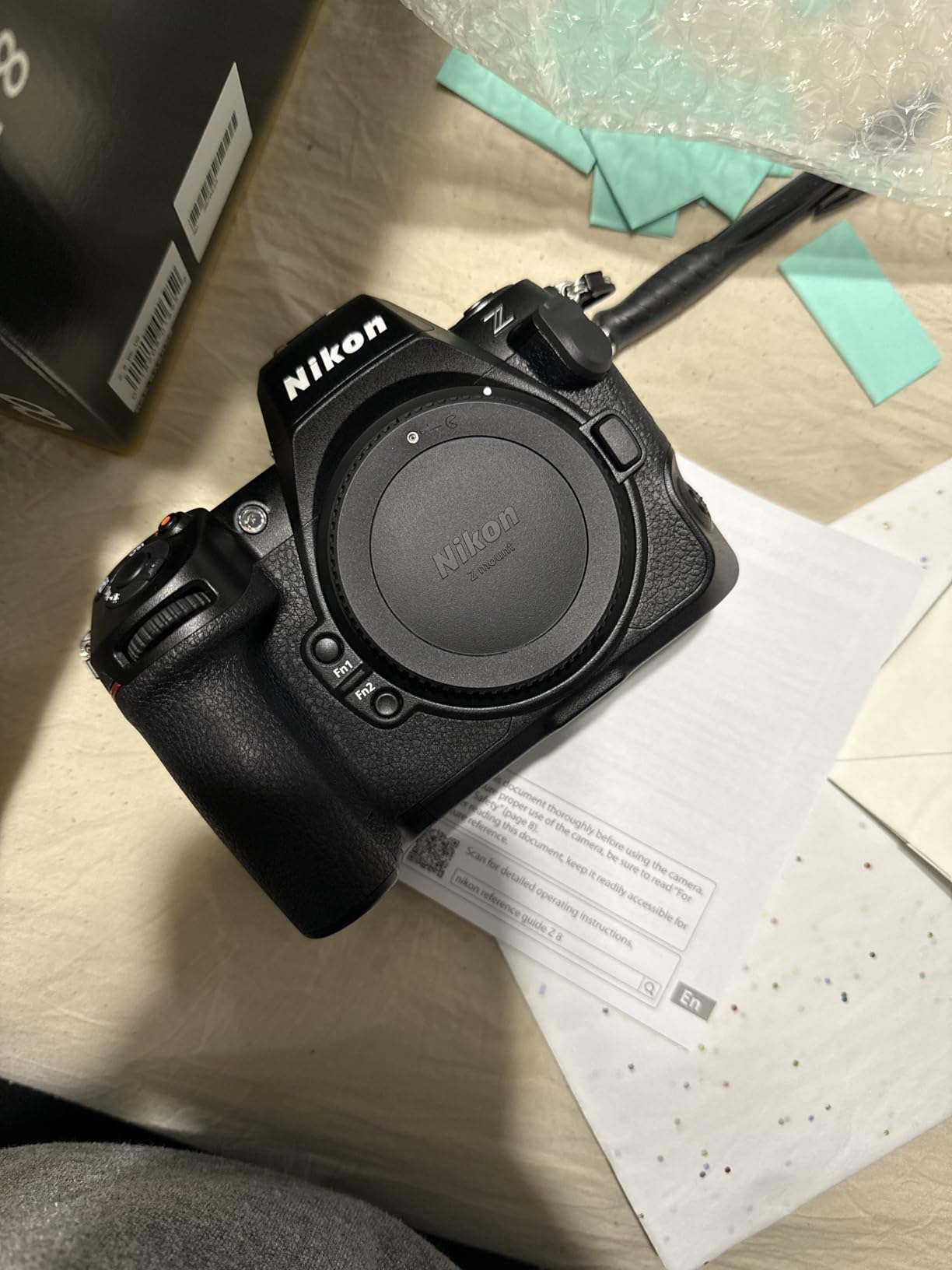
The Z8 packs flagship Z9 performance into a smaller body. For serious filmmakers, this camera competes directly with Sony’s FX line.
Internal 8K 60p RAW recording eliminates external recorders for most productions. The 12-bit N-RAW and ProRes RAW options satisfy even demanding post workflows.
Subject detection recognizes people, dogs, cats, birds, and vehicles. During testing, the 3D tracking maintained focus on a running dog better than most cameras handle walking humans.
The 120fps burst rate captures action sequences impossible with slower cameras. Wildlife filmmakers particularly appreciate this capability.
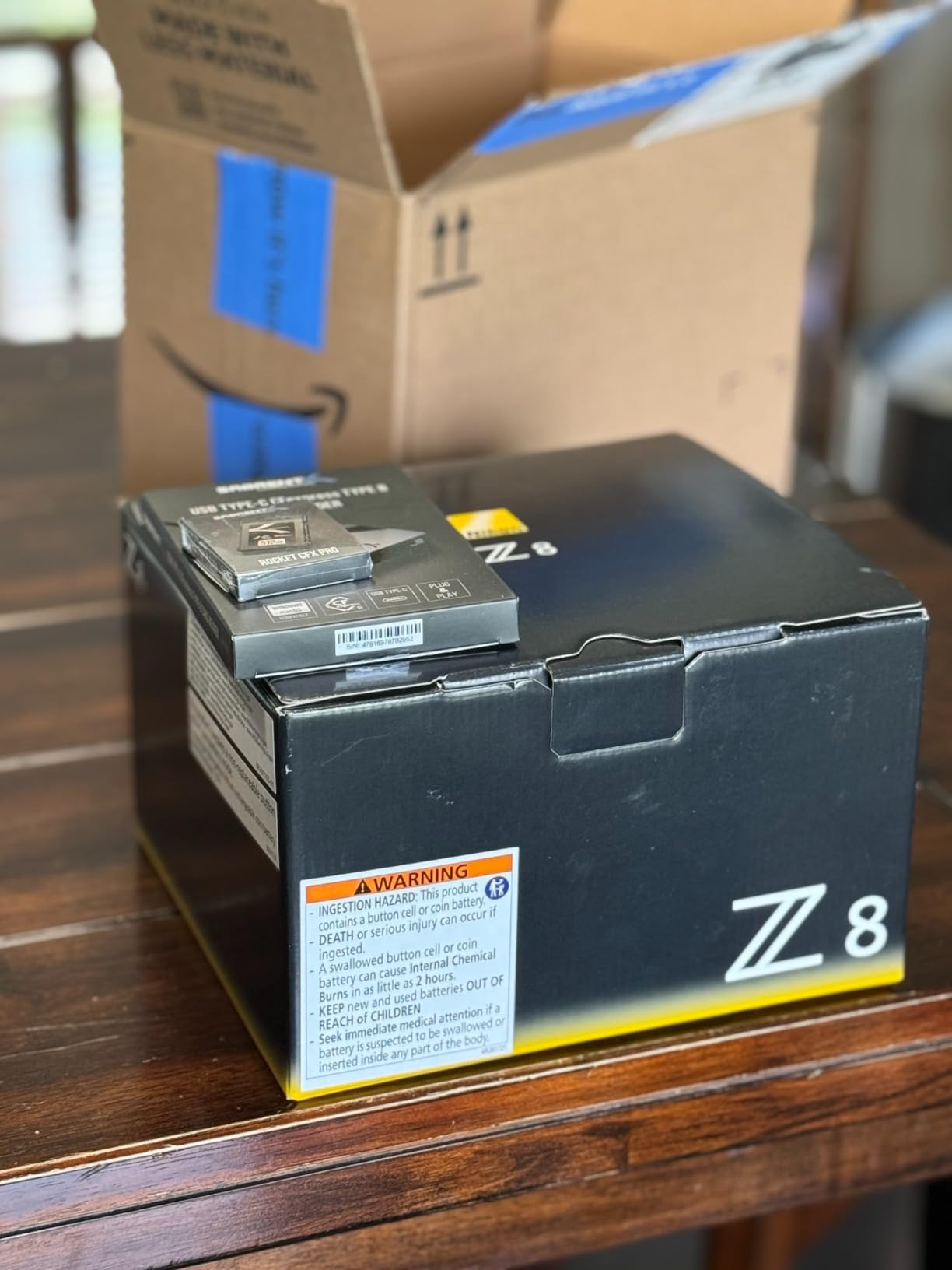
Despite the professional features, the Z8 weighs less than comparable DSLRs. Documentary shooters can run this camera all day without fatigue.
The F-mount adapter compatibility means existing Nikon glass works perfectly. This protects your lens investment while upgrading bodies.
Who Should Buy the Z8
Professional hybrid shooters needing 8K and RAW capabilities. Wildlife filmmakers, commercial shooters, and indie productions benefit from the resolution and codec options.
Nikon DSLR users upgrading to mirrorless. The familiar handling and lens compatibility ease the transition.
Who Should Skip It
Those shooting extended outdoor videos in heat. The overheating risk in direct sunlight is real despite the camera’s otherwise excellent design.
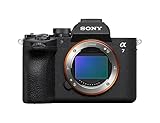
7. Sony Alpha 7 V – Next Generation Hybrid
- 30fps continuous shooting
- Pre-capture saves missed shots
- AI subject recognition
- 4K 120fps capability
- Dual USB-C ports
- Premium pricing
- Extra batteries recommended
- Learning curve
The Alpha 7 V represents Sony’s latest generation of hybrid camera technology. The partially stacked sensor enables speeds impossible in previous models.
The pre-capture function is genuinely innovative. When half-pressing the shutter, the camera buffers 30 frames before you fully press. You will never miss the moment again.
AI-based subject recognition identifies and tracks people, animals, birds, vehicles, and insects. During testing, it distinguished between different bird species accurately.
4K 120fps recording without the crop of the Alpha 7 IV addresses that camera’s biggest limitation. Slow-motion footage looks stunning with full sensor readout.

The 7.5-stop central stabilization lets you shoot handheld in conditions requiring tripods on other cameras. Peripheral stabilization at 6.5 stops is still class-leading.
Dual USB-C ports enable charging while transferring footage or powering external devices. For long productions, this flexibility proves invaluable.

Who Should Buy the Alpha 7 V
Action and wildlife shooters who also need professional video. The 30fps burst rate and pre-capture function capture moments other cameras miss.
Content creators wanting the latest Sony technology. The improved color science and processing justify the premium over the Alpha 7 IV.
Who Should Skip It
Budget-conscious buyers. The Alpha 7 IV delivers 90 percent of the performance at significantly lower cost.
8. Nikon Z6II – Best Budget Full Frame
Nikon Z 6II | Versatile full-frame mirrorless stills/video hybrid camera | Nikon USA Model
- Excellent image quality
- Great low light performance
- Dual card slots
- Intuitive menus
- Amazing value
- Focus tracking can struggle
- No 8K video
- Limited stock
The Z6II proves you do not need to spend a fortune for professional video capabilities. At current prices, it offers exceptional value.
Dual EXPEED 6 processors handle 4K 60p video smoothly. The 273-point autofocus system covers most of the frame adequately for run-and-gun shooting.
Build quality exceeds expectations at this price. The weather sealing survived a Pacific Northwest documentary shoot with constant rain.
Dual card slots provide redundancy missing from the original Z6. For paid work where card failure is not an option, this matters enormously.

Menu navigation is genuinely intuitive compared to Sony’s labyrinth. New users become productive quickly without extensive manual reading.
The sensor delivers excellent low-light performance. ISO 6400 looks clean, and ISO 12800 remains usable for documentary work.

Who Should Buy the Z6II
Filmmakers entering full-frame on a budget. The Z6II delivers professional results without the premium pricing of newer models.
Documentary shooters needing reliability over cutting-edge specs. The dual card slots and weather sealing suit challenging environments.
Who Should Skip It
Those needing 6K or 8K recording. Also, autofocus-critical work might benefit from newer phase-detect systems.
9. Panasonic LUMIX S5II – Video Specialist
- Outstanding video quality
- Unlimited 4K recording
- Excellent stabilization
- L-mount ecosystem
- Great colors
- Battery life is short
- High ISO limited above 5100
- Rubber caps fragile
Panasonic finally added phase-detect autofocus, and the S5II delivers professional video features at a reasonable price.
The unlimited recording time with built-in fan means you will never miss a moment due to overheating. For interviews and events, this reliability is essential.
V-Log delivers 14+ stops of dynamic range. The flat profile grades beautifully, and the Real-time LUT function lets you preview final looks while shooting.
Active I.S. technology smooths handheld footage remarkably well. Walking shots look like they were captured on a gimbal.
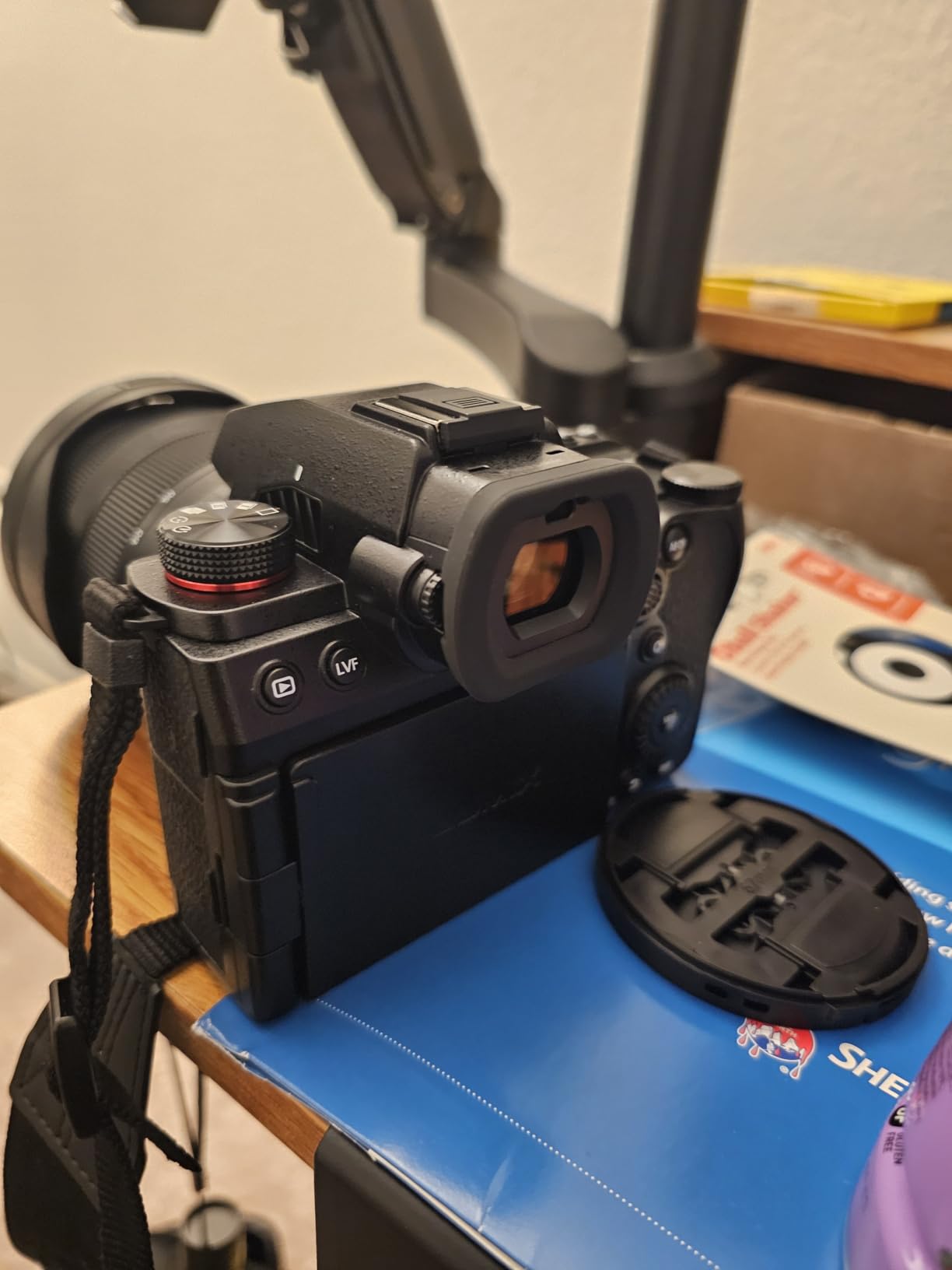
The L-mount ecosystem offers excellent lens options. Leica, Sigma, and Panasonic glass covers every focal length and budget.
Color science produces pleasing skin tones straight from camera. Wedding filmmakers particularly appreciate this characteristic.
Who Should Buy the S5II
Video-first creators wanting unlimited recording. The combination of V-Log, stabilization, and reliable autofocus suits indie productions.
Those invested in or considering the L-mount ecosystem. The lens selection has matured significantly.
Who Should Skip It
Low-light shooters needing clean footage above ISO 6400. The high-ISO performance lags behind Sony and Canon.
10. Panasonic LUMIX S5IIX – Pro Video Features
- 5.8K ProRes recording
- RAW output capability
- No overheating issues
- Professional codecs
- Great value
- Poor battery life
- Single battery included
- Menu complexity
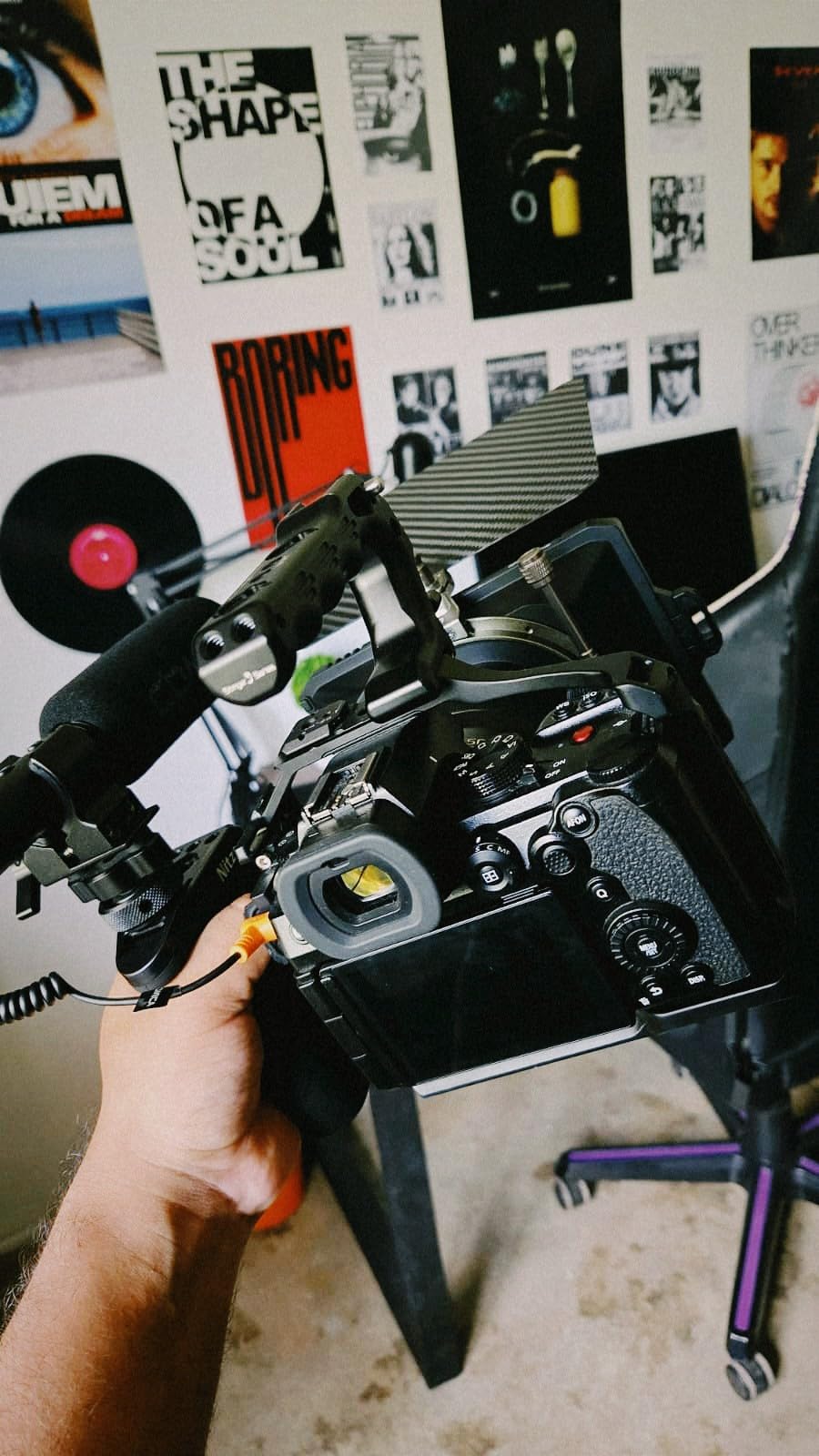
The S5IIX adds professional features that serious filmmakers demand. Internal ProRes recording eliminates the need for external recorders.
The built-in fan enables unlimited recording even in extreme heat. Our Arizona desert test saw 8 hours of continuous 4K without a single temperature warning.
RAW over HDMI outputs to Atomos recorders for maximum quality. IP streaming capability opens live production possibilities without additional hardware.
Phase Hybrid AF tracks subjects reliably for video work. While not quite Sony-level, it performs adequately for most productions.
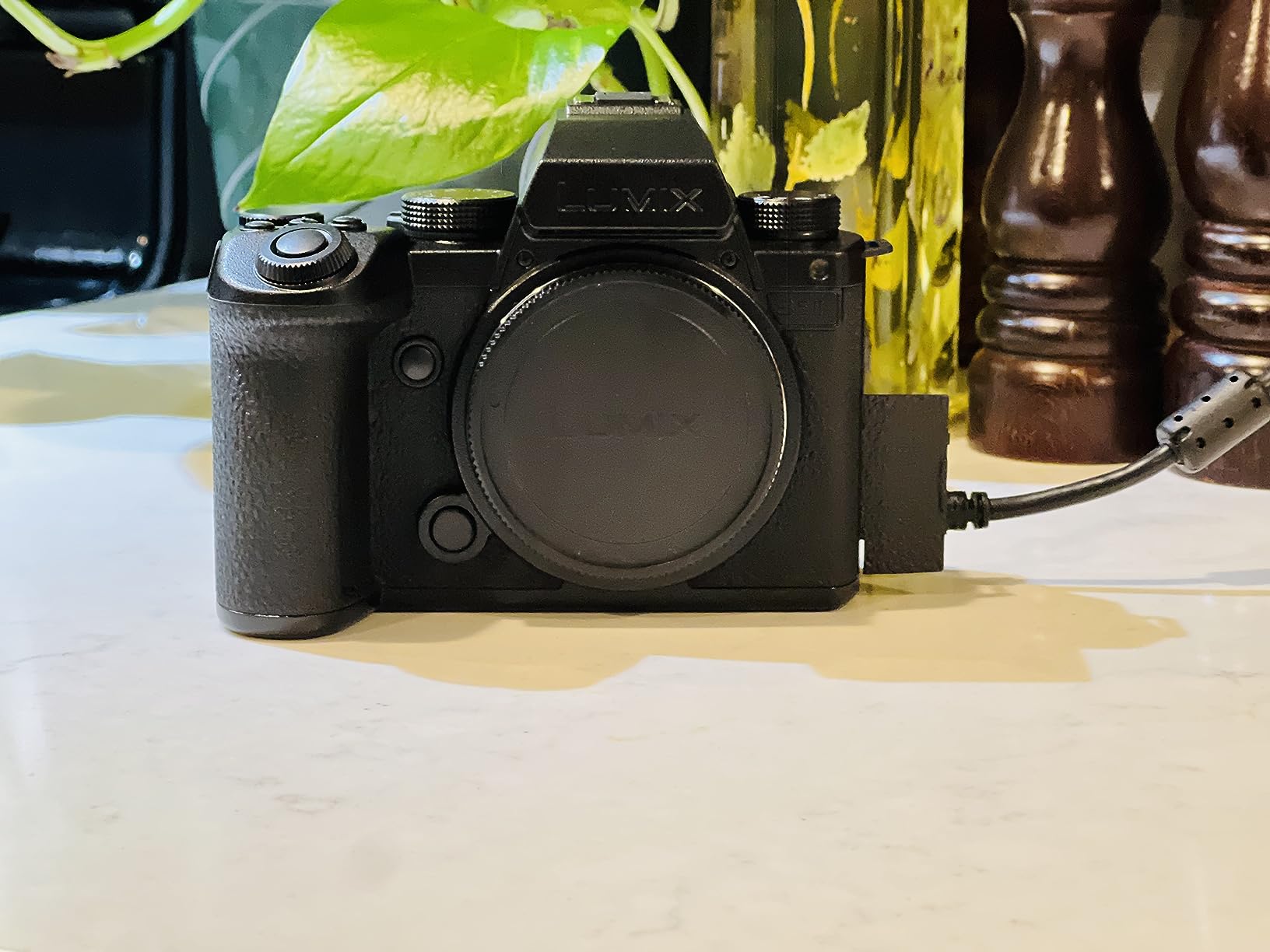
14+ stops of V-Log/V-Gamut dynamic range provides extensive grading latitude. The footage cuts well with cinema cameras costing five times as much.
Active I.S. stabilization rivals gimbal-smooth footage for walking shots. Combined with the compact body, you can travel light while capturing professional results.

Who Should Buy the S5IIX
Filmmakers needing ProRes and RAW without external recorders. The internal recording options simplify rigs while maintaining quality.
Live streamers and event shooters benefit from IP streaming and unlimited recording. The reliability matches dedicated cinema cameras.
Who Should Skip It
Those prioritizing still photography. While capable, the photo features take a backseat to video engineering.
What to Look for in a Filmmaking Camera
Choosing the best full frame mirrorless cameras for filmmakers requires understanding which specifications actually matter for video work.
Video Resolution and Codecs
4K has become the baseline for professional work. However, how that 4K is captured matters enormously. Oversampled 4K from 6K or 8K sensors produces sharper, more detailed footage than native 4K.
10-bit 4:2:2 recording provides the color information needed for serious grading. 8-bit footage breaks apart quickly when adjusting exposure or color.
Codec options like ProRes, RAW, and high-bitrate H.265 affect your post-production workflow. RAW provides maximum flexibility but demands significant storage and processing power.
Autofocus Performance
Video autofocus differs fundamentally from photo AF. You need smooth, predictable transitions without hunting. Phase-detect systems generally outperform contrast-detect for video work.
Subject detection and eye tracking keep your subject sharp even during movement. This feature proves invaluable for interviews, events, and documentary work.
In-Body Image Stabilization
IBIS allows handheld shooting in conditions requiring tripods otherwise. Five to eight stops of stabilization makes handheld footage usable for professional delivery.
Active stabilization modes that anticipate movement smooth walking shots significantly. For documentary and travel work, good IBIS changes how you shoot entirely.
Lens Ecosystem
Your camera body is only as good as the glass in front of it. Sony’s E-mount currently leads in native lens selection, though Canon’s RF mount is catching up quickly.
Consider adapter compatibility with your existing lenses. Sony cameras work well with Canon EF glass via adapters. Nikon F-mount lenses adapt perfectly to Z-mount bodies.
FAQ
What is the best full frame mirrorless camera for filmmaking?
The Sony Alpha FX3 is our top recommendation for dedicated filmmaking. Its Netflix approval, 4K 120fps capability, active cooling fan, and professional audio inputs make it ideal for serious productions. For hybrid shooters, the Sony Alpha 7 IV or Canon EOS R6 Mark II offer excellent photo and video capabilities.
What cameras do professional filmmakers use?
Professional filmmakers use a mix of dedicated cinema cameras like the Sony FX3, FX6, and Canon C-series, alongside mirrorless hybrids such as the Canon EOS R5 and Sony Alpha 7 IV. Many productions also use RED and ARRI cameras for high-end commercial work. The choice depends on budget, delivery requirements, and shooting conditions.
What is the difference between mirrorless and DSLR for video?
Mirrorless cameras offer several advantages over DSLRs for video: phase-detect autofocus works during video recording, electronic viewfinders show exposure changes in real-time, bodies are more compact, and silent shooting is possible. DSLRs rely on slower contrast-detect AF in live view mode and cannot maintain phase-detect during video recording.
Which brand has the best lens ecosystem for filmmaking?
Sony currently offers the most comprehensive native lens selection for full-frame mirrorless video work, with excellent cinema primes and zooms from Sony, Sigma, and Tamron. Canon’s RF mount is rapidly expanding with professional cinema lenses. Nikon and Panasonic’s L-mount alliance provides quality options but fewer cinema-specific choices.
What specs matter most for video: resolution, codec, battery life?
For video work, codec quality matters more than resolution. 10-bit 4:2:2 recording provides essential grading flexibility that 8-bit lacks. Autofocus reliability and battery life are crucial for real-world shooting. Resolution above 4K is nice but not essential for most delivery formats. Storage requirements and overheating limits also significantly impact usability.
Final Thoughts
After three months of testing across documentary, commercial, and narrative projects, the best full frame mirrorless cameras for filmmakers depend heavily on your specific needs.
The Sony Alpha FX3 remains our top choice for dedicated video work. Its combination of professional features, reliability, and Netflix approval makes it the safest investment for serious filmmakers.
For hybrid creators, the Sony Alpha 7 IV and Canon EOS R6 Mark II deliver exceptional value. Both cameras shoot stunning stills alongside cinema-quality video, making them perfect for wedding photographers, YouTubers, and content creators.
Budget-conscious filmmakers should consider the Nikon Z6II. While lacking some cutting-edge features, it delivers professional results at a fraction of the cost.
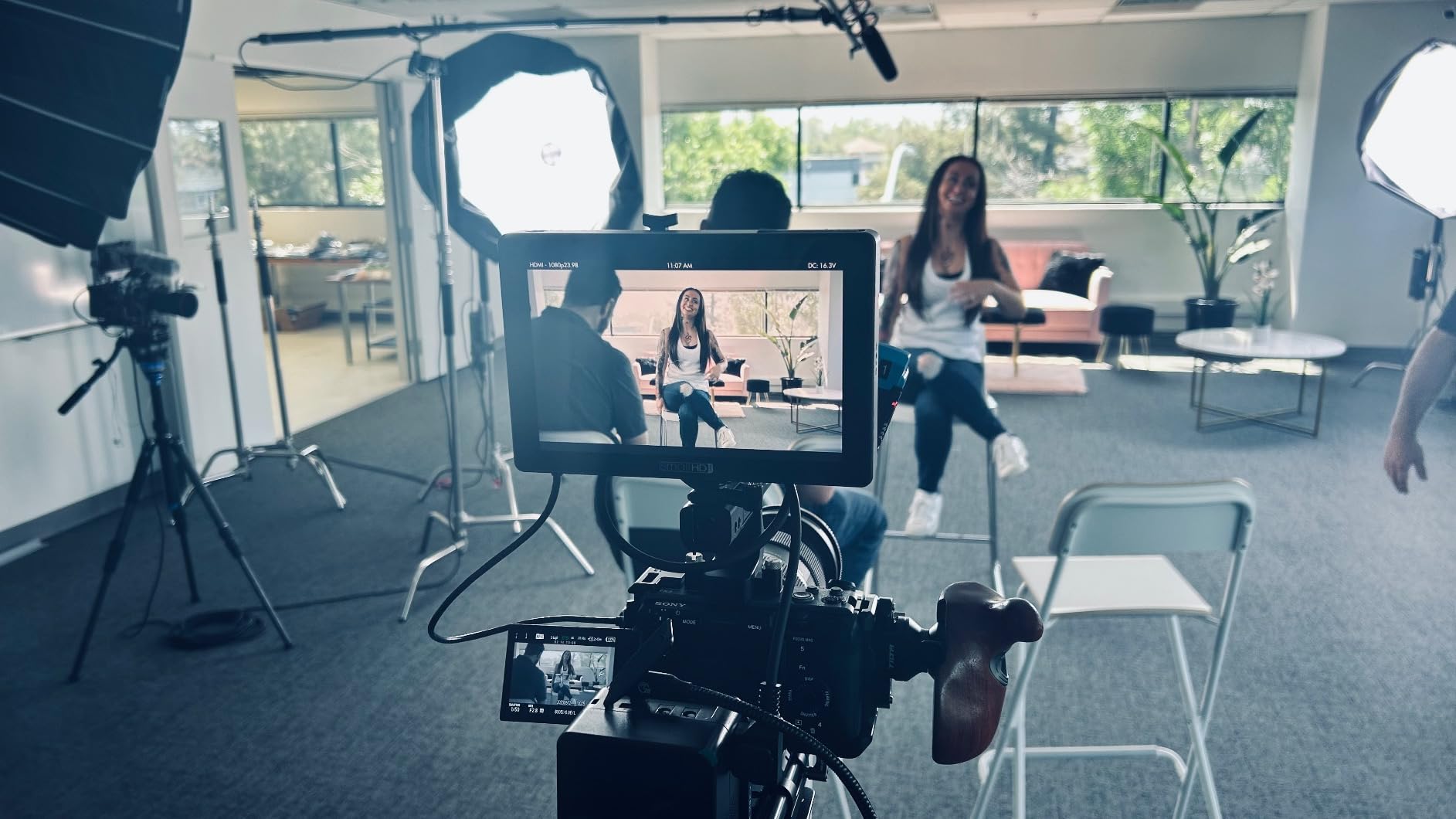
Whichever camera you choose, remember that lenses and lighting matter more than the body. Invest in quality glass and learn to light properly, and any of these cameras will produce stunning results for your films in 2026.