
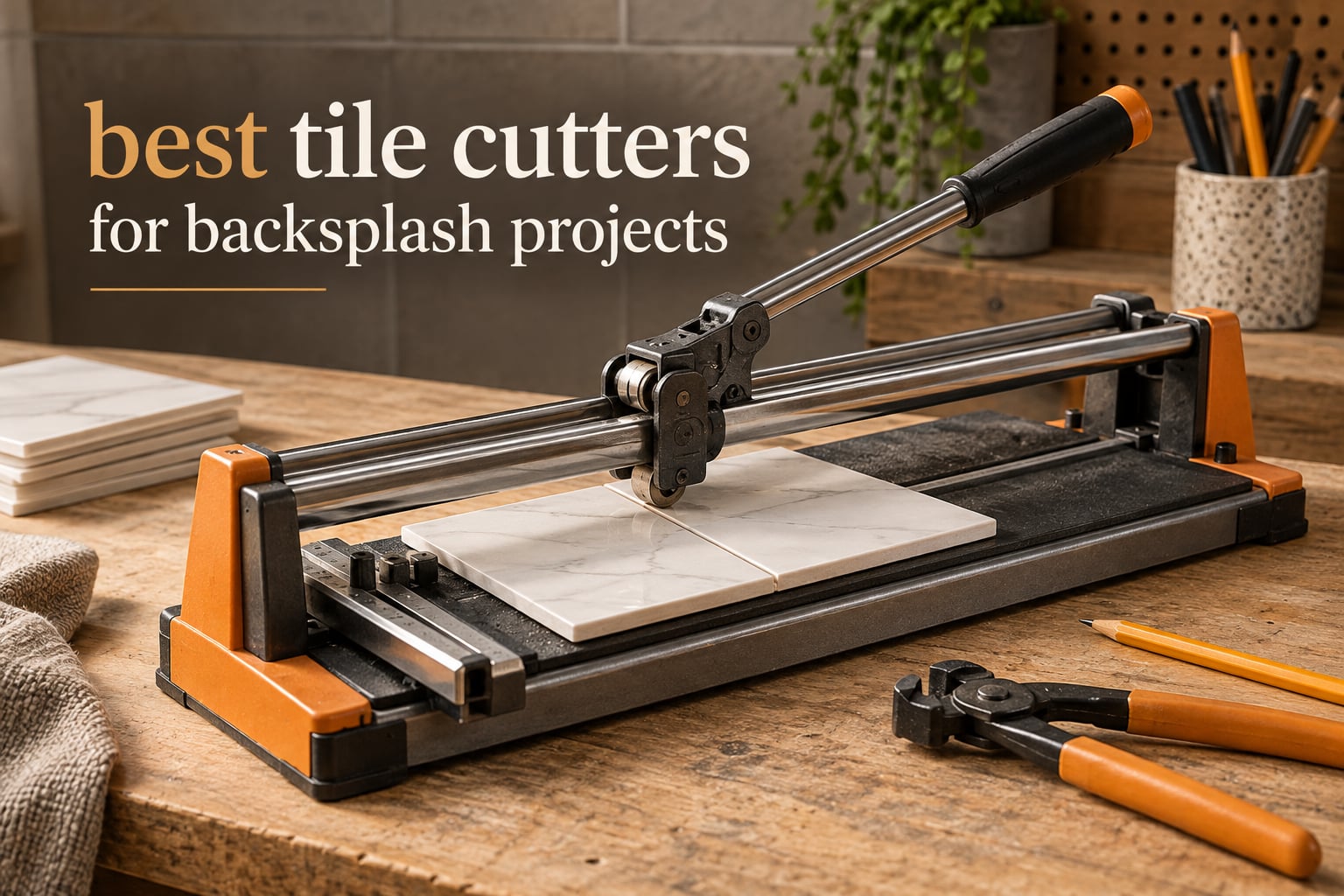
A manual score-and-snap tile cutter is the right default for most backsplash jobs. It scores a groove with a carbide wheel and snaps the tile with hand pressure, so there is no water, no power and almost no mess. A wet saw earns its place on thick porcelain and stone, and a diamond blade in an angle grinder is the only practical answer for outlet and window trim cut-outs.
That is the honest version of the answer, because the search results for this query are full of roundups that treat one tool as the winner regardless of the tile. A 3×6 subway wall and a 4×12 porcelain slab are different jobs, and the tools that handle them cleanly are different too. We spent weeks working through the cutters below on the tile formats that actually show up in a kitchen or bathroom, scoring and snapping, and pushing them on the cuts that ruin tiles.
Everything in this guide is a manual tool except where we say otherwise, because for the best tile cutters for backsplash work, power is rarely the point. What matters is wheel material, bed rigidity, cut length, and whether the frame stays square after twenty minutes of use. The outlets and corners are where projects actually go wrong, and no snap cutter on this list will handle those, so we covered the outlet work separately and pointed you at the right tool for it.
One more thing before the list. If you are only replacing a couple of damaged tiles, you do not need any of these. If you are tiling a full kitchen wall, the difference between a cheap cutter and a good one shows up in the waste pile at the end of the weekend.
Table of Contents
Top 3 Picks for Backsplash Tile Cutters in 2026
These three cover the widest range of backsplash jobs. The QEP 14-inch is the safest all-rounder, the TILER 14-inch gives you a cleaner porcelain score for less, and the Goldblatt nippers are the finishing tool that no snap cutter can replace.
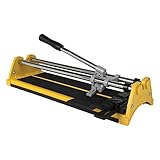
QEP 14 Inch Tile Cutter
- 14 in square and 10 in diagonal cuts
- 1/2 in tungsten carbide wheel
- High-leverage padded handle
- Adjustable rip guide

TILER 14 Inch Manual Cutter
- Cuts 14 in and 0.47 in thick
- Chrome-plated dual rails
- Replaceable carbide wheel
- Reinforced break area
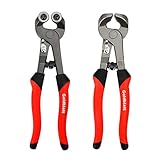
Goldblatt Two-Piece Nipper Set
- Drops to about 3/8 in thickness
- Drop-forged carbon steel jaws
- Soft-grip ergonomic handles
- Safety lock and spring return
All 12 Picks at a Glance in 2026
Every cutter below is scored and snapped by hand, so capacity, wheel material and bed rigidity matter more than motor power. The type column is the fastest way to narrow the list: the first eight are snap cutters, the next two are glass scorers, and the last two are nippers for finishing work.
| Product | Specifications | Action |
|---|---|---|
| QEP 14 Inch Tile Cutter |
|
Check Latest Price |
 VEVOR 32 Inch All-Steel Tile Cutter VEVOR 32 Inch All-Steel Tile Cutter |
|
Check Latest Price |
| TILER 14 Inch Manual Tile Cutter |
|
Check Latest Price |
 VEVOR 32 Inch Manual Tile Cutter VEVOR 32 Inch Manual Tile Cutter |
|
Check Latest Price |
 MARSHALLTOWN 17 Inch Snap Cutter MARSHALLTOWN 17 Inch Snap Cutter |
|
Check Latest Price |
 M-D Building Products 20 Inch Cutter M-D Building Products 20 Inch Cutter |
|
Check Latest Price |
 QEP 20 Inch Tile Cutter QEP 20 Inch Tile Cutter |
|
Check Latest Price |
 QEP 24 Inch Professional Cutter QEP 24 Inch Professional Cutter |
|
Check Latest Price |
 Camdios Oil-Feed Glass Cutter Camdios Oil-Feed Glass Cutter |
|
Check Latest Price |
 Rizom 13-Piece Glass Kit Rizom 13-Piece Glass Kit |
|
Check Latest Price |
| Goldblatt Two-Piece Nipper Set |
|
Check Latest Price |
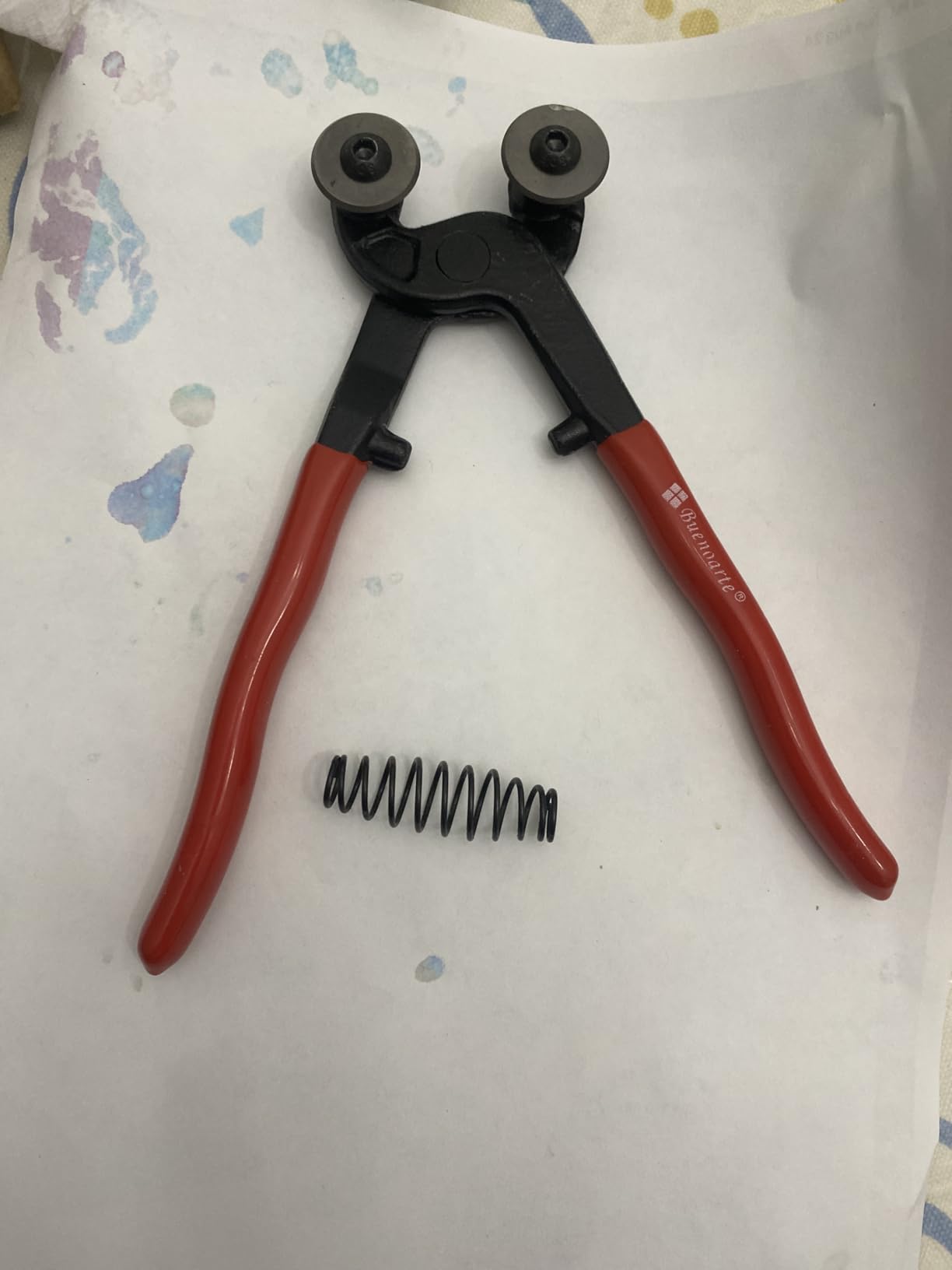
 Buenoarte 7 Inch Wheeled Nipper Buenoarte 7 Inch Wheeled Nipper |
|
Check Latest Price |
1. QEP 14 Inch Tile Cutter – the all-round choice for most backsplash walls
- Clean first score on standard ceramic wall tile
- Padded high-leverage handle cuts fatigue
- Adjustable rip guide speeds repeat cuts
- Light enough to carry between rooms
- Plastic end components feel inexpensive
- Not rated for porcelain or stone
- Replacement wheels sold separately
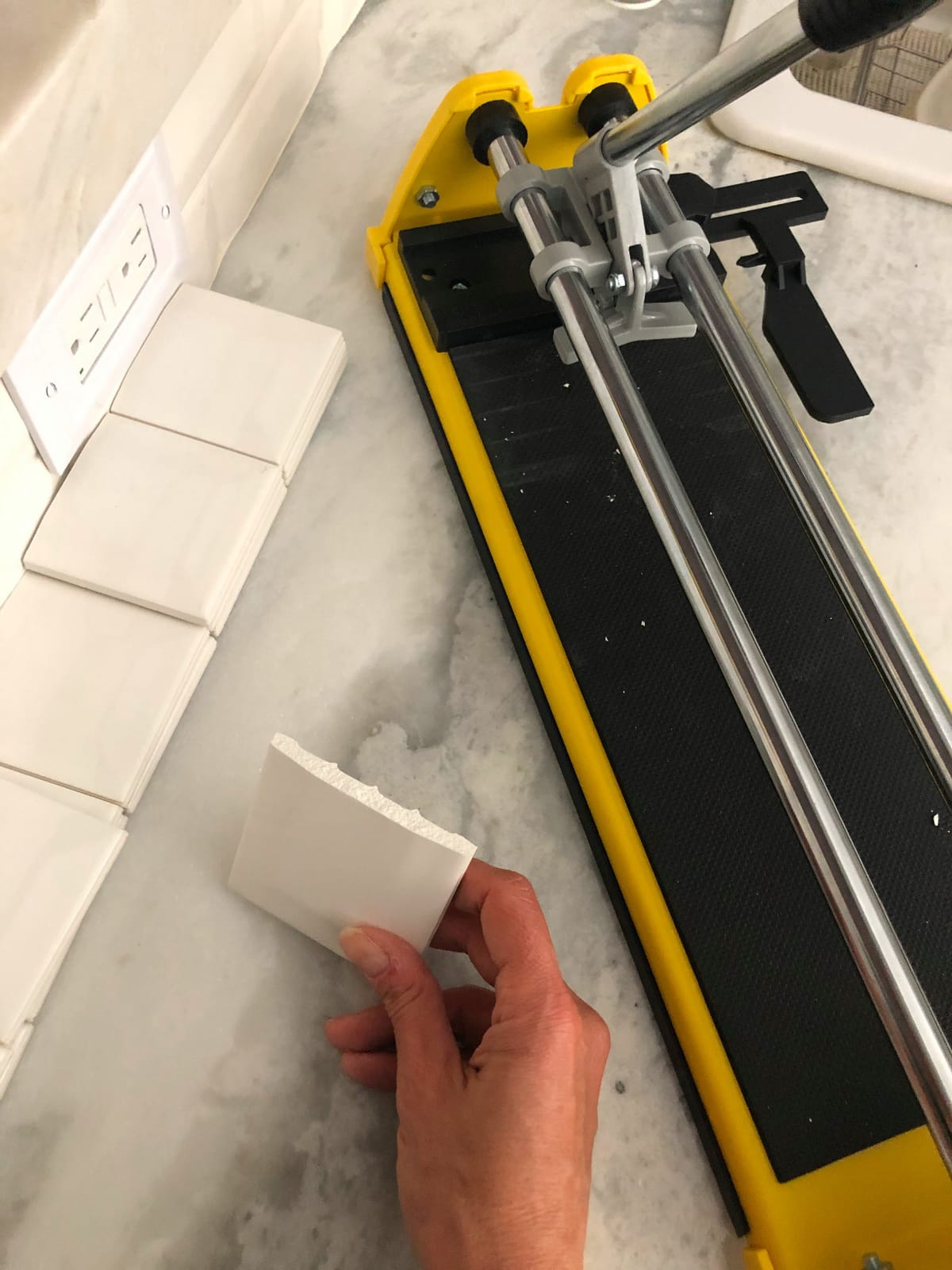
This is the cutter I keep coming back to for subway and stacked-bond layouts. It is rated to 14 inches square, 10 inches on the diagonal and half an inch thick, which covers every wall tile format most kitchens use. The bed is a simple aluminum frame with a rubber pad at each end, and the tile sits flat enough that a straight cut is straight without fussing.
The padded high-leverage handle is the part I did not expect to care about. On a wall that takes forty or fifty cuts, the difference between a short throw and a long one shows up in your hands by the second hour. The adjustable rip guide is meant for repetitive cuts at the same width, which is exactly what a backsplash produces when you are trimming the last column to fit around a cabinet or a window.
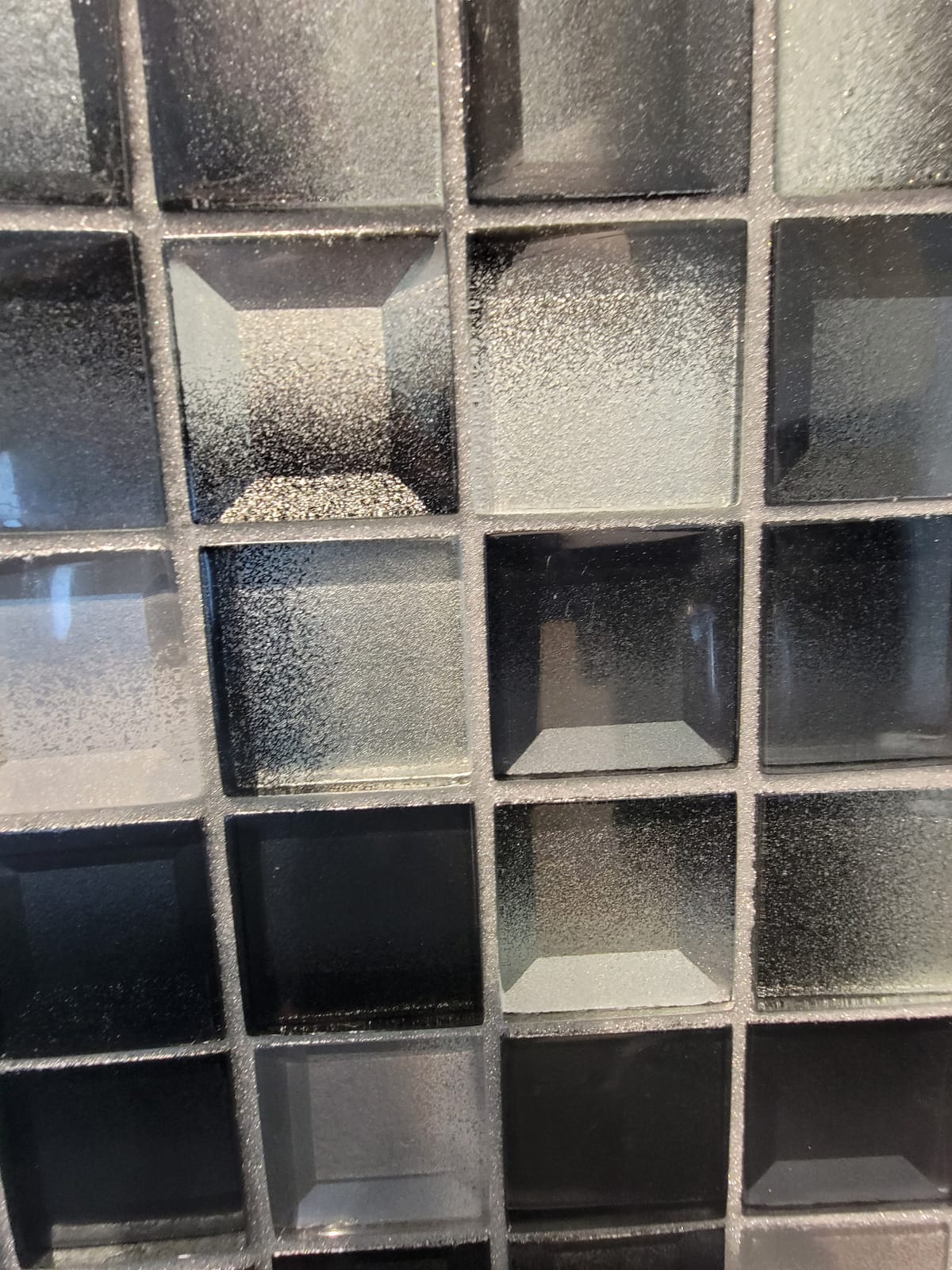
Be clear about its limits, because they are real. Reviewers consistently report clean cuts on ceramic wall tile and plenty of good-natured complaints about the plastic end components feeling inexpensive. It is not a porcelain or stone tool, and nobody in the user reviews claims otherwise. If your backsplash is 4×12 porcelain, look further down this list.
The scoring wheel is a 1/2 inch tungsten carbide wheel, and the frame takes the standard QEP replacement models, so you are not hunting for a proprietary part when it dulls. For a first backsplash, a repair job, or a bathroom wall in ceramic, this is the least risky purchase you can make.
Why it earns the top spot
It has the deepest review history of any cutter on this list, and the complaints in those reviews are about feel and materials rather than failure to cut. A tool that has been used thousands of times by people laying backsplash tile is a safer bet than a newer frame with heavier marketing.
The 14-inch capacity is also the honest number for this job. A standard backsplash run rarely needs more than a 12-inch cut once you account for the diagonal trim on a 12-inch tile, and a bigger frame mostly adds weight to carry across the kitchen.
Where it falls short
Do not buy it for porcelain, cultured stone or anything thicker than half an inch. The half-inch tungsten carbide wheel is a general-purpose wheel and it will skate or skip on hard porcelain if you push it.
It also cannot do a cut-out of any kind. An outlet notch, an L-shaped trim and a corner fit are all outside what a score-and-snap frame can do, and you will need a diamond blade for those.
2. VEVOR 32 Inch All-Steel Tile Cutter – for long rip cuts on big porcelain
- All-steel frame resists flex on long cuts
- Handles large-format porcelain
- Spare wheel in the box
- Ball-bearing head glides smoothly
- Laser guide often ships misaligned
- Needs tightening and squaring out of the box
- Breaker ridge does not cover the full bed
When a project moves from a backsplash to a floor or a full-height shower wall, the tile gets longer and the cut gets more demanding. This 32-inch all-steel frame is built for that. The rail is a single solid steel bar rather than the aluminum tubing used on most domestic cutters, and that rigidity is what keeps a 30-inch rip cut from bowing off the score line.
Rated cutting width is 35 to 800mm, so it covers essentially any tile you can buy. Maximum thickness is 15mm, which is thick enough for most porcelain and many stone-look products. The sliding head runs on 23 ball bearings and has a small oil can built into it, so the score stays smooth instead of dragging.
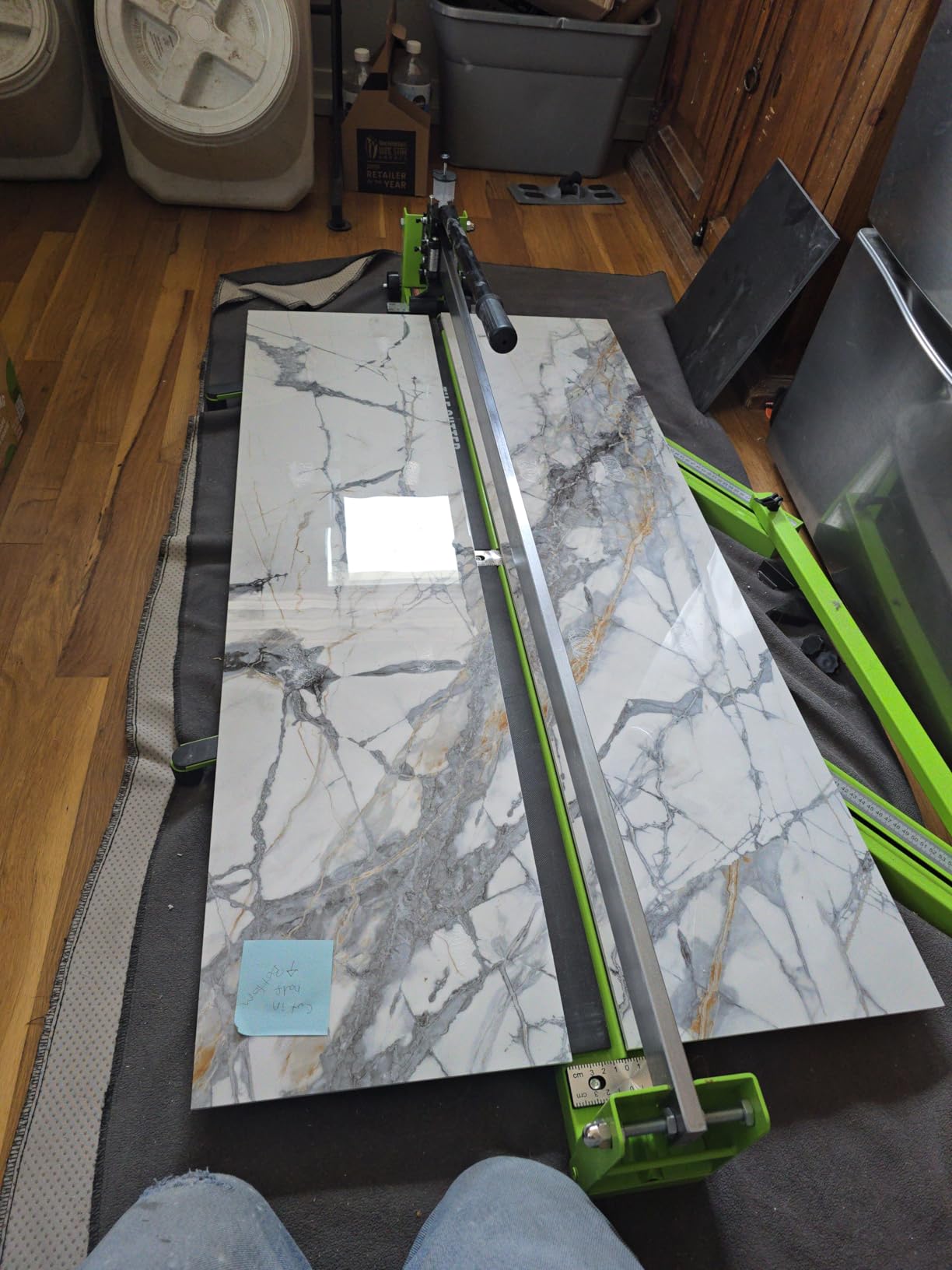
Owners of this cutter generally describe a bargain once it is set up, and equally describe the setup itself as the hard part. Multiple reviews note the unit arriving out of square, with the fence and bearings needing adjustment before the first cut. Several also report the laser guide needing realignment, and the front support arm being shorter than the bed, which matters on the longest tiles.
One detail is worth knowing before you plan your cuts. Reviewers point out that the breaker ridge does not run the full length of the bed, so a break started near the end of a long tile can wander. If you are cutting a lot of long pieces, mark the break line and start the snap from the supported section.
When it earns its size
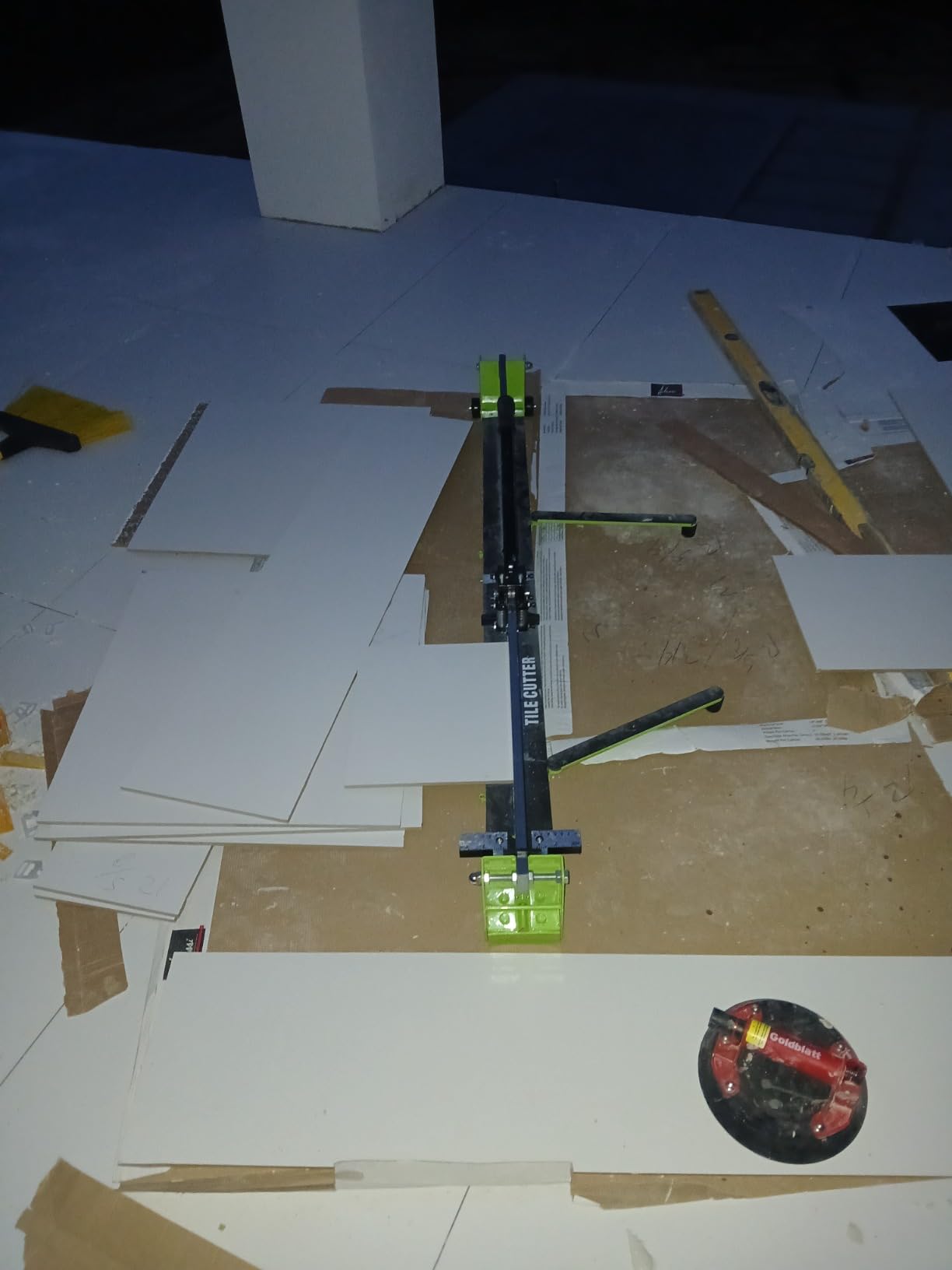
It is the right call for large-format porcelain, stacked-bond 12×24 layouts, and any project where you are cutting the same dimension dozens of times. The all-steel frame and the spare wheel in the box remove the two things that usually go wrong on a long job.
Buyers who cut large-format tile say the straight rail makes long rips noticeably more repeatable than lighter frames. If your backsplash is a small kitchen in 3×6 ceramic, this is far more machine than the job needs.
Where it falls short
At 28 pounds this is not a tool you want to carry up a flight of stairs twice. It is also the cutter where out-of-the-box setup matters most, and buyers who skip the squaring step report disappointing results.
Reviewers also note the included alloy wheel can be soft on porcelain. Keep a spare on hand and treat the first few cuts as a test, scoring a scrap piece before you commit to visible tile.
3. TILER 14 Inch Manual Tile Cutter – the cleanest porcelain score for the money
- Clean porcelain cuts with light pressure
- Reinforced break area needs less force
- Tool-free setup
- Chrome rails stay smooth
- Glass tile chips on small edge strips
- Some units have a faulty laser
- No printed instructions
This is the one I recommend when the tile is porcelain and the budget is not unlimited. The frame is an aluminum base plate with double solid chrome-plated rails and a die-cast sliding bar on a ball bearing, and that combination is closer to the commercial manual cutters than anything else at this level.
Reviewers describe saw-like clean cuts on porcelain and ceramic with almost no downward force once you learn to use a light, even stroke. The reinforcement built into the break area is the part that makes a difference on a dense tile. Pressing the score apart takes far less effort, so you are less likely to crush an edge.
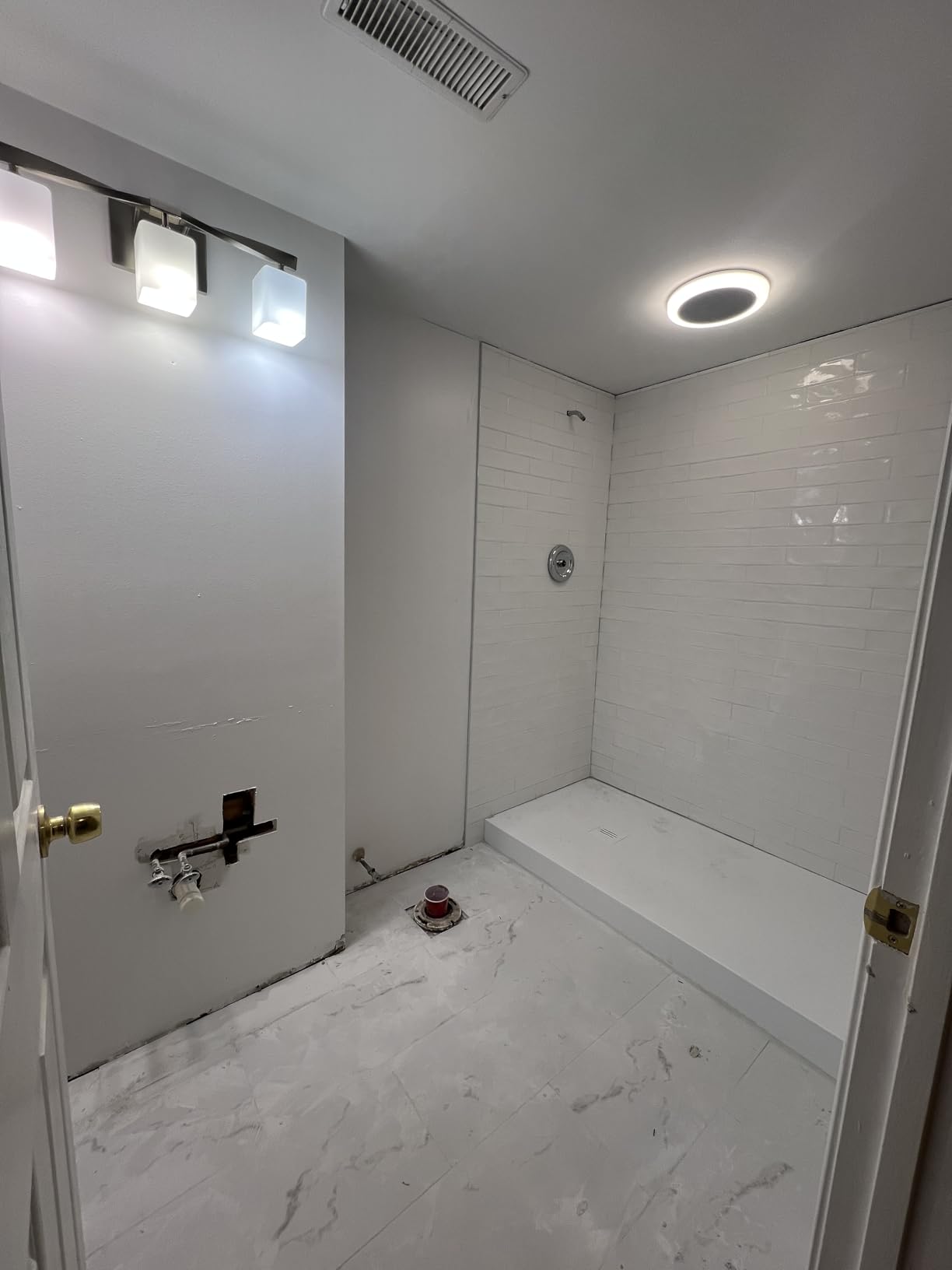
The weak point is glass. Multiple reviews say glass tile chips badly, particularly on small edge strips, which matters if your backsplash mixes a glass accent band with porcelain field tile. The carbide wheel is replaceable at 15x6x1.5mm, so a glass-specific wheel is worth having on hand if that is your layout.
Other reported issues are the laser on some units flickering and manufacturer support being hard to reach, plus the absence of printed instructions. Budget ten minutes with a video before your first cut and the learning curve disappears.
Why it is the value pick
It handles the material that trips up cheaper frames, and the 0.47-inch thickness rating covers the bulk of porcelain backsplash tile. The dual chrome rails resist the flex that makes long cuts wander on a light frame.
It arrives with a removable scale and handle and needs no tools to assemble. For a first-time installer working out scoring pressure, that quick setup means you spend the first hour cutting tile instead of reading a manual that is not in the box.
Where it falls short
Skip it for a glass-heavy mosaic scheme. The carbides on this frame are tuned for dense ceramic and porcelain, and review reports of chipping on glass strips are consistent enough to plan around.
It is a 14-inch frame, so a 45-degree cut on a 12-inch tile is tight. If your layout is diagonal and your tile is large, step up to a longer frame.
4. VEVOR 32 Inch Manual Tile Cutter – lighter steel-rail alternative that stores flat
- Clean scoring on porcelain and ceramic
- Rigid steel rails and aluminum base
- Extra wheel and batteries included
- Legs fold for storage
- A share of buyers report it arriving out of square
- Thin instructions mean trial-and-error setup
- Heavier and bulkier than 14-inch cutters
This is a different machine from the other 32-inch VEVOR on this list, and the distinction matters. Where that one uses an all-steel frame, this one pairs corrosion-resistant steel rails with a heavy-duty aluminum base, and it weighs 14.1 pounds instead of 28. For most backsplash jobs, that is the better balance.
Rated cut length is 32 inches or 800mm, with a cutting thickness range of 4 to 15mm. A tungsten carbide wheel and a spare are included, and the box also carries batteries for the infrared positioning guide. The metal ridge is aligned with the marking wheel path, which is a small design detail that keeps the score line where you aimed it.
Buyer feedback is consistently positive on scoring quality and rigidity once the unit is squared. The recurring criticism is the same one that shows up on almost every large frame: a noticeable share of owners report it arriving out of square and needing adjustment, and the documentation is thin enough that setup is trial and error.
The swing-up support legs rotate to 180 degrees, which is a genuinely useful feature for a tool this size. A kitchen backsplash job happens across a couple of days, and folding the legs keeps the cutter stable and out of the way when it is leaning against a cabinet between sessions.
Where it fits best
Choose it for a large-format porcelain backsplash in a room where storage is tight, or if you need to move the cutter between a kitchen and a bathroom. The lighter frame is still rigid enough for 30-inch rips.
Users cutting porcelain report straight, repeatable scores once set up, and the infrared guide is reported to line up well after setup. Treat that as a benefit, not a plug-and-play feature.
Where it falls short
The setup requirement is real. If you want a tool that works the minute it comes out of the box, a 14-inch frame with fewer adjustments is a better first purchase.
At 14.1 pounds with a 40.94 inch footprint, it is also the tool most likely to annoy you in a small kitchen. Measure your counter space before you commit.
5. MARSHALLTOWN 17 Inch Snap Cutter – built for mosaic and glass tile
MARSHALLTOWN 17 Inch Snap Tile Cutter, Ceramic Glass Mosaic Tile Tool
- Clean snaps on ceramic and glass mosaic
- Supports 45-degree diagonal cuts
- Two-rod rail scores consistently
- Adjustable guide keeps repeat cuts identical
- Not suitable for porcelain or cultured stone
- Thickness limited to 1/2 in
- Lighter base flexes on very long cuts
Most of this list is aimed at ceramic and porcelain field tile, and this one exists for the other half of a backsplash. Glass mosaic and penny mosaic need a cutter that will score brittle material without shattering it, and a two-rod rail system with a durable tungsten carbide wheel is exactly that arrangement.
It cuts tile up to 17 inches long and half an inch thick, and the two-rod rail keeps the wheel tracking straight across the tile face. The adjustable measuring guide is the feature that pays off on a mosaic layout, because every piece needs to land on the same line.
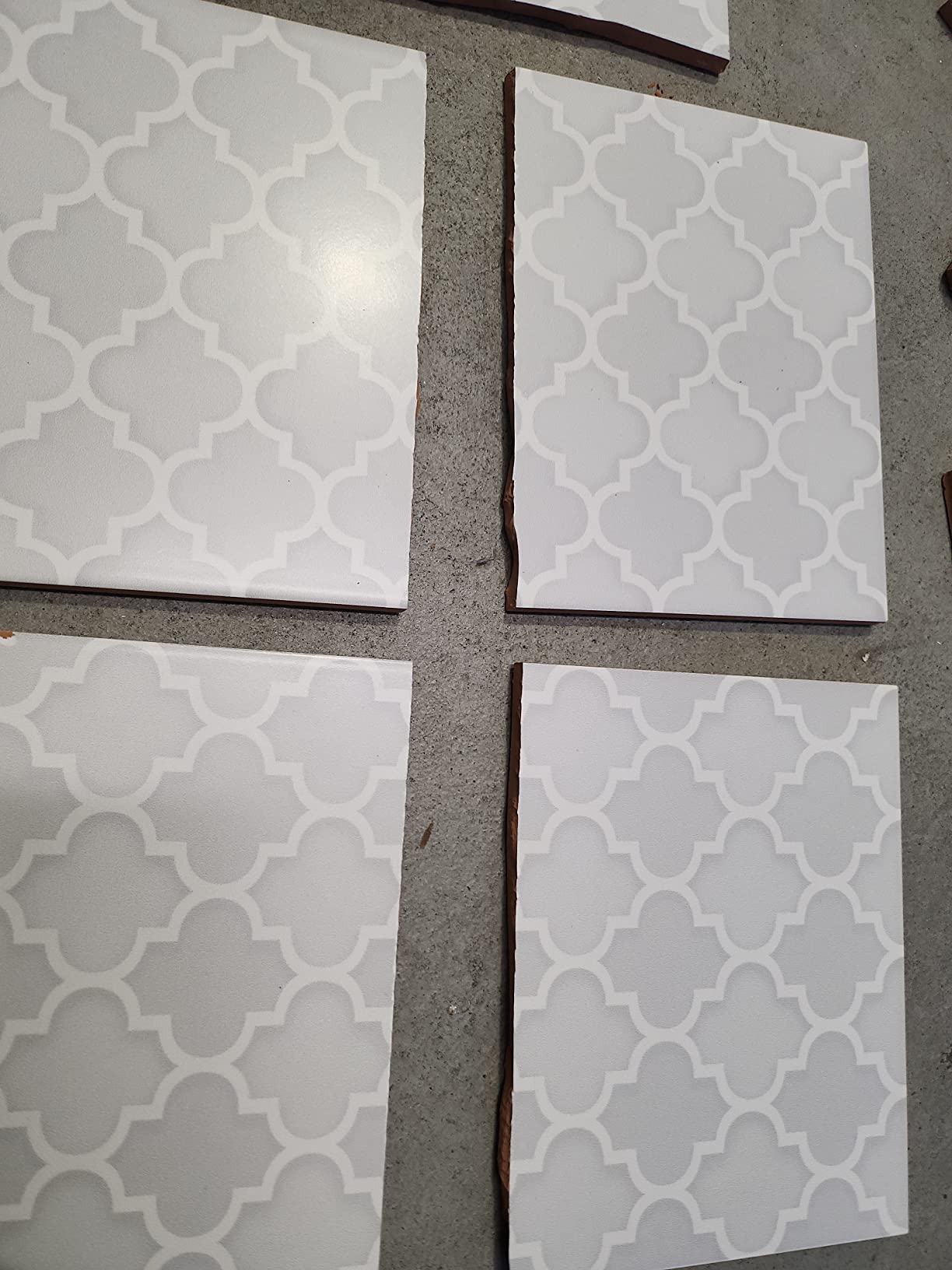
The angled-cut capability is the reason to look at it for decorative layouts. It handles 45-degree diagonal cuts on tiles up to 12 by 12 inches, which is a genuine gap in most compact snap cutters.
Where it fits best
A herringbone or diagonal glass mosaic accent, a penny mosaic field, or a decorative border band that needs angled pieces. Reviewers consistently report clean, accurate snapping on ceramic and glass mosaic with this frame.
The brand has a large installed base, which matters more than it sounds. Replacement parts and advice for a widely used tool are easier to find than for a no-name frame.
Where it falls short
The manufacturer explicitly excludes porcelain and cultured stone, and reviewers echo that. Do not try to stretch it to a porcelain backsplash because the rating looks close to the other cutters here.
It stops at half an inch thick, and the lighter plastic base means a very long cut on a large sheet can flex. Keep the long pieces for a steel-framed model.
6. M-D Building Products 20 Inch Cutter – a compact budget frame for one weekend
- Good value for one-off DIY jobs
- Snaps subway and mosaic tile cleanly
- Faster and cleaner than a wet saw setup
- Carbide wheel is replaceable
- Straight cuts can wander without consistent technique
- Will not make very narrow strip cuts
- Not reliable on porcelain
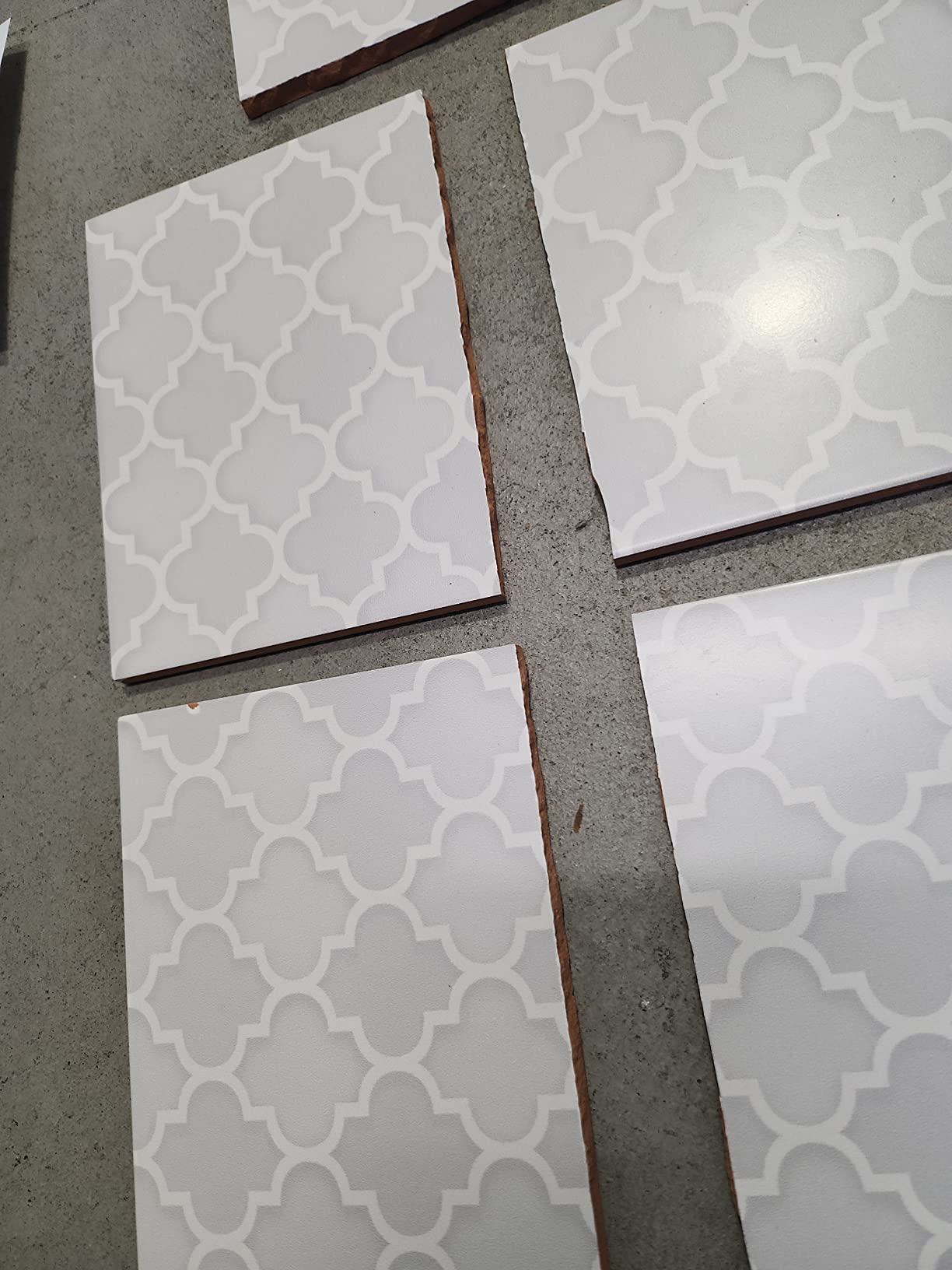
This is the tool for someone laying a single small backsplash in ceramic and wanting to avoid renting anything. The press-and-snap design is simple, the frame is steel and cast aluminum, and it handles medium-format wall and floor tile without any setup ritual.
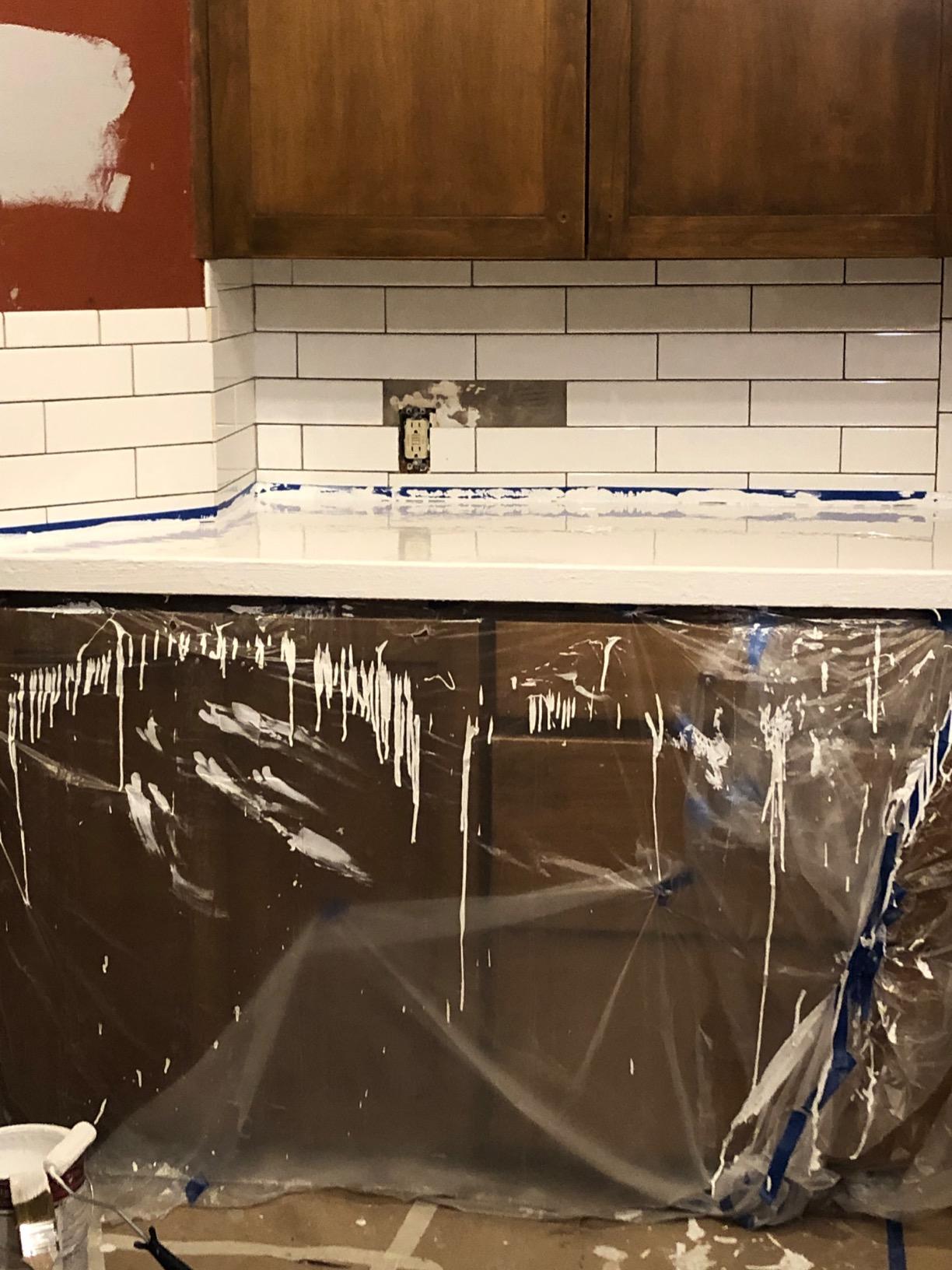
Owners use it exactly that way. It snaps subway and mosaic backsplash tile cleanly once they settle into a consistent scoring pressure, and the review consensus is that it is faster and far less messy than setting up a wet saw for a small job. The carbide wheel is included and the replacement is a standard part number.
It is also the shortest option to store and the least annoying to move between rooms, which is a real consideration when your project spans a kitchen and a half bathroom.
Where it fits best
Ceramic subway tile in a stacked bond, a small bathroom wall, or replacing damaged tiles in an existing mosaic. It is the lowest-commitment way to get straight cuts without a rental.
For anyone who has never cut tile, the forgiveness of this frame is useful. If your score wanders, you re-score it. That is not true of a porcelain-rated tool where a second pass can blow out the glaze.
Where it falls short
Reviewers are clear that narrow rip cuts of a quarter inch to a half inch are outside what it does, and outlet cut-outs need a grinder. Straight cuts can wander if your scoring pressure changes mid-stroke, so slow down.
Some owners report loose fasteners on arrival and a few received a dented base that left it uneven. Check the frame for flatness before you start, and expect to tighten a screw or two.
7. QEP 20 Inch Tile Cutter – the subway tile workhorse with a lifetime warranty
QEP 10220Q 20″ Ceramic & Porcelain Tile Cutter with 1/2″ Cutting Wheel
- Reliable on ceramic and subway tile
- Quick and fussy-free for small jobs
- Padded breaker bar avoids marking tile
- Sharp wheel with little chipping
- Some units arrive without the rip guide
- Plastic end caps flex under pressure
- Awkward on small pieces and complex angles
A 20-inch frame is the sweet spot for a standard kitchen backsplash in 3×6 or 4×12 tile, and this is the version of it that most first-time installers end up with. It cuts tile up to 20 inches long, 14 inches on the diagonal and half an inch thick.
Dual chrome-plated steel rails with bumpers make the score travel smoothly, and the rubber pads keep the tile from shifting mid-stroke, which is one of the more common causes of a wandering line. The rubber-padded aluminum breaker bar is designed not to mark the tile face, and that shows on glazed subway tile.
The extra long high-leverage handle reduces fatigue across a full afternoon. The lifetime warranty is unusual in this category and matters if you are nervous about buying from a marketplace brand.
Why subway tile suits it
Subway tile is dimensionally forgiving. A straight cut on a small, uniform tile hides a fraction of a millimetre of error behind the grout line, which is why this frame delivers clean results on it for so many first-time users.
First-time installers report that it replaced a frustrating big-box tool and let them cut a full wall of subway tile quickly with minimal waste. That combination of speed and predictability is exactly what a backsplash job needs.
Where it falls short
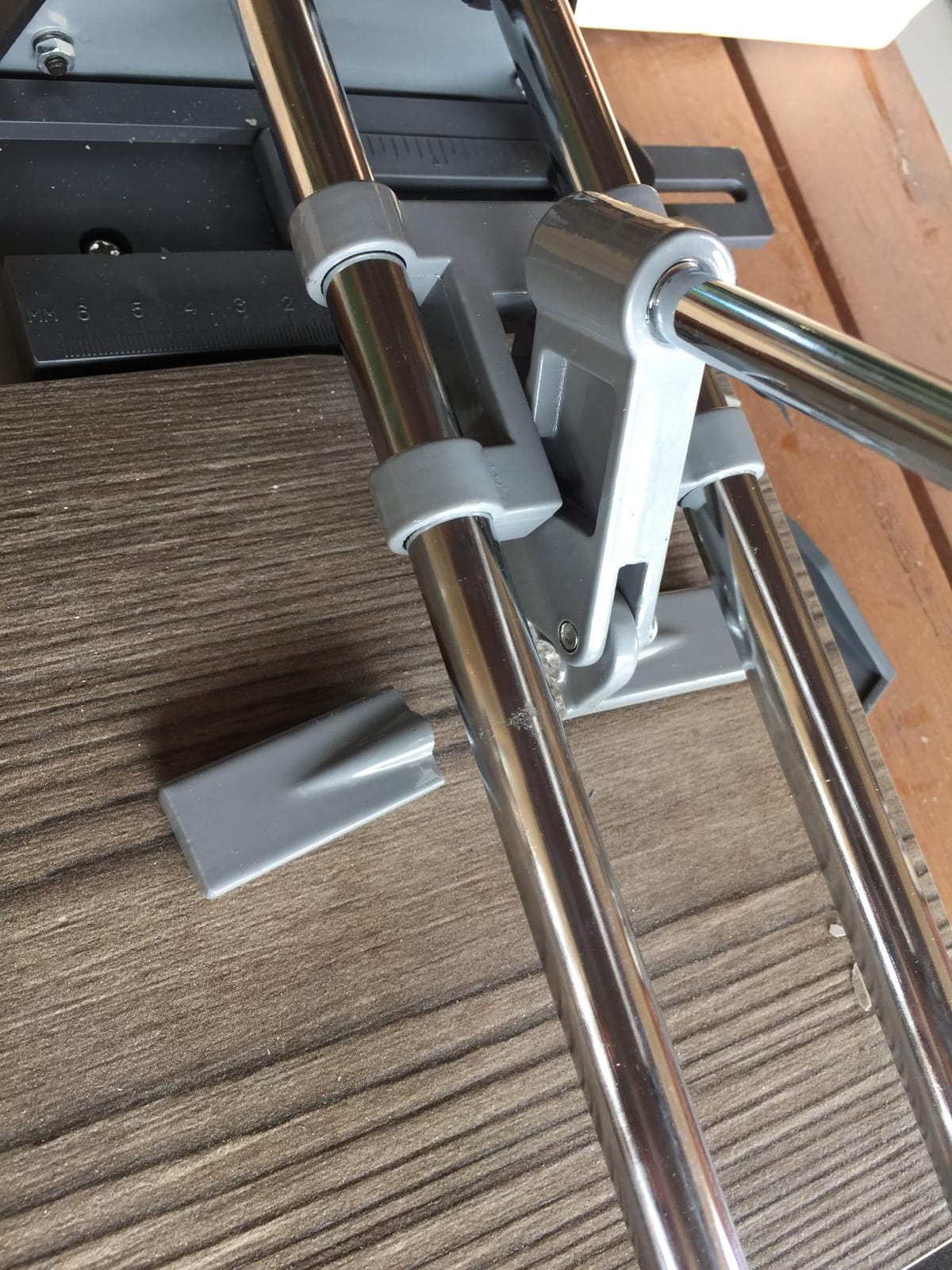
Some units ship without the rip guide, so check the box before you start. Cheap plastic end caps and thinner tubing can flex under heavy pressure on a hard score.
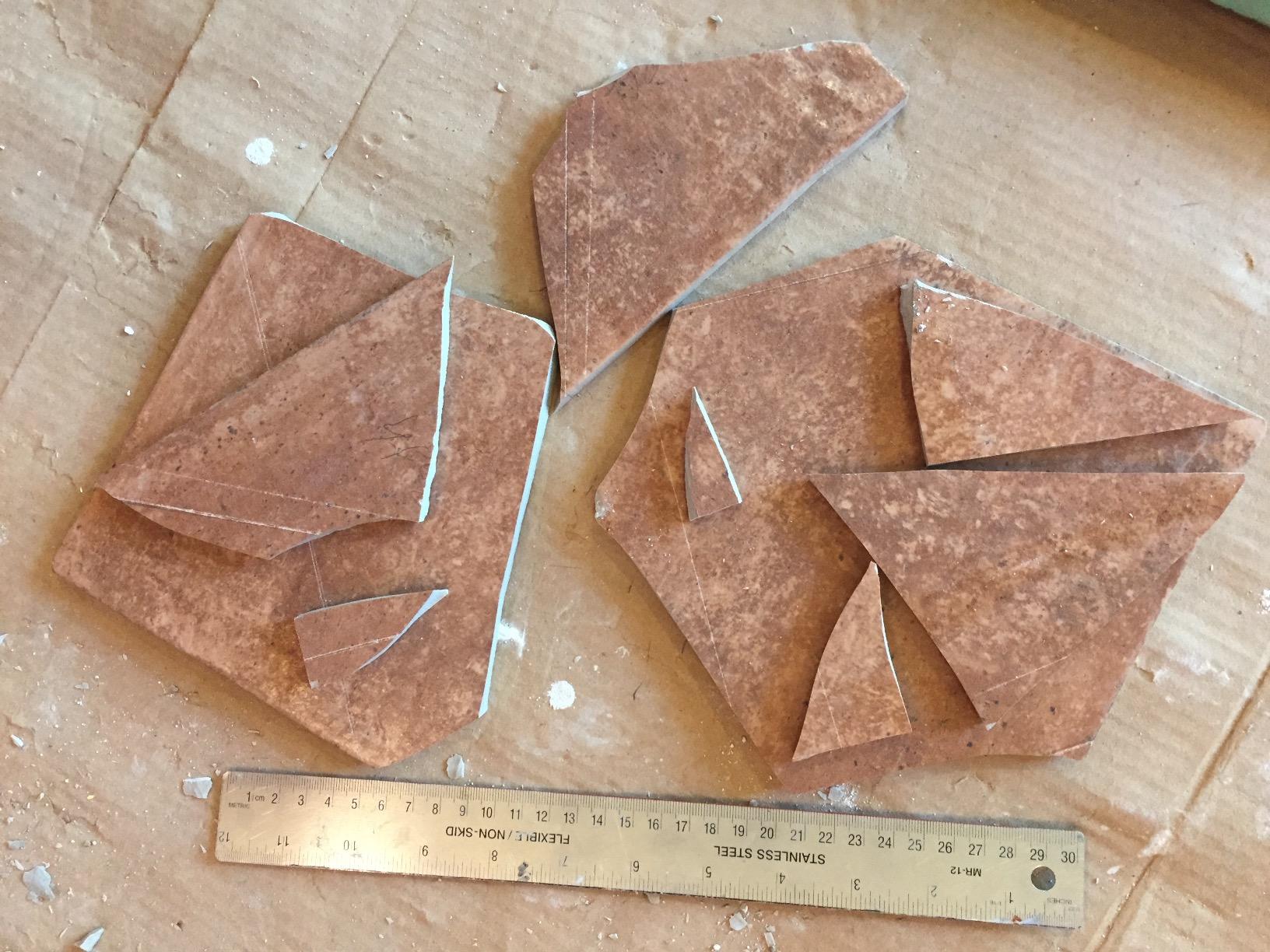
Small pieces and complex angle cuts are difficult. Narrow slivers and diagonal trim on a large tile are where you should move to a longer frame or a different tool entirely.
8. QEP 24 Inch Professional Cutter – built for large-format porcelain
- Handles large-format porcelain and ceramic
- Side arms keep big tiles supported
- Coated wheel holds a long edge
- Ball-bearing slide scores smoothly
- Bulky and heavy to move around
- Rip guide or fence may need adjustment out of the box
When a backsplash moves to a 12×24 or 18×36 porcelain plank layout, the failure mode is not the wheel, it is support. A tile that overhangs the bed will flex as you score, and a flexing tile scores unevenly. This cutter solves that with side arm extensions that support large format tile across its full width.
The wheel is a 7/8 inch titanium-coated tungsten carbide wheel, which is the most durable scoring wheel in this roundup. Coated carbide resists wear on hard porcelain noticeably better than a plain carbide wheel, and a ball-bearing slide carriage keeps the stroke even from one end to the other.
Rip capacity is 24 inches and 16 inches on the diagonal. At 18.31 pounds with a 33-inch frame, this is a stationary tool, not something you carry between rooms.
Where it earns the pro label
Owners use it as a step up from entry-level frames specifically for large-format porcelain, and they credit the side arms and the coated wheel with straight, repeatable rip cuts across repeated passes. Repeatability is what matters on a plank layout where every joint lines up.
The heavier base adds real stability on long cuts. If your tile is dense and your cuts are near the capacity limit, that mass is doing work.
Where it falls short
It is bulky and heavy, and for a single 3×6 ceramic backsplash it is more tool than the job requires. Storage is a genuine consideration in a smaller kitchen.
Some buyers report the rip guide or fence needing adjustment out of the box. Square it against a known straight edge before you cut visible tile.
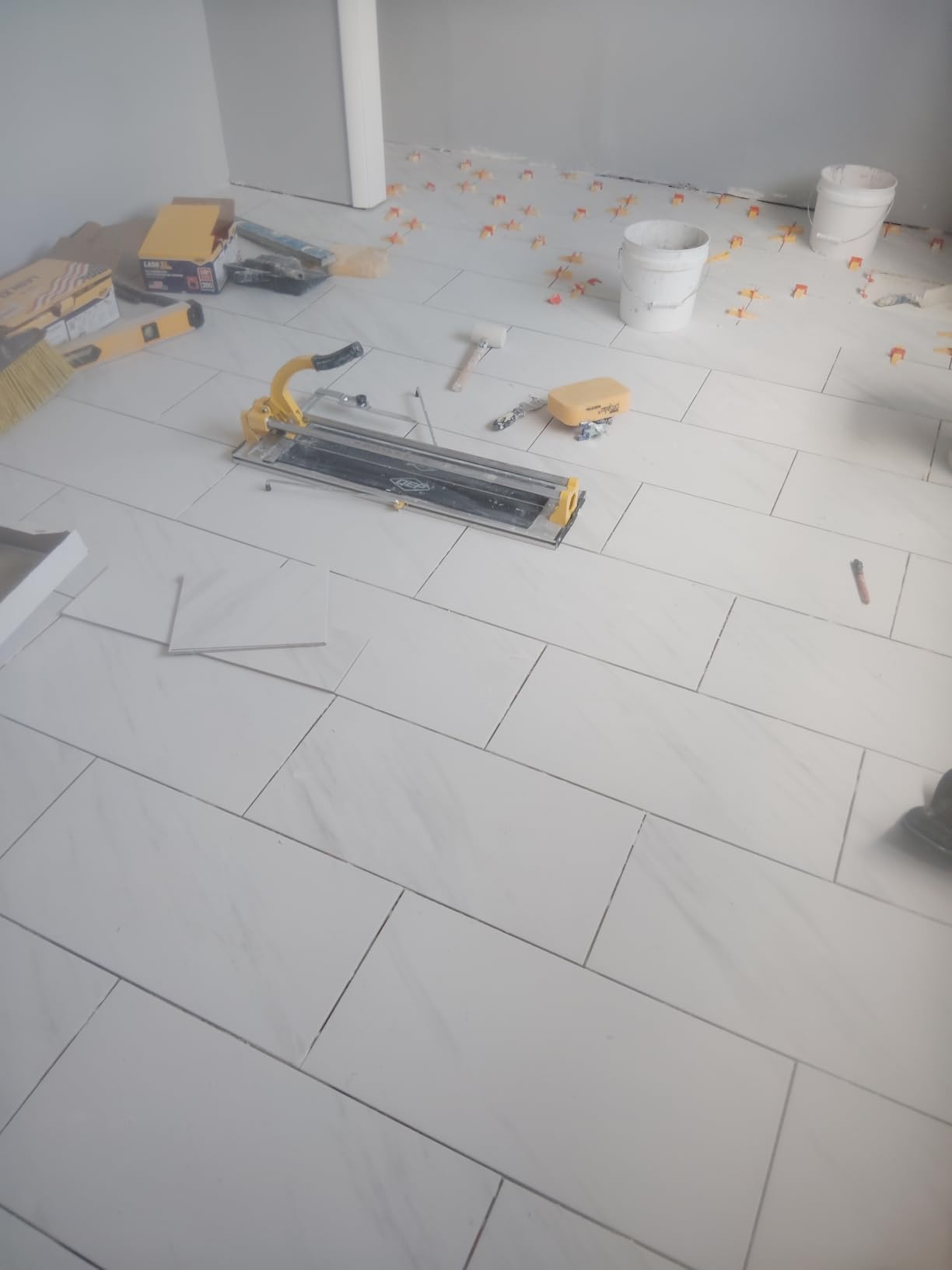
9. Camdios Oil-Feed Glass Cutter – scores, it does not cut
Glass Cutter 2mm-20mm, Upgrade Glass Cutter Tool, Pencil Style Oil Feed Carbide Tip for Glass Cutting/Tiles/Mirror/Mosaic.
- Even clean score lines on glass and mirror
- Oil feed keeps the wheel lubricated
- Three heads cover thin to thick glass
- Easy to control on small mosaic work
- Only scores a line and needs a manual break
- Wheel dulls quickly under heavy use
- Marks rather than cuts thin ceramic tile
Understand what this is before you buy it. It is a glass scorer, not a tile cutter. It rolls a carbide tip across glass to leave a deep groove, and you then break the glass along that groove by hand. On a mosaic sheet, that is a genuinely useful capability, and on ceramic tile it does nothing useful at all.
The three interchangeable heads cover 2 to 6mm, 6 to 12mm and 12 to 20mm glass, so one tool covers sheet glass, mirror and thick mosaic tile. The automatic oil dispensing system keeps the wheel lubricated as you cut, which is what keeps the score line even rather than skipping.
Users like the pencil-style body for small mosaic work because it is easy to control at close range. The alloy handle is anti-skid and the whole tool is small enough to keep in a drawer.
Where it fits best
Cutting a single sheet of glass mosaic to fit a measured wall, trimming a mirror panel, or stained glass work that needs a clean score rather than a powered cut. Reviewers report even, clean score lines on mirror and pane edges.
It is also the cheapest way to add a dedicated glass capability to a kit that already has a ceramic snap cutter, without buying a whole second frame.
Where it falls short
It scores and stops. Every cut still has to be broken by hand, which is fine for mosaic and wrong for anything else. Plan on pairing it with running pliers or grozer pliers, which is exactly what the kit on the next entry does.
Reviewers also report the wheel dulling relatively quickly under repeated use, and note that it marks rather than cuts thin ceramic tile. If your backsplash is ceramic, this is the wrong purchase.
10. Rizom 13-Piece Glass Cutting Kit – scorer, nippers and pliers in one bag
- Complete kit that replaces separate purchases
- Running pliers give straighter breaks
- Solid pliers that outlast cheaper sets
- Zippered bag keeps a studio kit organised
- Some nippers arrive misaligned at the drilled hole
- Scorer expels too much oil if overfilled
- Learning curve for anyone new to glass work
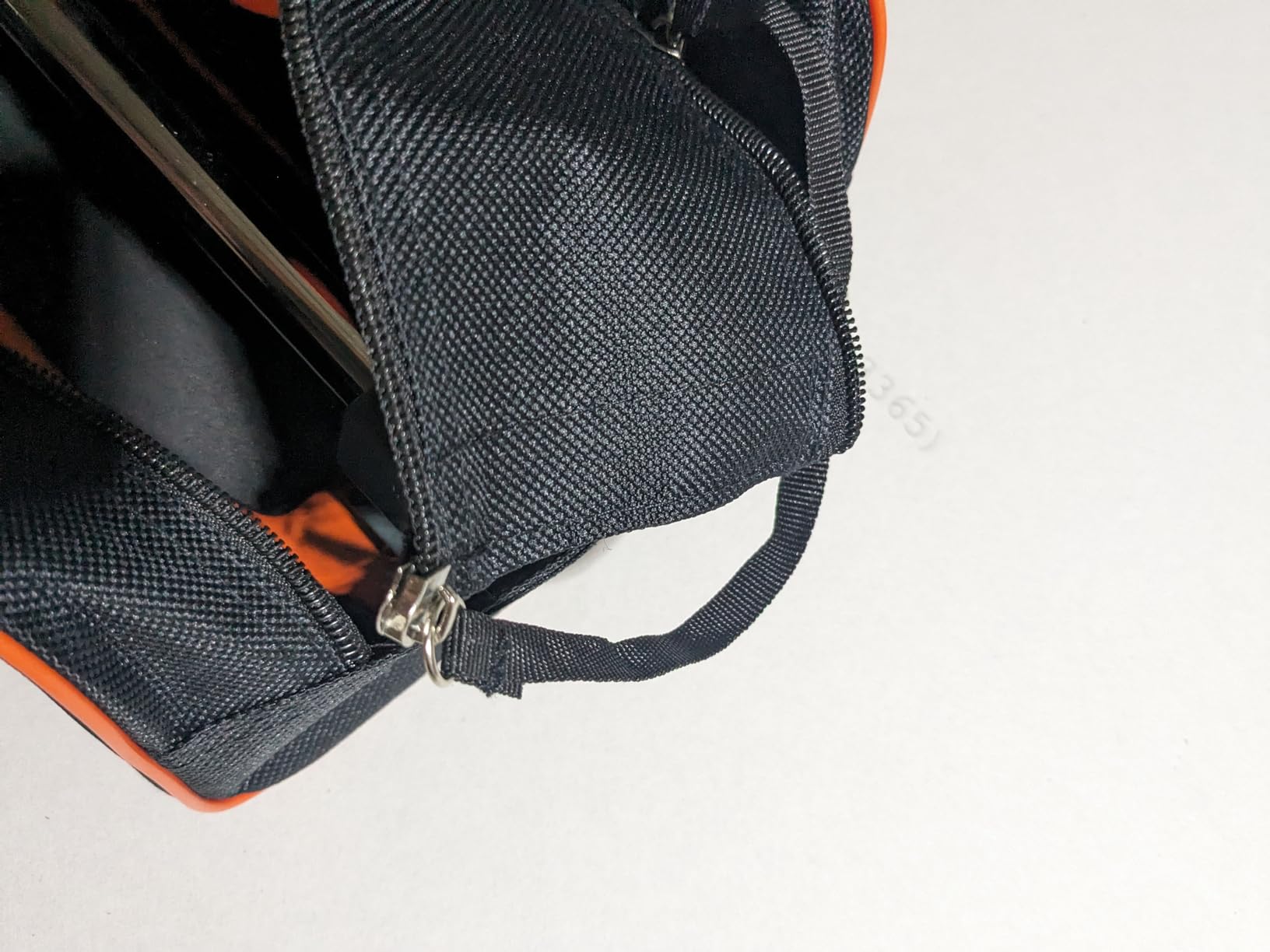
Glass mosaic work needs three things: a scorer to make the line, running pliers to break cleanly along it, and grozer pliers to nibble the edges. This kit includes all three, plus 8 inch tile nippers, three cutter heads, replacement rubber tips, an oil dropper, screwdrivers and a zippered canvas bag.
The running pliers are the reason to buy it. Users with a glass mosaic backsplash describe them as applying even pressure along the score, which produces a much straighter break than breaking a sheet by hand over a table edge. The grozer pliers handle the last half inch of the break cleanly.
Material specs are solid for the price. The pliers are carbon steel with anti-rust plating, and the nippers use a YG8 tungsten steel wheel. Several reviewers note the nippers outperformed older tools they owned, which tells you something about where the money went.
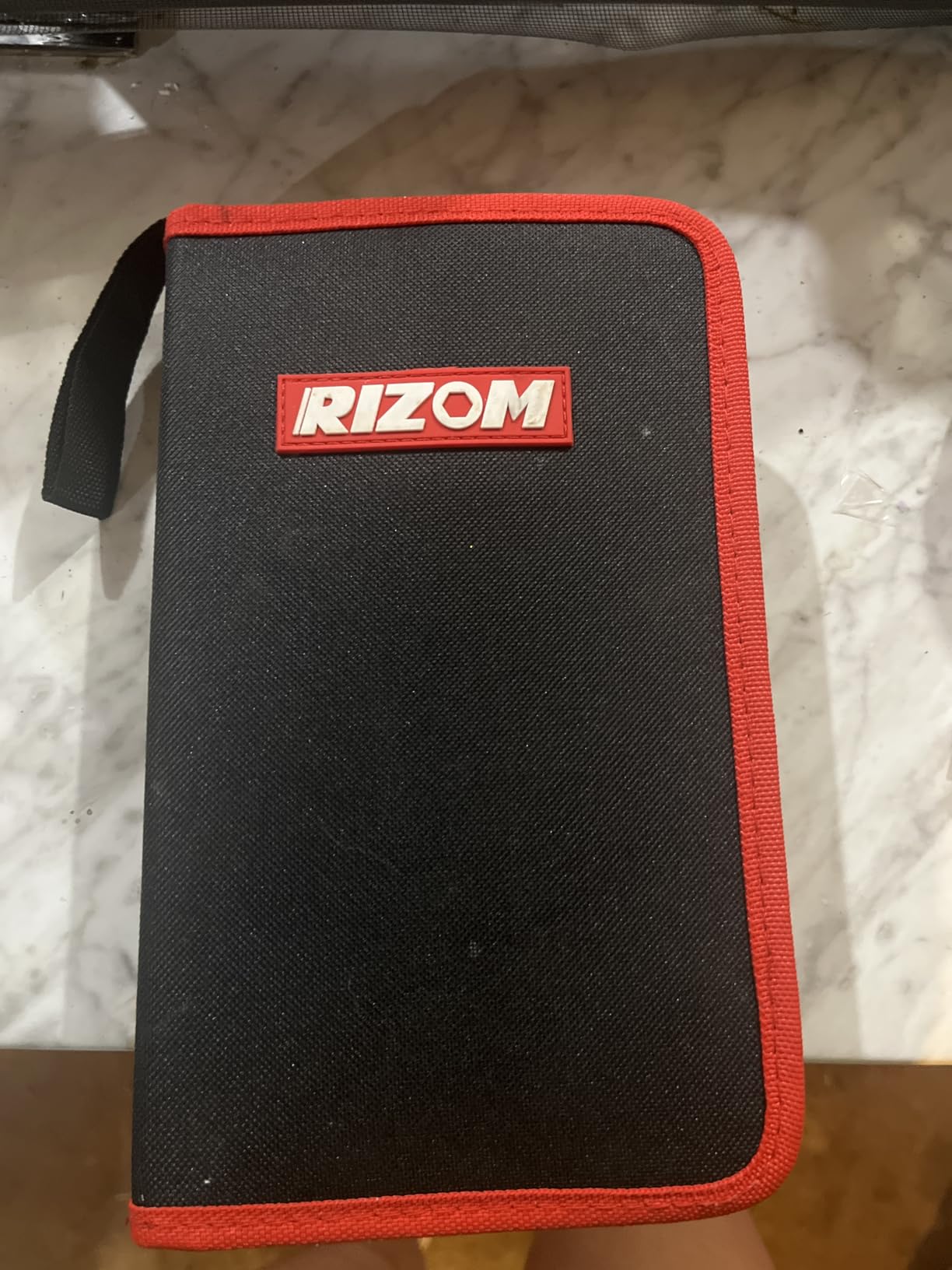
Where it fits best
A full glass mosaic backsplash where you are cutting whole sheets rather than trimming edges. The kit removes the need to buy a scorer, running pliers and grozer pliers separately, and the bag means it lives in one place instead of three drawers.
It is also a good starter set for stained glass or a classroom, since the bag keeps a shared kit together. Users rate the build quality highly and several single out the nippers specifically.
Where it falls short
Some units have nippers that are misaligned at the drilled hole, which limits precision on fine work. Check the wheel alignment before a project rather than at the end of it.
The oil feed can dispense a lot of oil if the reservoir is filled rather than dipped, and there is no ball-ended tool for starting a break cleanly. Both are minor, and neither affects a backsplash job.
11. Goldblatt Two-Piece Nipper Set – the finishing tool a snap cutter cannot replace
- Sharp jaws make clean straight bites
- Soft-grip handles cut hand fatigue
- Spring action gives controlled leverage
- Ideal for corner and cabinet touch-ups
- Will not work on glass thinner than 1/16 in
- Wheel screw on the wheeled nipper can strip
- Not a substitute for a cutter on large tile
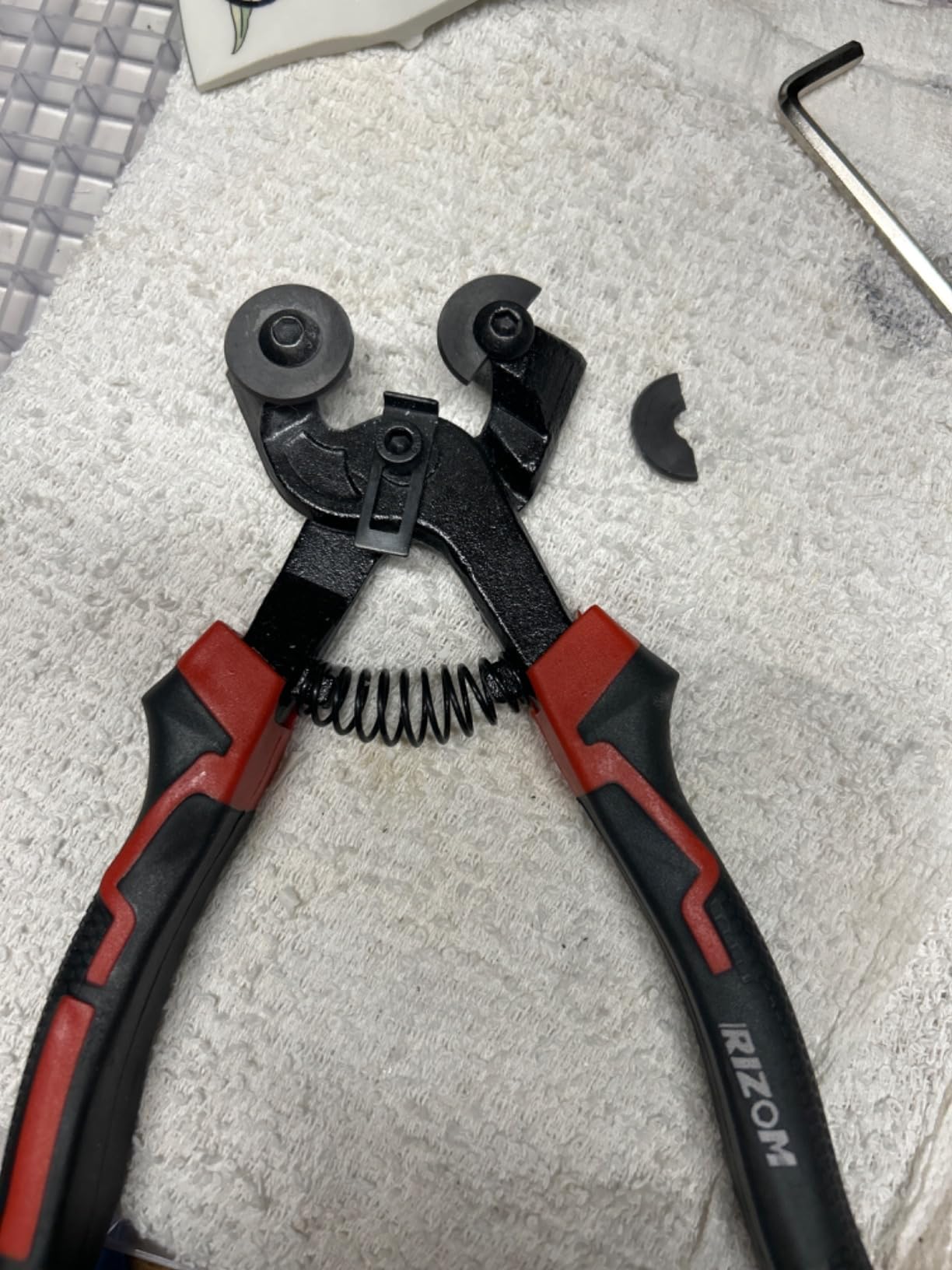
Every backsplash has a finishing step that no snap cutter can perform. Fitting the last tile around a cabinet corner, trimming a pipe stub-out, removing a small overhang, cleaning up a cut that came out a fraction long. Nippers are the tool for that, and these are the ones to buy.
The set pairs a G2007 wheeled glass nipper with a G2008 nipper for softer materials. The wheeled one scores as it cuts, so it takes a clean bite out of mosaic or ceramic edge instead of crushing it. The plain jaw is for trimming corners and fixing broken tiles.
Working thickness runs from 1/16 inch up to about 3/8 inch, which covers wall tile and mosaic. The jaws are drop-forged, heat-treated carbon steel with an anti-rust oil coating, and the scissor-like action gives more control than a single squeeze.
Where it earns its place
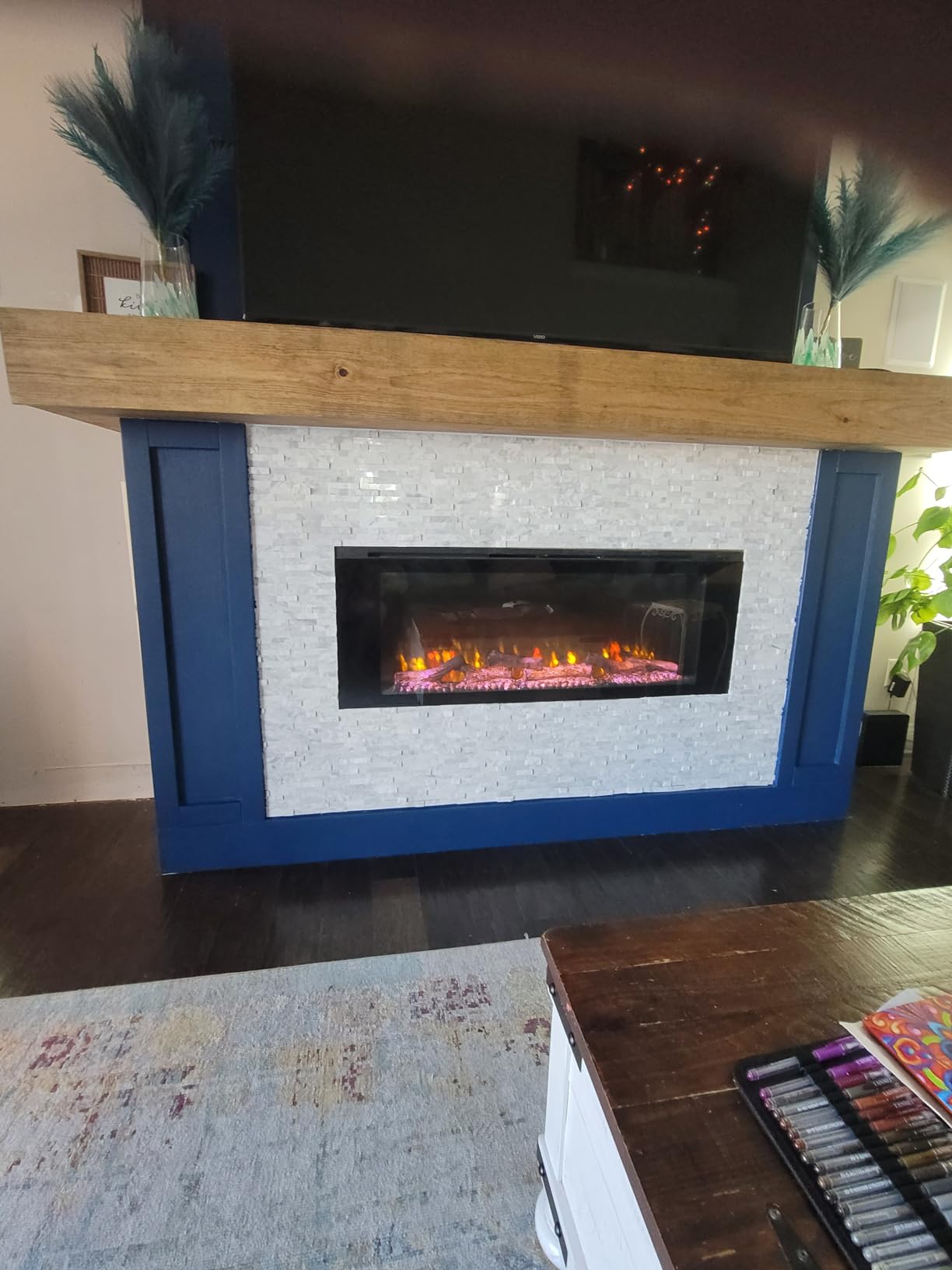
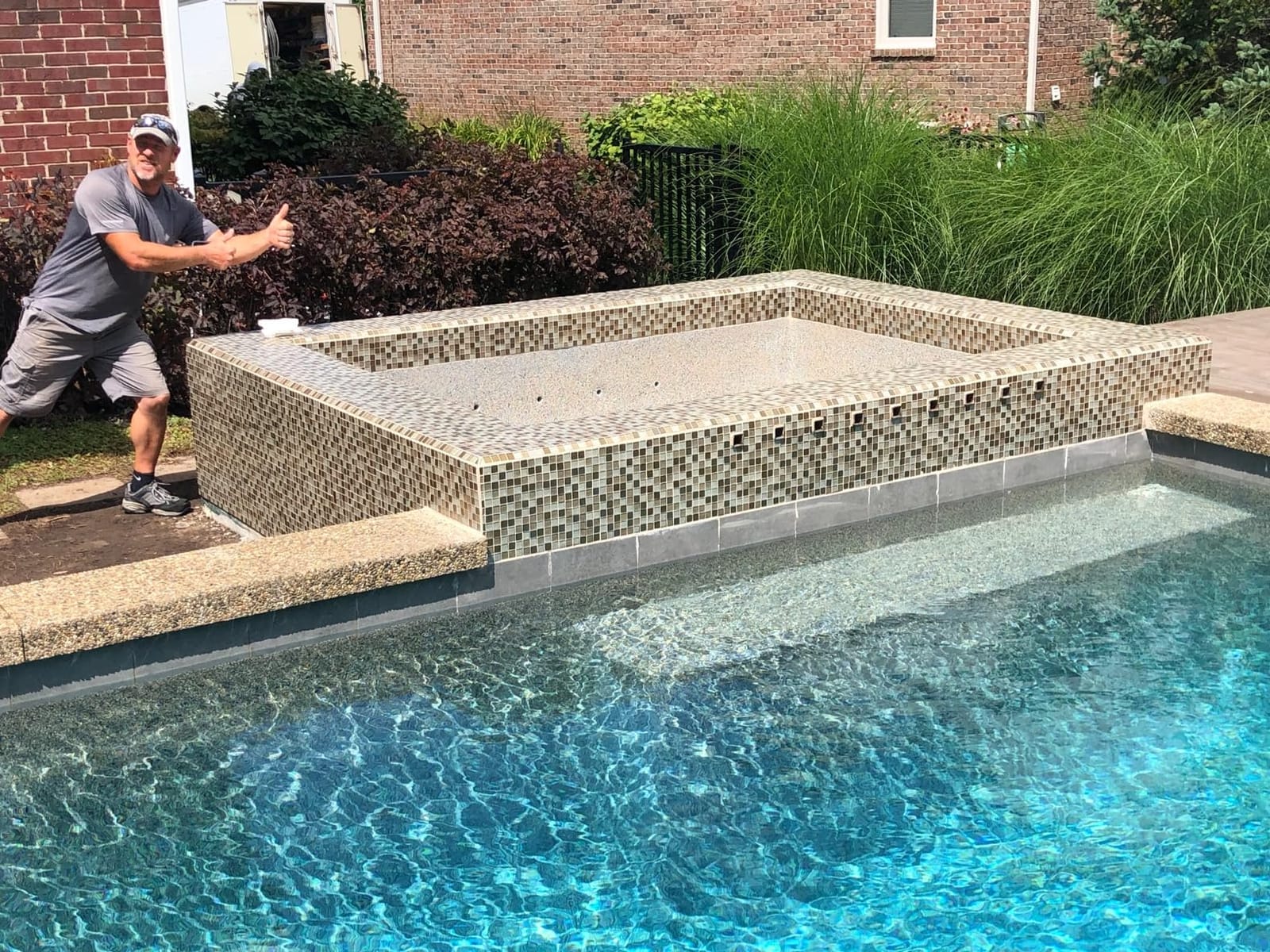
Mosaic and backsplash installers consistently describe these as the finishing tool that snap cutters cannot replace, used for trimming corners and fitting tile around cabinets and pipes with straight, clean bites. That is a real workflow step, not a convenience purchase.
Users rate the sharpness of the jaws and the grip highly, and the soft-grip handles reduce hand and wrist fatigue over an extended trimming session. The safety lock and spring return make it easy to set down mid-task without a mishap.
Where it falls short
It will not work on glass thinner than 1/16 inch, so check your mosaic sheet thickness before you rely on it. A small number of buyers report the Allen screw on the rotating wheel of the wheeled nipper stripping, which makes adjustment hard.
It is not a full cutter. Do not try to rip a 12-inch porcelain tile with these. The two tools have different jobs and this one is only the finishing half.
12. Buenoarte 7 Inch Wheeled Glass Nipper – for nibbling corners and awkward fits
- Clean straight bites from mosaic and glass
- Carbide wheels hold an edge
- Comfortable over long trimming sessions
- Light enough to carry to the job
- Not intended for large or thick full-size tile
- Needs both wheels centred on the line
- Limited to trimming and shaping
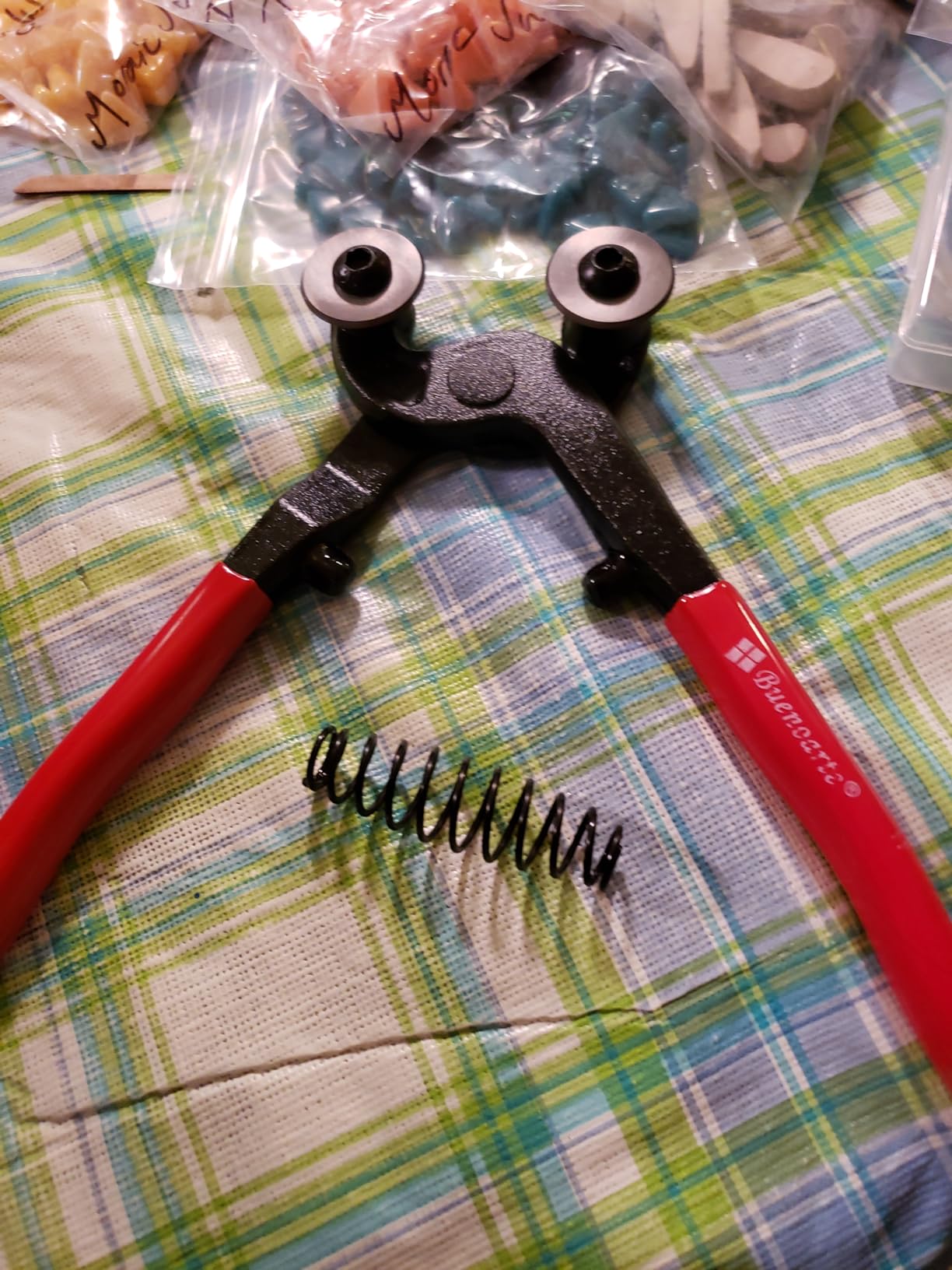
This is the single-tool version of the same finishing job, and for most backsplash projects it is the one you actually need. Two opposed cemented-carbide scoring wheels meet on the cut line, so instead of crushing the edge they take a controlled bite out of it.
Reviewers describe it as a strong, sharp and inexpensive finishing tool for glass mosaic and ceramic, especially for nibbling corners and fitting tile around obstacles. At 7 inches it is easy to control precisely, which is the whole point when you are trimming a notch to fit a pipe.
The steel body, soft-grip ergonomic handles and spring return action make it comfortable across a long trimming session, and the safety lock stops it going off in a tool bag.
Where it fits best
Any project with a handful of small awkward cuts. Cabinet corners, pipe penetrations, the last tile under a window sill, or trimming a mosaic sheet to a measured edge. These are the cuts that make people reach for a grinder and generate dust.
If you are buying one finishing tool and not a full kit, this is the simpler choice and the cheaper end of the two nipper options here.
Where it falls short
It is not intended for large or thick full-size tile, and it is limited to trimming and shaping rather than making straight full cuts. That is by design, not a flaw.
Accuracy depends on keeping both wheels centred on the cut line. Practise on an offcut for a minute, because a wheel that runs off the line leaves a visible nick.
Manual vs Wet Saw vs Angle Grinder for a Backsplash
This is the decision nobody on the search results lays out cleanly, so here it is in plain terms. A manual snap cutter is the default because it needs no power, no water and no cleanup, and it handles straight cuts in ceramic wall tile faster than you would expect. A wet saw earns its place when the tile is thick porcelain, natural stone, or you are making many identical cuts and want the edge sealed by the cooling water. An angle grinder with a diamond blade is the only practical tool for outlet cut-outs, L-shaped notches and window trim.
Tile pros on installer forums generally describe the same division: a snap cutter and a grinder handle the majority of a tile job, and professionals with a handful of cuts to make prefer a small handheld tool over setting up a full machine. The expensive machine is not the answer, it is just the answer to a different question.
For ceramic backsplash tile, the order of operations is simple. Score and snap every straight cut on the frame, then switch to a diamond blade for anything that is not a straight line. Trying to force an outlet notch out of a snap cutter is how tiles get wasted.
How to Choose a Tile Cutter for a Backsplash
Cut length. Buy the smallest frame that covers your largest cut plus an inch of margin. A 14-inch cutter handles 12-inch tiles with room for the diagonal trim, which is most backsplash work. A 20-inch frame covers a 4×12 laid diagonally. Anything longer is only needed for plank and large-format layouts.
Wheel material. Tungsten carbide is the standard and is fine for ceramic. Titanium-coated carbide lasts longer on porcelain, and it is the reason the 24-inch QEP holds an edge on dense tile. For glass, a diamond or fine-grit wheel is a different tool entirely.
Bed rigidity. This is the one people skip and the one that decides whether a long cut is straight. Steel rails and a cast or heavy aluminum base hold a line. Thin aluminum tubing flexes, and a flexing bed scores unevenly no matter how sharp the wheel is.
Support arms and feet. A tile overhanging the bed will move as you score. Side arm extensions on the 24-inch model exist for exactly this. Non-slip rubber feet and a mat matter more than they sound, because a tile that shifts mid-stroke ruins the cut.
Measurement aids. A built-in ruler and a fence that locks are what make a row of identical cuts fast. The adjustable rip guide on the QEP 14-inch is the clearest example. Without a fence you are measuring by eye for every piece.
Breaker design. A reinforced break area and a padded breaker bar reduce the force needed and stop the bar marking the tile face. The TILER frame and the QEP 20-inch both do this well, and you feel the difference on porcelain.
Tile format, mapped to cutter. Subway and stacked bond in 3×6 needs a 14-inch frame. A 4×12 laid diagonally needs 20 inches of capacity. Penny and hex mosaic needs nippers or a glass scorer, not a snap cutter. Herringbone needs a protractor function and a lot of patience. Large format over 12×24 needs a steel-railed frame with support arms.
Running costs. Every one of these wears a scoring wheel, and a dull wheel is the number one cause of a tile that will not snap. Budget for a spare, and check that the model you buy takes a standard replacement part. None of the frames here use proprietary systems.
How to Score and Snap Backsplash Tile Cleanly
Set the tile on the bed with the scored side up and the edge you are cutting toward the open end of the frame. This is backwards from instinct, and getting it wrong means you score a line the snap cannot follow.
- Measure from the tile edge, not from the fence, if your fence is slightly off square. A 32nd inch error repeated down a wall is a visible gap.
- Hold the tile firmly with one hand on the far side of the wheel so it cannot creep. The rubber pads help, but your hand is the real anchor.
- Score once, from end to end, with firm even pressure. Do not go back over the line and do not change pressure mid-stroke. Two passes produce a wandering score, not a better one.
- Listen for the change. A good score sounds like a continuous grainy rasp that gets brighter as you cross the glaze. If it goes quiet, the wheel is dull.
- Turn the tile so the score is directly above the breaker ridge and press down firmly on both sides of the line at the same time. Push with your body weight, not just your arms.
- If it does not break, do not force it. Score it again, or cut it from the other face. Forcing a half-broken tile usually wastes it.
How to Cut Backsplash Tile Around Outlets and Window Trim
No snap cutter does this work. An outlet cut-out is a square or L-shaped hole, and it needs a rotating diamond blade. This is the single biggest pain point in a backsplash project and the place where the most tiles get wasted.
- Hold the full tile up to the outlet and mark the opening on the face and on two edges. Marking the face and the edges means the cut is right on all four sides.
- Mask the cut area with tape. The tape catches most of the dust and stops the leading edge of the cut from chipping outward.
- Use a diamond blade rated for the tile and keep the guard down. Cut from the back of the tile where possible so a blowout happens on the hidden face.
- Work in shallow passes and let the blade cool. Grinding a single deep cut is what produces a crescent-shaped chip on the glaze.
- Dry fit the tile before you set it in thinset. An outlet box is rarely square, and a hole cut to the box alone will not sit flat against the trim plate.
For a L-shaped trim at a cabinet corner, cut the notch on the wet saw or with the grinder, then clean the inside corner with nippers. The nippers on this list are there for exactly this finishing step.
Tile Dust and Cutting Safety
Tile dust is a serious concern that most roundups mention once and forget. Dry cutting tile produces a fine airborne particulate, and cutting outdoors or in a well-ventilated area is the single most useful thing you can do. Homeowners on DIY forums raise this repeatedly, and it is a legitimate reason to choose a wet saw over dry grinding even for a small job.
Wear a properly fitted respirator whenever you score or grind. Eye protection is not optional. A scoring wheel that has been used for a few hundred cuts will eventually fragment, and a fragment at wheel speed is the injury people actually see in hospital.
With a wet saw, the water and the electricity are the risk. Keep the saw on a ground fault protected circuit, keep the reservoir topped up before you start rather than during a cut, and never lift the blade out of the water while it is spinning. Dry-cut porcelain with a diamond blade only if the blade is rated for it, because porcelain is far harder than ceramic and the heat can crack the tile or the blade.
Cut outdoors or in a ventilated room, wear the respirator, and clear the work area before you start. Tile dust settles into grout lines and cabinets, and cleaning it later is harder than preventing it.
Frequently Asked Questions
What is the best way to cut backsplash tile?
For straight cuts in ceramic wall tile, score and snap on a manual tile cutter. Set the tile on the bed, align it, roll the scoring wheel across the surface in one firm even pass, then press down on both sides of the line above the breaker ridge. For outlet and window trim cut-outs, switch to a diamond blade in an angle grinder.
What is the best tile cutter for DIY projects?
A 14-inch manual score-and-snap cutter is the best starting point for most DIY backsplash jobs because it needs no power, no water and no cleanup. It covers 3×6 and 4×12 ceramic wall tile and typical subway layouts. If your tile is porcelain or you are laying large format, step up to a 20 or 24 inch frame with steel rails.
What is the best tile cutting tool for mosaics?
For glass mosaic and penny mosaic, use nippers rather than a snap cutter. Wheeled glass nippers take a controlled bite from a tile edge or nibble a corner to fit around a pipe or cabinet, and they will not shatter the sheet the way a full snap frame can.
What are common mistakes when using a tile cutter?
The most common mistakes are scoring twice instead of once, changing pressure mid-stroke, letting the tile shift, cutting on the wrong side of the wheel, forcing a tile that will not break, and continuing with a dull wheel. Each one produces a wandering score, and a wandering score produces chips.
Are manual tile cutters any good?
Yes, for the vast majority of backsplash work. Tile professionals describe a snap cutter plus an angle grinder as handling the majority of a tile job. A manual cutter is faster and far less messy than a wet saw for straight cuts in ceramic and porcelain, and it needs no setup between cuts.
Is it better to cut tile wet or dry?
Dry score-and-snap is better for straight cuts in ceramic wall tile because it is faster and creates no slurry. Wet cutting is better for thick porcelain and natural stone because water cooling keeps the blade from overheating and the edge from breaking. Wet cutting also suppresses the airborne dust that makes dry grinding unpleasant.
Final Pick for Your Backsplash Project in 2026
For most people reading this, the answer is a manual score-and-snap cutter in the 14 to 20 inch range, plus a pair of nippers and a diamond blade for the outlets. The QEP 14-inch is the pick we would buy first: it cuts 14 inches square and 10 inches on the diagonal, the handle is comfortable over a long afternoon, and it has the deepest review history on this list. If your tile is porcelain rather than ceramic, go with the TILER 14-inch instead, and give it a week of practice on offcuts first.
Rent rather than buy if your project is a single wall of ceramic subway tile and you already know the cut list. Buy if you are laying large-format porcelain, if you will be doing a second project, or if renting means hauling a machine to the house. Either way, add a wet saw to the shortlist, because a good one removes the guesswork on thick material. We covered those separately in our wet tile saw guide.
Two accessories quietly improve the whole job. A shop vacuum keeps slurry and dust off the cabinets as you work, and we have written up the ones worth owning in our tile and wood vacuum guide. For the mounting, the general tool kit matters too, and our cordless drill set guide covers the drills and drivers you will want on the wall before any tile goes up.
Keep a spare scoring wheel for whichever frame you buy. A dull wheel is the reason a clean tile will not snap, and it is the cheapest failure to prevent in this entire project.