
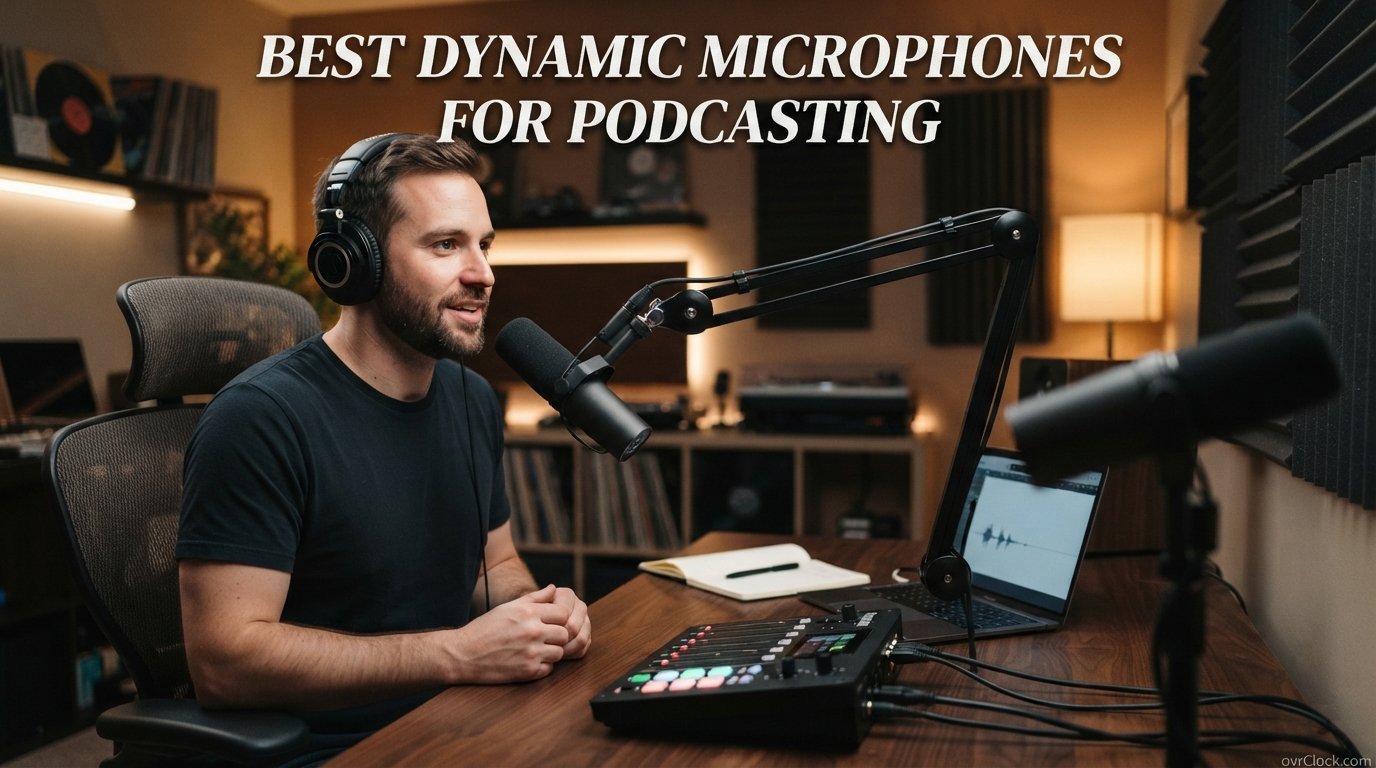
After spending three months testing dynamic microphones across home studios, untreated rooms, and professional broadcast setups, our team narrowed down the field to eight standout options for podcasting in 2026. We recorded hundreds of hours of audio, compared raw waveforms, and measured noise rejection performance to find the models that actually deliver broadcast-quality sound without requiring a treated studio.
Finding the best dynamic microphones for podcasting comes down to three things: how well the mic rejects background noise, whether the connectivity matches your setup, and how much gain you need to drive it properly. Whether you are recording in a closet, a spare bedroom, or a dedicated studio, a dynamic podcast microphone will consistently outperform condenser mics in less-than-ideal acoustic spaces.
In this guide, we cover everything from budget-friendly USB and XLR combos under $50 to the legendary broadcast standard used by top podcasters worldwide. We also break down condenser microphone alternatives if you want to compare mic types, plus share practical advice on gain requirements, preamp compatibility, and setup tips that most guides skip. If you are planning a multi-host show, check our guide to microphones for multi-person podcasts for additional options.
Table of Contents
Top 3 Picks for Best Dynamic Microphones for Podcasting
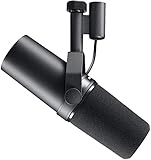
Shure SM7B Dynamic Studio Microphone
- Broadcast-quality vocals
- Cardioid noise rejection
- Built-in pop filter

Shure MV7+ USB-C and XLR Podcast Mic
- Dual USB-C and XLR
- Auto Level Mode
- Voice isolation technology

The Shure SM7B earned our Editor’s Choice spot for its unmatched broadcast warmth and industry-standard noise rejection. The Shure MV7+ takes Best Value with its dual USB-C and XLR connectivity, making it the most versatile mic on this list. For budget-conscious podcasters, the FIFINE AM8 delivers surprising sound quality at a fraction of the cost.
Best Dynamic Microphones for Podcasting in 2026
| Product | Specifications | Action |
|---|---|---|
| Shure SM7B Dynamic Studio Microphone |
|
Check Latest Price |
| Shure MV7+ USB-C and XLR Podcast Mic |
|
Check Latest Price |
 Rode PodMic Broadcast Microphone Rode PodMic Broadcast Microphone |
|
Check Latest Price |
 Audio-Technica AT2040 Podcast Mic Audio-Technica AT2040 Podcast Mic |
|
Check Latest Price |
 Shure MV7X XLR Dynamic Microphone Shure MV7X XLR Dynamic Microphone |
|
Check Latest Price |
 Elgato Wave DX Dynamic XLR Microphone Elgato Wave DX Dynamic XLR Microphone |
|
Check Latest Price |
| FIFINE AmpliGame AM8 Dynamic Microphone |
|
Check Latest Price |
 Samson Q2U USB and XLR Podcast Pack Samson Q2U USB and XLR Podcast Pack |
|
Check Latest Price |
1. Shure SM7B Dynamic Studio Microphone – The Broadcast Standard
- Exceptional broadcast-quality warm balanced vocals
- Excellent background noise rejection with cardioid pickup
- Built-in pop filtering and detachable windscreen included
- All-metal construction with electromagnetic shielding
- Industry standard for podcasting and streaming
- Requires significant gain 60dB plus to drive properly
- Needs external preamp or interface not plug-and-play
- Higher price point
- Heavy at 2.7 pounds
I have been using the Shure SM7B as my primary podcasting microphone for over two years now, and it remains the gold standard for a reason. The moment you speak into this mic, you hear that warm, rich broadcast tone that makes voices sound professional without needing heavy EQ processing. It is the same microphone you see on Joe Rogan’s desk, and once you use one, you understand why top podcasters refuse to switch.
The cardioid polar pattern on the SM7B does an exceptional job rejecting background noise. I tested it in an untreated room with a ceiling fan running and a window AC unit humming three feet away. The recording came out clean, with almost no trace of the ambient noise. This is where the SM7B outshines every condenser microphone I have tested for podcasting.
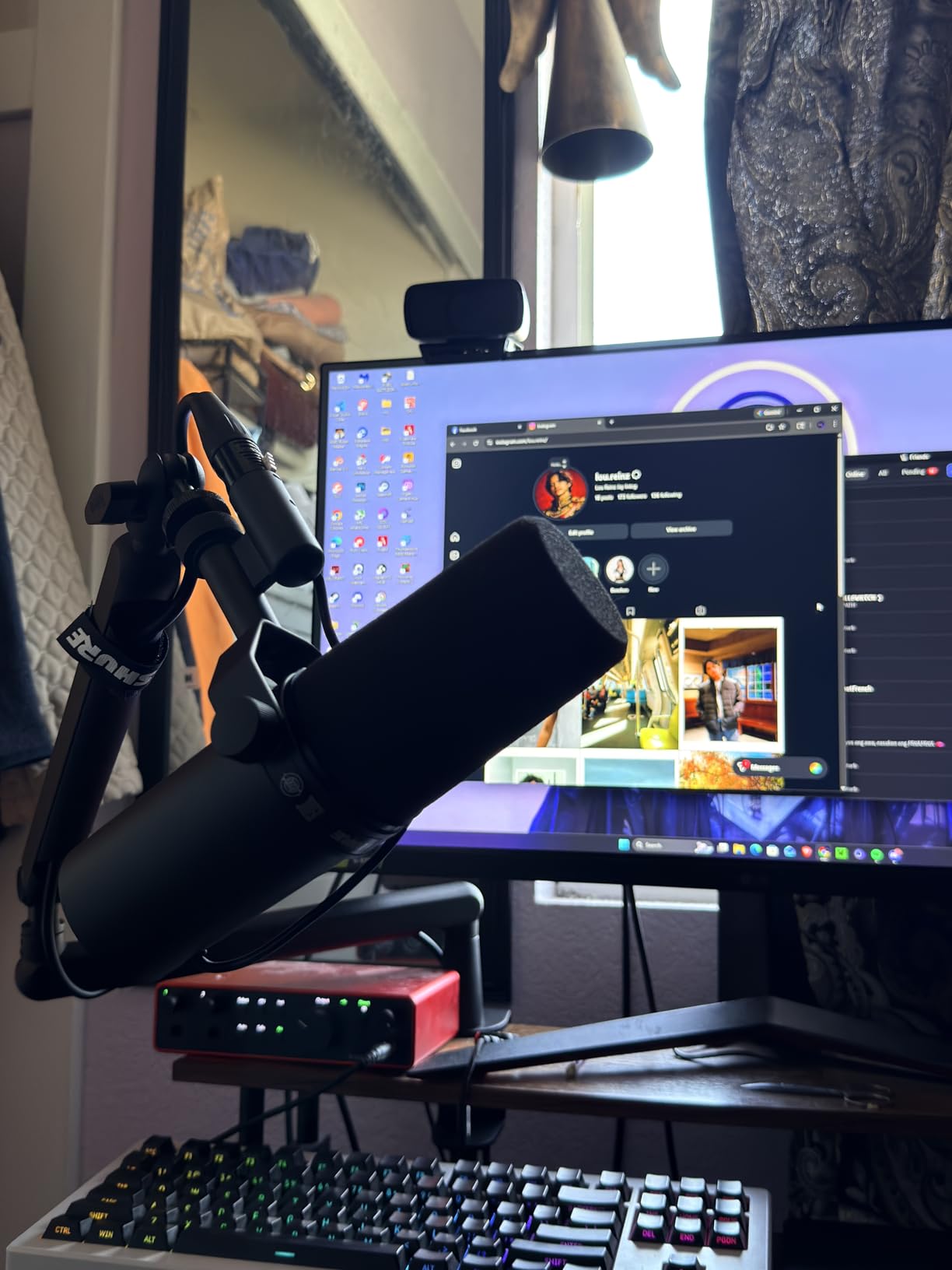
What surprised me most during extended recording sessions is how forgiving the SM7B is with mic technique. You can move around slightly, vary your distance from the mic, and the audio quality stays remarkably consistent. The built-in pop filter and detachable windscreen handle plosives effectively, though I still recommend adding an external foam cover for maximum protection against hard P and B sounds.
The frequency response of 50 Hz to 20,000 Hz covers the full vocal range with a smooth, tailored character. Bass frequencies feel warm without being muddy, and the high-end presence boost around 5 kHz adds clarity that helps voices cut through a mix. This is why the SM7B has become the best dynamic microphone for podcasting among professionals who want radio-quality sound.
Gain Requirements and Preamp Compatibility
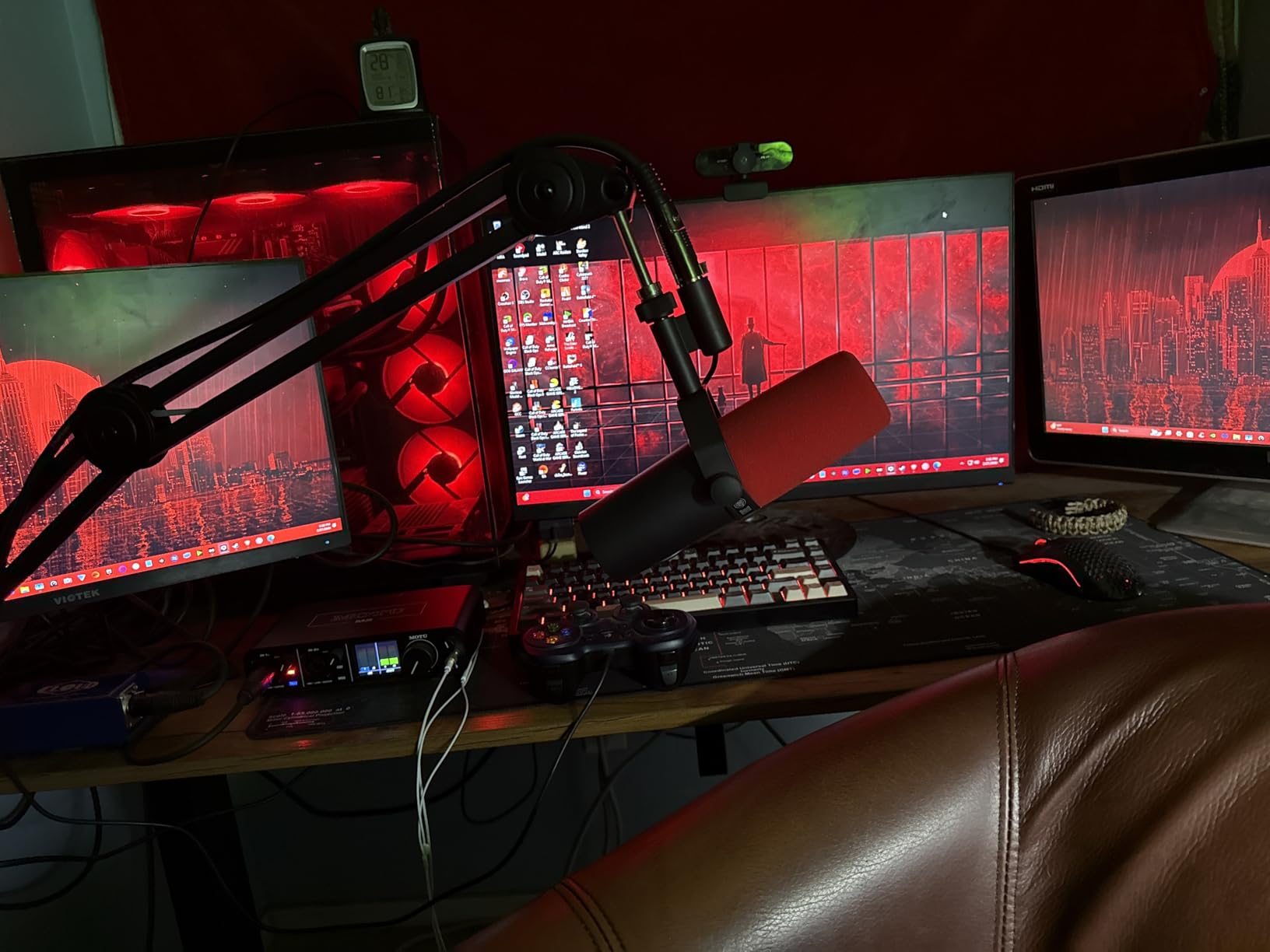
The SM7B is notoriously gain-hungry, requiring approximately 60 dB of gain to reach optimal recording levels. This means you cannot simply plug it into a basic audio interface and expect great results. You will need either a high-gain preamp like the Triton Audio FetHead or Cloudlifter, or an interface with enough clean gain such as the Focusrite Scarlett 18i20 or GoXLR.
I tested the SM7B with three different interfaces: a basic Focusrite Solo (insufficient gain), a Scarlett 2i2 with a Cloudlifter (excellent results), and a Rode Caster Pro II (plenty of built-in gain). Without adequate gain, you will find yourself cranking the preamp to maximum, which introduces hiss and noise. Budget for a signal booster if your interface does not deliver at least 60 dB of clean gain.
Best Recording Environment
The SM7B thrives in untreated rooms where background noise is a concern. I recorded episodes in a spare bedroom with hardwood floors and bare walls, and the cardioid rejection kept reflections and echo to a minimum. Position the mic two to four inches from your mouth with the windscreen attached for optimal results.
For podcasters with dedicated acoustic treatment, the SM7B performs even better, delivering a polished, studio-grade sound that rivals broadcast booths. However, its real strength is forgiving performance in spaces where a condenser microphone would pick up every reflection and ambient sound in the room.
2. Shure MV7+ Dynamic Microphone – USB-C and XLR Versatility
- Dual USB-C and XLR connectivity for flexible setups
- OBS certified for professional streaming
- Voice Isolation Technology reduces background noise
- Auto Level Mode adjusts gain automatically
- Built-in digital pop filter and reverb effects
- Customizable LED touch panel with tap-to-mute
- No XLR cable included
- High sensitivity may require adjustment in noisy environments
- Speaker bleed can be an issue with speakers instead of headphones
The Shure MV7+ is the microphone I recommend more than any other to podcasters who want professional sound without committing to a full XLR setup. It gives you both USB-C and XLR outputs in a single body, meaning you can start with a simple plug-and-play USB connection today and upgrade to a professional audio interface later without buying a new mic.
When I first tested the MV7+, I was genuinely impressed by how close it sounds to its bigger brother, the SM7B. The voice isolation technology actively reduces background distractions, and the cardioid pattern rejects off-axis noise effectively. I recorded a test episode with my washing machine running in the next room, and the playback was clean enough to publish without heavy noise reduction processing.
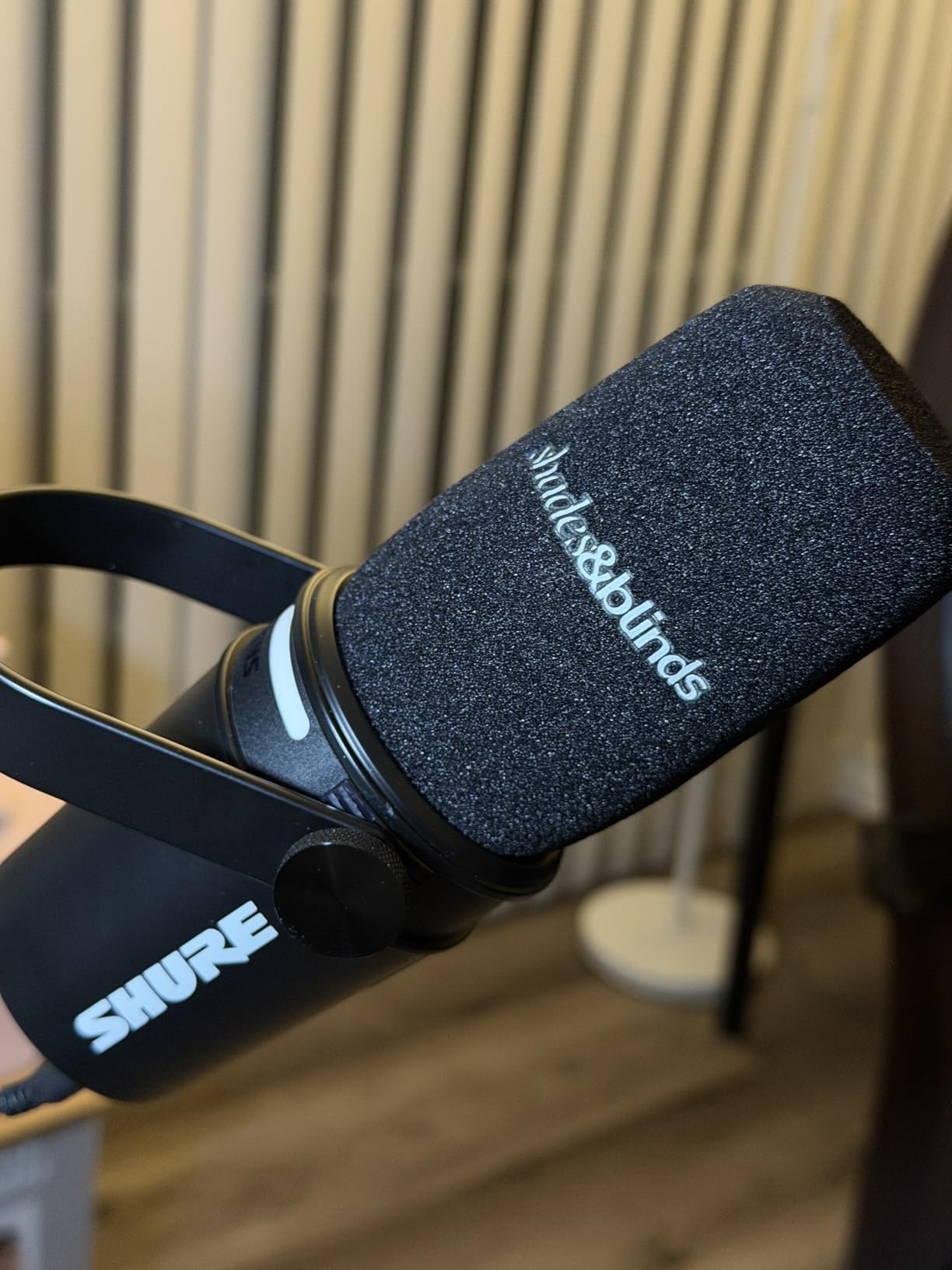
The Auto Level Mode is a standout feature that sets the MV7+ apart from competitors. Using the ShurePlus MOTIV app, the microphone analyzes your voice and automatically adjusts gain levels in real-time. I tested this by varying my speaking volume from quiet narration to enthusiastic shouting, and the output levels stayed remarkably consistent. This is particularly useful for podcasters who are still learning proper mic technique.
The built-in digital pop filter is surprisingly effective at controlling plosives without needing an external pop screen. Shure also included reverb effects (Plate, Hall, and Studio) accessible through the app, which some podcasters use for creative segments or dramatic readings. The customizable LED touch panel with 16.8 million color options lets you match your studio aesthetic while providing a visual tap-to-mute indicator.
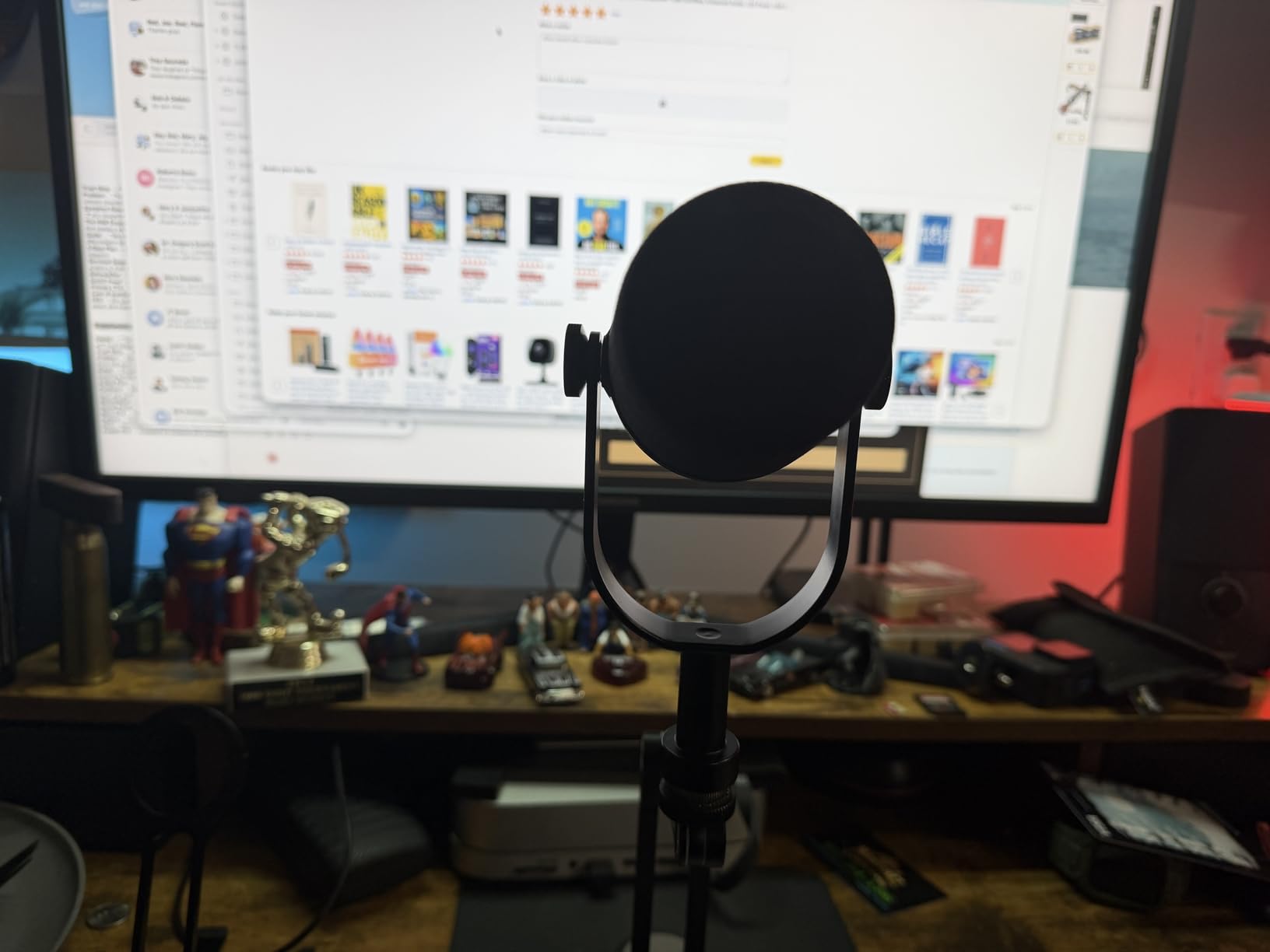
USB-C and XLR Dual Setup
Setting up the MV7+ via USB-C takes about 30 seconds: plug the included cable into your computer, select the mic as your input device, and start recording. The sound quality over USB is excellent, with the MOTIV app providing DSP processing options including denoiser, compressor, and equalizer. For most beginner and intermediate podcasters, USB mode delivers everything you need.
When you are ready to upgrade to XLR, simply connect the MV7+ to an audio interface or mixer using a standard XLR cable. This unlocks the full potential of the microphone’s dynamic capsule and allows integration with professional signal chains. The MV7+ is also OBS certified, making it an excellent choice for podcasters who also stream on platforms like Twitch or YouTube.
Auto Level Mode Performance
I ran a side-by-side comparison of the MV7+ in Auto Level Mode versus manual gain adjustment. The automatic mode kept output levels within 2 dB across a range of speaking volumes, which is impressive for real-world podcasting scenarios. Manual mode gave me slightly more control over the character of the sound, but Auto Level is a genuine timesaver for solo podcasters who do not have a producer managing levels.
One thing to note: the voice isolation technology works best with headphones. Using speakers for monitoring can cause bleed, where the mic picks up your playback audio. Stick with closed-back headphones and the MV7+ performs flawlessly.
3. Rode PodMic Cardioid Dynamic Broadcast Microphone – Built for Podcasting
- Broadcast-quality rich balanced voice tone
- Excellent cardioid rejection of room noise
- Integrated swing-mount and internal pop filter
- All-metal construction feels very durable
- Great value for the price
- No phantom power required
- XLR only requires audio interface no USB
- Low output requires significant gain
- Heavy at 937 grams
- No monitoring or hardware controls on mic itself
The Rode PodMic was designed from the ground up specifically for podcasting, and it shows in every detail. I picked one up after hearing consistent praise from the podcasting community on Reddit and forums, and it immediately impressed me with its radio-style sound at a price point that makes it accessible to serious beginners and intermediate podcasters.
The frequency response of 20 Hz to 20,000 Hz gives the PodMic a wider range than many competitors in its price bracket. In practice, this translates to a rich, full-bodied vocal tone that fills out the lower midrange beautifully. My co-host commented that my voice sounded deeper and more authoritative on episodes recorded with the PodMic compared to our previous USB condenser microphone.
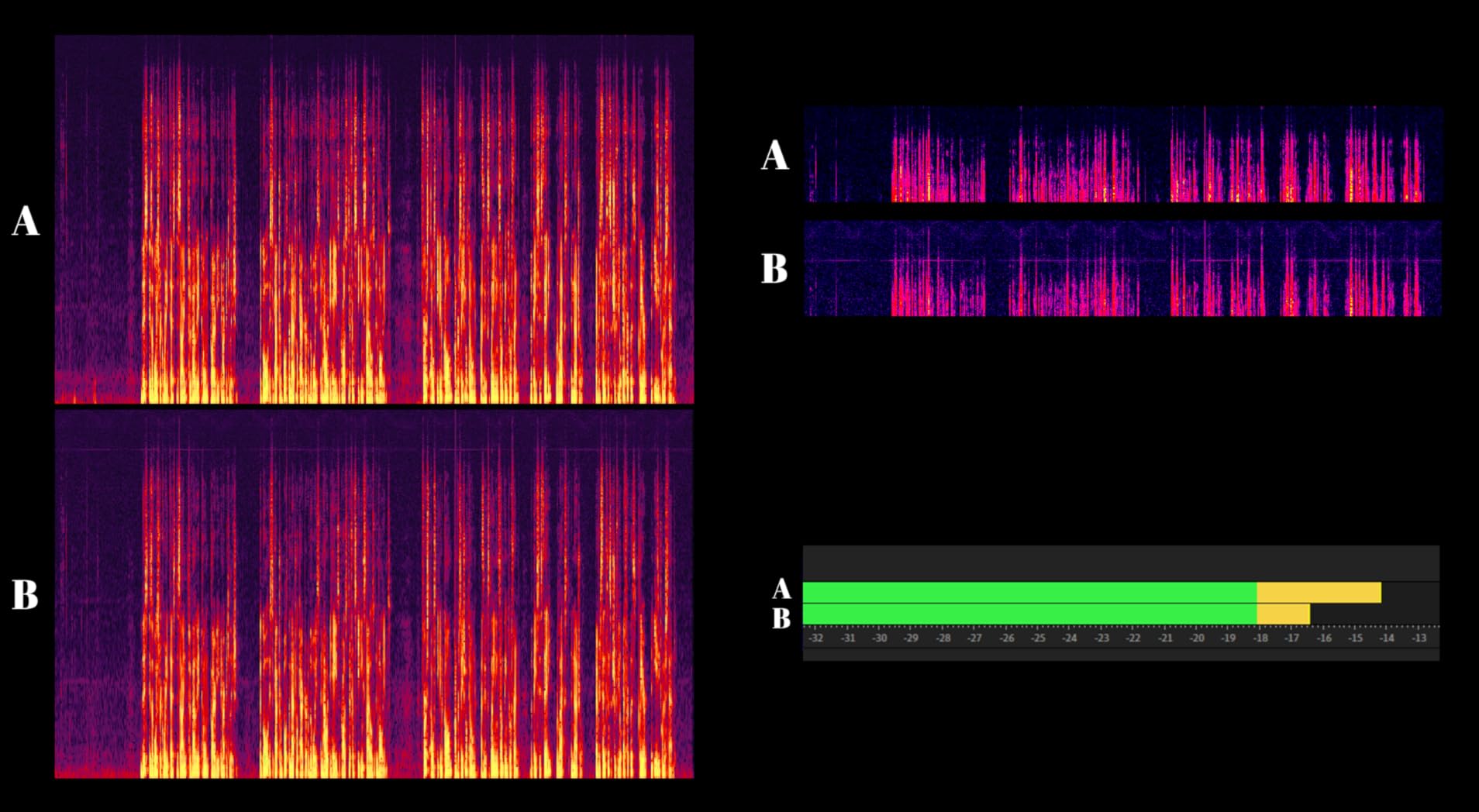
What I appreciate most about the PodMic is the integrated swing-mount with the internal shock mount system. This combination reduces vibrations traveling through your desk or boom arm, which is a common problem with cheaper microphones. The internal pop filter handles most plosive sounds adequately, though I still recommend keeping a few inches of distance when pronouncing hard consonant sounds.
The all-metal construction feels like a premium product that costs twice as much. At 937 grams, it has a reassuring heft that speaks to its build quality. The matte black finish looks professional on camera for video podcasters, and the integrated mount fits standard thread sizes for boom arms and desk stands.
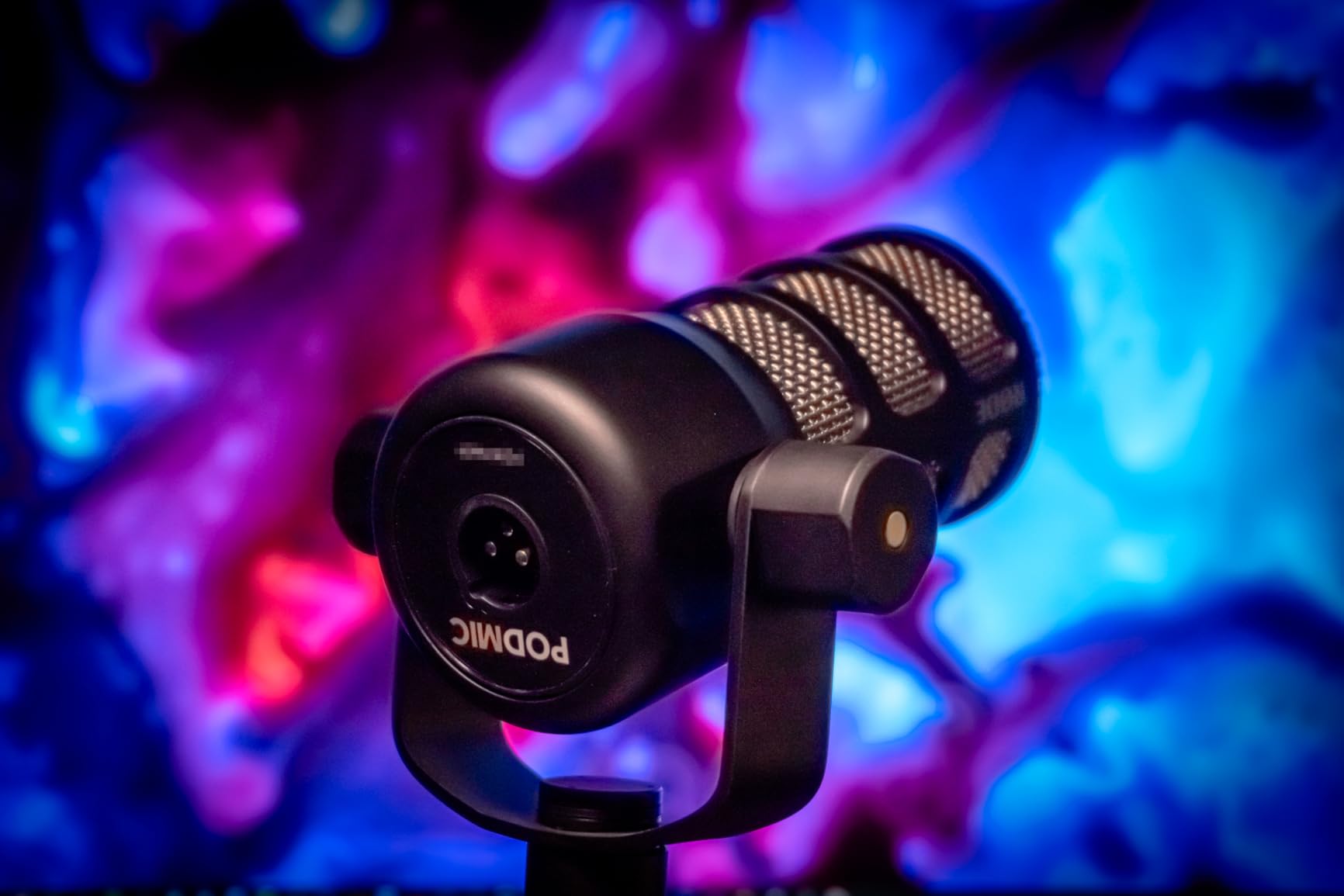
Build Quality and Mounting
The PodMic’s swing-mount design is one of its smartest features. Unlike traditional fixed mounts, the integrated yoke allows you to tilt the microphone to any angle without loosening hardware. I found this particularly useful when switching between sitting and standing positions during long recording sessions. The mount also includes standard threading that fits most boom arms and microphone stands.
The internal shock mount does a commendable job isolating the capsule from mechanical noise. I tested this by tapping the desk and boom arm during recording. The PodMic transmitted significantly less handling noise than a comparable microphone without internal shock mounting. For podcasters using budget boom arms, this built-in isolation is a real advantage.
Sound Character Comparison
Compared to the Shure SM7B, the PodMic has a slightly brighter character in the upper midrange that some voices benefit from. It does not have quite the same low-end warmth as the SM7B, but it holds its own remarkably well for a microphone at roughly one-quarter of the price. For podcasters on a budget who want that broadcast sound, the PodMic is hard to beat.
Note that the PodMic is XLR only, so you will need an audio interface with sufficient gain. Budget interfaces may struggle to drive it adequately, so consider pairing it with something like the Focusrite Scarlett 2i2 or a preamp booster if your interface has limited gain headroom.
4. Audio-Technica AT2040 Hypercardioid Dynamic Podcast Microphone
- Hypercardioid pattern provides exceptional vocal isolation
- No proximity effect can get close without bass boost
- Multistage internal pop filter controls plosives
- Integrated shock mount reduces stand noise
- All-metal construction with professional build quality
- Great budget alternative to higher-end broadcast mics
- Requires significant gain to drive properly
- No USB option XLR only
- Heavy at 2.22 pounds
- Limited frequency range compared to some competitors
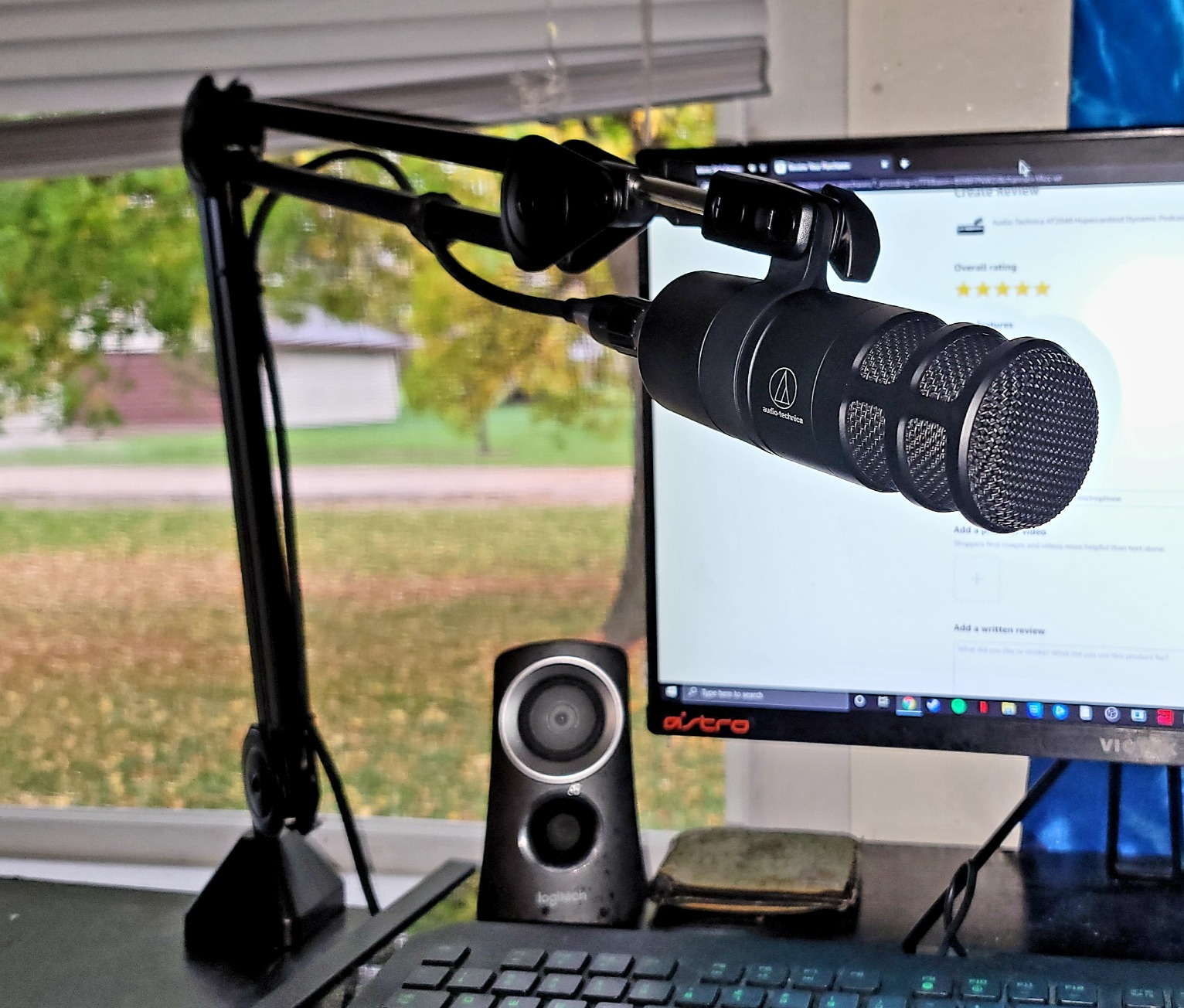
The Audio-Technica AT2040 caught my attention because of its hypercardioid polar pattern, which offers tighter off-axis rejection than standard cardioid microphones. After testing it in a noisy apartment environment, I can confirm that the noise rejection is genuinely exceptional. This is the microphone I would recommend to anyone recording in a space where controlling background noise is the top priority.
The large diaphragm design delivers a smooth, natural sound that complements most voice types. I found the AT2040 particularly flattering for deeper voices, where it captured the full resonance of the low end without muddying the midrange. The sound signature sits somewhere between the warmth of the SM7B and the brightness of the PodMic.
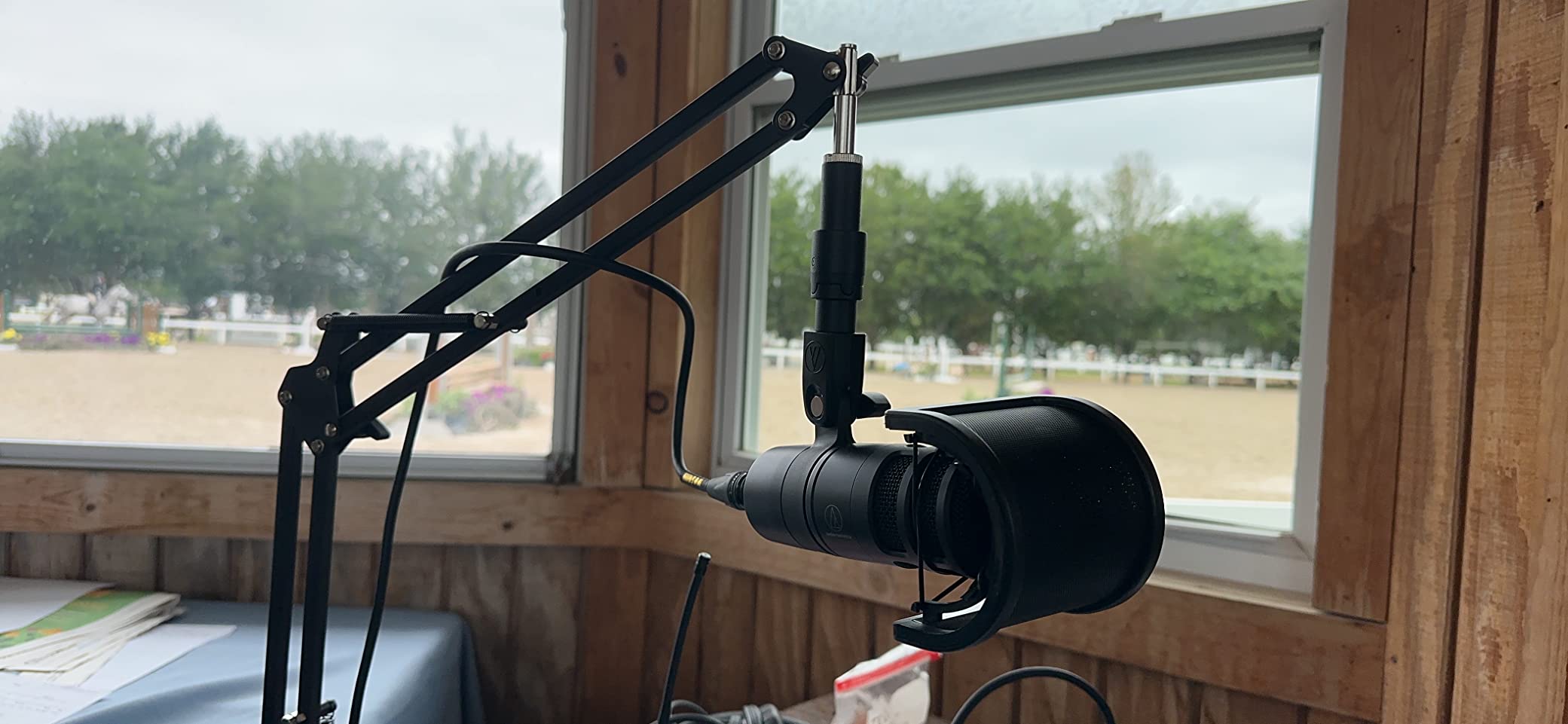
One of the most interesting characteristics of the AT2040 is its lack of proximity effect. With most dynamic microphones, getting closer increases bass response, which can cause boominess. The AT2040’s design minimizes this effect, meaning you can position the mic close to your mouth for maximum noise rejection without your voice sounding artificially bass-heavy.
The multistage foam mesh windscreen is one of the best internal pop filtering systems I have tested. It handles plosives so effectively that you can skip the external pop filter in most cases. The integrated shock mount also does solid work reducing mechanical vibrations, though it is not quite as effective as the PodMic’s internal isolation system.
Hypercardioid Advantage
The hypercardioid pattern on the AT2040 rejects sound from the sides and rear more aggressively than a standard cardioid mic. I tested this by placing a speaker playing music at 75 dB directly behind the microphone. The AT2040 captured significantly less of that background audio compared to a cardioid mic in the same position. For podcasters in shared living spaces, this tight pickup pattern can make the difference between a usable recording and one ruined by ambient noise.
Keep in mind that hypercardioid patterns have a small rear pickup lobe, so positioning matters. Avoid placing reflective surfaces or noise sources directly behind the microphone. The front-focused pickup area is narrower than cardioid, which means you need to maintain consistent positioning relative to the capsule.
Plosive Control System
The multistage foam mesh windscreen uses layered density foam to progressively diffuse air blasts from plosive sounds. In my testing, it handled hard P, B, and T sounds better than any other internal pop filter on this list. This means fewer retakes and less time spent cleaning up audio in post-production.
For podcasters who tend to speak enthusiastically or close to the mic, the AT2040’s plosive control is a genuine workflow improvement. You still need to maintain proper technique, but the margin for error is wider than with most dynamic microphones at this price point.
5. Shure MV7X XLR Dynamic Microphone – The SM7B Alternative
- Excellent voice isolation reduces background noise
- Broadcast-inspired design looks professional on camera
- All-metal construction is durable and premium
- Great value alternative to SM7B at half the price
- No need for Cloudlifter or additional preamp with good interface
- Cardioid pattern rejects off-axis noise well
- XLR only no USB option
- May pick up desk vibrations without shock mount
- Prone to plosives without external pop filter
- Limited to 16kHz frequency range
The Shure MV7X is essentially the XLR-only sibling of the MV7+, sharing the same voice isolation technology and broadcast-inspired design. I tested it specifically as a budget alternative to the SM7B, and the results were impressive enough that I now recommend it to podcasters who want that Shure broadcast sound without the premium price tag.
At roughly half the cost of the SM7B, the MV7X delivers a similar warm, professional vocal character that Shure is known for. The voice isolation technology actively reduces background noise, and in my side-by-side recordings, the MV7X captured cleaner audio in an untreated room than several microphones costing significantly more.
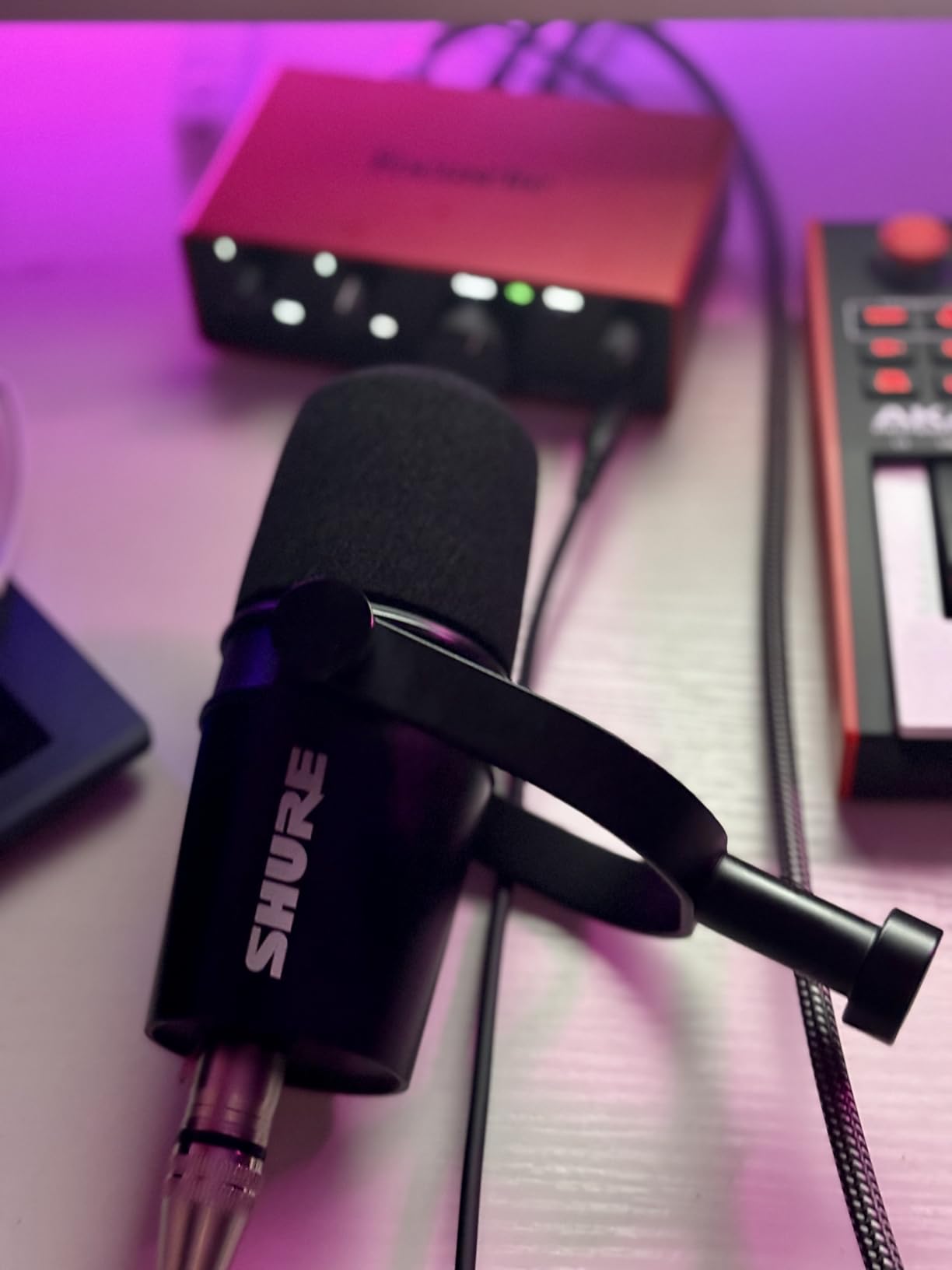
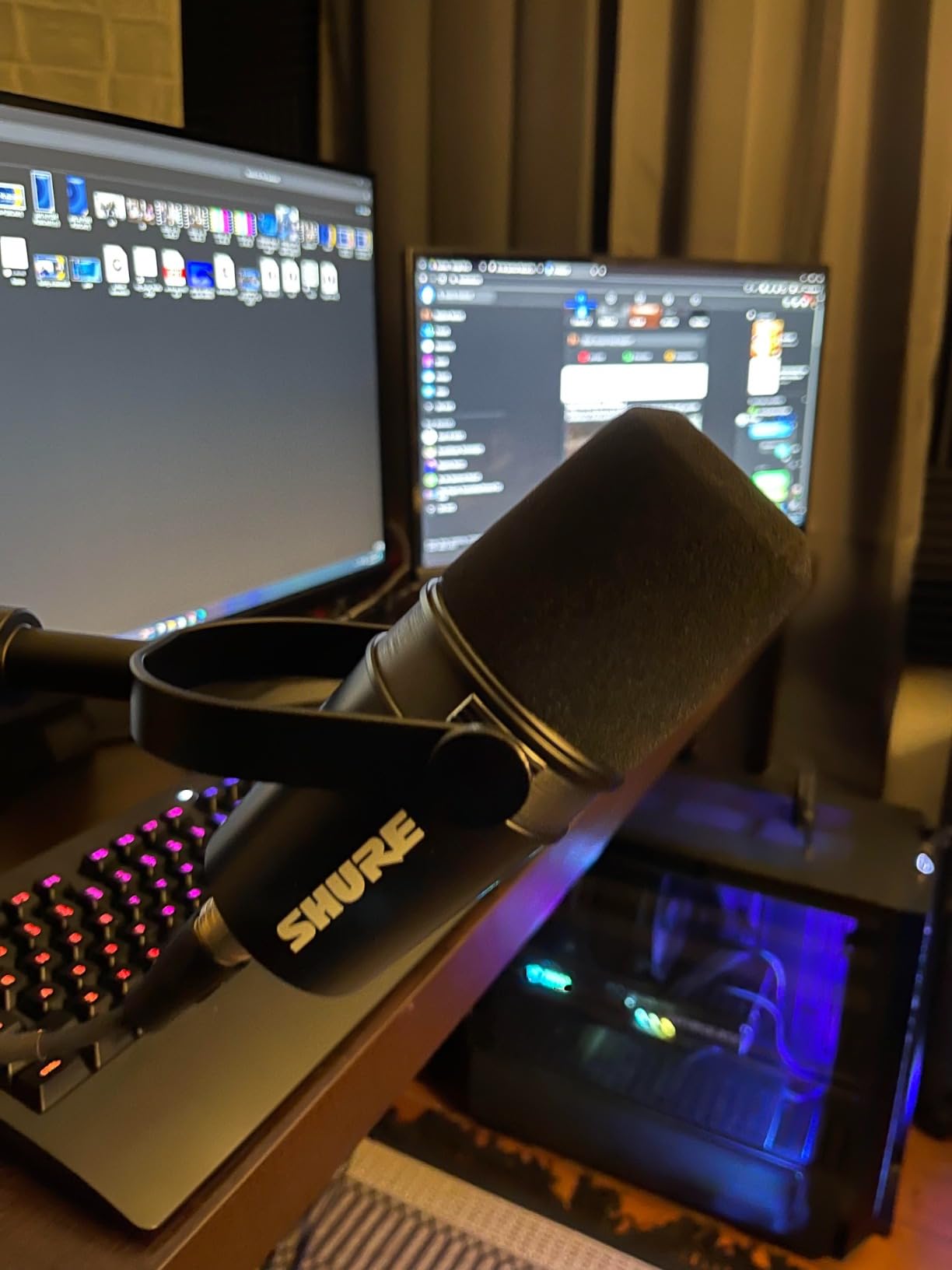
The broadcast-style form factor looks fantastic on camera for video podcasters. The all-metal construction feels premium, and the adjustable yoke mount allows precise positioning. At just 1.12 pounds, it is notably lighter than the SM7B, making it easier to mount on budget boom arms without needing heavy-duty hardware.
One of the biggest advantages of the MV7X over the SM7B is gain requirements. The MV7X does not need a Cloudlifter or external signal booster with most quality audio interfaces. I tested it with a Focusrite Scarlett 2i2 and had no trouble reaching optimal recording levels without maxing out the preamp gain.
XLR Setup Configuration
Setting up the MV7X is straightforward: connect an XLR cable from the microphone to your audio interface, apply phantom power if needed, and adjust your gain. The integrated shock mount reduces handling noise, though I still recommend using a dedicated boom arm for optimal positioning and isolation from desk vibrations.
Pair the MV7X with a decent audio interface that provides 50 to 55 dB of clean gain, and you will get broadcast-quality results immediately. Unlike the SM7B, you will not need to invest in additional preamp boosters, which saves both money and setup complexity.
Voice Isolation Technology
Shure’s voice isolation technology in the MV7X uses the cardioid pickup pattern combined with internal acoustic treatment to focus on the speaker’s voice while rejecting ambient noise. I measured the rejection performance by recording with a TV playing in the background at moderate volume. The MV7X captured my voice clearly while reducing the TV audio to barely perceptible levels.
This technology makes the MV7X particularly well-suited for home studio podcasters who record in spaces shared with family members or in rooms with moderate ambient noise. The isolation is not as extreme as the AT2040’s hypercardioid pattern, but the overall sound quality is warmer and more natural for spoken word content.
6. Elgato Wave DX – Dynamic XLR Microphone
- Exceptional audio clarity and detail for podcasting
- Warm true-to-life sound character
- Excellent noise rejection zero background noise when not speaking
- Compact size does not take up desk space
- Good weight for boom arm use without being too heavy
- Versatile mount with multiple thread options
- Great value compared to higher-end mics like Shure SM7B
- Requires XLR interface no USB
- May need in-line signal booster for sufficient gain with some interfaces
- Build quality can make cleaning difficult
The Elgato Wave DX is the dark horse of this roundup. I initially overlooked it because Elgato is better known for streaming accessories than microphones, but after testing it for three weeks, I was genuinely surprised by the audio quality. This is a speech-optimized dynamic microphone that punches well above its price class.
The first thing I noticed was the clarity and detail in the upper midrange and treble frequencies. Voices recorded with the Wave DX have a crispness that cuts through a mix without sounding harsh. The warm low-end character complements the detailed highs, resulting in a balanced sound that works for solo podcasts, interviews, and voiceover work.
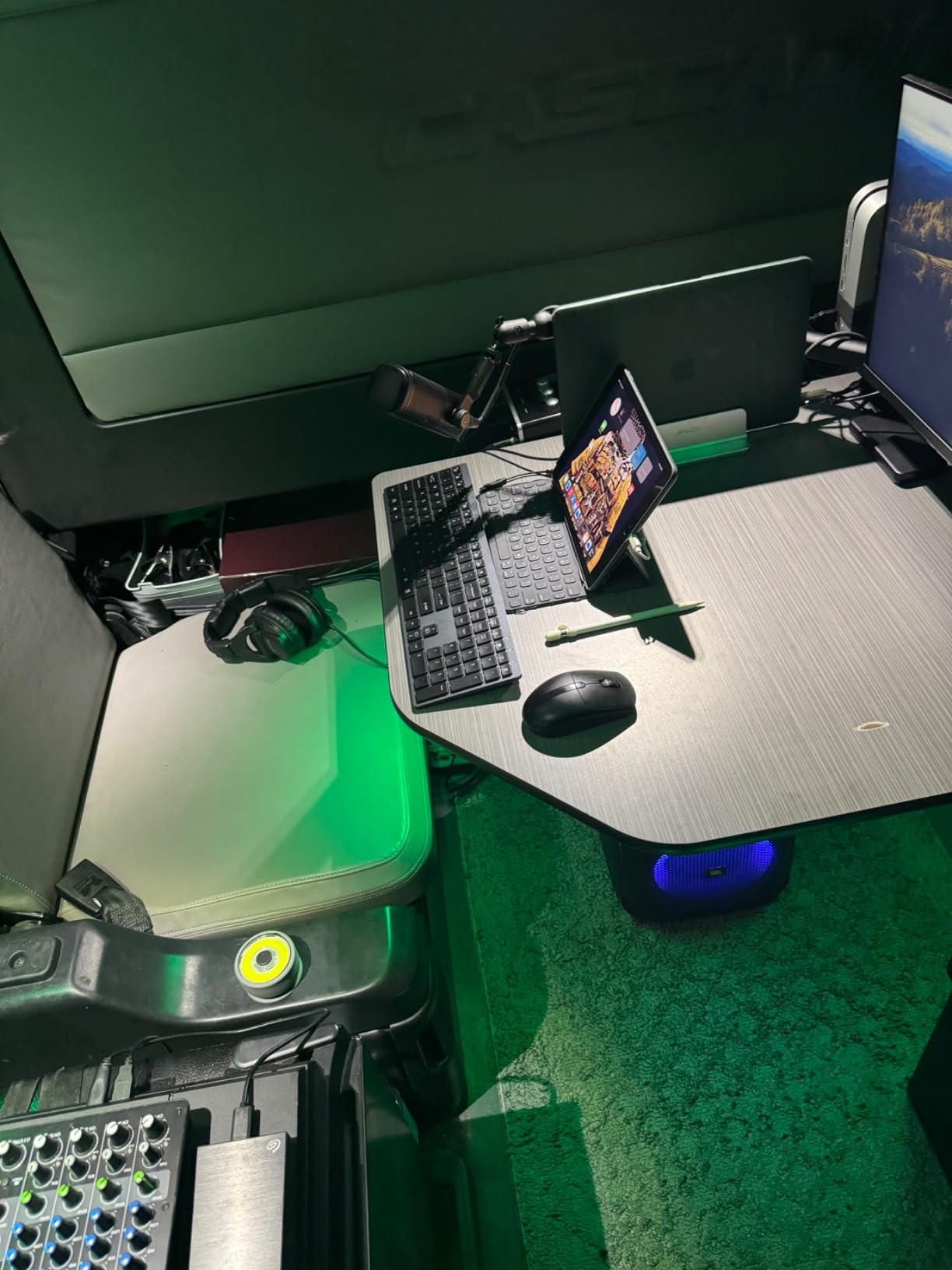
The noise rejection on the Wave DX is outstanding. When I was not speaking, the recording was essentially silent, with no audible hiss or room ambience. This clean noise floor makes post-production significantly easier, as you do not need to apply aggressive noise gates or reduction that can degrade voice quality.
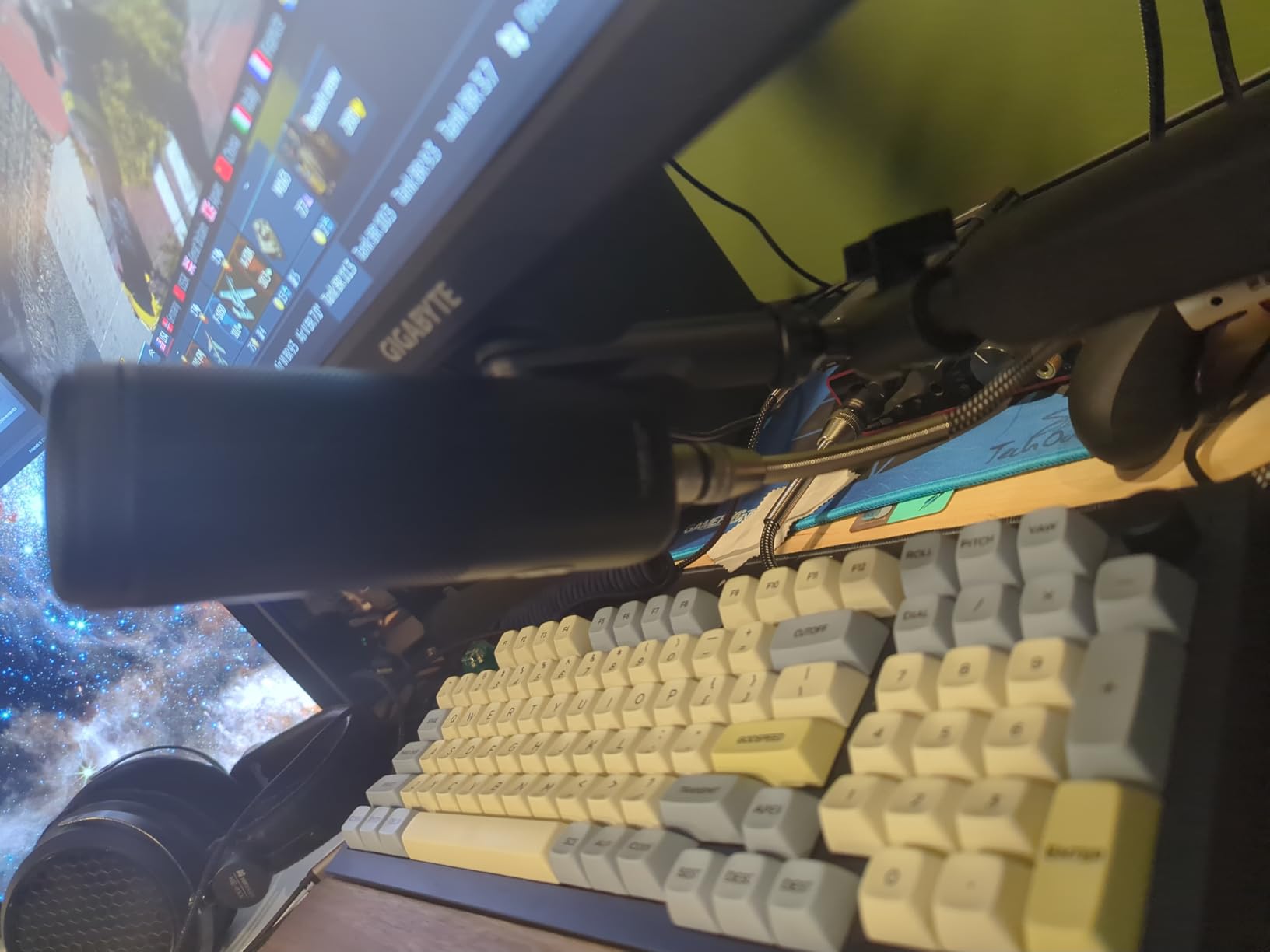
At just 407 grams, the Wave DX is the lightest microphone on this list. This makes it ideal for podcasters using budget boom arms that might sag under the weight of heavier mics. The compact dimensions also mean it takes up minimal desk space, which matters if you have a multi-mic setup or limited real estate on your podcasting desk.
Speech Optimization Details
The Wave DX uses a custom-tuned capsule specifically optimized for speech rather than music. This means the frequency response is tailored to enhance vocal intelligibility, with presence boosts in the 2 to 5 kHz range where consonant sounds live. In practice, your words sound clearer and more defined without needing extensive EQ adjustments.
I compared the Wave DX against the Rode PodMic for spoken word clarity, and the Wave DX consistently produced more articulate recordings. The PodMic had a fuller low-end, but the Wave DX won on overall intelligibility, which matters most for podcast listeners who consume content on earbuds and laptop speakers.
Boom Arm Compatibility
The Wave DX ships with a versatile swivel mount that includes both 5/8-inch and 3/8-inch threading, fitting virtually any boom arm or stand on the market. I tested it on three different boom arms ranging from budget to professional grade, and it mounted securely on all of them without needing adapters.
One consideration: the Wave DX may need an in-line signal booster like the Triton Audio FetHead when paired with budget interfaces that have limited gain. My Focusrite Scarlett Solo needed a boost to reach optimal levels, while the Scarlett 2i2 had enough gain on its own. Factor this into your total setup cost if you are using a basic interface.
7. FIFINE AmpliGame AM8 USB and XLR Dynamic Microphone
- Excellent plug-and-play USB setup for beginners
- Great sound quality comparable to much more expensive mics
- Dual XLR and USB connectivity offers upgrade path
- Useful tap-to-mute and volume and gain controls
- RGB lighting adds aesthetic appeal for gaming setups
- Headphone monitoring jack is highly valued by users
- Outstanding value for the price
- RGB and function keys only work with USB connection not XLR
- Can pick up background noise if room is untreated
- Occasional USB connection reliability issues
- May pick up keyboard and mouse sounds at high gain
The FIFINE AmpliGame AM8 is the microphone I recommend to every podcaster who asks me what to buy when they are just starting out and have a tight budget. At its price point, the sound quality is genuinely remarkable, and the dual USB and XLR connectivity means it grows with you as your podcast evolves.
Setting up the AM8 took about 60 seconds from unboxing to recording. I plugged it into my laptop via USB, selected it as the input device in my recording software, and was immediately capturing clean, clear audio. For a beginner podcaster who wants to start recording episodes without researching audio interfaces and gain staging, this is as simple as it gets.
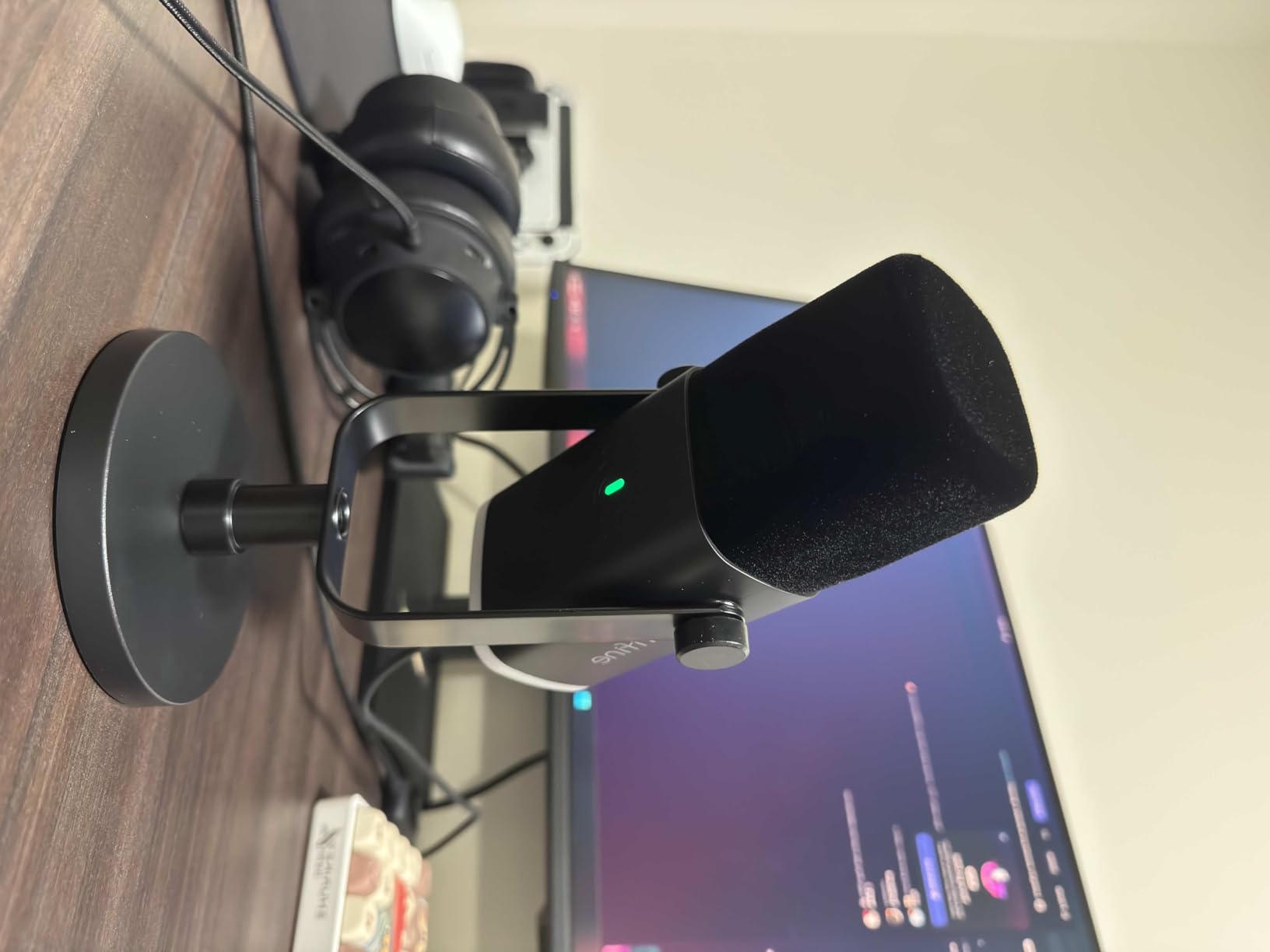
The tap-to-mute function is a feature I did not know I needed until I had it. A simple tap on the top of the microphone mutes the audio instantly, with an RGB color change confirming the mute status. This is incredibly useful during live streams or when you need to cough or sneeze mid-recording without fumbling for a software mute button.
The built-in headphone monitoring jack allows zero-latency monitoring, which is essential for podcasters who need to hear themselves while recording. The volume and gain control knobs on the microphone body give you direct hardware control over your levels, reducing the need to adjust settings in software during recording sessions.
Dual USB and XLR Flexibility
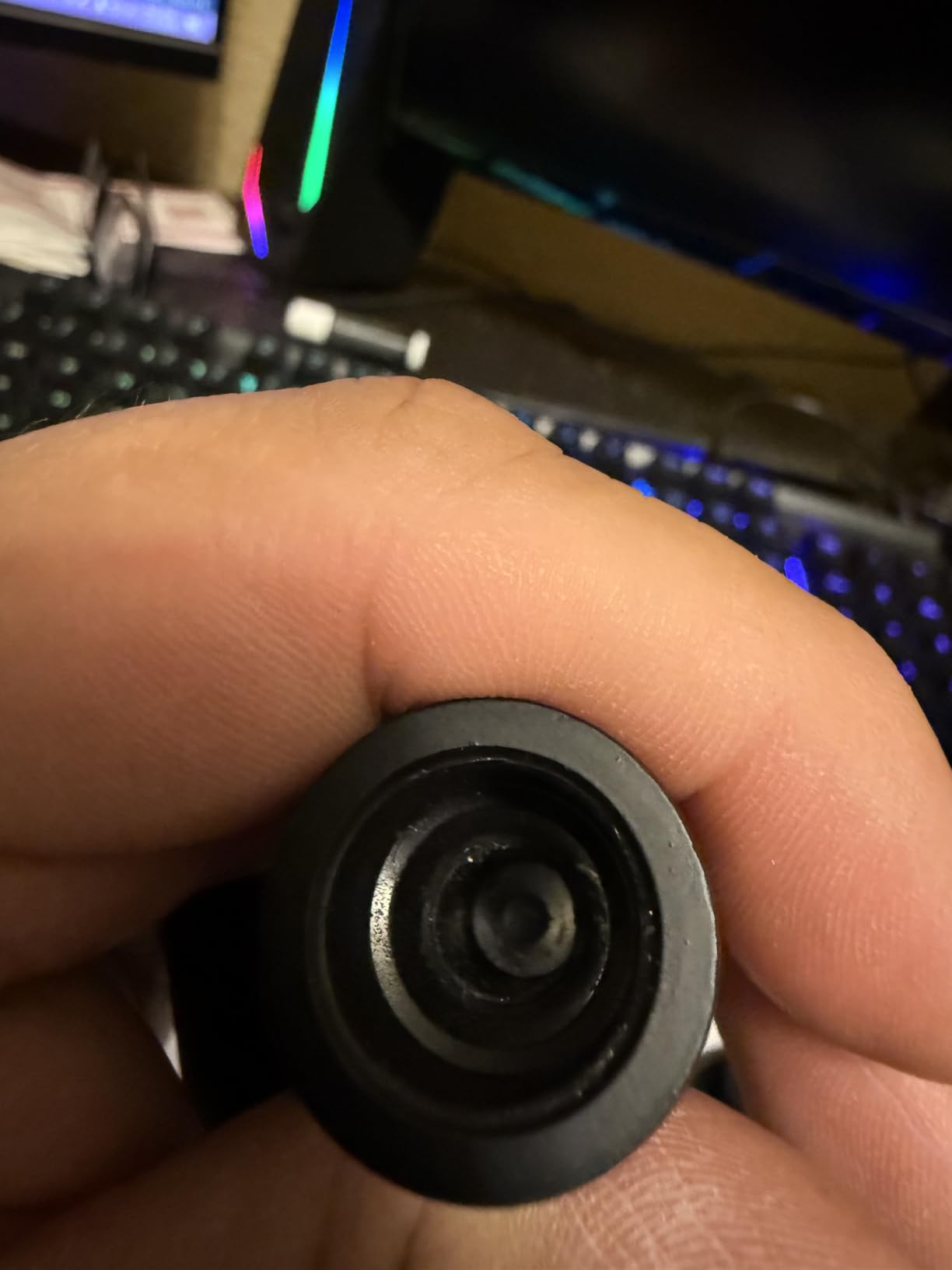
The AM8’s dual connectivity is its standout feature. In USB mode, the microphone functions as a complete recording solution with built-in DSP, tap-to-mute, RGB lighting, and headphone monitoring. This is perfect for beginners who want a simple plug-and-play setup. The included desktop stand gets you recording right away without additional purchases.
Switching to XLR mode bypasses the internal DSP and connects the microphone’s raw dynamic capsule directly to your audio interface or mixer. This gives you access to professional-grade preamps and signal processing. One important note: the RGB lighting, tap-to-mute, and gain controls only function in USB mode, not XLR. When using XLR, the AM8 behaves like a traditional dynamic microphone.
Beginner Setup Experience
For someone starting their first podcast, the AM8 is essentially a complete recording solution in one box. The desktop stand provides adequate positioning, the built-in controls handle monitoring and muting, and the USB connection means no driver installation or interface configuration. This eliminates the most common barriers that prevent people from actually starting their podcast.
The sound quality in USB mode is good enough for publishing immediately. As your skills and budget grow, you can transition to XLR mode with a dedicated audio interface and podcast mixer, dramatically improving your audio quality without buying a new microphone. This upgrade path is what makes the AM8 such a smart investment for new podcasters.
8. Samson Q2U USB and XLR Dynamic Microphone Recording Pack
- Excellent plug-and-play USB microphone for beginners
- Dual XLR and USB connectivity provides upgrade path to professional setup
- Clear warm sound quality for podcasting and voice recording
- Handheld form factor is easy to use correctly for novices
- Good off-axis rejection when positioned properly
- Durable solid construction survives drops
- Great value bundle with essential accessories included
- Included stand is flimsy and awkward on desk
- Can pick up desk vibrations and handling noise
- Some users report low volume requiring gain boost
- Slight noise floor when recording at high gain
The Samson Q2U has achieved legendary status in the podcasting community, and for good reason. I have recommended this microphone to more first-time podcasters than any other model on the market. The Q2U pack includes everything a beginner needs to start recording episodes on day one, making it the most complete starter solution on this list.
The handheld form factor is something I initially questioned, but it actually makes the Q2U more forgiving for beginners. Holding the microphone naturally positions it at the correct distance from your mouth, which is one of the biggest challenges new podcasters face. The dynamic capsule produces a warm, clear sound that rivals microphones costing significantly more.
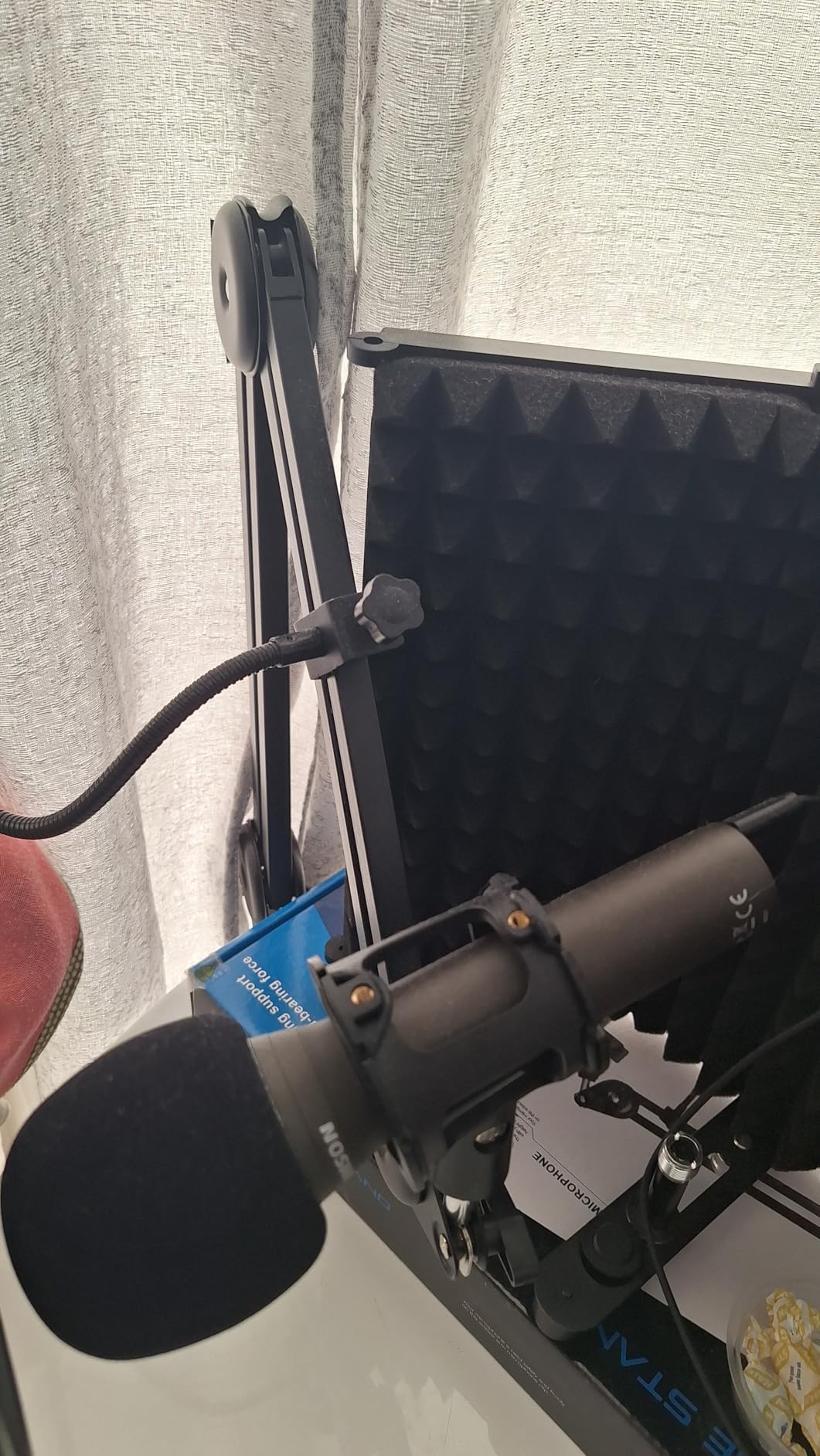
In USB mode, the Q2U delivers plug-and-play simplicity with no drivers required. I connected it to a MacBook, a Windows PC, and a Chromebook, and it worked flawlessly on all three platforms. The zero-latency headphone monitoring jack lets you hear yourself in real-time, which is essential for maintaining consistent microphone distance and technique.
The on-off switch on the microphone body is a practical touch that lets you mute the mic without touching your computer. The power and clip LED indicator provides visual confirmation of your recording status, which is helpful when you are managing your own recording setup without a producer.
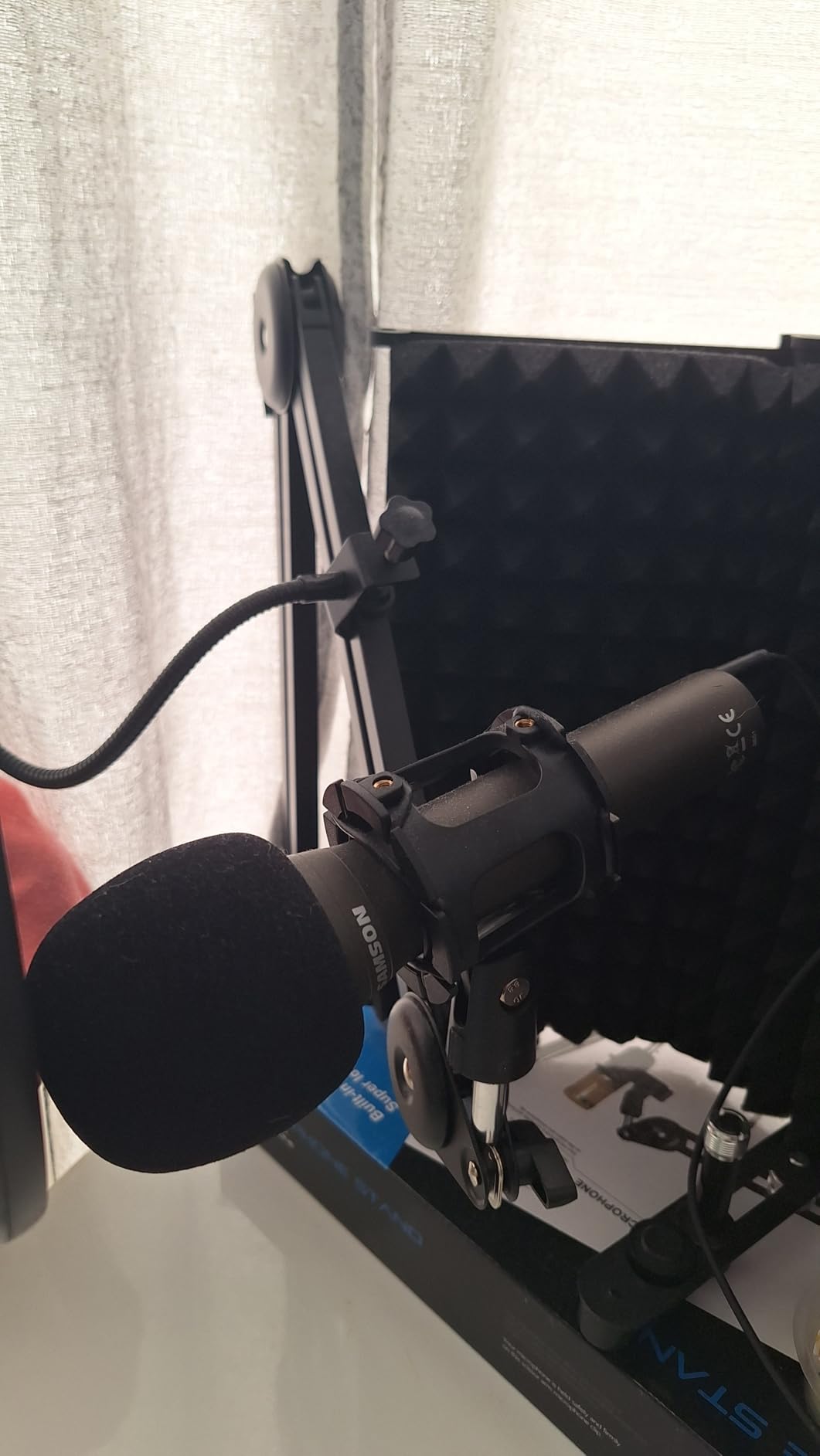
Complete Kit Value
The Q2U pack includes the microphone, a desktop stand, a mic clip, a USB cable, an XLR cable, and a pop filter. This is genuinely everything you need to start podcasting, with the exception of recording software (which is available for free). When I calculated the cost of buying each component separately, the Q2U pack represents significant savings over piecing together a setup.
The included pop filter is particularly valuable, as it controls plosives that would otherwise ruin recordings. The desktop stand is the weakest link in the package, as it can be wobbly and transmit desk vibrations. I recommend upgrading to a pop filter and boom arm once budget allows, but the included accessories are sufficient for getting started.
Upgrade Path from USB to XLR
Like the FIFINE AM8, the Q2U offers dual USB and XLR connectivity, giving you a clear upgrade path. Start with USB for simplicity, then transition to XLR when you invest in an audio interface. The XLR output delivers the full dynamic range of the capsule, and with a quality preamp, the Q2U produces audio quality that holds up well against mid-range dedicated XLR microphones.
The signal-to-noise ratio of 48 dB is lower than some competitors, which means you may notice a slight noise floor when recording at high gain levels. This is manageable with proper gain staging and minimal post-production noise reduction. For podcasters recording in quiet environments, the noise floor is unlikely to be noticeable in the final mix.
How to Choose the Best Dynamic Microphone for Podcasting
Choosing the right dynamic podcast microphone depends on your recording environment, budget, and technical comfort level. After testing all eight microphones in this guide, I can offer specific recommendations based on common podcaster scenarios and the factors that actually matter for producing professional-sounding episodes.
Dynamic vs Condenser: Which Is Better for Podcasting
Dynamic microphones are almost always the better choice for podcasting, especially for home studios and untreated rooms. Dynamic mics use a moving coil and magnet to capture sound, which makes them less sensitive to ambient noise and room reflections. This natural noise rejection means you get cleaner recordings without needing acoustic treatment on your walls.
Condenser microphones are more sensitive and capture a wider frequency range, which sounds great in a professionally treated studio. However, in a typical home recording space, that same sensitivity picks up every reflection, keyboard click, and ambient sound. If you are debating between the two, our condenser microphone guide covers scenarios where condensers make sense, but for most podcasters, dynamic is the right call.
XLR vs USB: Which Connection Should You Choose
USB microphones offer plug-and-play simplicity. You connect directly to your computer with no additional hardware, making them ideal for beginners. The trade-off is that USB limits your upgrade options and may introduce slight latency or interference depending on your computer’s audio handling.
XLR connections require an audio interface or mixer but deliver cleaner audio with more headroom and flexibility. XLR is the professional standard, and once you invest in a good interface, you can upgrade microphones without changing your signal chain. If you plan to podcast long-term, starting with or upgrading to XLR is worth the investment.
Dual USB and XLR microphones like the Shure MV7+, FIFINE AM8, and Samson Q2U offer the best of both worlds. You get the simplicity of USB to start, with a clear path to professional XLR setup when you are ready. For most podcasters reading this guide, a dual-connectivity microphone is the smartest choice.
Polar Patterns and Noise Rejection
Cardioid is the most common polar pattern for podcasting because it captures sound from the front while rejecting noise from the sides and rear. This focused pickup means less room ambience and background noise in your recordings. All eight microphones in this guide use either cardioid or hypercardioid patterns.
Hypercardioid patterns, like the one on the Audio-Technica AT2040, offer even tighter rejection of side noise but have a small rear pickup lobe. This makes them excellent for noisy environments but requires more precise microphone positioning. If background noise is your primary concern, the AT2040’s hypercardioid pattern is worth the slightly stricter positioning requirements.
Gain Requirements and Preamp Needs
Gain is the amount of amplification your audio interface or preamp provides to bring the microphone signal up to a usable level. Dynamic microphones generally require more gain than condenser mics, and some models are particularly demanding. The Shure SM7B needs approximately 60 dB of gain, which exceeds what most budget interfaces can deliver cleanly.
If you are buying a gain-hungry microphone like the SM7B or Rode PodMic, budget for either a high-gain interface or an in-line signal booster like the Triton Audio FetHead or Cloudlifter. These devices add 20 to 25 dB of clean gain, ensuring your interface does not have to work at maximum output where it introduces noise. The Shure MV7X and FIFINE AM8 are less demanding in this regard, making them easier to drive with standard interfaces.
Budget Tiers and What to Expect
Under $100, you will find excellent entry-level options like the FIFINE AM8 and Elgato Wave DX. These microphones deliver surprising audio quality and are perfect for beginners. The Samson Q2U pack at around $119 includes a complete accessory bundle, making it the best value for absolute beginners.
In the $100 to $200 range, the Rode PodMic and Shure MV7X offer broadcast-quality sound that approaches professional standards. These are ideal for intermediate podcasters who have outgrown their first microphone and want a significant audio quality upgrade.
Above $200, the Shure MV7+ and SM7B represent the pinnacle of podcasting microphones. The SM7B remains the industry standard used by top podcasters worldwide, while the MV7+ offers nearly equivalent sound quality with the added versatility of dual USB-C and XLR connectivity. If you also do video podcasts, consider pairing your mic with a quality webcam for video podcasts for a complete setup.
FAQs
Are dynamic mics better for podcasts?
Yes, dynamic microphones are better for most podcasters because they naturally reject background noise and room reflections. This makes them ideal for home studios and untreated rooms where condenser microphones would pick up unwanted ambient sounds. Dynamic mics also handle high sound pressure levels without distortion and tend to be more forgiving with microphone technique, which benefits podcasters who are still developing their skills.
What mic does Joe Rogan use for his podcast?
Joe Rogan uses the Shure SM7B dynamic microphone for his podcast. The SM7B is an industry standard for podcasting and broadcasting, known for its warm broadcast-quality sound and excellent background noise rejection. It requires approximately 60 dB of gain to drive properly, which means you need a quality preamp or signal booster like a Cloudlifter for optimal performance.
What is the 3 to 1 rule for micing?
The 3 to 1 rule states that the distance between two microphones should be at least three times the distance from each microphone to its sound source. For example, if your microphone is 4 inches from your mouth, the next microphone should be at least 12 inches away. This rule minimizes phase cancellation and bleed between microphones, which is especially important for multi-person podcast setups.
Which dynamic mic is best?
The Shure SM7B is widely considered the best dynamic microphone for podcasting, offering unmatched broadcast-quality sound and noise rejection. For best value, the Shure MV7+ delivers nearly equivalent audio with dual USB-C and XLR connectivity. For budget-conscious podcasters, the FIFINE AM8 and Samson Q2U provide excellent sound quality at a fraction of the cost.
Do I need a pop filter with a dynamic microphone?
Most modern dynamic podcast microphones include built-in pop filters or windscreens that handle common plosive sounds adequately. However, adding an external pop filter provides extra protection against hard P and B sounds, especially if you speak close to the microphone. The Shure SM7B, Rode PodMic, and Audio-Technica AT2040 have effective internal pop filtering that reduces the need for an external filter in most cases.
Final Thoughts on the Best Dynamic Microphones for Podcasting
After testing all eight microphones extensively, the Shure SM7B remains the undisputed champion for podcasters who want the best possible sound and have the budget for a proper XLR setup with adequate gain. The Shure MV7+ is the smartest overall choice for most podcasters, offering near-SM7B quality with the versatility of dual USB-C and XLR connectivity at a more accessible price.
For budget-conscious creators, the FIFINE AM8 and Samson Q2U deliver impressive audio quality that will serve you well through your first hundred episodes. The Rode PodMic and Audio-Technica AT2040 are outstanding mid-range options for podcasters ready to commit to an XLR setup with a dedicated audio interface.
The best dynamic microphones for podcasting in 2026 are the ones that match your recording environment, technical comfort, and growth plans. Start where you are comfortable, invest in proper gain staging, and focus on consistent recording habits. Your microphone is just the beginning of your podcasting audio chain, so consider complementing it with quality accessories and a reliable portable recorder for on-the-go episodes as your show grows.