
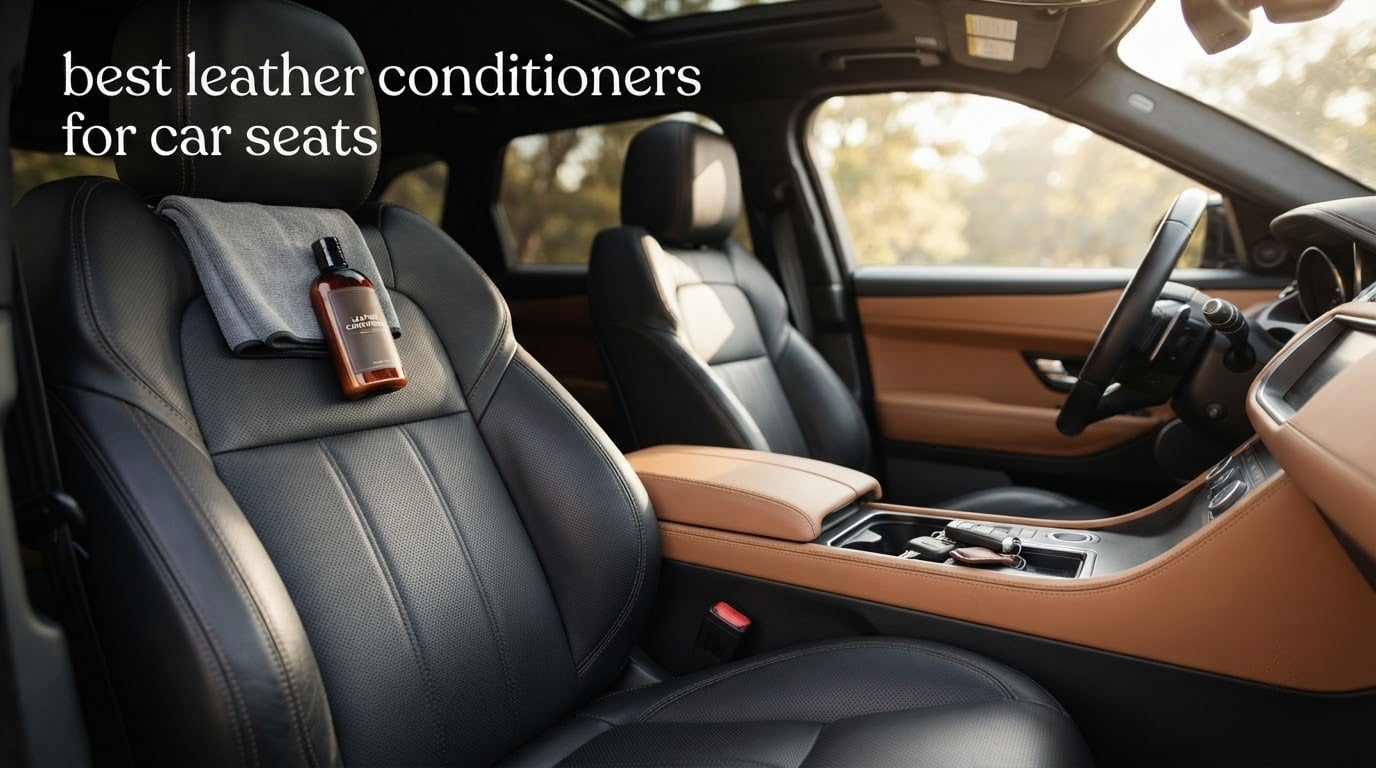
The best leather conditioners for car seats are the ones that re-lubricate the grain without laying a film on top of it. Our number one pick, Leather Honey Conditioner, leads our test group on conditioning power, longevity and safety across light and dark hides. Ten products made the cut after we sorted through review counts, real-world performance reports and forum consensus from detailing communities.
Car leather is not furniture leather. Seat hides are thin split leather sealed under a factory clear coat, and they live through summer heat, winter dry air and constant UV exposure. That combination is what turns a supple seat into cracked, peeling plastic within a few years of neglect. A conditioner slows that process down. It cannot reverse cracks that have already opened, which is why we spend so much space below on what these products can and cannot do.
We also wrote a guide to leather car seat covers if you are still deciding whether protecting the original upholstery is worth the effort. For everyone else, here is how to buy a conditioner that will not make things worse.
Table of Contents
Is Your Car Leather Sealed? Check This Before You Buy?
Most modern car seats carry a factory clear coat, a thin factory finish that seals the split leather underneath. It is the single most useful thing to know before you buy anything, because it changes what the product can do.
On sealed leather, heavy oils and butters sit on the surface rather than soaking in. They attract dust, darken the hide and eventually flake out along the creases. Wipe the excess off with a clean microfiber cloth and the job is done. On unsealed or older aniline leather, a richer cream can penetrate further and does more work per application.
Here is a quick test. Wipe an inconspicuous area of the seat bolster with a damp white cloth, then look at the cloth. A grey or coloured smear means surface dirt sitting on a finish. A clean cloth with the leather simply looking darker means moisture went into the hide. Either way, start with a small hidden spot and leave it for a day before you commit to the whole seat.
Two more material questions decide your product. Perforated sport seats need a different application method than solid panels, which we cover in a dedicated section. And faux or synthetic leather has no pores to feed, so any product that promises deep restoration is overpromising for that surface.
Top 3 Picks for the Best Leather Conditioners for Car Seats (October 2026)
Our top three cover the three situations most readers fall into: one bottle that does everything properly, a complete two-step system, and a single-bottle all-in-one for quick maintenance.


All 10 Leather Conditioners at a Glance in 2026
Every product below made the list on real review volume and consistent reports of finish quality. The table lists all ten so you can compare the whole field before reading any individual verdict.
| Product | Specifications | Action |
|---|---|---|
| Leather Honey Conditioner 8 oz |
|
Check Latest Price |
| Chemical Guys Leather Cleaner and Conditioner Kit |
|
Check Latest Price |
| Weiman Leather Cleaner Conditioner Protector |
|
Check Latest Price |
 Leather CPR Cleaner and Conditioner 18 oz Leather CPR Cleaner and Conditioner 18 oz |
|
Check Latest Price |
 Chemical Guys Vintage Series Conditioner 16 oz Chemical Guys Vintage Series Conditioner 16 oz |
|
Check Latest Price |
 Lexol All Leather Conditioner 16.9 oz Lexol All Leather Conditioner 16.9 oz |
|
Check Latest Price |
 Armor All Leather Conditioner Gel 18 oz Armor All Leather Conditioner Gel 18 oz |
|
Check Latest Price |
 Meguiar’s Gold Class Conditioner Spray 16 oz Meguiar’s Gold Class Conditioner Spray 16 oz |
|
Check Latest Price |
 Chemical Guys Leather Quick Detailer 16 oz Chemical Guys Leather Quick Detailer 16 oz |
|
Check Latest Price |
 Adam’s Polishes Leather Care Kit Adam’s Polishes Leather Care Kit |
|
Check Latest Price |
1. Leather Honey Conditioner Review
Leather Honey Leather Conditioner – Non-Toxic & Made in the USA Since 1968
- Deep penetration on dry leather
- One application reportedly lasts six months
- Water repellent with no silicone or solvents
- Safe on every colour including white
- Thick and viscous
- can be hard to spread
- Tacky for a day or two before absorbing
- Not for suede
- faux leather or vinyl
Leather Honey is the most thoroughly proven product in this roundup, with more than 68,000 ratings behind it and a sales position at the very top of automotive upholstery care. It is a liquid conditioner built for genuine leather of any colour, and the physics are simple: a thin oil that soaks into thirsty split leather and puts back the lipids that heat and UV stripped out.
What separates it from the crowd is the longevity claim, and owners back it up. Multiple applications describe one service lasting six months or more before the seats need it again, which is far less maintenance than the monthly habit most sprays encourage. The formula is unscented, water repellent and free of silicone, solvents and animal-derived oils.
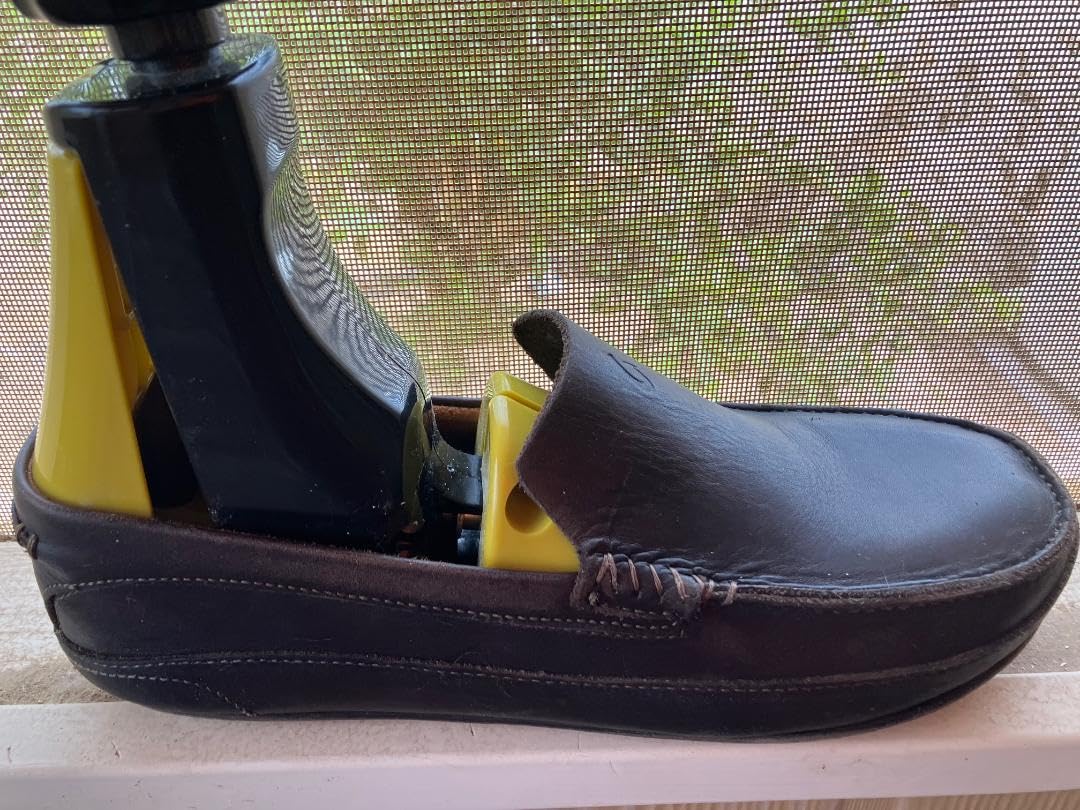
Application is where people get it wrong. The liquid is thick, almost honey-like, and pouring a line across a seat bolster is the fastest way to create an oily patch. Warm the bottle in your hands, dot it along the seam, then work it in with a microfiber cloth in small circles until the surface goes tacky and even.
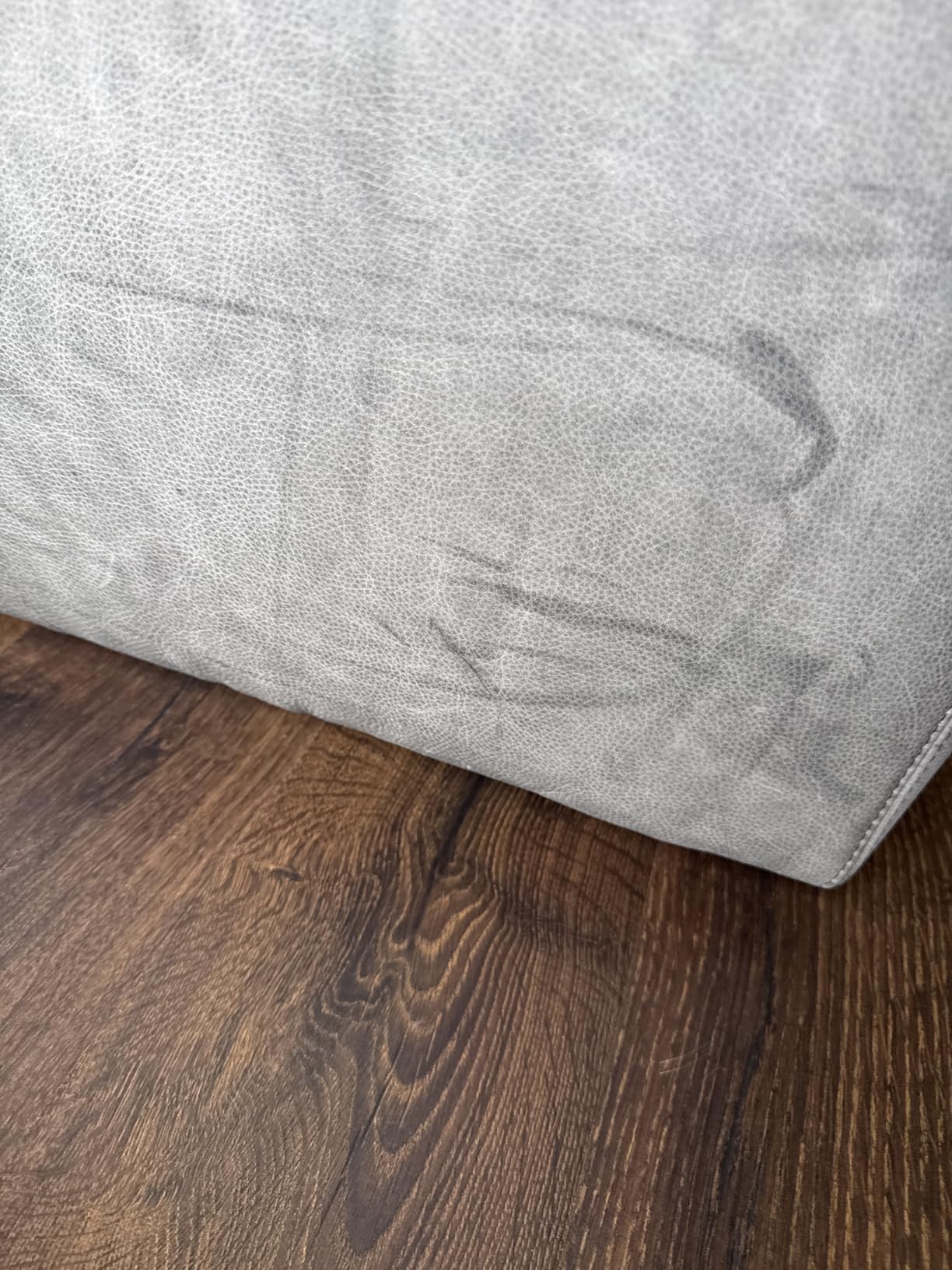
Owners of vintage and neglected interiors also report that scratches and creases visually soften once the product has soaked in, and that a buffed finish leaves no visible residue. If you own leather goods as well as leather seats, the same bottle handles boots, belts and jackets.
Who Leather Honey Works Best For
This is the pick for a car with genuine leather seats that have gone dry, stiff or slightly faded, especially if you want the effect to last a full season rather than a few weeks. It is also the safest choice for light, cream or white leather because it is explicitly rated for every colour and does not dye.
The long absorption window suits people who can leave a car parked overnight. Apply in the evening, let it sit, and buff off the surplus the next morning. That rhythm is exactly what a long-soak conditioner needs.
Who Should Buy Something Else
Skip it for faux leather, vinyl and suede. The manufacturer rules those surfaces out, and there is no point forcing an oil designed for real hide onto a synthetic coating that will simply stay slick.
It is also the wrong tool for a perforated sport seat worked on a deadline. The thick consistency and the day-long tacky window make it awkward if you need the car back on the road within the hour.
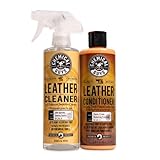
2. Chemical Guys Leather Cleaner and Conditioner Kit Review
Chemical Guys, Leather Cleaner & Conditioner Kit for Cars & Home, 2 x 16 oz
- Covers the full two-step routine
- Cleaner lifts embedded grime from neglected seats
- Safe on natural
- synthetic and sealed leather
- Soft non-greasy finish
- Heavily soiled leather needs real effort
- Cleaner should be diluted but the bottle does not say so
- Steering wheels need careful buffing
This kit is the honest answer for anyone who has never conditioned leather before. It ships with a 16 oz cleaner and a 16 oz conditioner, which is exactly the pair a single-bottle product cannot give you. Dirt trapped in the grain blocks conditioner from reaching the hide, and a dedicated cleaner is the only way to get it out first.
Across more than 39,000 ratings, users consistently report the cleaner pulling years of embedded oils out of neglected seats and the conditioner leaving surfaces noticeably softer and far less tacky. The formula is pH balanced and rated for natural, synthetic and sealed leather, so it works whether your interior is a mix of materials.
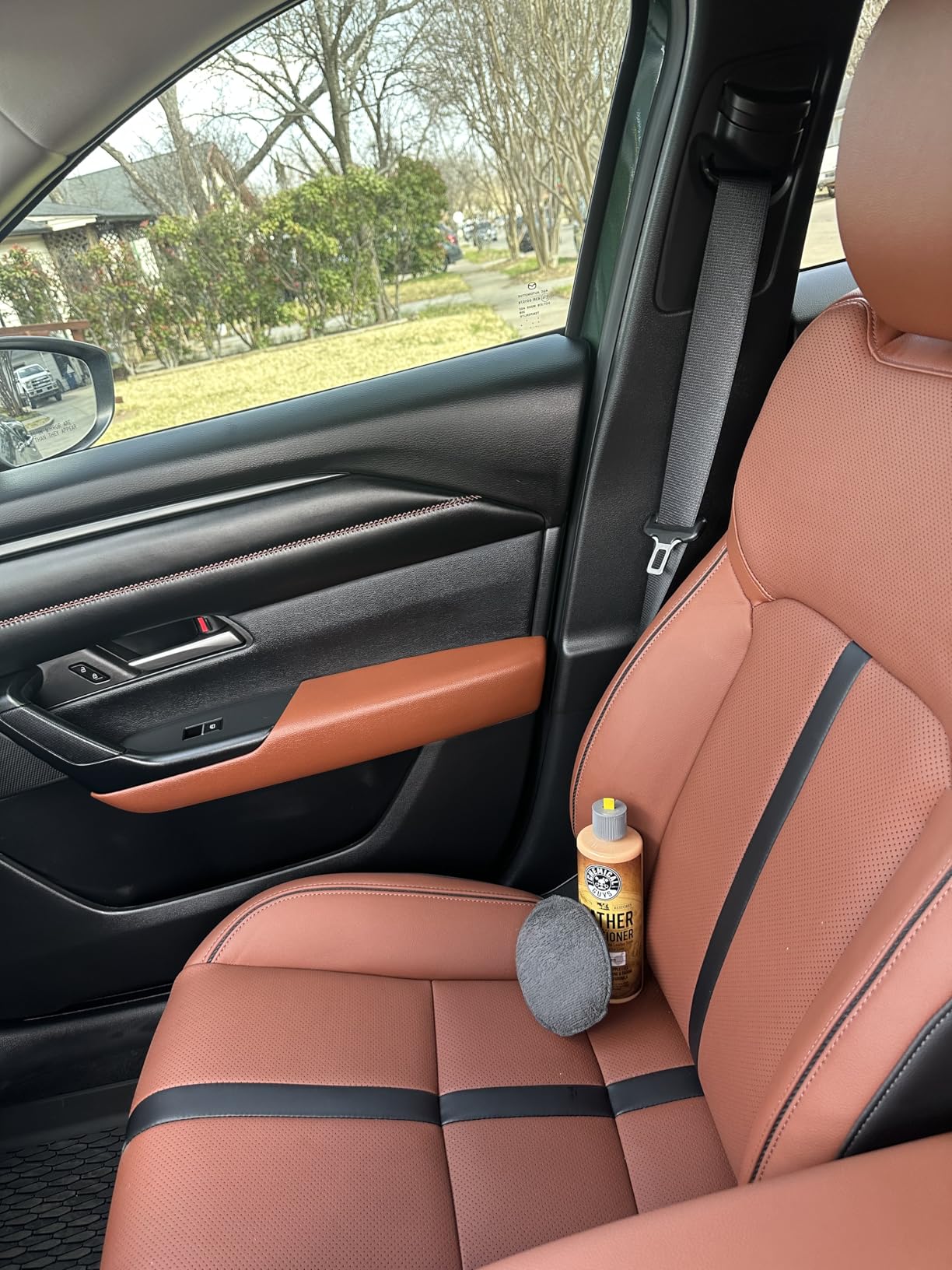
One practical detail the packaging does not make obvious: the cleaner is a concentrate. Detailers dilute it roughly three to one or six to one with water, and spraying it neat on finished leather is how you end up with a clean patch and a dirty ring around it. Spray onto a microfiber towel rather than the seat itself, work in sections, then follow with the conditioner.
A small minority of owners note slight dye transfer on bright red interiors. On black, tan, grey and brown hides that issue basically does not come up. The leather scent is pleasant and does not linger for days.
Why This Kit Beats Any Single Bottle
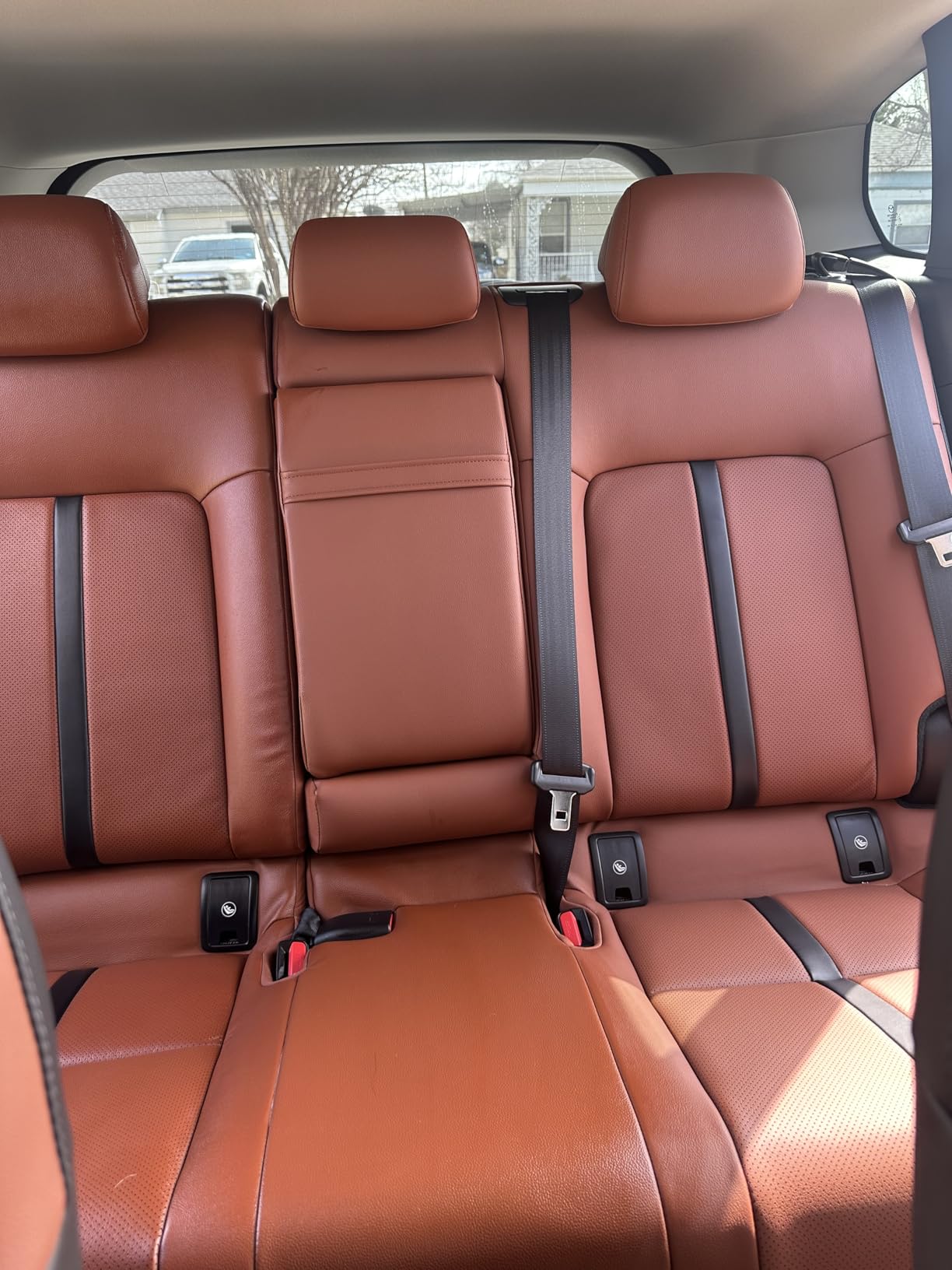
The first-time owner almost always makes the same mistake: conditioning dirty leather and sealing the grime in with it. This kit removes that failure mode because step one is built in. It is the pick I would hand someone who has never opened a leather care product before.
It is also the better value for a household with more than one leather surface, since the same bottles work on furniture, boots, jackets and handbags. Coverage per bottle is generous enough for several cars.
Where It Falls Short
A deeply soiled interior is a project. The cleaner needs time, agitation and repeated passes, so budget an afternoon the first time rather than an evening with a football match on.
On a steering wheel, take extra care with the buff-off step. A conditioned wheel grips poorly for a few minutes afterwards, and you do not want to discover that at low speed in traffic.
3. Weiman Leather Cleaner, Conditioner and Protector Review
Weiman Leather Cleaner, Conditioner & Protector, Car Interior & Furniture
- Cleans
- conditions and protects in one pass
- UV protection slows fading and cracking
- No sticky or greasy residue
- Works on finished and faux leather
- Modest results on very worn leather in one pass
- Not intended for suede or nubuck
Weiman does the job of three products in a single trigger bottle: it cleans, conditions and adds a protective layer with UVX-15 sunscreen in the formula. That sunscreen content is the detail that matters most for a car, because UV exposure is the single biggest driver of cracking in seat leather parked outside.
With more than 11,000 ratings averaging 4.6, the most common feedback is about the finish rather than the effect. Owners like that the leather dries to a natural, non-plastic look and that wiping with a microfiber cloth leaves no streaks or sticky film. The blend of six natural oils does the hydrating.
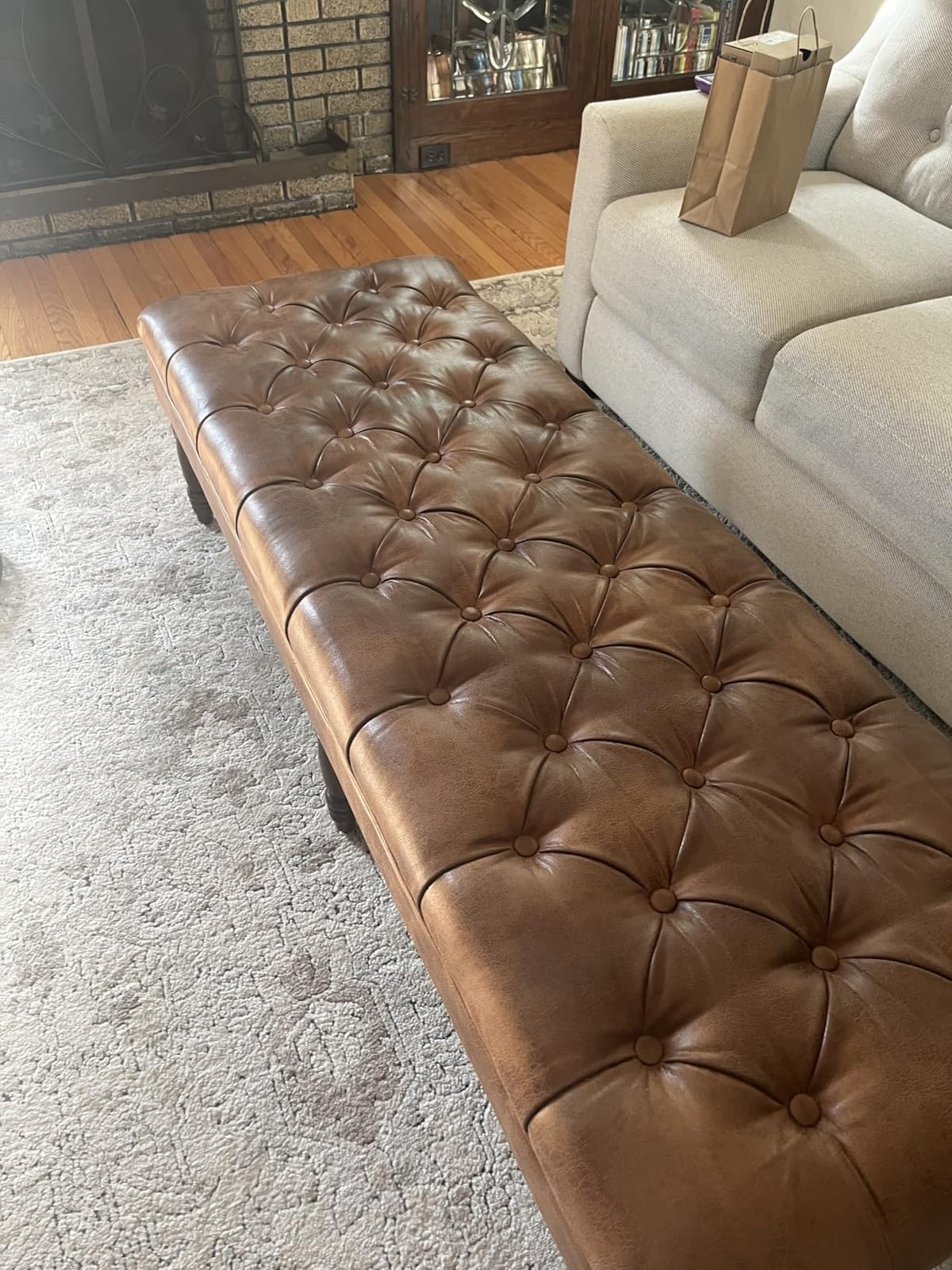
It is also the most flexible product here in terms of surfaces. It is rated for finished leather and faux leather, which makes it a sensible choice for a mixed interior where you cannot tell which panels are real and which are synthetic. Motorcycles, boat seating and furniture all appear frequently in owner reports.
Where reviewers temper their praise is severity. On leather that is badly worn, one pass produces a visible difference but not a restoration. Treat it as scheduled maintenance that keeps seats from getting that bad in the first place, and use a dedicated repair product if you are starting from a neglected interior.
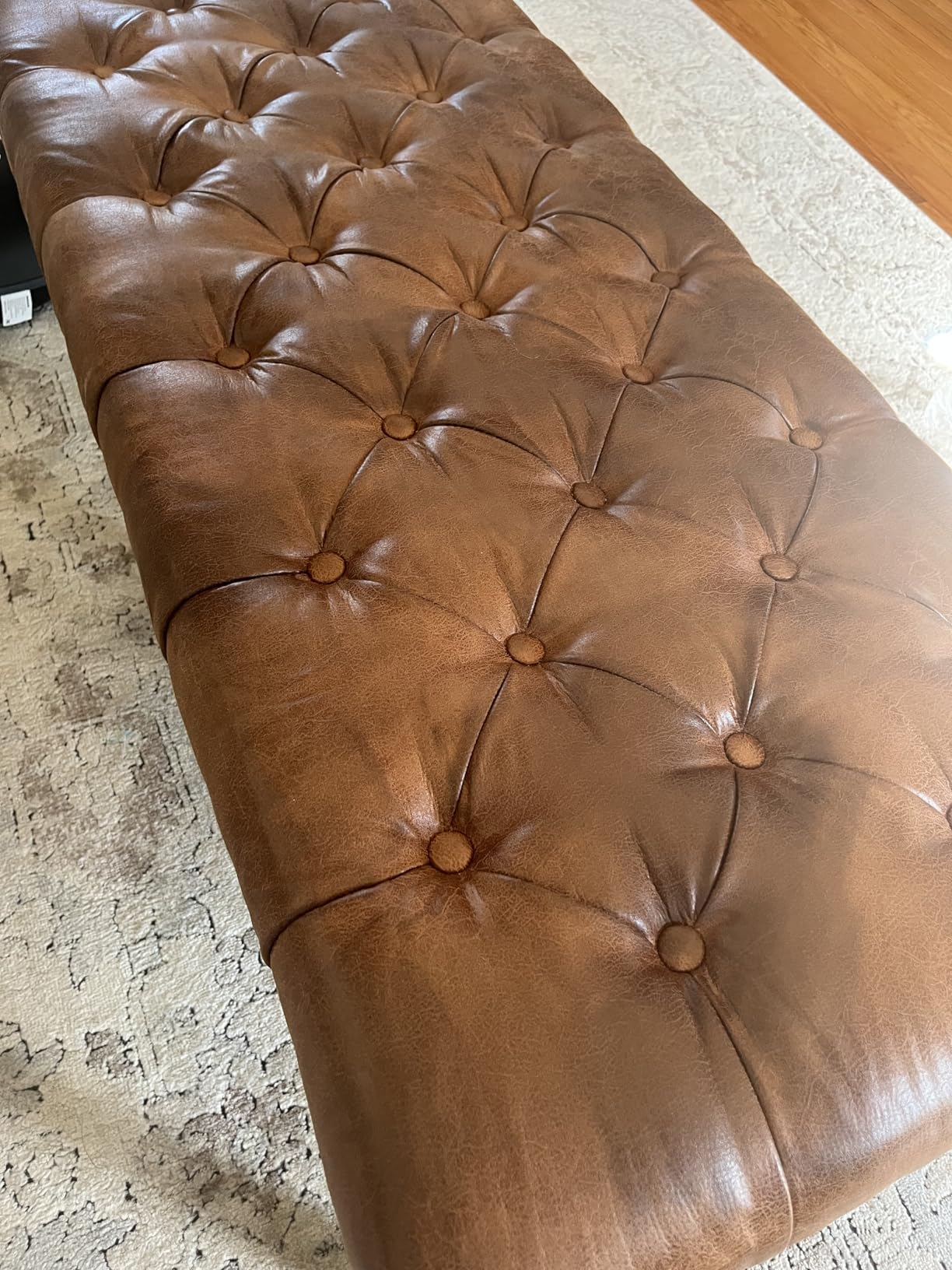
Best For Drivers in Hot, Sunny Climates
The built-in sunscreen makes this the practical pick if your car lives on a driveway in strong sun or sits in a hot climate all year. Applying it two or three times a season is cheap insurance against the fade and hairline cracking that show up first on the sun-facing side of the bolster.
It is also the fastest product here to use. One trigger spray, one cloth, one pass per panel. If you will not commit to a multi-step ritual, this is the one that survives contact with a real schedule.
Where It Is Not the Right Choice
Suede and nubuck are outside the formula’s design, and a smooth-leather emulsion will not do anything useful on them. Skip it if your seats are brushed or alcantara.
And if the seats are already cracked through to holes or flaking at the seams, no all-in-one spray will reverse that. The work at that point is re-upholstery, not product.
4. Leather CPR Cleaner and Conditioner Review
- Cleans and conditions in one step
- Revives dull leather with no greasy film
- No dye transfer on light or coloured hides
- Mild scent and a natural matte finish
- Severely worn leather may need three applications
- Can feel tacky when worked in hard
- Not for suede or nubuck
Leather CPR is the cream option, and cream behaves differently from spray. It sits where you put it, so you control coverage precisely, and reviewers report that it hydrates leather where thinner honey and oil-style conditioners could not. It is water based, non-toxic and pH balanced for finished leather.
What stands out in owner reports is colour behaviour. Across black, brown, red and blue hides, reviewers say it does not strip or darken the dye, which is exactly what you want when you are nervous about your first attempt. A full leather couch reportedly takes about fifteen minutes with no rinsing and no buffing.
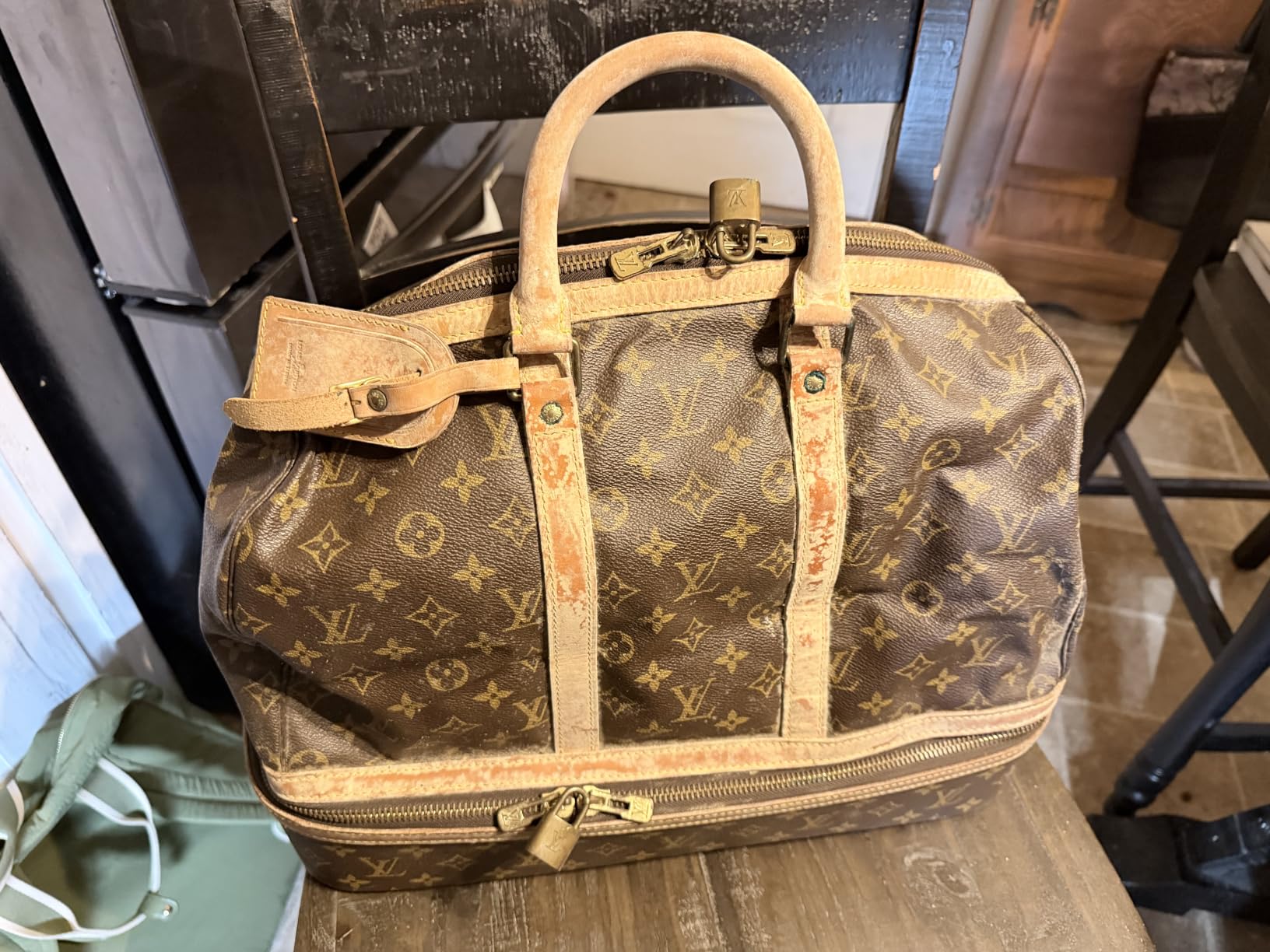
The best application tip in the reviews is unusual and effective: use bare hands rather than a cloth. Massage the cream into the grain with your palms and you get noticeably better hydration in a single pass than you would with a folded microfiber. On a dirty panel, leave a thicker layer sitting for a few minutes and the cream lifts grime as it works.
The finish is matte rather than glossy, with a mild scent that does not announce itself. That is a genuine preference point, and it matches what most enthusiasts in detailing forums actually ask for.
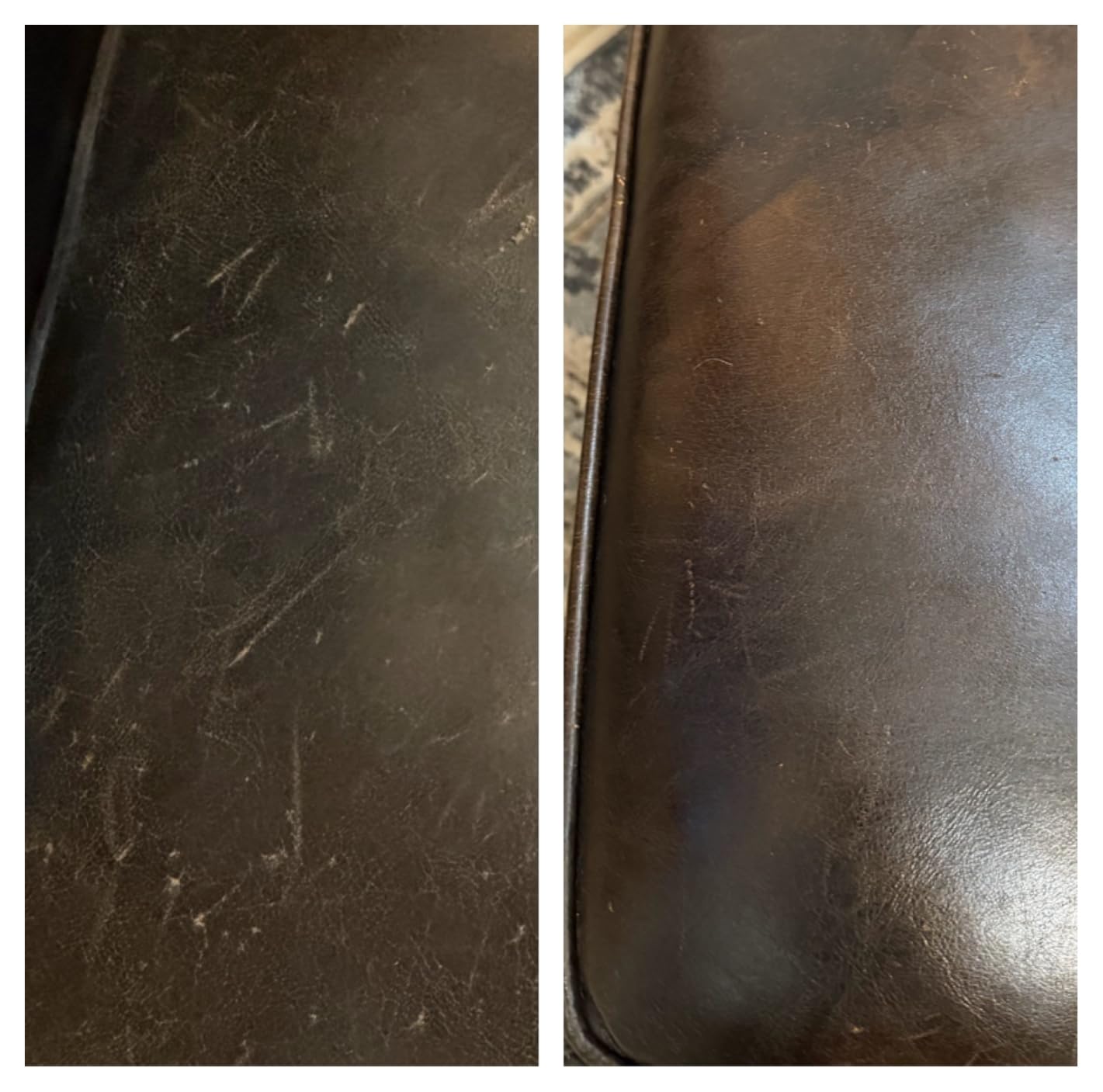
Who This Cream Is For
Pick this one if your seats are dull rather than cracked, and especially if the colour is light. Cream applies precisely enough to work a seam or a perforation panel without soaking the surrounding plastic trim, and the absence of dye transfer makes it a safe first experiment on cream or beige leather.
It is also useful for mixed-material interiors where you want something rated for finished leather that is not fussy about whether a panel is genuine or synthetic.
Where the Formula Runs Out of Road
Deeply worn hide needs more than one session. Reviewers who started with leather that had been neglected for years report needing three or more applications before the change was obvious, so plan on repeat visits rather than one dramatic transformation.
Worked in aggressively, it can feel tacky for a while. And like most cream conditioners, it is not built for suede or nubuck.
5. Chemical Guys Vintage Series Leather Conditioner Review
- Penetrates pores to restore softness
- Adds colour richness with no greasy residue
- Works on natural
- synthetic and vinyl
- Fast microfiber application
- Designed for smooth finished leather
- Suede and nubuck are out of scope
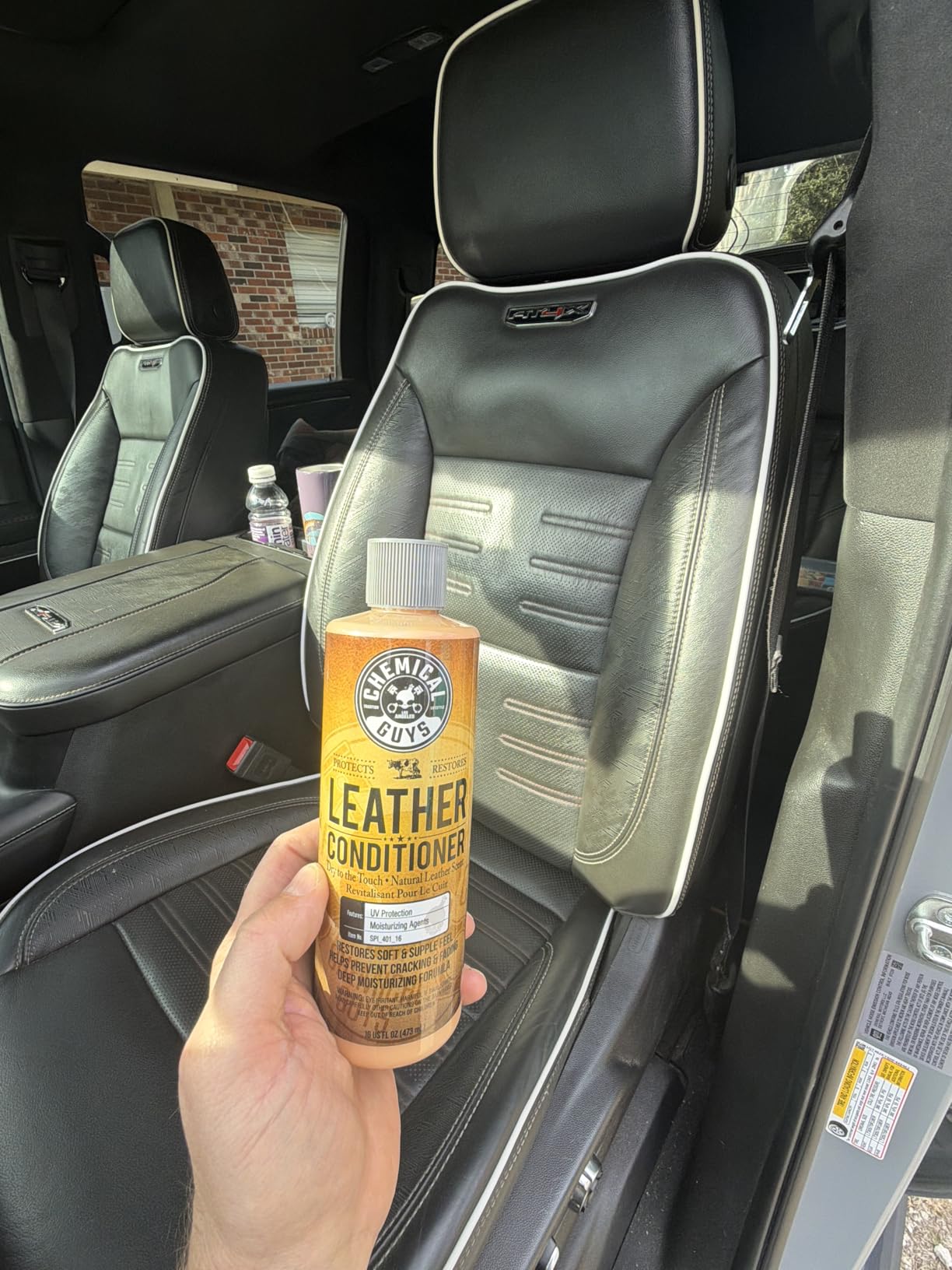
The Vintage Series conditioner ties for the highest average rating in this roundup at 4.7 across more than 6,000 ratings. It is a 16 oz cream that penetrates the leather pores to put back suppleness and flexibility, then buffs off to a finish users describe as rich without a slick or greasy feel.
What we like most for a car specifically is the material range. It is rated for natural, synthetic, faux and pleather, plus vinyl, so it covers OEM and aftermarket interiors alike. If your cabin mixes a factory leather seat with vinyl door panels, one product handles all of it.
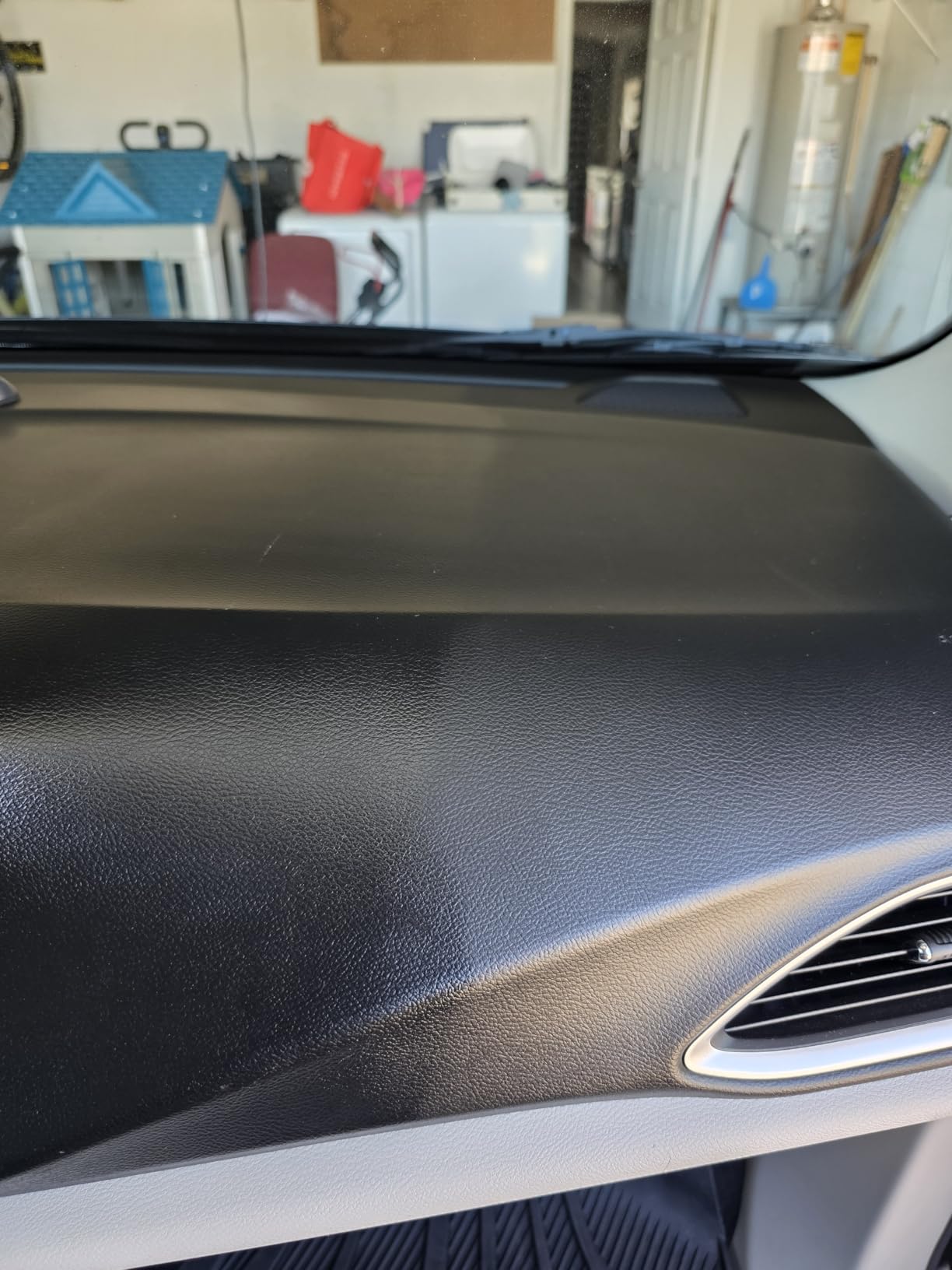
Owners praise the depth of colour it brings back on faded hides, and several note the finish improves noticeably after the surface has dried fully rather than straight out of the bottle. Apply with a microfiber applicator, work it into the surface in small circles, and buff off the surplus to get the matte result it is known for.
The scent is a fresh leather note rather than a heavy perfume, which matters if you are sharing the car. The 16 oz size is convenient for controlled, section-by-section work rather than flooding a whole cabin.
Best For Colour-Drifted Seats
This is the pick when the main complaint is that the seats have lost depth of colour and look flat and tired in daylight. That is a hydration problem, and a penetrating cream is the right answer. You should see improvement in colour richness after one application rather than after a full season of sprays.
It suits buyers who want protection without a factory-new gloss. The buffed result is matte, which is what most people in detailing communities actually prefer over a dressed look.
Where It Falls Short
The formula is built for smooth finished leather. Brushed suede, nubuck and alcantara are out of scope, and no amount of buffing will change that.
Because it is a cream, it takes more deliberate application than a trigger spray. On a perforated panel, keep the quantity small and the buffing thorough, or the residue will collect in the holes.
6. Lexol All Leather Conditioner Review
Lexol All Leather Conditioner for Car Seats, Furniture, Jackets, 16.9 Oz
- Absorbs fast and restores flexibility
- Seats stay soft longer with regular use
- No visible odour once buffed
- Strong record on old dried leather
- Can stay slightly sticky for a day
- Can look streaky on uneven leather
- Not for thick rigid hide
Lexol is the recommendation that comes up most often in enthusiast detailing forums when people ask for a single bottle they can trust on car leather. It is a 16.9 oz conditioner built as step two of a two-step system, paired with the Lexol All Leather Cleaner, and the fine oil droplets are designed to absorb quickly into the grain.
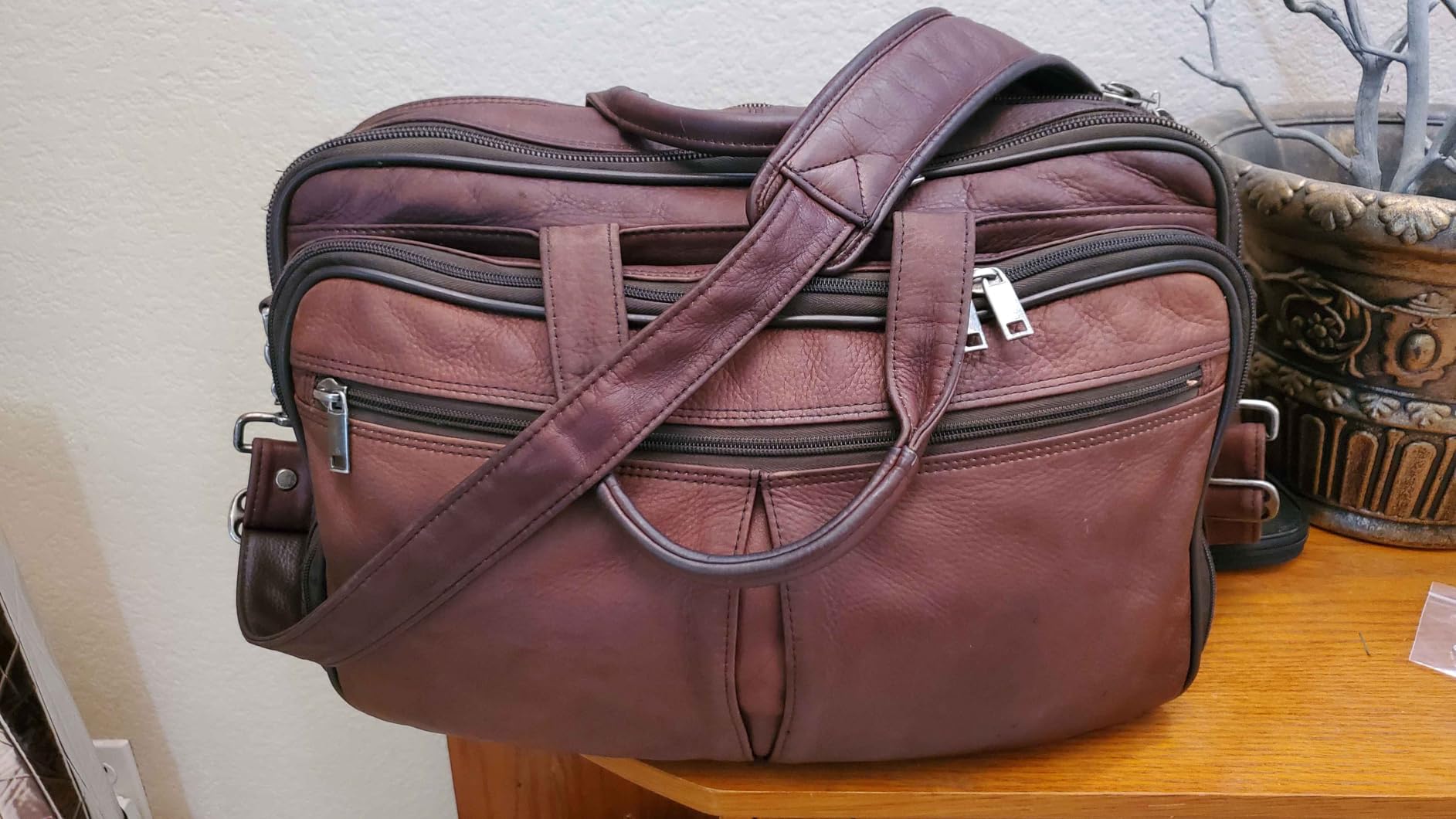
With over 4,200 ratings at 4.6, users consistently report that seats and sofas stay soft for longer than with competing brands, and that scratches appear to fade after a day or two of absorption rather than immediately. It leaves no visible odour, and it is the one product here that gets strong mentions for non-car uses like holsters, boat interiors and vintage bags.
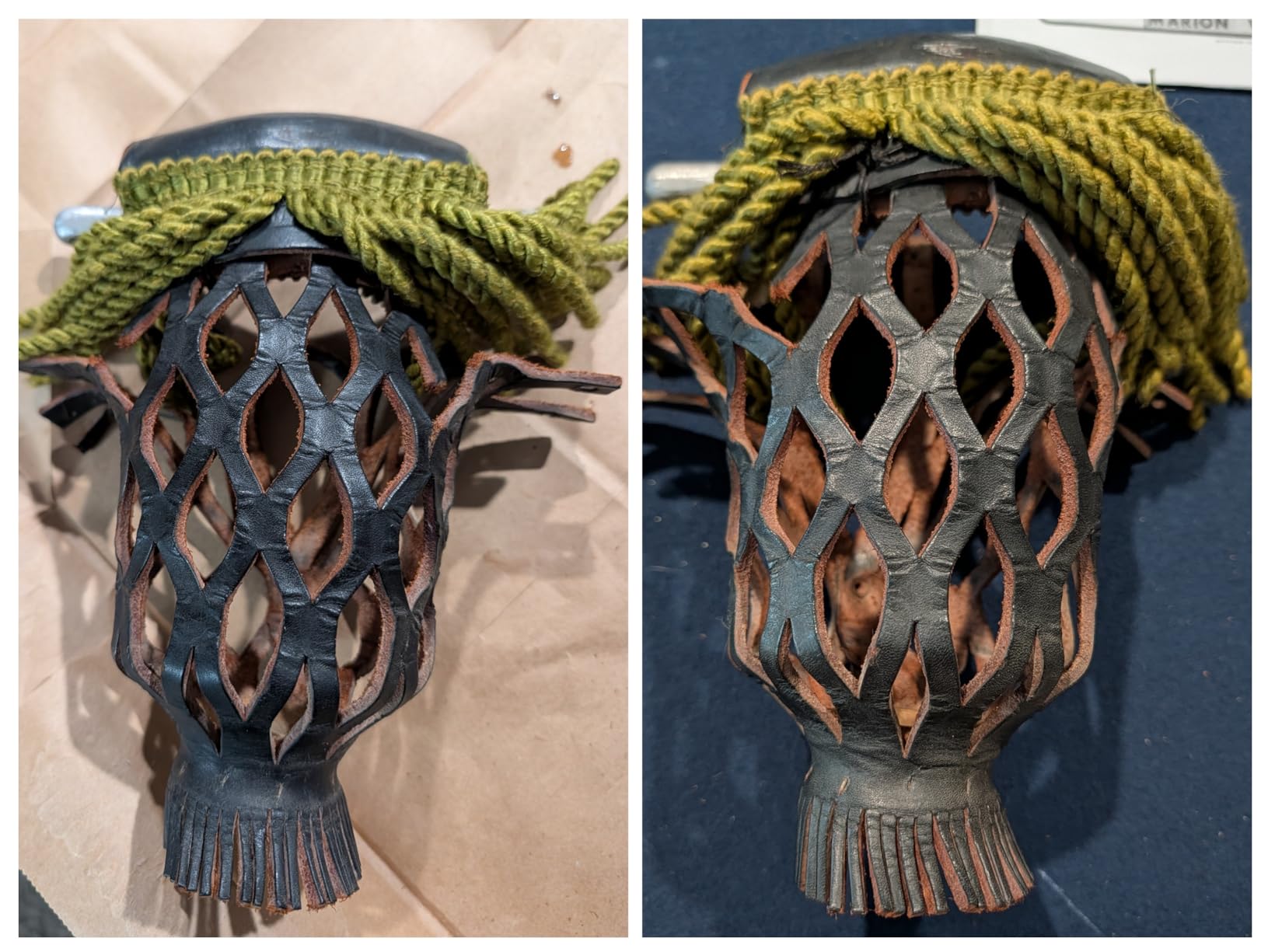
One behaviour to understand rather than fear: it can look darker straight after application. That is moisture returning to dried leather, not a permanent colour change, and it settles as the product soaks in. Buff thoroughly and the finish goes matte, which is the look enthusiasts in car forums consistently describe as no grease, no wax and no shine.
The only real complaint pattern is streaking, and it happens on very thirsty or unevenly coloured leather when a thicker coat is not worked in and wiped back. Thin layers, worked in fully, avoid the issue.
Why Enthusiasts Pick This One
The recurring theme in owner discussions is that the finish stays matte and does not transfer onto clothing, which is the most common complaint about dressed-up interiors. If you have been disappointed by a greasy shine before, that is the reason to look here.
It is also a good choice if your leather furniture and your car seats both need attention, because the same bottle covers upholstery, clothing, footwear and bags.
Where to Be Careful
Immediately after application it can stay slightly sticky for up to a day, so this is not a Saturday-morning-before-a-road-trip product unless you plan to buff it well and leave the car parked.
Thick, rigid hide pieces such as armour are out of scope. And on very uneven colouring, work it in thin rather than pouring and spreading.
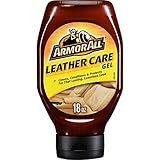
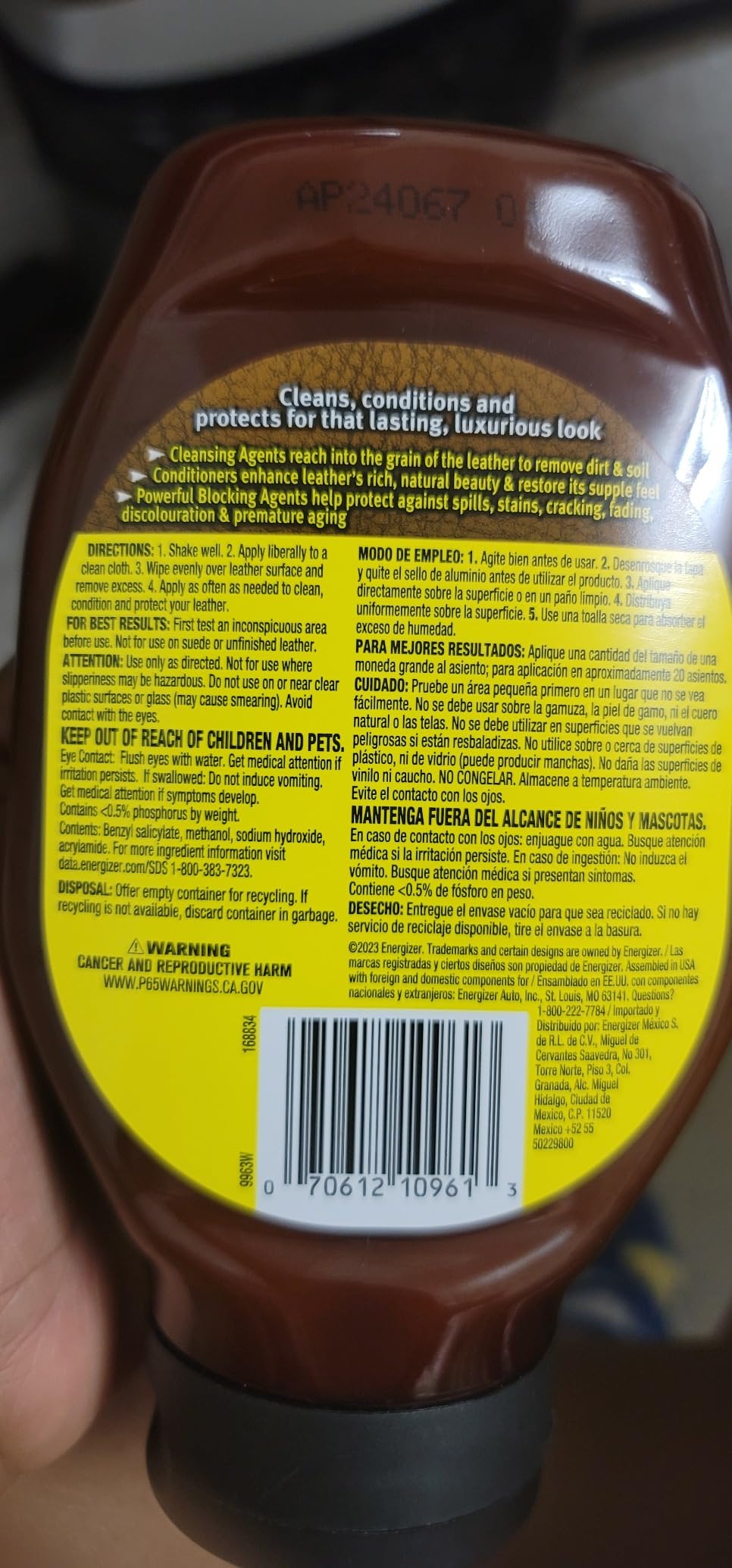
7. Armor All Car Leather Conditioner Gel Review
Armor All Car Leather Conditioner Gel, Interior Cleaner for Cars, Trucks and Motorcycles, 18 Fl Oz
- Gel reaches into the grain to lift soil
- Blocking agents resist stains and cracking
- Deep natural glow without a slippery feel
- A little covers a lot
- Scent transfers to bare hands
- Gel dispenses fast if the inner seal is removed
- Maintenance product rather than a restoration
The Armor All gel is one of the most widely available leather products in the category, and it earns its 4.7 rating across more than 3,800 ratings with a simple promise: a natural glow, not a plastic one. It is an 18 fl oz gel that reaches into the grain with cleansing agents, then conditions the surface to restore a supple feel.
What separates it from dressing products that people complain about is what happens after the surface dries. Owners report no sticky feel, no oily transfer to clothing and a finish that reads as conditioned leather rather than a coating. Blocking agents in the formula also work against spills, stains, cracking, fading and discolouration.
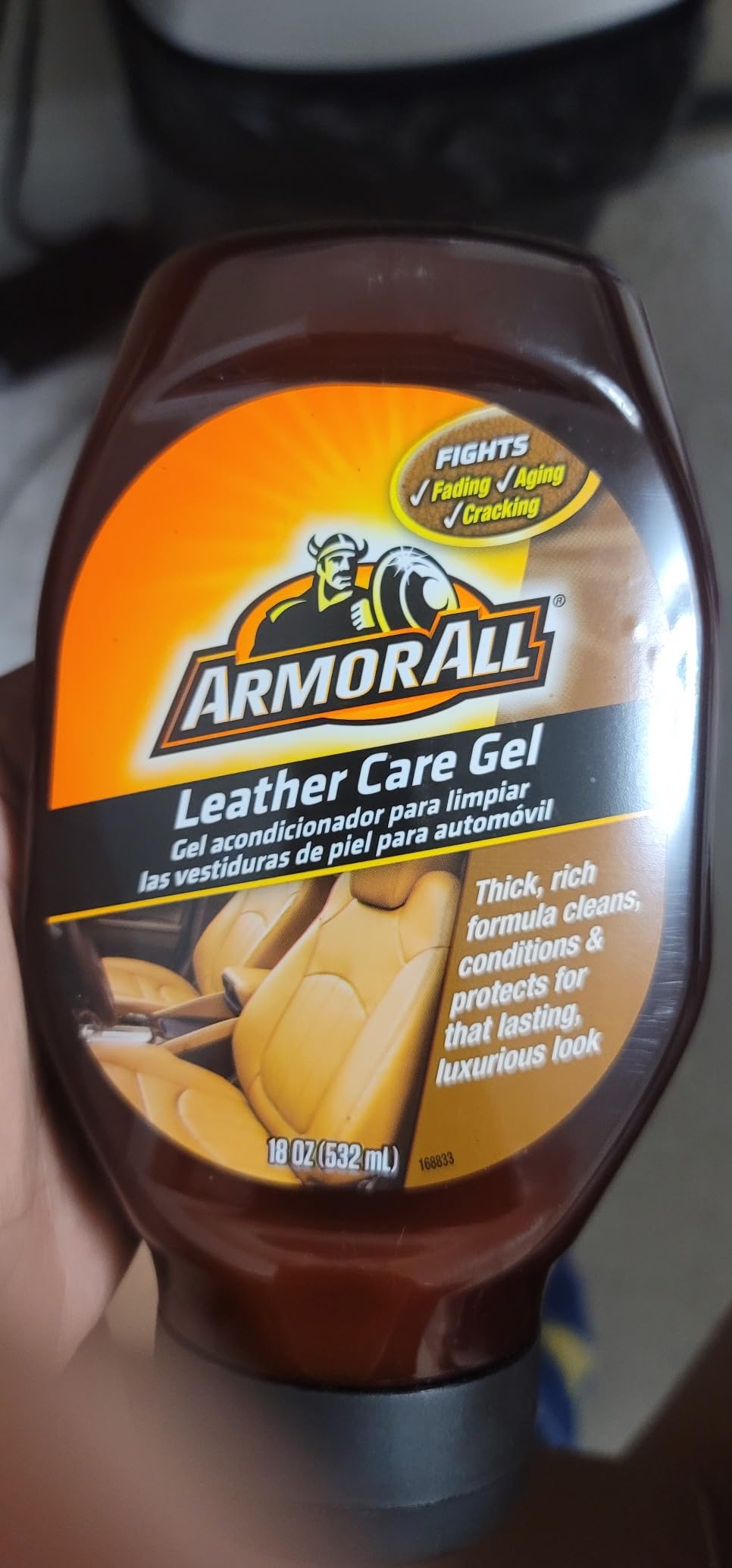
Two handling notes came up repeatedly in reviews. Wear gloves, because the scent transfers noticeably to bare hands during application. And poke a small hole in the inner seal rather than removing it entirely, because the gel otherwise dispenses far too quickly from the wide bottle opening and you will be scraping excess out of the seat seam.
A little goes a long way, and owners use it across car seats, door panels, dashboards, motorcycle seats and leather furniture. Treat it as a maintenance product that keeps things in good shape rather than a rescue operation for a neglected interior.
Best For a New-Car Look Without a Glossy Coat
This is the pick if you want the seats to look noticeably better and you actually like a visible glow. It sits between a matte treatment and a full dressing, and that middle ground is what earns it a place here.
It is also a strong motorcycle pick. The gel is easy to control on a small saddle and the blocking agents handle the UV exposure that motorcycles take in a way sprays do not.
Where It Is Not the Answer
If your leather is already deeply cracked and flaking, this will not rebuild it. The gel maintains and protects what is healthy rather than restoring what is gone.
And if the wide bottle opening is a problem for you, be careful with the inner seal. That is a two-minute learning curve that saves you a permanent gel stain in the crease of a seat bolster.
8. Meguiar’s Gold Class Leather Conditioner Review
- Aloe and oils prevent drying and fading
- UV protection for direct sunlight
- No residue
- buildup or artificial gloss
- Quick even coverage from a spray bottle
- Maintenance product rather than heavy restoration
- Worn leather needs multiple applications
- Direct spraying can overspray glass
Meguiar’s Gold Class is the mainstream pick and the most commonly recognised name here, rated 4.6 across nearly 4,000 ratings. It is a 16 oz spray built around aloe and moisturising oils, with UV protection added for seats that sit in direct sunlight.
Long-term owners report that it keeps seats soft and refreshed over months of regular upkeep with no buildup and no artificial gloss, and that the light aloe scent fades quickly rather than hanging around. It is a scheduled-maintenance product that does exactly what it claims, without drama.
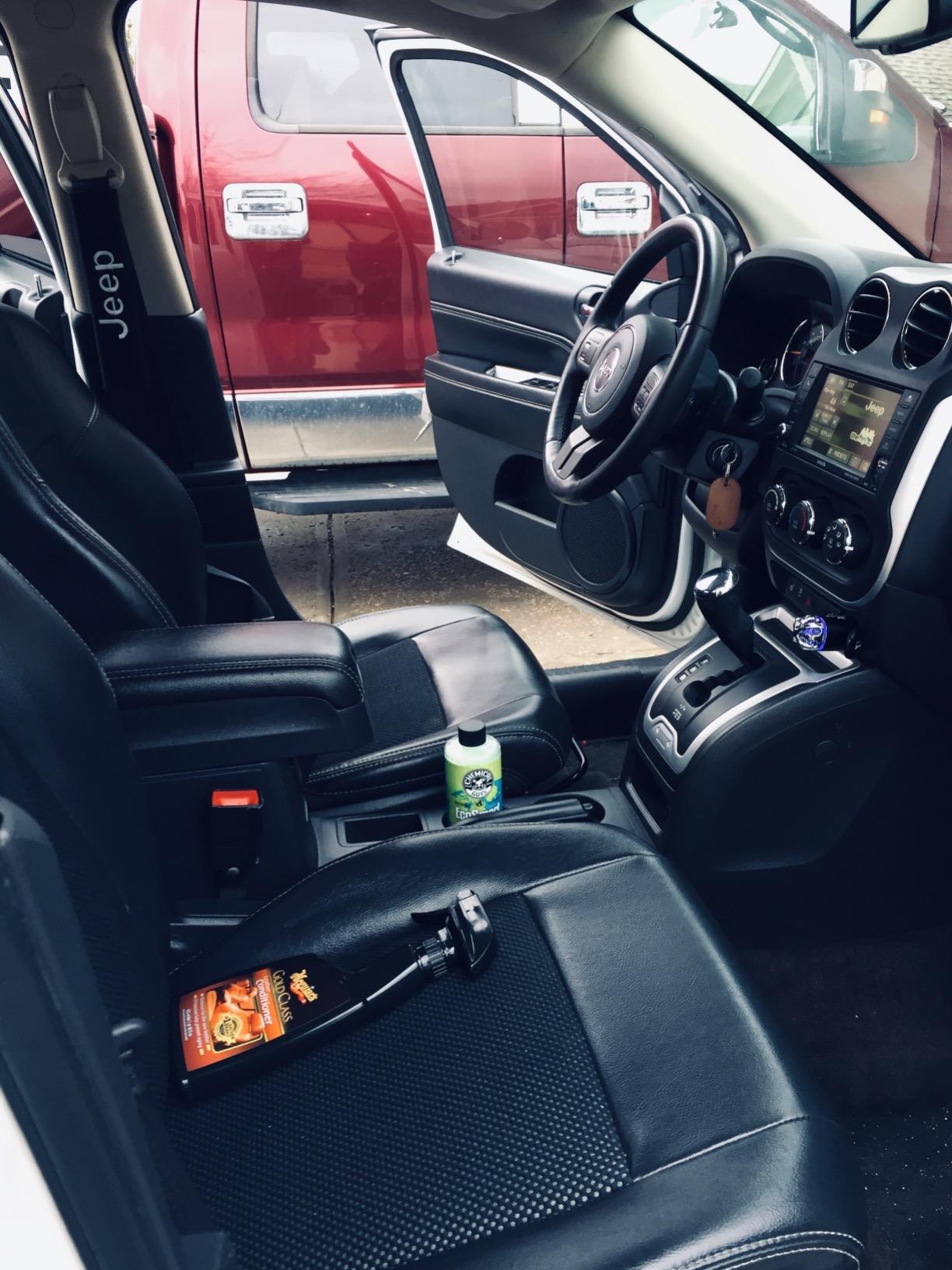
Application is the one thing to adjust. Spraying directly onto a seat risks overspray onto nearby glass, and most experienced users work it in with a microfiber applicator instead. That gives you control over quantity and gives a far more even result across a panel.
It is also worth noting what it is designed to pair with. Used after a dedicated leather and vinyl cleaner, it completes a proper interior service and keeps the seats looking consistent between deeper cleans.
Best for Regular, No-Fuss Upkeep
If your seats are in decent shape and you want a routine you will actually keep up, this is the sensible choice. The spray format covers a full set of front and rear seats in a few minutes, and there is no dilution step, no concentrate to measure and no buffing marathon.
It is also the pick for a driver who splits time between the car and a leather couch or a set of leather boots. The same bottle works on furniture, handbags and briefcases, and owner reports on those uses are strongly positive.
Where It Falls Short
Heavily neglected leather needs several coats before results become dramatic. This is maintenance, not restoration, and buying it expecting a single dramatic transformation on a fifteen-year-old seat will disappoint you.
The aloe scent is pleasant but not universal, so smell-sensitive buyers should know it is there before they commit.
9. Chemical Guys Leather Quick Detailer Review
Chemical Guys, Leather Quick Detailer, Cleaner & Conditioner Spray, 16 oz
- Single step cleans
- conditions and protects
- Removes light dirt and body oils
- No greasy residue
- Works on mixed material interiors
- Quick-detailer strength
- not for heavy soil
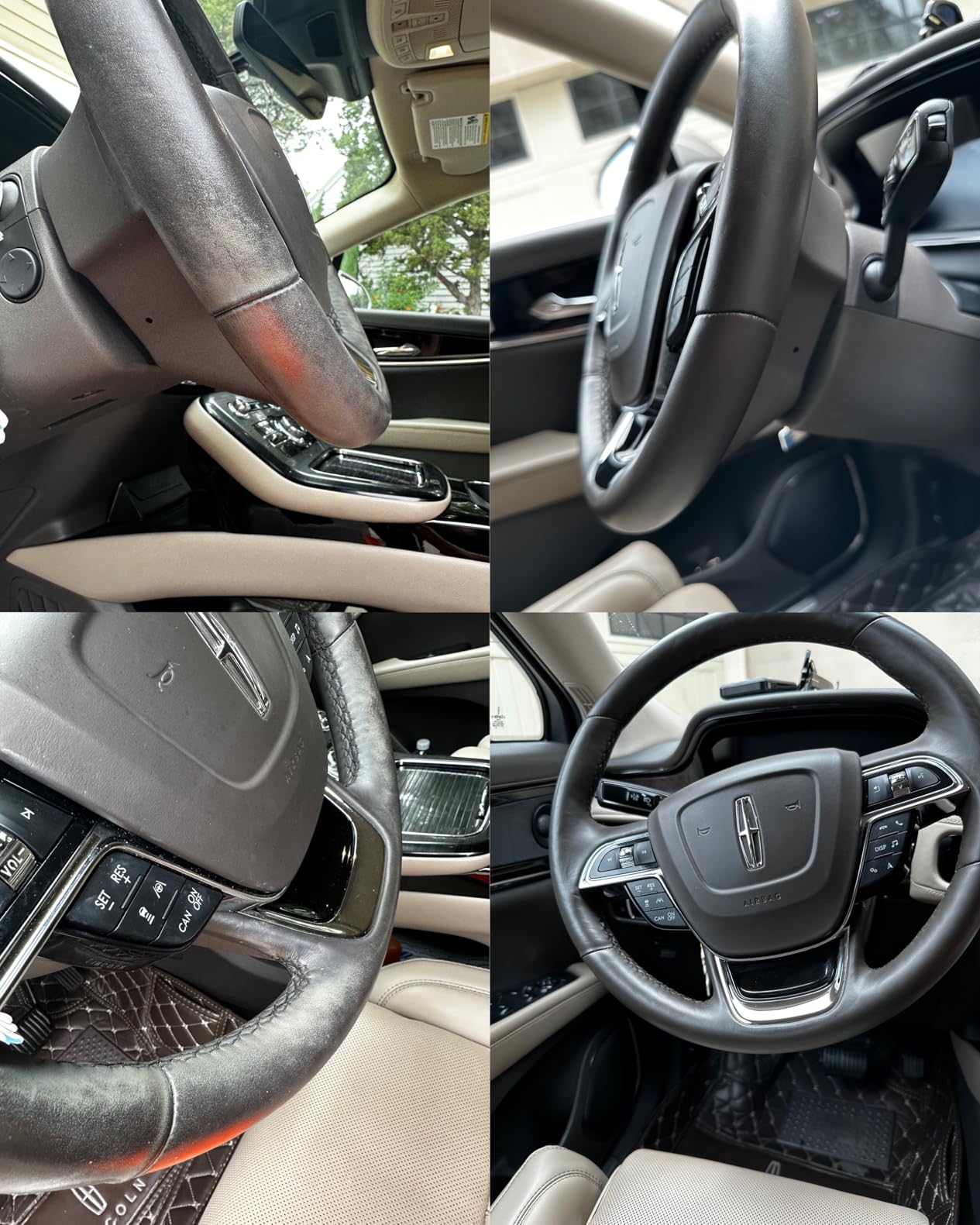
The Leather Quick Detailer is one of the fastest products in this roundup and the one to keep permanently in a glovebox. It is a spray that cleans, conditions and protects in a single pass, taking off light dirt, dust and the body oils that build up on a driver’s bolster over a few months of daily use.
With more than 3,200 ratings at 4.6, owners place it precisely where we would: as a maintenance option that keeps leather looking and feeling fresh between deeper cleanings. It is safe on natural, synthetic, pleather and faux leather and does not leave a greasy residue, which makes it a safe choice on a mixed-material cabin.
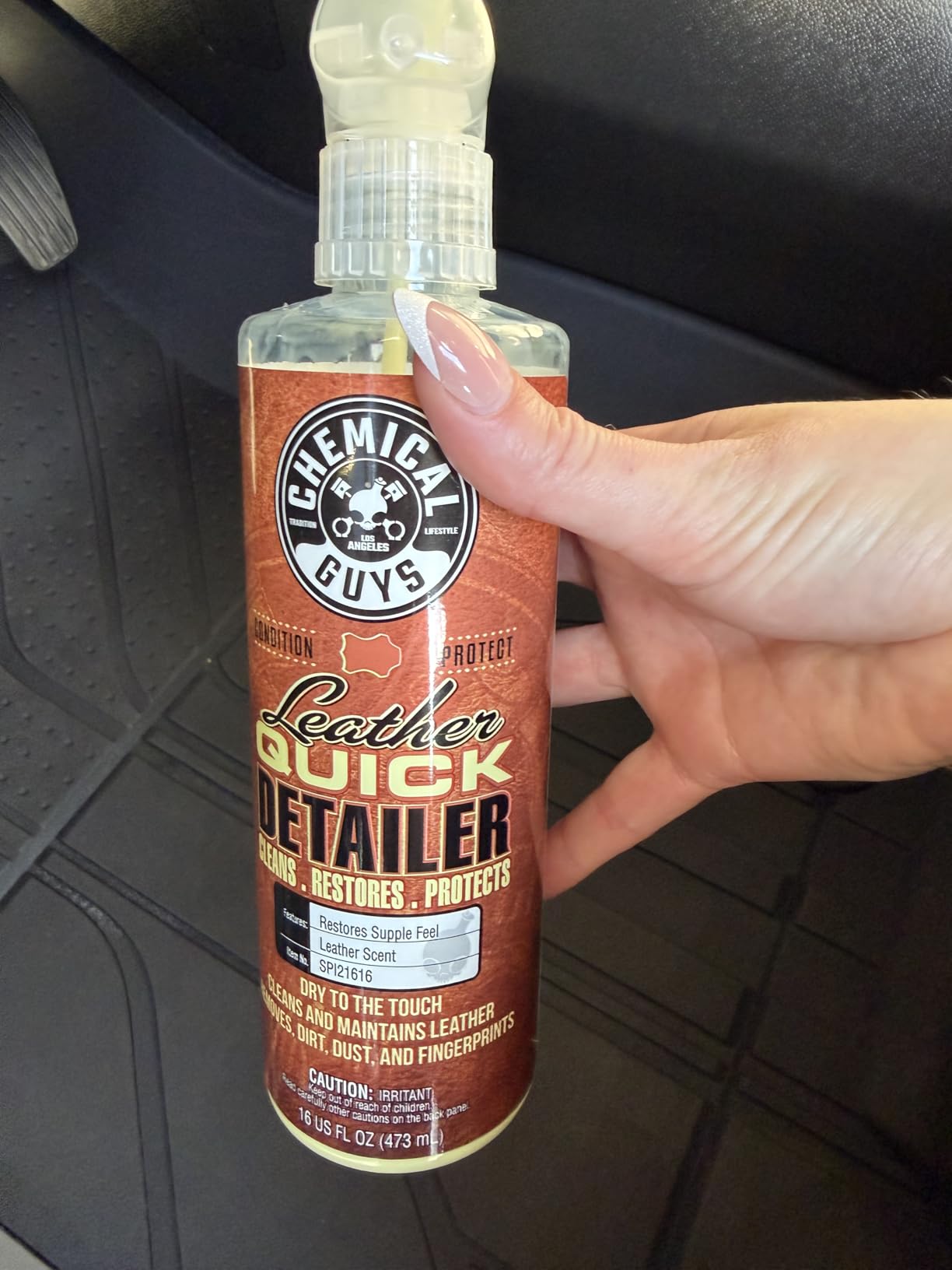
It is also the most versatile for odd vehicles. Owners routinely use it on trucks, SUVs, motorcycles and RV interiors alongside furniture, shoes, boots and jackets. The signature leather scent is a genuine selling point for a lot of buyers, and it lasts long enough to be noticed without being a perfume.
Spray it onto a microfiber towel rather than straight onto a perforated panel, even for a quick detail. The mist is fine, but the holes are where product collects.
Best For the Two-Minute Refresh
This is the product for the driver who wants their seats to look presentable for a set of passengers without booking an afternoon. A wipe-down of a seat base and both bolsters takes about two minutes, and the protective layer it leaves helps resist the next round of dirt and wear.
It is also the best choice for a vehicle used in situations where a full service is impractical, like a work truck or a family car that eats food and takes a beating every week.
Where It Is Not Enough
Quick-detailer strength means quick-detailer results. On leather that is heavily soiled, neglected or already cracked, you will be disappointed, and no amount of scrubbing will change what the formula is designed to do.
Pair it with a dedicated cleaner and conditioner from a full kit if you have that kind of seat. Use the detailer for the months in between.
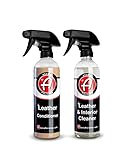
10. Adam’s Polishes Leather Care Kit Review
- Complete two-product kit
- Cleaner lifts oils
- grime and stains without rinsing
- pH neutral and safe on vinyl and plastic
- Matte finish that lasts about a week
- Marker stains and heavy soil are not fully removed
- Cleaner carries an almond note and an allergy warning
- Can dull light red leather
Adam’s Polishes is a two-product kit, a 16 oz interior cleaner bundled with a 16 oz leather conditioner, and it is our perforated-seat pick. The pH neutral cleaner needs no rinsing and works on natural tanned leather, synthetic material, vinyl and plastic, which is exactly the range a perforated sport cabin contains.
Owners who use it on a strict schedule, cleaner roughly every two months and conditioner every six, report that the finish and scent last about a week after each service and describe the result as matte or naked rather than glossy. The conditioner also carries UV protection for the dash and door panels that surround the seats.
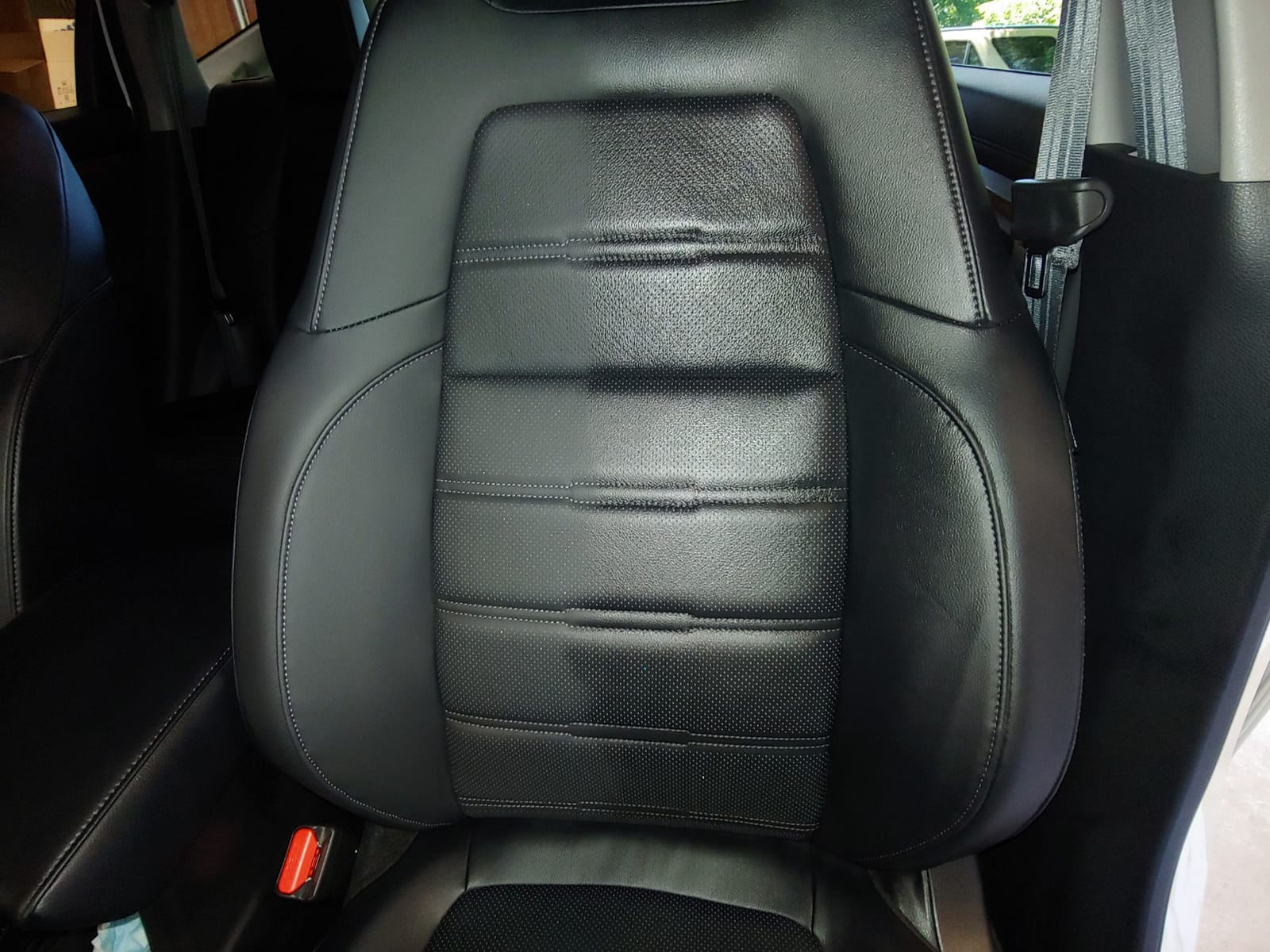
On perforated panels, reviewers specifically recommend pairing the cleaner with a brush so the product works out of the vent holes rather than just across the surface. The conditioner treats the hard interior surfaces too, so one service covers the whole door card and not only the seat.
Two cautions come from real users. The cleaner carries an almond note and an allergy warning on the packaging, which matters for anyone sensitive to it. A small minority also report the conditioner dulling or marking light-coloured leather, including red interiors.
Why Perforated Seats Suit This Kit
Perforated panels are a two-surface problem. The leather between the holes needs conditioning and the holes need cleaning, and a kit with a dedicated pH neutral cleaner plus a brush is the simplest way to handle both without buying two more products. The no-rinse formula also means you are not chasing water down into the seat frame.
The UV protection on the conditioner is a real advantage in a car with a glass roof or a dashboard that fades first, since the same bottle treats the hard surfaces around the seats.
Where It Falls Short
It is not a stain remover. Marker marks, permanent ink and very heavy soiling are not fully lifted by the cleaner, and you will need a dedicated spot product for those.
If your interior is light-coloured or red, test a hidden panel first and give it a full day. The dulling complaints in reviews all come from light hides, and the packaging allergy note is worth reading before you open it.
How to Apply Leather Conditioner to Car Seats?
Clean first, condition second. Every step below assumes you have already removed dirt and grime with a pH neutral leather cleaner, because conditioner applied over grime seals it against the grain and makes the finish look worse than before you started.
Start with a hidden area. Put a small amount on an inconspicuous part of the bolster and leave it for a day. If there is no darkening, staining or texture change, you are clear to continue.
Work in sections rather than whole seats. One seat base and one bolster at a time keeps the product workable and stops you from chasing a drying surface across the cabin.
Put the product on the cloth, not the seat. Spray or dot the conditioner onto a clean microfiber towel, then spread it in small circles following the grain. This controls the quantity, reaches creases and seams, and stops excess from pooling in the wrong places.
Keep the coat thin. A little goes a long way, and every heavy application is the one that dries as a film. Thin coats absorb faster and finish matte.
Let it absorb before you drive. Most spray and cream conditioners need 15 to 30 minutes before buffing, and heavier oil-based ones can stay tacky for several hours or up to a day. Park the car in shade if you can, because direct sun speeds up drying unevenly.
Buff the surplus off with a clean, dry microfiber cloth. Turn the cloth often. What you remove now is exactly the film that would otherwise flake out of the creases in three months.
How to Condition Perforated Leather Seats?
Perforated seats are harder to clean, and the reason is geometric rather than material. Every hole is a pocket that traps product, and a pocket of conditioner that never fully dries turns into a sticky trap for dirt weeks later.
Never spray conditioner directly onto a perforated panel. Mist the cloth instead, and use less product than you would on a solid bolster. The panel is mostly holes, so most of what you spray lands somewhere you cannot reach.
Run a soft bristle brush or horse hair brush across the panel after application to work conditioner off the surface and out of the hole edges. Use the brush dry or barely damp, and keep the pressure light.
Flush the holes with low-pressure air, or hold a steamer a few inches above the surface. The point is to move trapped residue out of the holes rather than push it deeper.
Let the seats dry completely before driving, then inspect the holes under a bright light. If you can see product sitting at the bottom of any hole, work it out now. That is the single step that prevents the flaking, dirty-seat complaint we hear repeatedly from perforated-seat owners.
Vacuum the seat track and the underside of the bolster afterwards, where the same trapped residue collects on a smaller scale.
How to Revive Dried Out or Cracked Leather Seats?
Dry, stiff leather comes back in stages, and the first stage is the one that matters. If the surface still has life in it and the cracks are hairline, a good conditioner can restore suppleness within a single application.
Clean the seat properly first. Dried leather with embedded dirt in the grain will not absorb anything useful until that dirt is out. Work a pH neutral cleaner across the whole panel with a soft brush and let it dry fully.
Apply a penetrating cream or oil in thin layers rather than one heavy coat. Give it time. Heavier replenishing conditioners are designed for a long soak, which in practice means the car parked overnight or longer, sometimes with gentle warmth to help it take.
Massage the product into the grain with bare hands, focusing on the crease lines and the bolster edge where cracking appears first. Then buff the excess off thoroughly and repeat the whole process a week later if the leather still drinks the product straight up.
Set expectations here. If the leather is already cracked from hole to hole, or flaking in sheets, no conditioner will repair it. That is a re-upholstery job, and spending money on products at that stage is how people end up feeling scammed.
How to Remove Odor and Smoke Smell from Leather Seats
Conditioner alone will not remove a bad smell from leather seats, and anyone who promises otherwise is selling you a scent that covers another scent. The odour lives in the substrate and in trapped sweat, and the leather itself is a porous cover over it.
Start with the source. Smoke and body odour come from the foam beneath the leather, so a seat that has soaked up years of smoke may never fully return to neutral no matter what you apply to the surface.
Clean with a pH neutral leather cleaner and work the whole panel, including the seams, until a white cloth comes back clean. Do this more than once for a heavily contaminated interior. Any remaining residue is where bacteria hold on.
Dry the seats completely. Warm airflow across the panel for a day, with the windows open, does more for residual smell than any product you can buy.
Only then condition. A conditioner applied over a clean, dry panel gives you the best shot at a neutral-smelling seat, and products with a genuine leather scent such as the Chemical Guys range make the result feel finished. For a persistent smoke smell in a car you care about, an ozone treatment or a professional interior service is the honest answer.
How to Choose a Leather Conditioner: 7 Criteria
Match the formula to your finish. Heavy oils soak into unsealed aniline leather and sit uselessly on a factory clear coat, so a lighter spray is right for sealed modern seats and a richer cream is right for old, thirsty hide.
Check that it is pH balanced. A product that is too acidic or too alkaline strips natural oils over repeated use, and leather that has been stripped becomes stiff and cracks faster than before you touched it.
Look for water repellent rather than waterproof. Waterproofing seals the pores permanently, blocking any future conditioning, and then the leather underneath dries out with no way to treat it. Repellent lets moisture out.
Avoid wax-based and silicone-heavy formulas. Waxes and silicones leave a film, clog the pores, and turn white in the grain openings of split leather, which is what nearly all car seats are made from.
Prefer products free of animal-derived oils. Neatsfoot, mink and olive oils oxidise over time and can cause long-term darkening and cracking in automotive leather, which is the opposite of what you are paying for.
Decide how much finish you actually want. A matte, no-shine result is what most enthusiasts in car and detailing forums ask for. A dressing that leaves a visible glow is a preference choice, not a quality measure, and the products that leave one are usually the ones people complain about transferring onto clothing.
Factor in perforated seats before you buy. If your panels are vented, a cream applied in small amounts with a brush and a low-pressure air flush works far better than a trigger spray aimed straight at the holes.
Finally, consider the frequency you will realistically keep up. A product that needs attention twice a year suits a busy owner far better than a stronger one that has to be reapplied every month to look right.
What Leather Conditioner Cannot Repair
Leather that has split from hole to hole, or that is flaking in sheets at the crease lines, has failed structurally. Conditioner cannot re-bond the fibres or rebuild the coating, and this is the honest limit of every product in this roundup.
It cannot reverse UV bleaching. Fading is pigment loss in the top layer, and a conditioner can make leather look richer while it is wet, but the colour does not come back permanently.
It will not fix damaged clear coat. If the factory finish has already crazed or separated from the hide, a conditioner sits on the broken surface and does nothing underneath.
It does not remove odour, as covered above. And it will not match a tear. At that point the answer is an upholsterer, and spending on products first is wasted money and, in r/Autoupholstery conversations, a common source of frustration among owners who had been told otherwise.
If you want to protect a set of seats that are still in good shape rather than repair ones that are not, our guide to car seats for newborns and booster seats for toddlers covers the covering options in more detail.
Frequently Asked Questions
Should you put leather conditioner on my car seats?
Yes, and most car leather needs it more than owners expect because heat, UV exposure and dry air pull the natural oils out of the hide. On sealed modern seats, condition every three to six months. On older unsealed leather, every six to twelve months is enough. More often than that and you risk a buildup, and never on a surface you have not cleaned first.
What is the best leather conditioner for automotive leather?
Leather Honey is the best overall pick here because it is a non-toxic, pH balanced formula that penetrates dry leather, restores suppleness, stays water repellent and is safe on every colour including white. It also carries by far the largest review base in this roundup, and owners report one application lasting six months.
How long does it take for leather conditioner to absorb?
Most spray and cream conditioners need 15 to 30 minutes before you buff off the surplus. Heavier oil-based products can stay tacky for several hours, and the longest-wash options stay tacky for up to a day. Wait until the surface feels even and no wet patch remains, then buff thoroughly with a clean dry microfiber cloth.
Are perforated leather seats harder to clean?
Yes. Every hole is a pocket that traps product, and any residue left inside can stay sticky and pull in dirt for weeks. Spray onto a microfiber cloth rather than the seat, use less product than on a solid panel, work the surface with a soft bristle brush, then flush the holes with low-pressure air and let the seats dry fully before driving.
Can I use Dawn dish soap on my leather car seats?
No. Dish soap is a strong degreaser that strips the natural oils already in the leather, which accelerates the drying and cracking you are trying to prevent. Use a pH neutral leather cleaner instead, work it in with a soft brush, and follow with a conditioner. Dawn is also a common cause of the pale, stiff patches people try to fix with more product later.
The Bottom Line
Leather Honey is the best leather conditioner for car seats overall, and it earns that position on conditioning power, a six-month service interval and the largest body of real-world use of anything we looked at. If your leather is genuinely dry and starting to fade, start there and give it a full overnight soak.
For a first-timer, the Chemical Guys cleaner and conditioner kit removes the most common mistake people make. For a quick weekly refresh, Weiman or the Chemical Guys quick detailer will keep seats in good shape with almost no effort. For colour that has gone flat, the Vintage Series cream brings depth back fastest. For perforated sport seats, the Adam’s kit with a brush and air flush is the most complete answer.
Whatever you pick, clean first, patch test in a hidden area, apply thin coats to a microfiber cloth and buff the surplus off properly. That routine matters more for how your seats look in 2026 than any brand on the shelf. Updated for October 2026, and if you are still choosing seats rather than caring for them, start with our leather car seat cover guide.