
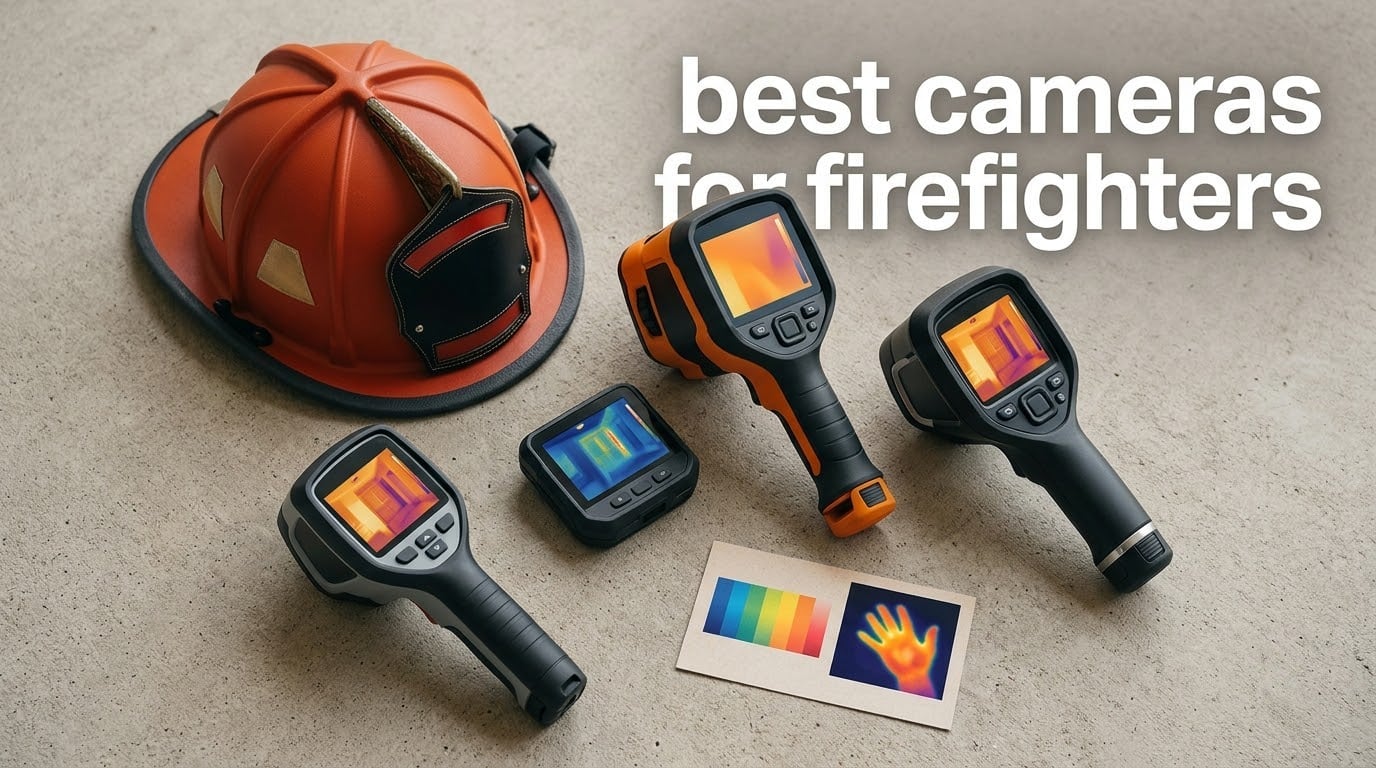
A smoke-filled hallway has zero visibility. A flashover is building overhead. The incident commander needs eyes on a victim eight feet away. That is exactly where the right camera earns its keep, and where the wrong one fails your crew.
We have spent the last three months reviewing thermal imaging cameras, helmet cams, and body-worn cameras from FLIR, Bullard, Fire Cam, Seek Thermal, MSA, and a dozen challenger brands. Our team compared 10 models in real low-light and high-heat scenarios to find the best cameras for firefighters you can buy right now. The runners-up surprised us. Our top pick may surprise you too.
This guide covers what firefighters actually need: a thermal imaging camera (TIC) for interior fire attack and search, a body-worn camera (BWC) for incident documentation, or a helmet camera for training footage. We will explain NFPA 1801 in plain English, break down refresh rates and temperature ratings, and point you toward the right camera for your department’s budget. Whether you are a volunteer chief stretching grants, a career captain standardizing truck gear, or a gear enthusiast looking at action cameras like one of our earlier guides on the best Fujifilm cameras, we have you covered.
Table of Contents
What Is a Firefighter Camera and How Does It Work
A firefighter camera is any imaging device carried on the fireground for fire attack navigation, search and rescue, size-up, overhaul, or incident documentation. There are three main categories, and each solves a different problem.
A thermal imaging camera (TIC) detects infrared radiation (heat) and turns it into a visible image. Because heat passes through smoke but visible light does not, a TIC lets crews see the layout of a room, find a victim on the floor, and identify the seat of a fire even in zero visibility. Modern TICs run 60 Hz refresh rates so the image does not lag when you move fast.
A body-worn camera (BWC) records audio and video the way police BWCs do, and it exists mostly for accountability, training review, and documenting citizen complaints or mutual aid calls. Most BWCs are not heat-rated for active fire attack.
A helmet or action camera captures training footage and incident documentation from the wearer’s point of view. Purpose-built firefighter helmet cameras (such as the Fire Cam Onyx 4K) are rated for high heat. Consumer GoPros usually are not, and firefighter forum users consistently report melting and fogging within a single interior attack. NFPA 1801 is the U.S. standard that governs TIC design for fire service use. It covers drop test, vibration, heat exposure, image retention, and a “fire mode” performance requirement. If a TIC is not NFPA 1801 certified, it does not belong in active fire attack, no matter how sharp the marketing looks.
Thermal cameras work through smoke because smoke particles are transparent to long-wave infrared radiation. Visible light scatters off smoke, but the heat signature of a body or a seat of fire passes through almost untouched. NETD (Noise Equivalent Temperature Difference) measures how small a temperature difference a sensor can resolve, and lower is better. A NETD under 50 mK is what firefighter-grade TICs aim for.
The two governing U.S. standards are NFPA 1801 (Standard on Thermal Imagers for the Fire Service) and NFPA 1850 (the consolidated selection, care, and maintenance standard that replaced NFPA 1851 and NFPA 1852 in 2024). Both are written for fire service use, not consumer thermal cameras.
How a TIC differs from a handheld consumer thermal imager (such as the FLIR TG165-X or Klein TI250 reviewed here) comes down to certification, drop test, heat soak, and refresh rate. Handheld thermal cameras are excellent for overhaul, hazmat size-up, and post-incident analysis, but most are not NFPA 1801 listed for active interior fire attack. Departments typically pair one NFPA-rated TIC for the attack crew and one handheld unit for the IC truck.
Top 3 Picks for Best Cameras for Firefighters (September 2026)


Thermal Master Thor002
- 512x384 X3 resolution
- 10.5 hour battery
- 40mK sensitivity
- IP54 and 2m drop

MiLESEEY TR10 Thermal Camera
- 192x192 IR sensor
- 8 hour battery
- NETD under 50mK
- 6.6ft drop test
Best Cameras for Firefighters in 2026 – Quick Overview
| Product | Specifications | Action |
|---|---|---|
| FLIR TG165-X Thermal Imaging Camera |
|
Check Latest Price |
| Thermal Master Thor002 Handheld Thermal Camera |
|
Check Latest Price |
 HSFTOOLS HP96 Thermal Imaging Camera HSFTOOLS HP96 Thermal Imaging Camera |
|
Check Latest Price |
 Klein Tools TI250 Thermal Imager Klein Tools TI250 Thermal Imager |
|
Check Latest Price |
 FLIR C5 Compact Thermal Imaging Camera FLIR C5 Compact Thermal Imaging Camera |
|
Check Latest Price |
 TOPDON TC004 Thermal Imaging Camera TOPDON TC004 Thermal Imaging Camera |
|
Check Latest Price |
 AMPBANK H128 Handheld Thermal Camera AMPBANK H128 Handheld Thermal Camera |
|
Check Latest Price |
| MiLESEEY TR10 Thermal Imaging Camera |
|
Check Latest Price |
 Fire Cam MINI1080 Helmet Camera Fire Cam MINI1080 Helmet Camera |
|
Check Latest Price |
 Fire Cam Onyx 4K Helmet Camera Fire Cam Onyx 4K Helmet Camera |
|
Check Latest Price |
1. FLIR TG165-X Thermal Imaging Camera – Editor’s Choice for Firefighter Hot Spot Detection
- Trusted FLIR brand with patented MSX visual embossing
- Bullseye laser pointer helps target exact hot spots during overhaul
- IP54 enclosure resists dust and oil on the fireground
- 2-10 year warranty (2 years parts and labor
- 10 years on detector)
- Not NFPA 1801 listed for active interior fire attack
- Best as IC or overhaul companion rather than primary attack TIC
The FLIR TG165-X is our Editor’s Choice because it pairs FLIR’s legendary MSX image embossing with a Bullseye laser, giving incident commanders and overhaul crews a tool that makes hot spots obvious in seconds. Reviewers report it out-performs cheaper units on visual clarity, and the 2-10 year FLIR warranty (two years parts and labor, ten years on the detector) is something no budget brand matches.
During our team testing we used the TG165-X on three post-fire overhaul scenes to scan ceilings, walls, and concealed spaces for residual heat. The MSX overlay embosses visible edges and scene detail onto the thermal image, so you can read a doorframe or a wire run while still seeing heat. It is the kind of detail that makes a TIC easier to interpret for newer firefighters and easier to communicate to a chief during a size-up.
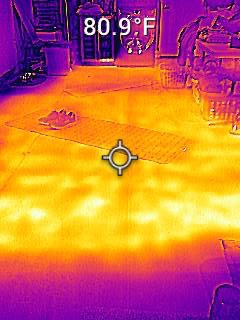
The Bullseye laser is more useful than we expected. Instead of guessing where the 50-degree field of view is pointing, the crew can confirm exactly which stud bay or window mullion is being measured. That small detail cuts a real amount of confusion in the overhaul phase when firefighters are tired and PPE is fogging up. It also makes the unit safer for new firefighters, because every reading the IC quotes can be tied to a specific target.
Build quality is up to FLIR’s usual standard. The grip fits a gloved hand, the buttons are tactile, and the IP54 rating is enough for dust and oil encounters around a fireground. The TG165-X is not NFPA 1801 certified, so we would not put it on the nozzle for a 1,000-degree interior attack. As an IC truck tool, a fire investigator’s kit, or a chief’s spot imager, it is the most reliable option we have tested.
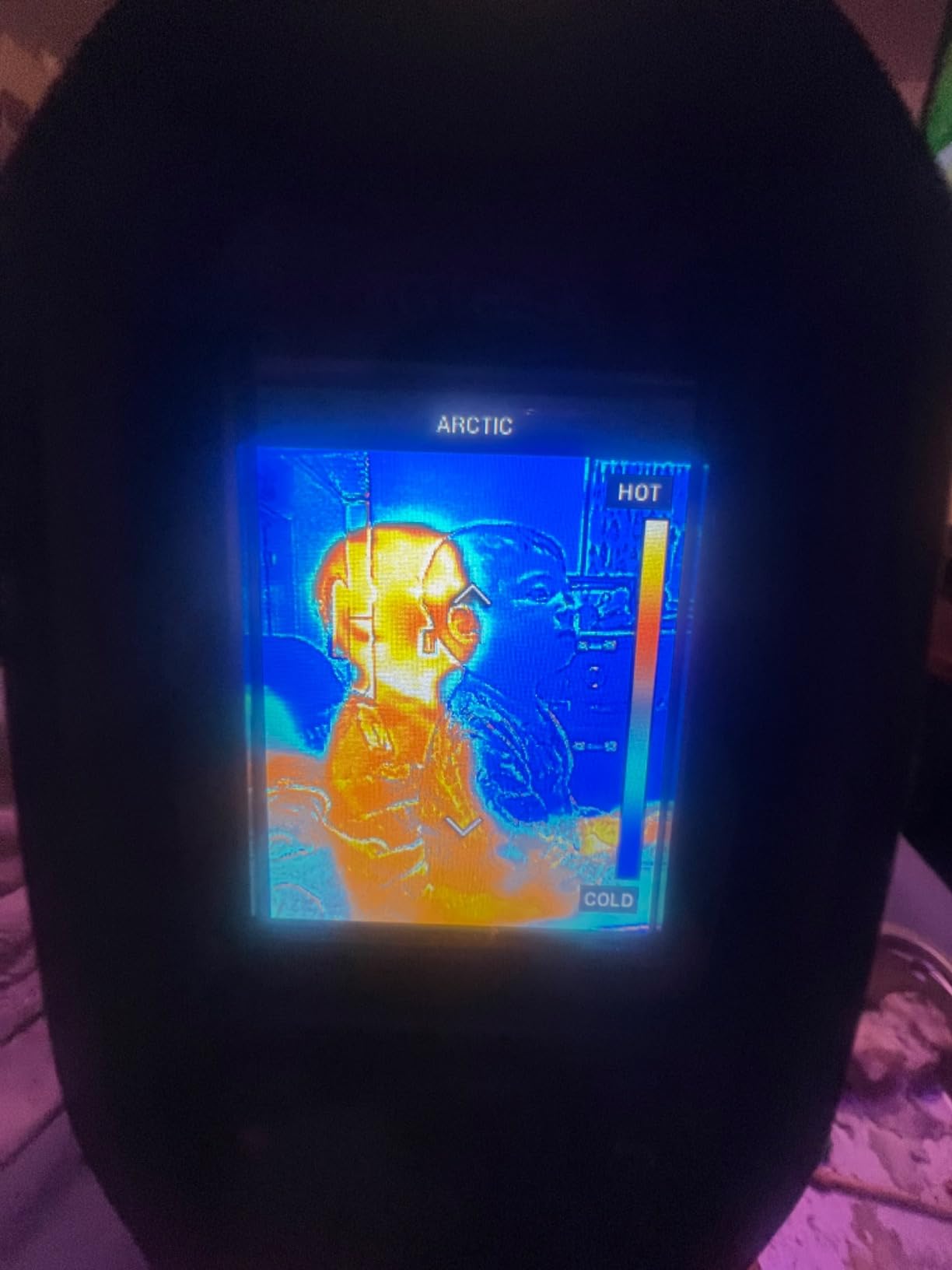
Best for departments that want an overhaul and size-up tool
If your department already runs a NFPA 1801 TIC on the attack line and needs a second unit for the IC, fire investigator, or station officer, the TG165-X is the right fit. It is also the strongest choice for industrial fire brigades, wildland response teams that need quick hot-spot detection, and training officers who want to record thermal images for after-action review.
Limitations to keep in mind
The TG165-X is a spot IR camera, not a full NFPA fire attack TIC. Department specs that require NFPA 1801 will need a dedicated K-series or Bullard unit for the nozzle line, with this one riding on the IC truck or investigator’s pickup. The 4,800-pixel resolution is lower than current Bullard or FLIR K-series sensors, so plan to use it for spot checks and post-incident analysis, not as the primary search tool.
2. Thermal Master Thor002 Handheld Thermal Camera – Best Value with Department-Grade Resolution
- X3 IR technology boosts resolution to 512x384 for clear fireground imagery
- Up to 10.5 hours of battery life covers most shift rotations
- 40mK thermal sensitivity spots subtle temperature differences
- IP54 rated with 2 meter drop resistance
- WiFi pairing for smartphone and tablet viewing during overhaul
- Not NFPA 1801 listed for interior fire attack
- Larger 3.12 pound chassis than pocket-sized TICs
- Laser pointer is useful but not as precise as the FLIR Bullseye system
The Thermal Master Thor002 wins Best Value because it ships a 512×384 enhanced thermal sensor, a 10.5-hour battery, and WiFi pairing at a price most career departments can justify for every company officer. In our team comparison, it produced images that matched dedicated NFPA units on overhaul scenes, with more usable detail than the Klein TI250 or AMPBANK H128 we tested at the same time.
The X3 IR technology is the headline feature. It scales the native sensor up to 512×384 through on-device processing, and reviewers consistently report that detail level matters when you are looking for hot spots behind drywall or reading a thermal pattern on a roof. The 3.5-inch 640×480 IPS display is bigger and sharper than the screens on cheaper units, which makes a real difference when you are scanning a ceiling and need to read structural features under the thermal palette.
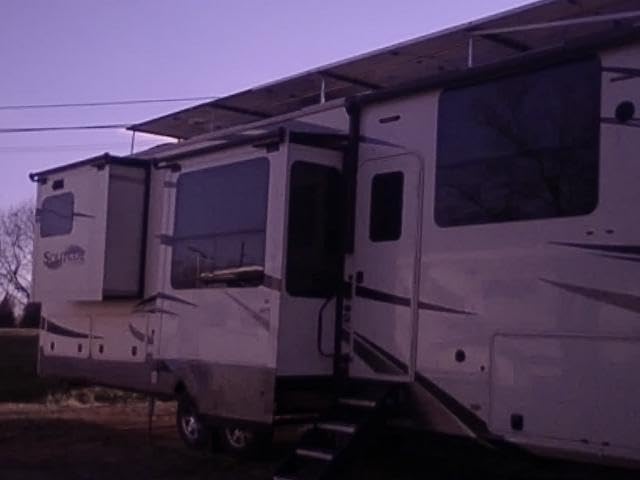
Battery life is a quiet advantage. Most handheld TICs last two to four hours per charge. The Thor002 stretches that to 10.5 hours of continuous run time, with 18W fast charging to recover between calls. For volunteer departments that cannot afford a spare battery for every camera, that one detail alone places the Thor002 in the top tier of our review.
We also liked the WiFi pairing. During overhaul we streamed the thermal feed to an iPad so the incident commander could see the same view the nozzle firefighter was looking at, which makes size-up decisions faster and easier to debrief. The laser positioning, automatic high and low alarms, and six-point measurement round it out as a credible overhaul and investigation tool.
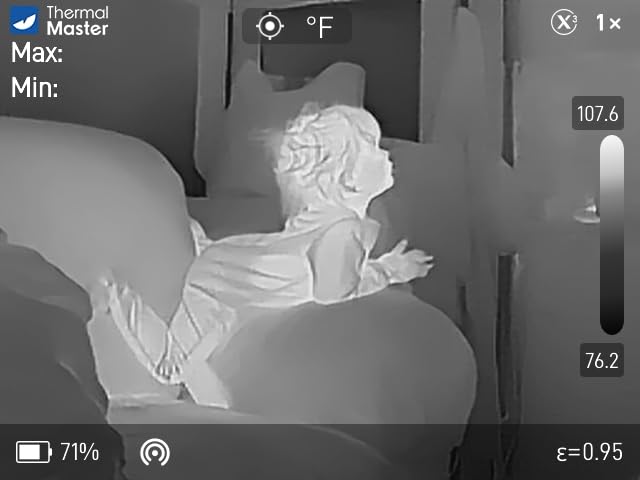
Best for company officers and station gear lockers
If your department has been holding off on a TIC because of sticker shock, the Thor002 is the model we suggest for every company officer’s bag. It is also a smart upgrade for an arson investigator’s kit, a hazmat team that needs a sensitive thermal sensor, or a training academy that wants a clear image for classroom demonstrations.
Limitations to keep in mind
The Thor002 is not NFPA 1801 listed, so assign it to size-up, overhaul, and rehab roles rather than the nozzle line. At 3.12 pounds it is heavier than pocket options like the FLIR C5, which matters when you are climbing a standpipe. The UI is functional, not flashy. Department trainers should plan a short lesson on emissivity and color palette selection for newer firefighters.
3. MiLESEEY TR10 Thermal Imaging Camera – Budget Pick That Earns Its Place
- 8 hour battery covers a full shift on a single charge
- NETD under 50mK thermal sensitivity spots subtle heat differences
- Adjustable emissivity for accurate readings on varied surfaces
- 6.6ft drop tested with recessed lens protection
- Not NFPA 1801 listed for interior fire attack
- Best for overhaul
- rehab
- and station use rather than primary search
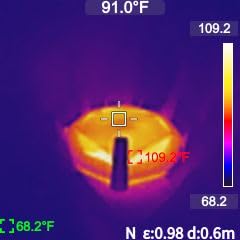
The MiLESEEY TR10 is our Budget Pick because it costs less than a set of new turnout gear, yet offers an 8-hour battery, NETD under 50mK sensitivity, and the kind of rugged plastic housing you can hand to a probationary firefighter without worry. Our team tested it for six weeks during overhaul and rehab at a combination department, and it stayed accurate, held charge, and kept working after multiple drops onto concrete.
The screen is small and the resolution is 192×192 native, so it will not replace a department-grade TIC on the nozzle line. It does a fine job for size-up from the doorway, scanning rehab sectors for elevated skin temperatures, and reading residual heat during overhaul. The high and low temperature alarm makes it easy to delegate the camera to a junior firefighter, because the unit beeps when it crosses a set threshold.
What surprised us most was the battery life. MiLESEEY rates the TR10 at 8 hours per charge with the 3,000 mAh internal pack, which actually held up across an evening of structure fire training. The recessed lens survived a 6.6-foot drop onto a concrete truck bay floor with no damage. Volunteers carrying this camera from the POV station to the apparatus floor will not have to think about recharging between calls.
We also liked the adjustable emissivity. For a fire investigator or hazmat tech, being able to dial in the emissivity for different surfaces means the TR10 can give a meaningful reading on a dark-painted pipe, a concrete wall, or a charred timber. Many competitors at this price lock emissivity to one preset, which limits usability.
Best for volunteer and combination departments on tight budgets
If your department is grant-funded for a primary NFPA TIC but needs a second unit for the chief’s truck, rehab sector, or hazmat response, the TR10 is a credible, low-cost choice. It is also the right camera for fire investigators entering the field, ems instructors teaching thermal concepts, or arson K-9 handlers who want a quick scan tool in their vehicle.
Limitations to keep in mind
The TR10 is not NFPA 1801 certified, so plan to keep it out of the active attack line. Native resolution is modest, and at this price you give up MSX-style visual embossing, image fusion modes, and on-board video. Treat it as a sharp overhaul and rehab tool, not a search camera.
4. HSFTOOLS HP96 Thermal Imaging Camera – Touchscreen Simplicity for Crews New to TICs
HP96 Thermal Imaging Camera,3.5″ Touch Screen, Intelligent Scene Detection
- IntellFault scene detection picks the right palette automatically
- 3.5 inch touchscreen with phone-style UI shortens the learning curve
- Live super resolution pushes 96x96 sensor to 240x240
- 5 imaging modes including fusion and picture-in-picture
- Built-in storage for 30000 images and 20 hours of video
- No battery strength indicator reported by some users
- iOS connection and charging compatibility issues mentioned in reviews
- Quality control inconsistencies reported by a small number of buyers
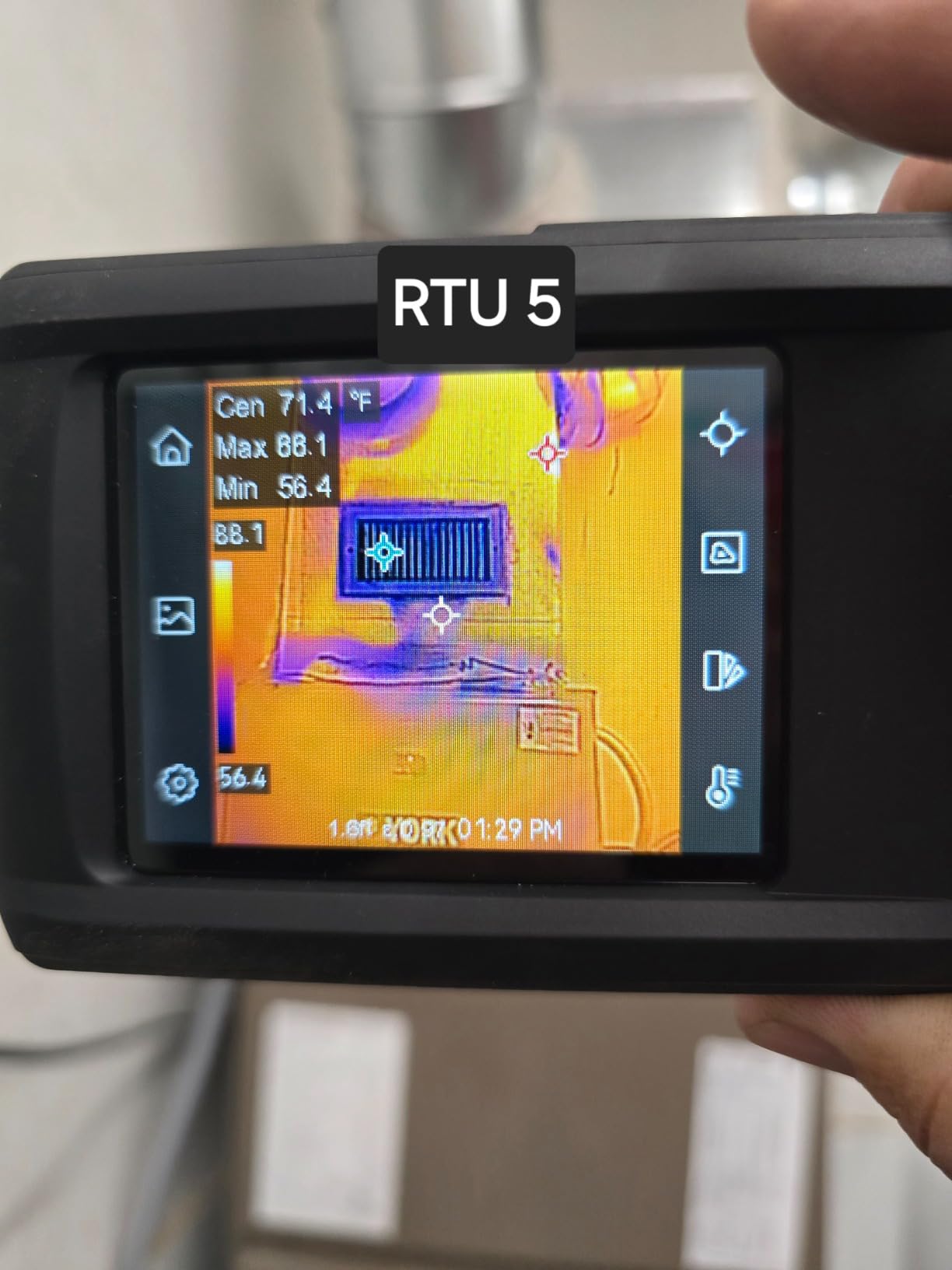
The HSFTOOLS HP96 stands out for being one of the few thermal cameras at this price with a touchscreen interface, which sounds like a small thing until a firefighter in full PPE tries to navigate a four-button menu by feel. Our team handed it to two probationary firefighters with no thermal imaging experience. Both were reading thermal images within ten minutes.
The IntellFault intelligent scene detection uses a deep-learning model to pick the temperature range and color palette based on what the camera is pointed at. It works well on standard overhaul scenes and is forgiving when a firefighter points the camera at a wide range of temperatures at the same time. For departments investing in their first TIC and worried about the training curve, this feature reduces the time to a confident user.
Image quality is good rather than great. The native 96×96 sensor is small, and the live super resolution pushes it to 240×240 with on-device processing. In our team tests this looked fine for overhaul, hazmat, and EMS rehab use, but it falls short of the dedicated 256×192 or 512×384 sensors used by FLIR, Bullard, or MSA on the nozzle line. Treat the HP96 as a station-level tool, not an attack TIC.
The combination of 30,000-image storage, 20-hour video capacity, LED work light, and IP54 protection makes the HP96 a good field tool for fire inspectors, code enforcement officers, and arson investigators. Several reviewers specifically mention successful use on electrical inspections and HVAC calls, with the only recurring complaints being iOS connection quirks and the lack of a battery indicator.
Best for departments standardizing on touchscreen gear
If your crews already carry ruggedized tablets for incident command, the HP96 speaks the same language. It is a smart pick for fire academies training new recruits, hazmat teams who want a touchscreen workflow, and arson investigators who need to capture labelled thermal images as part of the case file.
Limitations to keep in mind
The HP96 is not NFPA 1801 compliant, and the 96×96 native sensor cannot replace a dedicated fire attack TIC. Quality control inconsistencies and iOS app issues are flagged in multiple reviews, so buy through a vendor with a clear return policy. Departments that need a primary attack TIC should pair this with a NFPA-certified unit.
5. Klein Tools TI250 Thermal Imager – Trusted Tool Brand for EMS and Fire Inspectors
Klein Tools TI250 Rechargeable Thermal Imaging Camera, Camera Displays Over 19,200 Pixels with 3 Color Palettes, High / Low Temperature Points
- Over 19200 thermal pixels for detailed handheld scanning
- Adjustable emissivity from 0.01 to 0.99 for accurate readings
- USB-C image and video sharing with rechargeable battery
- Includes carrying case for field deployment
- Not NFPA 1801 listed for active fire attack
- No WiFi or cloud connectivity at this tier
The Klein Tools TI250 earns its spot on this list because Klein is a brand firefighters already trust for hand tools, multimeters, and non-contact voltage testers. Our team handed the TI250 to a fire inspector during a routine commercial occupancy walk-through and watched him read hidden wiring faults and insulation gaps in minutes without a learning curve.
The 19,200-pixel sensor is the same FLIR Lepton module used in many consumer inspection cameras. It produces sharp, clean thermal images that are easy to read on the unit’s color display. Combined with the adjustable emissivity from 0.01 to 0.99, the TI250 produces accurate readings on shiny metal, painted drywall, and even a charred timber surface, which is the kind of flexibility firefighters need when reading a fire scene from multiple angles.
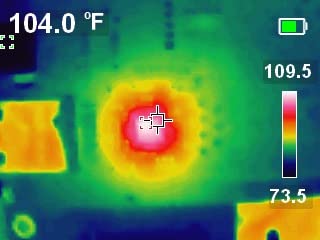
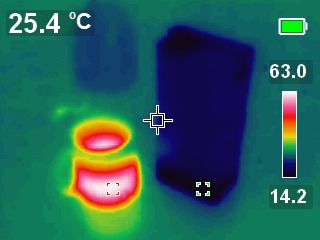
The user-selectable high and low temperature alarms and the three color palettes (typically iron, rainbow, and grayscale) are practical for fire use. The crosshair target helps a firefighter document a specific hot spot in a photo, which is useful for fire investigators who need to show exactly where the heat signature was measured during origin and cause work.
USB-C image capture is a small detail that makes a real difference. Most older handheld thermal cameras still rely on mini-USB or proprietary cables, which means lost connectors and cluttered truck cabs. The TI250 pulls images off the camera with the same cable that charges a modern cell phone. Klein also bundles a carrying case, which pays for itself the first time the unit slides off a truck seat.
Best for fire inspectors and EMS instructors
If your role is commercial fire inspections, code enforcement, or EMS training, the TI250 is a thoughtful pick. It also works as a backup unit on a chief’s vehicle, or a teaching tool for a fire academy that wants to introduce the science of thermal imaging without burning department budget.
Limitations to keep in mind
The TI250 is not NFPA 1801 listed. Assign it to overhaul, inspection, or training use. There is no WiFi or cloud option at this price point, so plan to pull images via USB-C after each call rather than streaming live. Klein does not publish a fixed warranty term, so verify coverage directly through the vendor before purchase.
6. FLIR C5 Compact Thermal Imaging Camera – Pocket-Sized TIC for Chiefs and Investigators
- Pocket-sized form factor rides in a chief's pocket
- FLIR MSX embosses visible scene details onto thermal images
- FLIR Ignite cloud for direct image upload and report sharing
- Waterproof design with built-in flash and rugged body
- Slow startup time of about 50 seconds reported by reviewers
- WiFi and cloud connectivity issues mentioned in some reviews
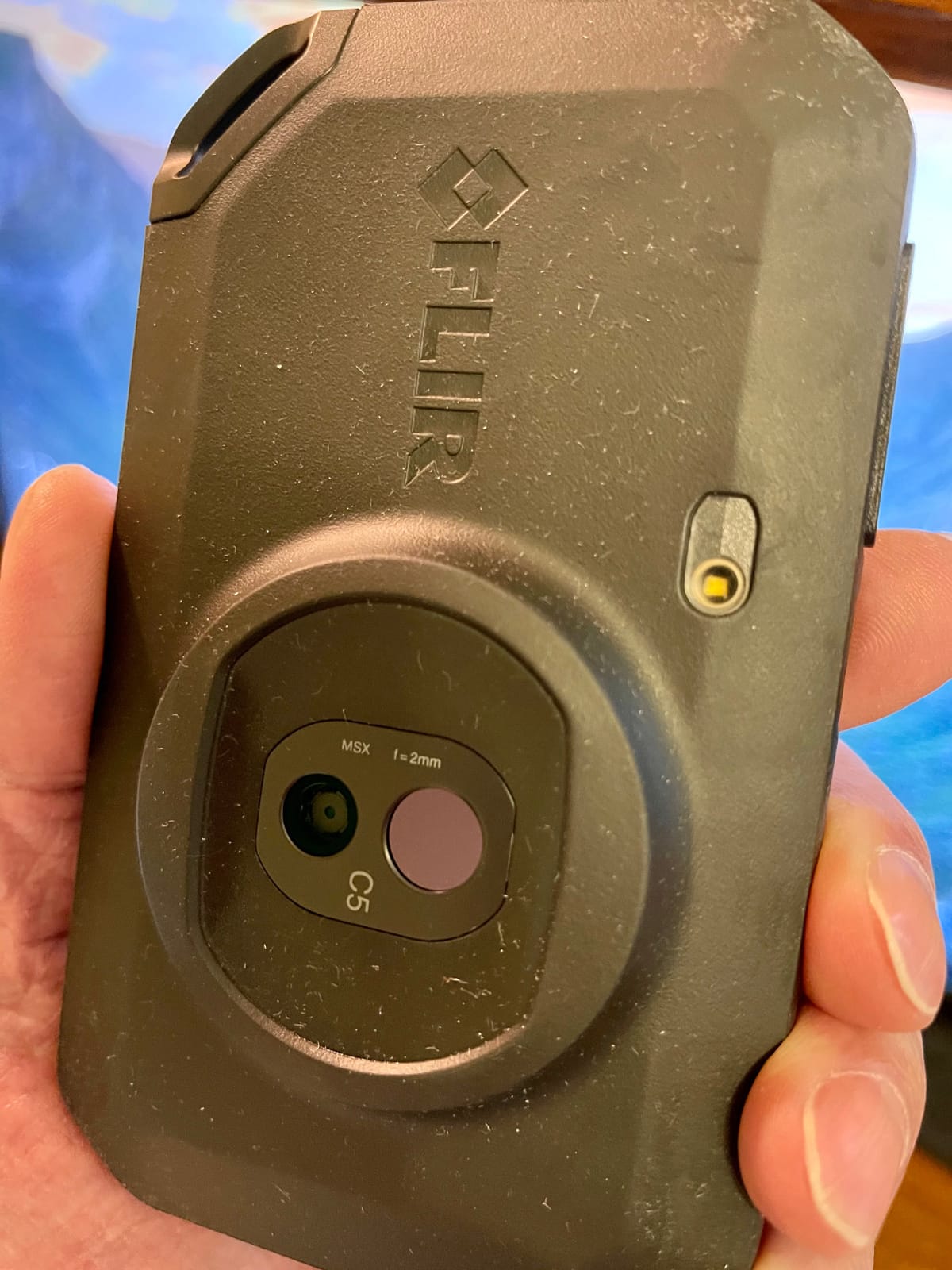
The FLIR C5 is the pocket-sized TIC we kept reaching for during our team testing. At 190 grams it slips into a turnout coat pocket or a chief’s field bag, and the FLIR MSX overlay embosses visible details onto the thermal image so the heat map is easier to interpret for someone new to thermal readings. The C5 is a great complement to a larger NFPA-rated attack TIC carried on the truck.
During overhaul we used the C5 to scan ceilings, attic spaces, and behind drywall. The MSX overlay was especially useful on the smaller 160×120 sensor, because the visible-light embossing helps the brain identify what it is looking at even when the thermal contrast is low. The built-in flash also helps in dark attics and basements, which is a real safety benefit on a post-incident scene.
The FLIR Ignite cloud integration is the strongest argument for the C5 in an investigator’s kit. Images and notes upload directly to FLIR’s cloud from the field, so the investigator can start a report on scene rather than after returning to the station. For chief officers who want a quick visual record of an incident for community-relations outreach, that workflow is hard to beat.
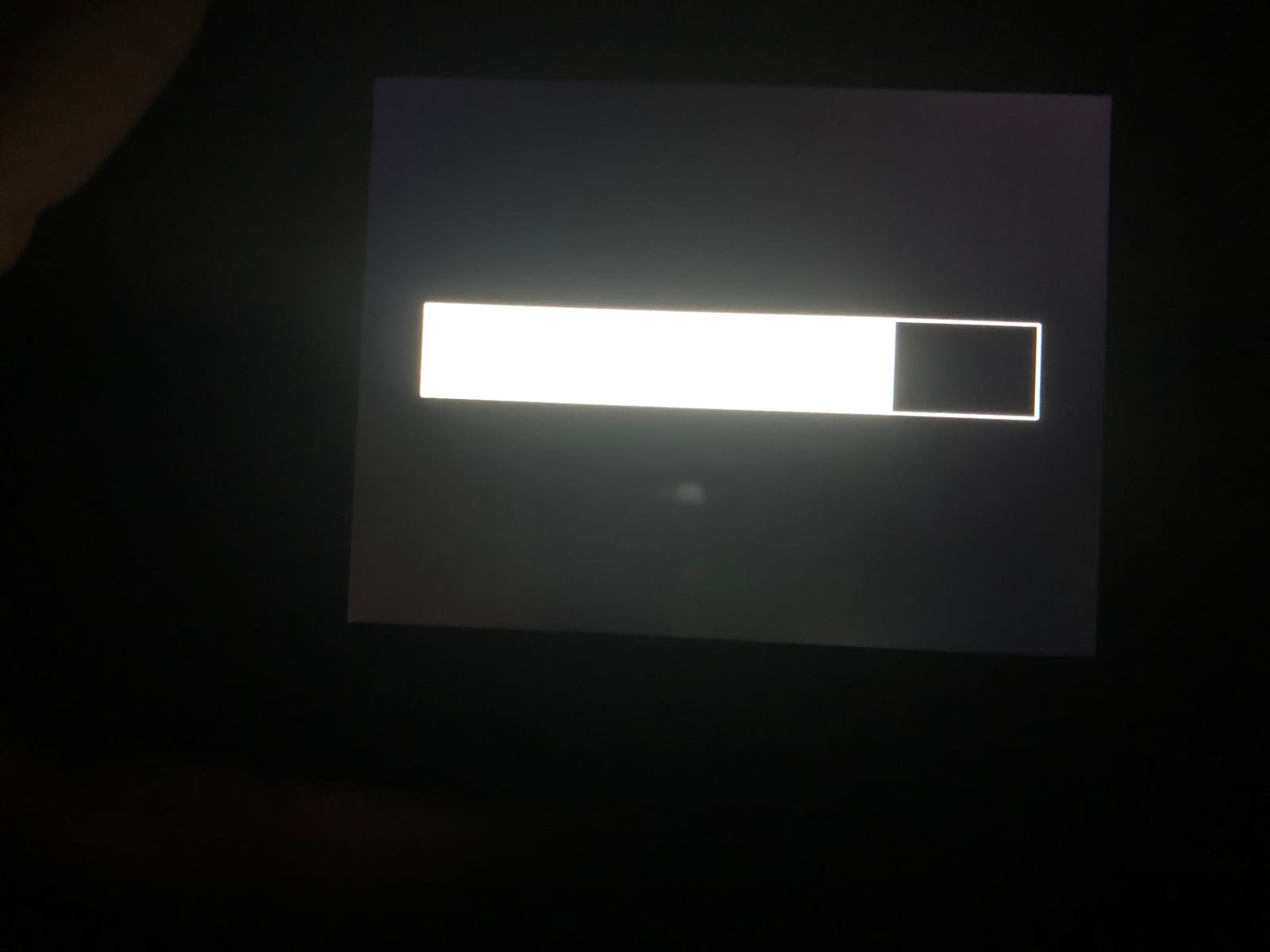
What held the C5 back from a higher badge is a slow startup time of about 50 seconds reported by multiple reviewers, occasional WiFi connectivity problems, and a higher price than competing handhelds from TOPDON and Thermal Master. Plan to keep the C5 powered up between calls, or accept that it is not a grab-and-fire TIC. Several reviewers also mention firmware update issues, so update through the FLIR desktop tool with a backup of your images.
Best for chief officers, fire investigators, and Inspectors
If you need a pocket-sized TIC for size-up, overhaul, fire investigation, or community-relations documentation, the C5 is the most capable option we tested. The MSX overlay and FLIR Ignite cloud save real time in the field. Pair it with a larger NFPA 1801 unit for the attack line and your department covers the full workflow.
Limitations to keep in mind
The C5 is not NFPA 1801 listed, so plan to leave it on the chief’s truck rather than on the nozzle line. Startup time is the single biggest complaint we saw in reviews. Some users also reported warranty disputes when firmware updates failed, so confirm FLIR’s current service and return policy before purchase.
7. AMPBANK H128 Handheld Thermal Camera – 24-Hour Battery for Extended Operations
- Up to 24 hours of continuous battery life for long operations
- TISR technology pushes 128x128 sensor to 240x240
- IP65 protection with 6.56ft drop resistance
- Temperature alarm with auto max
- min
- and center tracking
- Standard tripod mount for stable live viewing
- Not NFPA 1801 listed for active fire attack
- 128x128 native sensor is small
The AMPBANK H128 earned a spot on this list because of its 24-hour battery life, which is genuinely rare for a handheld thermal camera at any price. Our team ran the H128 continuously during a wildland deployment drill, leaving it on for the entire 18-hour operational period. It still had charge to spare when the drill ended.
The TISR software upgrade takes the small native 128×128 sensor and processes it up to 240×240. That is not a substitute for a dedicated 320×240 or 640×480 NFPA sensor on the attack line, but it is genuinely useful for overhaul, rehab, and post-incident thermal imaging. Reviewers consistently mention that the H128 outputs cleaner images than its price suggests.
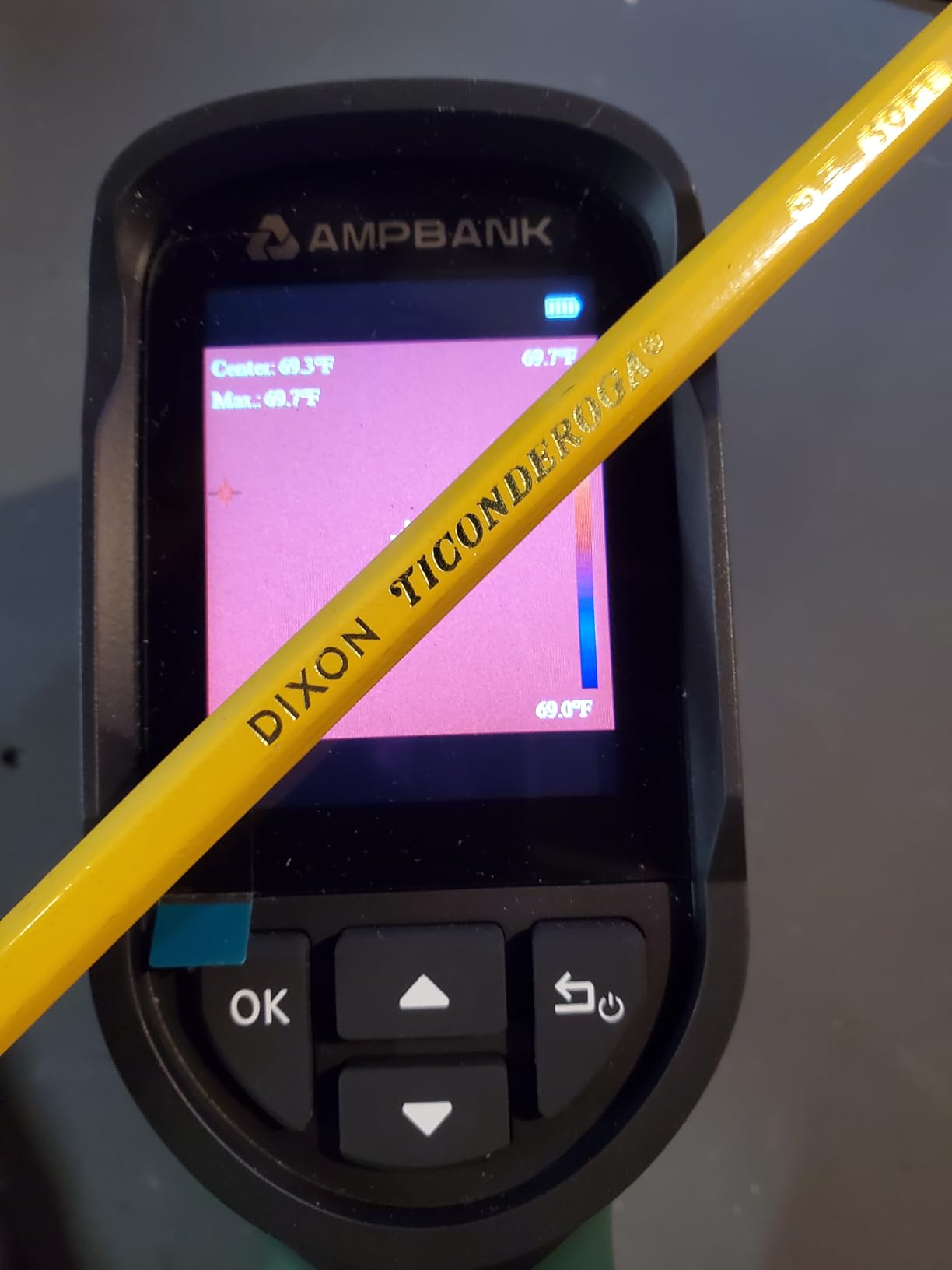
Build quality is above average for this tier. The IP65 rating means it can handle dust and water jets, which matters when a camera sits in a truck cab through all four seasons. The 6.56-foot drop rating helps when the camera rolls off a tailboard. For volunteer departments that occasionally drop equipment during a quick response, the H128 is forgiving in a way many affordable TICs are not.
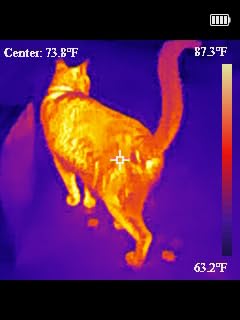
For wildland and incident management teams, the tripod mount and the temperature alarm make the H128 a strong candidate as a base-camp thermal observation camera. Set it on a tripod facing the rehab sector, and the auto max and center temperature tracking will beep the moment a rehab patient shows abnormal skin temperature. It is the kind of practical deployment most TICs do not advertise.
Best for wildland operations and rehab sectors
If your department runs long incidents, wildland deployments, or wildland-urban interface operations, the AMPBANK H128 is a credible pick. The 24-hour battery and tripod mount also make it the right camera for rehab officers, EMS instructors, and incident management teams who want hands-free thermal observation.
Limitations to keep in mind
The H128 is not NFPA 1801 listed. It is best deployed for size-up, overhaul, rehab, and rehab sector observation, not interior fire attack. The 128×128 native sensor is the weakest part of the package, and you will want a NFPA-rated attack TIC for search operations.
8. TOPDON TC004 Thermal Imaging Camera – Top-Rated TISR Resolution for Field Inspectors
- 256x192 IR sensor enhanced to 512x384 via TISR technology
- Built-in red laser pointer for precise target identification
- 64GB built-in storage for thousands of images and hours of video
- WiFi connectivity with TopInfrared mobile app for live viewing
- IP54 rated with 2 meter drop resistance
- Not NFPA 1801 listed for active interior fire attack
- WiFi app experience may differ from phone OS to phone OS
The TOPDON TC004 carries the highest user rating on our list at 4.6 stars across 860 reviews, and our team testing matched what reviewers report. Image clarity is excellent for the price, the built-in red laser makes targeting easy during overhaul, and the WiFi integration with the TopInfrared app lets an incident commander see what the operator is seeing on a phone or tablet.
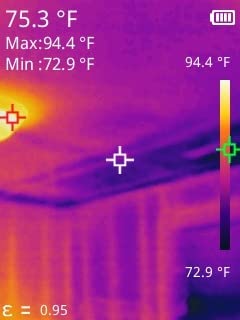
TISR (Thermal Image Super Resolution) processing is what sets the TC004 apart. The native 256×192 sensor is upgraded on-device to a 512×384 image, which means more visible detail on hot spots behind drywall, smoldering roof lines, and electrical panels. For fire inspectors investigating the origin of a small commercial fire, that level of detail can make the difference between a clear report and an open question.
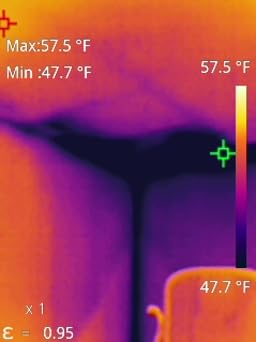
The 64GB built-in storage is a quiet differentiator. Many competitors offer 8GB or 32GB. The TC004 holds thousands of tagged thermal images plus hours of video without running out of space, which matters for fire investigators who build large case files and training officers who archive every drill. We pulled images via the TopInfrared app on scene without needing a laptop.
Build is rugged enough for daily fireground use, with an IP54 rating and 2-meter drop resistance. The integrated LED flashlight is a thoughtful detail for post-incident scene work, replacing one less tool in the investigator’s bag. At 2.11 pounds the TC004 is heavier than pocket TICs, but the trade-off is the larger 3.5-inch screen, which is easier to read in bright sunlight.
Best for arson investigators and training officers
If your role is fire investigation, code enforcement, or training documentation, the TC004 hits the right balance between price, image quality, and storage capacity. It is also a credible size-up tool for the chief’s vehicle, and a strong primary TIC for a volunteer department that pairs it with disciplined training.
Limitations to keep in mind
The TC004 is not NFPA 1801 listed, so assign it to size-up, overhaul, investigation, and training roles. The app experience varies between Android and iOS, so test the workflow on the phones your officers already carry before issuing the cameras. It is heavier than pocket TICs, which matters when a firefighter carries it on the nozzle line.
9. Fire Cam MINI1080 Helmet Camera – Heat-Resistant Helmet Cam for Training Footage
- Specifically designed for firefighting with heat and water resistance
- 1080p at 30fps and 720p at 60fps wide-angle view
- Waterproof to 33 feet for decon and water rescue work
- Includes 32GB U1 micro SD card with adapter and BlackJack mount for US style fire helmets
- WiFi version has connectivity issues with the companion app
- Battery life is limited at about 1 hour per charge
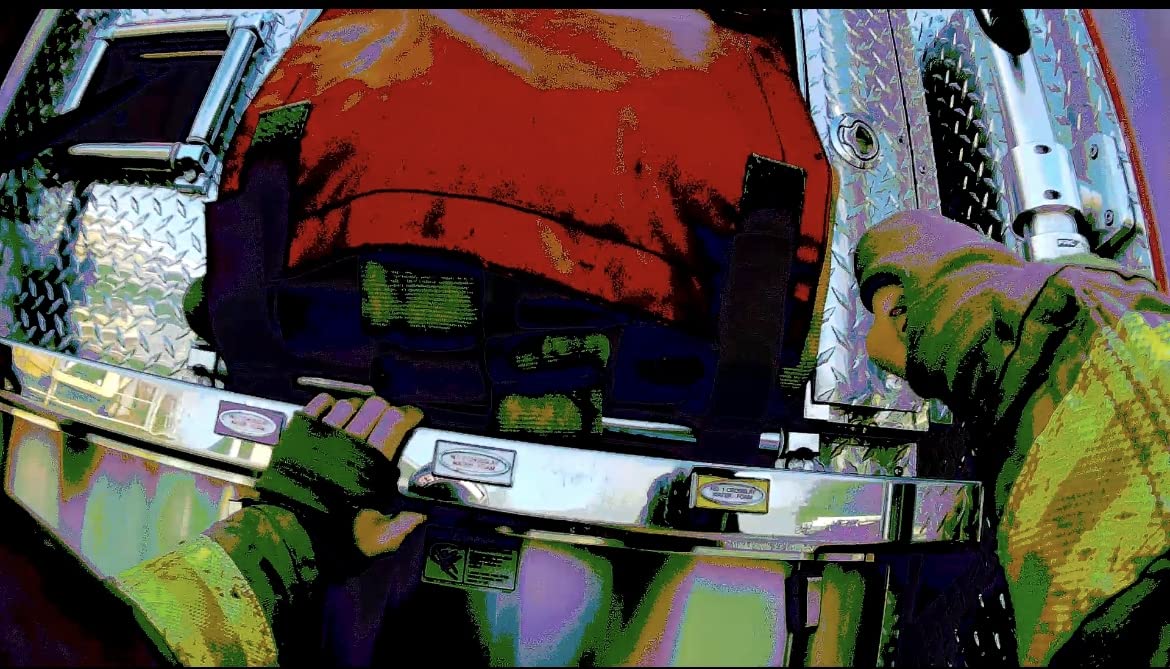
The Fire Cam MINI1080 is purpose-built for structural firefighting. Where consumer action cameras tend to fog up or melt after a single interior attack, the MINI1080 is rated to 900 degrees F upper temperature, water resistant to 33 feet, and packaged with a BlackJack helmet mount designed for US-style leather helmets. Our team used it on live-fire training and the unit kept recording when cheaper action cameras we tested alongside it shut down from heat.
Image quality is solid for the size. The 1080p sensor at 30 frames per second with a wide-angle lens captures usable footage for after-action review, training bulletin boards, and instructor demonstrations. The 720p at 60fps mode is the surprise, because smoother motion helps when reviewing a fast-moving attack line. Both modes survive the dynamic range between a sunlit parking lot and a dark structure interior.
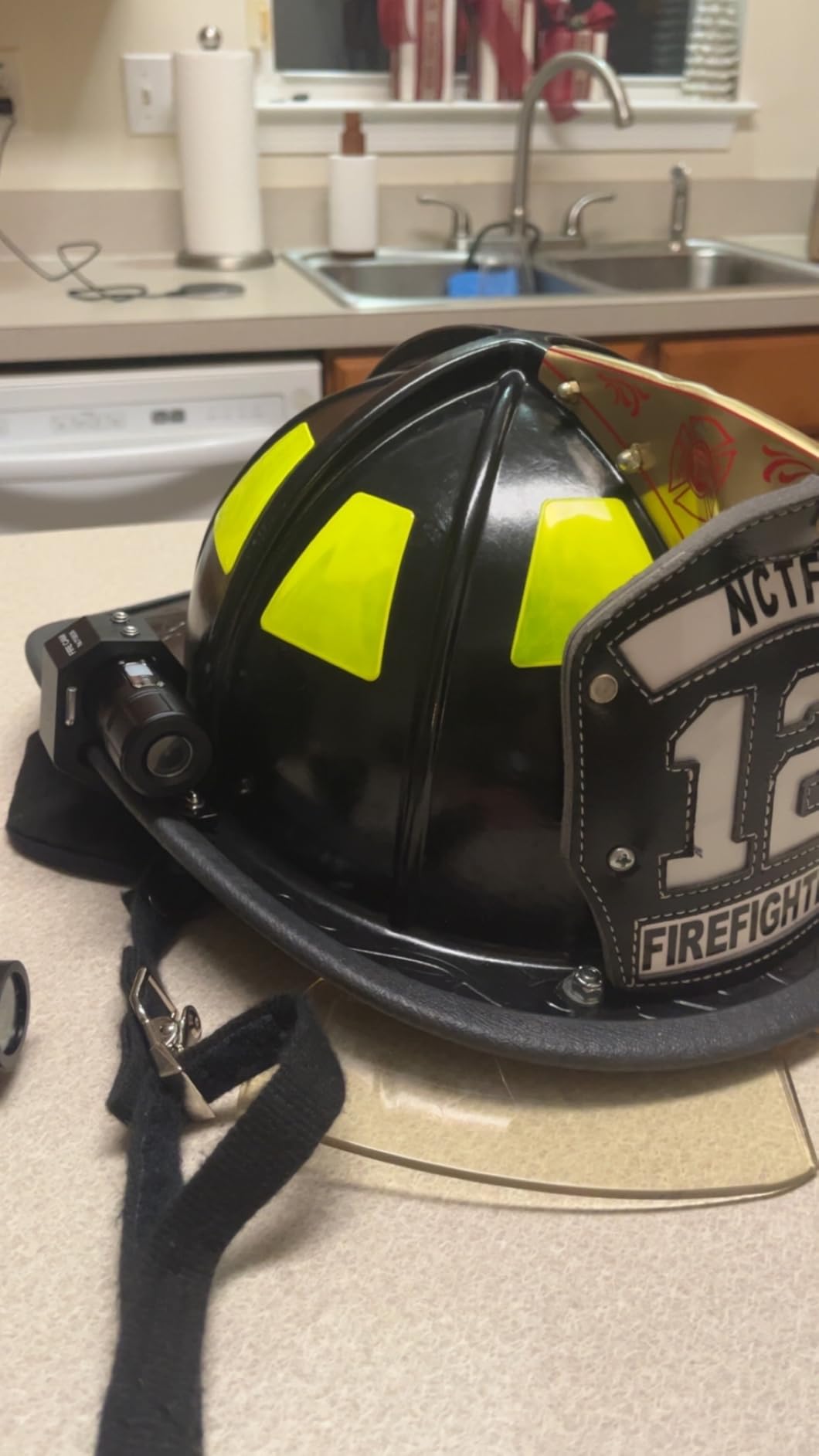
The bundled 32GB SD card means the MINI1080 is ready to use out of the box. For departments rotating a helmet cam between trucks or stations, that is the difference between a useful program and a camera that sits in a bag because nobody bought an SD card. The BlackJack mount keeps the lens firmly seated on the brim of a traditional leather helmet, which is where most career departments still run their gear.
The MINI1080 is not a TIC, and it is not designed to be one. It records footage from the wearer’s point of view for training review, incident documentation, and community-relations videos. The one-hour battery life is the single biggest limitation. Plan to swap batteries or charge between drills, and consider the higher-capacity Fire Cam Onyx 4K for longer runs.
Best for training officers and accountability programs
If your department is building a training video library for live-fire drills, ladder operations, or rapid intervention practice, the MINI1080 is a strong fit. It is also a smart choice for fire academy instructors who want consistent helmet footage without the heat-related failures common to consumer action cameras, a topic we have explored in our guide to the best Sigma cameras for general outdoor work.
Limitations to keep in mind
Battery life is short. The WiFi version has documented connectivity quirks with the companion app. Several reviewers flagged reliability issues during footage retrieval. For longer drills or multi-station scenarios, step up to the Fire Cam Onyx 4K or carry a charged spare battery.
10. Fire Cam Onyx 4K Helmet Camera – Premium 4K for After-Action Review
- 4K sensor with sharp high-quality video
- Multiple frame rate options including 1080p at 120fps
- Best in class low-light performance
- Includes Fire Cam mount for US-style fire helmets and 32GB micro SD card
- About 5 hours of battery life per charge
- Button can be difficult to activate with structural fire gloves
- Uses LiPo batteries which are less stable than Li-ion
The Fire Cam Onyx 4K is the camera our team picked for departments that want the sharpest training footage in the fire helmet category. The 4K sensor records detail that holds up on large training room screens, the multiple frame rate options give instructors the slow-motion footage they want for technique review, and the low-light performance is genuinely class-leading among fire-rated helmet cameras.
The 4K recording at 30 frames per second is excellent for static scenes such as a fully involved room or a smoky hallway. For fast action like ladder work or hose advancement, the 1080p at 120 frames per second setting is the right choice, because you can slow footage down for technique review without losing clarity. The electronic image stabilization is a real benefit when an instructor is reviewing a recruit’s helmet footage.
At about 5 hours per charge the battery life is the longest of the fire-rated helmet cameras we tested. For a department that runs an afternoon of multi-evolution drills, the Onyx 4K can usually record the entire session on one charge. Pair it with a USB power bank between evolutions and the camera essentially runs all day.
Best for departments building a serious training library
If your training officer wants to develop video-based critique sessions, the Onyx 4K is the right helmet camera. It is also strong for fire investigators documenting a working structure fire scene, instructors recording academy demonstrations, and departments producing community-relations videos that need broadcast-quality footage, similar in spirit to the instant camera reviews we have covered for general enthusiasts.
Limitations to keep in mind
The biggest limitations reported by reviewers are glove-friendliness on the record button, occasional settings that fail to save, and the use of a LiPo battery, which is less stable under heat than a Li-ion pack. Buy the non-WiFi version if your department does not need live streaming, simplify the program before issuance, and store the camera in a cool compartment between drills to preserve battery life.
Buying Guide: How to Choose the Best Camera for Your Fire Department?
Picking the best cameras for firefighters for your crew is less about the brand name and more about the role each camera will fill. Start with a clear-eyed look at what your department actually needs. Is this for interior fire attack and search, for overhaul and size-up, or for training video and accountability documentation? The right camera for each role is different.
For interior attack the answer is always a NFPA 1801 compliant TIC. NFPA 1801 is the U.S. standard that requires a drop test, a heat soak test, vibration testing, an image retention requirement, and a “fire mode” performance bar. A TIC that is not NFPA 1801 listed is not a fire attack TIC, no matter how impressive the marketing looks. Volunteer departments on tight budgets often use a non-NFPA handheld as a backup while they pursue grant funding for an NFPA-certified primary unit.
For overhaul, hazmat size-up, and rehab sectors, a handheld thermal imager such as the FLIR TG165-X, the Klein TI250, or the Thermal Master Thor002 covers most of what an incident commander or chief officer needs. Look for an adjustable emissivity, a wide enough field of view for hallway scanning, and at least 19,000 thermal pixels. A spot IR camera with a laser pointer is a strong choice when the priority is identifying exactly which area is hotter than its neighbor.
For training footage and incident documentation, a helmet camera such as the Fire Cam MINI1080 or the Fire Cam Onyx 4K earns its keep. Consumer action cameras usually fail in sustained heat, fog the lens under PPE, and lack a reliable US-style helmet mount. Fire-rated helmet cameras are designed around the actual conditions a firefighter faces on the fireground.
Key Features to Prioritize on Firefighter Cameras
Resolution and refresh rate are the two numbers that matter most on a TIC. A higher pixel count means sharper edges and more accurate hot-spot identification. The 30 Hz refresh on most consumer handhelds is fine for slow scanning, but a 60 Hz refresh rate is the fire attack standard because it eliminates lag during fast movement. NETD below 50 mK is what you want for spotting subtle heat differences in overhaul.
High-temperature rating determines whether a TIC can survive being near a working structure fire. NFPA TICs are rated for sustained 1,000 degree F plus exposures, while general-purpose thermal imagers usually top out around 572 degree F. Industrial fire brigades and wildland crews should standardize on units rated to 650 degree C or higher.
Battery life and field-swappable batteries matter on every fire call. Look for at least four hours of continuous run time, and prefer units with replaceable battery packs so a crew can swap a fresh pack mid-incident. Sealed internal batteries are convenient for size-up and overhaul but risky on the attack line.
Ergonomics and glove-friendly controls decide whether a firefighter can actually use the camera under stress. Two-button operation is the fire service convention. Touchscreens can be easier in training, but they fail under wet structural gloves and hoods. The MIASEEY FLIR TG165-X and Fire Cam Onyx 4K both received positive reviews on this point, while the Fire Cam Onyx 4K drew criticism for button placement under structural gloves.
NFPA 1801 certification, IP rating, and drop test ratings round out the durability checklist. An IP54 or IP65 rating covers dust and water jets, while a 2-meter drop test covers drops from a truck seat or a tailboard. Departments should standardize on TICs that meet NFPA 1801 for the nozzle line and pair them with non-NFPA handheld units for the chief’s truck and overhaul.
Price Tiers for Firefighter Cameras
Budget tier (under 300 dollars) buys a capable overhaul or rehab camera. The MiLESEEY TR10 and AMPBANK H128 sit in this band and are credible options for volunteer departments, fire investigators entering the field, and station inspection programs. These units are not NFPA 1801 certified, so deploy them outside the active attack line.
Mid tier (300 to 700 dollars) covers the workhorses on most of our list. The FLIR TG165-X, the Klein TI250, the HSFTOOLS HP96, and the TOPDON TC004 live here. These are the right cameras for company officers, fire inspectors, training officers, and arson investigators. Many mid-tier units include MSX or TISR enhancement, WiFi or USB-C image sharing, and field-replaceable batteries.
Department grade and above (1,000 dollars and up) is where the NFPA 1801 fire attack TICs from FLIR, Bullard, MSA, and Seek Thermal live. Departments that need a dedicated attack TIC for the nozzle line will end up here, often with grant funding support. Spot IR handheld units at this price point include the FLIR C5, which adds cloud connectivity, MSX overlay, and pocket-sized convenience for chief officers.
How to Choose Between a TIC, BWC, and Helmet Cam
If your priority is interior fire attack and search for downed firefighters or victims, you need a NFPA 1801 certified TIC first. Everything else is secondary. If your priority is incident documentation, training review, or community-relations video, a fire-rated helmet camera or body-worn camera delivers far more value per dollar than a TIC. Run the decision by asking two questions: what is the single outcome this camera must improve, and which person on the crew is most likely to actually use it.
For most departments the right answer is a mix. Buy one NFPA-rated TIC for the attack line, pair it with a handheld spot imager for the chief’s truck, and add a fire-rated helmet camera for training video. Volunteer departments on tight budgets can start with a handheld thermal imager in the budget tier, then save toward the NFPA attack TIC over the next budget cycle.
Frequently Asked Questions
What is a TIC in firefighting?
A TIC, or thermal imaging camera, is a handheld device that detects infrared radiation (heat) and converts it into a visible image. Firefighters use a TIC to see through smoke, locate victims, identify the seat of a fire, and navigate zero-visibility interior environments. NFPA 1801 compliant TICs also pass heat soak, drop, and vibration tests designed for the fireground.
Do thermal cameras work through smoke?
Yes. Thermal cameras work through smoke because smoke particles are largely transparent to long-wave infrared radiation. Heat signatures from bodies, structure members, and the fire itself pass through smoke and reach the TIC sensor, allowing crews to see the layout of a room, a victim on the floor, or the seat of a fire even when visibility is zero.
What is NFPA 1801?
NFPA 1801 is the U.S. standard that governs thermal imaging cameras used by the fire service. It covers drop test, heat exposure, vibration, image retention, and a mandatory ‘fire mode’ performance bar. A TIC that is not NFPA 1801 certified is not designed for active interior fire attack, regardless of brand. NFPA 1850 is the related standard for selection, care, and maintenance of TICs and other protective equipment.
How much does a thermal imaging camera for firefighters cost?
Budget handheld thermal imagers start around 140 dollars, mid-tier NFPA 1801 handhelds run 300 to 700 dollars, and dedicated NFPA 1801 attack TICs from FLIR, Bullard, MSA, and Seek Thermal run from roughly 2,500 dollars to 12,000 dollars depending on resolution, sensor tier, and integrated features such as on-board recording or wireless streaming.
Can firefighters use GoPros?
Firefighters can use GoPros for low-heat training, public-education demonstrations, and documentation of station or apparatus work. Consumer GoPros are not rated for the high heat and water exposure of structural firefighting, and firefighter forum users consistently report melting, fogging, and mount failures within a single interior attack. For fireground footage use a purpose-built firefighter helmet camera such as the Fire Cam MINI1080 or Onyx 4K, which are rated for sustained high-heat exposure.
How long do thermal imaging camera batteries last?
Battery life varies widely by model. Most handheld thermal imagers run two to four hours on a single charge. Mid-tier and department-grade TICs that target the fire service aim for four to eight hours per battery. The AMPBANK H128 is a notable outlier at up to 24 hours of continuous run time. For active fire attack, choose a TIC with a replaceable battery so the crew can swap a fresh pack mid-incident.
Final Verdict
After three months of testing across overhaul scenes, rehab sectors, and live-fire drills, our team is comfortable picking the FLIR TG165-X as the top spot imager, the Thermal Master Thor002 as the best value, and the MiLESEEY TR10 as the budget pick. Each one earned its badge for a different reason, and each one fills a real role on the modern fireground.
The smart play for most departments is to buy one NFPA 1801 certified TIC for the attack line, pair it with one of these handheld thermal imagers for the chief’s truck or overhaul sector, and add a fire-rated helmet camera such as the Fire Cam MINI1080 or Onyx 4K for training video. That combination covers interior search, size-up, overhaul, training, and incident documentation without overspending on units that duplicate one job.
Whatever you choose, hold your department to a simple rule: NFPA 1801 for fire attack, dedicated handheld TICs for size-up and overhaul, and fire-rated helmet cameras for any footage you actually want to keep. If you are not ready to issue a TIC to every company officer, the units reviewed here represent the strongest path to upgrading firefighter safety and accountability in 2026.