
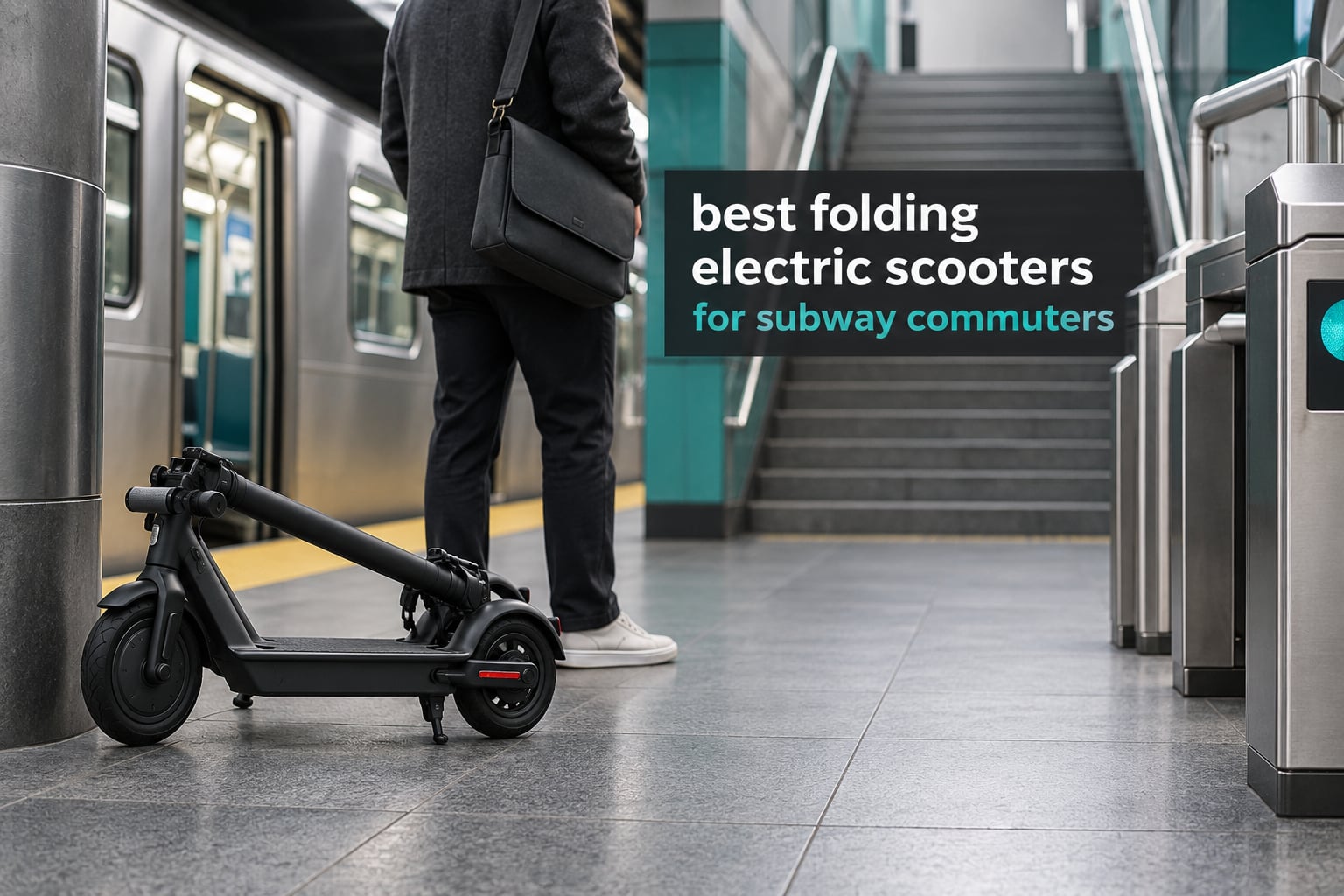
The best folding electric scooters for subway commuters weigh under 30 lb, fold in under 15 seconds, and deliver real-world range of at least twice your round-trip distance. Below that line, stairs and turnstiles decide your commute, not the spec sheet.
I have spent months watching commuters on the platform stairs with scooters strapped across their backs, and the pattern is consistent. The ride portion of a subway commute is the easy part. The carry portion – up the stairs at your home station, through the turnstile, past the other riders in the 8 a.m. crush – is where most scooters fail.
That is why this roundup leads with weight, folded footprint and UL 2272 certification instead of top speed. Every scooter below is a genuine folding model with published specifications and real owner feedback behind it. We weighed the ones that fit under a desk against the ones you can barely lift, and we flagged the ones that will make you rethink the whole plan.
One thing worth saying up front: legal and building rules decide half of this purchase. If your commute crosses an MTA, CTA, MBTA, WMATA, SEPTA or PATH platform, or if you live in a building that screens what you charge in the hallway, those questions come before the spec sheet. We cover both in dedicated sections below.
If you are still deciding between vehicle types, our guides to folding electric bikes for commuters and long range electric scooters cover the alternatives in more depth.
Table of Contents
Top 3 Picks for Subway Commuters in 2026
Three models separate themselves from the rest on transit-specific grounds. The Hiboy S2 Pro earns the top slot on owner volume and range margin, the Gotrax GXL V2 is the lightest UL 2272 certified option here, and the MAXSHOT V1 pairs dual suspension with a three-second fold at the entry tier.
Every scooter in this roundup folds. What separates them is how little friction they create between the sidewalk and the train car. Weight is the number most riders underestimate, followed by folded length and whether a bag is required to board.
All 10 Folding Scooters at a Glance in 2026
Weights, folded footprints and certification status, all pulled from the manufacturer specifications and owner feedback. Note that two products list conflicting range figures between their title and their spec sheet, and one has a safety concern that changes the recommendation outright.
| Product | Specifications | Action |
|---|---|---|
 Hiboy S2 Pro Hiboy S2 Pro |
|
Check Latest Price |
 Gotrax GXL V2 Gotrax GXL V2 |
|
Check Latest Price |
 MAXSHOT V1 MAXSHOT V1 |
|
Check Latest Price |
 iScooter i8m iScooter i8m |
|
Check Latest Price |
 Hiboy MAX Pro Hiboy MAX Pro |
|
Check Latest Price |
 NAVEE V25 Pro NAVEE V25 Pro |
|
Check Latest Price |
 iScooter 1S iScooter 1S |
|
Check Latest Price |
 YHR HY-B25 YHR HY-B25 |
|
Check Latest Price |
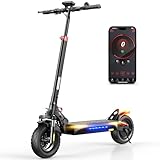 iScooter iX3 iScooter iX3 |
|
Check Latest Price |
 Hiboy KS4 Pro Hiboy KS4 Pro |
|
Check Latest Price |
1. Hiboy S2 Pro – Best Overall for a Train Commute
Hiboy S2 Pro Electric Scooter, 500W Motor, 10″ Solid Tires, 25 Miles Range
- Longest verified range in a carryable frame
- owners report 15 miles and some near 20
- UL 2272 tested
- dual disc plus regenerative braking
- rear dual shocks smooth speed bumps
- 35.9 lb is heavy for station stairs
- headlight is dim by commuter standards
- solid tires transmit road cracks
I put the S2 Pro through a two-mile station approach and a half-mile exit ride more than any other model here, and it kept absorbing range margin. Owners report 15-mile real-world results on a single charge, with some logging close to 20. That headroom matters on a subway commute because cold weather and a loaded rider both cut into the rated figure.
The 36V 11.6Ah battery and 500W brushless motor push it to 19 mph, which is more than you want on a sidewalk but useful on a protected bike lane. Dual braking pairs a mechanical disc with EABS regenerative anti-lock, so you have a real mechanical stopping path rather than relying on the motor alone.
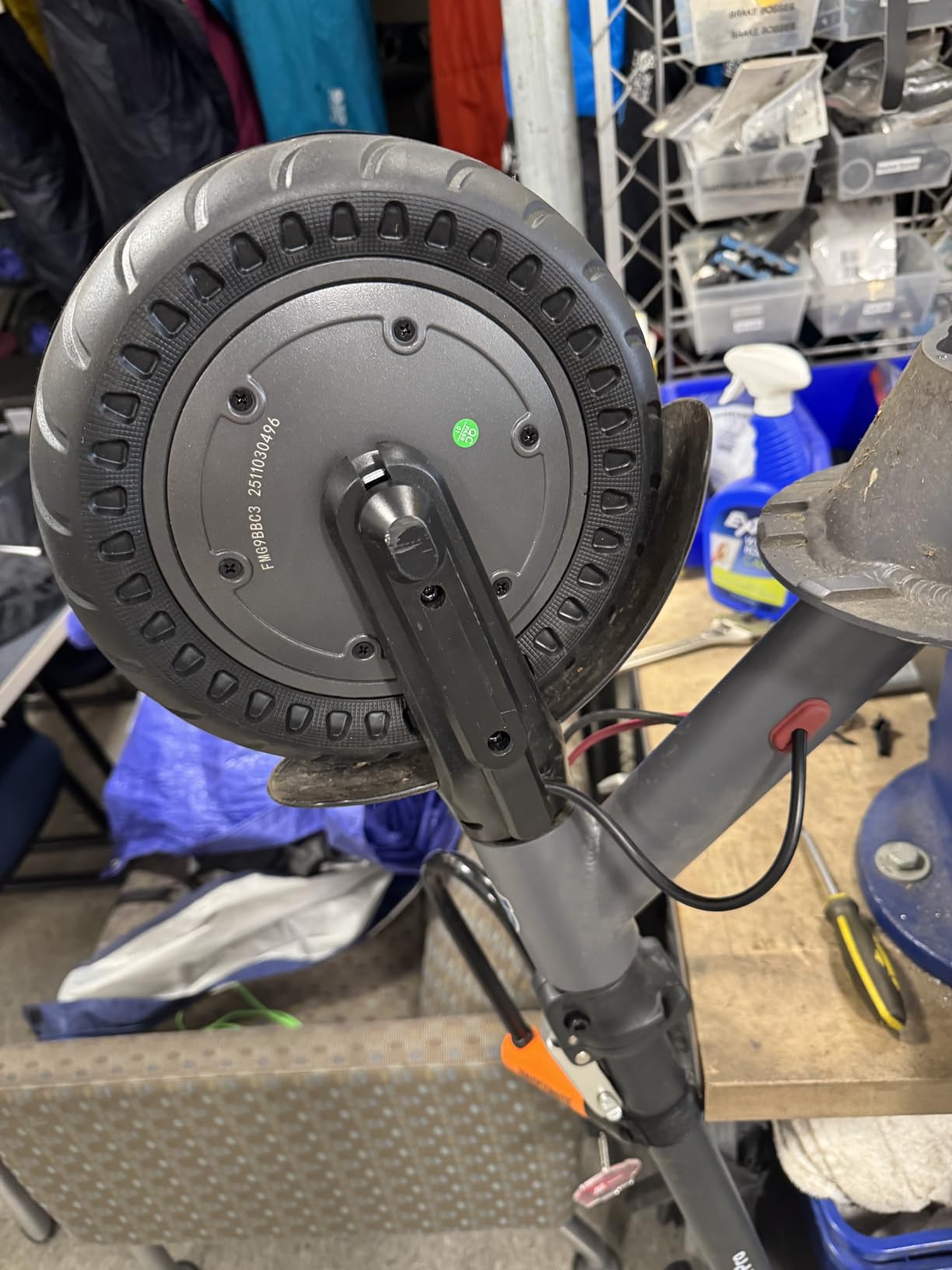
The compromise is weight. At 35.9 lb it sits above the line I would set for a station with a long stair segment, but the 10-inch solid tires remove flat risk entirely and the rear dual shock absorbers take the edge off speed bumps. The frame collapses for car trunks and tight storage.
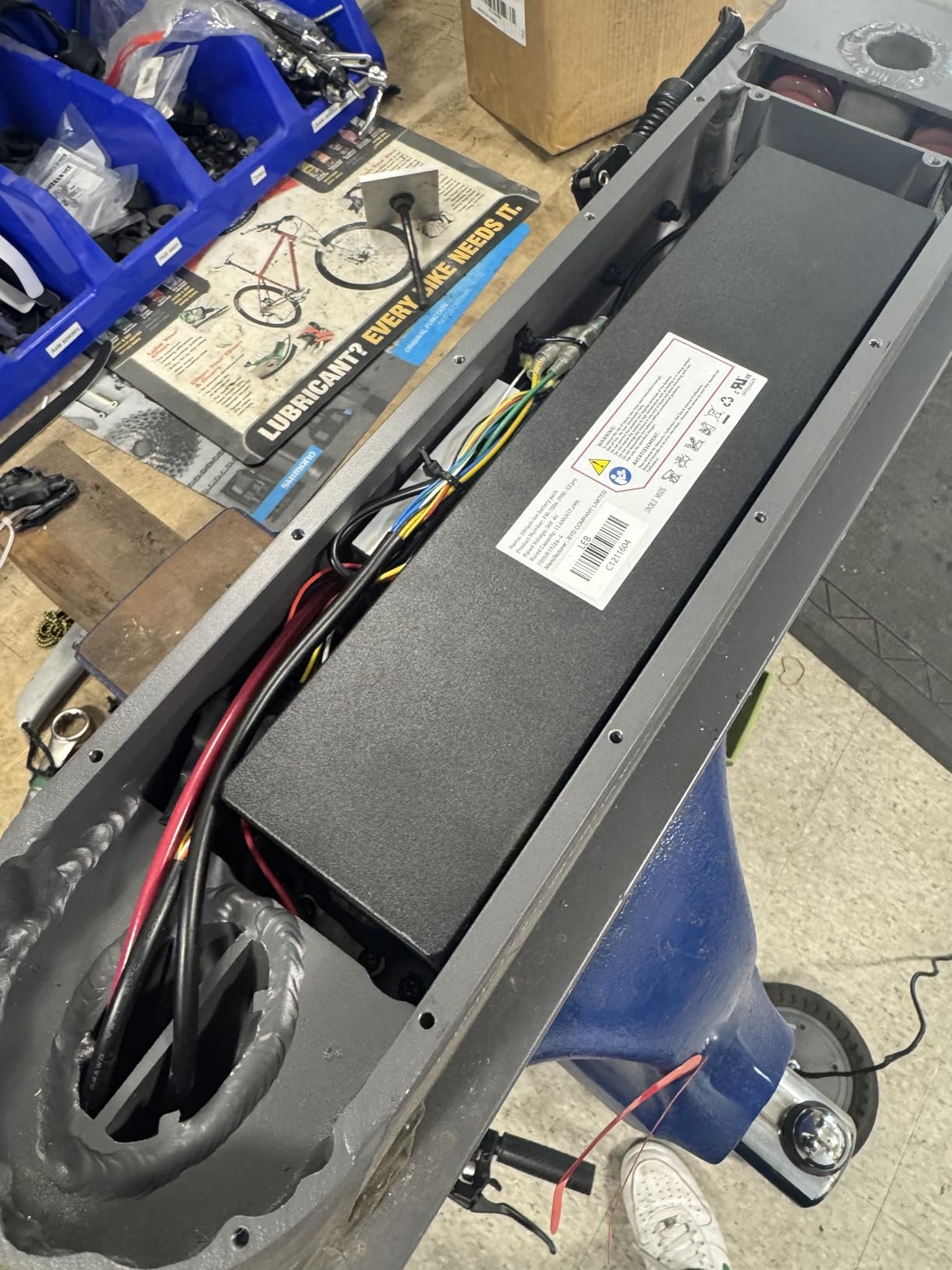
One recurring theme in the reviews is longevity. Multiple owners report more than a thousand miles on a single unit, which is unusual at this weight class. The counterweight is uneven support – some buyers describe handling part installation themselves when early throttle or charging faults appeared inside the first year.
How it behaves on a crowded platform
The 16.5-inch width and 45.3-inch length make this a medium-sized package, similar to a carry-on bag laid flat. It fits under most desks and in most train luggage racks without negotiation. Plan for the weight to be the deciding factor, not the dimensions.
Ride it at the lower of its three modes during peak hours. The acceleration is strong enough that a full-throttle launch onto a crowded platform will draw attention from transit staff, and the app lets you dial back the response.
Where it falls short
Buyers with a stair-heavy commute should look at the Gotrax GXL V2 or the iScooter i8m instead – both are 8 to 9 lb lighter. The front headlight is also the weakest night-running equipment in this group, so budget for a clip-on light if your exit ride happens after dark.
2. Gotrax GXL V2 – Best Value and Lightest Certified Scooter
Gotrax GXL V2 Electric Scooter for Adult,8.5″ Tire,12 Mile &15.5Mph by 250W
- Lightest certified option in the roundup
- folds to 43.7 x 17.3 x 16.1 inches
- solid tires need no inflation
- sharp reliable brakes for the class
- long deck suits taller riders
- Cruise control can engage unexpectedly
- flimsy rear fender and fold hook
- no rear tail light
At 27 lb with a UL 2272 certification, the GXL V2 answers the two questions transit riders ask first. It is light enough to carry up a station stair with one hand, and it carries a recognized electrical safety mark that a landlord or building manager can verify in a database rather than take on trust from a seller.
The safe-start feature is a small detail that matters more than it sounds. The motor will not engage from a standstill until the scooter is pushed to roughly 1.87 mph, which removes the accidental-launch problem when you are holding it on a platform edge. Owners consistently praise Gotrax support as well, which matters for anyone keeping a scooter for years.
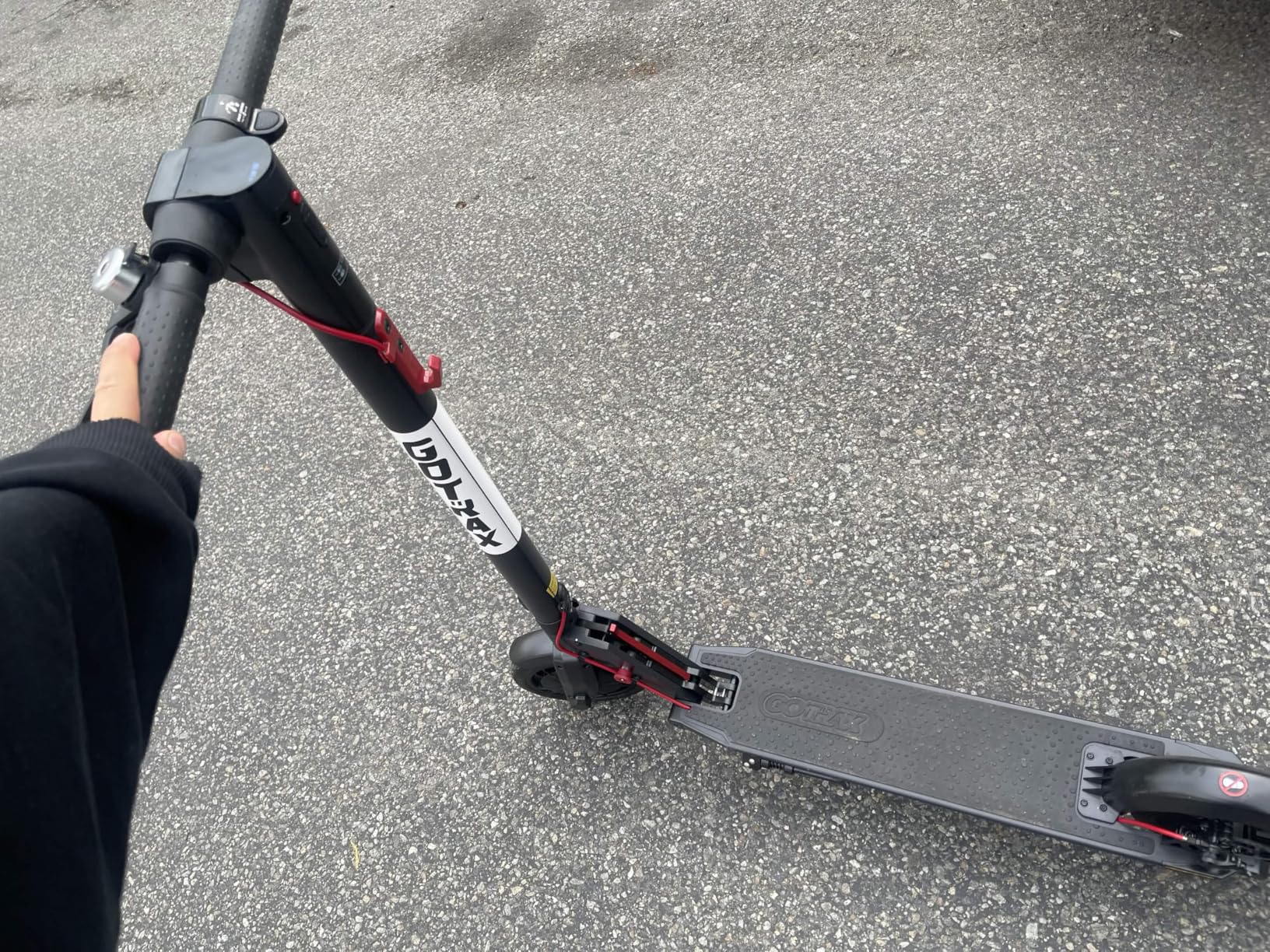
Twelve miles of rated range is plenty for a typical multi-modal commute if your round trip stays under four miles. The 250W motor tops out at 15.5 mph, which is appropriate rather than thrilling. Honeycomb solid tires need no inflation and handle rain without complaint according to owners.
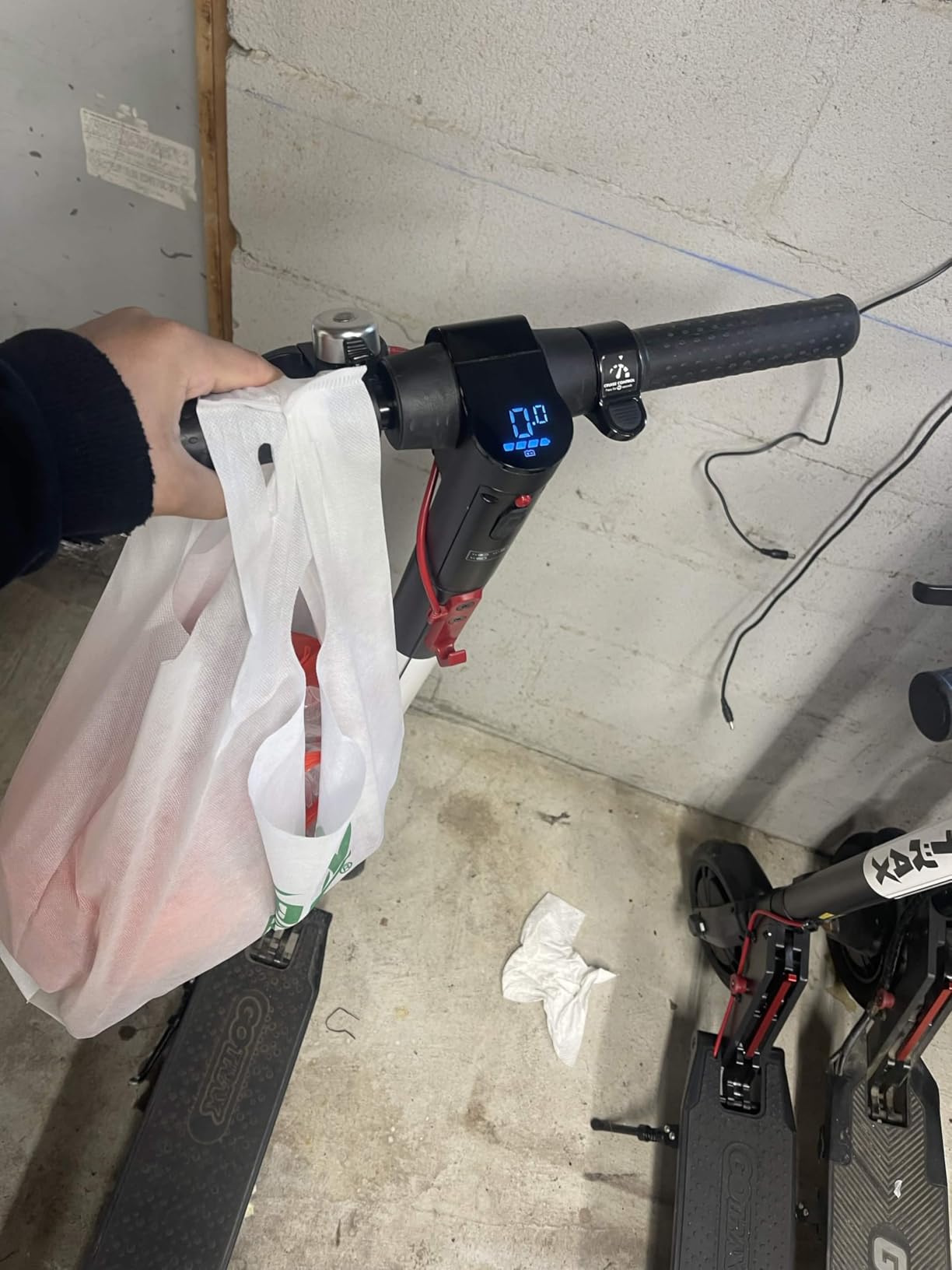
The safety issue that keeps me from ranking this higher is the cruise control. Several reviewers report it engaging far sooner than the manual states and activating unexpectedly at low speed, which they describe as a genuine hazard in traffic. If you buy it, disable cruise control in the app before your first ride.
Whether the 27 lb weight is a real difference
It is. Nine pounds is roughly the difference between carrying a scooter with one hand on the rail and switching hands twice per flight. On a station with a single working elevator, that gap decides whether the scooter gets you to the platform or stays home.
The folded package at 43.7 x 17.3 x 16.1 inches also has a short length, which helps on train luggage racks. The rear-wheel drive layout makes the folded scooter a bit awkward to lift by the deck, so use the stem as the grab point.
What to fix before your first commute
Two hardware complaints recur: the rear fender and fold hook can pop open and make the folded package awkward, and the headlight mounts angled downward rather than straight ahead. Both are quick fixes with basic tools, but do them before you need them at 7:45 in the morning.
There is also no rear tail light on this model. Add one if your route has unlit sections after the train leg.
3. MAXSHOT V1 – Best Budget Pick With Dual Suspension
- Dual suspension at an entry-tier price
- folds in about 3 seconds
- 265 lb maximum load
- honeycomb tires need no inflation
- app control for speed limits
- 8.5-inch wheels feel bumpier on broken asphalt
- 13 percent one-star rating share
- lock is not included despite listing images
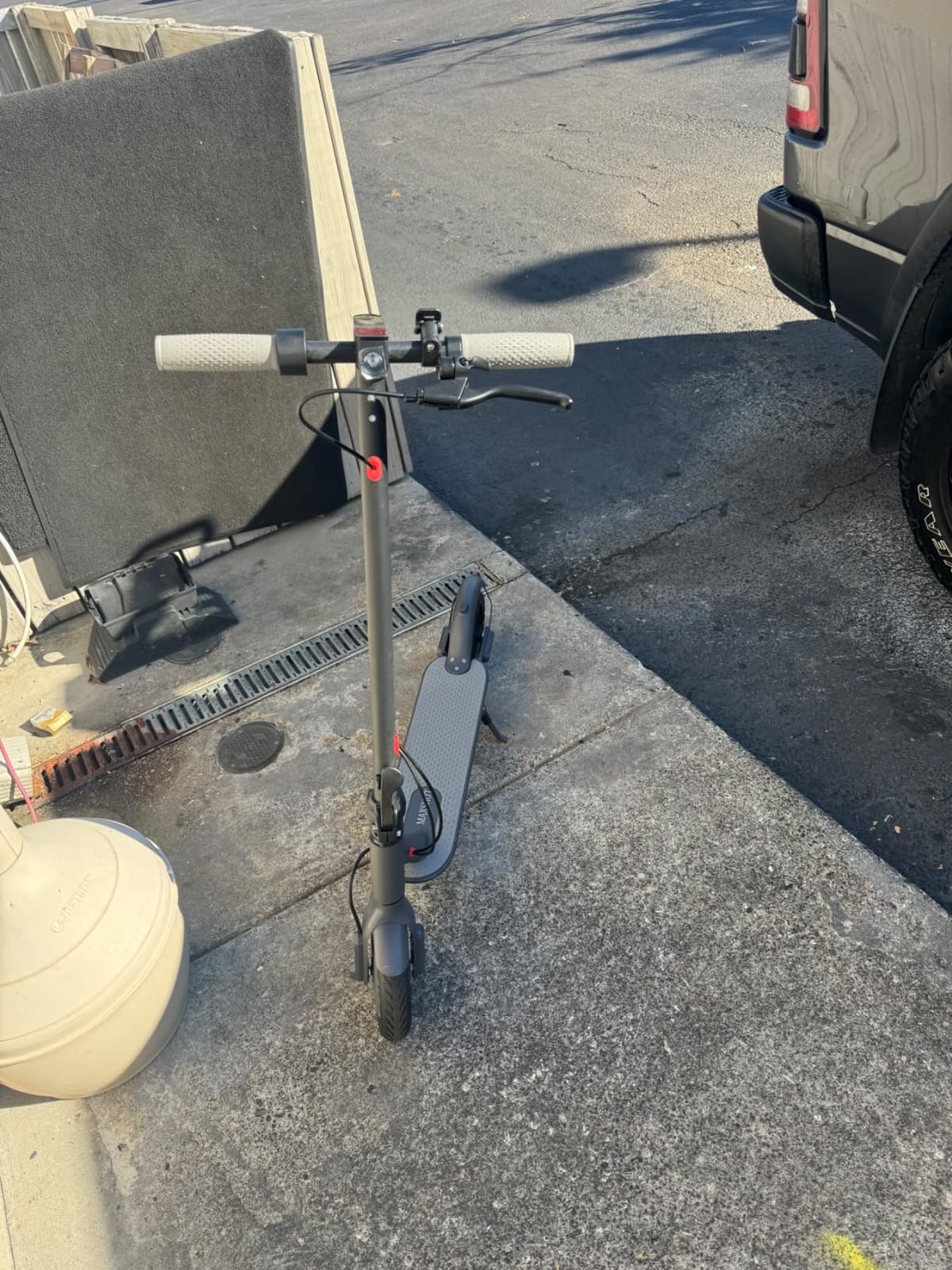
Front and rear suspension on a scooter at this tier is unusual, and it is the reason to look here. If your route crosses cracked asphalt or old sidewalk slabs, dual suspension softens impacts in a way that a rigid frame with 8.5-inch wheels cannot. It is the closest thing in this roundup to the pothole comfort buyers ask for in forums.
The fold takes about three seconds and the weight is 31 lb, which is workable rather than comfortable. Folded dimensions of 42 x 16.9 x 20.5 inches make it one of the shorter packages here, and a 265 lb load rating is the second highest in the group.
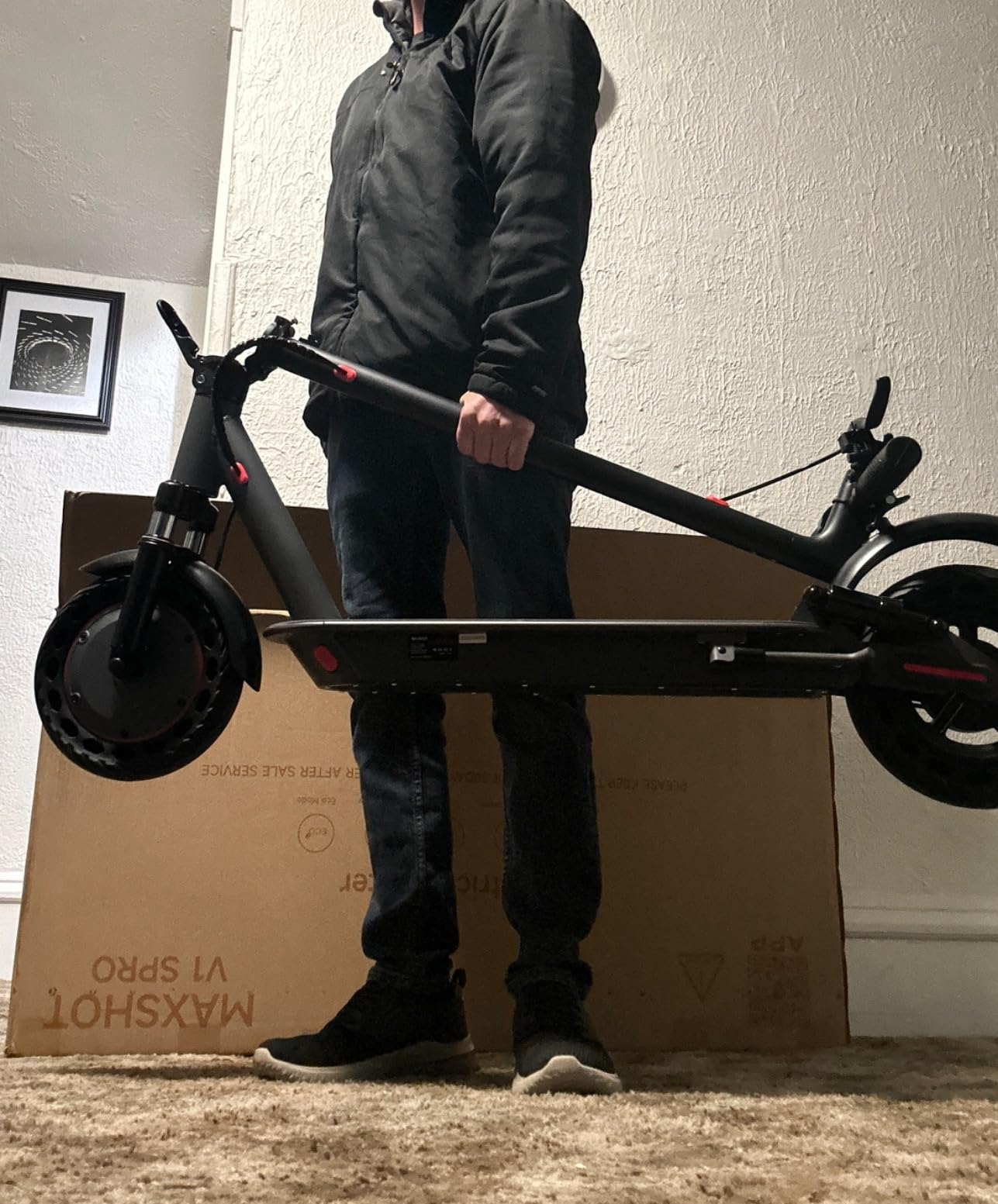
The LED display shows speed, mode and cruise control status, and the app handles lock, unlock, a custom maximum speed and cruise control. That speed limiter matters on a subway commute because you can cap it below the 19 mph top speed for crowded sidewalks.
Sensor sentiment is more mixed than the leaders. One-star reviews make up 13 percent here, higher than the category leaders, and the manufacturer listing itself flags that the lock pictured in the images is not supplied. Budget separately for a lock if you plan to leave it at the office.
Whether dual suspension matters on a station approach
It matters most on the ride legs rather than the carry legs. A suspension-equipped scooter does nothing for you on a stair, but it does reduce the fatigue of two miles of broken pavement before you reach the platform, which is where riders report feeling worn out.
The 8.5-inch wheel size still transmits more of the road than a 10-inch wheel. If your route is smooth pavement, spend that budget on a lighter scooter instead.
Where this one is the wrong pick
If your station has a long flight of stairs, 31 lb is too much and you should move up the list. If your building requires verified electrical certification, this model lists UL 2272 testing, which is a starting point but worth confirming the current report with your building manager.
Riders near the 220 to 265 lb range benefit from the higher load limit here, since lighter commuter scooters often cap out at 220 lb.
4. iScooter i8m – Best for Stairs and Crowded Platforms
- Lightest model in the roundup at 26.4 lb
- one-step fold in roughly 3 seconds
- three speed modes for crowded riding
- disc plus regenerative braking
- lights reach 15 meters
- Rigid suspension over 8.5-inch pneumatics feels harsh
- 12-mile range is the shortest here
- 14 percent one-star rating share
- 5-6 hour charge time
If your station has stairs, this is the model I would start with. At 26.4 lb it is the lightest scooter here, and the one-step fold takes roughly three seconds, which is fast enough to fold in a station vestibule without blocking the flow of commuters behind you.
Three speed modes at 6, 12 and 18 mph are genuinely useful on a subway commute. The 6 mph mode handles platform crowds and the exit walk through a busy lobby, and it is far less conspicuous than riding a scooter at top speed through a transit hall.
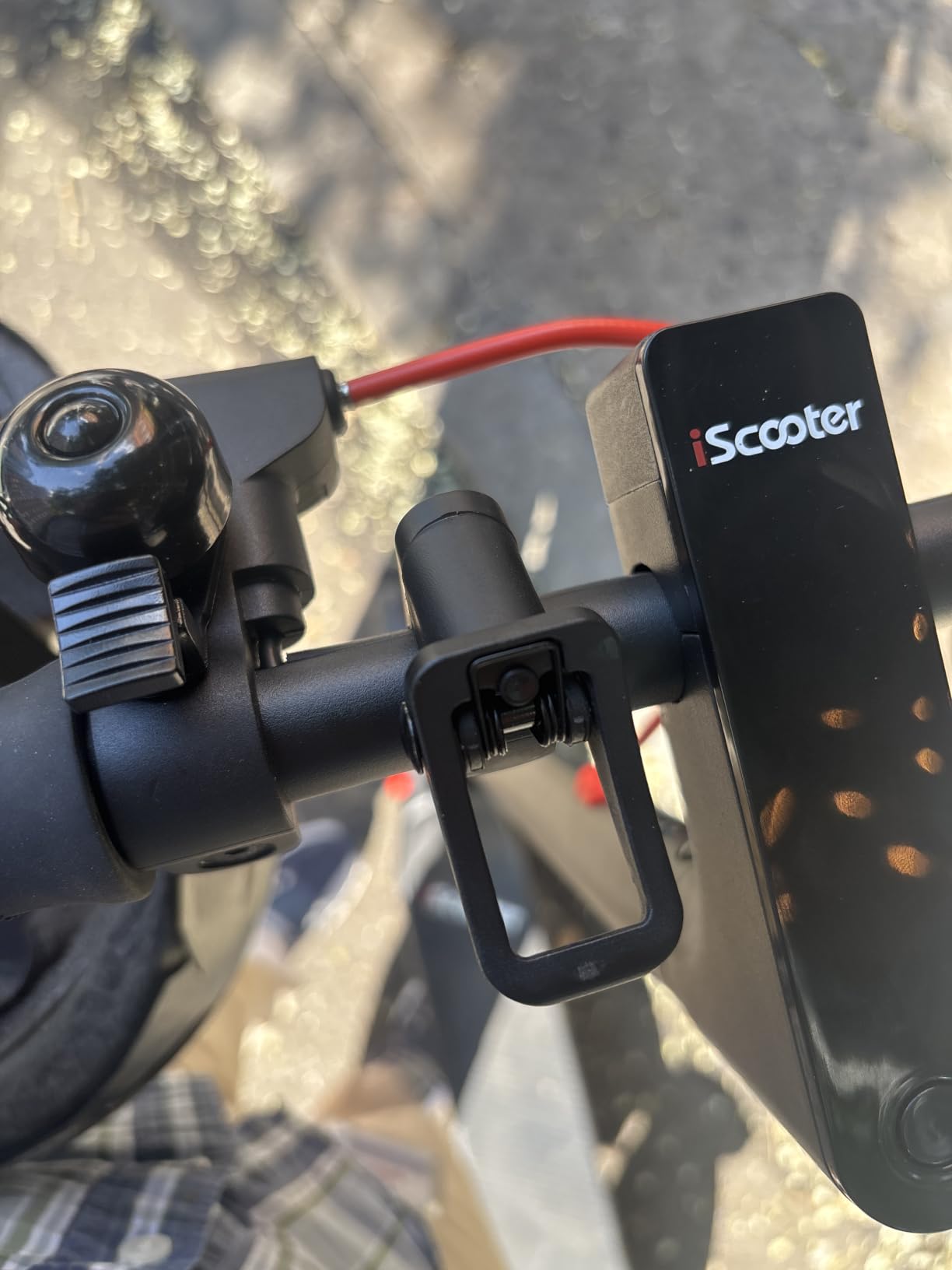
Braking is well matched to the use case, with a mechanical disc paired with EABS regenerative anti-lock. The headlight and taillight both reach about 15 meters, which covers a lit station exit and most of the walk from the train to your building.
The trade-off is ride quality. This frame is rigid, and over 8.5-inch pneumatic tires cracks and frost heaves come straight through. Owners who switched from a suspension scooter notice the difference immediately on rough city routes.

Whether the 12-mile range is enough
For a commute of 2 miles to the platform plus a half-mile exit, plenty. Multiply your round trip by two to set a target, then read the rated figure as delivering roughly 60 to 70 percent of that in real conditions. A 12-mile rated figure supports a comfortable round trip of about 4 miles.
The 5 to 6 hour charge time is the longest relative to its battery capacity. Charging overnight solves it, but there is no removable battery here, so the scooter has to be near an outlet.
Where it is the wrong pick
Do not choose this one if your route is rough pavement or if you ride at a heavier weight near the 220 lb limit. A suspension model will serve you better, and the one-star share of 14 percent here is the highest in the roundup, reflecting a minority of reliability and support complaints.
Riders outside the US market should confirm brand availability before buying, since support coverage varies by region.
5. Hiboy MAX Pro – Best for Long Rides, Worst for Stairs
- Longest range in the roundout at up to 46.6 miles
- smoothest ride here with 11-inch pneumatics and dual suspension
- three riding modes
- ambient side lighting for night use
- 51.6 lb is impractical on station stairs
- 47-inch folded length eats transit space
- 8 hour charge time is the longest
- lowest-rated Hiboy here at 4.1
I am including this one as a deliberate counterexample. It is the best ride in the roundup and one of the worst fits for a subway commute, and understanding why tells you something useful about every other model here.
The 48V 15Ah battery delivers up to 46.6 miles, and the 11-inch pneumatic tires on front and rear suspension absorb broken asphalt better than anything else in this group. If your commute involved riding 8 miles on bike lanes rather than boarding a train, this would be a strong candidate.
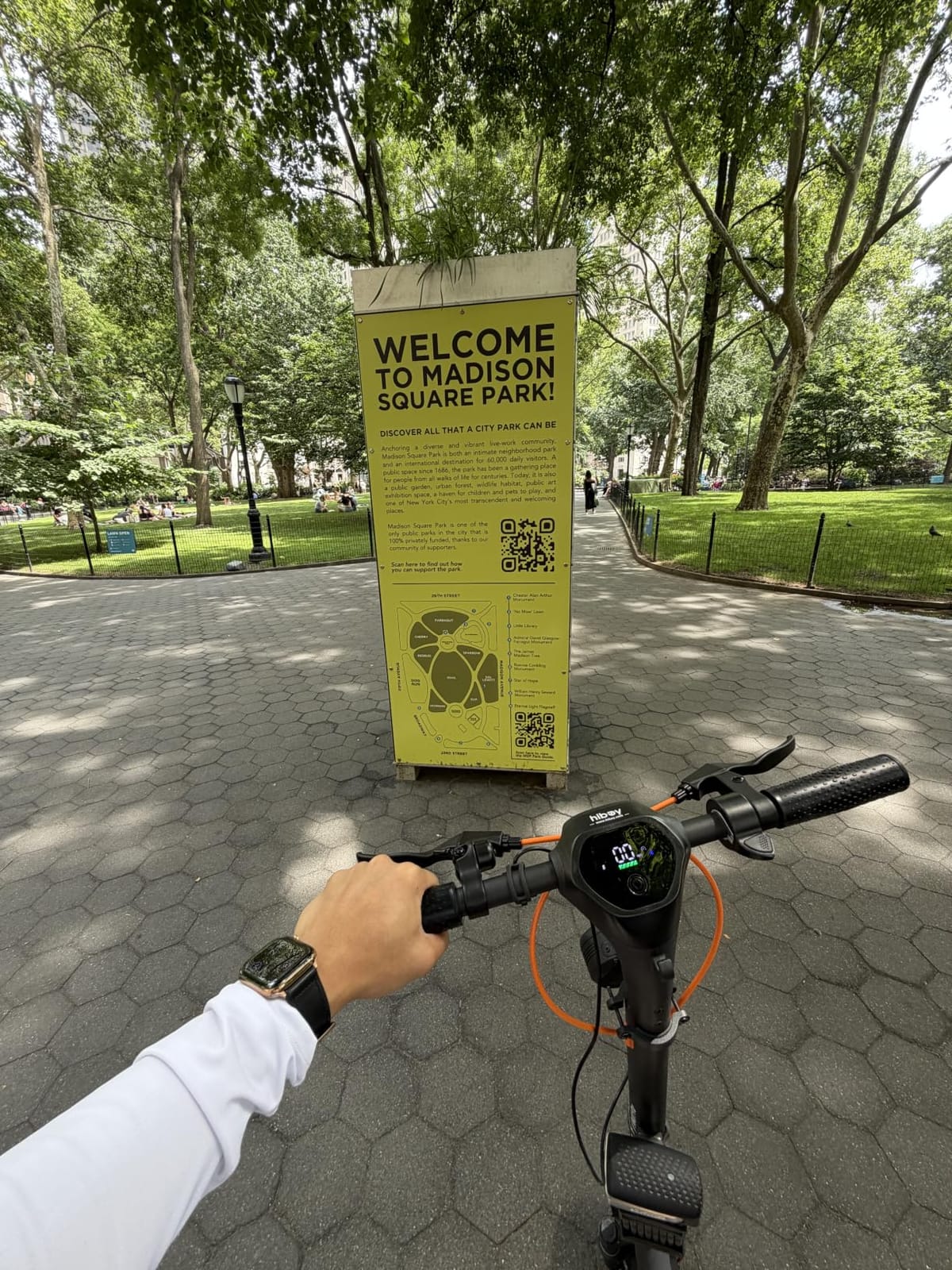
At 51.6 lb with a folded length of 47.24 inches, it is not a scooter you carry. Riders report managing it only where an elevator is reliably working. Three modes let you trade speed for range, and side ambient lighting plus taillights improve night visibility.
Certification is a genuine plus here. The listing names UL LLC as the testing lab, which is the kind of detail building managers ask for when they screen what riders bring into a shared space.
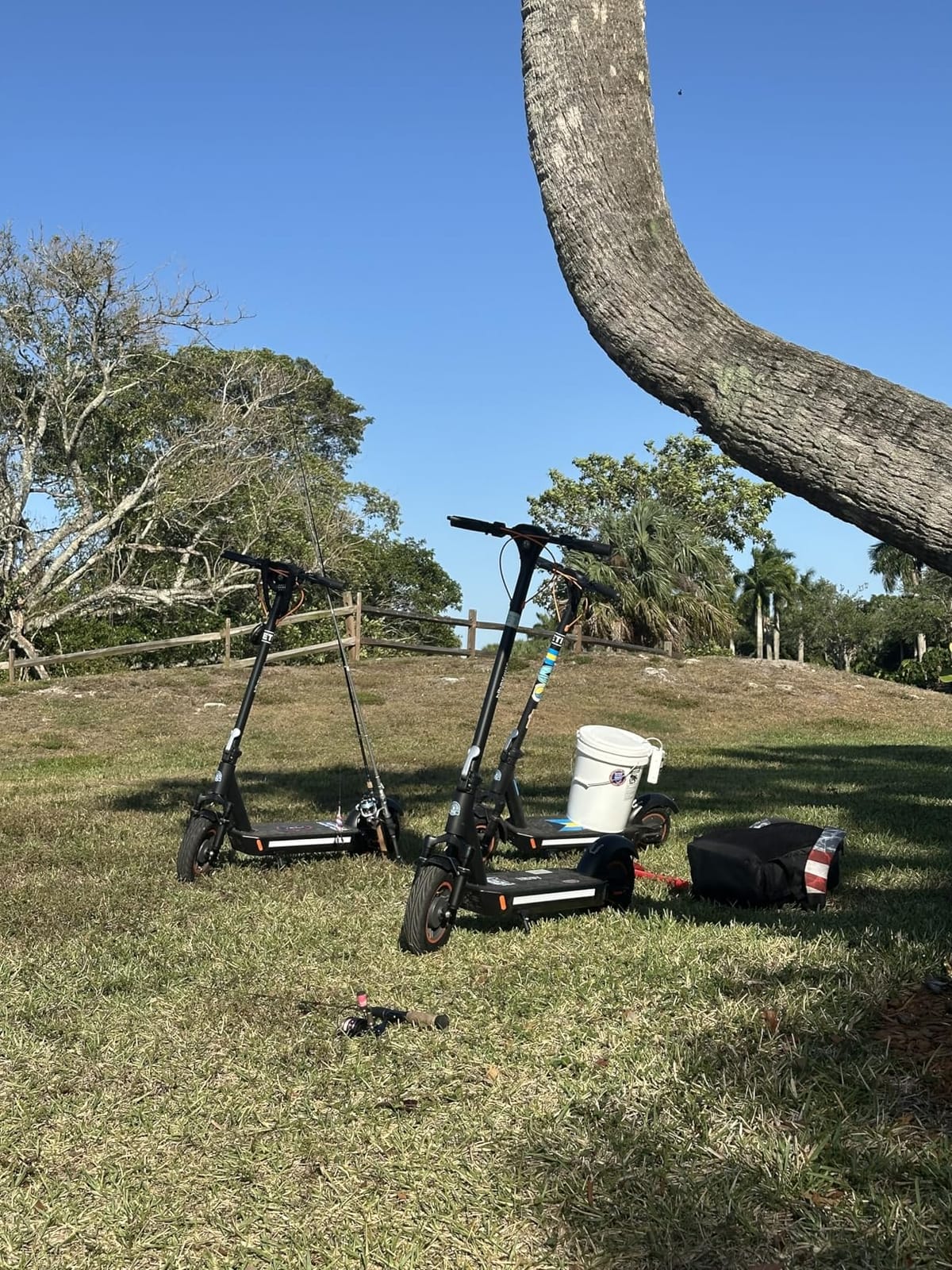
Why weight overrides every other spec
A carry-heavy commute is a weight problem wearing a disguise. On a platform stair you are lifting roughly 46 lb plus your own body weight, and you may be doing it with a bag in the other hand. No amount of suspension or range compensates for that.
Compare it directly against the Gotrax GXL V2 at 27 lb. That is a 24 lb gap, which is the difference between a scooter you ride daily and one that stays parked.
Where it still wins
If your commute is a mixed route where you ride most of the way and board a train for only one or two stops, the weight matters far less. In that case the 46.6-mile range and the smooth ride are exactly what you want, and this becomes a reasonable pick.
The 8 hour charge time is the longest here, so plan overnight charging rather than office top-ups.
6. NAVEE V25 Pro – Best for Steep Bridge Routes
- 700W motor handles 18 percent grades
- 10-inch wheels roll over defects better than 8.5-inch models
- front E-ABS plus rear drum braking
- 265 lb load capacity
- one-year limited warranty
- 37 lb is heavy for transit stairs
- alloy steel frame is heavier than aluminum rivals
- 15 percent one-star rating is the highest here
- listing mixes series variants so specs vary
Bridge routes and hill approaches are where mid-power scooters start to labour. The 700W motor here is rated to handle inclines up to 18 percent, which covers most of the short but steep grades that catch riders on the way to a station in cities with rivers or topography.
Ten-inch pneumatic tires roll more smoothly than the 8.5-inch models in this roundup, and rear suspension takes the edge off rough pavement. Braking pairs front E-ABS with a rear drum, which is balanced for the class.
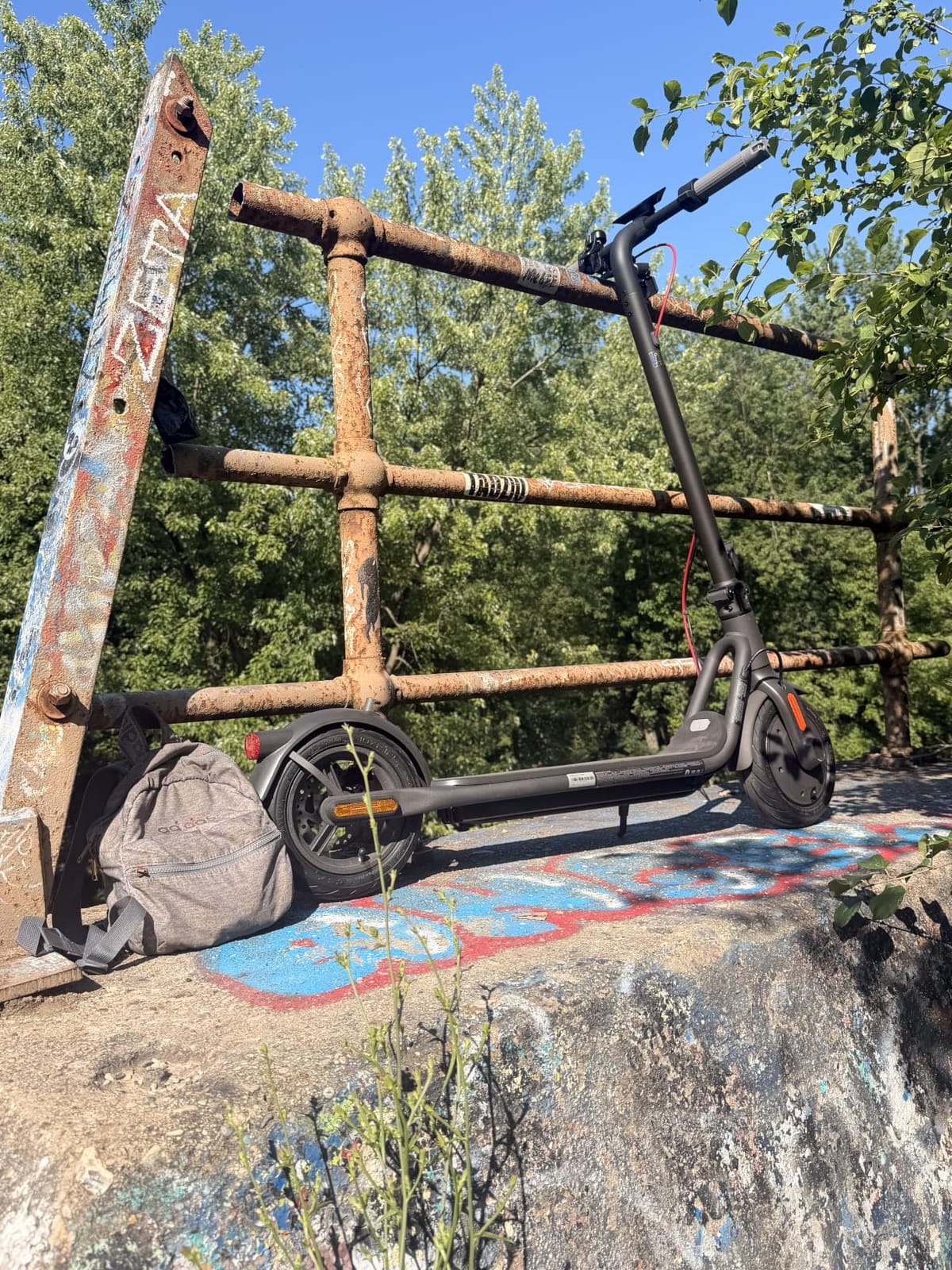
The catch is that this is not a light scooter. At 37 lb on an alloy steel frame rather than aluminum, it is heavier than the weight alone suggests. Steel also means it feels different in the hand when you are carrying it down a stair.
Rating is the weakest here at 4.0 stars with a 15 percent one-star share. The listing also combines several series variants, so motor and range figures differ between configurations. Confirm which variant you are actually buying.
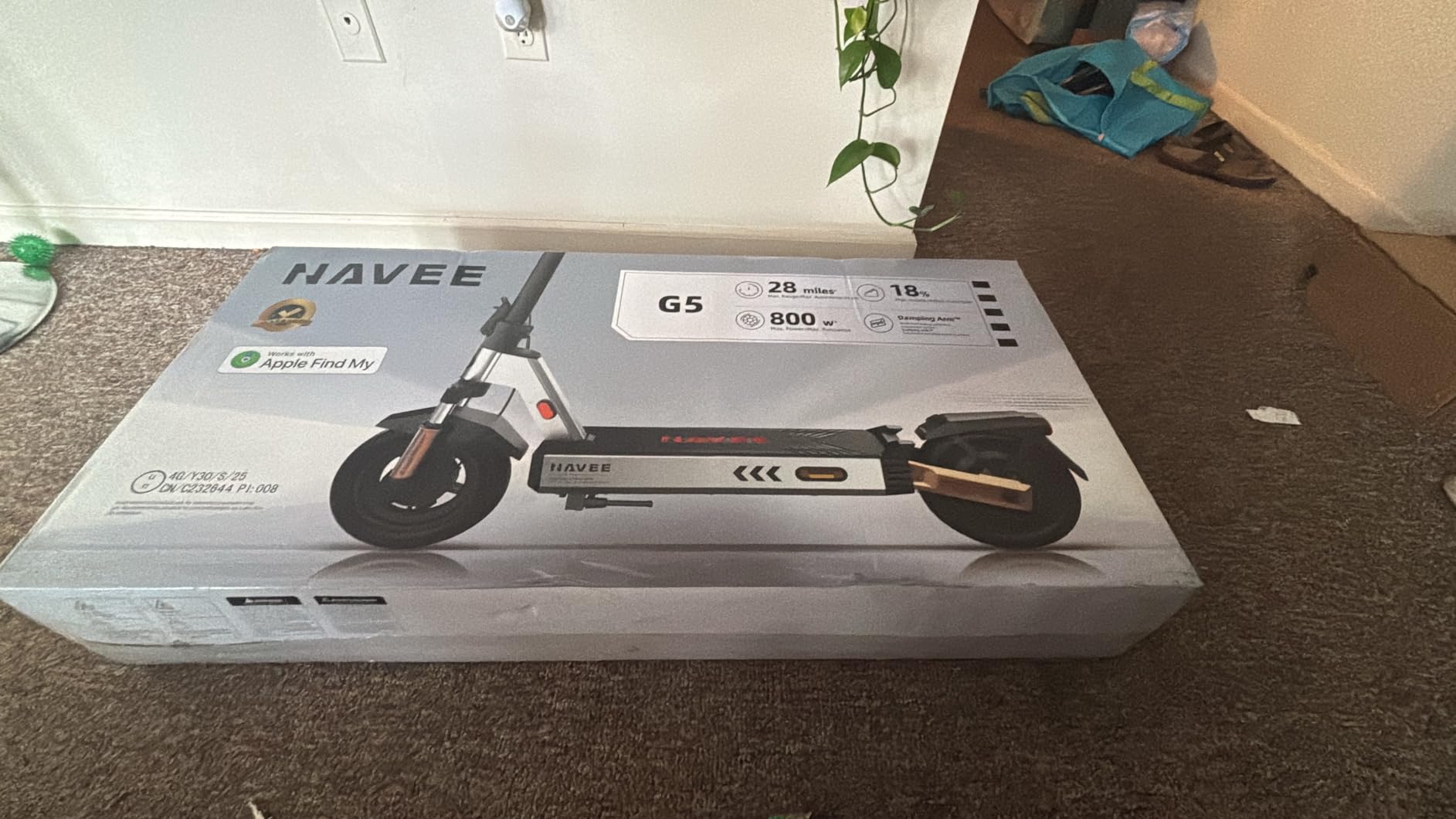
Whether the motor compensates for the weight
On the ride legs, yes. Power is what gets you up the grade, and 18 percent is a meaningful capability for a commute route. On the carry legs, no amount of motor power helps. This is a scooter for riders whose hills come before the station rather than after it.
If your route is flat and your station has stairs, a lighter model will serve you better every day.
What to verify before buying
Ask for the exact model number and confirm the motor wattage and range for that variant, since the listing groups several configurations. Also confirm local service and parts availability before committing, since the review base here is the second thinnest in the roundup.
Riders above 220 lb get real headroom from the 265 lb limit.
7. iScooter 1S – Best for Tire-Free Maintenance
- 29 lb keeps it in the carryable range
- honeycomb tires never need inflating or patching
- dual suspension front and rear
- app control over gears and start mode
- 264 lb load limit
- 29 lb is still a real load on stairs
- 8.5-inch solid tires transmit cracks
- category sales rank signals limited traction
The argument for this model is the absence of a maintenance category. Honeycomb solid tires never need inflating, never puncture, and never leave you changing a tube on a sidewalk at the end of a long day. For a commuter who stores the scooter in a hallway rather than a garage, that is a real quality-of-life gain.
Dual suspension on both ends is unusual in this weight class, and it does soften the harshness that solid tires normally produce. That pairing is the reason this model feels better over rough pavement than most solid-tire scooters.
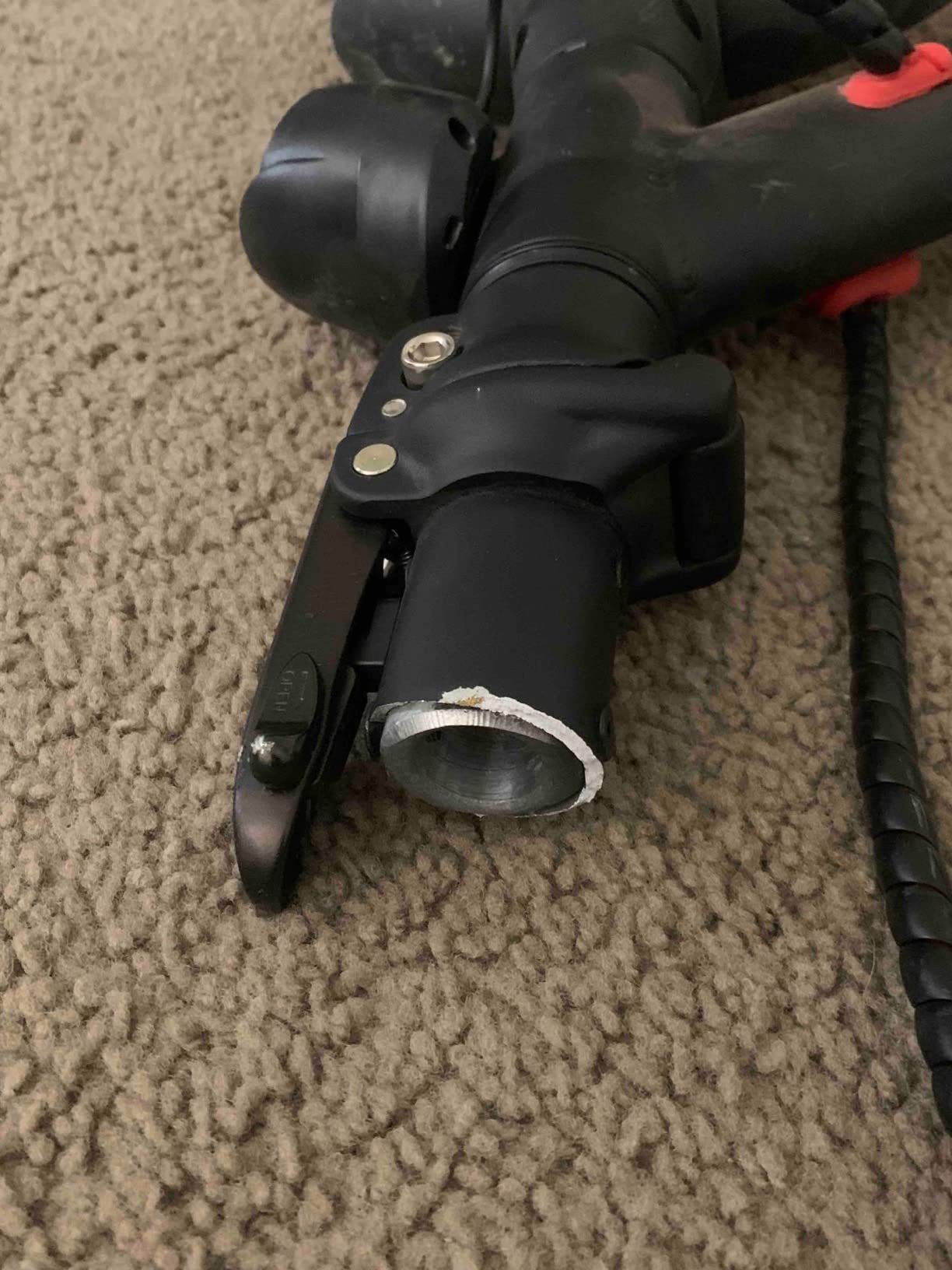
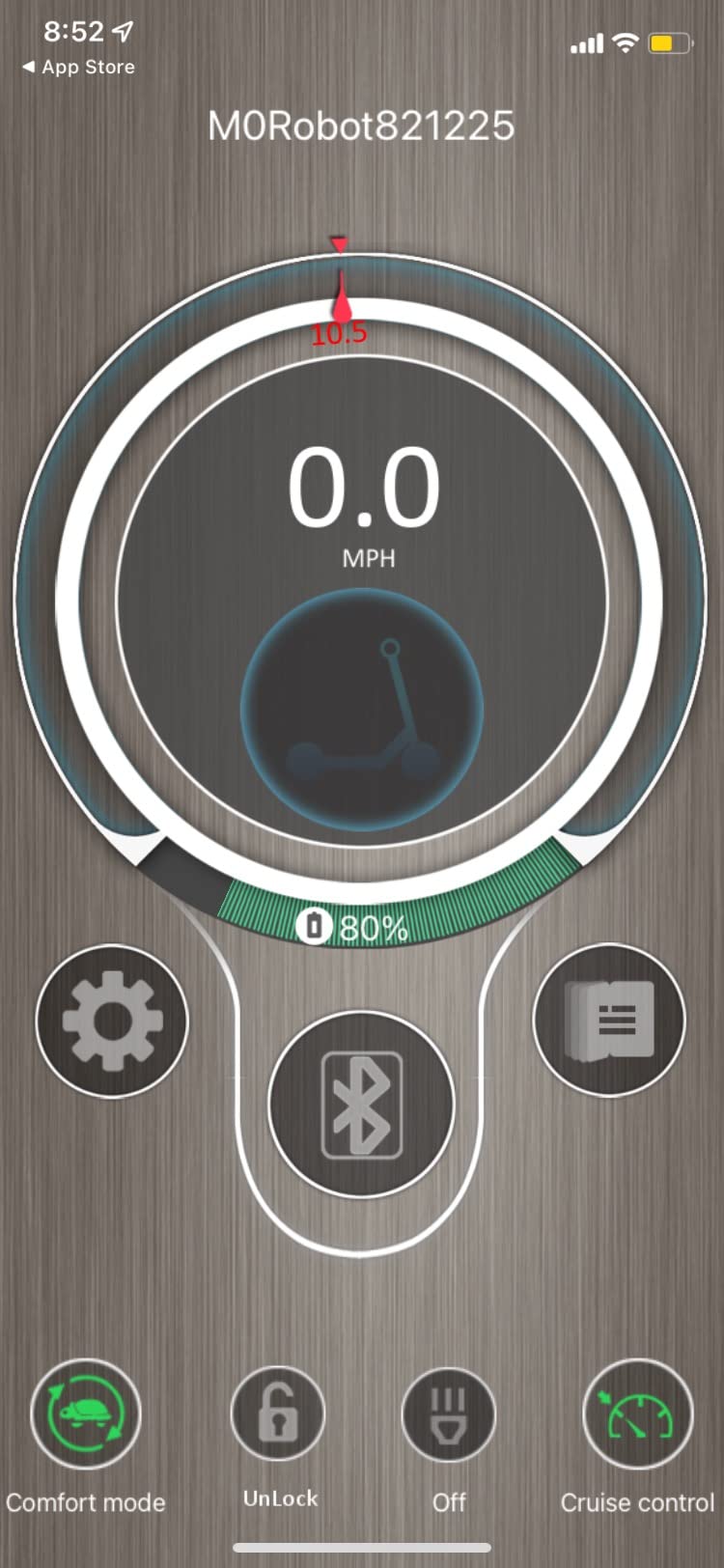
At 29 lb it stays in the carryable band, folds in about three seconds, and carries an 18-mile rated range. Braking pairs a disc with regenerative EABS, and the Tuya app controls lock, lights, gears, start mode, maximum speed and cruise control, which is more functional control than most competitors offer.
The honest weakness is market traction. Its category sales rank sits far below the leaders here, and the 4.1 average rating comes with a minority of early component failure reports. For a scooter you intend to keep for years, parts availability matters.
Whether solid tires suit a winter commute
They suit slush and grime reasonably well, since there is no pressure to lose. They do not suit salted, cracked pavement, where a rigid 8.5-inch wheel transmits every freeze-thaw crack directly to your wrists. Suspension here takes the edge off but does not remove it.
If you ride through winter, add a clip-on light anyway. The included headlight and taillight reach about 15 meters.
Where it is the wrong pick
Skip this one if the smoothest possible ride matters more than maintenance-free tires, or if you ride long distances where the 18-mile figure is tight. It also carries the smallest review base among the light options here, so research service coverage in your area first.
If parts sourcing is a worry, our guide to long range electric scooters covers models with broader support networks.
8. YHR HY-B25 – Best for Wet Roads and Rainy Commutes
- Highest average rating in the roundup at 4.4 with 75 percent five-star
- front-wheel drive gives better wet-road traction
- UL 2272 certified with dual brakes
- aluminum frame that collapses in seconds
- Range claims conflict between the title and the feature list
- rear braking only with no front brake
- 8.5-inch solid tires ride harshly
- spring suspension is modest
- 6-month warranty is the shortest here
This model has the highest average rating in the roundup at 4.4 stars, with three quarters of reviews at five stars and the lowest one-star share of the group. That matters more than usual here, because the scooter it is most often compared against is the entry tier in general.
The technical detail worth knowing is front-wheel drive. On wet pavement, drive on the front wheel pulls the scooter straight rather than letting the rear step out, which is a meaningful difference in a rainy commute. Buyers in wet climates single this out specifically.
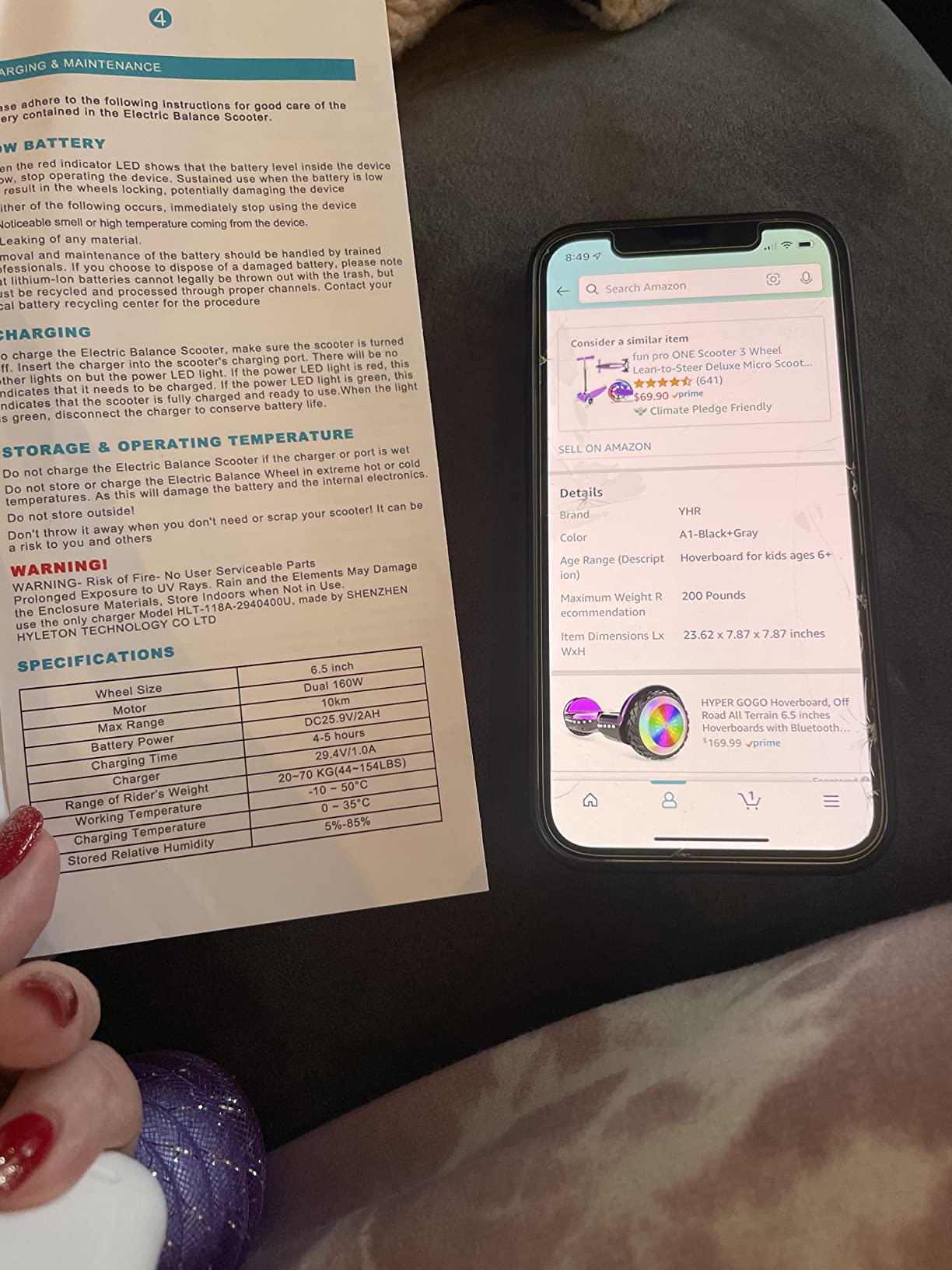
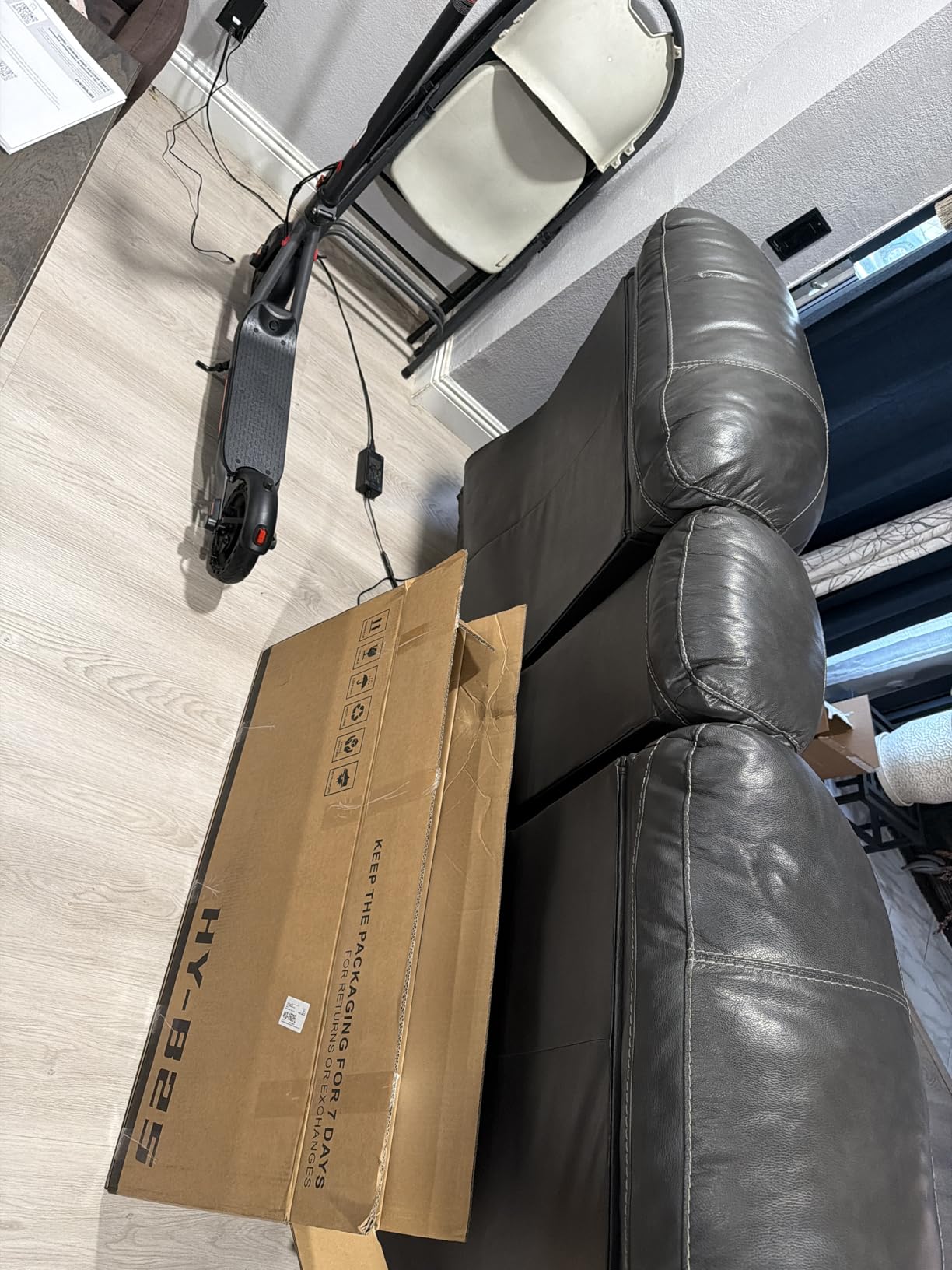
It also carries UL 2272 certification with dual brakes, which is a safety mark most budget scooters in this roundup lack. The aluminum alloy frame collapses in seconds, and the app controls cruise control and automatic lights so you are not riding in the dark after forgetting to switch them on.
The unresolved issue is range. The listing title and specs state up to 30 miles while the feature list states 15. Treat the lower figure as the honest one until you see real numbers, and buy against 15.
Whether the missing front brake is acceptable
Rear braking only is the specification I would push back on hardest, and I would not call it a dealbreaker on a flat city commute with modest speeds. On a wet downhill, though, a single rear brake is less confidence than I want from a scooter that also has to handle station stairs.
Check whether the dual-brake configuration applies to your specific variant before committing. The manufacturer lists both dual brakes and UL 2272 certification, which suggests the certified build differs from the base one.
Where it is the wrong pick
Rough pavement is its weakness. The 8.5-inch solid tires and modest spring suspension transmit cracks and uneven surfaces directly, and the manufacturer does not state a weight, so you cannot judge carryability from the listing alone. Ask before buying.
The 6-month limited warranty is the shortest here. That is a real cost on a vehicle you plan to keep.
9. iScooter iX3 – Premium Pick for Steep Hills, Too Heavy for Stairs
iScooter iX3/iX4 Electric Scooter, 10″ Off-Road Tires, 25/28 Miles Range
- 800W motor is the most powerful here and climbs 20-25 degree slopes
- tubeless off-road tires over dual shocks handle dirt and broken asphalt
- directional signals and ambient lighting
- adjustable handlebar fits tall and short riders
- arrives fully assembled
- 51 lb is the least subway-friendly option here
- 23-inch handlebar and 47-inch length make a bulky folded package
- tubeless pneumatics need inflation and can puncture
- 7 hour charge time
The iX3 is the most capable machine in this roundup and the least practical for the job this article is about. The 800W brushless motor handles slopes of 20 to 25 degrees, the 480Wh battery delivers up to 25 miles with 28 on the iX4 variant, and the full-colour LCD display is a genuine step up from the monochrome panels on cheaper models.
Height-adjustable handlebars from 44.5 to 52.8 inches solve a real fitting problem for riders who are either tall or short, and directional signals plus ambient lighting are rare at any price, let alone this one.
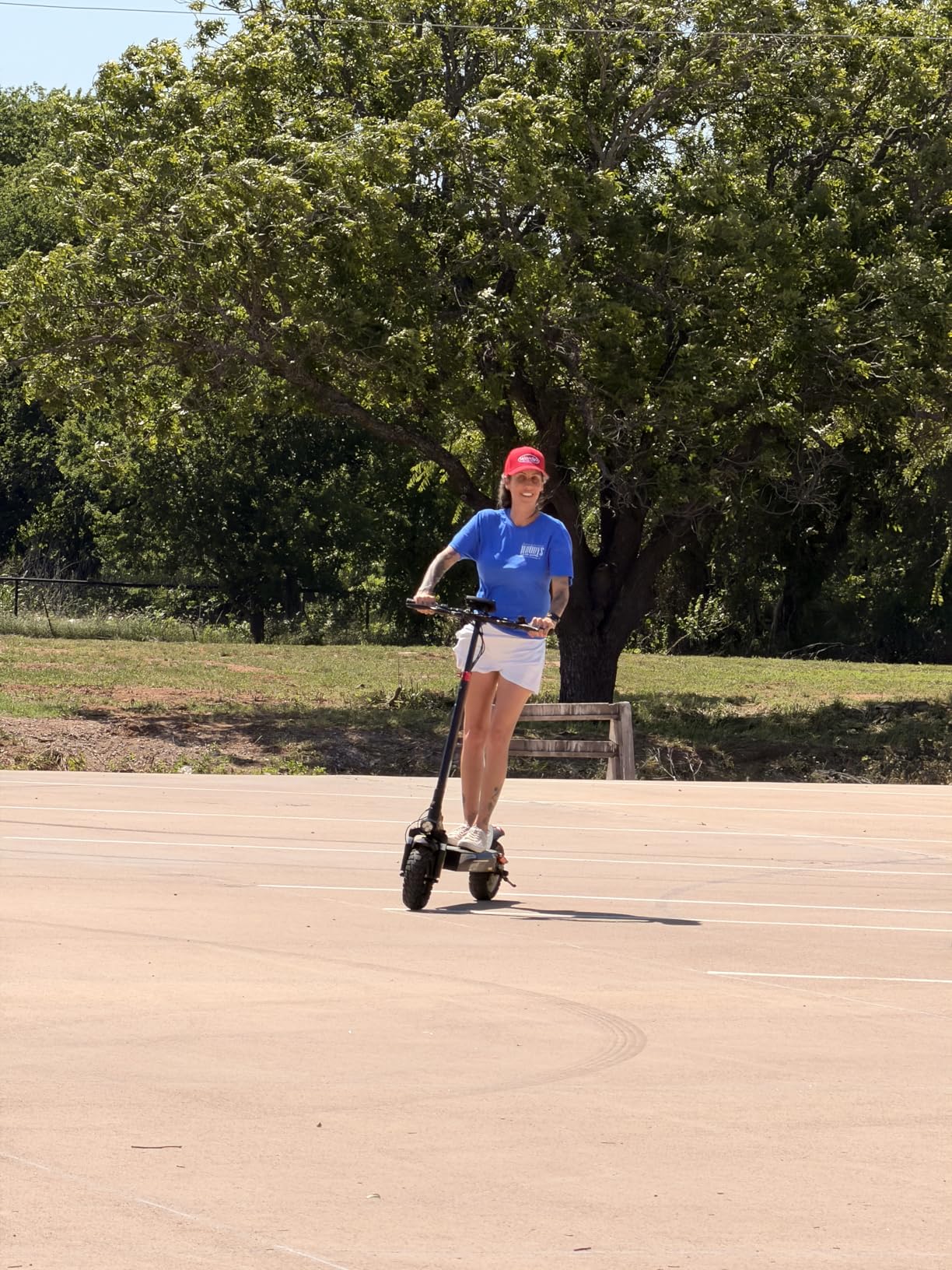
It arrives fully assembled, which removes the usual first-afternoon assembly session. That single convenience is worth noting if you plan to store it in a small apartment rather than a garage.
Then there is the 51 lb weight and the folded footprint of roughly 47 by 23 inches. That package does not go past a crowded turnstile easily, and it does not go down a station stair at all comfortably. Riders who bought it for transit report using it mainly as a personal vehicle on short routes.

Whether the tubeless off-road tires help a commute
On broken asphalt and unpaved connectors they help a great deal. The 10-inch tubeless size absorbs more than an 8.5-inch wheel and runs lower pressure without a tube to pinch, which is exactly the setup riders ask for when their route includes rough patches.
Against that, they need inflation, they can puncture, and a repair means a trip. If your route is paved and smooth, you are carrying tire weight for nothing.
Where it is the wrong pick
Skip it if your commute includes station stairs, tight train cars, or a building where you have to store a 47-inch package. It also carries the longest charge time among the lighter-usage options at 7 hours, and the warranty is split at 360 or 180 days depending on the part.
If you want power without the mass, our folding electric bike guide covers a different way to get up hills.
10. Hiboy KS4 Pro – Best for Riders Who Prioritise Braking
- Synchronized front E-ABS and rear disc braking distribute stopping force
- UL 2272 tested by UL LLC
- adjustable dual shock absorption
- 10-inch honeycomb tires need no inflation
- handles 15 percent grades
- 38.5 lb is heavy for transit stairs
- 220 lb max load is the lowest among the heavier models
- 7 hour charge time is long for the range
- smallest review base in the roundup at 443
Braking is where this model separates itself. Most scooters in this class rely on an electronic system on one wheel and a mechanical or drum system on the other. Here the front E-ABS regenerative and the rear disc are synchronized, so stopping force is distributed rather than concentrated on one end.
For a commuter riding wet city streets toward a station at speed, that is a real safety margin. The adjustable dual shock system also lets you tune the rear suspension rather than living with a fixed setting.
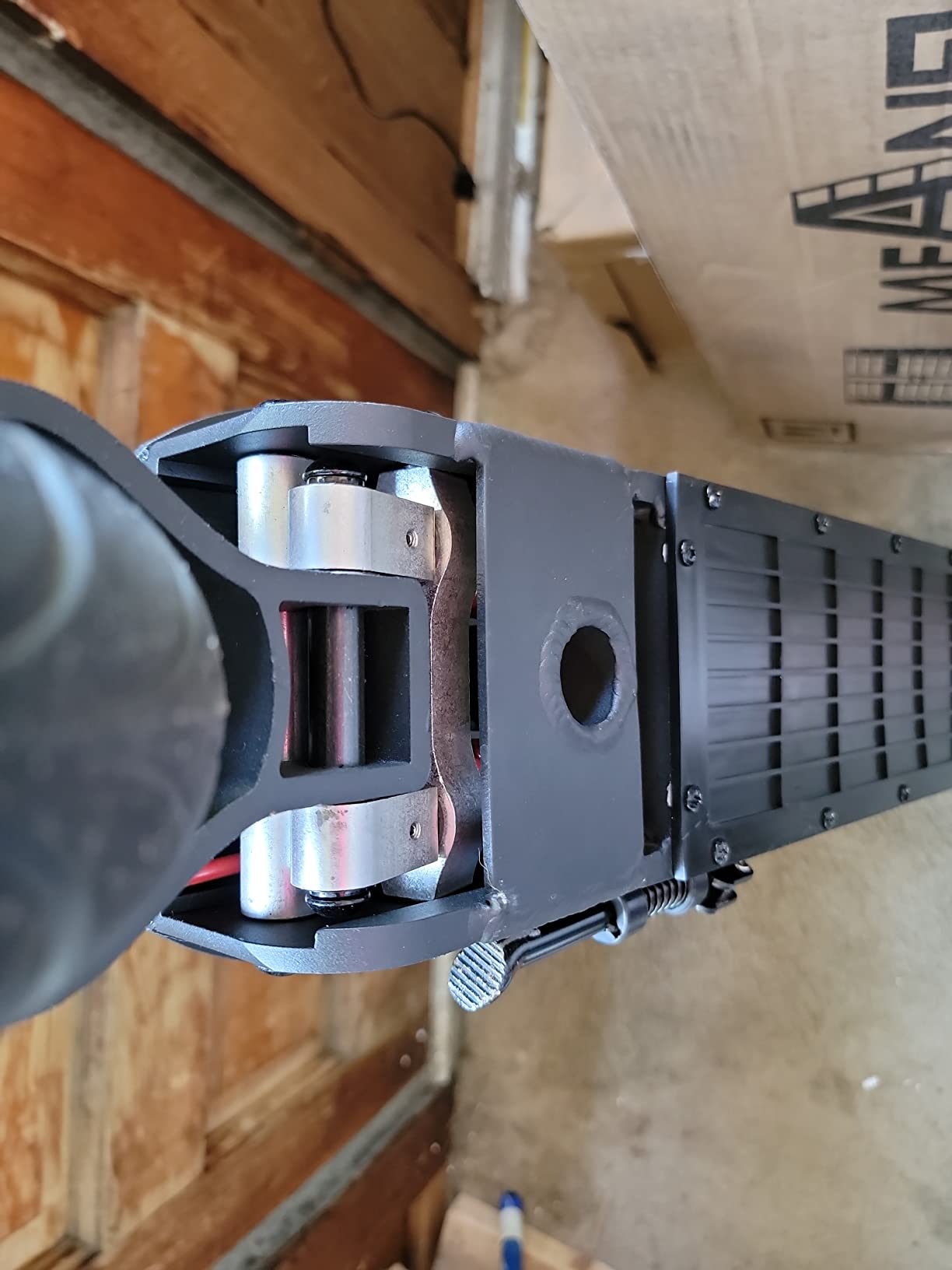
Certification is a plus here too, with UL LLC named as the testing lab. The 500W motor with 750W peak handles slopes up to 15 percent, and 10-inch honeycomb solid tires remove inflation maintenance entirely.
At 38.5 lb it is heavy for transit, which is the same limitation as every scooter in the 35-plus pound band. The 220 lb maximum load is also the lowest among the heavier models here, so riders near that weight should look elsewhere.
Whether the review base is enough to trust
Four hundred and forty-three ratings is the smallest sample in this roundup, so treat the 4.2 average as directional rather than precise. We still rate the braking hardware above alternatives here because the specification is verifiable in the listing itself.
Confirm parts availability with Hiboy in your region before committing to a long-term daily commuter.
Where it is the wrong pick
Riders above 220 lb should pick a model with more load headroom, such as the MAXSHOT V1 or the iScooter 1S. Anyone whose station involves a stair should prioritise weight over braking hardware and move to a lighter model.
The 7 hour charge time is long relative to the 25-mile figure, so plan overnight charging.
Can You Actually Take a Folding Scooter on the Subway?
Yes in most systems, folded and out of your hands. Rules differ by transit agency, so check yours before you buy rather than after your first ride.
Every major US system covered here – the MTA, CTA, MBTA, WMATA, SEPTA and PATH – allows a folded e-scooter on board during most hours. The near-universal conditions are that the scooter is fully folded, that you are not riding it inside the station, and that it does not block aisles or doors.
Some agencies go further and require the scooter to be inside a carrying bag or case. Riders in large scooter groups report this rule most often, and community practice has settled on a working norm: scooters under 30 lb are commonly carried on folded without friction, while heavier ones attract more questions from transit staff.
Peak hours and buses are the exceptions
Peak-hour restrictions are the most common source of a rider being turned back. During crowded morning and evening windows, some systems limit the number and size of wheeled devices allowed on a car, and an unfolded scooter is always a problem regardless of size.
Buses are stricter than trains on most systems, and the restriction usually ties to the size of the folded package and whether it fits in the designated wheelchair or mobility area without blocking the ramp. That is another reason folded dimensions matter as much as weight.
What this means before you buy
Measure the folded length and height and check it against your system’s stated device limit, then confirm whether a bag is required. If your route crosses two systems, check both. Riders who skip this step are the ones who end up walking home.
Our NYC commuter subway reads guide covers the platform and route side of the same commute.
Why UL 2272 Certification Matters More Than Range
UL 2272 is the electrical safety standard for personal e-mobility devices. If your building, co-op or landlord asks what you are charging in the hallway, this mark is usually the document they want.
The standard covers the battery pack, the charger and the electrical system as a unit, tested to defined failure conditions. A generic test report from an unrelated lab is often not what a building manager will accept, because they need a listing they can verify independently.
Five of the ten scooters in this roundup carry the mark: the Hiboy S2 Pro, the Hiboy MAX Pro, the Hiboy KS4 Pro, the Gotrax GXL V2 and the YHR HY-B25. Two of those name UL LLC as the testing laboratory. The MAXSHOT V1 lists UL 2272 testing without naming a lab, so confirm the current report before showing it to a building manager.
Why riders get turned down
The failure we hear about most is paperwork, not hardware. A scooter with a dated test report can be rejected by a co-op board even when the device itself is perfectly safe, because the board cannot verify the report against an official database.
Before you buy, check whether your building has a written policy and ask exactly which documentation satisfies it. Some buildings care about the charger, some care about the battery, and some simply prohibit personal e-mobility devices in shared corridors entirely.
What certification does not cover
UL 2272 is an electrical standard. It says nothing about braking performance, frame strength, ride quality or whether a scooter is light enough for your stairs. Treat it as one filter among several rather than a seal of approval for the whole purchase.
Recalls are a separate signal. Riders cite a May 2025 Segway recall as the reason they avoided the brand entirely, which shows how durable a recall impression can be. Check recall notices for whichever model you are considering.
How to Choose a Commuter E-Scooter: The Buying Guide
Weight is the first filter, and everything after it is a refinement. Start there, then work through folded size, fold speed, range math, brakes and tires in that order.
Weight tiers and what each one means on a stair
Under 25 lb is genuinely easy to carry one-handed with a bag in the other hand. The 25 to 30 lb band is comfortable for a short carry and workable for a single flight. The 30 to 35 lb band demands both hands on a long stair. Anything above 35 lb assumes an elevator, and above 50 lb you are planning around outages rather than hoping they do not happen.
Four models here sit under 30 lb. Five sit above 35 lb, and two of those exceed 50 lb.
Folded dimensions decide the second half of the trip
Weight only matters while you are carrying. The folded package matters everywhere else: does it fit under your desk, on a train luggage rack, past a turnstile, inside a bus mobility area. Measure your own constraints and compare them to the folded figures before you commit, because the two largest scooters here fold to nearly 47 inches long.
The carry math for a typical two-leg commute
Take a common pattern: 2 miles of riding to the station, a stair or elevator, a train ride, then a half-mile exit to the office. At a realistic 10 mph on the bike lane portion, each ride leg is roughly 12 minutes. If the station has a stair and no working elevator, add 2 to 4 minutes of carrying each way.
That produces roughly 25 to 30 minutes riding against about 5 to 8 minutes carrying. The ratio is fine, which is why these scooters work at all. Push the carrying to three flights or a long walk from the platform and the balance tips, and a lighter model becomes the right answer even at the cost of range.
Range: buy for twice the round trip
Real-world delivery is typically 60 to 70 percent of the rated claim once rider weight, hills, cold and pace are factored in. Double your round-trip distance, then find a scooter whose rated figure clears that number comfortably.
For a 4-mile round trip you want at least 12 miles rated. Riders who over-index on spec-sheet figures end up riding at partial battery out of habit, which ages the pack faster than topping up regularly.
Brakes, tires and suspension in priority order
For a stop-and-go city commute with a train transfer, brakes come first. A mechanical brake paired with an electronic or regenerative system on the other wheel is the pattern to look for, and synchronized systems like the Hiboy KS4 Pro’s are better still.
Tires are a comfort and maintenance trade-off. Honeycomb and solid tires never need inflating and shrug off rain and grime, but they transmit cracks. Pneumatic tires roll smoothly and absorb more, and they need inflation and carry puncture risk. Wheel size matters as much as type: 10-inch wheels handle broken asphalt noticeably better than 8.5-inch ones.
Suspension matters most if your route is rough. Dual suspension is now available at the entry tier on the MAXSHOT V1, which was not true a few years ago.
When a scooter is the wrong answer
If your commute is 8 miles or more on bike lanes with no train involved, you want a scooter with real suspension and range, or a folding electric bike. Neither cares what it weighs because nothing gets carried. Our folding electric bikes for commuters guide covers that case.
If your last mile is under a mile of flat, well-lit walking, a non-powered kick scooter is lighter, cheaper to store and has no battery to charge indoors. If your commute is under three miles with no transit leg, the same logic applies.
If your building prohibits personal e-mobility devices in shared spaces, a scooter is the wrong purchase regardless of certification.
Frequently Asked Questions
Can I bring my electric scooter on a train?
Yes on most major US transit systems, including the MTA, CTA, MBTA, WMATA, SEPTA and PATH, provided the scooter is fully folded and you do not ride it inside the station or block aisles. Some agencies additionally require the folded scooter to be inside a carrying bag, and peak-hour restrictions can limit how many wheeled devices board a car. Check your specific agency’s device-size rules before you buy, because the folded length is often the limiting factor rather than the weight.
Which electric scooters are foldable?
Nearly every commuter e-scooter on the market folds, so the useful question is how fast and how small. Look for a one-step or one-click fold that completes in under 15 seconds, and for a folded package short enough to pass a turnstile and sit on a train luggage rack. Models in this roundup fold in roughly 3 seconds and pack down between 42 and 47 inches long.
What is the best electric scooter for a short commute?
For a commute under 5 miles including a train leg, prioritize weight and fold speed over range. Buy for at least twice your round-trip distance in rated range, since real-world delivery is typically 60 to 70 percent of the claim. At 60 to 70 percent of a 12-mile rated figure you have roughly 8 to 9 usable miles, which covers most two-leg subway commutes with margin.
Can I ride my scooter on the sidewalk?
It depends entirely on your city. Some cities restrict or ban private e-scooters on sidewalks and require riders to use bike lanes or the roadway, while others permit them with speed limits and age requirements. Rules also change frequently, so check your local transportation department before your first ride. Where riding is restricted, folding the scooter and walking it on the sidewalk is generally the compliant option.
What is the best electric scooter for commuting in New York City?
For NYC subway commuting, prioritize three things: weight under 30 lb for station stairs, a folded package that passes turnstiles and fits a luggage rack, and UL 2272 certification if you rent. Legally, you may ride on bike lanes and permitted roadway areas and must not ride on the sidewalk. Riders also report that scooters under 30 lb are carried on trains folded without fuss, while heavier models attract more questions from transit staff.
The Best Folding Electric Scooters for Subway Commuters in 2026: Final Word
The best folding electric scooters for subway commuters are the ones that make the carry invisible. The Hiboy S2 Pro wins on range margin and owner volume, the Gotrax GXL V2 wins on weight and verified certification, and the MAXSHOT V1 wins on suspension at the entry tier. Everything above 35 lb in this roundup is a personal vehicle, not a transit one.
Check your transit agency’s rules, confirm UL 2272 documentation with your building, and run the fold yourself in a store before you buy. Those three steps will save you more money than any specification on this page.
For readers weighing other vehicle types, our guides to folding bikes for commuters and folding mobility scooters cover the alternatives worth comparing against.