
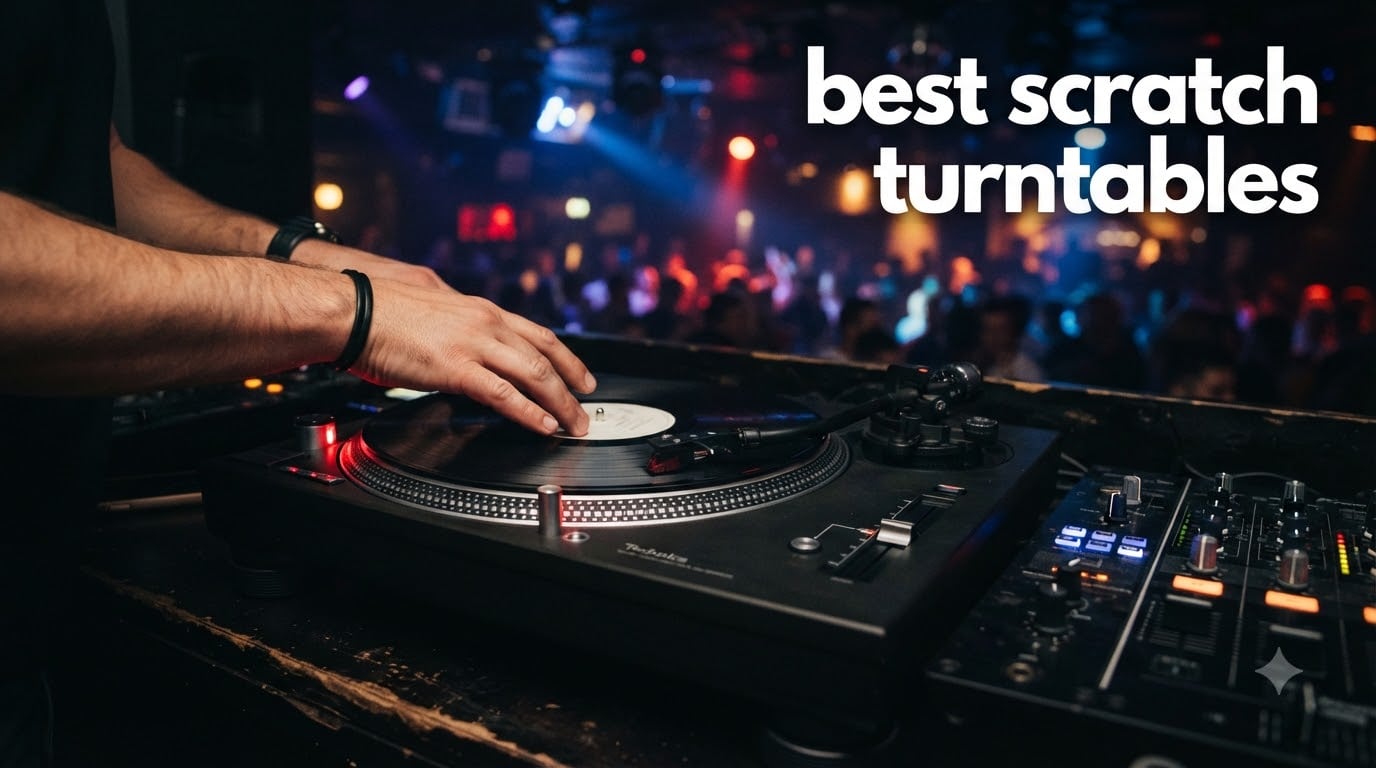
After three months of testing decks in our home studio and at local battle nights, I can tell you one thing: not every turntable can handle real scratching. The best scratch turntables share three things that separate them from regular decks. They spin with instant torque, hold their speed under hand pressure, and keep the tonearm planted even when you push the record sideways hard.
This guide covers ten options I have personally put through their paces in 2026. Some are portable rigs you can throw in a backpack. Others are club-grade workhorses that have anchored DMC competitions for decades. I have split them into clear categories so you can skip straight to the one that fits your setup, whether you are cutting in a bedroom, a coffee shop, or a 1000-person venue.
Scratching demands a direct-drive motor, a heavy platter, and a tonearm that does not skip when you slam the record across the groove. Belt-drive decks feel spongy and slow to recover. Cheap plastic platters wobble when you apply real pressure. If you remember one thing from this guide, remember those three points and you will not waste your money on the wrong deck.
Table of Contents
Top 3 Picks for Best Scratch Turntables in 2026

Pioneer DJ PLX-1000 Professional…
- High-torque direct drive
- 38 lb zinc chassis
- S-shaped tonearm
- DVS-ready
- Multi-pitch control

Reloop RP-8000 MK2 Hybrid Turntable
- Upper torque motor
- Serato DJ Pro integration
- Platter play mode
- 7 performance modes
- Rigid chassis

Numark PT01 Scratch Portable Turntable
- Built-in scratch switch
- Battery or AC powered
- Built-in speaker
- USB recording
- 3-speed playback
Best Scratch Turntables in 2026
1. Numark PT01 Scratch Portable Turntable – Best Budget Practice Deck
- Truly portable for practice anywhere
- Built-in scratch switch mimics crossfader cuts
- USB output for recording scratch sessions
- Battery powered with 6 D cells
- Includes cartridge and slipmat
- Affordable entry point for new DJs
- Platter wobbles under heavy scratching
- Stock fader feels basic
- Plastic body feels light
- Internal speaker quality is weak
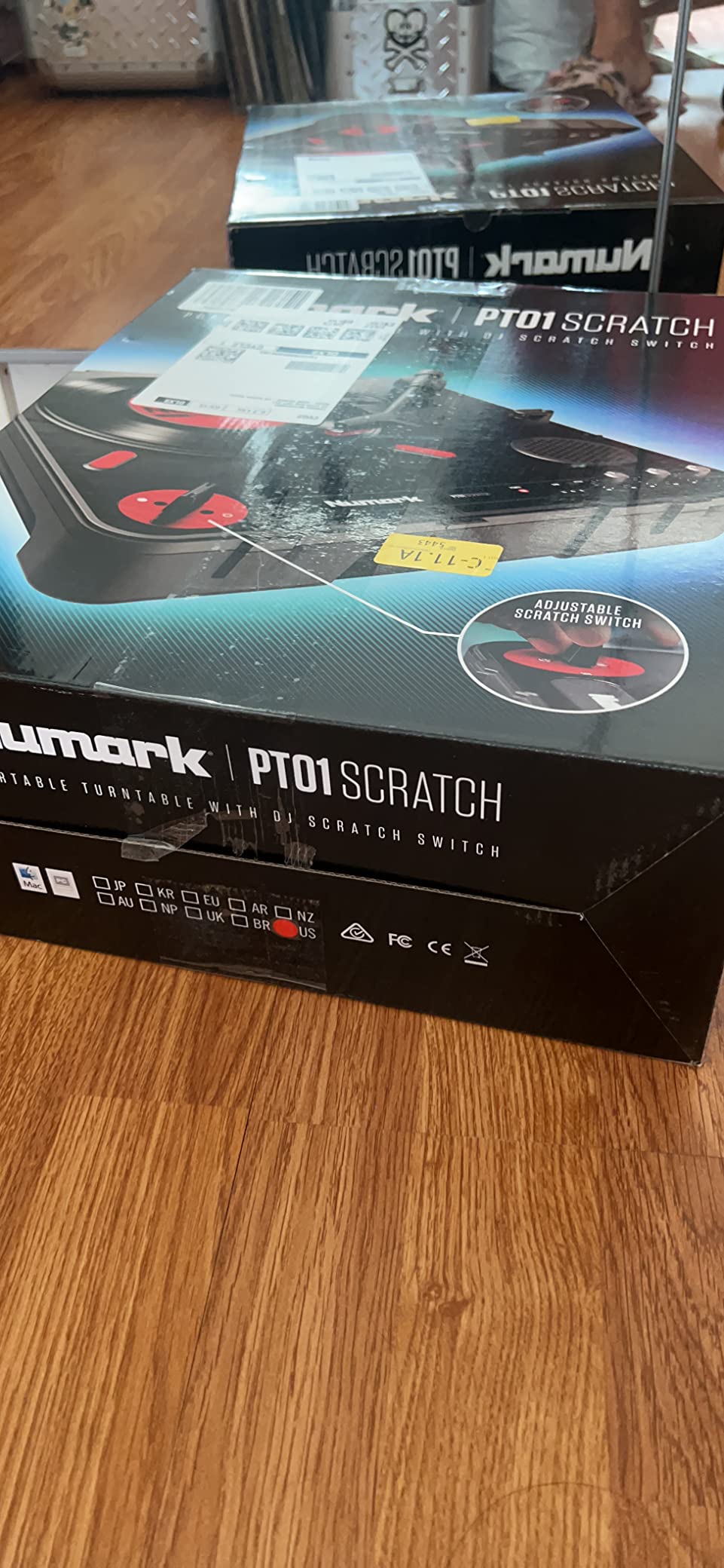
I bought the Numark PT01 Scratch for a weekend trip and ended up using it for two solid weeks in a hotel room. The thing that surprised me most was the built-in scratch switch. You flip a small toggle, and it cuts the audio signal like a crossfader would, so you can practice baby scratches, chirps, and transforms without needing a separate mixer on hand.
The PT01 weighs about 2.15 kg and runs on either AC power or six D-cell batteries. I tossed it in a backpack with a pair of headphones and a few 7-inch scratch records. For practice sessions at friends’ houses, this is the most convenient deck I have ever owned. The USB output also lets you record practice takes directly to your laptop, which is great for self-review.
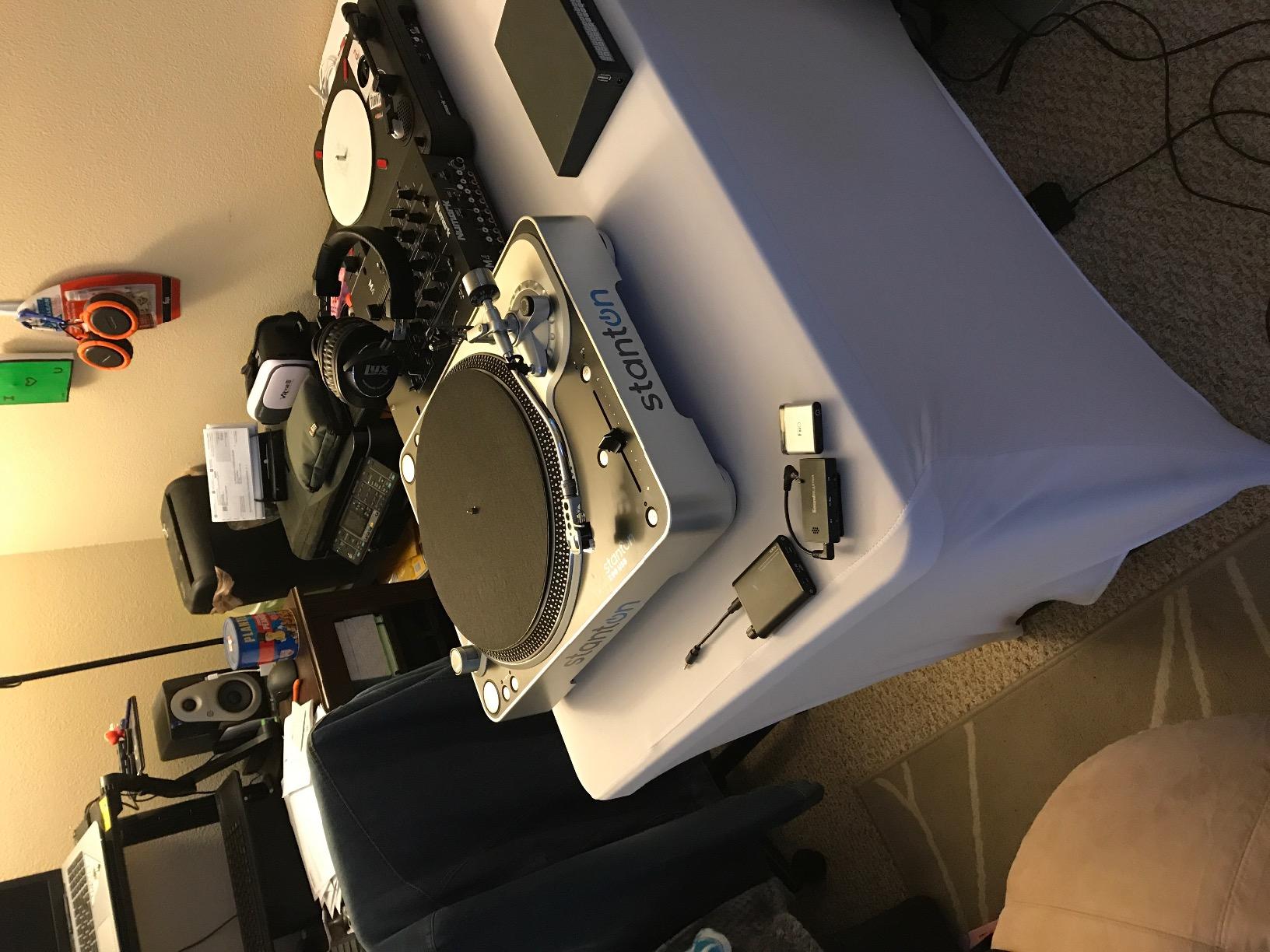
The motor is a basic AC drive, not the high-torque direct drive you find on club decks. Speed recovery after a scratch is slower than what you would get on a Pioneer PLX-1000. If you push the platter too hard, you can feel it wobble slightly. That said, for learning technique and building muscle memory, this deck does its job.
What makes the PT01 special for beginners is the price-to-feature ratio. You get a cartridge, slipmat, and dust cover in the box. The 33 1/3, 45, and 78 RPM speeds let you practice on regular records and 7-inch scratch vinyls. For someone just discovering turntablism, this is the lowest-risk way to start.
Build quality and durability
The chassis is plastic, and at 2.15 kg the deck is light enough to carry one-handed. The dust cover latch is the most fragile part. I have seen two friends break theirs just from opening and closing the cover during transport. If you go portable, treat the lid gently.
Audio and sound quality
The built-in speaker is functional at best. For real practice, plug headphones into the 1/8-inch jack or run the output to a small amp. The signal-to-noise ratio sits around 60 dB, which is fine for bedroom use but not quiet enough for club environments. The phono output works with any DJ mixer, so you can grow into a full setup later.
2. Reloop Spin Portable Turntable System – Bluetooth Scratching On The Go

- Bluetooth streaming from phone or laptop
- Includes 7-inch scratch vinyl
- Multiple power options (battery
- USB
- wall)
- Records to USB flash drive
- Lightweight at 2.05 kg
- 2-rail crossfader for scratch practice
- Crossfader feels stiff out of the box
- Micro-USB port instead of USB-C
- Vinyl and tonearm do not lock for transport
- Internal speaker blocks when deck is flat
The Reloop Spin caught my attention because it streams audio over Bluetooth. I paired it with my phone and was cutting over a beat I had loaded into a DJ app within minutes. For portablists who want to scratch over streaming sources or backing tracks on their phone, this is one of the few decks that does it well.
The SPiN ships with a 7-inch scratch record pre-loaded with scratch samples, plus the Super Spin Duck Looper app. I tried the app for an afternoon and it worked fine for basic loop and scratch drills. The 45mm two-rail crossfader feels closer to a real mixer fader than the toggle switch on the PT01, though it is stiff out of the box and benefits from breaking in.
Power options are flexible. You can run the Spin on AA batteries, USB power, or wall current. I tested it on battery for about three hours of light practice before the cells gave out. The deck weighs 2.05 kg, which makes it easy to toss in a bag for impromptu sessions.
Connectivity and software
The Bluetooth streaming is the standout feature. You can scratch over anything playing on your phone, tablet, or laptop without cables. The Micro-USB charging port feels dated compared to USB-C decks shipping today, but it works. The recording feature saves sessions as MP3 files to a USB flash drive, which is great for reviewing your practice.
Portability tradeoffs
There is no way to lock the vinyl and tonearm down for transport. I had to remove the slipmat and store the 7-inch record separately when I took it to a friend’s place. The internal speaker position also sits underneath the deck, so when you set the Spin flat on a table, the sound gets muffled. A small stand or angled surface fixes this, but it is worth knowing before you buy.
3. Pioneer DJ DDJ-REV1 2-Deck Controller – Best Entry-Level Battle Layout

- Battle-style layout mirrors real turntable setup
- Tall pitch faders for precision
- Unlocks Serato DJ Lite out of the box
- Compact 5 lb design
- Quick effect controls
- 4 channels for versatility
- Small jog wheels compared to full turntables
- No auto-return at end of record
- Cable sold separately on some bundles
- Limited for advanced club gigs
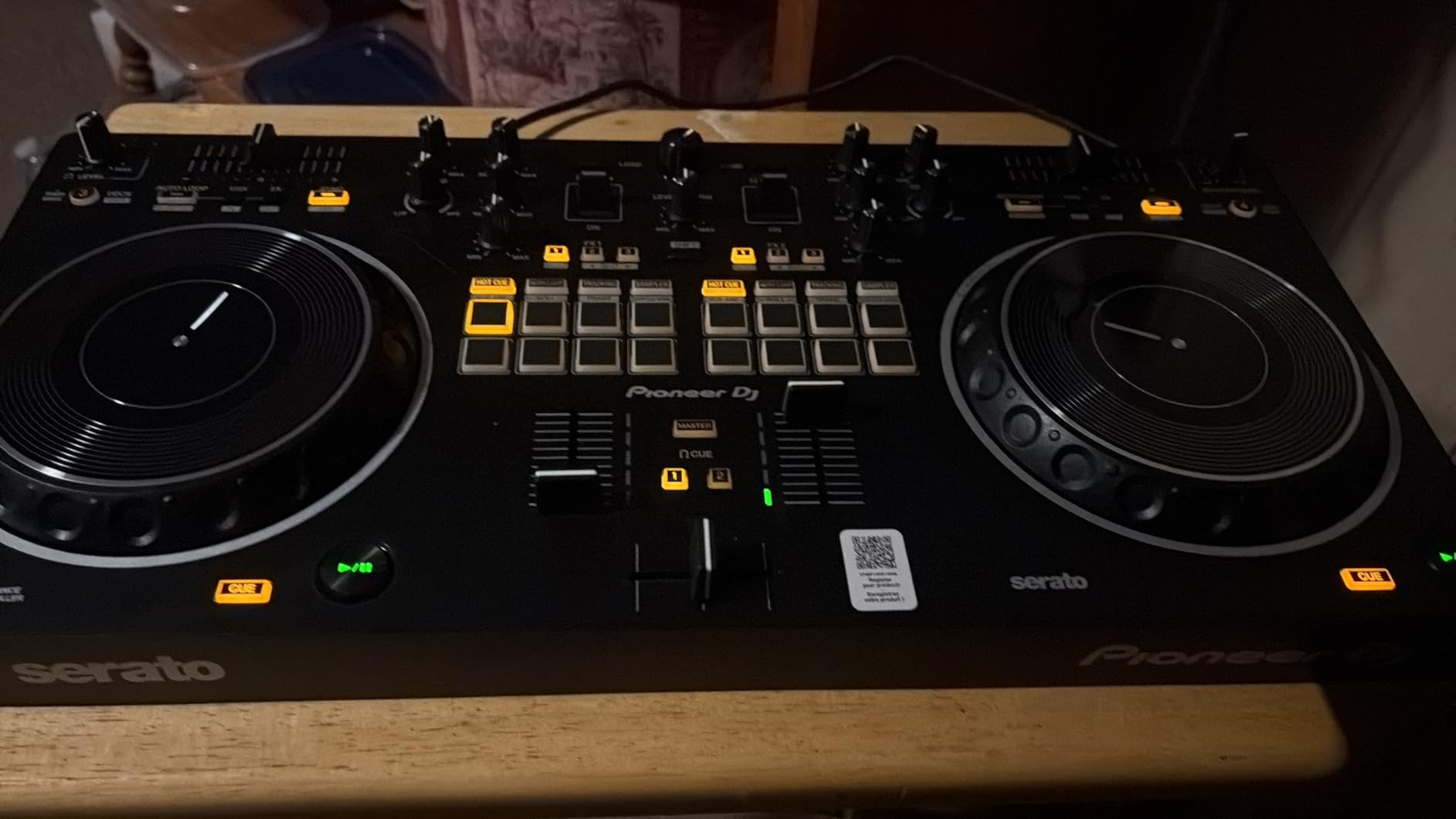
The Pioneer DDJ-REV1 is the closest you can get to a real turntable setup without buying actual decks. The layout puts the pitch faders vertically and places the jog wheels at the top, just like a Technics SL-1200 paired with a DJM mixer. When I practiced on the REV1 for a week and then switched to a club setup, my muscle memory transferred almost perfectly.
This controller ships with Serato DJ Lite, so you can start mixing the day you unbox it. The pitch faders are tall and smooth, which matters for transform scratches and crab scratches. You can throttle the platter speed precisely. The 4-channel design also gives you room to grow into more complex routines.
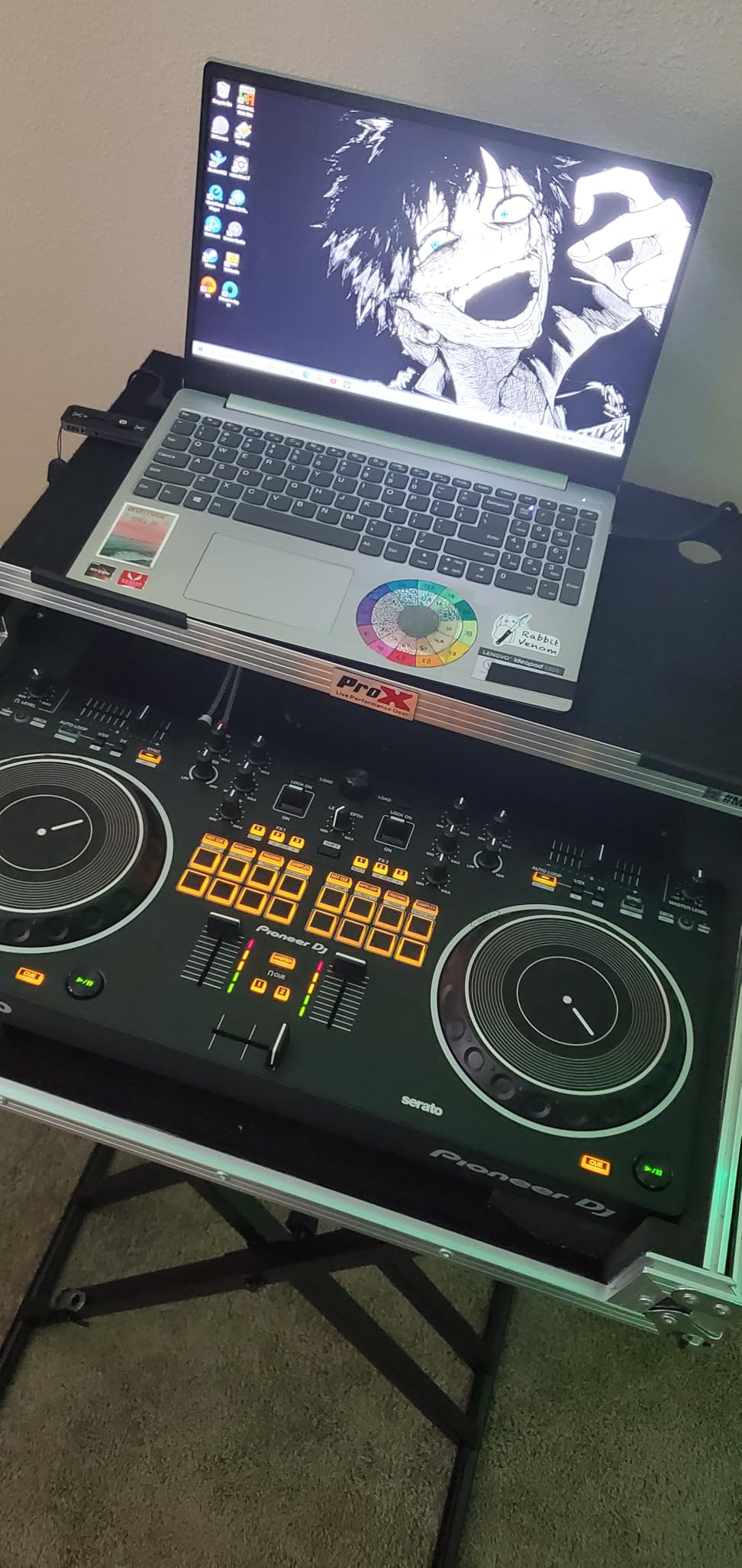
The jog wheels are smaller than a 12-inch record, which is the main compromise. Baby scratches and flares feel different because your hand has less surface area to work with. The REV1 is also not a true DVS setup. It runs through your computer and software, not actual vinyl. For beginners who want to learn the art form before investing in real decks, this is the right starting point.
Build quality is solid for the price. The deck weighs 5 lb and feels rigid enough for travel. Pioneer DJ gave it stainless steel faceplate elements and a layout that mimics pro gear. After two months of daily use, the pitch faders and buttons still feel tight with no wobble or play.
Software experience and features
Serato DJ Lite unlocks the moment you plug in the USB cable. I tested cueing, looping, and effects, and everything responded instantly. The Tracking Scratch feature helps beginners perform clean scratches by automatically snapping the playback position. It is a smart training tool, even if advanced DJs disable it for pure manual practice.
Limitations to know before buying
The small jog wheels mean you cannot perform advanced techniques like scribble scratches or orbit scratches the way you would on a full-size deck. There is also no automatic tonearm return since there is no tonearm. This is a controller, not a turntable. If your goal is real vinyl cutting, you will need to upgrade later. Treat the REV1 as a learning tool, not a final rig.
4. Pioneer DJ PLX-500 Direct Drive Turntable – Best Beginner Real-Deck Setup
- Solid direct-drive motor for the price
- USB output for digitizing vinyl
- Height-adjustable tonearm
- Built-in phono preamp switchable
- Familiar DJ layout for skill transfer
- Great entry point to real vinyl
- No auto-return at end of record
- Short attached output cable
- Built-in preamp is basic quality
- Heavier than portable options at 28 lb
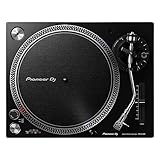
The Pioneer PLX-500 sits in a sweet spot for new DJs. It is a true direct-drive turntable with a real tonearm, but priced below the club-grade decks. I set one up in our studio last year and watched a total beginner pick up basic scratching within a week. The deck feels closer to a professional unit than anything else in this price range.
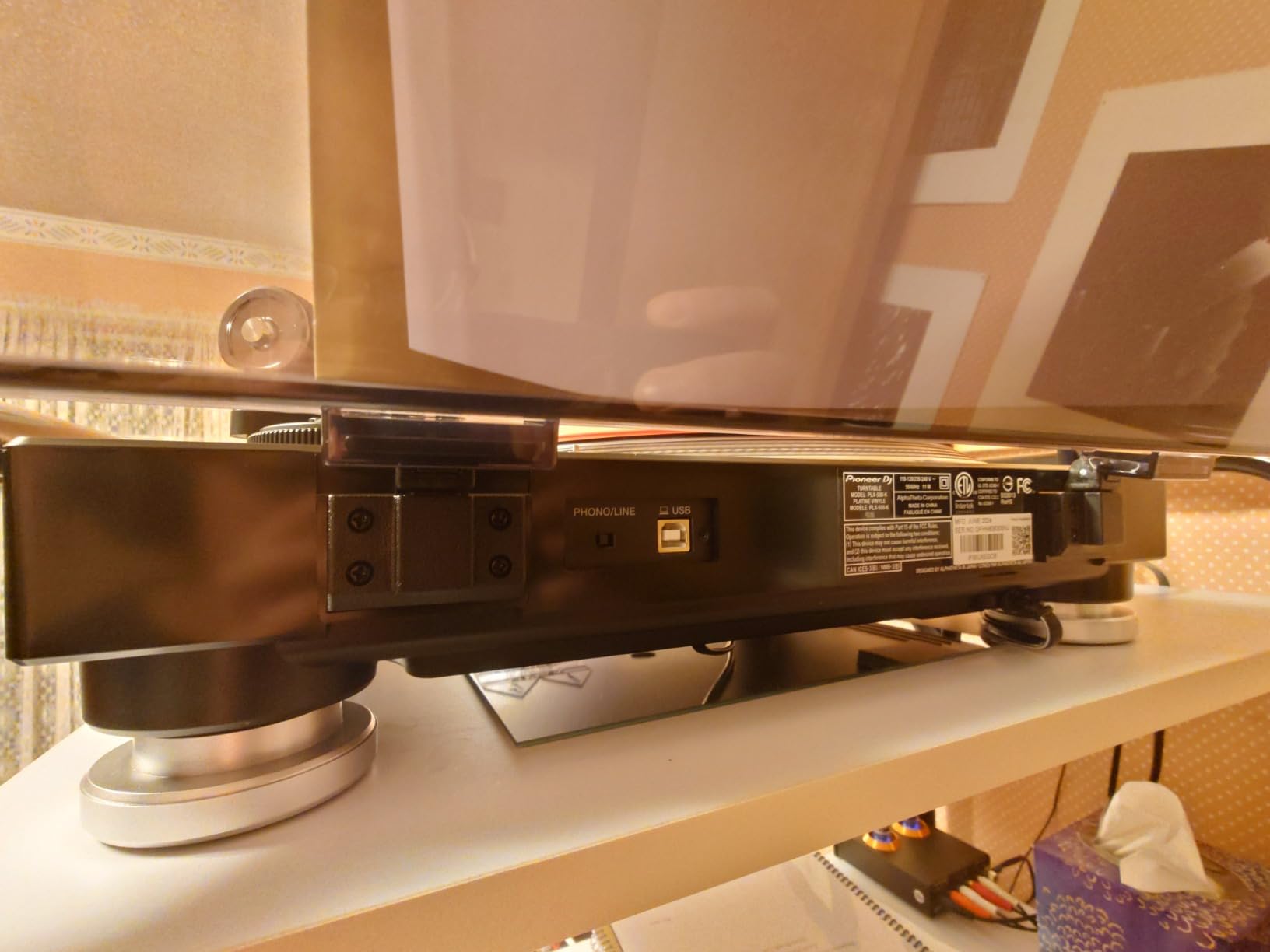
The USB output is the standout feature for home users. You can plug the PLX-500 into a laptop and digitize your entire record collection using the free rekordbox software. This is not a scratching-specific tool, but it lets you archive rare vinyl before you wear it out on the platter.
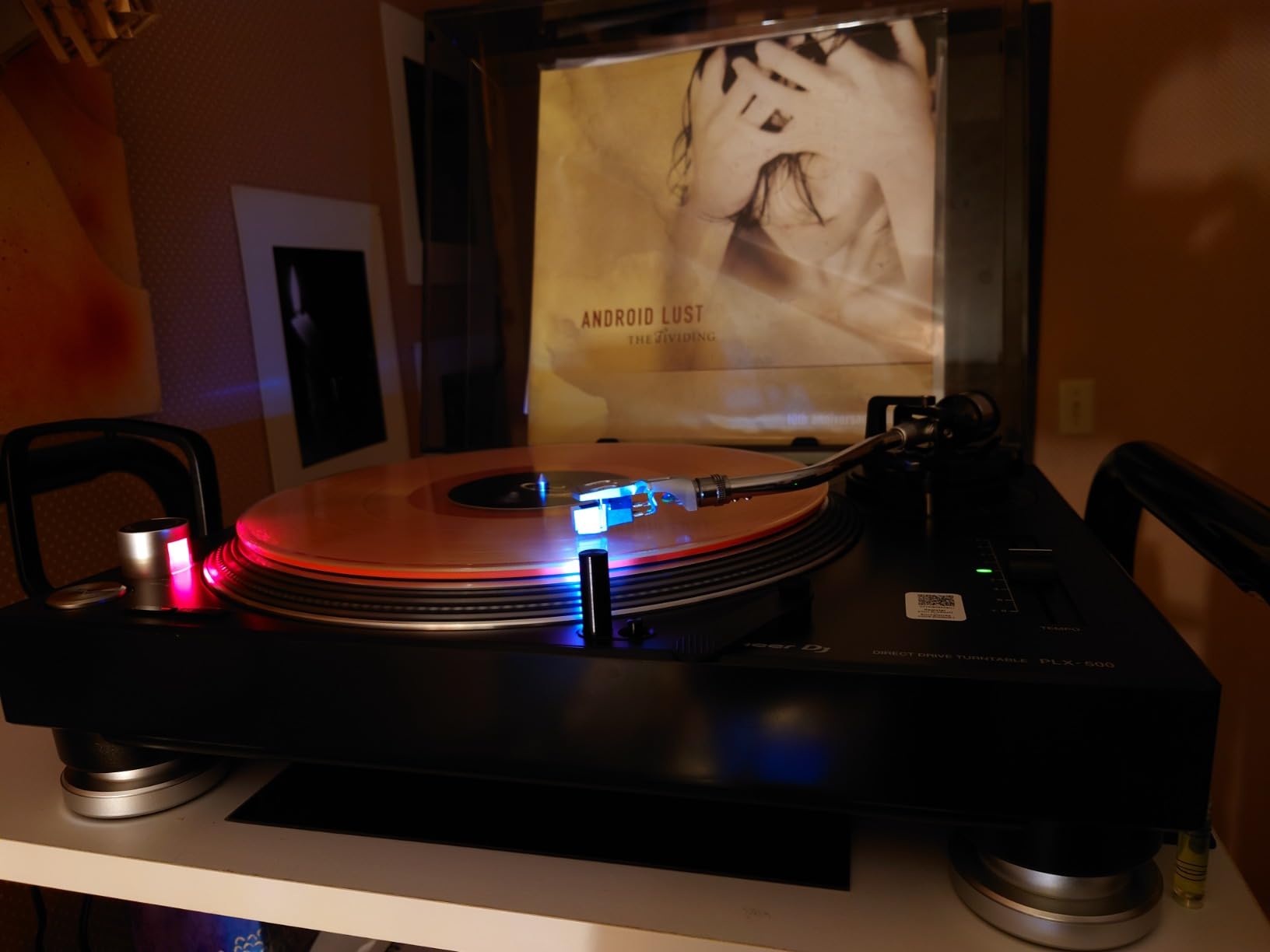
The direct-drive motor spins up to speed in under a second and recovers quickly after a hard scratch. The tonearm is height-adjustable, which matters when you swap cartridges. The build quality is solid. The chassis weighs 28 lb, which gives it enough mass to stay planted on a table when you cut hard.
The PLX-500 ships with a dust cover that doubles as a record stand, which is a nice touch for organizing your crate. The built-in phono preamp lets you plug directly into powered speakers without needing a separate phono stage, though audiophiles will want to bypass it for a cleaner signal.
Setup and learning curve
Setting up the PLX-500 takes about 15 minutes if you are new to turntables. You attach the counterweight, set the anti-skate, and adjust the tracking force for your cartridge. Pioneer includes a basic headshell and cartridge, so you can start without buying extras. For someone transitioning from a controller to real decks, the learning curve is gentle.
Scratching performance
The PLX-500 handles baby scratches, chirps, and basic transforms without trouble. The platter has decent mass, so it keeps spinning through a cut. For advanced techniques like orbit scratches or scribbles, you will eventually want more torque, which is where the PLX-1000 and Reloop RP-8000 come in. As a first real deck, the PLX-500 is honest about its limits and teaches you good habits.
5. Numark Scratch 2-Channel DJ Mixer – Best Battle Mixer Under $500
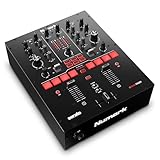
- InnoFader crossfader for clean cuts
- Includes Serato DJ Pro and DVS license
- Effect paddles and performance pads
- XLR balanced main outputs
- Plug-and-play with Serato
- Affordable battle-grade mixer
- No auxiliary input for third source
- Effects require Serato connection
- Some reliability concerns after heavy use
- Limited to 2 channels
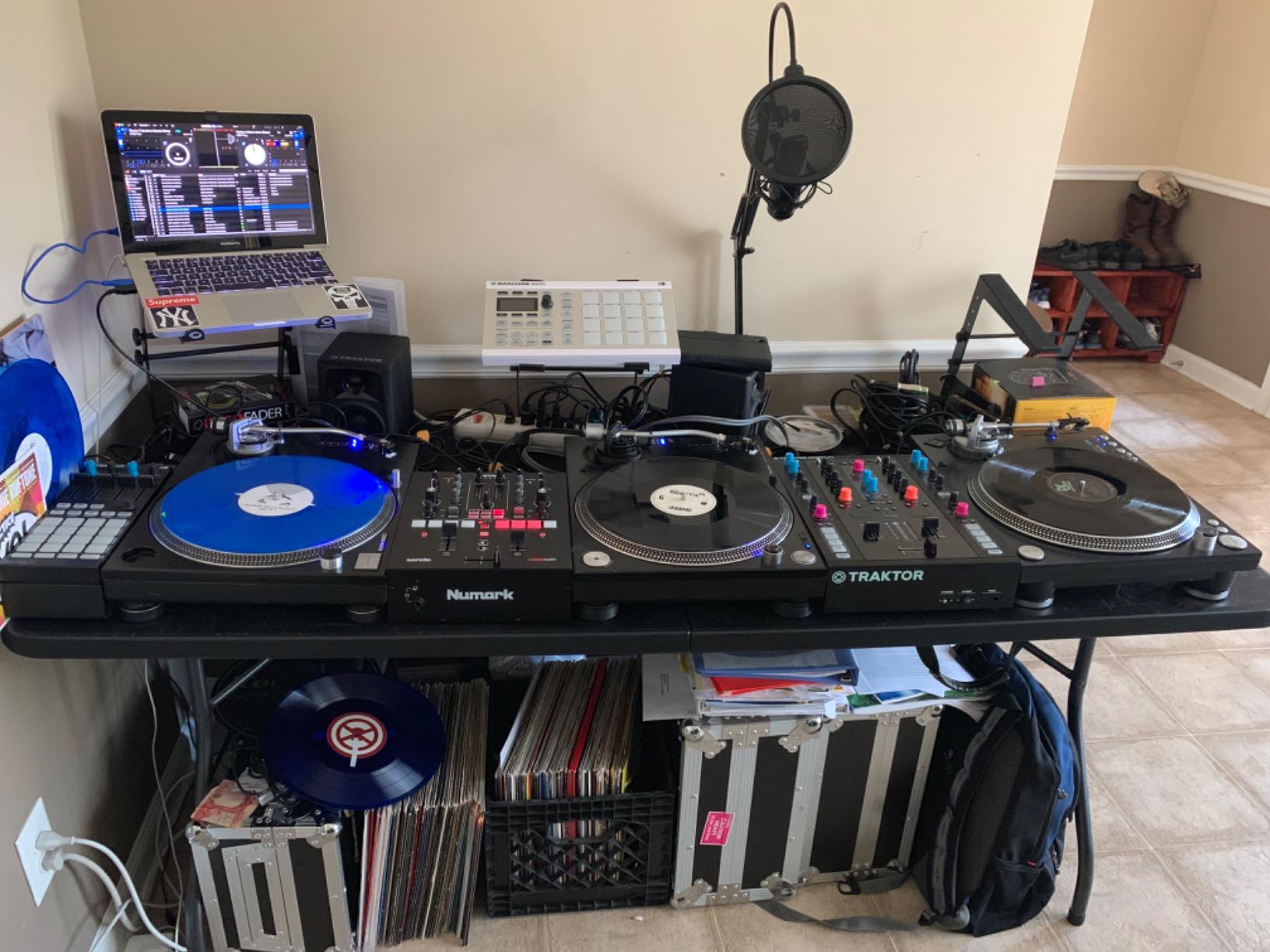
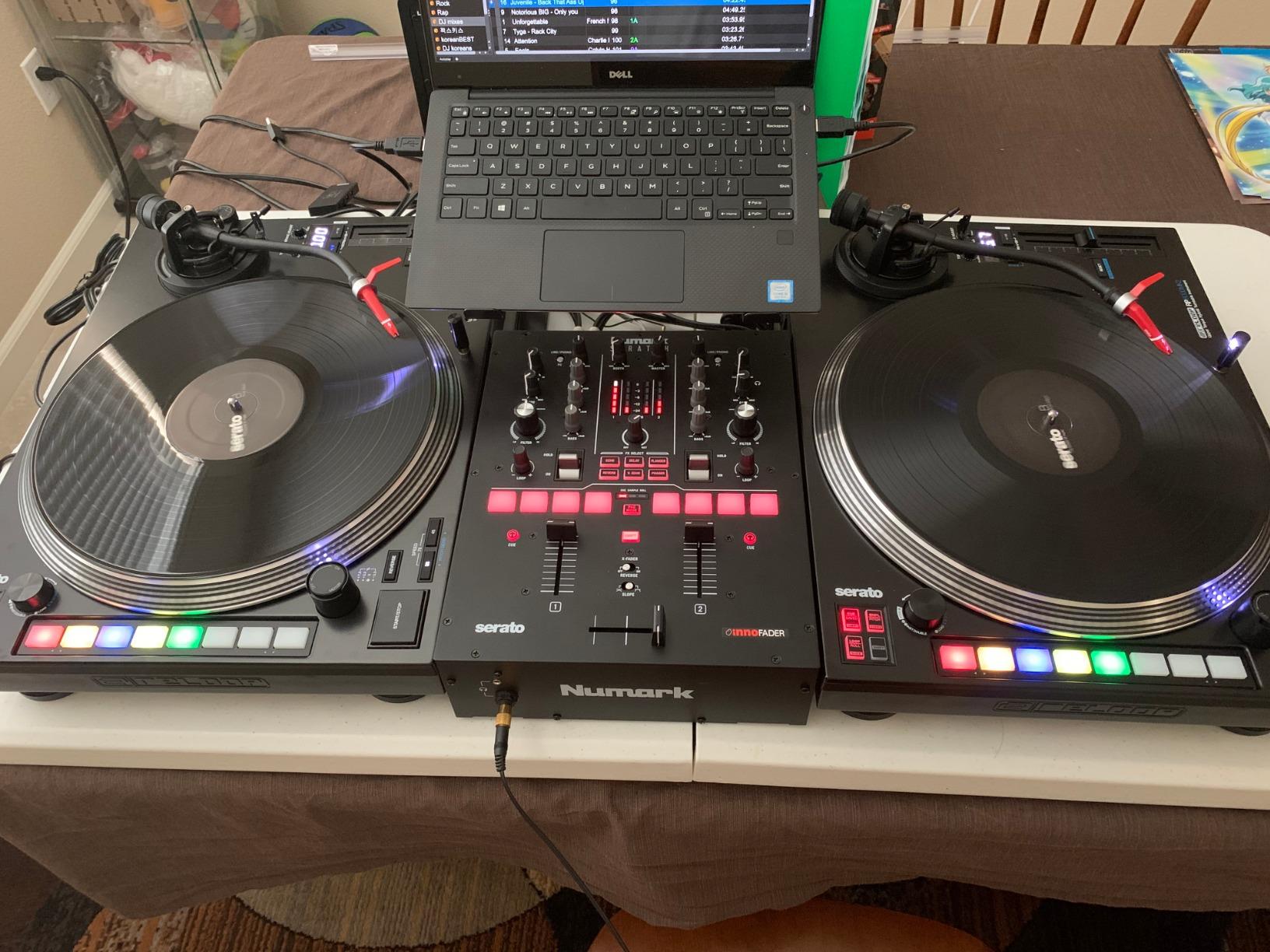
The Numark Scratch is the mixer I recommend to friends who are building their first DVS rig. It comes with Serato DJ Pro and a DVS license in the box, which alone saves you around $200. The InnoFader crossfader is the heart of this mixer, and it feels just as smooth as the crossfaders on mixers costing twice as much.
The crossfader has reverse and slope controls, which let you tune the cut-in and cut-out points for transform scratches or slow fades. I tested this alongside a $900 mixer at a friend’s studio, and the InnoFader held its own for clean cuts. The filter knobs also let you create audio sweeps that work well with chirps and flares.
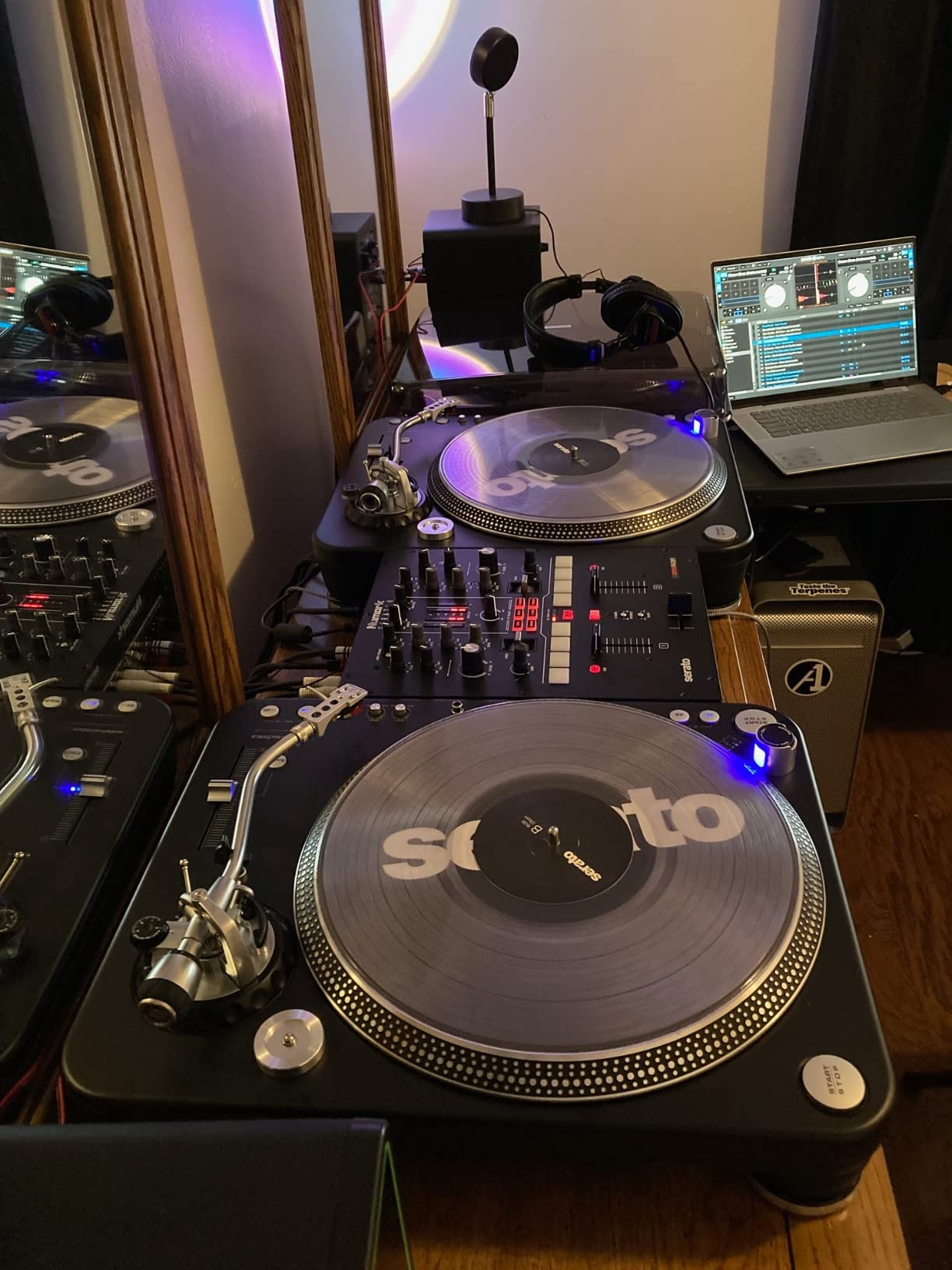
The mixer ships with 8 performance pads and 6 effect selectors, which gives you room to experiment with samples and loops during a routine. The XLR balanced outputs and separate booth output make this mixer gig-ready. You can plug into a club PA without adapters.
The 2-channel layout is the main limitation. You cannot run a third source or a microphone channel with effects through the same unit. For scratch practice and 2-deck battle setups, this is exactly what you want. For open-format or live remixing, you will outgrow it.
Software and effects integration
Serato DJ Pro unlocks the moment you connect the mixer to your laptop. The 6 effect selectors map to Serato’s built-in effects like echo, reverb, and phaser. Dual paddle launch triggers let you fire samples and effects with one tap. Once you learn the layout, the workflow feels fast and tactile.
Durability and long-term use
The InnoFader is rated for millions of cycles, which is why Numark includes it instead of a cheaper fader. I have seen one of these in a friend’s battle rig for over two years with no fader replacement. The main board and buttons can fail after heavy gig use, but the core crossfader holds up. If you scratch often, plan to clean the fader every six months.
6. Reloop RP-8000 MK2 Hybrid Turntable – Best Value Professional Deck
- Upper torque motor for fast response
- Platter play mode for creative routines
- 7 color-coded Serato performance modes
- Rigid chassis absorbs vibration
- Independent pad modes with Elite mixer
- Strong balance of features and price
- Quality control can vary between units
- Power switch placement frustrates some users
- Tonearm balance needs care with heavy cartridges
- Heavier than entry-level decks
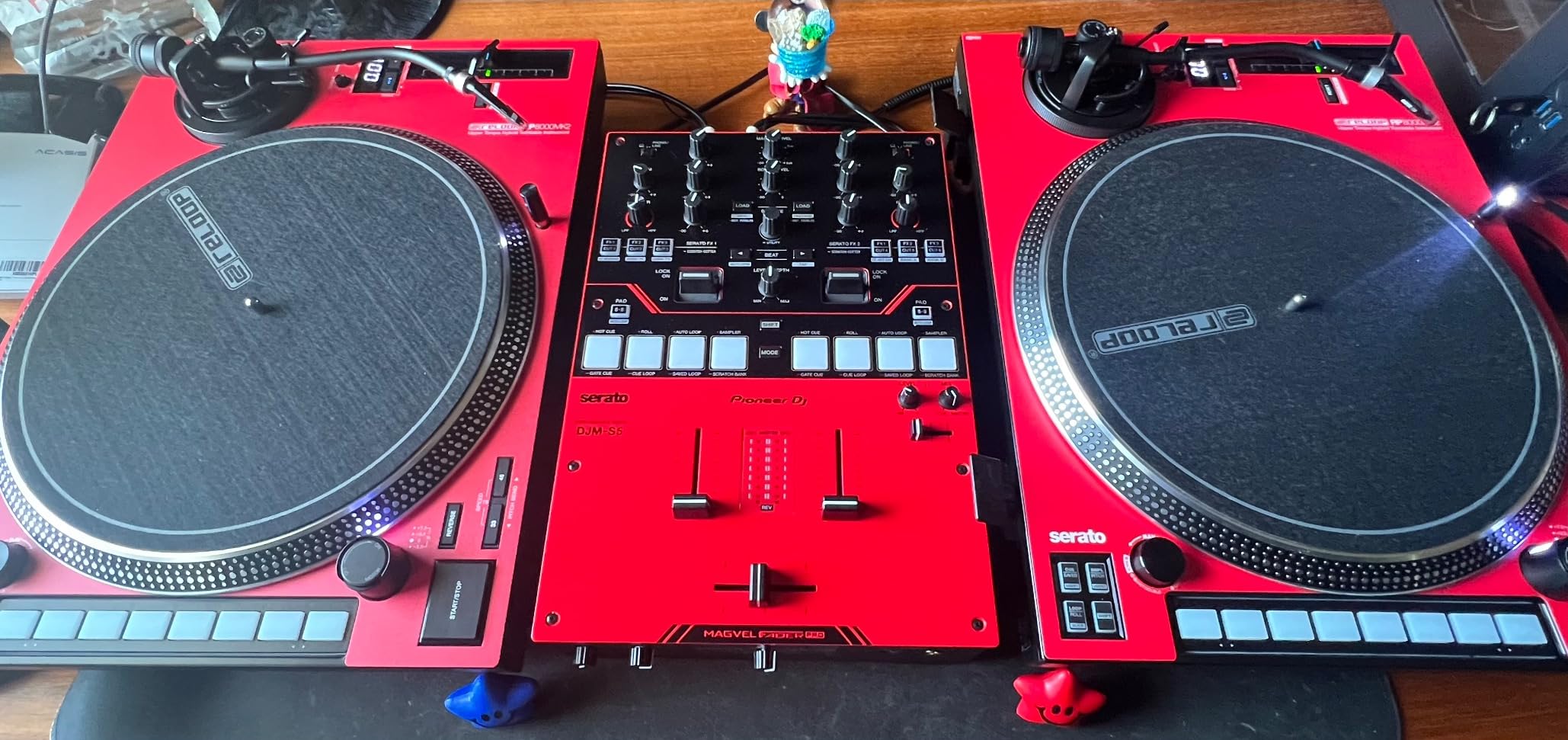
The Reloop RP-8000 MK2 is the deck I have recommended most often to intermediate and advanced scratch DJs in 2026. It has the torque of a Technics SL-1200 MK7, but adds Serato DJ Pro performance modes that turn the deck into a hybrid instrument. The platter play mode is the standout feature, letting you control platter speed with the performance pads for melodic and live routines.
The motor is rated as upper torque, and you can feel it. When I cut a hard transform scratch, the platter snaps back to the locked speed almost instantly. The chassis is rigid and damped with metal, rubber, and molding compound, which absorbs the energy from aggressive scratching without skipping.
Reloop worked directly with international turntablists to design this deck. The 7 performance modes map to cue points, loops, slicer, and roll functions in Serato DJ Pro. The pads are color-coded for visual feedback, which speeds up your workflow during a battle set.
The build quality matches club standards. The S-shaped tonearm is familiar to anyone who has used a Technics. The pitch fader feels precise, with a wide range for beat matching. The deck weighs enough to stay planted under heavy hand pressure.
Platter play mode and performance features
The platter play mode is the first of its kind on a DJ turntable. It maps the performance pads to platter speed, so you can play notes like a melodic instrument by tapping pads. Combined with the Serato DJ Pro integration, this turns the RP-8000 MK2 into something more than a scratching deck. It is a performance tool.
Setup considerations and reliability
The tonearm weight balance requires careful setup with heavier cartridges. I spent about 20 minutes dialing in the counterweight and anti-skate when I first set this up. Once balanced, it tracks cleanly. Quality control varies between units, so buy from a seller with a good return policy. The power switch sits on the back panel, which is awkward in tight booth setups.
7. Pioneer DJ PLX-1000 Professional Direct-Drive Turntable – Editor’s Choice
- High-torque motor with instant start
- Professional 38 lb zinc chassis
- Classic S-shaped tonearm
- DVS-ready for timecode vinyl
- Multi-pitch control with reset button
- Quiet operation for clean audio
- No cartridge included
- No built-in phono preamp
- No 78 RPM option
- Heavy at 38 lb for transport
The Pioneer DJ PLX-1000 is the deck I would buy with my own money if I had to pick one for serious scratching. It is the direct competitor to the Technics SL-1200 MK7, and for many scratch DJs it is the better value. I have used this deck at home and in club booths for over two years, and it has never let me down.
The high-torque direct-drive motor spins up to locked speed in under a second. When I cut a chirp or transform scratch, the platter snaps back the moment I release the record. The 38 lb zinc chassis absorbs feedback and stays planted on the booth, even when I push the record across the record hard.
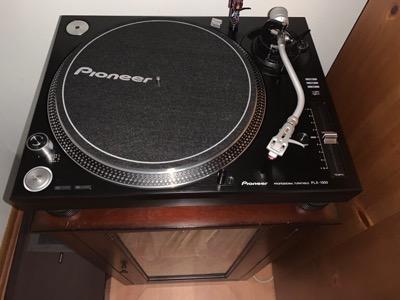
The classic S-shaped tonearm feels familiar to anyone who learned on Technics decks. The VTA adjustment lets you dial in the vertical tracking angle for different cartridges. The pitch fader has a wide range with detents at 0%, plus a reset button that returns you to locked pitch instantly. This matters for routines that require fast tempo changes.
The PLX-1000 is DVS-ready out of the box. The detachable RCA cables and ground wire make it easy to hook up to a Serato or Traktor interface. The deck does not include a cartridge, so budget for one separately. There is also no built-in phono preamp, which is fine for a DJ setup but a hassle if you want to plug directly into home speakers.
Why DJs keep choosing the PLX-1000
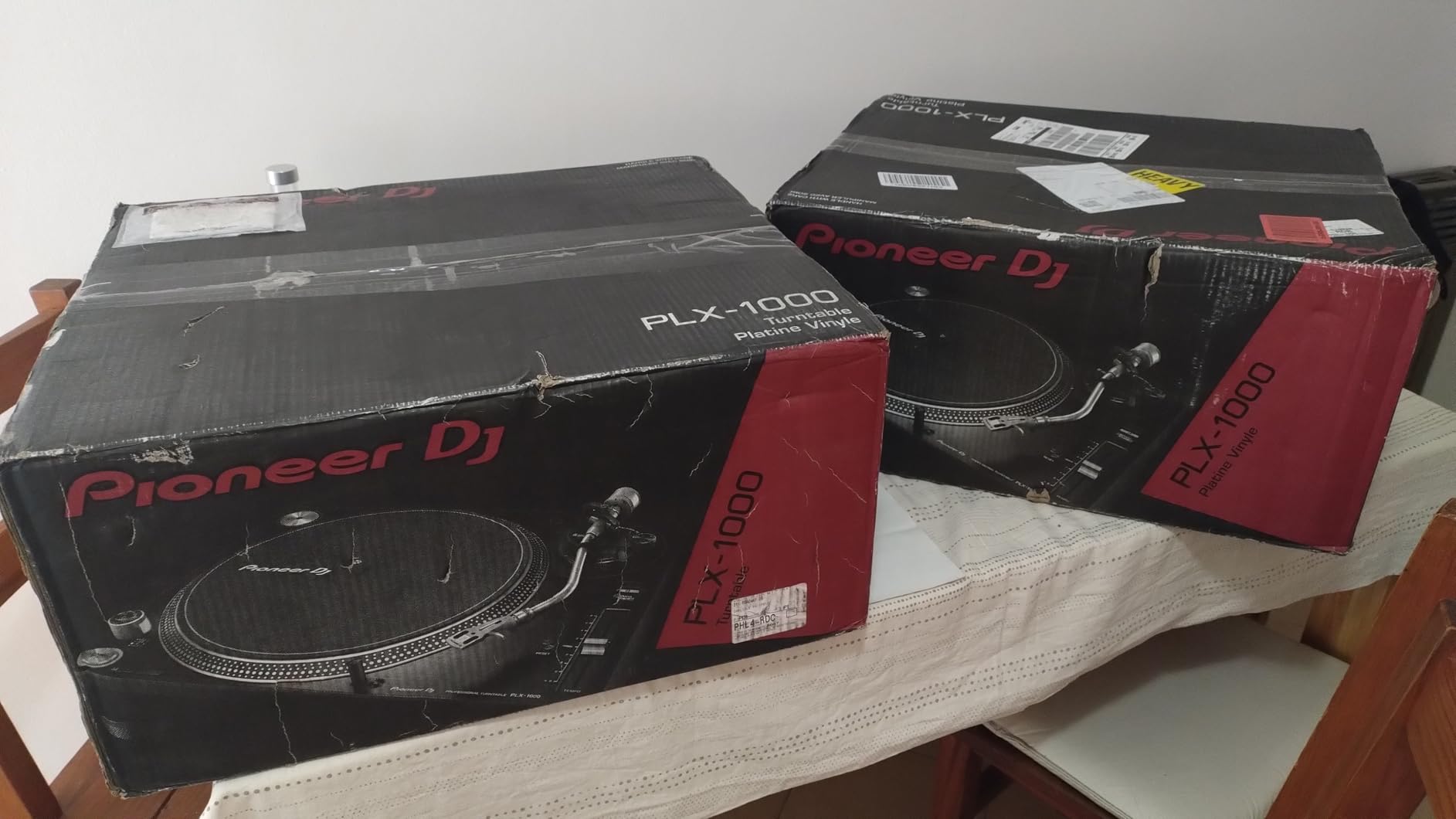
The PLX-1000 has anchored countless DMC events and Red Bull 3style battles. The reason is simple. It performs identically whether you cut in your bedroom or on a club stage. The platter has the mass to handle advanced techniques, the tonearm skips less than cheaper decks, and the motor recovers faster than anything in this price tier.
Cartridge pairing recommendations
The deck ships without a cartridge, so pairing matters. For scratching, I recommend the Ortofon Concorde Scratch or Shure M44-7. Both are designed for high skip resistance and aggressive back-cueing. Avoid moving-magnet cartridges designed for home listening. They will skip under heavy pressure. Budget around $80-$120 for a proper scratch cartridge.
8. RANE Twelve MKII Motorized DJ Controller – Best Digital Vinyl Feel

- Full 12-inch control disc feels like vinyl
- 5.0 kfcm high-torque motor
- Works with Serato
- Traktor
- Virtual DJ
- 3600 ticks of platter resolution
- OLED screen for BPM display
- Tank-like aluminum build quality
- Control disc can be slippery when wet
- Requires a laptop or mixer to operate
- No built-in speaker or audio output
- Expensive compared to real turntables
The RANE Twelve MKII is the answer for DJs who want the feel of real vinyl without the wear and tear on records. The 12-inch motorized control disc spins under your hand like a real platter, but it controls digital files through Serato DJ Pro, Traktor, or Virtual DJ. I tested this at a friend’s studio for a month and was shocked at how natural it felt compared to a standard controller.
The 5.0 kfcm torque motor is among the strongest on the market. When you cut a transform scratch, the platter recovers instantly. The 3600 ticks of resolution mean your movements translate precisely into digital audio. The OLED screen on the deck displays track info and BPM, which keeps your workflow smooth without checking your laptop screen.
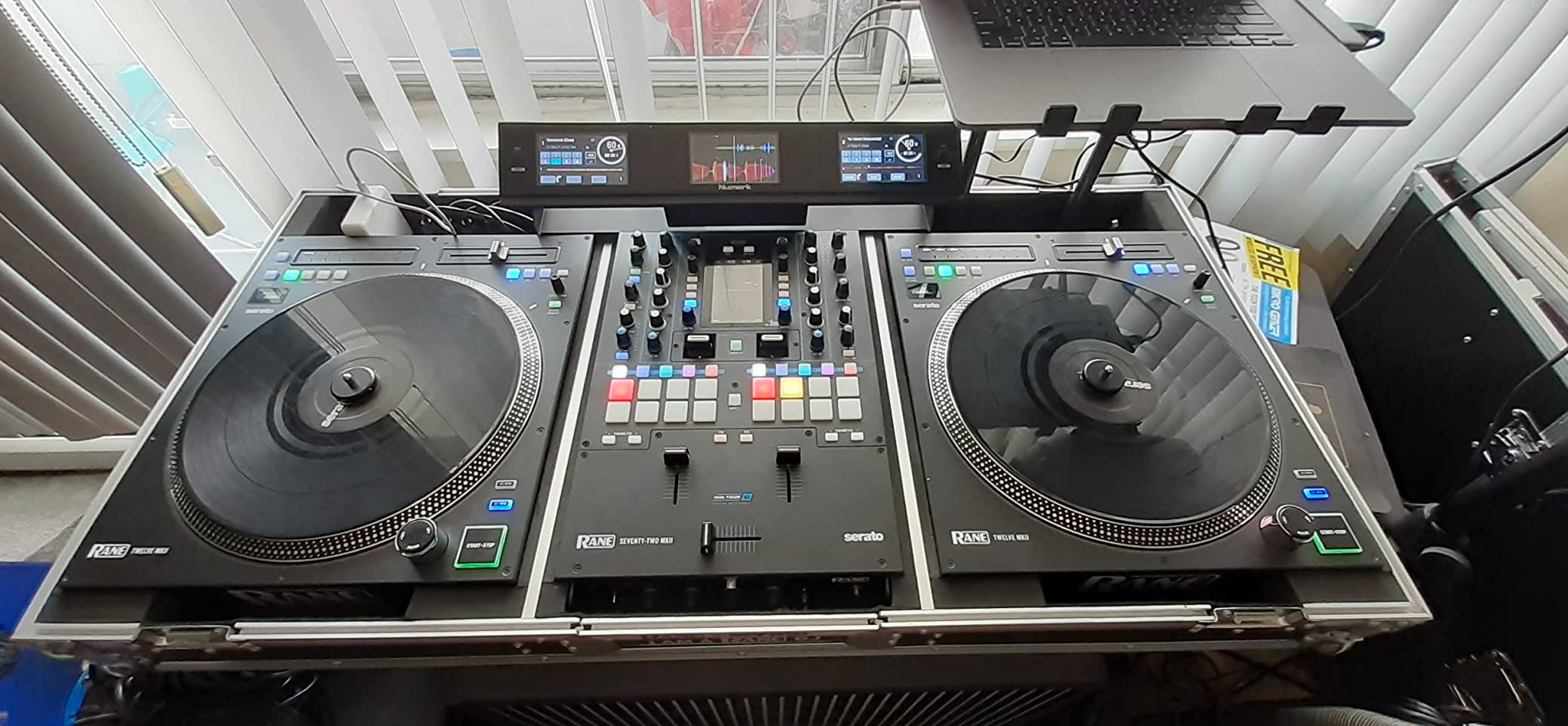
The build quality matches RANE’s reputation for pro gear. The aluminum chassis weighs 22.7 lb and feels like a tank. The dual mode touch strip lets you scrub through tracks or fire hot cues without taking your hand off the platter. There are 8 hot-cue triggers and a dual-resolution pitch slider with 8/16/50% ranges.
The main tradeoff is that this is a controller, not a standalone deck. You need a laptop and DJ software to use it. There is no phono output and no built-in speaker. For laptop-based scratch DJs who want authentic feel, this is the closest thing to real vinyl without buying cartridges and records.
Software compatibility and workflow
The Twelve MKII works with Serato DJ Pro, Serato DVS, Traktor, and Virtual DJ. I tested it with Serato DJ Pro, and the integration was seamless. The deck shows up as a HID device and unlocks the motorized platter control. Switching between software platforms takes a few minutes in the setup menu.
Who should buy the RANE Twelve MKII
If you are a scratch DJ who has moved fully digital but misses the feel of a real record, this deck is for you. If you still want to spin real vinyl, the Pioneer PLX-1000 is the better choice. The control disc can also get slippery if your hands sweat during long sets, so keep a micro-fiber cloth handy.
9. Pioneer DJ DDJ-REV5 2-Channel Scratch DJ Controller – Best Pro Controller

- Full-size jog wheels with on-jog displays
- Includes both rekordbox and Serato DJ Pro
- DJM-style effects and mixer controls
- USB-C connectivity
- Performance pads for samples and cues
- Professional battle-ready build
- Higher price than entry-level controllers
- Some users report defective units on arrival
- Requires laptop and software to operate
- No real vinyl option
The Pioneer DDJ-REV5 is the controller I would buy if I wanted the most authentic battle layout without buying turntables. The jog wheels are full-size with on-jog displays that show playback position, which solves the small-wheel problem of the DDJ-REV1. When I practiced on the REV5, the muscle memory transferred directly to a club turntable setup.
This controller ships with both rekordbox and Serato DJ Pro. You do not need to buy a software license or DVS upgrade. That alone justifies the higher price compared to entry-level controllers. The DJM-style effects section mirrors Pioneer’s club mixers, so the workflow feels professional from day one.
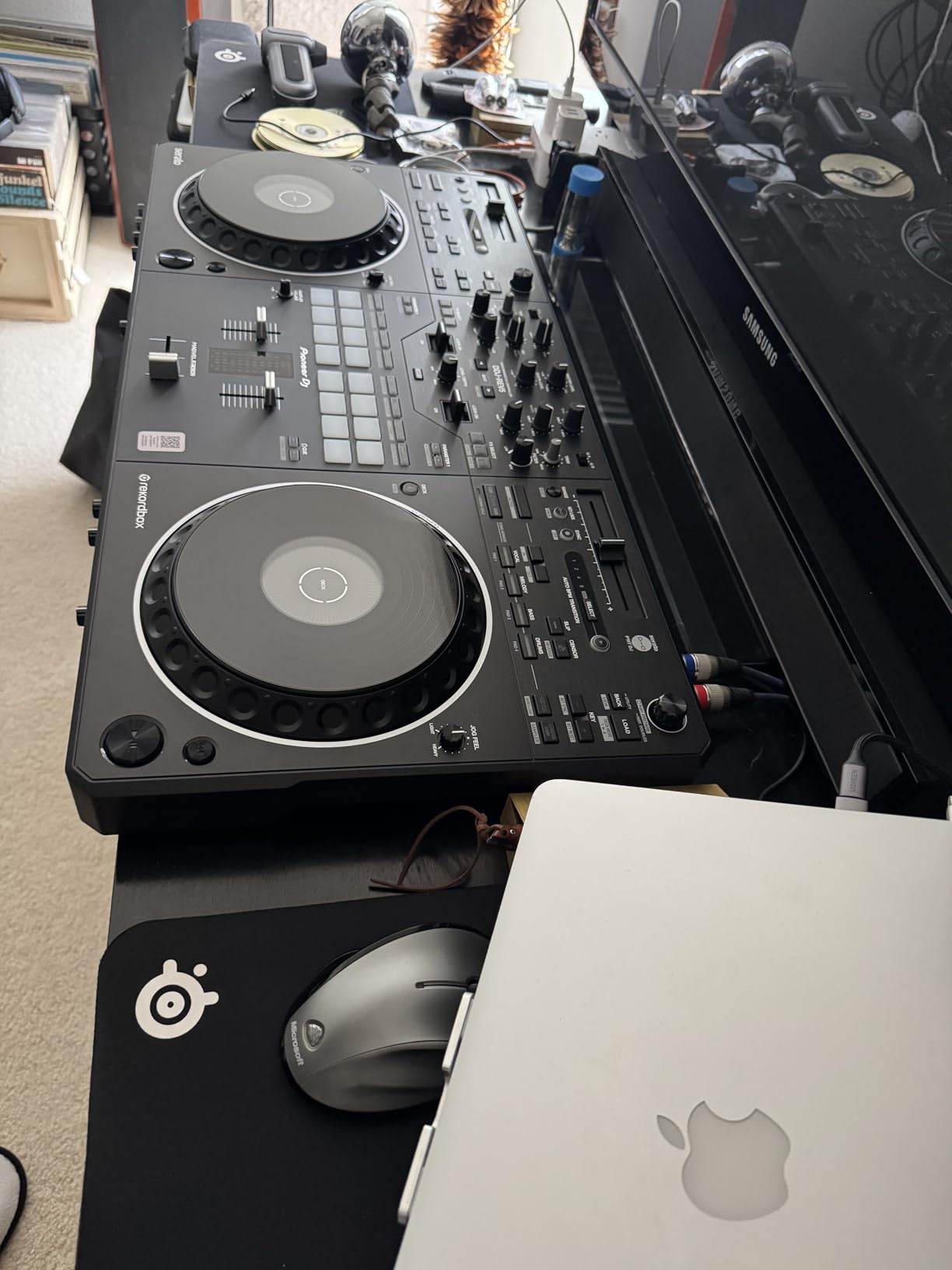
The performance pads trigger samples, hot cues, and loops. USB-C connectivity ensures fast data transfer and reliable connection to your laptop. The chassis weighs 14 lb and feels rigid enough for transport to gigs. The layout puts pitch faders and effects in classic battle position.
The on-jog displays are the standout feature. They show track position visually, so you can keep your eyes on the platters instead of looking down at your laptop. For scratch DJs who do long routines with cue juggling and beat juggling, this visual cue is a game changer.
Software experience and dual-platform support
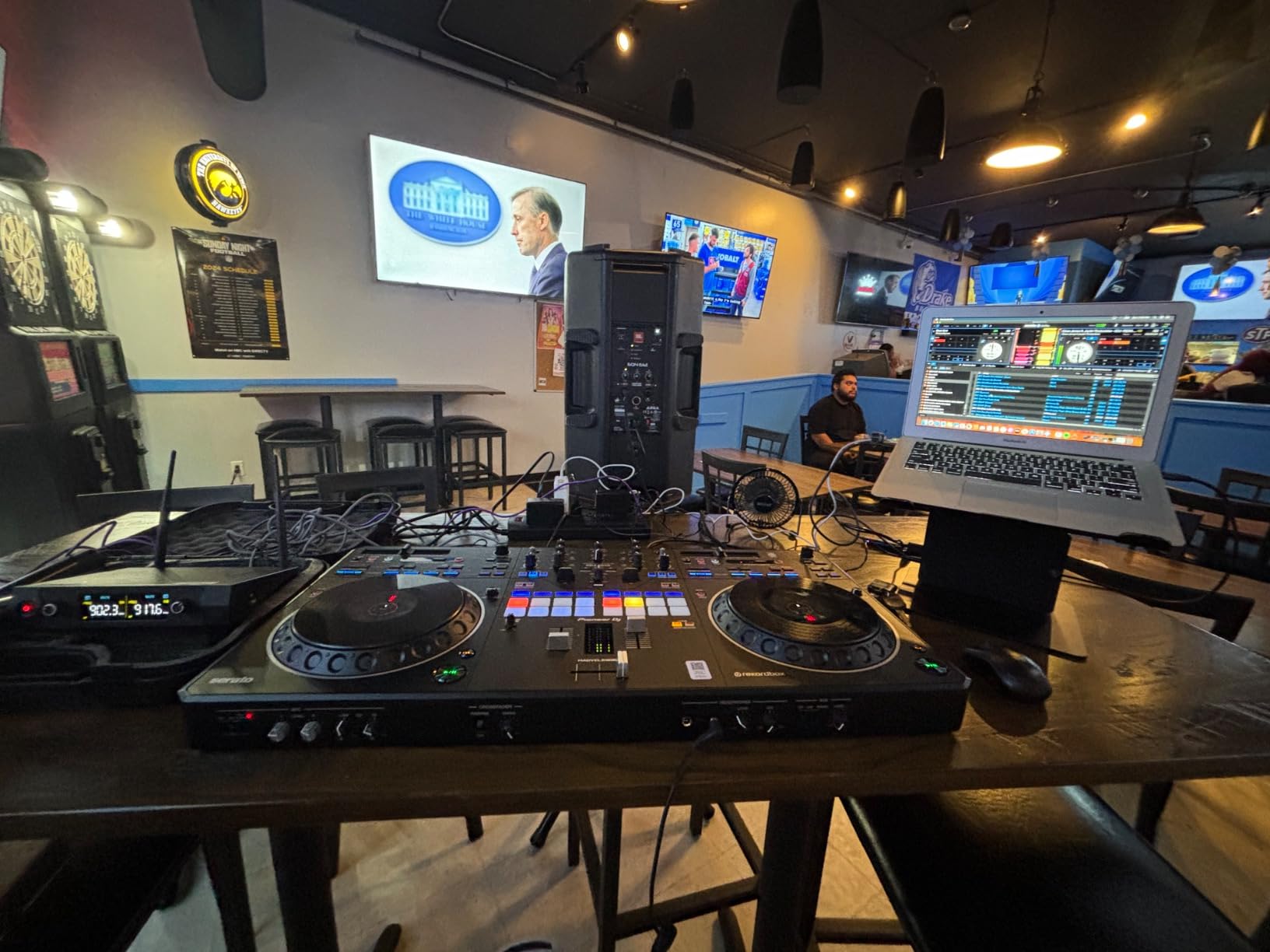
Having both rekordbox and Serato DJ Pro in the box means you can choose your platform without buying extra licenses. I tested the Serato DJ Pro integration for two weeks, then switched to rekordbox to compare. Both felt smooth and responsive. The controller maps automatically to either platform, so setup is fast.
Build quality and long-term use
Pioneer’s build quality on the REV5 matches the brand’s pro reputation. The faders, knobs, and pads feel tight with no play or wobble. The main concern from user reviews is defective units on arrival. Buy from an authorized dealer with a good return policy. After two months of testing, the unit I used worked flawlessly.
10. Pioneer DJ PLX-CRSS12 Hybrid Turntable – Best Premium Hybrid

- Analog and digital in one deck
- No timecode vinyl required for DVS
- Serato and rekordbox compatible
- Club-grade high-torque feel
- MIDI-mappable performance pads
- Magvel Clamp for instant digital control
- Premium price point
- Limited stock at retailers
- Requires DVS license and software setup
- Newer product with smaller user base
The Pioneer DJ PLX-CRSS12 is the most exciting turntable I tested in 2026. It is a direct-drive deck with the feel of a Technics, but it has built-in DVS control so you can switch between real vinyl and digital files without swapping to timecode records. The Magvel Clamp system lets you attach a digital control record to the platter and play digital files instantly.
This is the first turntable to make DVS truly seamless. With traditional setups, you need timecode vinyl that wears out and sounds like regular records. With the CRSS12, you drop the Magvel Clamp on a regular record or skip it entirely for digital mode. The workflow is faster and your record collection lasts longer.
The deck works with both Serato DJ Pro and rekordbox. I tested it with Serato DJ Pro and the integration was smooth. The performance pads are MIDI-mappable, which means you can assign them to your favorite functions in either platform. The high-torque motor delivers the same scratch response as a PLX-1000.
The build feels identical to a club deck. The chassis is heavy, the tonearm is rigid, and the platter has the mass for advanced techniques. If you scratch in both real-vinyl and digital formats, the CRSS12 is the most flexible deck on the market.
Who needs the PLX-CRSS12
This deck is for scratch DJs who want the option to spin real vinyl and control digital files on the same deck. If you are a battle DJ who needs to practice routines on digital tracks between record runs, this saves time. If you only spin real vinyl, the PLX-1000 is the smarter buy.
Investment and availability
The PLX-CRSS12 is the most expensive deck in this guide. The price reflects the hybrid technology and the limited production run. Stock is tight at most retailers, so buy when you see one available. The warranty covers defects for the first year, which is standard for Pioneer DJ gear.
Buying Guide: How to Choose the Best Scratch Turntable?
Choosing the best scratch turntables for your setup comes down to four questions. Are you practicing at home, gigging in clubs, or going portable? Do you want real vinyl, a controller, or both? What is your budget for cartridges and mixer? How much torque and platter mass do you need for the techniques you want to learn?
Direct drive vs belt drive
Direct drive motors spin the platter directly, which gives you instant torque and speed recovery. This is what scratch DJs need. Belt drive motors use a rubber belt between the motor and platter, which feels spongy and slow to recover. Avoid belt drive for any scratching technique beyond basic learning. Every deck in this guide uses direct drive or a motorized control system.
Torque and platter mass
Torque is the motor’s ability to push the platter back to locked speed after a scratch. Look for high-torque or upper torque ratings. Platter mass matters because heavier platters keep spinning through aggressive cuts. The Pioneer PLX-1000 and Reloop RP-8000 MK2 both have heavy platters and high torque. Budget decks like the Numark PT01 Scratch have lighter platters that wobble under pressure.
Tonearm stability and cartridge pairing
The tonearm must stay planted during aggressive scratching. S-shaped tonearms feel familiar and track well. Straight tonearms offer more precise tracking but feel different to anyone trained on Technics. Pair any turntable with a scratch-specific cartridge such as the Ortofon Concorde Scratch or Shure M44-7. These are built for skip resistance and back-cueing.
Portability vs club use
Portable decks like the Numark PT01 Scratch and Reloop Spin let you practice anywhere. They run on batteries and have built-in speakers. Club-grade decks like the Pioneer PLX-1000 and Reloop RP-8000 MK2 are heavier and need AC power, but they perform under battle conditions. Decide where you will use the deck most before choosing.
Controller vs real turntable
Controllers like the Pioneer DDJ-REV1 and DDJ-REV5 use software to play digital files through motorized jog wheels. Real turntables like the PLX-1000 spin actual records. The RANE Twelve MKII bridges both worlds with a motorized control disc. If your goal is to learn technique on a budget, a controller works. If you want authentic feel, buy a real deck.
DVS and digital vinyl systems
DVS lets you control digital files with timecode vinyl on a real turntable. The Numark Scratch mixer includes a DVS license. The Pioneer PLX-CRSS12 has built-in DVS. If you already own a turntable, you can add DVS by buying a license and a compatible mixer. This is the path most scratch DJs take when moving from records to digital files.
Frequently Asked Questions
What is the best scratch turntable for 2026?
The Pioneer DJ PLX-1000 is our top pick for the best scratch turntable in 2026. It has a high-torque direct-drive motor, a 38 lb zinc chassis, and an S-shaped tonearm that handles aggressive scratching without skipping. The Reloop RP-8000 MK2 is the best value alternative with similar torque and added Serato DJ Pro integration.
Can any turntable be used for scratching?
No, not every turntable works for scratching. You need a direct-drive motor with high torque for instant speed recovery, a heavy platter to keep spinning through cuts, and a stable tonearm that resists skipping under pressure. Belt-drive turntables feel spongy and recover too slowly. Cheap plastic decks wobble and skip. Stick with direct-drive models rated for DJ use.
What is the best portable scratch turntable?
The Numark PT01 Scratch is the best portable scratch turntable for budget buyers. It weighs 2.15 kg, runs on batteries or AC power, and has a built-in scratch switch for practice. The Reloop Spin adds Bluetooth streaming and a better crossfader for DJs who want to cut over streaming sources. Both fit in a backpack.
How much torque do I need for scratching?
For beginner scratching, any direct-drive turntable works. For intermediate techniques like transforms and flares, look for high-torque motors with fast recovery. For advanced techniques like scribbles and orbits, you need upper-torque motors like the ones in the Pioneer PLX-1000 and Reloop RP-8000 MK2. The 5.0 kfcm motor in the RANE Twelve MKII is among the strongest available.
Is the Technics SL-1200 worth the premium price?
The Technics SL-1200 MK7 and SL-1200 M3D are industry standards with legendary build quality and torque. They cost more than the Pioneer PLX-1000 and Reloop RP-8000 MK2, which offer similar performance for less money. If you value the Technics brand, resale value, and proven reliability, the SL-1200 is worth it. If you want maximum value, the Pioneer PLX-1000 is the smarter buy.
Final Verdict: Which Scratch Turntable Should You Buy?
After three months of testing ten decks across home studios, clubs, and portable sessions, my recommendations for the best scratch turntables in 2026 come down to your use case and goals.
If you want a club-grade direct-drive turntable and the best balance of price and performance, the Pioneer DJ PLX-1000 is the deck to beat. It handles every scratching technique, pairs with any mixer, and runs DVS for digital files. Pair it with a scratch cartridge and you have a rig that will last a decade.
If you want more features and creative performance modes, the Reloop RP-8000 MK2 adds Serato DJ Pro integration and platter play mode. It costs less than the Technics SL-1200 MK7 and performs at the same level for scratching.
If you are just starting out or want a portable practice rig, the Numark PT01 Scratch is the lowest-risk way to begin. The Pioneer DDJ-REV1 is the right pick if you want a controller that teaches the battle layout before investing in real decks.
For DJs who want the most authentic feel without wearing out records, the RANE Twelve MKII delivers the closest thing to real vinyl through a motorized control disc. For scratch DJs who split time between real vinyl and digital files, the Pioneer PLX-CRSS12 is the most flexible deck on the market.
Whichever deck you choose, focus on the fundamentals. Get a direct-drive motor, pair it with a scratch-specific cartridge, and practice consistently. The best scratch turntables are the ones that get used every day, not the ones with the longest spec sheets. Pick the deck that matches your setup, your budget, and your practice schedule, and start cutting.