
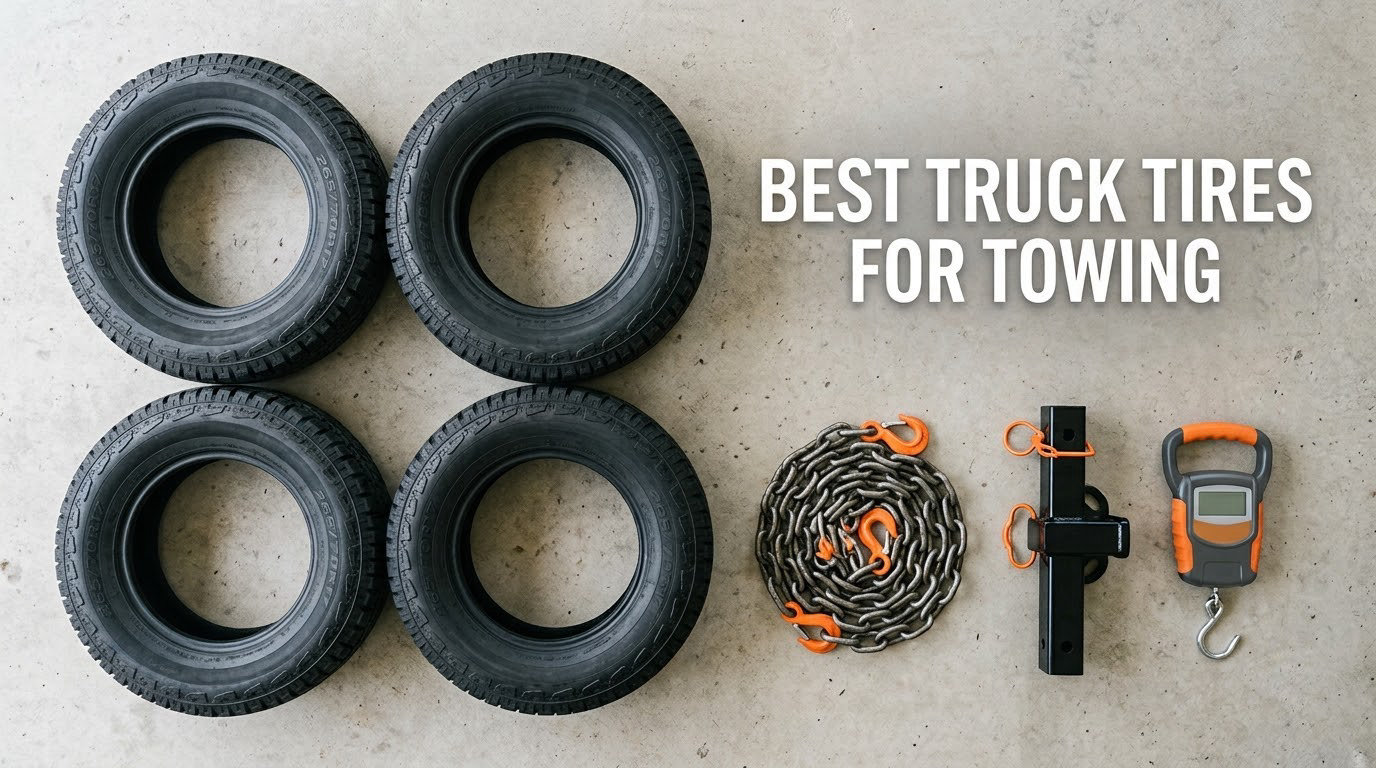
The best truck tires for towing are LT-rated Load Range E tires with stiff sidewalls that hold shape and shed heat under a heavy trailer. After comparing the ten models below, the BFGoodrich All-Terrain T/A KO2 is our top pick for most tow rigs, with the Hankook Dynapro AT2 RF11 taking the value slot and the Cooper Discoverer AT3 LT winning for high annual mileage.
That answer matters because towing is not a traction problem. A trailer pushes weight straight down onto the rear axle, so the tire that fails first is usually the one that flexes too much and runs hot, not the one that has the least grip in the rain. Stiff sidewalls deflect less, generate less heat, and keep the trailer tracking behind you instead of fishtailing across the lane.
We spent weeks digging through owner threads, spec sheets and tire-pressure data for this roundup, and the pattern was consistent: people who tow long highway miles want quietness and heat management, while people who tow into gravel and snow want a taller, tougher casing. The list below covers both camps, and every pick is a real tire in a real size you can actually mount. If your rig still needs a hitch, a brake controller or a way to keep an eye on pressure, our guides to the best trailer hitches for towing and the best trailer brake controllers cover that side of the equation.
Table of Contents
Top 3 Best Truck Tires for Towing in 2026
These three did the best job of balancing load capacity, heat management and tread life across the ten we compared. If you only read one section, read these.

BFGoodrich All-Terrain T/A KO2
- Load Range E 10-ply
- 3195 lb per tire
- 3PMSF severe winter rated
All 10 Tires Compared Side by Side
Here is the full lineup with the specs that actually change towing behavior.
| Product | Specifications | Action |
|---|---|---|
| BFGoodrich All-Terrain T/A KO2 LT265/70R16/E |
|
Check Latest Price |
 Hankook Dynapro AT2 RF11 LT265/75R16 Hankook Dynapro AT2 RF11 LT265/75R16 |
|
Check Latest Price |
 Goodyear Wrangler Territory MT LT275/65R18 Goodyear Wrangler Territory MT LT275/65R18 |
|
Check Latest Price |
 Goodyear Wrangler Duratrac LT275/70R18 Goodyear Wrangler Duratrac LT275/70R18 |
|
Check Latest Price |
 Falken Wildpeak A/T4W 265/70R17 Falken Wildpeak A/T4W 265/70R17 |
|
Check Latest Price |
| Cooper Discoverer AT3 LT LT225/75R17 |
|
Check Latest Price |
 Toyo Open Country M/T 35×12.50R20 Toyo Open Country M/T 35×12.50R20 |
|
Check Latest Price |
 Michelin Defender LTX M/S LT265/75R16 Michelin Defender LTX M/S LT265/75R16 |
|
Check Latest Price |
 Firestone Transforce HT 8.75R16.5LT Firestone Transforce HT 8.75R16.5LT |
|
Check Latest Price |
 Barkley Rammus X/T LT245/75R17 Barkley Rammus X/T LT245/75R17 |
|
Check Latest Price |
1. BFGoodrich All-Terrain T/A KO2 – The Best Truck Tires for Towing Overall
BFGoodrich All Terrain T/A KO2 Radial Car Tire for Light Trucks, SUVs, and Crossovers, LT265/70R16/E 121/118S
- 3PMSF severe winter rated for snow towing
- Interlocking tread elements stabilize the center under load
- Footprint shape spreads wear evenly
- Handles mud and dirt and snow and sand and rocks
- S speed rating is modest for sustained highway towing
- Vehicle Specific Fit limits it to select trims
The All-Terrain T/A KO2 is the tire we kept coming back to. At 4.8 stars across 931 reviews it has one of the deepest wells of real-world feedback in this group, and the LT265/70R16/E version is a properly built light-truck tire rather than a passenger tire with a light-truck label.
That 121/118S Load Range E 10-ply rating puts 3195 pounds behind every corner. On a half-ton pulling a 5000-pound bumper pull, that is more headroom than most people ever use, and headroom is what keeps the sidewall from deforming and cooking on a long grade in July.
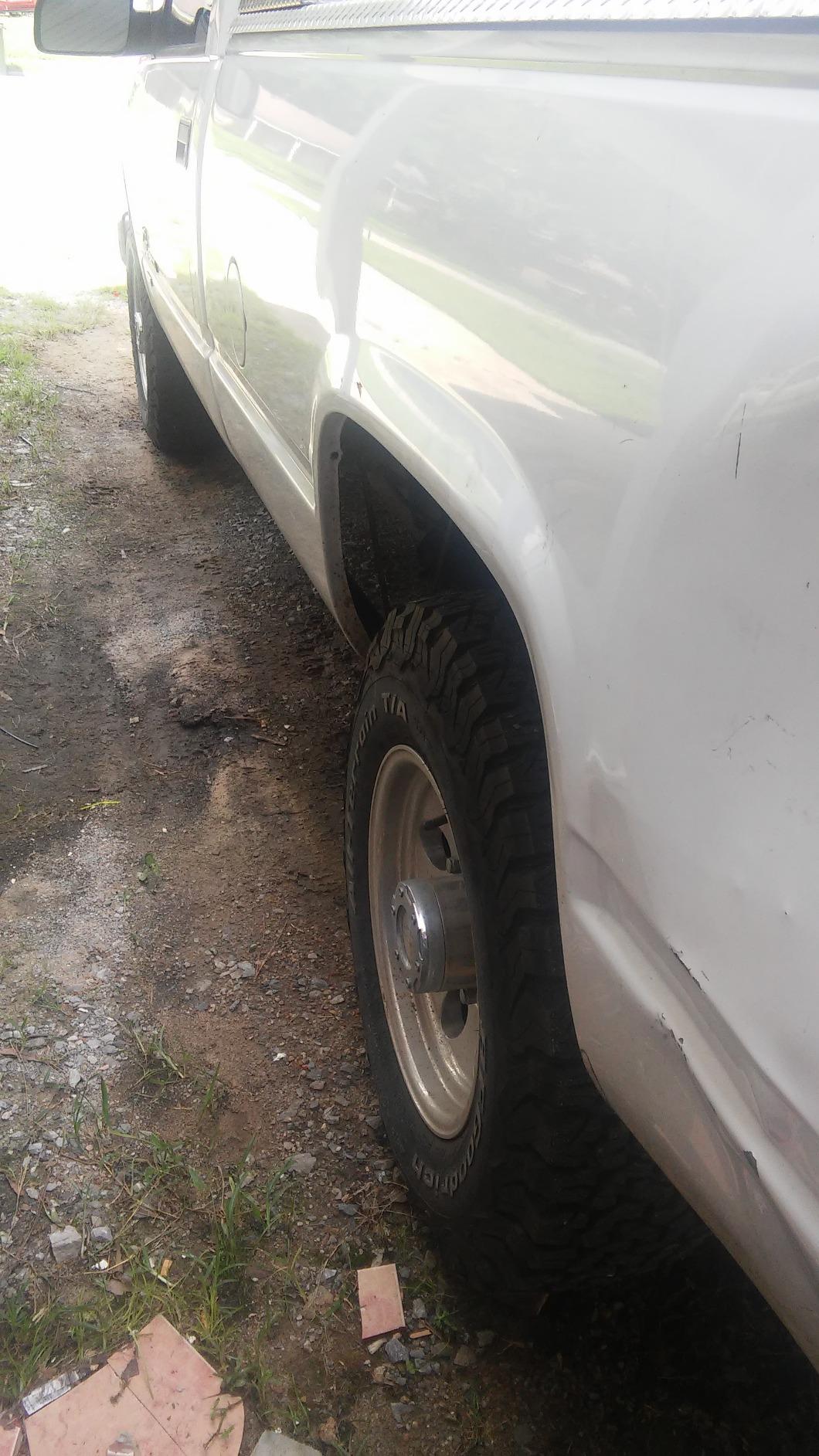
What makes this the balance pick is the 3PMSF severe winter rating. It is the only tire in this roundup carrying the three-peak mountain snowflake mark, so if your tow route crosses snow or ice rather than just rain, it is the one we would put on without hesitation.
The tread design uses interlocking elements across the center, which is a stability feature as much as a traction feature. Those blocks resist the squirm you normally get when a heavy trailer loads the rear axle, and the shaped footprint spreads stress so you get even wear instead of a hard shoulder on one side. Owners on owner forums repeatedly call out durable tread life and even wear patterns, and the manufacturer backs it with a 6 year limited warranty.
Who this tire suits
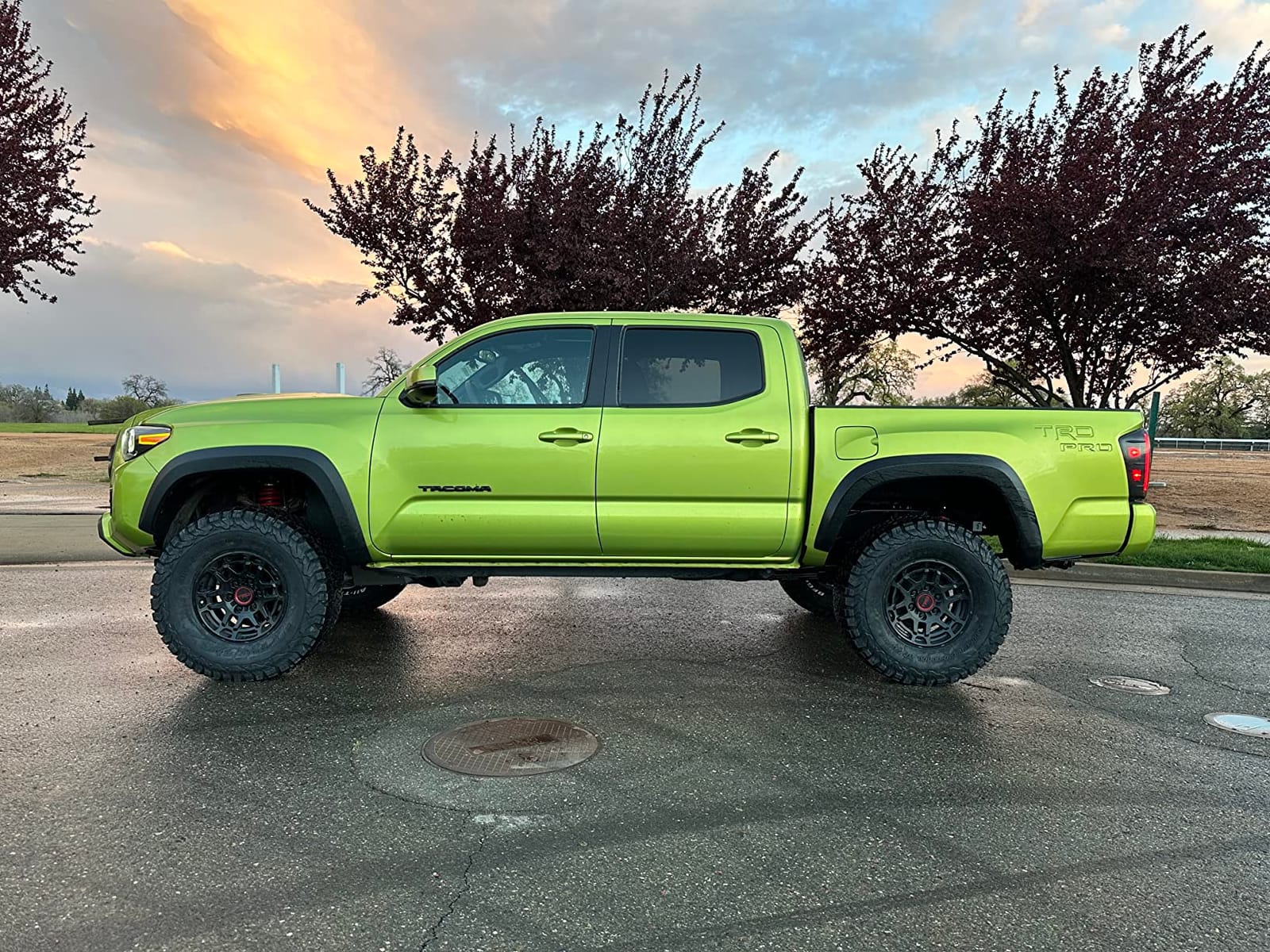
This is the tire for someone who does everything: highway pulls to the campground, a gravel forest road on the way in, and snow on the shoulder in February. The severe winter rating means you are not gambling on a tread pattern that was never certified for ice.
It also works well as a four-tire set on a half-ton or lighter three-quarter ton that spends most of its miles on pavement. You get the Load Range E sidewall benefits and none of the noise penalty of a full mud-terrain.
Where it falls short
The S speed rating is the honest drawback. At highway speeds with a loaded trailer, an R-rated tire gives you more margin, and the S rating is a reminder that this is not the tire you would choose for sustained 70 mph runs across a desert in peak summer.
The Vehicle Specific Fit designation is the other catch. This size is not a universal fit, so confirm your truck trim and wheel width before you commit. It is also an all-terrain pattern, so if your driving is 95 percent highway you are paying for lugs you will rarely use.
2. Hankook Dynapro AT2 RF11 – Best Value Load Range E All-Terrain
- 3415 lb per-tire capacity which is second highest here
- Universal Fit simplifies sizing
- All-season all-terrain tread works year round
- Largest review base in the group
- 80 psi maximum pressure for cold inflation
- Lowest five-star share in the group at 81 percent
- S speed rating is modest for long highway pulls
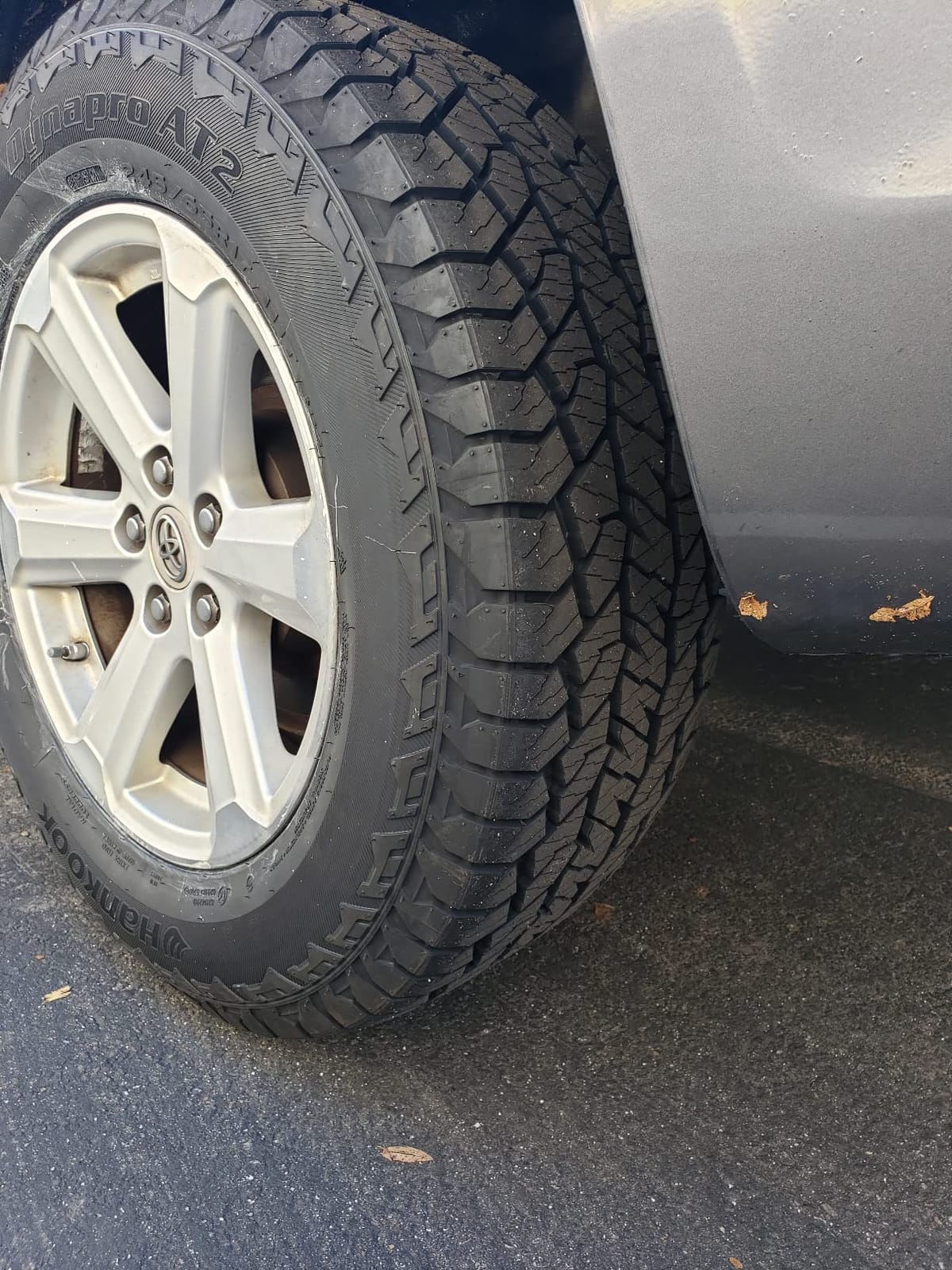
With 2174 reviews at 4.6 stars, the Dynapro AT2 RF11 has more owner feedback than anything else we looked at. When you are putting a tire under a trailer you cannot see, that volume of long-term reports is worth paying attention to.
The spec sheet is where this one wins its slot. At LT265/75R16 123S in Load Range E 10-ply, it carries 3415 pounds per tire, the second-highest per-tire rating in the group, and the 75-series aspect ratio gives it a taller 31.7 inch diameter than most of the field.
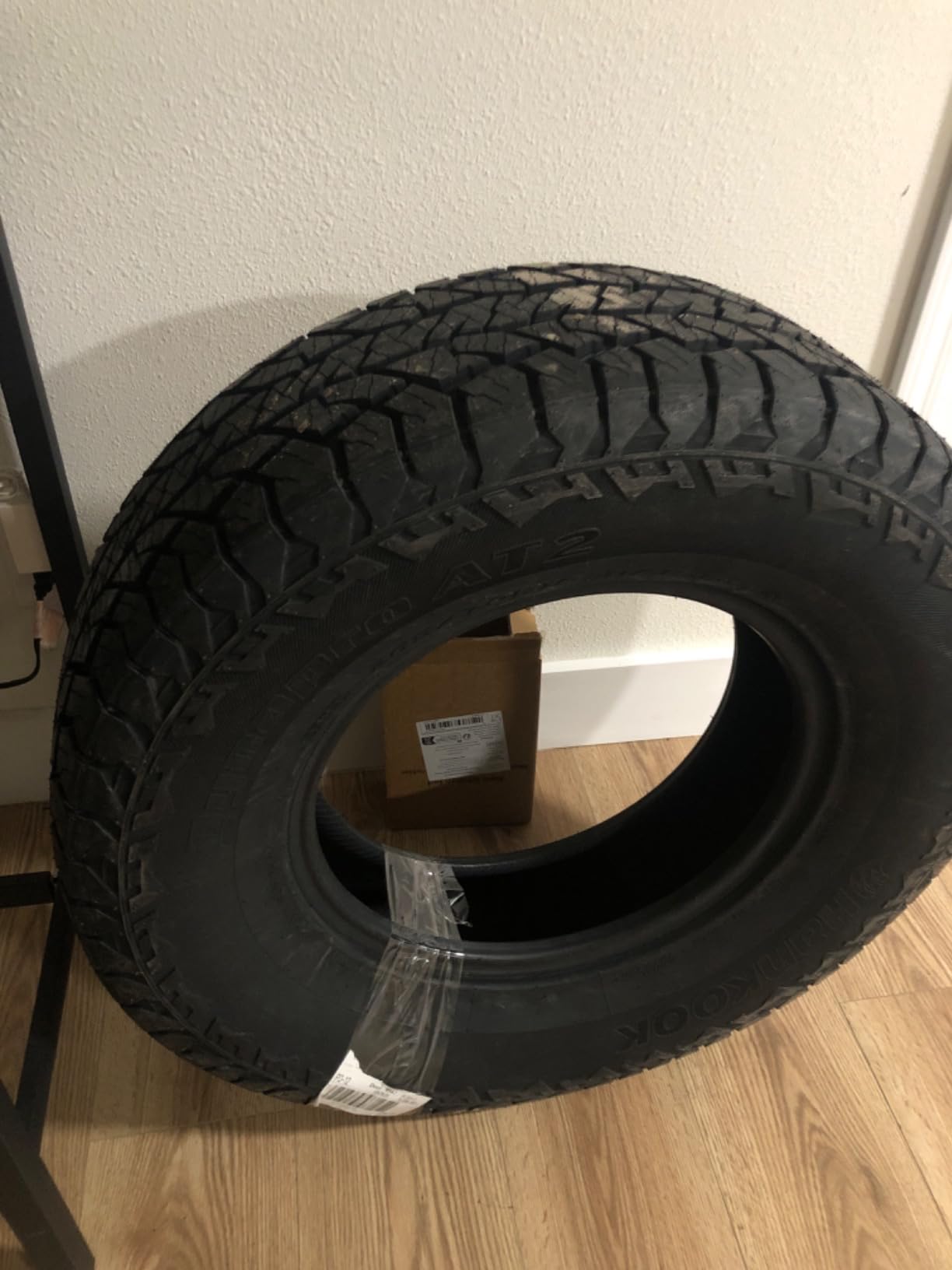
That taller sidewall is the quiet hero of towing. More rubber between the rim and the road means less sidewall flex under load, and sidewall flex is where heat comes from. Owners describe a smooth highway ride and dependable all-terrain grip, which is the combination you want when the road surface changes halfway home.
Reviewers also flag tread noise and uneven wear in the minority, which tracks with the rating split: 81 percent five-star is the lowest top-end share here, with 6 percent one-star. A number of owners on r/GoRVing and f150forum have specifically called the Hankook RF10 line a solid all-terrain for towing, and this is the same idea in a newer size.
Who this tire suits
It suits the majority of tow rig owners: someone with a half-ton or three-quarter ton who wants Load Range E strength without stepping up to the premium tier, and who does not want to hunt for a specific fitment because the Universal Fit designation keeps sizing simple.
It is also a good candidate for a staggered setup, letting you run a slightly wider tire on the steer axle and this in the Load Range E size on the rear where the load actually is.
Where it falls short
The rating spread is the thing to know about. A lower five-star share usually means more complaints about noise and wear rate, and if you tow mostly on pavement you may find the tread wears faster than a dedicated highway tire.
The S speed rating limits sustained highway speed, and the non-winter classification means this is not a snow-certified tire. If your routes are winter routes, look at the BFG above instead.
3. Goodyear Wrangler Territory MT – Best for Mud and Snow Trails
- Wrap-around shoulder bites in deep mud and snow
- Sequenced pitch pattern keeps road noise down
- Engineered for OE 18-inch wheel fitments
- Universal Fit sizing
- 6-ply Load Range C is the lightest rating here
- Q speed rating caps sustained speed
- Louder on pavement than an all-terrain
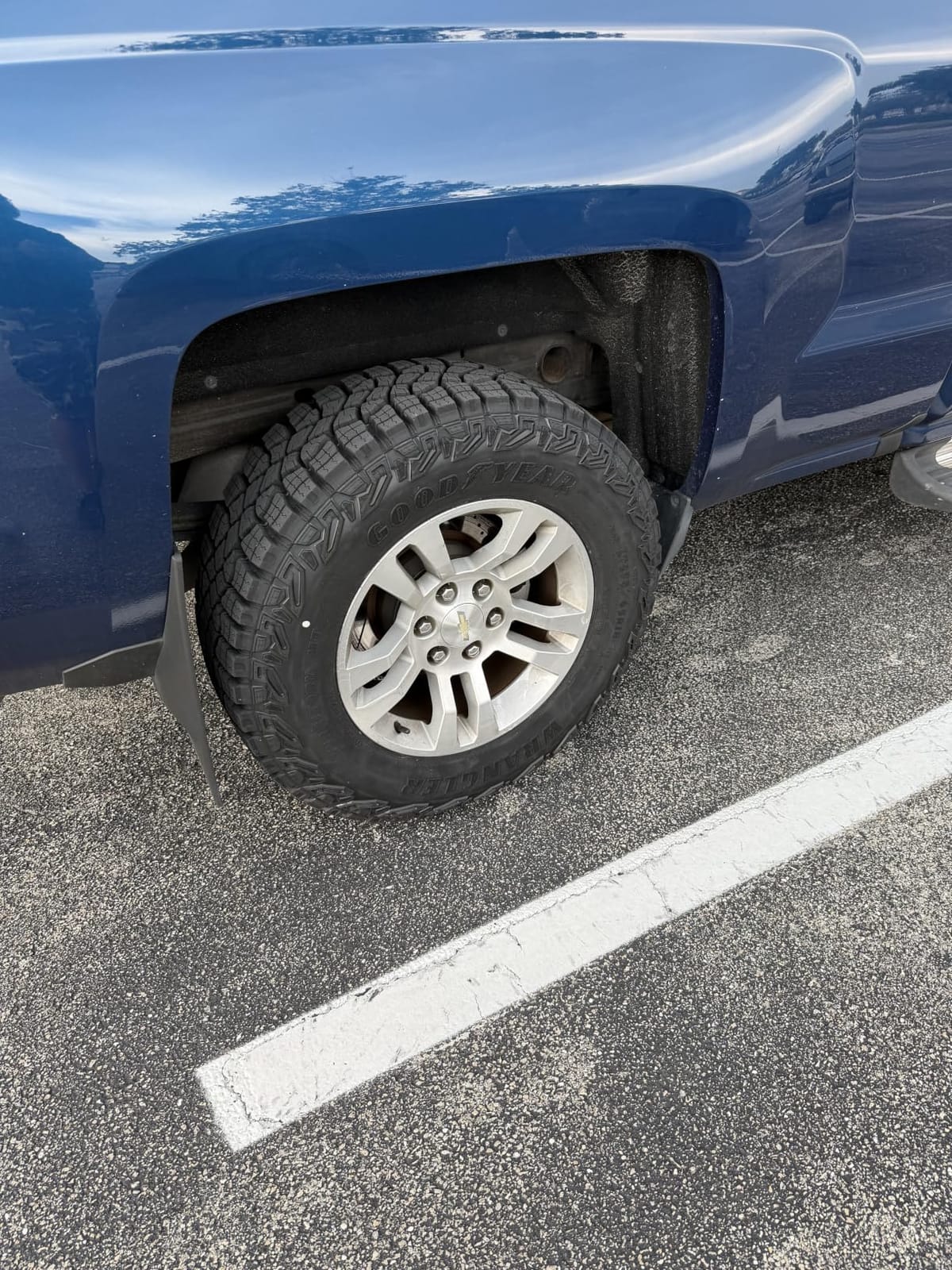
The Wrangler Territory MT is the one to look at if your tow route is not always pavement. Its wrap-around shoulder design is built to dig into mud and packed snow, and reviewers put it there for grip rather than for quietness.
At 4.6 stars across 268 reviews with 83 percent five-star ratings, the feedback is positive but thinner than the leaders. Owners praise the grip on trails and in snow and note that it is engineered for original equipment fitments on 18-inch wheels, which is convenient if your truck came that way.
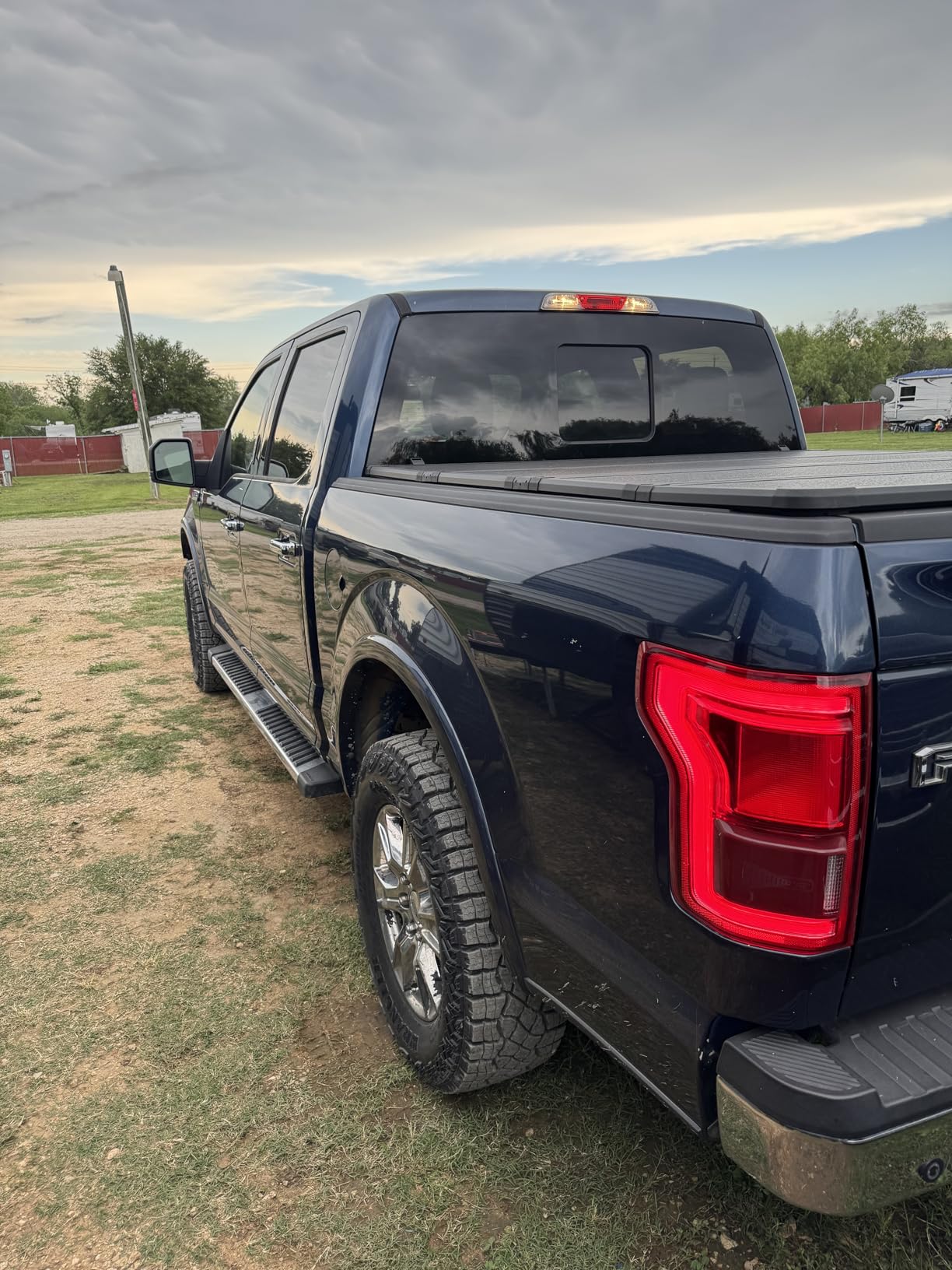
The sequenced pitch pattern is a thoughtful touch. Mud-terrains are usually loud, and this one uses variable pitch to keep tread pattern noise down compared to a typical aggressive pattern, which makes it more tolerable on the highway leg of a long trip.
At 275/65R18 with a 32 inch diameter, the tire is tall enough to keep decent clearance while still fitting common 18-inch wheel packages. That combination of clearance and OE fitment is rare in the mud-terrain category.
Who this tire suits
This suits a truck that spends real time on forest roads, through mud season, or down unplowed lanes, where traction in deep stuff matters more than silence. If you are towing a horse trailer to a winter show or a boat to a ramp that turns to soup, the shoulder blocks are the point.
It is also a reasonable choice for a truck that tows light and drives hard off-road, where the extra tread depth outlasts an all-terrain in abrasive conditions.
Where it falls short
Be blunt about this one: 6-ply Load Range C is the lightest construction in the roundup. If your trailer is heavy and your tow miles are long, this is not the tire to run. Load capacity and casing are what hold a loaded sidewall, and this one does not lead on either.
The Q speed rating also caps how fast you should be running with a trailer attached, and the mud-terrain pattern is still noisier on pavement than an all-terrain, no matter how well the pitch pattern is tuned.
4. Goodyear Wrangler Duratrac – Best Load Range E Strength for Heavy Trailers
- 3640 lb per tire which is the highest capacity in this group
- R speed rating for higher sustained speeds
- 18/32 in tread depth for off-road bite
- Outlined white lettering suits show builds
- Lowest average rating in the group at 4.5 stars
- Listing is categorized as a summer-season fitment
- Vehicle Specific Fit limits compatibility
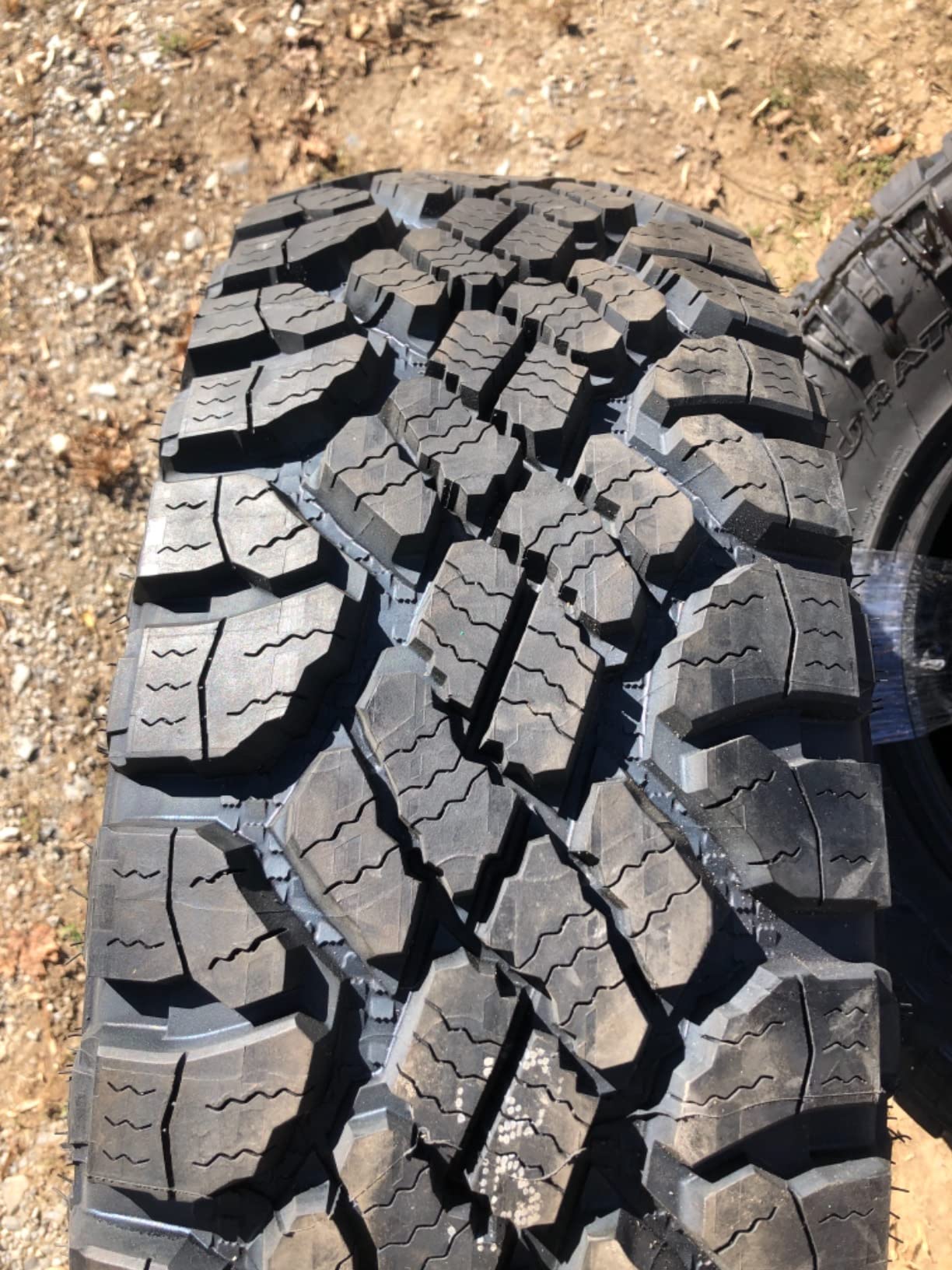
If your problem is raw load capacity, the Wrangler Duratrac leads this list. At LT275/70R18 125/122R in Load Range E 10-ply it carries 3640 pounds per tire, the highest per-tire rating of any tire we compared, and the R speed rating is a step up from the S-rated picks.
That combination is exactly what a heavy gooseneck or a loaded one-ton wants. More load rating means less deflection at the same pressure, and a higher speed rating means more margin when you are running 70 mph down a highway with a trailer that is not slowing down.
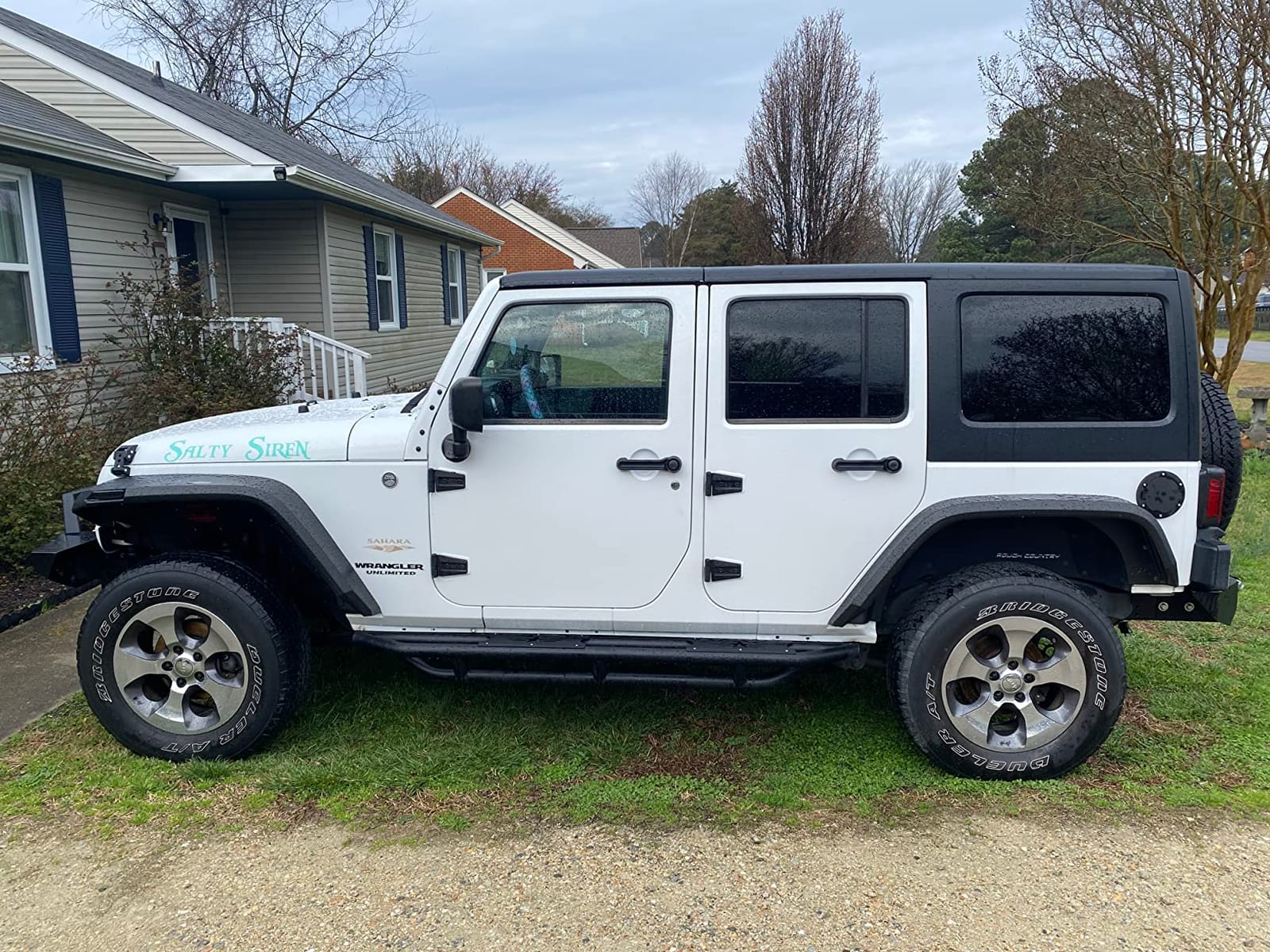
Owners emphasize strong sidewalls, cut resistance, and confident handling once the truck is loaded, which tracks with a 33.2 inch diameter and 18/32 inch tread depth. That is a tall, thick package built for gravel, rocks, and job sites as much as pavement.
The outlined white lettering is a small thing that matters more than it sounds if your rig is a show build or a shop truck, because most tires that heavy hide the branding under a plain black sidewall.
Who this tire suits
This is the tire for a three-quarter ton or one-ton that tows a gooseneck, a dump trailer, or equipment on a schedule. The load rating is not a marketing number here, it is the reason to buy it.
It also fits mixed use well: enough tread depth and sidewall toughness for dirt and rock, enough speed rating and load rating to make a long highway run without drama.
Where it falls short
This has the lowest average rating in the group at 4.5 stars, with 8 percent one-star reviews. A minority of owners report noise, and some report tread wearing sooner than they expected in pure highway use, which is the usual trade for an aggressive casing.
The listing is also categorized as a summer-season fitment, and Vehicle Specific Fit means you need to confirm your exact truck before ordering. Neither is a dealbreaker, but both are reasons to double-check the size chart.
5. Falken Wildpeak A/T4W – Best for Mixed Daily Driving and Off-Road
Falken Wildpeak A/T4W All Terrain 265/70R17 115T Light Truck Tire
- 4.9 stars with 94 percent five-star ratings
- Durable sidewalls and deep tread for wear resistance
- Works across mud and gravel and rock and highway
- 65000 mile limited warranty
- Handles extreme heat and snowy winters
- 4-ply SL Load Range is the lowest capacity here
- Only 51 psi maximum pressure listed
- Just 89 reviews behind the rating
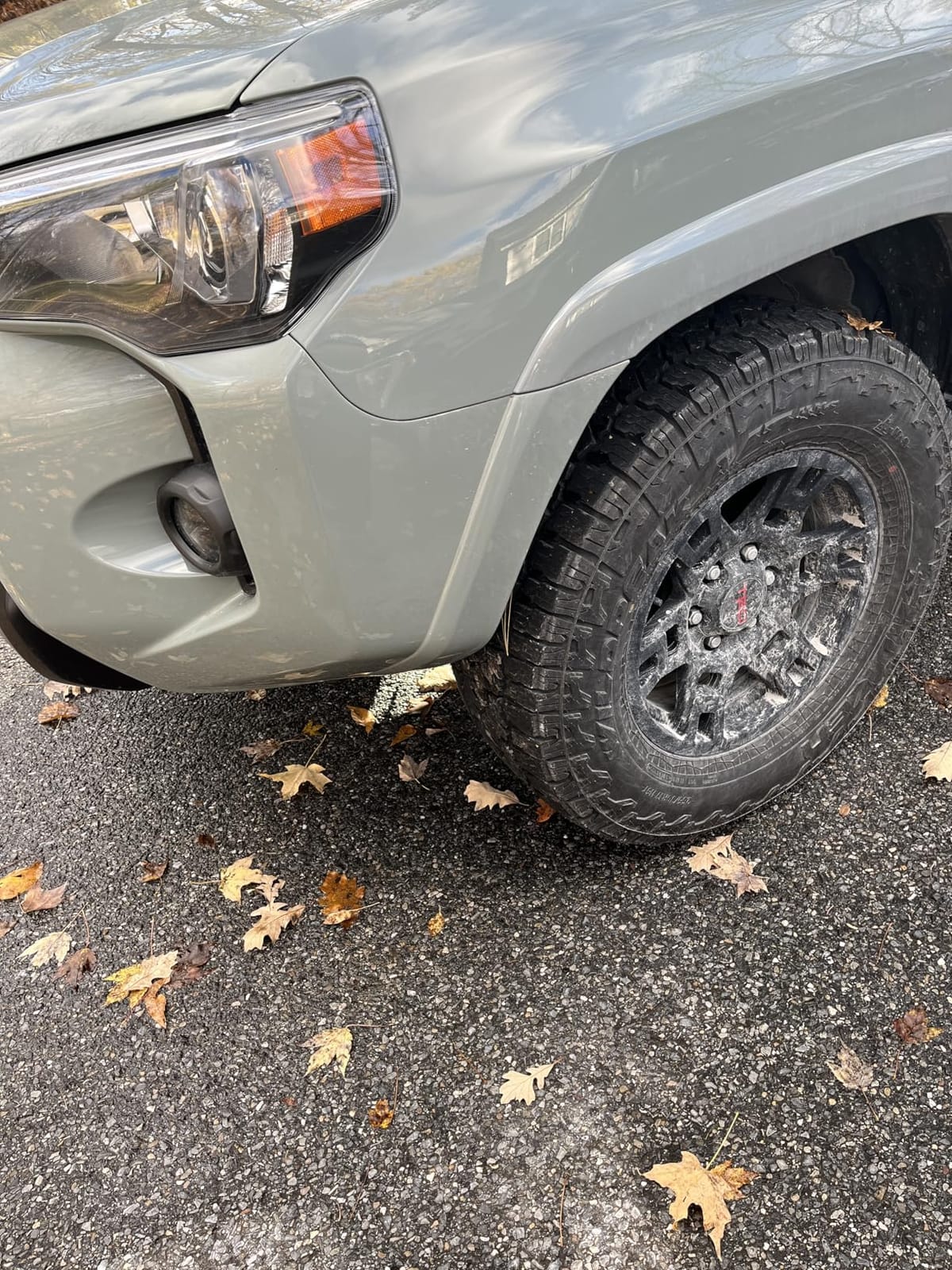
The Wildpeak A/T4W posts the joint-highest rating in this roundup at 4.9 stars, with 94 percent of reviews at five stars. That number comes from a small sample, but the sentiment is consistent: owners describe it as quiet, durable, and capable of absorbing serious off-road use without punishing the daily commute.
This is the tire for a truck that is a daily driver first and an off-road machine second. The tread works across mud, gravel, rocky terrain, open road, and snow, so you are not making a real sacrifice when you tow it to a trailhead and then drive to work on Monday.
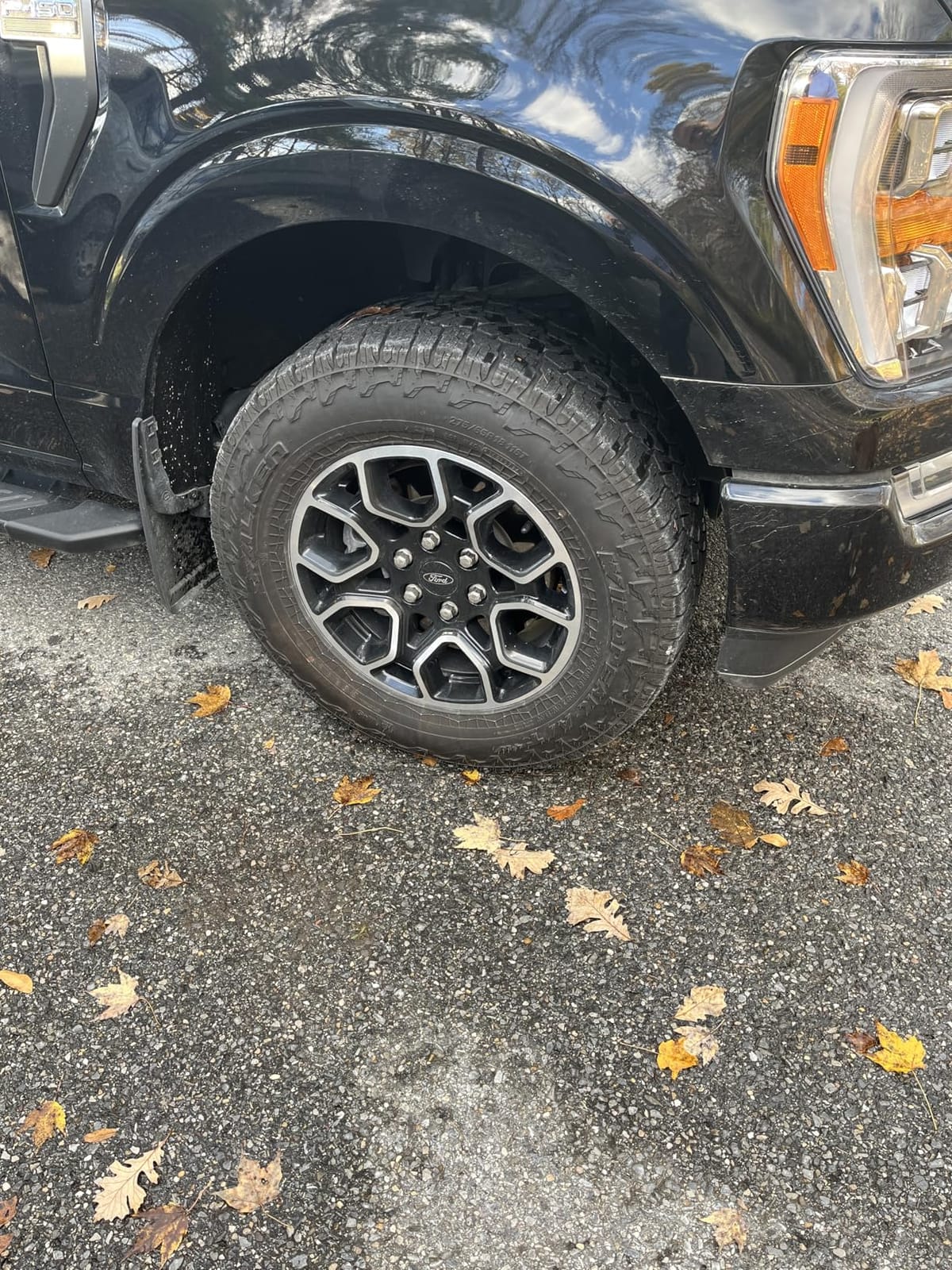
The 65000 mile limited warranty is the strongest coverage in this roundup, and it is backed by durable sidewalls and enhanced tread depth designed for wear resistance. On a per-mile basis, a warranty that long usually means you will not be shopping for replacements on a schedule.
Owner threads on f150forum about the Falken Wildpeak line are consistently positive, with people calling the A/T3W and A/T4W reasonably quiet and happy with them, and describing them as the value alternative when a premium highway tire is not in the plan.
Who this tire suits
It suits mixed-surface drivers who want one tire that handles the commute, the gravel road, and the campground without a second set. If you tow occasionally and drive a lot, the tread life and warranty are the selling point.
It also works if you are planning a seasonal swap later, because the 265/70R17 size is one of the most common truck fitments in North America and it is easy to find in other categories.
Where it falls short
This is the spec warning on this one. The 265/70R17 is listed as a 4-ply SL Load Range tire with the lowest load capacity in this group, and the maximum pressure is listed at 51 psi. If you are towing heavy, that is not enough casing.
The review base of 89 is on the small side, so there is less long-term data behind the 4.9 than the number suggests. Treat the rating as encouraging and the load data as the deciding factor.
6. Cooper Discoverer AT3 LT – Best for High Annual Mileage
- 60000 mile treadwear warranty
- Shred-resistant silica compound handles gravel
- R speed rating holds steady highway speed
- Stops about 10 feet shorter on wet roads
- Narrower 225 section limits gross load
- Non-winter fitment
- Lower capacity than wider Load Range E picks
The Cooper Discoverer AT3 LT is the mileage pick. At 4.8 stars across 397 reviews with 86 percent five-star ratings, it combines a strong score with a real volume of feedback, and the 60000 mile treadwear warranty tells you the manufacturer expects it to last.
For a truck that tows 15000 miles a year, treadwear is the whole game. Owners cite long tread life under load and durability on gravel and dirt roads, and the shred-resistant silica compound with a proprietary all-terrain pattern is specifically designed to resist the cutting and chipping you get on gravel runs.
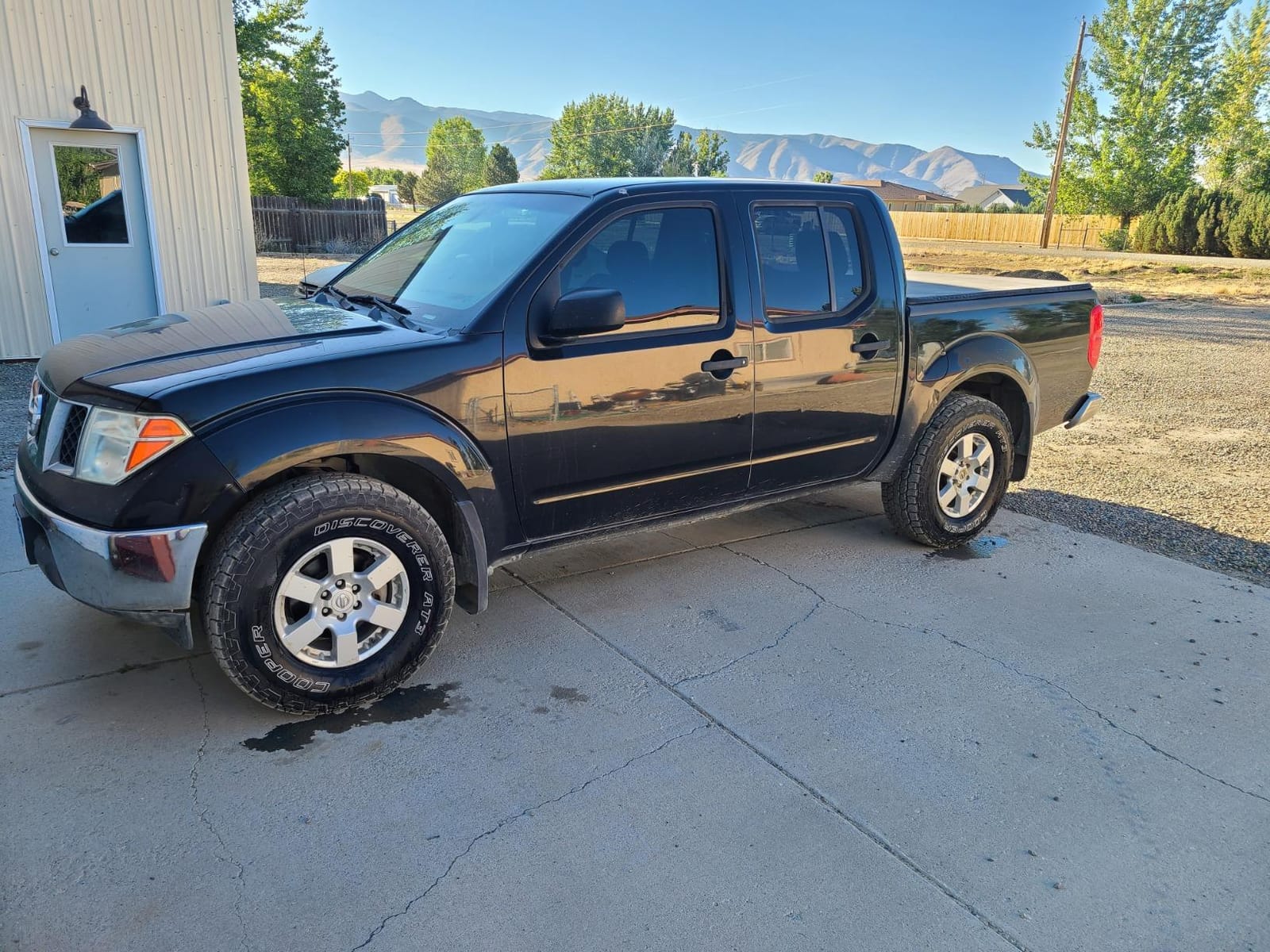
Wet-weather performance is the other quiet benefit. The manufacturer states the tire stops on average at least 10 feet shorter on wet roads, and with a trailer behind you, stopping distance is not an abstract figure. The R speed rating supports steady highway towing speeds, and Load Range E 10-ply construction keeps the casing stiff.
At LT225/75R17 the section width is 22.5 centimeters and per-tire load capacity is 2755 pounds, which is on the lower side for this group. That narrower profile is the trade you make for tread life, and it is worth it if you stay on pavement and well-maintained gravel.
Who this tire suits
This suits the high-mileage hauler: a contractor running a gooseneck every week, a fleet truck, or a family that lives in the truck on weekends. The warranty coverage means fewer replacement cycles over the life of the vehicle.
It is also a good fit for anyone whose gravel access roads are the worst surface they drive on, since the compound is built for exactly that abrasion.
Where it falls short
The narrower 225 section and 2755 pound per-tire capacity are the honest limits here. If you are at the top of your truck’s tow rating or you carry serious payload in the bed, a wider Load Range E size will give you more margin than this one does.
It is also a non-winter fitment, so you will want a separate tire strategy if you tow through snow. And the Universal Fit designation is helpful, but it does not override the need to check your rim width, which is 6 inches.
7. Toyo Open Country M/T – Best for Maximum Ground Clearance
Toyo Tires 360240 Tire Open Country M/T Mud-Terrain Tire – 35 x 1250R20 121Q
- 35 in diameter for maximum ground clearance
- 21/32 in tread depth in abrasive terrain
- 3195 lb capacity at 121 load index
- Made in Japan
- Q speed rating limits sustained towing speed
- Heaviest option here with real unsprung weight
- Needs a 20-inch wheel which limits truck fitment
The Open Country M/T in 35×12.50R20 is the extreme option in this roundup. At 35 inches on the tire diameter it is the largest tire we evaluated, and the 12.5 inch section width and 21/32 inch tread depth are built for rock crawling and trail clearance rather than for quiet highway miles.
It is still a real towing tire, not just a trail toy. At Load Range E 10-ply with a 121 load index it carries 3195 pounds per tire, and owners confirm it holds up towing in rough conditions once they have committed to the wheel and tire package.
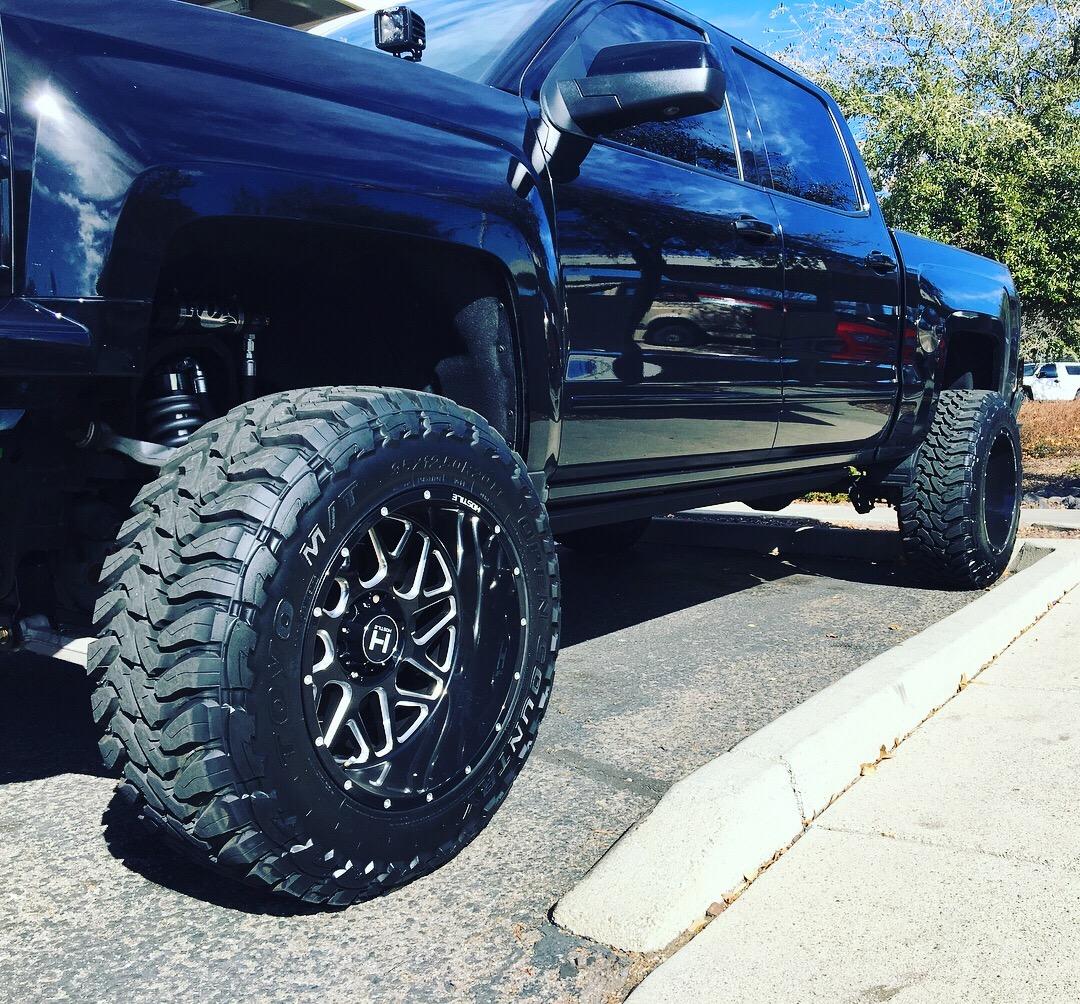
The asymmetric tread pattern is a deliberate choice for uneven terrain, and the sheer mass of rubber is why the tire has to be replaced rather than repaired when you do eventually cut it. Made in Japan, the construction is consistent and the tread depth is the deepest of the ten tires we evaluated.
Owners rate it 4.7 stars across 130 reviews with 89 percent five-star, and the praise is concentrated exactly where you would expect: clearance and the ability to get over things that stop an unmodified truck.
Who this tire suits
This suits a rock crawler who tows a small trailer to the trailhead, or an off-road build where getting over obstacles matters more than fuel economy. If your terrain is technical, clearance is a real margin and this tire has more of it than anything else here.
It also suits a truck that has already been lifted and re-wrapped, since the 20-inch wheel requirement is less of an obstacle once you are running custom fitments.
Where it falls short
The Q speed rating is low for towing, and the tire is the heaviest option in the group at 80 pounds each. That unsprung weight shows up in ride quality, fuel consumption, and tire wear on pavement, and it is not a subtle difference.
It also requires a 20-inch wheel with 10 inch width, which limits which trucks it fits. On a truck with a 75-series stock sidewall, moving to a 20-inch wheel reduces sidewall height and gives up some of the flex that makes towing stable, so this is a purchase that needs a full plan, not a single tire.
8. Michelin Defender LTX M/S – Quietest Tire for Long Highway Pulls
Michelin Defender LTX M/S All-Season Radial Tire – 265/075R16 123R
- Dedicated highway design that is quiet and comfortable
- 3415 lb per-tire capacity at 123 index
- EverTread 2.0 compound with full-depth sipes
- Owners report 58000 to 150000 miles of service
- Shallowest 13.5/32 in tread depth in the group
- Smallest review base at 38 reviews
- Vehicle Specific Fit
- 50000 mile warranty is shorter than some picks
The Defender LTX M/S is the quietest towing tire in this roundup, and if you pull 300 miles each way twice a month, that quietness is the feature you will notice most. It is a dedicated highway-mileage design rather than a jack-of-all-trades, and that focus shows in the ride quality.
Underneath, it is a properly rated light-truck tire: LT265/75R16 in Load Range E 10-ply with a 123 load index and 3415 pounds per tire, plus an R speed rating. That load rating is matched by only one other tire here, so you are not trading capacity for comfort.
Owner reports are the story here. Long-term owners running heavy trucks describe putting 58000 to 150000 miles on the tread while towing a 30-foot trailer, with consistent wear and a quiet ride. On r/GoRVing the Defender LTX line is called the best all-season by a good margin and better for towing than any all-terrain, and owners on f150forum say the same about smoothness.
The EverTread 2.0 compound and full-depth SipeLock sipes are what keep wet and cold traction steady as the tread thins, and Michelin backs it with a 50000 mile treadwear warranty plus roadside assistance included.
Who this tire suits
This suits the long-haul tower: a three-quarter ton or one-ton that lives on the interstate, an RV hauler, or a family driving from one end of the country to the other with a trailer attached. Long stretches of pavement are what this tire is built for.
It is also the calmest pick for someone who does mostly highway driving and views traction off-road as a nice-to-have rather than a requirement. You give up some ground clearance, and you get back a truck that is quiet at 70 mph with a loaded bed.
Where it falls short
The 13.5/32 inch tread depth is the shallowest here, which means it wears faster if you spend real time on rock and gravel. If your tow route is half off-road, this is the wrong tire and you should look at the all-terrains above.
The review base of 38 is the smallest in the roundup, and Vehicle Specific Fit means you need to confirm your truck trim. The 50000 mile warranty is also shorter than the Falken and Cooper picks, which is a fair trade for a quiet ride but worth knowing.
9. Firestone Transforce HT – Best for Work Trucks and Fleets
Firestone Transforce HT Highway Terrain Commercial Light Truck Tire 8.75R16.5LT 115 R E
- Commercial 10-ply Load Range E construction
- Continuous shoulder ribs extend casing life
- Circumferential grooves aid wet traction
- Varying tread block sizes reduce noise
- Listed with no manufacturer warranty
- Highway pattern only with no snow or off-road capability
- Commercial 8.75R16.5 size fits a narrow set of trucks
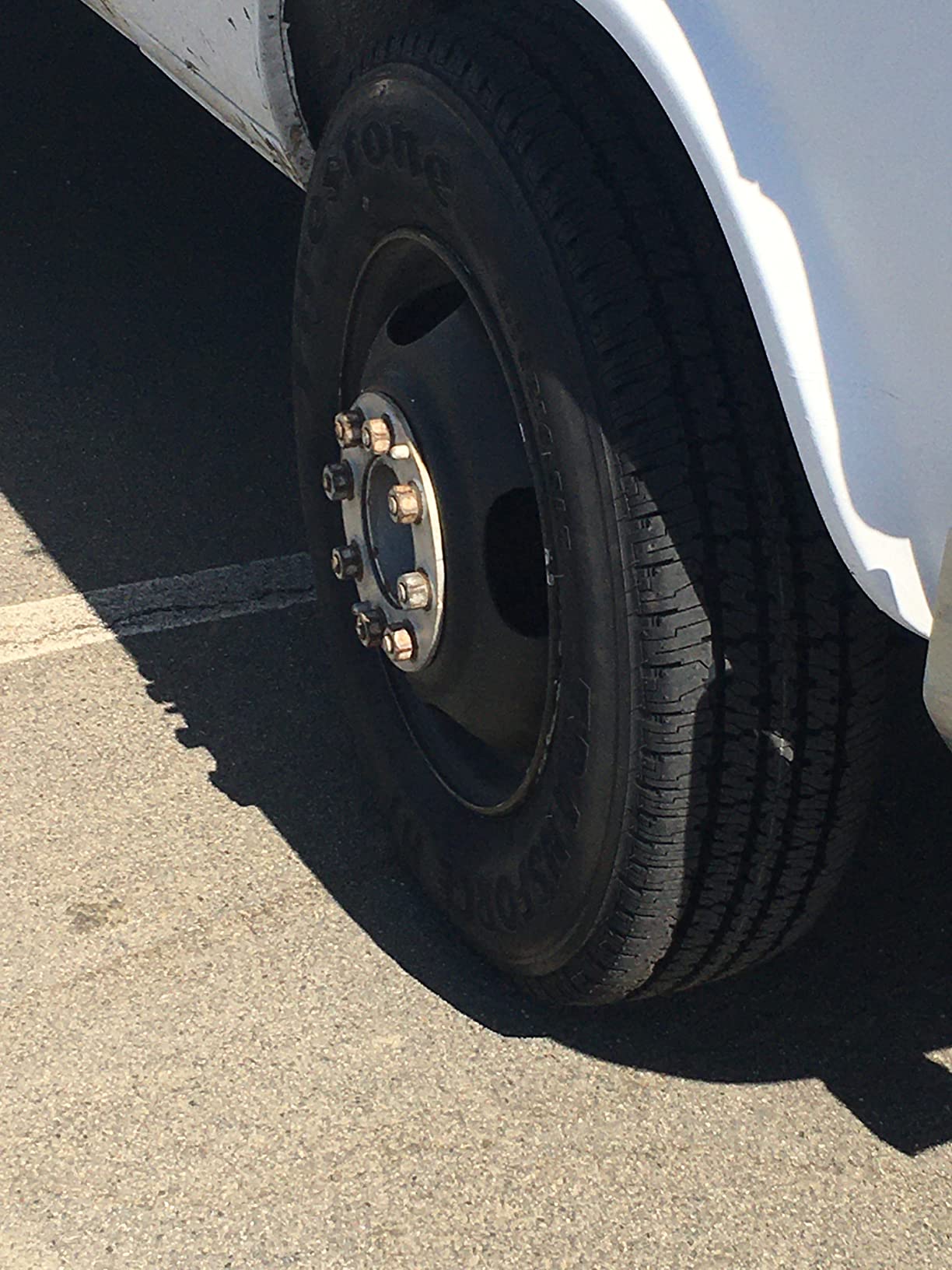
The Transforce HT is a commercial highway tire, and it is built for one job: constant loaded miles on pavement. It rates 4.7 stars across 213 reviews with 83 percent five-star, and fleet and work-truck owners report even wear, low cost per mile, and dependable wet grip at highway speeds.
Construction is the story. The 10-ply Load Range E rating and 115 load index give it 2680 pounds per tire, the advanced high modulus tread compound and polyester steel carcass are meant to absorb abuse, and continuous shoulder ribs increase both tread life and casing endurance.
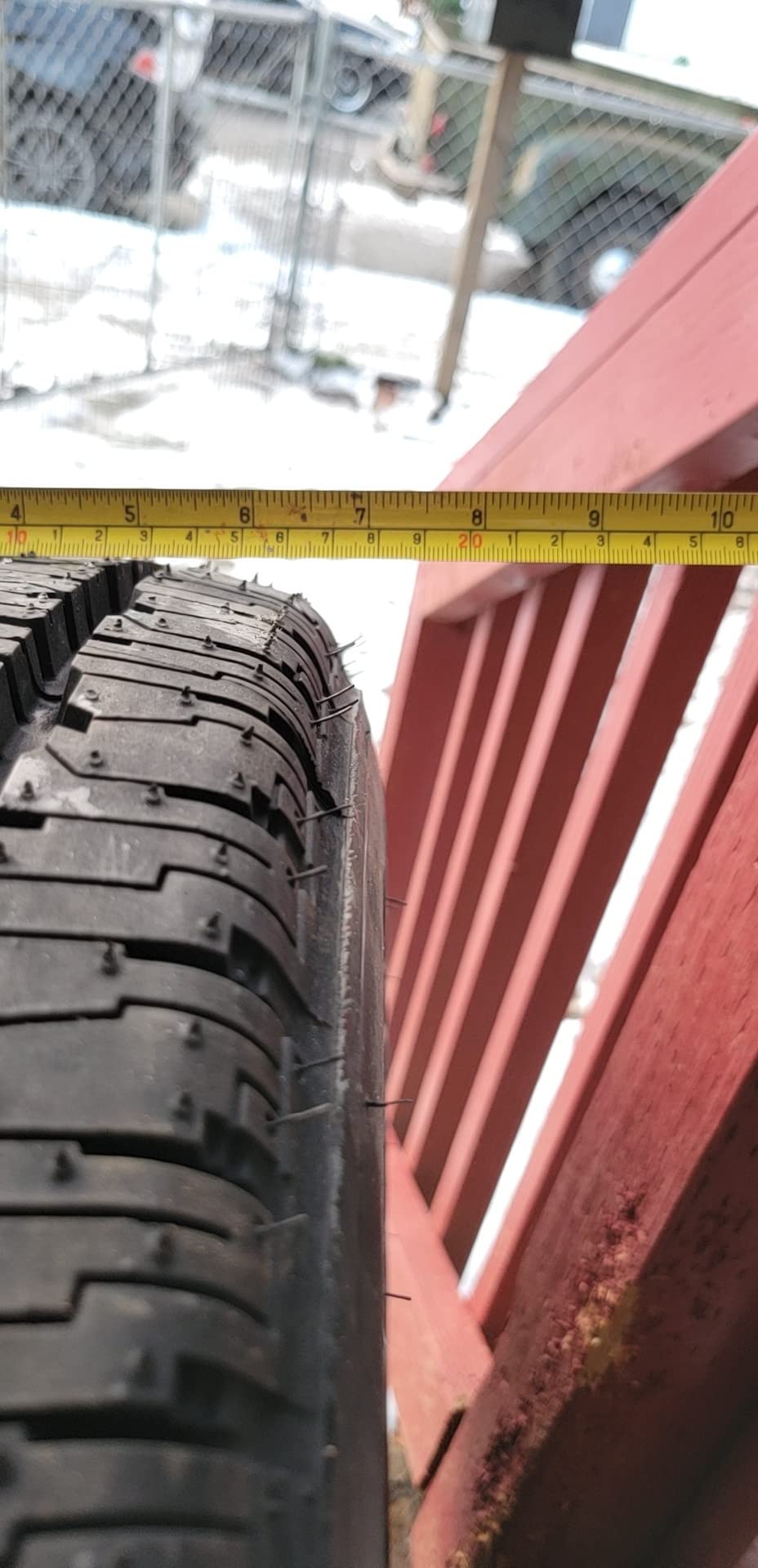
The quieter detail is that the tread uses varying size blocks, which is a noise-reduction technique, and circumferential grooves add wet-weather traction. The computer-designed shape is meant to improve ride comfort, which on a truck running a trailer all day is a real benefit rather than a marketing line.
This one earns its place on cost per mile rather than outright toughness. If your truck earns its keep on the highway and never sees gravel, the commercial construction here is designed to run long distances loaded, where an aggressive all-terrain pattern would wear its shoulders off first.
Who this tire suits
It suits a shop truck, a delivery truck, or a fleet vehicle where the tire is a line item rather than a purchase. Even wear and low cost per mile are what determine the real number at the end of a quarter.
It is also a good fit for a dedicated RV or motorhome chassis at a commercial-style size, where the priority is a stable, quiet, long-lived highway tire.
Where it falls short
This one is listed with no manufacturer warranty, and that is a meaningful gap on a tire you are going to depend on. It is also a highway-terrain pattern with no off-road or snow capability, so it is not a tire to take into winter conditions.
Most importantly, the 8.75R16.5 commercial size fits a narrow set of trucks and vans. If your truck is on a metric size, this tire simply is not available to you, no matter how well it performs on the ones it fits.
10. Barkley Rammus X/T – Best Budget Load Range E All-Terrain
- 10-ply Load Range E construction at an entry-level tier
- Large interlocking blocks grip loose terrain
- Reinforced sidewalls resist cuts and impact
- Tread arrangement reduces pavement vibration
- 55000 mile limited tread life warranty
- S speed rating is the lowest of the Load Range E group
- Far fewer reviews and less long-term data
- Listed dimensions and rim width look inconsistent with the size
The Barkley Rammus X/T is the budget entry, and it is a genuinely surprising one. At 4.7 stars across 94 reviews with 87 percent five-star, a 10-ply Load Range E rating and a 55000 mile tread life warranty, the spec sheet is closer to the established brands than the tire’s tier would suggest.
Owners single out grip and build quality. The large interlocking tread blocks and deep void design give traction on dirt, gravel, sand, and loose terrain while staying stable under load, and the reinforced sidewalls with extended shoulder lugs resist cuts, abrasions, and impact damage.
There is one design decision worth calling out. The tread block arrangement is optimized for straight-line tracking and to reduce excessive vibration compared with a traditional mud-terrain, and owners report that reduced vibration on pavement as a real difference in daily use. At LT245/75R17 with a 118 load index it carries 2910 pounds per tire at 80 psi maximum.
That is mid-pack capacity, which suits a half-to-three-quarter-ton tow rig and does not leave much headroom for a heavy gooseneck. The 55000 mile limited tread life warranty is the number that decides whether this tire stays on your truck or comes off at the first wear bar.
Who this tire suits
It suits a budget-conscious owner on a half-ton or light three-quarter ton who wants a real Load Range E 10-ply tire rather than a passenger-rated substitute. The construction is the right one even though the brand is not familiar.
It is also a reasonable choice for a second set of wheels dedicated to gravel and snow, so your primary highway tires keep their tread.
Where it falls short
The S speed rating is the lowest of the Load Range E group, and the long-term durability data is simply thin. Ninety-four reviews is not enough history to promise the wear life a warranty implies, so plan on checking tread depth more often.
There is also a data quality flag we would rather pass along than hide: the listed item dimensions and rim width look inconsistent with the stated 245/75R17 size, so confirm the actual specifications and your rim width before ordering.
How to Choose Truck Tires for Towing?
Every one of the ten tires above can tow. The difference between them is how well they handle the specific combination of load, speed, and surface you drive. These are the specs and rules that decide it.
LT-Designation: the first four characters on the sidewall
The letters LT stand for light truck, and they tell you the tire was built under a different standard than a passenger car tire. An LT tire uses a lower inflation pressure for its load capacity, which is what allows a stiffer sidewall to carry more weight without flexing into a heat generator.
Yes, LT tires can be Load Range E. Most light truck tires in the E range carry both markings, so if you see LT265/70R16/E you are looking at an LT-designated tire with a load range of E. The two specs describe different things and both matter.
Load Range E versus Load Range D: what actually changes
Load range is a letter, and the letter describes the tire’s ability to operate at higher inflation pressures. A Load Range D tire is typically rated to around 65 psi and a Load Range E tire to around 80 psi, which is why so many E-rated tires list an 80 psi maximum.
Here is the honest answer to the question that comes up constantly on owner forums: Load Range E tires do not raise your truck’s rated tow capacity. That number is set by the manufacturer. What E-rated tires give you is headroom, a stiffer sidewall, more heat margin, and better resistance to pressure loss. Users running light tow weights of 5000 to 7000 pounds often find E-rated tires unnecessary, and for them that is a fair read.
Ply rating and why 10-ply matters more than the tread pattern
Ten-ply does help with towing. More plies mean a stiffer carcass, a higher load rating, and a sidewall that holds its shape under load. That is the same reason a Load Range C 6-ply tire like the Wrangler Territory MT feels different behind a heavy trailer than a 10-ply E-rated tire does.
The ply rating and the load range are not the same spec either. Load index is the two-digit number that tells you the actual pounds a tire carries, and load range is the letter that tells you the pressure range it is built for. The load index is the number that matters for your axle.
Sidewall height and why bigger is not always better
Sidewall height is the middle number in your tire code, expressed as a percentage of the section width. On an LT275/70R18, the sidewall is 70 percent of 275 millimeters, so the higher the series number, the taller the sidewall and the more rubber you have between rim and road.
A taller sidewall deflects less as a percentage of its height, which is the argument for keeping a tall 70 or 75 series tire on a tow rig. The counter-argument is that a very tall sidewall on a large wheel is heavy and vague on the highway. Bigger tires do not automatically give you better traction or more towing capacity; they change the trade-off between flex, weight, and steering response, which is why moving up in size often costs you as much sidewall as it adds.
Treadwear rating and cost per mile while towing
A treadwear rating is a comparative number, and the figure most people quote is the total across all four tires. Divide it by four for the per-tire rating, then use the warranty mileage as your realistic ceiling rather than a guarantee. The Cooper Discoverer AT3 LT warranty of 60000 miles and the Falken Wildpeak A/T4W warranty of 65000 miles are the two longest in this roundup.
For a truck doing 15000 tow miles a year, the arithmetic is simple: a tire that needs replacing at 30000 miles gets bought twice as often, and treadwear is the number that decides your long-run cost. This is the part of the decision most tow guides skip entirely, and it is usually the deciding factor.
Tire pressure under load and the cold PSI rule
Inflate cold, to the door-jamb specification, and check it before you hook up rather than after. Heat builds in a loaded tire and pressure rises with it, which means checking a hot tire against a cold spec leads you to underinflate and then overinflate.
For a typical half-ton setup, owners running 265/70R17 report stable towing results at 70 psi in the rear and 60 to 65 psi in the front, but your own door-jamb sticker wins over anyone else’s number. Never exceed the tire’s listed maximum pressure, and re-check all four tires plus the trailer tires every time you stop.
The 80% rule and how to work out your real tow load
The 80 percent rule says that the total weight of your trailer, its cargo, and the tongue weight should not exceed 80 percent of your truck’s tow rating. The margin exists because tow ratings assume perfect conditions, and real towing involves grades, heat, crosswinds, and a driver who is not a computer.
Worked example: a truck rated to tow 10000 pounds with a 10000 pound trailer, its 2500 pounds of cargo, and 1000 pounds of tongue weight is loaded to 13500 pounds, or 135 percent. That is well over the line. The same truck pulling a 6000 pound trailer with 1000 pounds of cargo and 750 pounds of tongue weight sits at 7750 pounds, or about 78 percent, which leaves real margin. Notice that tongue weight and cargo count, not just the trailer.
Tire age: read the DOT date code before you buy
Every tire has a four-digit DOT code where the first two digits are the week and the last two are the year. Tires degrade chemically whether you drive on them or not, and buying discounted or previous-season inventory is a common reason people end up with older rubber.
As a practical rule, anything more than six years old deserves scrutiny and anything past ten is a pass on a tow tire. This comes up constantly on owner forums as a reason people avoid end-of-run deals, and it is the one area where cutting cost on tires can cost you far more than you saved.
Pre-trip and trailer-side inspection checklist
Before every tow, walk the trailer tires and the truck tires. Check tire pressure cold on all four truck tires and all trailer tires, and look for uneven wear across the tread rather than just depth in the grooves.
Inspect sidewalls for cuts, bulges, and abrasions, especially on the outer edge of a dually or a wide tire. Confirm the tread depth is above the legal minimum and that no tire is older than you want it to be. Check that all tires on the rig match in size and load range, and that your TPMS is reading correctly on every position rather than just the fronts.
Finally, verify the spare is present and inflated, and keep a way to check pressure on the road. Our guides to the best portable air compressors for truck tires and the best backup cameras for towing trailers cover the rest of a pre-trip setup, and you can read more on tire selection in our performance tire guide.
Frequently Asked Questions
What kind of tires are best for truck pulling?
The best truck tires for towing are LT-rated tires in Load Range E, usually with a 10-ply or higher construction, because the stiff sidewall carries more weight at a given pressure and deflects less under a loaded trailer. Highway or all-terrain tread patterns both work. A highway pattern is quieter and lasts longer on pavement, while an all-terrain adds grip on gravel and snow. Match the load index and size to your truck and trailer rather than choosing on brand alone.
What is the 80% rule for towing?
The 80 percent rule says the combined weight of your trailer, its cargo, and the tongue weight should stay under 80 percent of your truck’s rated tow capacity. Tow ratings assume ideal conditions, and the margin absorbs grades, heat, wind, and driver inputs. For example, a 10000 pound rated truck pulling a 6000 pound trailer with 1000 pounds of cargo and 750 pounds of tongue weight is at about 78 percent, which leaves sensible headroom.
Do 10 ply tires help with towing?
Yes. A 10-ply construction is stiffer than a 6-ply tire of the same size, which means it deflects less under load, holds more weight at the same inflation pressure, and generates less heat on long pulls. That reduced sidewall flex is what improves stability and reduces blowout risk behind a trailer. A 6-ply Load Range C tire can still tow, but it has noticeably more margin to give up under heavy loads.
Are wider tires better for towing?
Not automatically. A wider tire spreads weight over more rubber, which helps traction in soft surfaces, but it can also deflect more at the sides under load, generate more heat, and add unsprung weight. For long highway towing, the taller sidewall and the load index usually matter more than width. Wider tires help most when you are on sand, mud, or loose gravel where flotation is the goal.
Are load range E tires good for towing?
Load Range E tires are the standard choice for serious towing because they are built to run at higher inflation pressures, typically up to 80 psi, and they usually carry a 10-ply construction. That combination gives you a stiffer sidewall, more load capacity per tire, and better heat margin. One thing they do not do is raise your truck’s rated tow capacity, which is fixed by the manufacturer.
The Verdict on the Best Truck Tires for Towing
After working through ten tires in detail, the BFGoodrich All-Terrain T/A KO2 in LT265/70R16/E is our pick for the best truck tires for towing, because it is the only tire here with a severe winter rating, a Load Range E 10-ply construction, and enough owner feedback at 4.8 stars to trust the long-term claims.
If you tow light and want the most proven option, take the Hankook Dynapro AT2 RF11. If mileage is the deciding factor, the Cooper Discoverer AT3 LT carries the longest realistic tread life. For heavy goosenecks, the Goodyear Wrangler Duratrac has the highest load capacity in the group, and for long quiet highway hauls nothing here matches the Michelin Defender LTX M/S.
Whatever you pick, check the load index against your axle, inflate cold to the door-jamb spec, and keep the DOT date code in mind. Use the roundup above to match the tire to your tow weight and your road surface, and you will have a setup that stays controlled in 2026 and every year after it.