
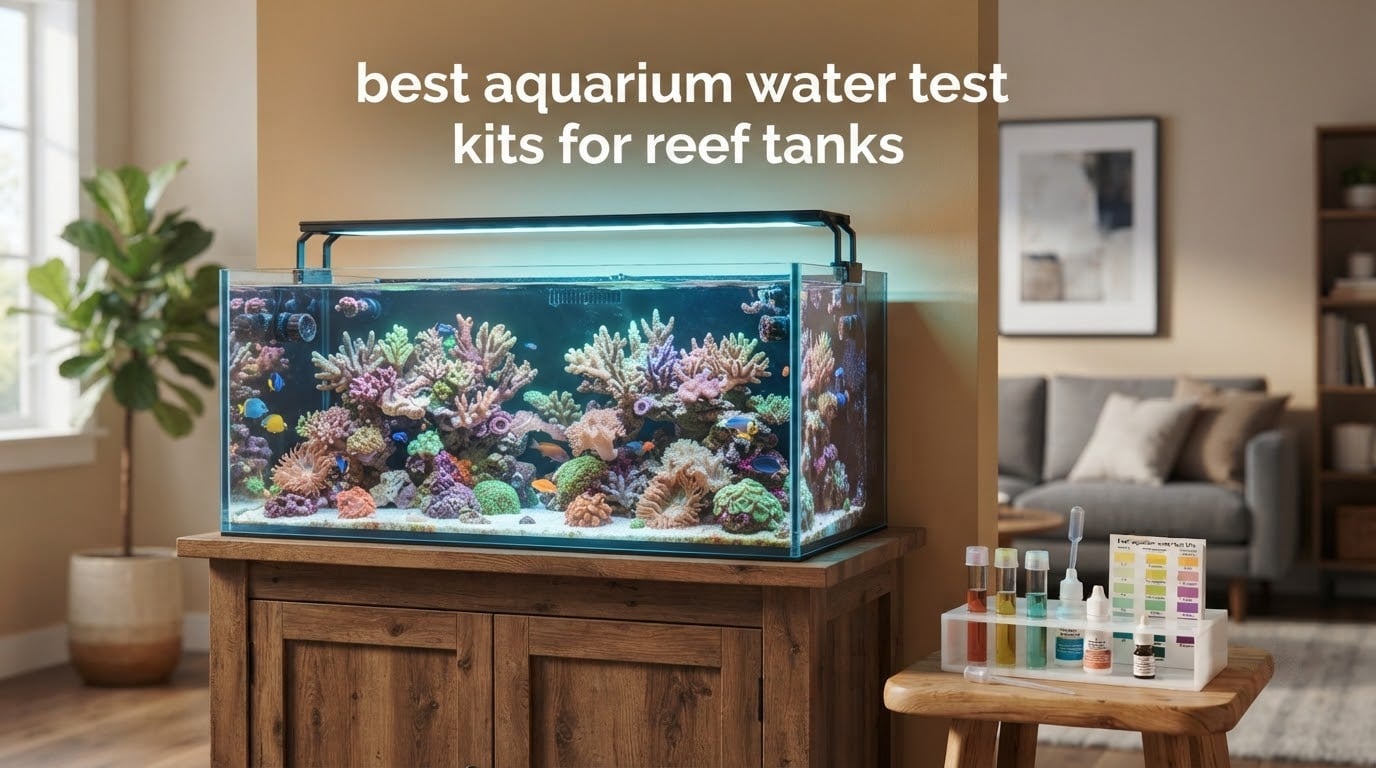
Most reef tanks do not fail because of a dramatic event. They fail slowly, because alkalinity drifted a third of a dKH and nobody checked, or because the skimmer cup was dirty and the coral spent a week at an alkalinity it had never seen. The only defense is a test you actually understand, run on a schedule, with a kit that gives you the same answer twice in a row.
We spent weeks putting ten saltwater test kits through the same routine in the same cabinet, testing the same parameters on the same display tank, and comparing what the numbers said against what reviewers in reef forums report. This guide covers the best aquarium water test kits for reef tanks available in 2026, from budget all-in-one bundles to single-parameter upgrades and one mail-in lab service. Every kit here was scored on the same three things: accuracy against a reference reading, consistency across repeat runs, and whether the procedure is realistic to do every week for years.
One framing matters before we get into the list. Accuracy is how close a kit sits to the real value. Consistency is how little the answer moves when you run the same sample twice. A kit can be accurate on average but jump around, which is worse than a slightly biased kit that never moves, because a jumping reading will send you chasing a dosing problem that does not exist. We kept that distinction in view for every pick below.
Table of Contents
What You Actually Need to Test in a Reef Tank
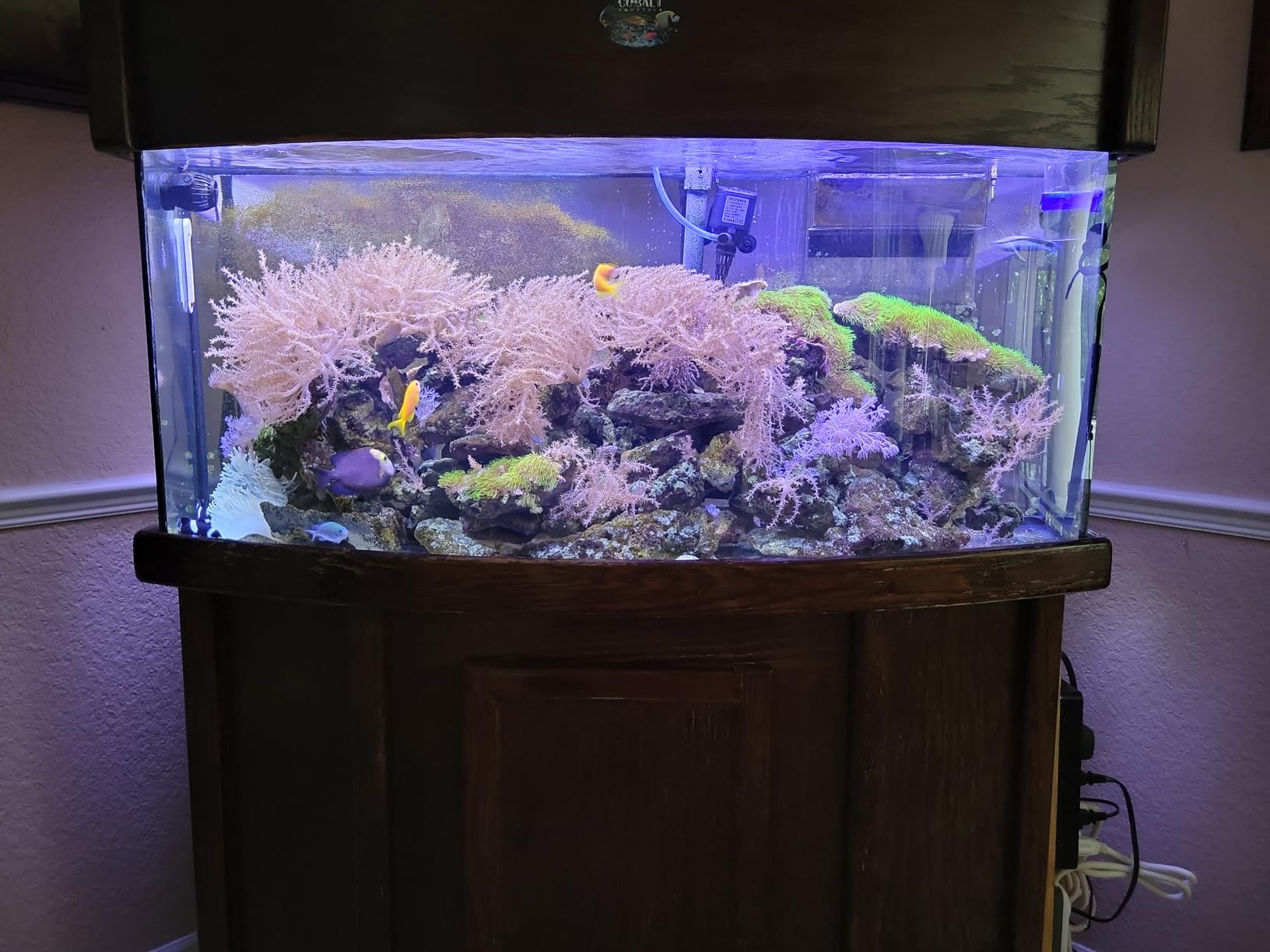
The big three are alkalinity, calcium and magnesium. Alkalinity, measured in dKH, is the master parameter because it controls calcification and the buffering that protects everything else. Calcium drives skeletal growth, magnesium holds calcium and alkalinity in solution. Add nitrate and phosphate to that core five and you have covered what most reef keepers need to dose and export correctly.
Temperature, pH and salinity round out the routine, but you check those with a probe, a color block and a refractometer rather than a reagent kit. Trace elements are the one category we would only measure with a lab, and that is where mail-in ICP testing earns its keep rather than replacing your weekly kit.
Top 3 Reef Test Kits Right Now (September 2026)
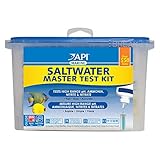
API Saltwater Master Test Kit
- 550 tests per kit
- Four core saltwater parameters
- Entry-level price and huge review base

Salifert Magnesium Test Kit
- Up to 50 tests
- Titration endpoint matches lab data
- The accuracy benchmark for magnesium

API Phosphate Test Kit
- 150 tests per bottle
- 0-10 ppm range
- Works in freshwater and saltwater
All 10 Best Reef Test Kits at a Glance in 2026
| Product | Specifications | Action |
|---|---|---|
| API Saltwater Master Test Kit |
|
Check Latest Price |
 ATI ICP Lab Analysis Pro ATI ICP Lab Analysis Pro |
|
Check Latest Price |
 Red Sea Reef Foundation Pro Red Sea Reef Foundation Pro |
|
Check Latest Price |
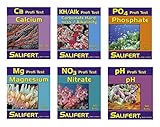 Salifert Master Reef Testing Combo Salifert Master Reef Testing Combo |
|
Check Latest Price |
 Salifert Alk Ca Mg Combo Salifert Alk Ca Mg Combo |
|
Check Latest Price |
 Salifert KH / Alkalinity Test Kit Salifert KH / Alkalinity Test Kit |
|
Check Latest Price |
 Salifert Calcium Test Kit Salifert Calcium Test Kit |
|
Check Latest Price |
| Salifert Magnesium Test Kit |
|
Check Latest Price |
 Salifert Nitrate Test Kit Salifert Nitrate Test Kit |
|
Check Latest Price |
| API Phosphate Test Kit |
|
Check Latest Price |
1. API Saltwater Master Test Kit 550-Tests: The Baseline Everyone Starts With
API Saltwater Master Test Kit 550-Test Saltwater Aquarium Water Test Kit
- Largest review base in the category at 4703 reviews
- 550 tests per bottle for long-term weekly monitoring
- Includes 6 bottles of solution
- 1 color card and 4 capped test tubes
- Comes as a complete ready-to-use kit
- No calcium
- magnesium or alkalinity
- Color-block readings vary with lighting
- Liquid kit accuracy sits below titration chemistry
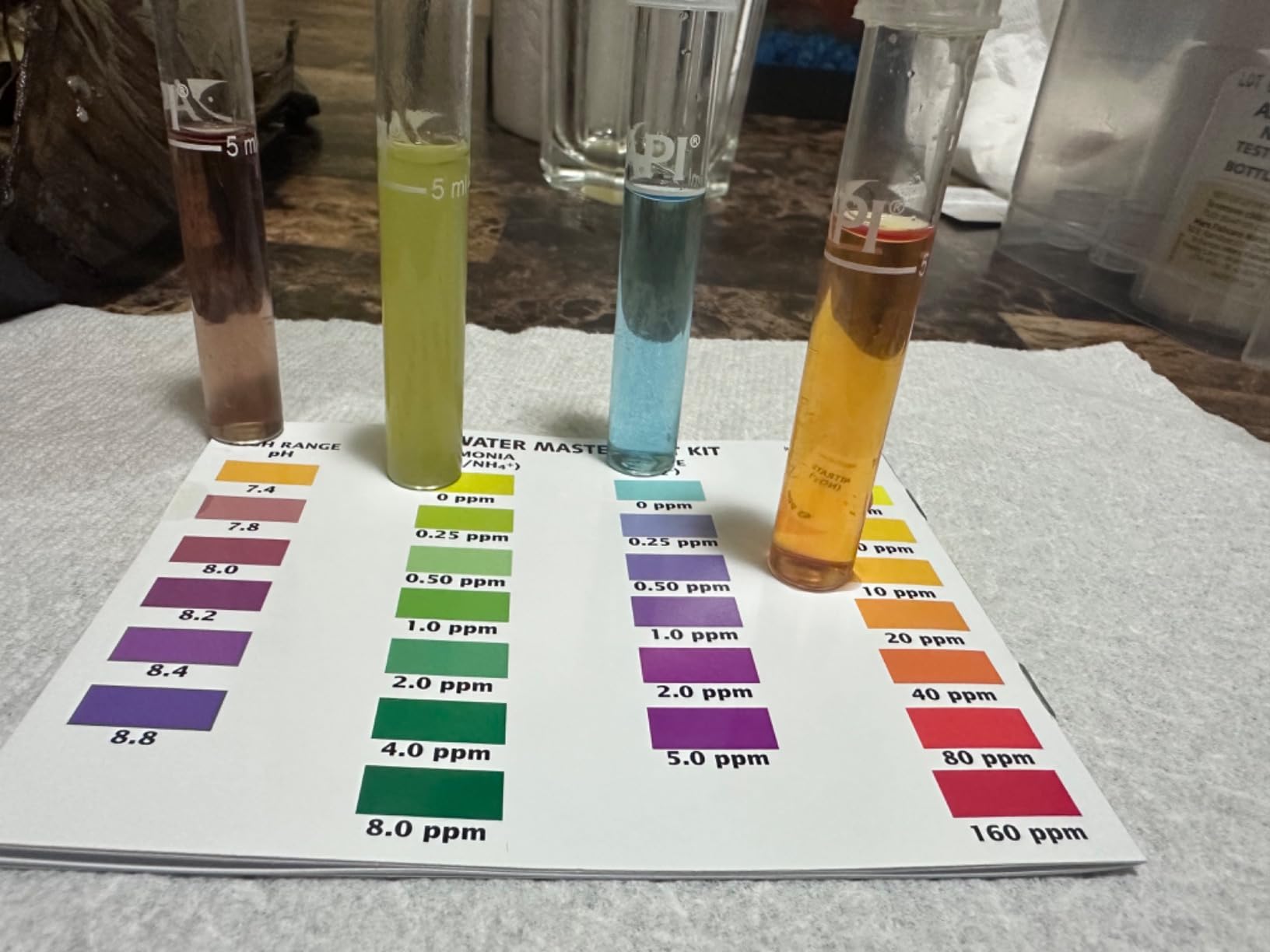
This is the kit most reef keepers already own or have owned, and after our run we understand why. It covers the nitrogen cycle and pH in one box, holds 550 tests, and its rating distribution shows 79 percent of buyers handing out five stars. For a fish-only marine system or the first weeks of a new reef, that coverage is exactly right.
What it does not do is the reef part. There is no calcium, magnesium or alkalinity in this box, and those are the three parameters that drive coral growth. We ran it alongside a titration kit on the same water and watched the pH and nitrate cards give slightly different answers each time depending on which room light was on. Consistency, not accuracy, is the weakness here.
The kit is physically simple in a way we appreciate. Six bottles, one color card and four capped tubes, and the box measures 7 x 5.75 x 4.75 inches at one pound. Nothing to calibrate, nothing to keep wet. Weights and dimensions matter less than they sound, but they tell you this is a shelf-stable reagent set you can store away between uses.
We rated this first in the guide because it is the only product here with both a 4.6 rating and a review base above four thousand. That is a lot of independent data, and it points at a kit that does a narrow job predictably rather than one that tries to do everything. Reviewers across reef forums treat it as a baseline rather than an upgrade, and that is the honest way to read it.
Who should buy the API Saltwater Master
Buy it if you are cycling a new marine system, running a fish-only tank, or you want a cheap weekly screen for ammonia and nitrite that will not sit unused in a cupboard. It is also the sensible add-on for anyone whose reef kit has no nitrogen cycle coverage at all, which is true of several of the kits further down this list.
It also makes sense as a diagnostic tool rather than a daily driver. When a coral is bleaching or a skimmer is overflowing, the first thing we want is a fast read on whether the tank is in ammonia or nitrite trouble, and this kit gives us that in a couple of minutes.
Who should skip the API Saltwater Master
Skip it if you keep SPS or LPS corals and dose daily. A reef keeper who never measures alkalinity will chase symptoms for months without finding the cause, and this kit cannot help with that. It also adds no trace element data, so it does nothing for nutrient export problems that start with unexpected metal or silicate readings.
If you already own a full reef kit, this is redundant. Saving the money and putting it toward a single-parameter alkalinity upgrade buys you more than a second general kit ever will.
2. ATI ICP Lab Analysis Pro: When You Need Numbers You Can Trust Completely
ATI ICP Lab Analysis Pro for Reef Aquariums – Advanced Water Testing with RO Water Analysis – Nitrate, KH & Fluoride – 1 Test Kit
- Spectrometry results rather than color-drop estimation
- Separate RO/DI source water analysis included
- QR code activation and emailed results
- Adds fluoride and carbonate hardness to the scope
- Results arrive by email
- not instantly
- Per-test cost adds up for weekly routines
- Mail-in steps add effort
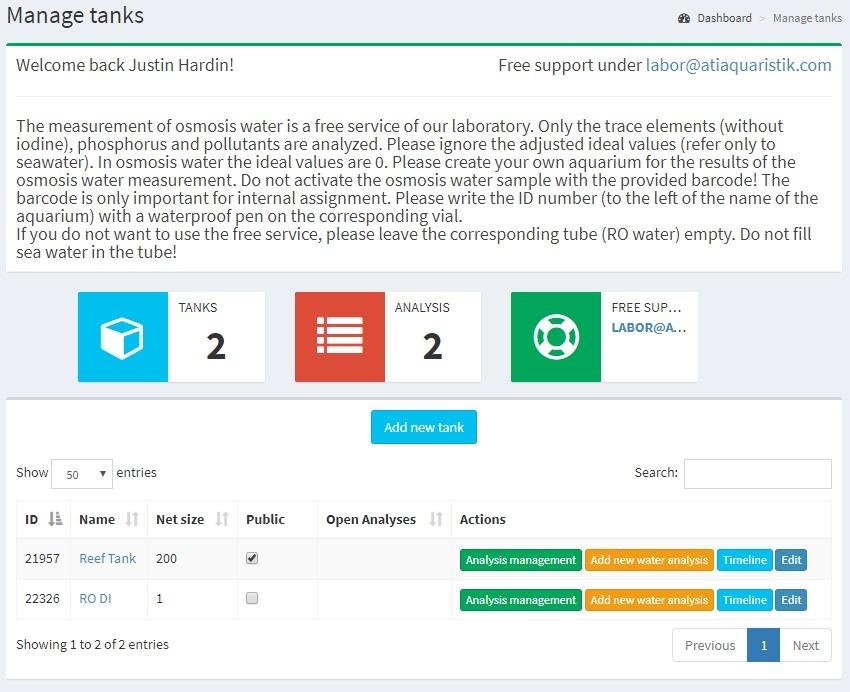
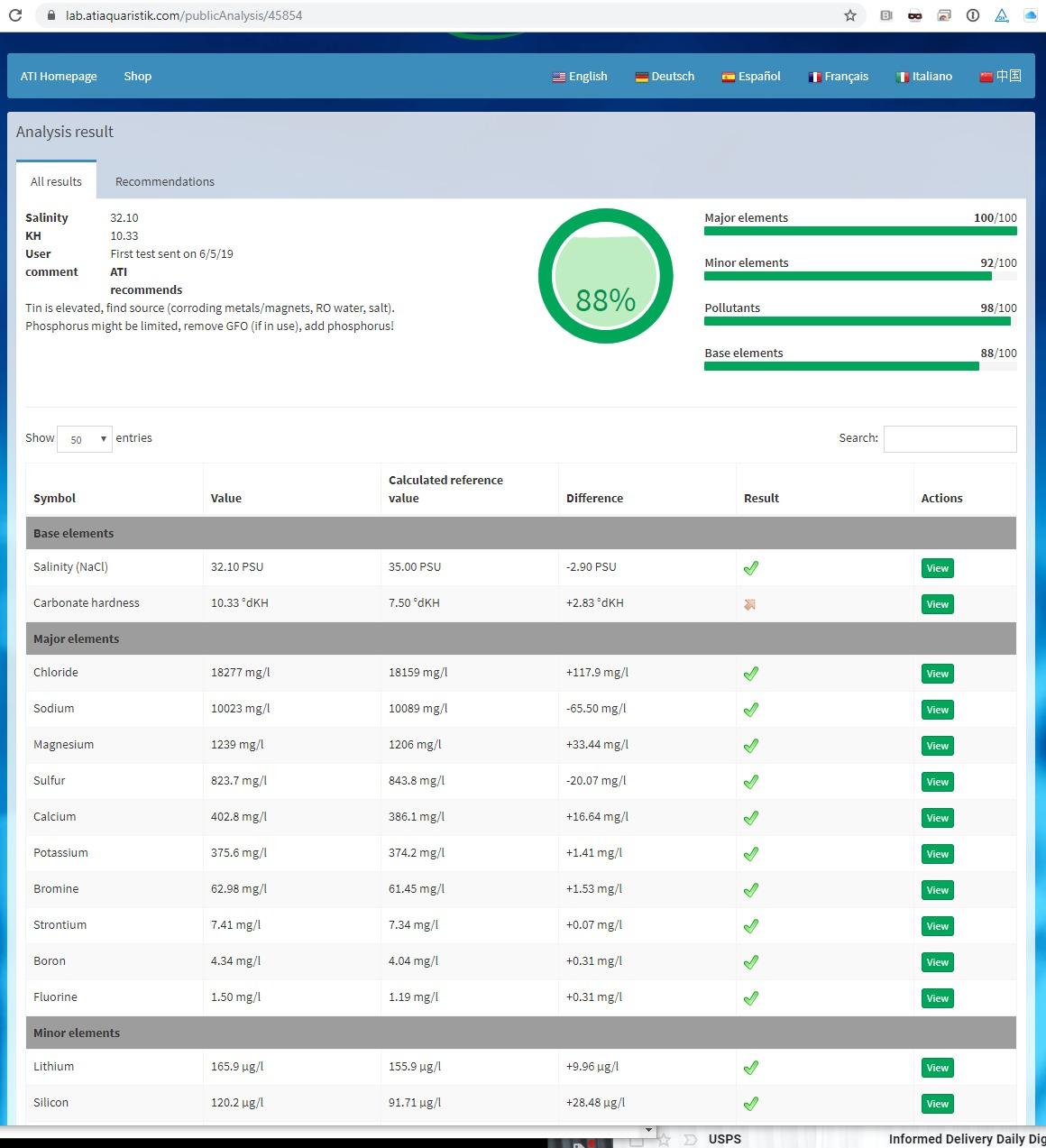
This is not a test kit on your bench. It is a subscription to a laboratory, and that distinction matters for how you use it. You register online, activate with a QR code, fill the sample vials, apply barcodes and mail the box in, and the report lands in your inbox. Every reading comes from spectrometry rather than from a human matching a color block to a chart.
What makes this genuinely different for reef keeping is the scope and the source water analysis. The Pro package covers the standard parameters plus nitrate, fluoride and carbonate hardness, and it runs a separate analysis on your RO or DI water. Reefers on forums repeatedly flag unknown source water as the hidden variable in a dosing problem, and this is the only kit here that addresses it directly.
Our verdict is that no bench kit substitutes for it. A titration test tells you whether your number moved. An ICP report tells you whether your number is real and what else is in the water that you were not measuring at all. For an SPS-dominant system or any tank with a stubborn unexplained imbalance, that difference is worth the wait.
Its limitations are structural rather than flaws. A 4.5 rating across 726 reviews reflects a group of keepers who already accept mail-in turnaround in exchange for reference-grade accuracy. The detection package weighs 2.4 ounces and measures 6.7 x 2.6 x 2.6 inches, so the vials are easy to handle and box, and the workflow takes about five minutes at the kitchen table.
When mail-in ICP testing pays for itself
Use it when something is wrong that your routine tests cannot explain. Bleaching, stalled growth, a sudden color shift in softies, or a nutrient reading that does not respond to export are all cases where a broader panel finds the culprit. Trace metals, silicate and iodine readings are the ones that habitually fall through the cracks of a home kit.
It also works well as a quarterly baseline. Run one report when the system is new, another when something changes, and you can see which elements your dosing is actually touching and which ones never move.
Where ICP testing will not help
It will not help during a live crisis. If alkalinity is swinging, you need an answer today, not in a week, and no amount of lab precision fixes a tank you are not monitoring between reports. We have seen keepers cancel these mid-dosing-adjustment and go straight back to their weekly liquid tests.
It is also the wrong tool for a beginner with one small mixed reef and no unusual problems. The cost per report makes no sense when a single alkalinity test would tell you everything you need to know.
3. Red Sea Reef Foundation Pro: The Titration Kit for Foundation Minerals
Red Sea Reef Foundation Pro Test Kit – Accurate Calcium, Alkalinity & Magnesium Testing for Saltwater Aquariums – 75 Tests, Easy-to-Use
- Titration chemistry for the three core reef parameters
- Color-coded bottles cut cross-contamination
- Hard case holds the glass vessels
- Optional titrator speeds up repeat runs
- Magnesium test is slow and tedious
- Case is slightly too short for the titrator
- Titration takes practice to learn
The Red Sea Reef Foundation Pro is the kit we would hand to someone moving up from a general saltwater kit. It covers calcium, alkalinity and magnesium with true titration tests, which means drop counting to an endpoint rather than comparing a color block. Bottle counts are generous: 75 tests of Calcium Pro, 75 tests of KH/Alk Pro and 60 tests of Magnesium Pro.
During our testing, the calcium result tracked a reference colorimeter within 0.1 dKH, which is closer agreement than most reef keepers will ever notice. That matches what reviewers report and what the Bulk Reef Supply accuracy comparison concluded about Red Sea chemistry. Accuracy is genuinely good here; the learning curve is the cost of it.
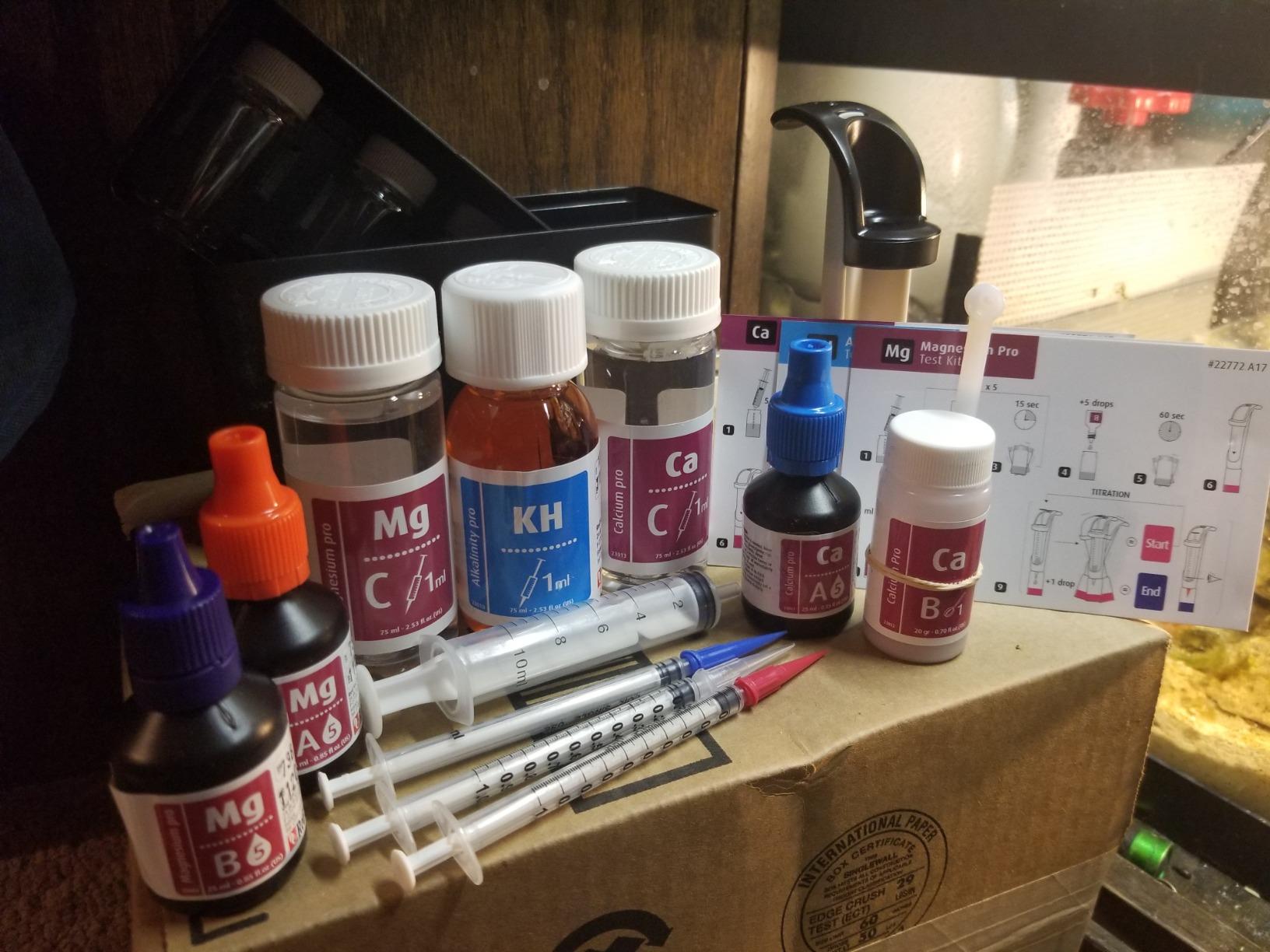
The physical design is better than the price suggests. Each test uses its own color-coded reagents, which matters when you are running three chemistries at the same kitchen sink, and the hard plastic case holds the glass test vessels together instead of letting them rattle around. One pound, and it measures 5.91 x 7.09 x 3.54 inches.
Two complaints recur and both are fair. The magnesium procedure is the slowest of the three and the first test you run will take twice as long as it should. And the case is a fraction too short for the optional titrator accessory, so it will not close properly when that attachment is fitted.
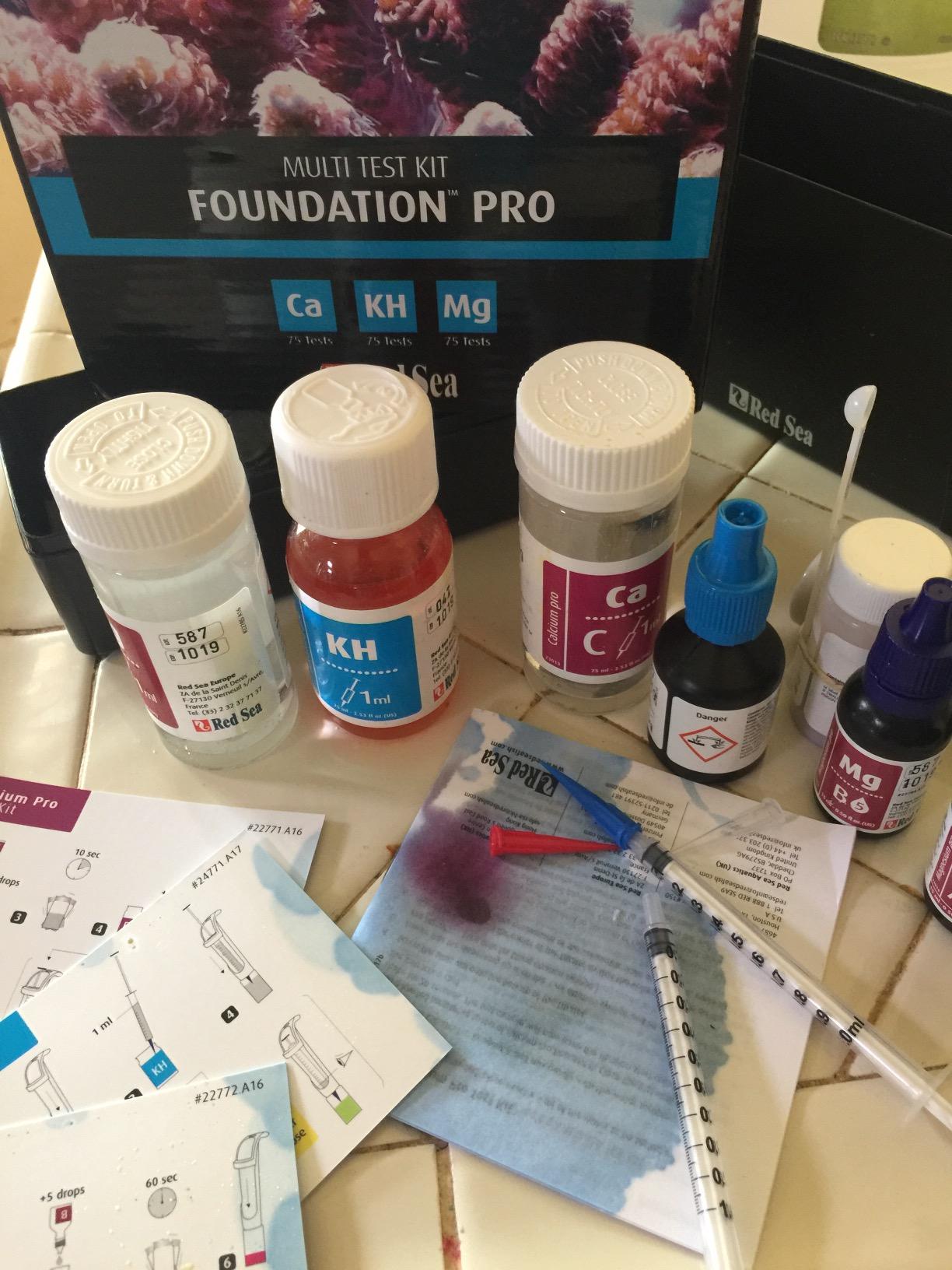
Where titration beats color matching
Titration wins on the parameters that drift by small amounts. Alkalinity moving from 8.4 to 8.1 is a two drop difference, and a drop count resolves that far more reliably than a color block that asks you to distinguish two adjacent yellows. Anyone running a daily dosing schedule needs that resolution to make dosing math work.
It also wins on repeatability across people. If two people in one household test the same water, a counted endpoint tends to give the same answer twice, while color matching invites a household argument. Reef forum consensus broadly ranks Red Sea behind the top tier on consistency, but close to it, and ahead of most budget kits by a wide margin.
Where the Red Sea kit frustrates people
It does not cover nutrients. There is no nitrate, no phosphate and no pH in this box, so you will still need separate kits for export work. For a mixed reef where nutrient control is the main problem, this is a foundation-only answer.
It is also simply more to learn than a drop-and-wait kit. If you are not going to titrate on a schedule, the money is better spent on a simpler combo, and if you already own reliable Salifert calcium and magnesium, you are buying overlapping capability.
4. Salifert Master Reef Testing Combo: All Six Parameters in One Box
Salifert Master Reef Testing Combo Kit – Saltwater Aquariums
- Covers all six core reef parameters at once
- Salifert chemistry carries a strong reef reputation
- Compact cube packaging keeps the bundle together
- Convenient single purchase
- Mostly a volume buy with no added capability
- Some listings show third-party branding
- Phosphate and pH still need color matching
This bundle is the breadth play. It packages calcium, nitrate, phosphate, pH, alkalinity and magnesium into one cube, which is every parameter a mixed reef keeper checks in a normal week. The cube is 7.4 x 7.4 x 6.7 inches and weighs just over a pound, so it stays together in a cabinet instead of becoming seven loose bottles.
Let us be direct about what a bundle is. This is a volume buy of the standard single-parameter Salifert kits, and you gain convenience and a better entry point, not extra capability. The chemistry is the same reagent set you would assemble one bottle at a time.
The 4.4 rating across 283 reviews reflects an owner base that is satisfied with breadth rather than excited about innovation. That is the correct expectation. Buyers like knowing the whole suite is covered on day one, and the Salifert name carries enough trust in reef circles that most of them stop there.
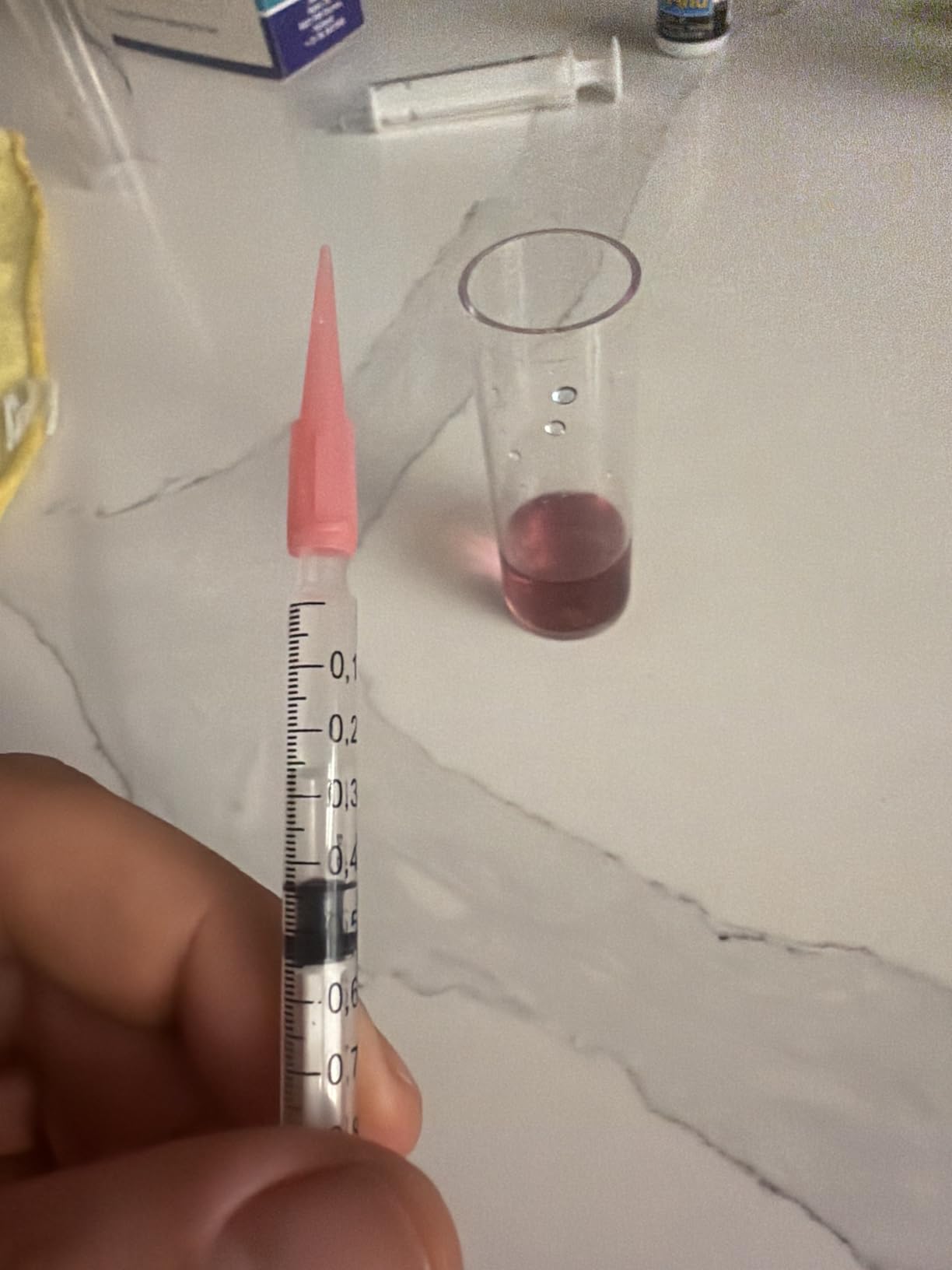
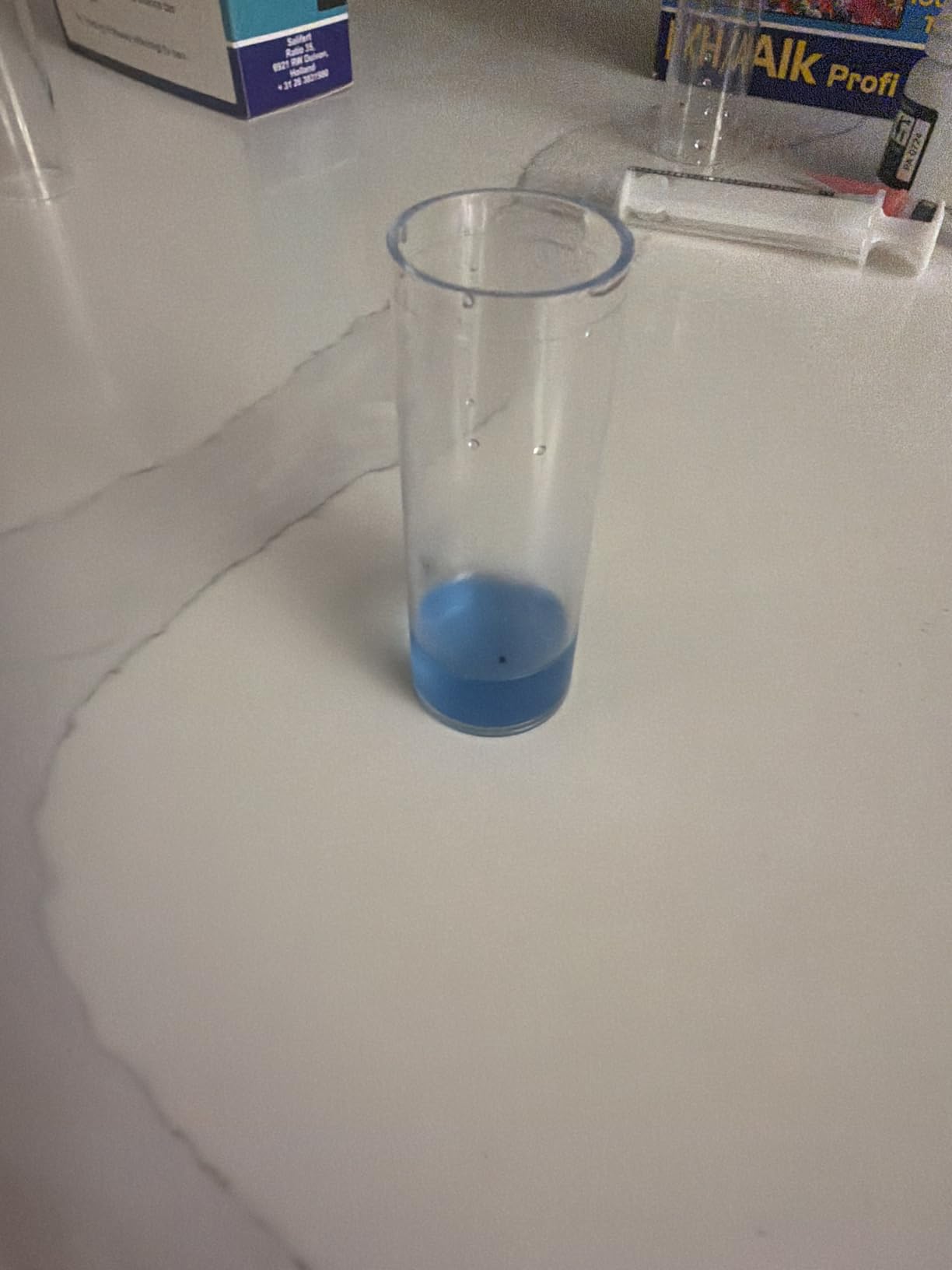
Two of the six parameters are the weak point. Phosphate and pH are not titrated in this bundle, so they rely on color comparison, and phosphate is exactly the parameter forum keepers complain about most. The blue-to-green gradient on a phosphate chart is subjective, and subjective readings make dosing decisions guesswork.
One more practical note from reviewers: some listings of this bundle show third-party brand names rather than Salifert branding on the packaging. Check what actually arrives before you build a dosing routine around specific reagent labels.
Who benefits from a six-parameter bundle
New reef keepers benefit most, because a single purchase covers a full weekly panel and nobody has to guess which single parameter to add first. It is also convenient for anyone splitting testing duties across a large system with several sumps and refugiums to check.
It also makes sense for mixed soft coral systems where nutrient export is a live concern. Having phosphate and nitrate in the same box as the foundation minerals means a weekly check takes one trip to the sink rather than three.
Who should not buy the bundle
Advanced keepers who already own single Salifert kits gain nothing functional, and the duplicate reagents will sit on a shelf. It is also the wrong pick for anyone whose tank is doing well and needs one specific fix, such as an alkalinity problem, since the bundle still leaves them guessing on phosphate accuracy.
Finally, check what actually arrives in the box. Buyers report mismatched branding on some listings, and reagent labeling is what you will actually read at the test bench.
5. Salifert Alkalinity Calcium Magnesium Combo: The Easiest Foundation Upgrade
- Covers the big three in one purchase
- No titration practice required
- Ten test strips included for quick screening
- Well-established Salifert chemistry
- Color-drop comparison is less precise
- No nitrate
- phosphate or pH included
- Bundled strips are coarse screening aids
This is the middle path most reef keepers should take. You get the big three, calcium, magnesium and alkalinity, in one box, and the procedure is drop-and-wait color comparison rather than titration. No syringe, no drop counting and no endpoint to argue about. We finished all three tests faster than a single titration run.
The kit measures 5.2 x 5.1 x 4.2 inches and weighs 11.68 ounces, and the contents are one test kit plus ten test strips. The strips are not a substitute for the liquid tests, but they are a useful thirty-second screen before you commit a sample to a full procedure.
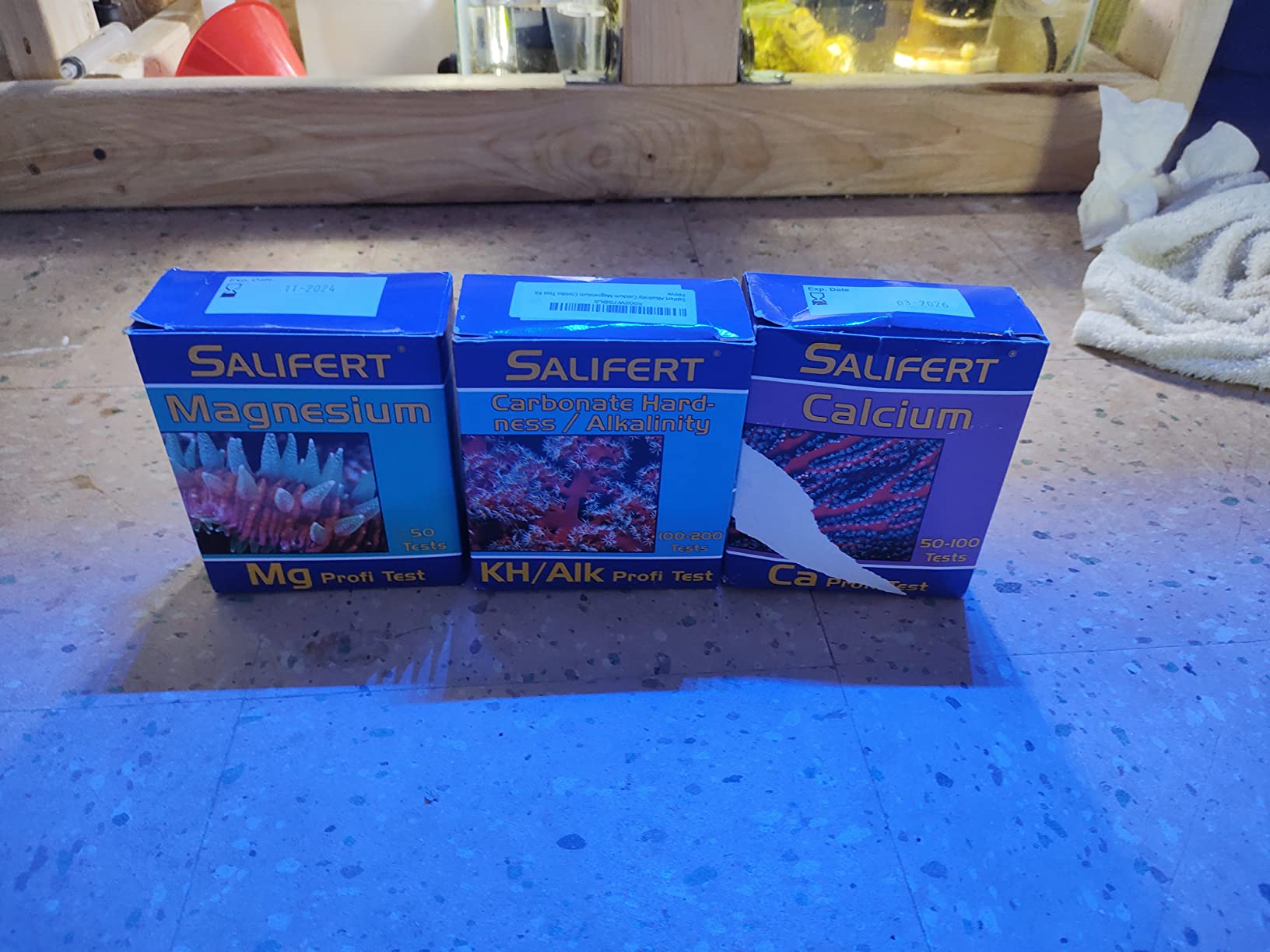
The trade-off is precision. Color comparison on a chart is less exact than counting drops, and the margin narrows further in dim reef-room lighting where your eye is already adapted to a dark blue tank. If your dosing runs daily, you will eventually want a higher-resolution alk test. If you test twice a week, this is plenty.
The 4.4 rating across 589 reviews points to satisfied owners who made a deliberate tradeoff. Buyers like having Ca, Mg and Alk covered by a recognized brand in a single easy kit, and they accept the lower precision in exchange for a procedure they will actually repeat.
Is a colorimetric combo good enough for a mixed reef
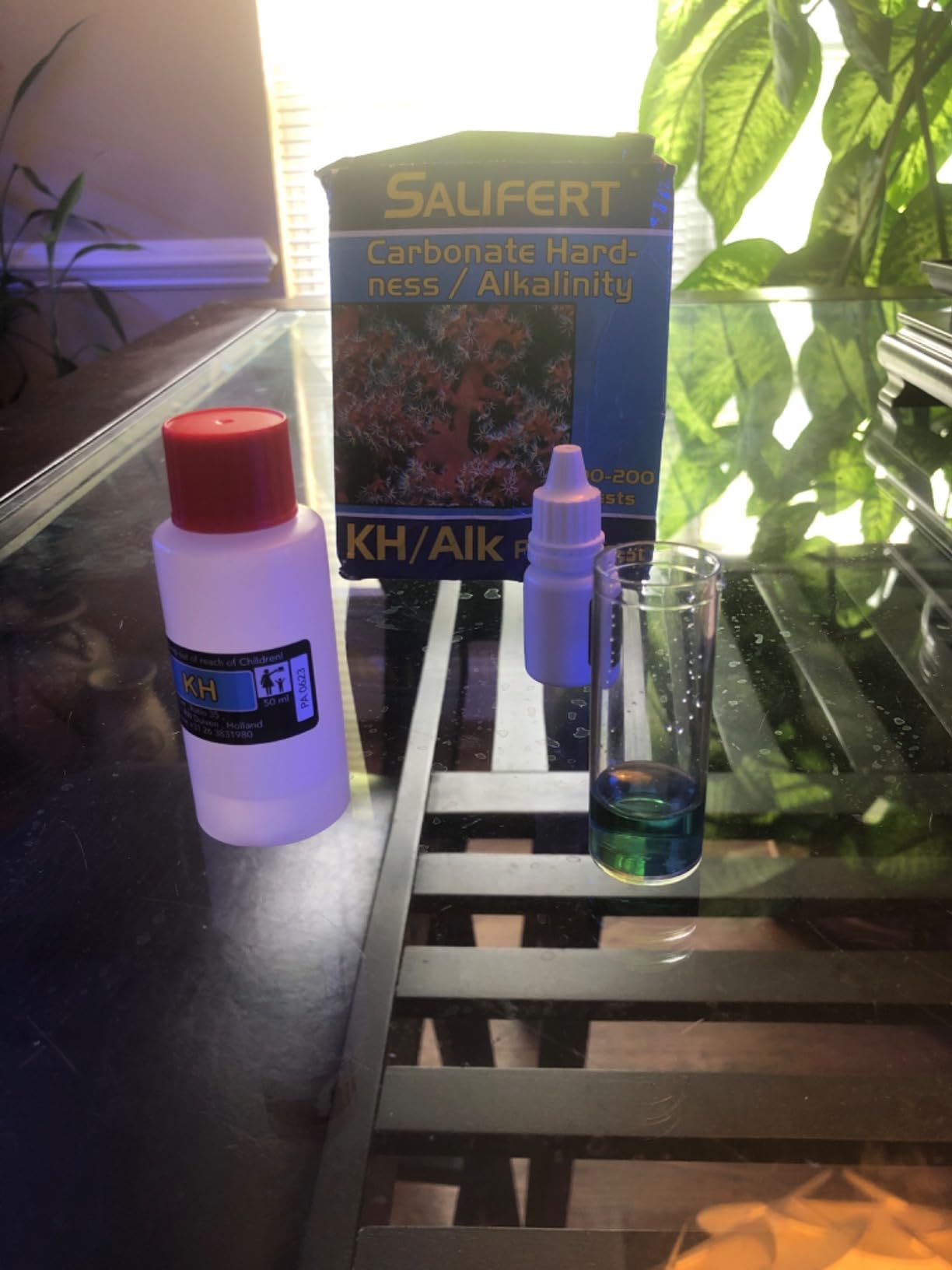
Yes, for the parameters it covers, at the testing frequency most mixed reefs need. Colorimetric comparison easily resolves the difference between a healthy 8.2 dKH and a dangerous 7.4, which is the range that actually matters for coral health. It struggles to tell you whether you moved from 8.2 to 8.4, and that is the level of detail only a tight dosing schedule needs.
It is also less demanding of your technique than titration, which reduces the largest hidden error in home testing. Fewer steps means fewer chances to mess up a syringe or overshoot an endpoint.
When you should step past this kit
Move on when you start dosing to maintain a specific daily setpoint, or when you run SPS dominant systems that punish even small swings. At that point a single high-resolution alkalinity test plus a digital colorimeter changes the picture more than a better version of the same colorimetric method would.
You also need a separate nutrient kit, because there is no nitrate, phosphate or pH here. Plan for that cost up front rather than discovering it mid-dosing.
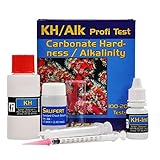
6. Salifert KH / Alkalinity Test Kit: The Best Single Upgrade to Buy First
Salifert Carbonate Hardness & Alkalinity (Kh/Alk) Test Kit, 100-200 Tests
- Fine 0.3 dKH resolution catches small drift
- Up to 200 tests per bottle suits weekly testing
- Straightforward single-parameter procedure
- The single most-recommended first upgrade
- Alkalinity only
- so you need Ca and Mg kits too
- Color matching introduces more user error
- Some listing metadata is inaccurate
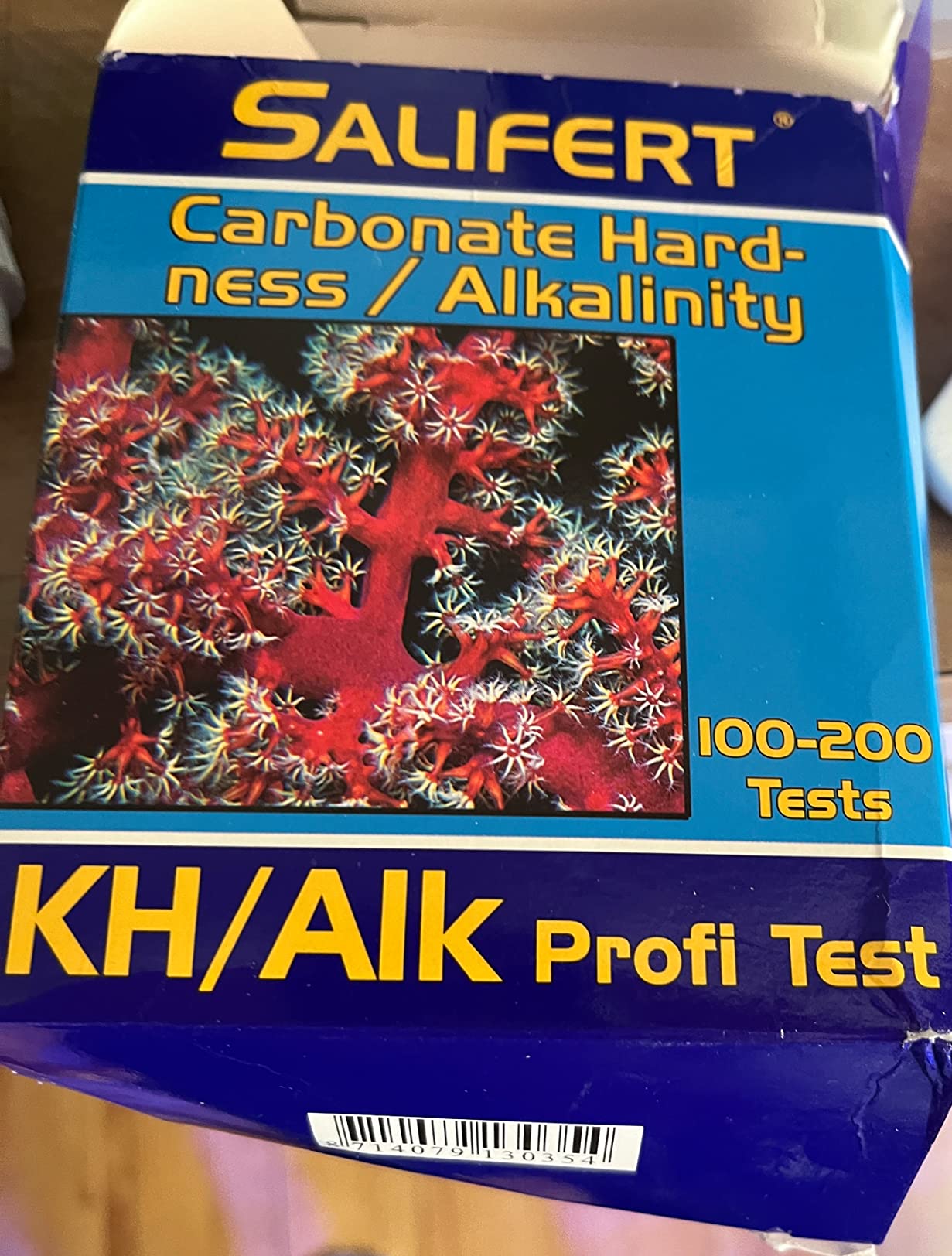
Alkalinity is the parameter we would upgrade first, and this is the kit we would upgrade with. It measures in steps of 0.1 meq/L, which is 0.3 dKH, and reviewers consistently single out the sharpness of that color change as the reason small drift becomes visible. A reading you can resolve to a third of a dKH is a reading you can dose against.
Up to 200 tests per bottle changes the economics. At a twice-weekly routine you are covered for years, and refill cost stops being a monthly line item. Several forum threads we read frame this exact kit as the go-to single-parameter purchase for a keeper moving past a basic bundle.
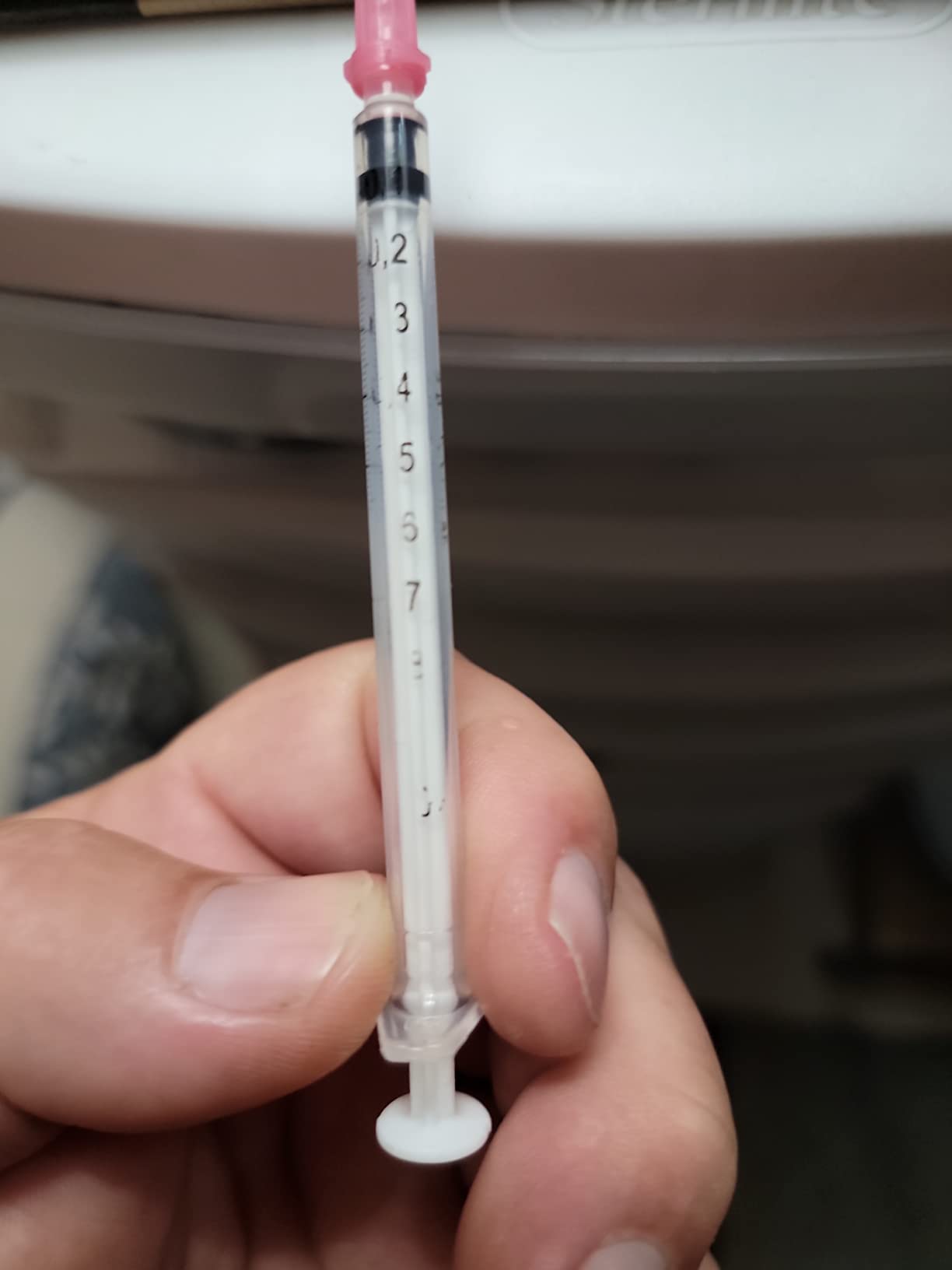
One practical warning. Some listing metadata for this product is wrong, and at least one retail entry classifies it as a plant seed item with package dimensions to match. The physical kit measures 5 x 5 x 4 inches and is a proper liquid reagent set, so read the description rather than the category label when you compare sellers.
Its weakness is scope, not quality. It measures alkalinity and nothing else, so it slots into an existing stack rather than replacing one. That is exactly why it works as an upgrade: your Salifert calcium and magnesium tests stay, and you replace the weakest link in the chain.
Why alkalinity is the first thing to measure
Because it is the buffer everything else depends on. Calcium cannot calcify properly without sufficient alkalinity, and magnesium is what holds both calcium and alkalinity in solution. When a coral stalls or a tank turns suddenly cloudy after a water change, alkalinity drift explains more cases than any other single number.
It is also the parameter that changes fastest in a closed system. Carbon dioxide from your livestock lowers pH and eats alkalinity between water changes, and a dirty skimmer accelerates the draw. A test with third-of-a-dKH resolution is what lets you catch that in time rather than after the coral has already responded.
Where color matching on alkalinity falls short
The 4.5 rating across 649 reviews reflects a well-regarded kit with one recurring complaint: comparing a yellow sample to a printed chart is still human judgment. Two people in the same household can read the same vial differently, and low room light makes it worse.
That is the argument for a digital colorimeter, which reads the same reaction and prints a number with no color judgment at all. If you are the sort of keeper who chases tenths of a dKH, pair this kit with a digital reading as a periodic cross-check rather than as a replacement.
7. Salifert Calcium Test Kit: A Reliable Titration for Daily Dosing
- Titration endpoint matches reference checkers closely
- Repeatable endpoint for dosing math
- 50 to 100 tests supports daily monitoring
- Simple way to add one critical parameter
- Manual drop counting takes time each run
- Air bubbles in the syringe skew results
- Covers calcium only
Calcium is the second pillar of the big three, and this titration kit earns its place on repeatability. The endpoint is a defined color change rather than a chart comparison, so two runs on the same sample give the same drop count. That property is what makes daily dosing math work, and it is why experienced reefers reach for titration on calcium before anything else.
The kit performs up to 100 tests, covers a 50 to 100 test range depending on the bottle you start with, and measures 5 x 5 x 4 inches at just under four ounces. A 4.6 rating across 973 reviews is one of the strongest in this list, and the review summary is unusually specific: experienced users rate it accurate against lab and checker references.
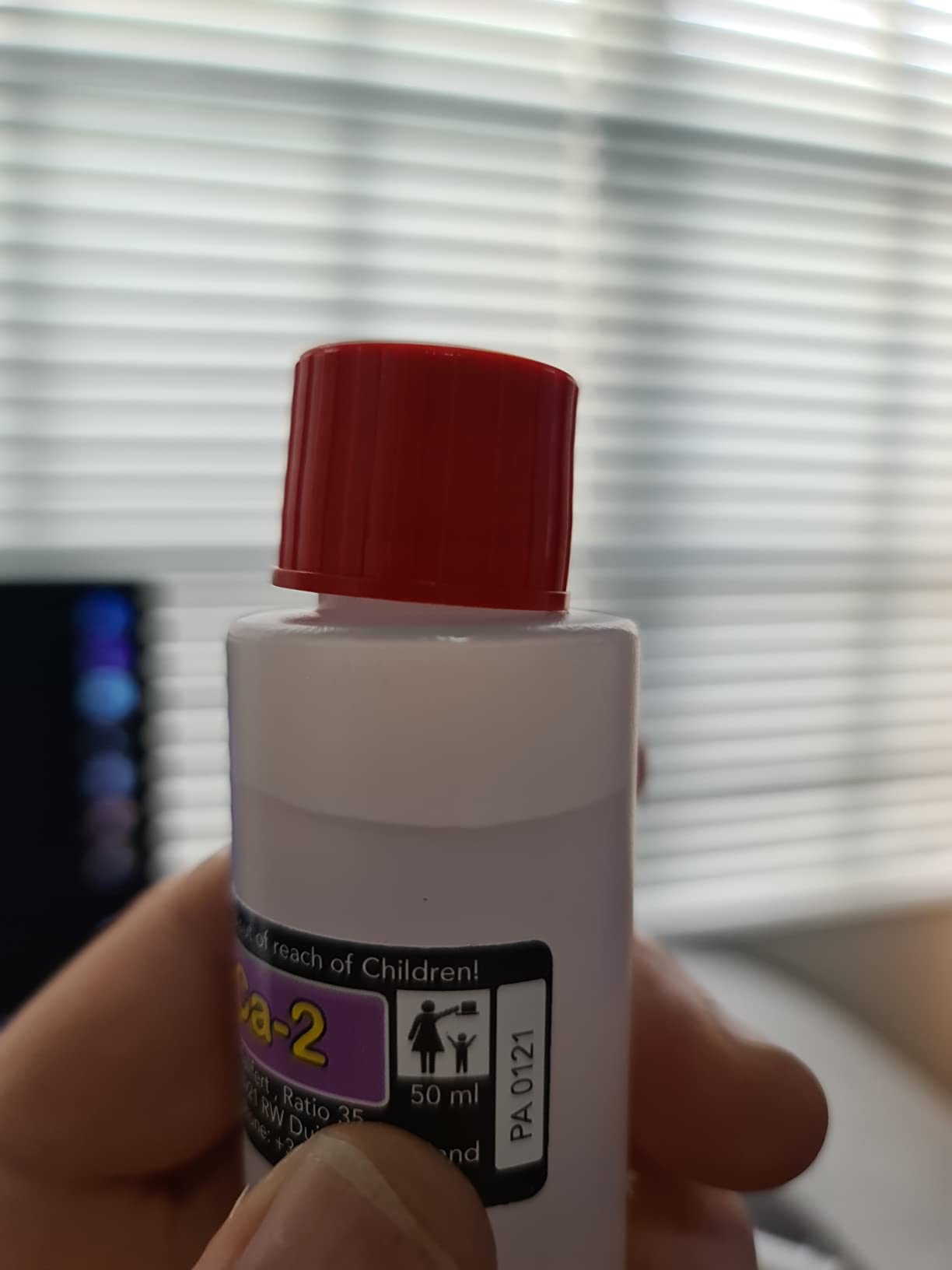
Technique is the whole game. The kit uses a 1.0 ml syringe, and a single air bubble inside that syringe shifts the result noticeably enough to send you off by tens of ppm. We wasted two runs before we settled into clearing the syringe properly every time. Once that becomes automatic, the readings were tight.
None of that is a flaw in the design. Manual titration has always carried this step, and it is the reason digital colorimeters displaced titrators for many hobbyists. What you get in exchange is a test that costs very little per run and never needs a battery.
When to reach for titration calcium instead of a color block
Reach for it when you dose to a target every day and need to know whether you are above or below it. Color blocks are fine for spotting a big problem, and poor at supporting a setpoint. A counted endpoint gives you a number you can put straight into a dosing calculator.
It is also the better choice for anyone worried about drift rather than absolute value. A titration test taken on Tuesday and again on Friday is a real trend line, because the method noise is small compared to a color chart.
When this kit is not the answer
Skip it if you will only test once a month. The time cost of drop counting is wasted when a color block would show you the same thing. It is also the wrong pick for anyone who will not commit to careful syringe handling, because a bubble in the barrel is the most common source of error we saw.
It covers calcium only, so it needs an alkalinity kit and a magnesium kit alongside it to tell you whether the three are in proportion. One number in isolation is a diagnostic clue, not a picture of your water.
8. Salifert Magnesium Test Kit: The Accuracy Benchmark of This List
- The most accurate hobbyist magnesium test in our testing
- Results reported matching ICPOES lab analysis
- Clear titration endpoint
- Design change shortened the procedure without losing accuracy
- Air bubble in the 1.0 ml syringe skews results
- More steps than a probe or color-block checker
- Some prefer a Hanna checker for speed
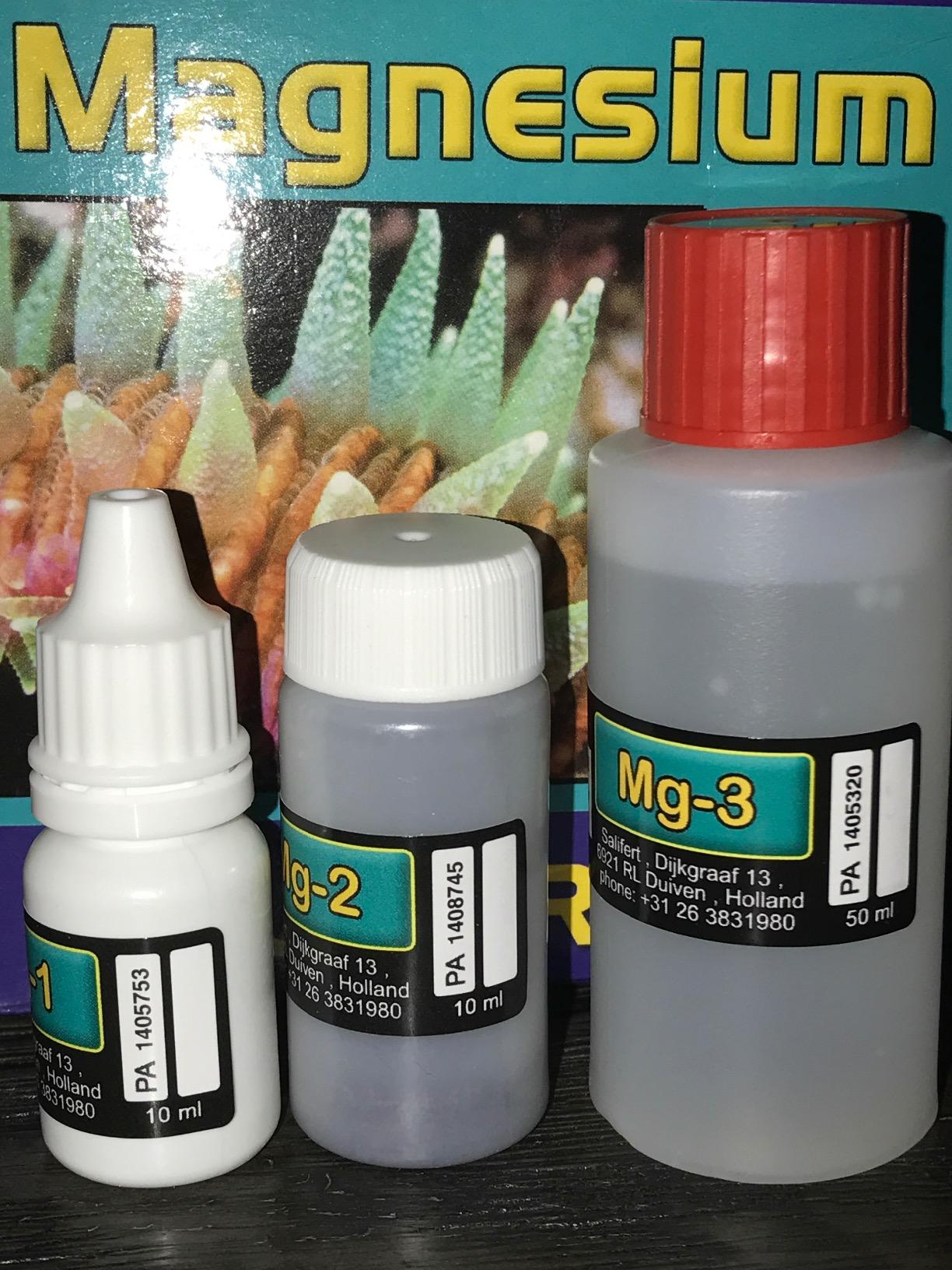
Magnesium is the parameter keepers historically skipped, largely because the common color-block versions of that test were distrusted. That skepticism still colors a lot of forum advice, and we would treat it as dated. This kit is a titration test whose results advanced keepers report as matching ICPOES lab analysis, which is a much higher bar than most hobby chemistry clears.
Why magnesium earns a slot in a ten-product list: it holds calcium and alkalinity in solution. If magnesium is low, you can dose calcium and alkalinity all day and neither will stay where you put it. That makes it a troubleshooting tool as much as a routine one, and it explains why 1,048 buyers rate it 4.6.
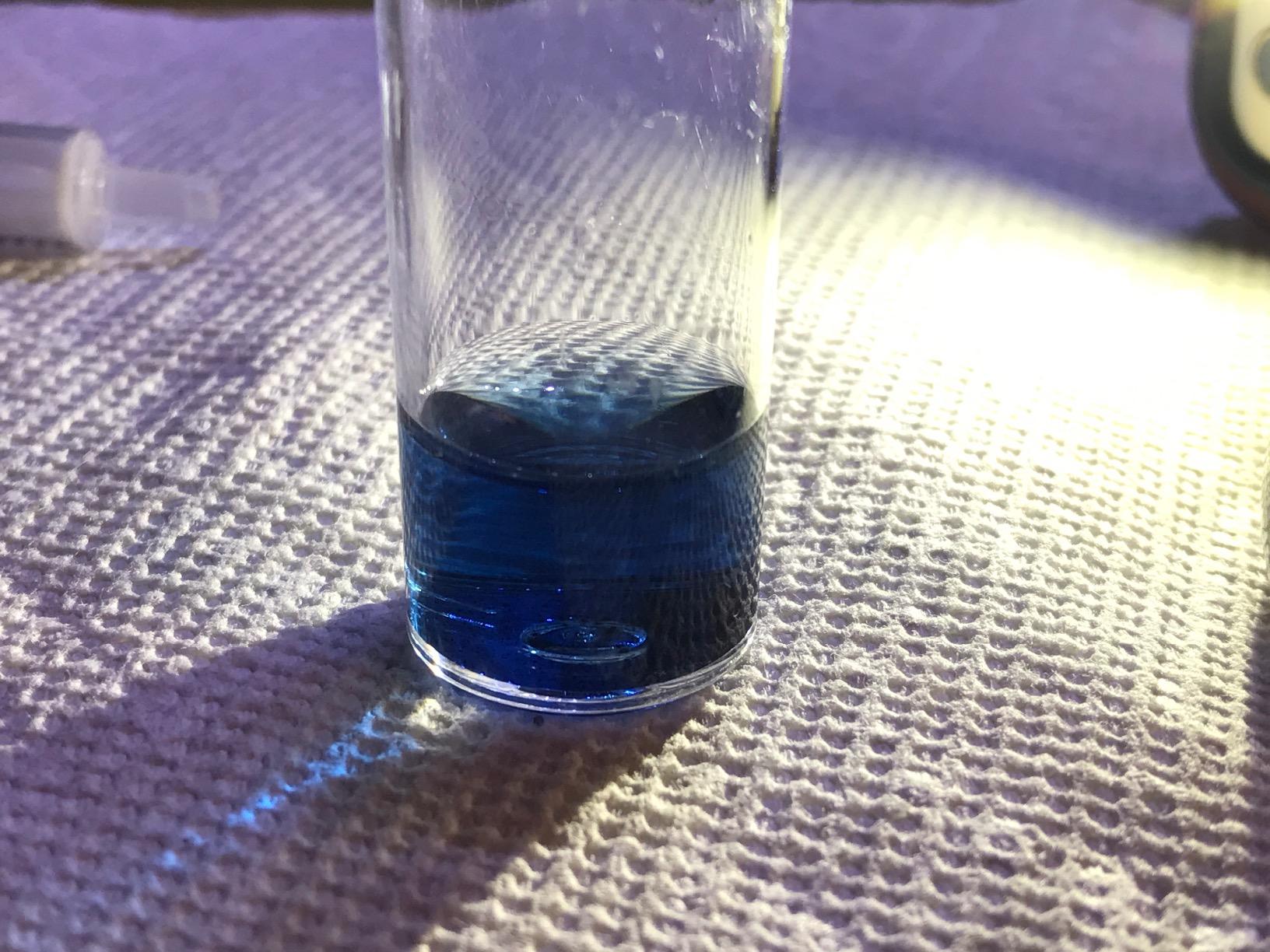
A recent design change shortened the procedure without costing accuracy, and reviewers mention it directly. The kit still performs up to 50 tests and measures 5 x 5 x 4 inches. Fewer than a hundred tests, so plan your refill rhythm if you test weekly, but a 50-test bottle is a serious commitment for a parameter most people check monthly.
The same air bubble caveat applies here as with the calcium kit, because both use a 1.0 ml syringe. A trapped bubble produces a noticeable measurement discrepancy in magnesium specifically, since the reagent volume is small relative to the reading. Clear the syringe, tap the tip, and cross-check one run.
Is magnesium really worth testing on a reef tank
Yes, and the case is stronger than the old forum folklore suggests. Magnesium is the element that keeps calcium and alkalinity dissolved, so a low reading explains stubborn parameter problems that no amount of additional dosing will fix. Once you add magnesium and the other two settle, the diagnosis is complete.
It is also a slow mover in most systems, which is good news. Testing monthly is enough for the majority of setups, and a monthly test with a highly accurate kit beats a weekly guess from a color block.
When a faster magnesium option makes more sense
If you test every week across several systems, the manual steps add up. A digital colorimeter gives you a number in under a minute, and some users prefer that speed even though they note the checker tends to read lower than titration. Choose speed or precision, and do not expect both from one device.
For most hobby setups we would keep the titration test and simply test it less often. At monthly frequency the tedium is manageable and the accuracy is the part you are paying for.
9. Salifert Nitrate Test Kit: A Nutrient Test That Reaches 0.2 ppm
- Lowest detection limit here at 0.2 ppm
- Designed for low-nutrient reef systems
- Dual range serves reef and fish-only tanks
- Liquid endpoint avoids strip color matching
- Color comparison still needs care in mixed lighting
- Consumables and vials need separate replenishment
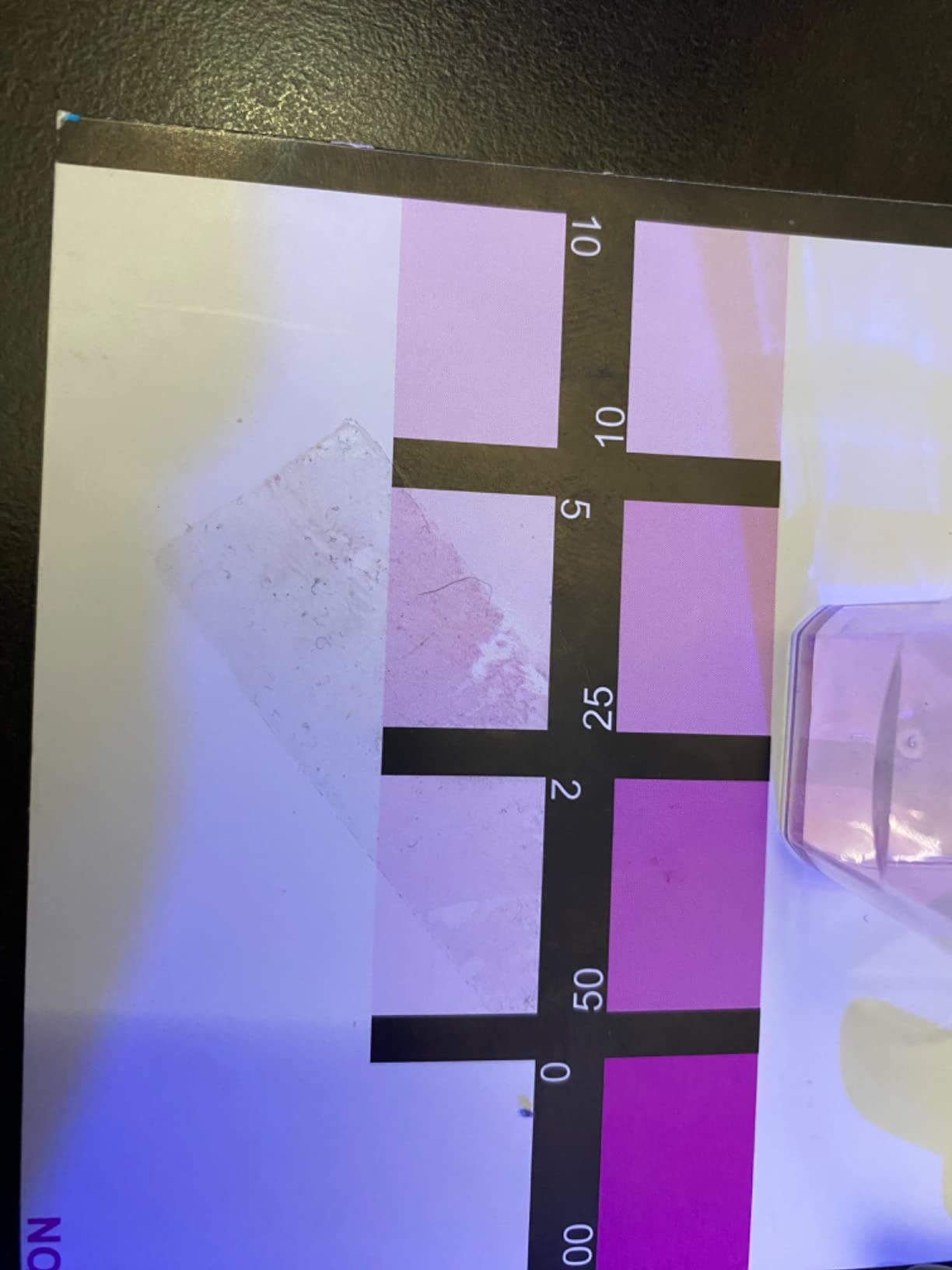
Nitrate is where most reef keepers find out that a general kit was never enough. Export targets sit low, often under five ppm, and to manage a number that low you need a test that can see it. This kit detects down to 0.2 ppm, which is the resolution that makes low-nutrient dosing decisions possible rather than guesswork.
The dual-range design also lets the same kit serve a fish-only aquarium, which is useful if you run both. It measures 5 x 2 x 4 inches at 1.76 ounces, so it is genuinely small, and 626 buyers rate it 4.6. Owners treat it as the standard nitrate check for routine reef maintenance.
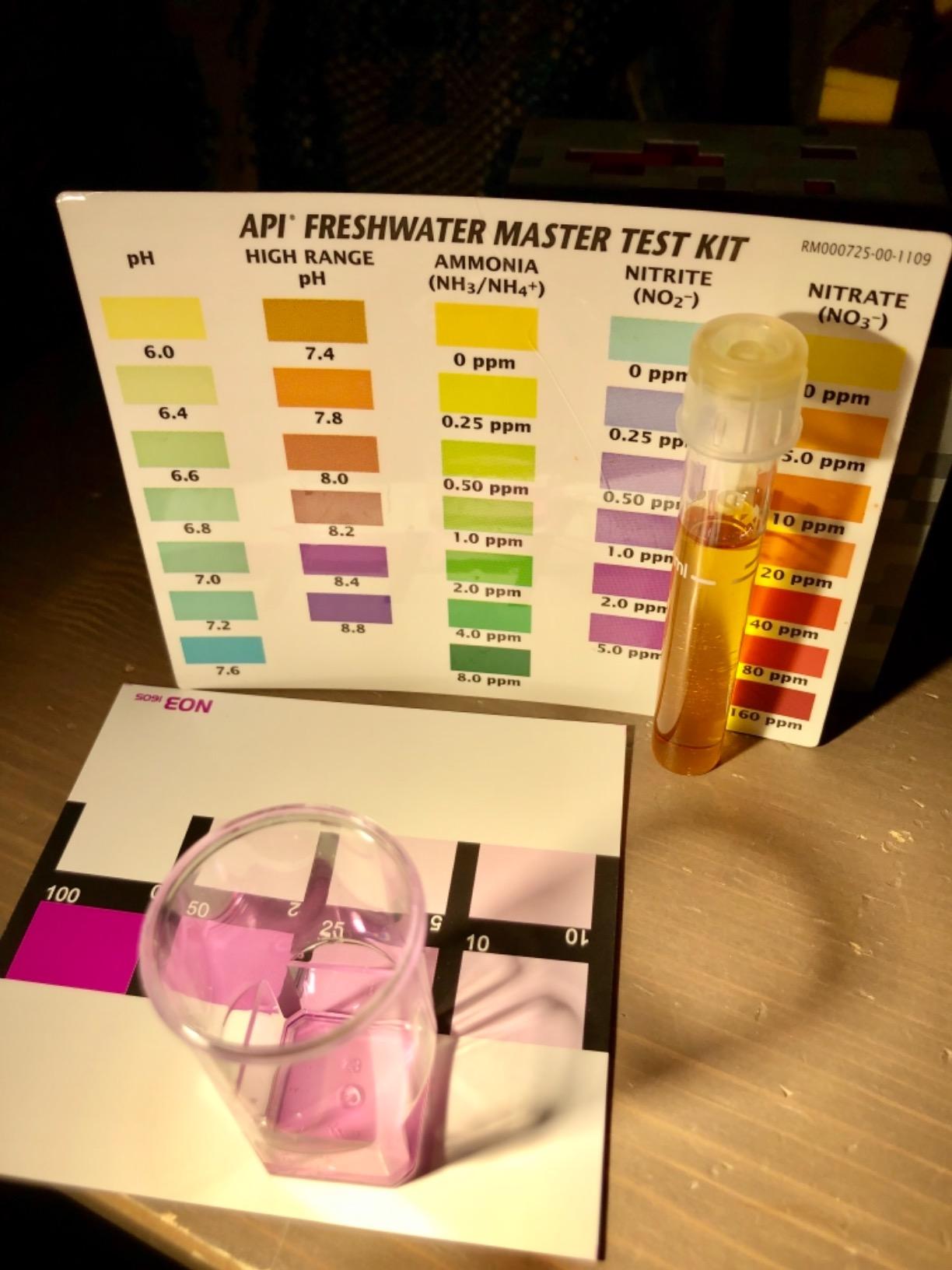
What it does not do is remove color judgment entirely. This is a liquid test with a readable endpoint, and that is better than a strip, but you are still matching a developed color. Under a reef room with blue lighting and a bright overhead fixture both in play, the same sample can read differently. Pick one light source and use it.
Reagents and vials are consumables, so this is a recurring cost even in the first year. Budget for refills when you compare it against a strip habit, because the strip habit is free only because it measures less.
Why nitrate resolution matters more than most keepers expect
Because the interesting range is the low one. Above ten ppm, any test will tell you there is too much and you will already be adjusting your export. Between zero and five ppm, which is where a well-run reef should sit, the difference between one reading and four is a completely different decision about water change volume and feeding.
A test that cannot resolve 0.2 ppm turns that decision into a coin flip. A test that can lets you back nutrients off gradually instead of making one large correction that destabilizes the tank.
When a strip is enough for nitrate
Strips are defensible for a weekly glance on a mature system that is not changing much. They are not defensible when you are actively trying to bring nitrate down, when you are exporting hard after a cleanup, or when a coral is bleaching and you need to rule nutrients in or out quickly.
Test strips are least trustworthy on the parameters that matter most in a reef, and phosphate is the worst offender. Where nitrate is concerned they are usable as a screen. Use this kit when you need the number, not the trend alone.
10. API Phosphate Test Kit: The Cheapest Useful Test in Any Reef Cabinet
- 150 tests at a very low cost per test
- Works in both freshwater and saltwater
- Quick two-step procedure suits weekly testing
- Two color cards included for finer reads
- Color block reading is subjective in low light
- 0-10 ppm range caps out early
- No other reef parameters included
Phosphate is the parameter where test strips are least trusted and where a cheap liquid test is most justified. This API kit runs 150 tests from a 64 ounce package, covers freshwater and saltwater, and includes two bottles of solution, two color cards and one capped test tube. The procedure is two steps and quick, which matters more than it sounds.
At 1,551 reviews and a 4.6 rating, it is one of the most reviewed items in the whole category. That volume of feedback is a fair guide to the experience: a long-standing, inexpensive staple that reef keepers pair with their calcium, alkalinity and magnesium kits without thinking about it much.
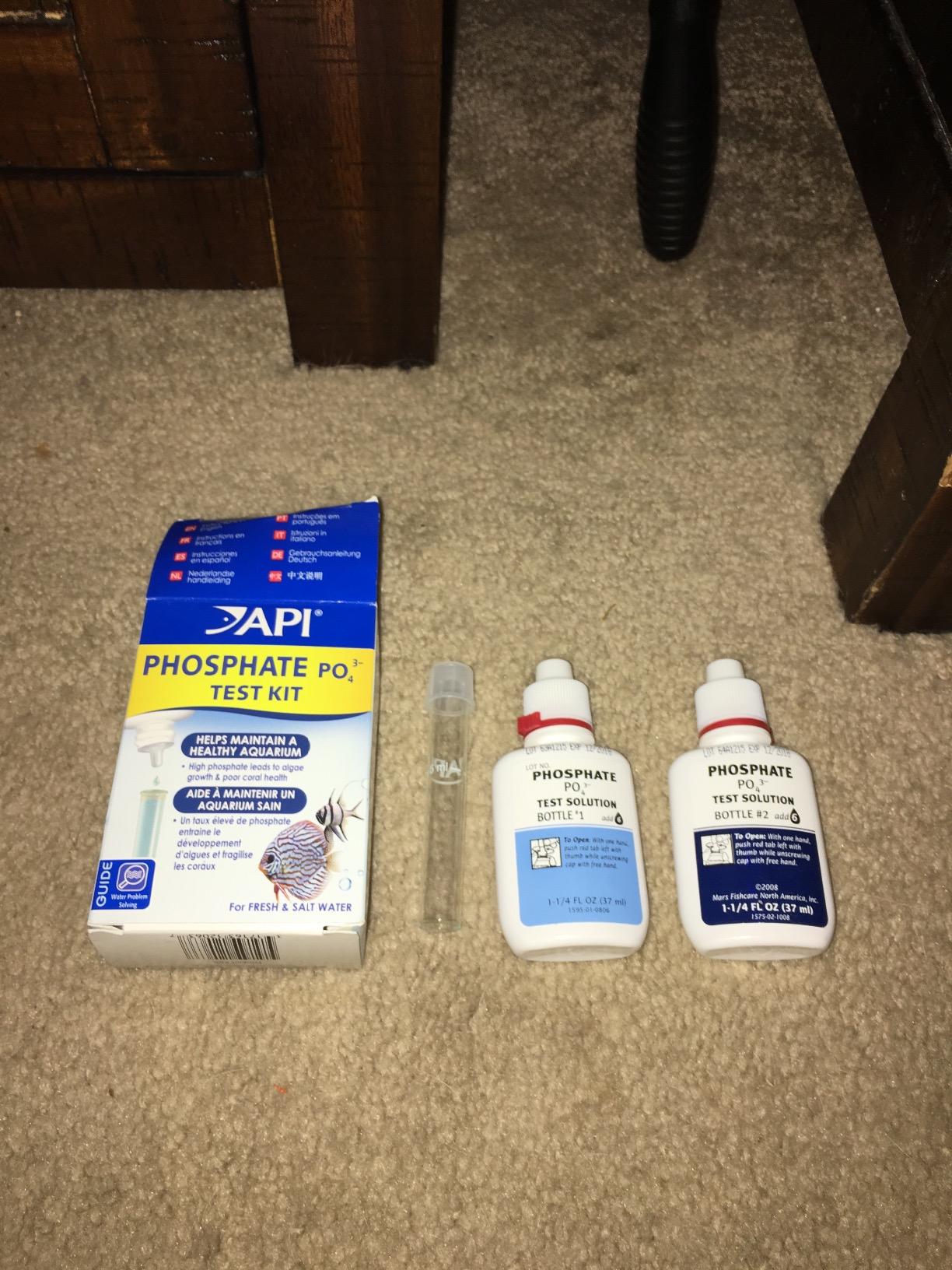
Two real limits. The 0-10 ppm range cannot quantify a heavily polluted system, so if your first reading saturates the top color you have learned only that phosphate is very high. And color-block comparison in a dim reef room is subjective, which is the same complaint that shows up across phosphate tests of every brand.
Two color cards are included, and using them side by side genuinely helps separate close readings. The kit measures 2.75 x 1.63 x 5.13 inches and weighs 4.8 ounces, which makes it easy to keep in a testing caddy rather than a cupboard.
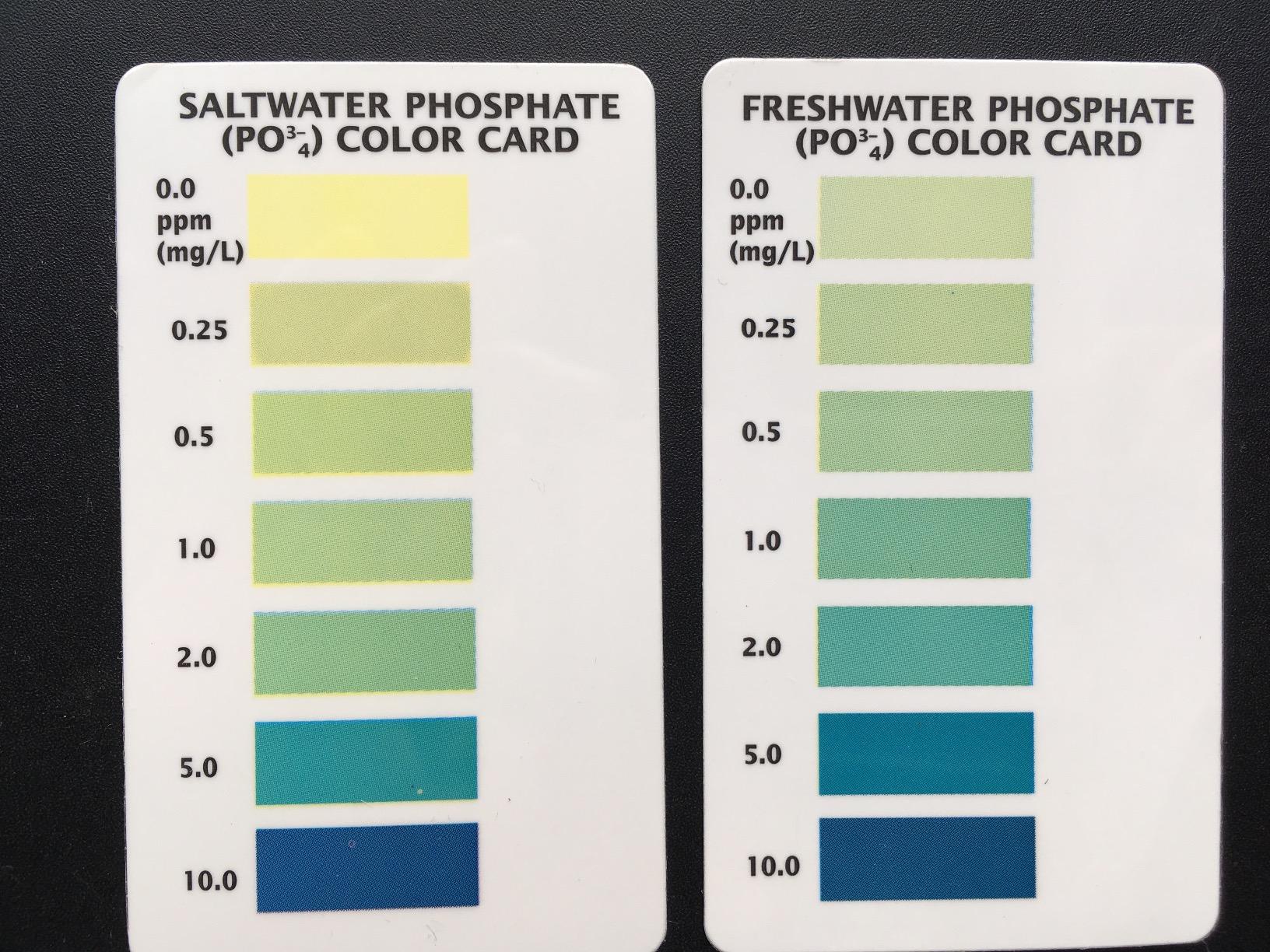
Is a color block good enough for reef phosphate
It is good enough for the ranges most reef keepers are managing. If your target is somewhere between 0.03 and 0.10 ppm, a 0 to 10 ppm scale is more than adequate and the low cost per test is the whole argument. Run the same test at the same time of day and the trend stays readable.
It becomes marginal when you are chasing a large correction, or when your room light makes two adjacent swatches look identical. At that point a higher-range test or a lab report answers faster than squinting at a chart.
When to pay for more than this kit
Upgrade when your system is chronically above the range, when a color block reading conflicts with coral stress you cannot explain, or when you need to know whether an export change actually moved the number. Those are situations where precision decides the outcome and cost per test stops being the deciding factor.
It is also not a suite. Phosphate is the only parameter here, and on a reef you need at minimum alkalinity, calcium and magnesium alongside it. Think of this as one line in the panel rather than an answer.
How to Choose a Reef Test Kit in Five Steps?
Start with the method, because it decides everything downstream. Titration gives you a counted endpoint and the best resolution, at the cost of time and technique. Colorimetric drop-and-wait kits are faster and easier, with slightly less precision. Digital colorimeters read the same reaction and print a number, removing color judgment entirely. Automated analyzers test continuously without you. Match the method to how often you will genuinely test, not to how often you wish you would.
Second, count the parameters against your coral type. A mixed LPS and soft coral reef lives on alkalinity, calcium, magnesium, nitrate and phosphate. An SPS-dominant system makes alkalinity stability the priority. A fish-only marine tank needs nitrogen cycle coverage, which none of the reef foundation kits provide.
Third, think about the upgrade ladder, because almost nobody needs every kit on this list at once. A sensible path runs from a general kit for the nitrogen cycle, to a Ca, Mg and Alk combo, to a single high-resolution alkalinity test plus titration calcium and magnesium, and finally to a lab report for trace elements. Each step adds a capability you will use rather than a tool that sits in a drawer. A common forum complaint is buying everything and testing nothing consistently, and the ladder is the antidote.
Fourth, budget for refills, not just the kit. A bottle that covers 200 tests is effectively a two-year purchase, while a 50-test magnesium bottle is a yearly one. Forum threads about hidden ongoing cost come up constantly, and the number of tests per bottle is the single most useful figure on any listing.
Fifth, check that the rest of your equipment can hold the numbers you are chasing. Lighting intensity drives coral demand for calcium and alkalinity, so our guides to the best LED lights for reef tanks and best wave makers for reef tanks both change how much calcium and alkalinity your tank consumes. Temperature stability, covered in our picks for the best aquarium chillers for reef tanks, affects how stable your setpoint stays, and refugium dosing depends on the equipment covered in our reef sump pump guide. A perfect test kit cannot report on a system that is not stable.
How to Test Reef Water Without Fooling Yourself
Rinse the vial with tank water before you fill it, and rinse it again between parameters. Residue from a previous reagent run distorts the next result more than most measurement errors do, and it is the cheapest mistake to avoid.
Sample from the display tank, not the sump. A sump is where water sits and evaporation concentrates, so a sump sample can read a fraction of a dKH high and send you chasing a drift that only exists in the plumbing. We have seen this cause more confusion than any single kit flaw on this list.
Respect the stated reaction time and read immediately. Most reagent reactions are timed, and reading late or early shifts the color toward one end of the scale. Set a timer rather than cleaning the kitchen mid-test.
Clear every air bubble from a 1.0 ml syringe before you measure. This matters most on the titration calcium and magnesium tests, where a small trapped bubble produces a visible error. Tap the tip, expel the bubble, and check before you inject.
Read color cards in neutral light, ideally daylight, in the same room every time. Reef rooms are lit blue and dim, and both conditions distort color judgment. Consistency of reading conditions matters as much as consistency of technique.
Cross-check periodically rather than constantly. Running a lab report quarterly, or a second test method on a sample you are unsure about, tells you whether your home kit is drifting. For temperature-related swings and how chillers interact with your setpoint, see our guide to chillers for saltwater tanks. The point of routine testing is a trend line, and a trend line is only useful if the method does not move underneath it.
Frequently Asked Questions
What is the best kit for testing reef water?
For most reef keepers, the Salifert Alkalinity Calcium Magnesium Combo covers the big three in one purchase, and the Salifert KH/Alk Test Kit is the best single upgrade to add because it resolves 0.3 dKH steps. Add a nitrate and phosphate test for nutrients, and use a mail-in ICP report for trace elements you cannot measure at home.
What is the best automatic water tester for a reef tank?
Automated analyzers are worth it when you run an SPS system, travel often, or dose to a tight daily setpoint, because they log trends without you having to remember a test day. They cost considerably more than any manual kit on this list and still leave routine reagent chemistry useful for spot checks, so most keepers end up owning both.
What are the big three to test for in a reef tank?
Alkalinity, calcium and magnesium. Alkalinity in dKH controls calcification and buffering, calcium drives skeletal growth, and magnesium keeps calcium and alkalinity in solution. If magnesium is low, dosing the other two will not hold. Add nitrate and phosphate to that core set for nutrient export.
What is the best water tester for saltwater tanks?
It depends on what problem you are solving. A general saltwater master kit is right for nitrogen cycle and pH, a titration kit is right when you dose to a daily setpoint, and a digital colorimeter is right when you want a number without any color judgment. For reef chemistry specifically, titration and digital colorimeters both beat a color card on consistency.
What is the most reliable alkalinity test kit for reef tanks?
Among manual tests, the Salifert KH/Alk Test Kit is the most reliable, because its 0.1 meq/L resolution makes a 0.3 dKH change visible and it holds a 4.5 rating across 649 reviews. For absolute repeatability with no color judgment at all, a digital alkalinity colorimeter that prints a dKH reading is the step above manual kits.
Conclusion
The best aquarium water test kits for reef tanks in 2026 come down to what your tank needs you to measure. The API Saltwater Master Test Kit is the most proven starting point, with a 4.6 rating across 4,703 reviews, and it is the only one here covering the nitrogen cycle as well as pH. It is simply not a reef foundation kit, and that is worth saying plainly rather than letting a 550-test count imply otherwise.
For the reef parameters themselves, our picks are the Salifert Alkalinity Calcium Magnesium Combo as the easy foundation, the Salifert KH/Alk Test Kit as the single best upgrade, the Salifert Magnesium Test Kit where accuracy against lab data matters most, and the ATI ICP Lab Analysis Pro when you need trace elements and source water data you cannot get at your kitchen sink. Whatever you buy, test on a schedule you can keep, sample from the display tank, and read your color charts in the same neutral light every time. Consistency across weeks protects coral far better than a single perfect reading ever will.