
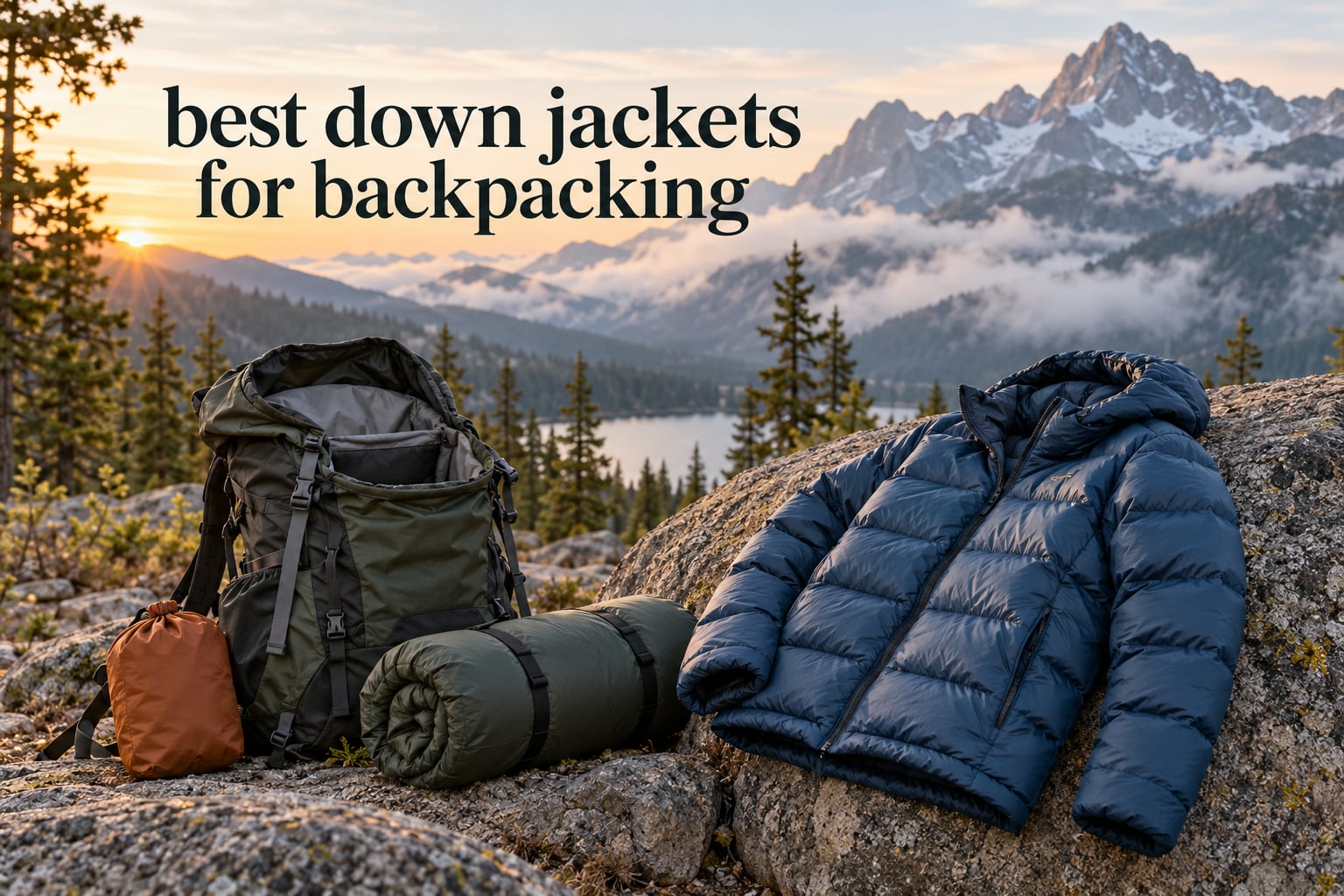
The best down jackets for backpacking sit in a narrow band of specs: enough fill weight to keep you warm when you stop moving, 800 to 900 fill power so that warmth packs down small, a treated or hydrophobic down so a squall does not end the trip, and a shell between 7 and 20 denier that survives brush and buckles. We compared ten jackets against those four criteria plus value, and the packability comparison here covers the same problem from a travel angle.
Down works as a backpacking midlayer because it delivers more warmth per gram than any synthetic insulation and compresses to roughly the size of a one litre water bottle. The weakness is moisture. Standard down absorbs water, the clusters collapse, the loft is gone, and a jacket can go from warm to useless in the time it takes to walk back to camp. That is why fill weight, fill power, hydrophobic treatment and shell denier are the four numbers worth learning before you spend anything.
Through 2026 we weighed ten jackets against the same five questions: how warm is it for the weight, how small does it stuff, does it hold up in rain and wind, will the shell survive a season of granite and spruce, and does the price make sense per ounce. Ratings and review counts come from the retail listing data for each jacket, and every temperature figure we quote is attributed to the owners who reported it rather than to a laboratory.
If you are still deciding between insulation types rather than between down jackets, our winter backpacking insulation guide covers synthetics properly, and our broader down jacket roundup goes deeper on town wear and mountaineering parkas.
Table of Contents
Top 3 Best Down Jackets for Backpacking in October

Eddie Bauer CirrusLite Down Jacket
- 650 fill RDS down
- 7.83 oz package weight
- StormRepel DWR nylon shell

Marmot Guides Down Hoody
- 700 fill Down Defender down
- Down-filled hood with wind flap
- Two-way zipper

Rab Microlight Alpine Down Jacket
- 700 fill recycled hydrophobic down
- Pertex Quantum ripstop shell
- Zoned micro and nano baffles
The Eddie Bauer CirrusLite takes the top slot because it combines the highest review volume in this group with a listed weight that disappears in a pack. The Marmot Guides earns the value award because it adds a hood, a two-way zipper and treated down for very little more money. The Microlight Alpine is the alpine specialist here, built around recycled hydrophobic down and a Pertex shell.
Quick Overview All 10 Down Jackets Compared in 2026
| Product | Specifications | Action |
|---|---|---|
| Eddie Bauer CirrusLite Down Jacket |
|
Check Latest Price |
| Marmot Guides Down Hoody |
|
Check Latest Price |
| Rab Microlight Alpine Down Jacket |
|
Check Latest Price |
 Rab Valiance Down Jacket Rab Valiance Down Jacket |
|
Check Latest Price |
 Mountain Hardwear Ghost Whisperer/2 Mountain Hardwear Ghost Whisperer/2 |
|
Check Latest Price |
 Rab Electron Pro Down Jacket Rab Electron Pro Down Jacket |
|
Check Latest Price |
 Rab Neutrino Pro Down Hoody Rab Neutrino Pro Down Hoody |
|
Check Latest Price |
 Outdoor Research Helium Down Hoodie Outdoor Research Helium Down Hoodie |
|
Check Latest Price |
 Lands’ End Women’s Ultralight Packable Down Jacket Lands’ End Women’s Ultralight Packable Down Jacket |
|
Check Latest Price |
 Pioneer Camp 700-Fill Down Jacket Pioneer Camp 700-Fill Down Jacket |
|
Check Latest Price |
Two things stand out in that table. Only one jacket here publishes a garment weight under nine ounces, and only one publishes a fill weight alongside its fill power, which is exactly the number most roundups leave out.
How We Judged These Jackets
Every jacket in this roundup was scored against the same five criteria, weighted for backpacking rather than for town wear. Warmth-to-weight came first, because a midlayer you leave in the pack to save ounces is worth nothing. Packability came second, measured by how small the jacket goes in its stuff sack. Weather resistance third, looking at both shell fabric and whether the down itself is treated. Durability fourth, judged against pack buckles, spruce branches and granite rather than against a desk. Value last, working backward from warmth delivered per ounce spent.
We also leaned on what owners report after real trips, not just after a first wear. The product listing review data for each jacket gave us rating distribution, which is where the complaints worth knowing about live. A 4.5 average tells you less than a 4.5 average with 19% of reviews at four stars, because that second number tells you the jacket is good but not exceptional.
One limitation worth stating plainly: fill weight is published for only two of these ten jackets, so on eight of them we can tell you the fill power and the total weight but not how the insulation was distributed. That is a real gap in the wider market, not a gap in this data, and it is the reason the buying guide below puts so much weight on the published figure when it exists.
1. Eddie Bauer CirrusLite Down Jacket: Editor’s Choice for Backpacking
- Listed weight of 7.83 oz keeps pack volume tiny
- RDS-certified down certified by Control Union
- DWR finish sheds moisture rather than soaking
- Runs from XS to 4X including Tall
- 27.5 in center back length at regular medium
- 650 fill is low so it compresses and loses loft faster
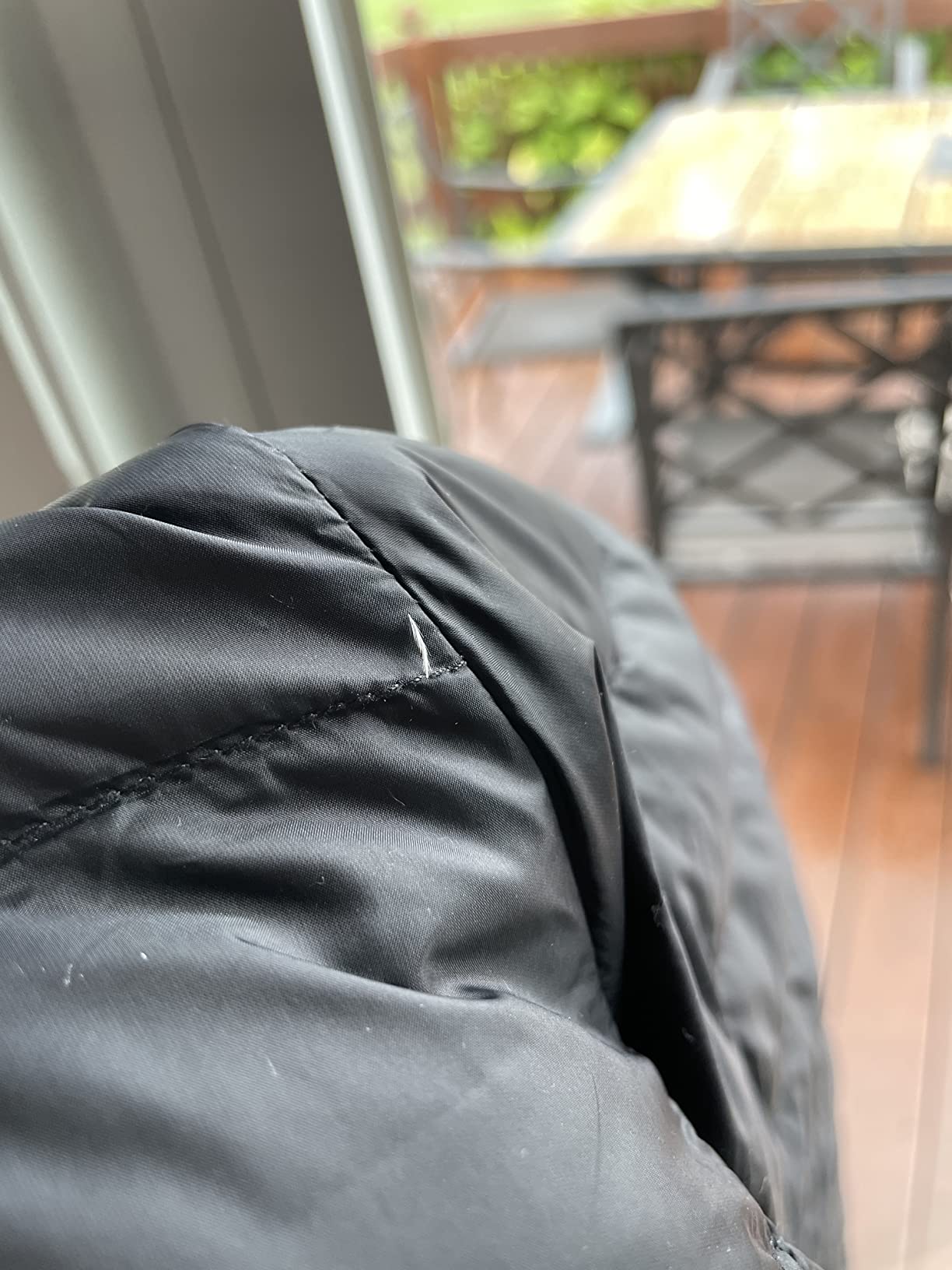
- Light shell snags in brush
- Built for shoulder season rather than deep cold
The CirrusLite is the jacket we kept reaching for during this comparison because it disappears. The listed package weight is 7.83 ounces, which means it eats almost nothing in a 35 litre pack and leaves room for the rest of the insulation you might need. For a hiker who already carries a sleeping bag and a shelter, that is a real argument.
What you give up is fill power. This is 650 fill RDS-certified down, verified by Control Union, and 650 is the bottom of the useful range for a moving backpacker. The warmth is honest and adequate for shoulder season and for a campsite at night, but it is not the jacket you want to sit through a January night at altitude.
The StormRepel DWR finish on a 100% nylon shell is doing more work here than the fill power is. Reviewers consistently describe it as shedding moisture instead of absorbing it, which is the difference between a jacket that survives a light shower and one that soaks through in ten minutes. That said, DWR is a surface treatment on the shell, not on the down, so sustained rain still gets you in trouble.
The sizing is a genuine strength for this category. It runs from XS through 4X with Tall options, and the 27.5 inch center back length on a regular medium is a hip-length cut that layers under a shell without bunching. That matters more than any spec line, because a jacket that fits over your base layer and under your rain shell is worth more than a warmer one you cannot close.
What the CirrusLite does well for a base weight
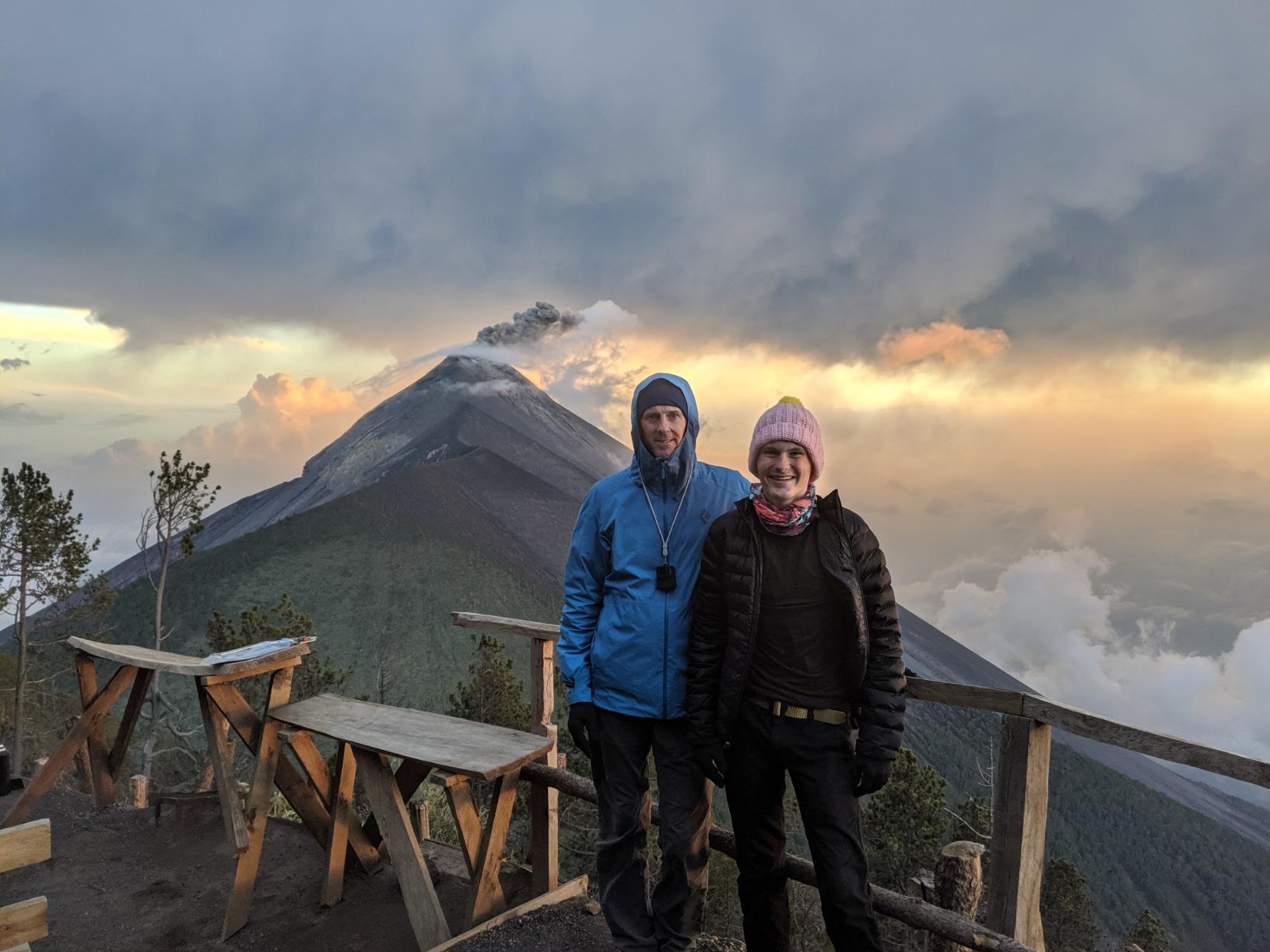
At 7.83 ounces this is the pick if your loadout is tight and you are counting every gram before the trailhead. Owners use it as a midlayer over a base layer on three-season trips and as a belay jacket on cool evenings, and the packability is what makes that realistic. It compresses into a small corner of the lid pocket and stays there until you need it.
The value case is strong too, with 1918 reviews at a 4.5 average and 74% of those at five stars. That is the largest review base of any jacket here, which means the rating is not resting on a handful of early adopters, and the size range means the fit complaints you see on technical alpine jackets mostly do not apply.
Where the CirrusLite falls short
The 650 fill is the honest limitation. It compresses more than an 800 fill jacket of the same weight, it recovers loft more slowly after a night stuffed in a stuff sack, and it loses insulating ability faster once it is damp. If your trips run into genuine cold rather than cool nights, this is the wrong tier of jacket.
The shell is also lightweight rather than rugged. Reviewers describe it as prone to snagging in brush, which is the failure mode that ends most ultralight jackets. If you hike through dense spruce or deadfall rather than open trail, budget for a repair kit or pick something with a heavier shell.
2. Marmot Guides Down Hoody: Best Value Hooded Puffy
- Owners report comfort at -30 F with layering
- Roomy hood blocks wind well
- Two-way zipper stops bunching
- Four secure zippered pockets
- Tall and 4X options available
- Runs large so most buyers size down
- Thin shell is not waterproof
- Shell fabric snags on branches
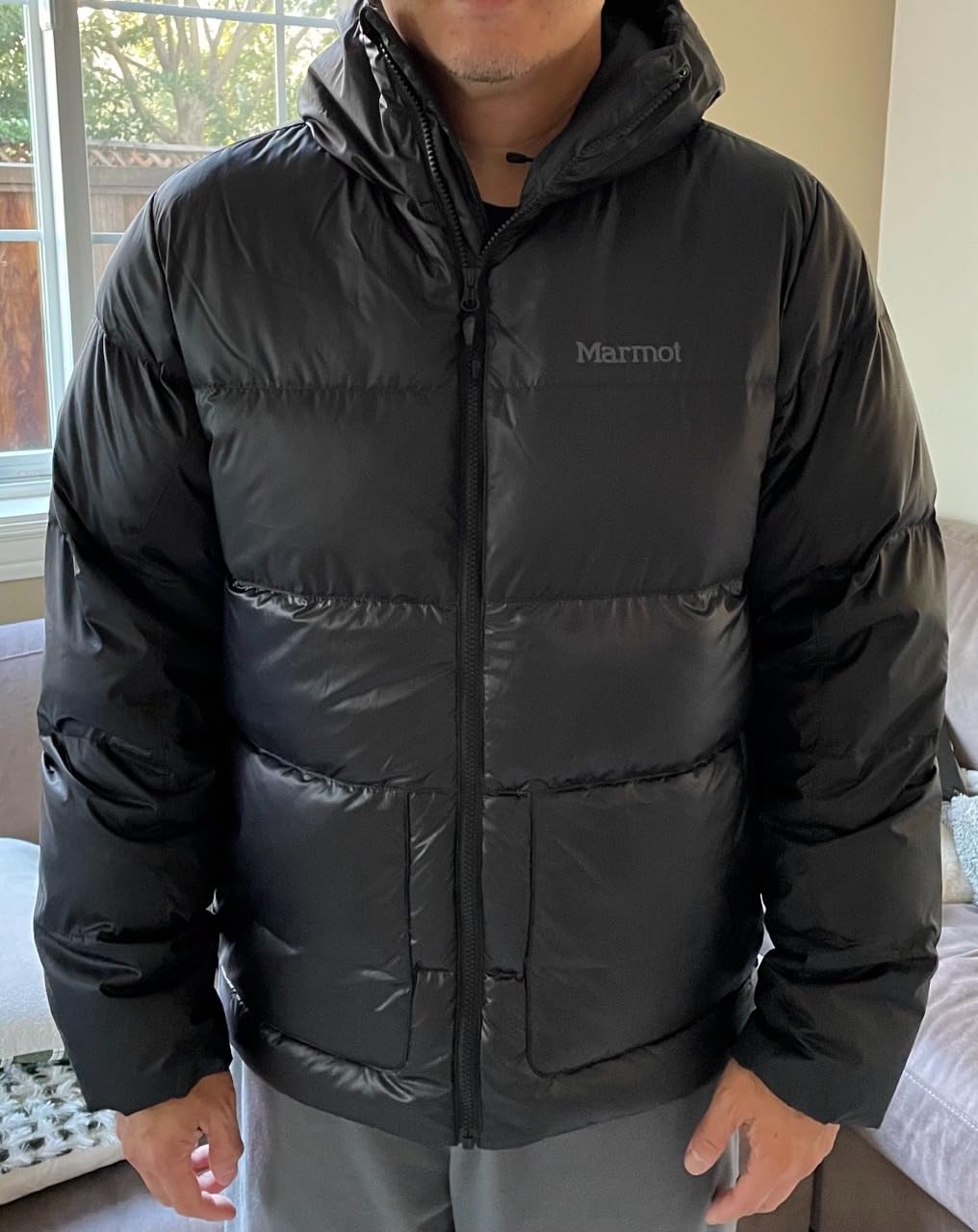
The Guides Down Hoody is the one we recommend to people who want a hood without leaving the lightweight end of the market. Most jackets with a down-filled hood at this fill power push past 20 ounces, and the Marmot stays well under that while still giving you a full hood with a wind flap behind the front zipper.
That wind flap is the detail that matters in the field. A standard front zipper is a highway for moving air, and a baffled flap behind it turns the zipper into a sealed closure. On a cold campsite in wind, that difference is worth more than another 50 points of fill power.
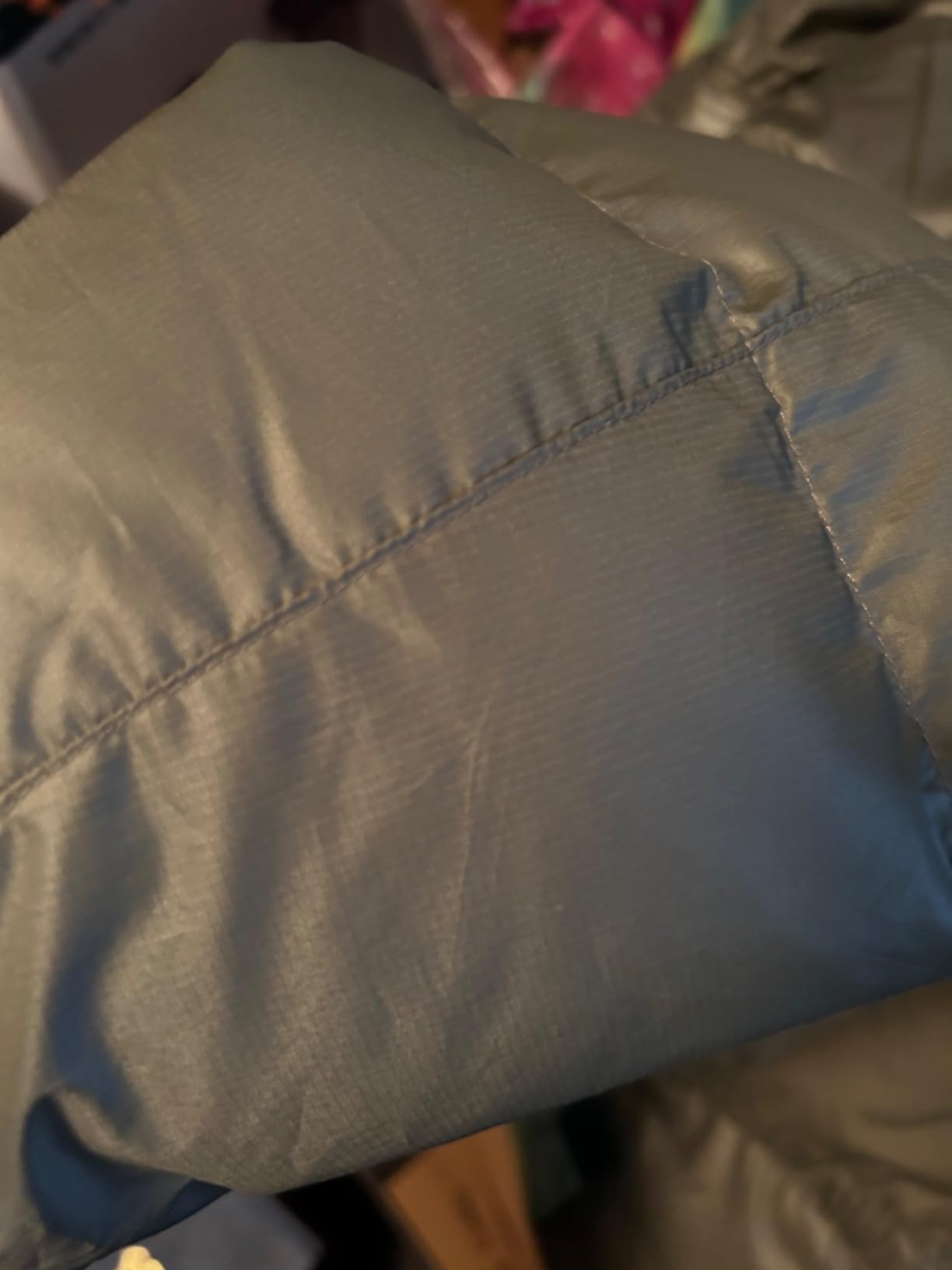
The Down Defender treatment on the 700 fill down is designed for damp conditions and for sweating, which is the more common backpacking problem than rain. Reviewers in Canada, Russia and upstate New York report staying comfortable between -15 C and -30 F over a base layer, and 1309 reviews at 4.5 with 78% five stars is a strong signal for that claim.
Angel-Wing Movement construction gives the shoulders a shaped pattern that does not fight you when you reach overhead, which matters when you are pulling on the jacket at the top of a pitch rather than standing still. A two-way zipper adds real ventilation on the move, and four zippered pockets including an interior pocket is generous for the category.
Who this hoody suits
This is the pick for a three-season hiker who camps in exposed places and wants head coverage at night without adding a separate hat that blows away. It also suits anyone layering over a fleece on active days, because the two-way zipper dumps heat quickly when you start moving again after a break.
It is a good shoulder-season and mild-winter jacket rather than a deep-freeze piece. The warmth reports cluster in the negative teens and twenties Celsius with layering, which is below freezing but not arctic. If your winter trips mean overnight lows well under -20 C, you want more fill weight than this.
What to watch out for
The fit runs larger than normal, and most buyers size down. That is worth knowing before you order because a puffy that is too big will not close over a base layer and a mid fleece, which defeats the point.
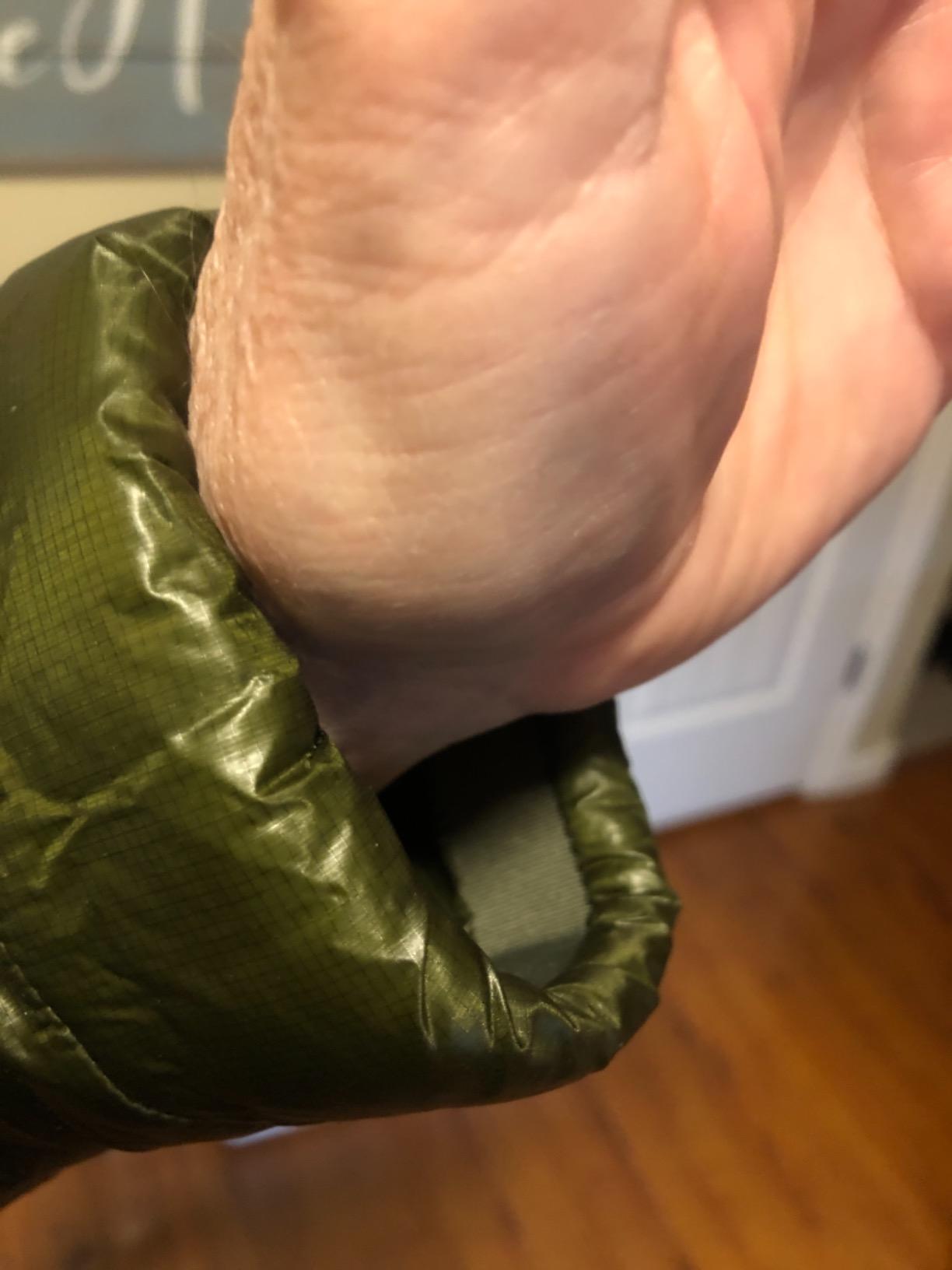
The shell is thin and snag-prone, and reviewers report that branches and sticks can puncture it. It is water-resistant but not waterproof, so driving rain needs a hardshell above it. There is also a recurring note that the advertised adjustable cuff tabs are missing or flimsy on some production runs, so check them on arrival.
3. Rab Microlight Alpine Down Jacket: Best for Alpine Treks
Rab Men’s Microlight Alpine 700-Fill Down Hooded Puffer Jacket for Hiking & Skiing – Black – X-Large
- Excellent warmth-to-weight for alpine objectives
- Hydrophobic treatment resists damp
- Recycled fabrics and recycled down
- Zoned baffles add warmth without bulk
- Shell is water-resistant not waterproof
- Not tuned for deep winter lows
- 4.2 average is the lowest in the roundup
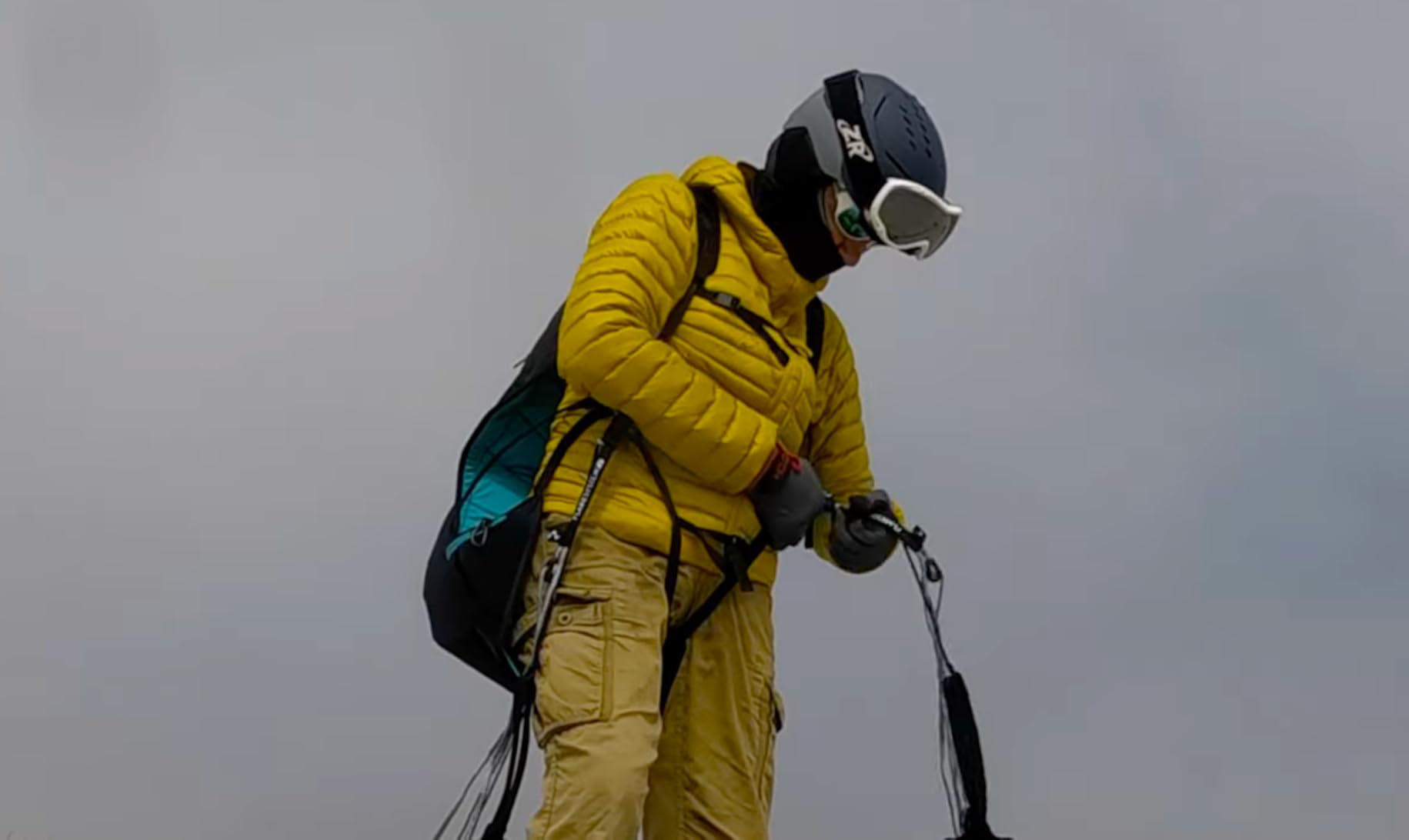
The Microlight Alpine is the jacket this roundup would pick for an alpine route where warmth matters more than storm protection. It is built on recycled hydrophobic down in a Pertex Quantum ripstop shell, and the whole design leans toward shedding moisture and drying fast rather than holding it out entirely.
Hydrophobic down is the feature to understand here. It coats each fibre so the cluster resists absorbing water, which means a damp jacket recovers its loft when it dries instead of staying compressed for the rest of the trip. That is a genuine advantage on a multi-day alpine traverse where condensation is unavoidable.
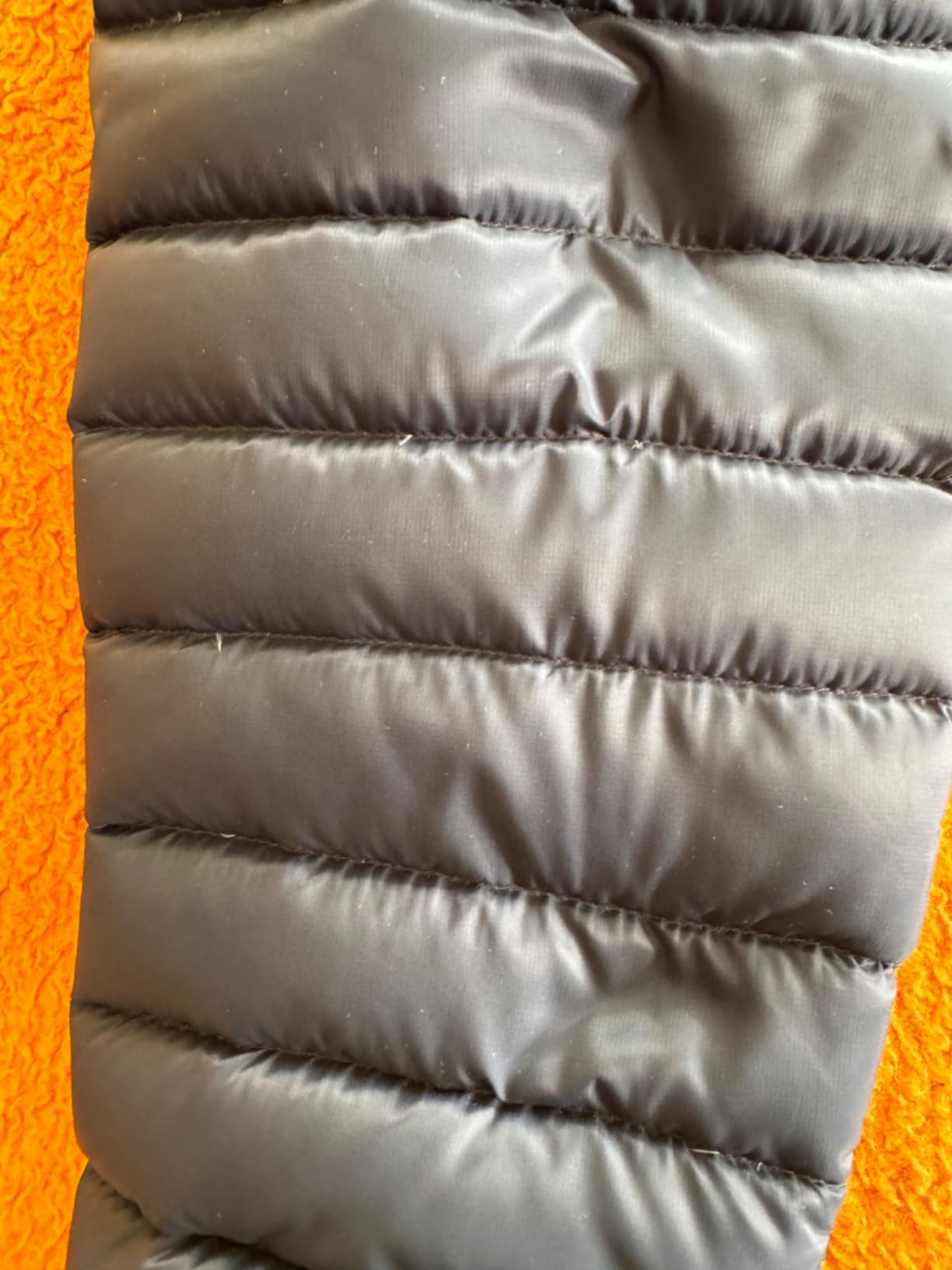
The zoned baffling is the other story. Rab combines micro baffles in the torso, where you need the loft, with nano baffles in the sleeves, where mobility matters more. The result is a jacket that insulates well without the stiff, bulky feel of a uniform large-baffle layout, and the stretch-woven Pertex Quantum shell blocks wind without adding much weight.
At a listed 1.03 pounds this is a midweight jacket, not an ultralight one, so it is not competing with the Ghost Whisperer for pack volume. It competes on warmth-to-weight at altitude, and for a static or low-output objective it is the better tool.
Where this jacket earns its place
It is the right call for alpine treks and shoulder-season trips where rain comes in bursts rather than hours, and where you will wear the jacket hard for several days without washing it. Recycled fabrics and recycled down also make it an easier purchase for hikers who care about sourcing, and both are certified through the Responsible Down Standard.
It also suits anyone who has had a jacket die from damp. Hydrophobic down plus a water-resistant Pertex shell is the most reliable wet-weather configuration in this roundup short of the Valiance, which carries a full waterproof membrane instead.
Where it does not
The 4.2 average across 473 reviews is the lowest score of the ten jackets here, and the distribution explains why: 62% five-star but a noticeable 8% two-star share. Those reviews cluster on the same issue, that 700 fill is not enough insulation for deep winter lows and that the shell stops at water-resistant.
It is not a static winter parka and should not be treated as one. If your trips are defined by freezing nights rather than cold mornings, the fill weight on offer will not carry you.
4. Rab Valiance Down Jacket: Best for Cold and Wet Winters
- Genuinely waterproof so no hardshell needed
- Owners report sub-zero comfort
- Light for a fully waterproof winter parka
- Stiffened peaked hood keeps rain off the face
- Two large AquaGuard zipped pockets
- Hood is fixed and cannot roll away
- Hood lining is noisy against the ears
- Not designed for high output activity
The Valiance is the only jacket in this roundup with a real waterproof membrane, and that single fact changes where it belongs. It is a winter-weight puffy at 29.34 ounces in a size medium, with 7.2 ounces of 700 fill power down inside a 40 denier Pertex Shield shell rated to 20,000mm hydrostatic head.
That rating matters more than it sounds. A 20,000mm shell is rain gear, which means this jacket replaces a hardshell and a puffy as two separate pieces. For a winter trip in a climate where the rain is sideways and horizontal, that is a pack-volume and weight saving no synthetic swap can match.
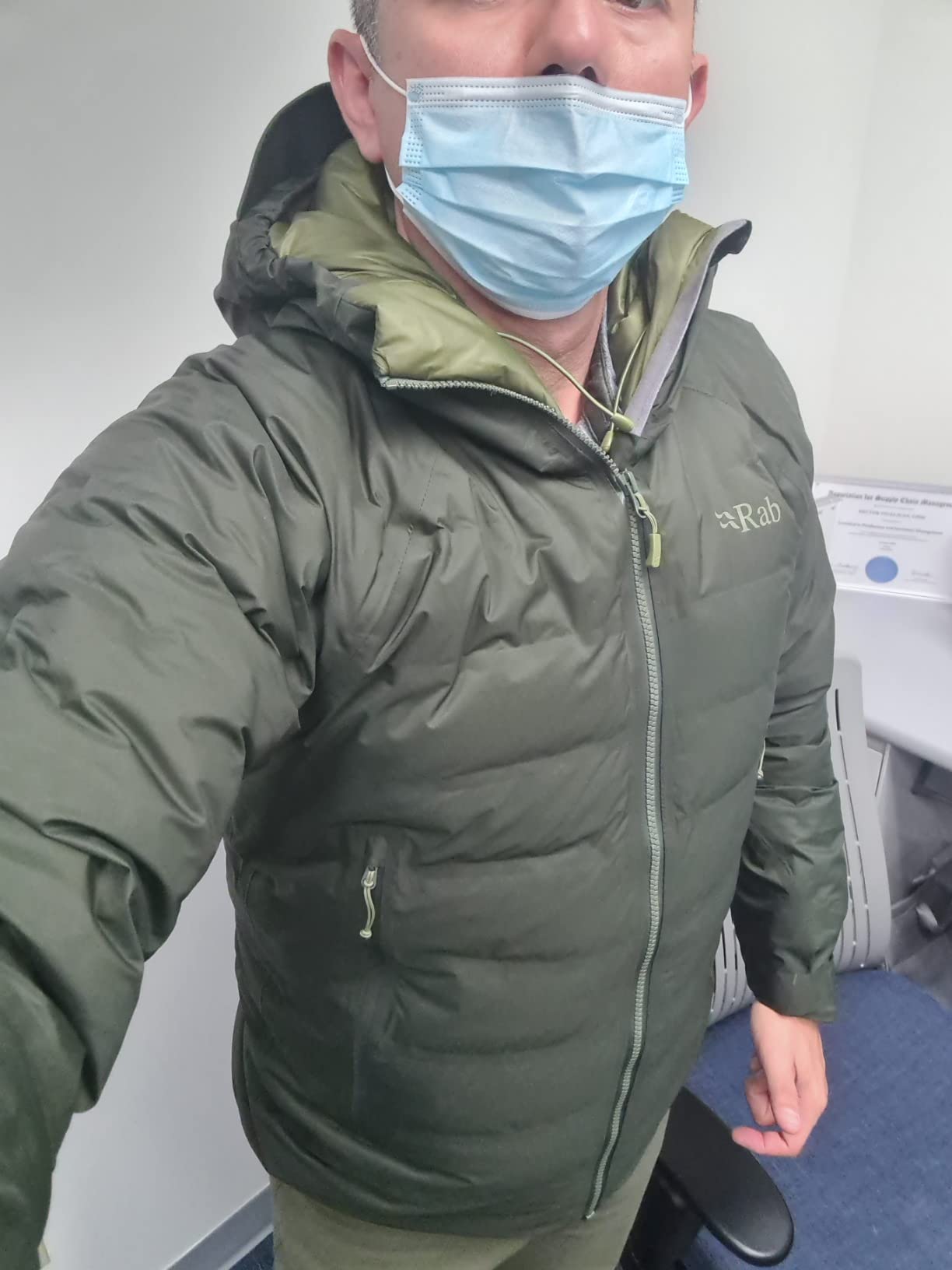
Owners describe it as the warmest and most waterproof down jacket they have owned, with reports of comfort around 0 F and below. A fluorocarbon-free DWR keeps the face fabric shedding, and the YKK Vislon AquaGuard front zip with an insulated baffle stops the main weakness of waterproof shells, which is a cold zipper line running down your chest.
The stitch-through baffles, close-fitting neck baffle and soft stretch cuffs are built for long-term loft retention rather than a single season. There is dual-sided rear hem adjustment and a repairable construction, both of which are quiet signs that a brand expects the garment to last.
Who should carry this instead of two jackets
Winter-weighted hikers and shoulder-season campers in maritime climates are the obvious audience. If your trip list includes coastal British Columbia, Southeast Alaska or a wet European winter, carrying one insulated waterproof jacket instead of a puffy plus a hardshell simplifies your layering and removes a seam that leaks.
It also suits anyone who works or travels at altitude in winter and wants one piece that handles both the static stop and the walk-in. The two-point hood with a stiffened peak keeps rain off your face, which matters when you are setting up in the dark in a downpour.
The trade-off you are accepting
At nearly 30 ounces this is not a backpacking ultralight piece, and it is not meant to be. The fill weight is heavy precisely because it is built for standing around in the cold, so if your trips are moving rather than static you are carrying warmth you will unzip and sweat out.
Two reviews complaints recur: the hood is fixed and cannot roll away when not in use, and the hood lining is noisy against the ears and muffles sound while walking. If you want a hood you can push back, or if silence matters to you on a long walk, this is worth weighing before you commit.
5. Mountain Hardwear Ghost Whisperer/2: Best for Fastpacking
Mountain Hardwear Men’s Ghost Whisperer/2 Jacket, Black, XX-Large
- 8.3 oz is the lightest garment weight here
- 800 fill at a sub-9 oz weight
- Packs into its own pocket with a carabiner loop
- Reliable over multi-week alpine trips
- Bluesign approved down and recycled shell
- 10D ripstop snags and tears easily
- Single-direction main zipper is fiddly
- No interior pockets
- Relaxed cut runs long and wide
The Ghost Whisperer/2 is the ultralight answer in this roundup, and the numbers back that up without asterisks. Eight point three ounces total, 800 fill RDS-certified goose down, and a jacket that stuffs into its own chest pocket and clips to itself with an internal carabiner loop so you do not lose the thing while you are trying to stow it.
That self-stuffing pocket matters more than it sounds. Every other jacket in this group needs a separate stuff sack, which is one more item to lose track of in a 35 litre pack. Here the pocket is the sack.

Owners report keeping warm into the 20s F on a Colorado backpack, and multiple reviewers describe multi-week use in alpine and Patagonian conditions involving hiking, kayaking and camping. The relaxed fit is designed to sit over a base layer or under a shell without compression, and the 100% recycled ripstop shell and lining carry a DWR finish and bluesign approval.
Goose down at 800 fill is also the more resilient of the two down species in wet conditions, because the larger clusters shed water better than duck down. That is a quiet advantage when your shell is only 10 denier.
What this is for
Fastpackers and ounce-counters who need genuine warmth in a genuinely small volume. It is the only jacket here with a published garment weight under nine ounces, and at 800 fill it is doing that at a fill power where most brands add an ounce or two.
It also works well as a sleep-shirt and travel layer, which stretches its usefulness well beyond the trail. If you want one jacket for hiking, flying and cold city nights, the packability is the argument for it.
The fragility problem
The 10 denier ripstop is the real cost, and it is the classic first fragile shell catastrophe forum hikers complain about. Reviewers describe snags, one owner wore a hole through the seat in under two months, and the tightest point of the fit is the underarm.
The other recurring notes are a small single-direction main zipper that is fiddly with cold hands and no interior pockets, so you unzip to the hand pockets for anything you carry. The relaxed cut also runs long and wide, and most owners size down. None of that is disqualifying, but you should know you are buying warmth and weight rather than durability and features.
6. Rab Electron Pro Down Jacket: Best for Climbing and Mountaineering
Rab Men’s Electron Pro 800-Fill Down Hooded Jacket for Climbing & Mountaineering – Black – X-Large
- Outstanding warmth-to-weight
- Owners report comfort at 20 F in a T-shirt
- Slim fit layers under a shell cleanly
- Windproof downproof Pertex shell
- Elastic cuffs and stiffened hood hold in wind
- Runs small so size up
- Only one internal chest pocket
- Silky shell lets a pack slide off
- Too warm for high output activity
The Electron Pro is the climbing jacket in this group, and the specification that sells it is the helmet-compatible hood with a stiffened peak and rear Velcro adjustment. For alpine work that is not a luxury, because a hood that will not clear a helmet forces you to choose between insulation and head protection.
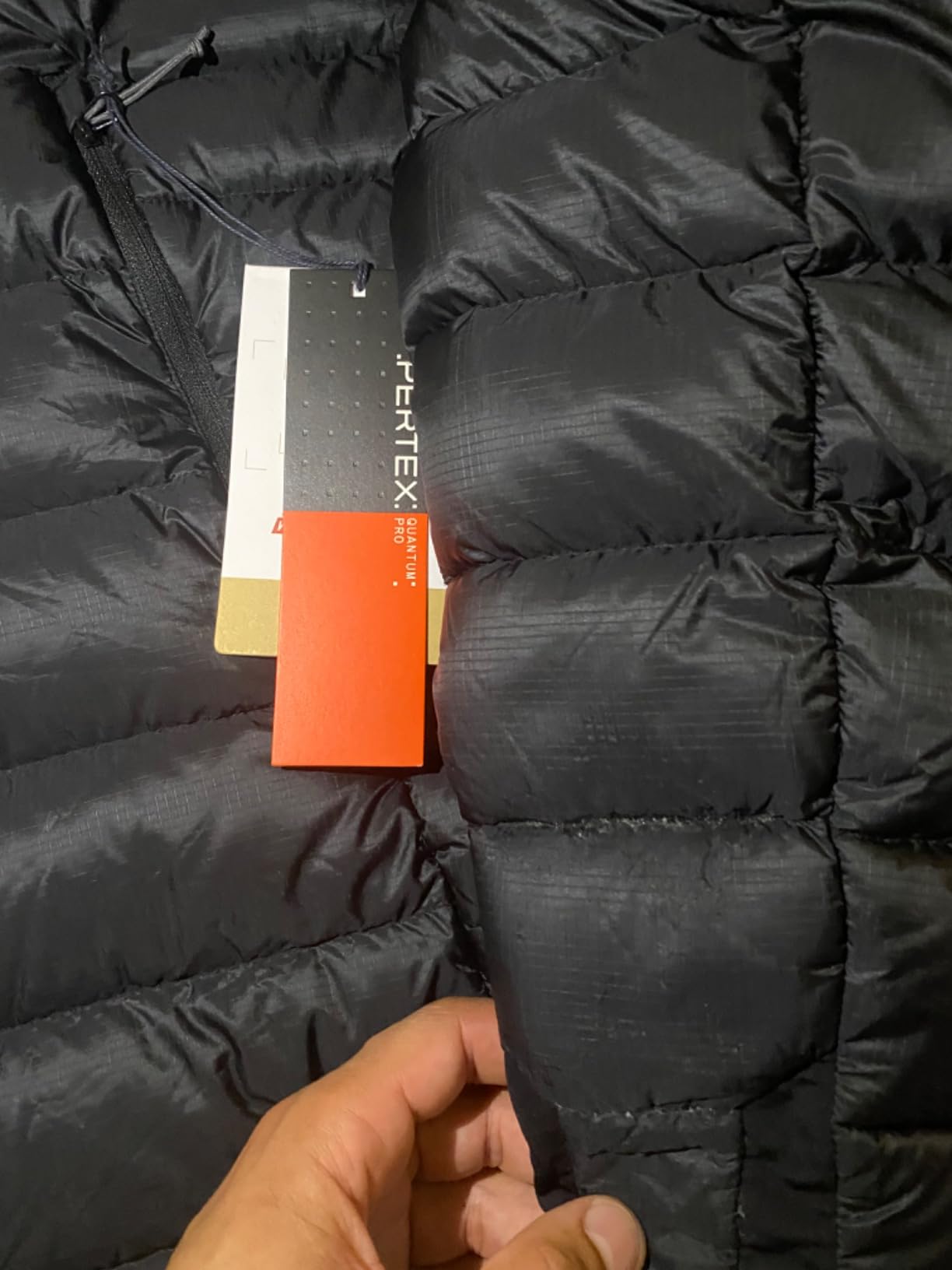
The Pertex Quantum Pro shell is windproof and downproof at 20 denier with a PU coating, which is a step up from the Microlight Alpine’s Quantum. Downproof matters more than it first appears, because wind drives loose clusters through the seams and you end up wearing your insulation everywhere except where you want it.
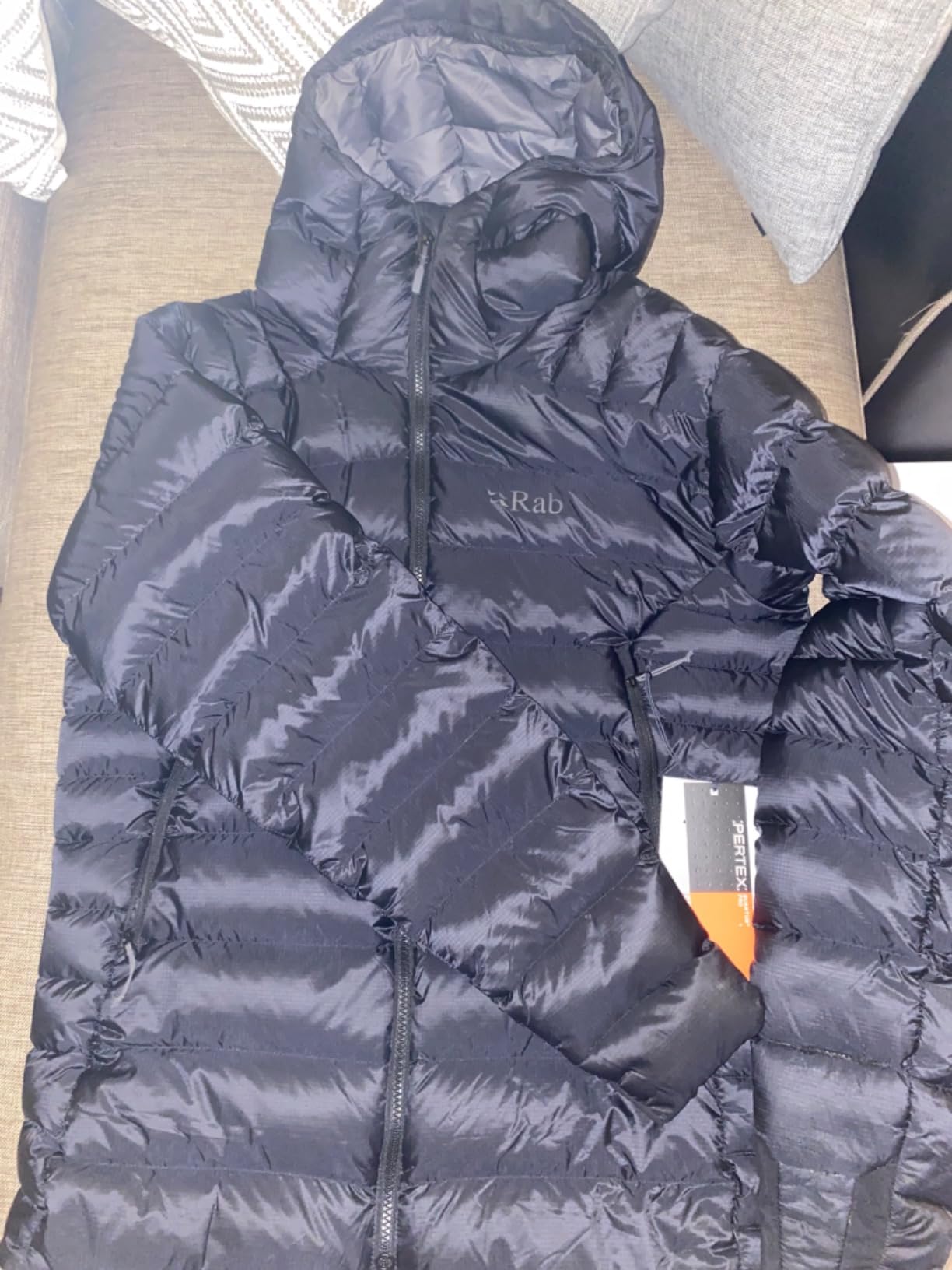
Warmth reports are strong for 16.8 ounces. Owners describe being comfortable at 20 F in a T-shirt and near 0 F with a fleece underneath, which is the ratio you are looking for from a jacket that still fits under a shell rather than over it.
The slim regular fit and midi and micro baffle stitching are built for range of movement, and the two-way full-length YKK Natulon zipper lets you dump heat without opening the whole jacket. Adjustable hem and snug elastic cuffs seal the drafts out at the top of a pitch, which is when wind exposure actually hurts.
Where it fits in a backpacking kit
This is the pick for alpine and mountaineering trips where you will wear it on approach and on the route, and where the hood needs to work over a helmet. It also works as a winter midlayer for anyone who sleeps cold and hikes hot, because the warmth is concentrated without a lot of shell bulk.
The understated styling and lack of loud branding is a practical advantage for anyone wearing the same jacket for eight days straight or for a flight to a trailhead.
Who it is not for
It runs small, and most owners are advised to size up, which is the opposite of the sizing pattern in most of this roundup. There is only one internal chest pocket, so you will be unzipping to reach a phone or a bar, and the silky shell fabric lets a single-shoulder pack slide off.
The clearest complaint is heat. Multiple buyers returned it because it is too warm for high-output activity, and it is described as better suited to roughly the 30 to 40 F range for extended use than to prolonged deep-freeze standing around. If your hiking generates heat rather than cold, this will make you regret the insulation.
7. Rab Neutrino Pro Down Hoody: Best for Winter Mountaineering
- Highest average rating of any jacket here
- Very warm for its weight
- Generous fit that layers easily
- Articulated sleeves with reinforced ripstop panels
- Shorter sleeve length suits shorter arms
- Bulky overall and the hood is fixed
- No stuff sack supplied
- Hood is fiddly to adjust without a helmet
- Too warm while hiking
The Neutrino Pro carries the highest average rating of any jacket in this roundup, at 4.7 out of 5 with 79% five-star and no one or two-star reviews at all. That is a clean distribution, and it reflects what owners describe as Rab’s most refined alpine puffy.
The construction is winter-weight: 19.9 ounces, 800 fill hydrophobic down with a fluorocarbon-free finish, and a Pertex Quantum Pro shell that is windproof and downproof with a coating. The articulated sleeves carry larger ripstop panels over the shoulders and upper arms, which is where alpine jackets normally give out first.
The fit is generous enough to layer over a thick fleece without compressing, and one reviewer notes that a men’s medium fits a 5 foot 7 inch, 135 pound wearer well. Sleeve length is often a problem in alpine cuts and this one suits wearers with shorter arms, which is not a small detail over a long season.
Cuffs, hem and a helmet-compatible hood are all adjustable, and the main zip is reported as easy to operate even with gloves on, which is a small courtesy that gets noticed when the temperature is the reason you are wearing it.
What you are buying
This is a stationary warmth machine. Owners describe it as very warm for its weight while remaining light and packable for its class, which is the trade you want in a jacket you only take out of the pack at camp or at a belay.
It suits winter-weighted trips, high-altitude work and alpine treks where night temperatures are the defining constraint rather than the daytime highs. The articulated sleeves and mobility-focused pattern mean it does not fight you on a steep approach even if you rarely open it.
Where the bulk bites
At 19.9 ounces this is not an ultralight piece and it feels heavier than the number when it is stuffed. The hood is fixed and bulky, and it cannot be removed, so in shoulder season you will regret having it permanently attached to the back of your head.
Two more practical notes: no stuff sack is supplied, so you need to find your own, and the hood is fiddly to adjust without a helmet on despite the drawcords and rear tab. In lighter colourways, brown feathers in the down show through the shell and read as spots, which is cosmetic but visible.
8. Outdoor Research Helium Down Hoodie: Best Pocket Layout
- 4.6 rating with 86% five-star and no 3-star reviews
- Best organised pocket layout in the roundup
- Drawcord hem blocks drafts
- Small review base so treat the rating carefully
- Hand wash only which is impractical on the trail
- Unlined construction holds less warmth
- Only 39 ratings makes the 4.6 less conclusive
- Shell is water-resistant rather than fully waterproof
The Helium Down Hoodie is the pick here on organisation. The pocket layout is genuinely the most considered in the roundup: a quick-zip exterior chest pocket that works with gloves on, a hidden key clip inside a hand pocket, and an interior stash pocket for gloves and electronics that stays reachable when you have the jacket on and your pack off.
At 16 ounces with a straight fit and an adjustable drawcord hem, it is built as a hoodie-style layer that works as a midlayer and as a standalone on evenings in camp. The listing describes a 100% nylon shell listed at a waterproof level, though as with all down puffies you should read that as wind- and shower-resistant rather than rain-proof.
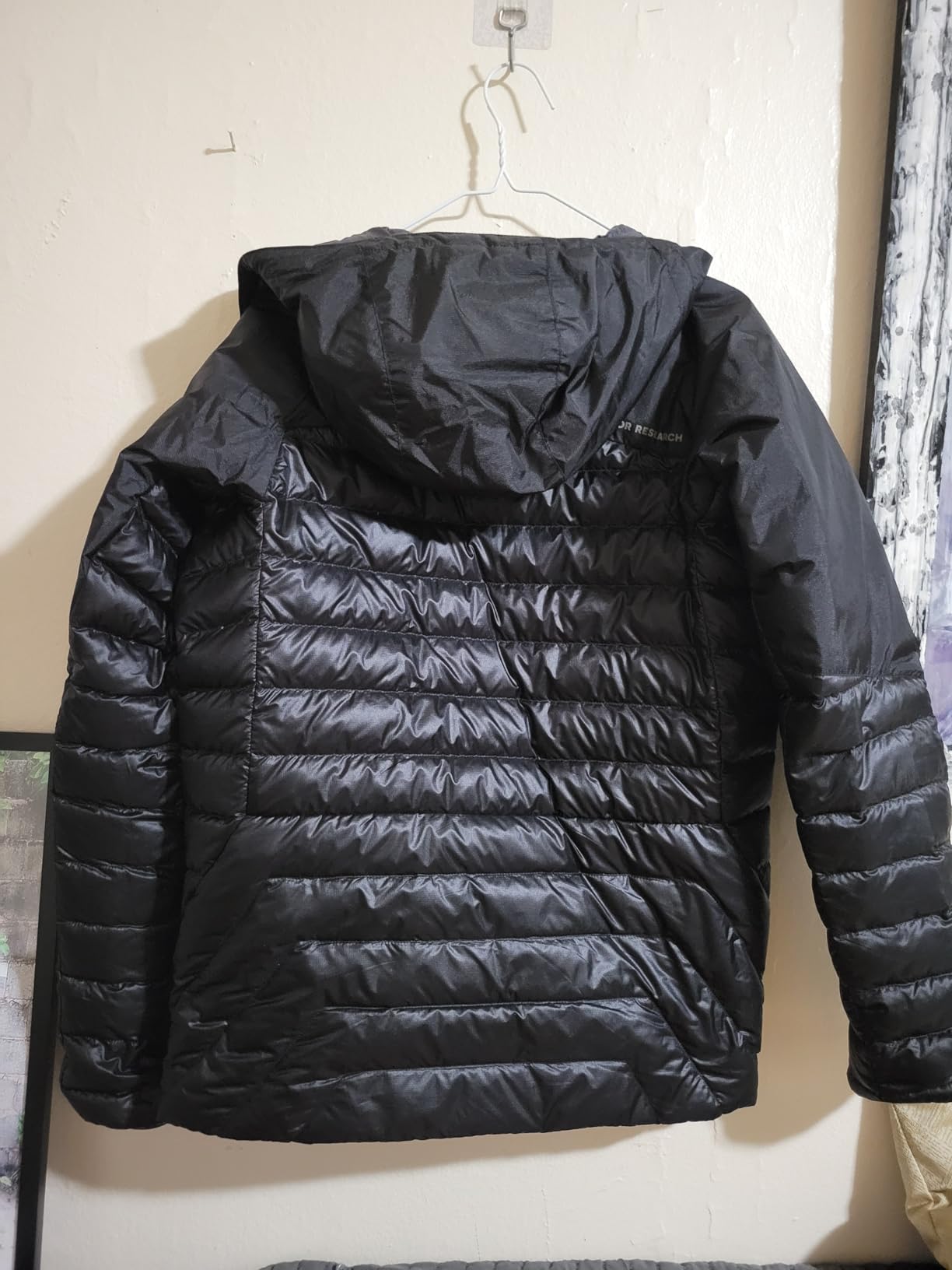
The rating is high but the sample is small. A 4.6 average comes from 39 reviews, with 86% five-star and not a single three-star rating, which reads as enthusiastic rather than as proven. Treat it as promising rather than settled, and check the fit against a layer you already own before relying on it for a cold trip.
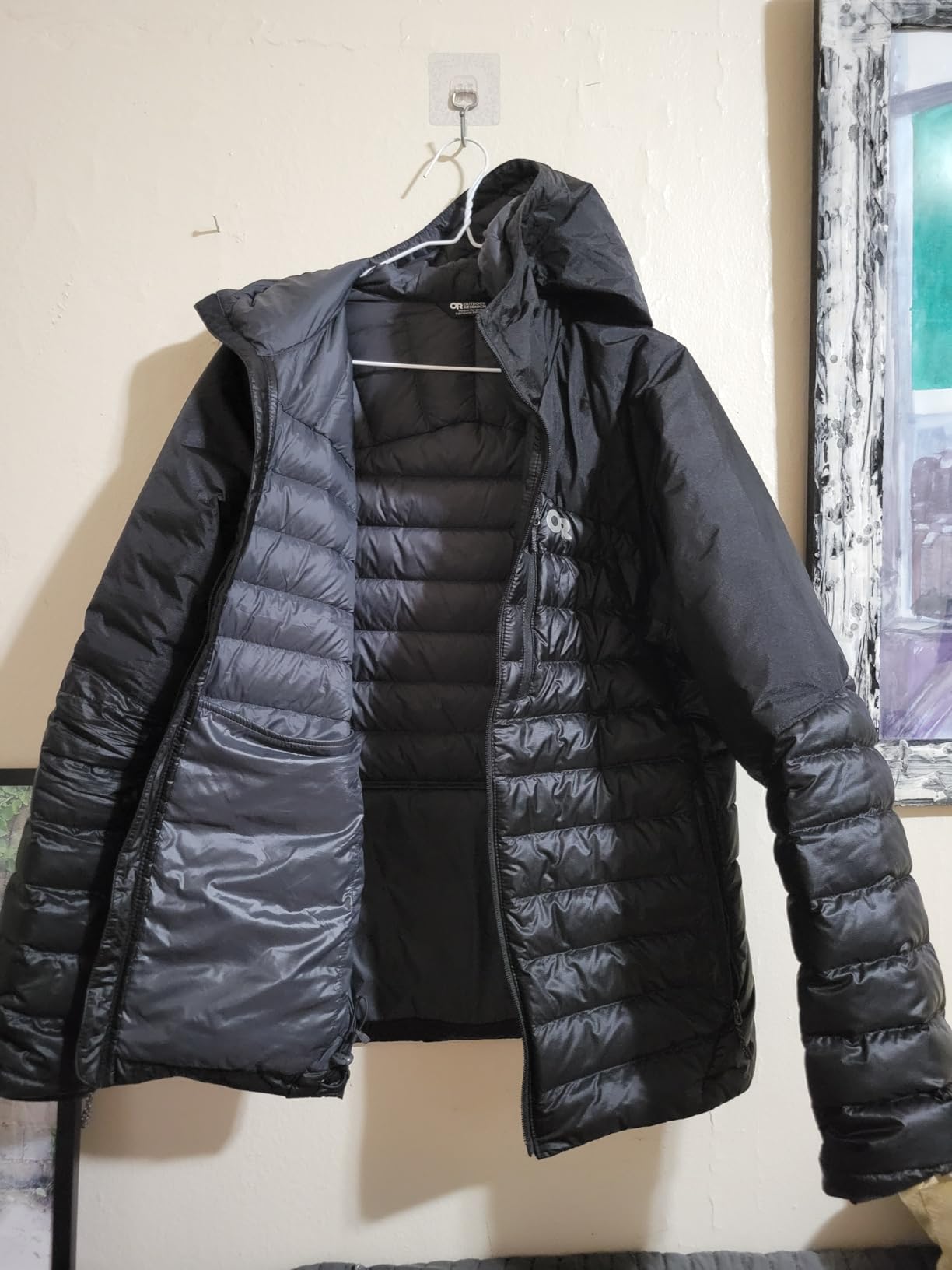
Where the pocket layout pays off
For a hiker who uses a phone for navigation and a camera on a strap, the chest pocket is the reason to pick this one. Every time you reach behind your shoulder to the top of a pack for a phone is a time when your balance is wrong on loose ground.
The hidden key clip is small but telling. It is the sort of detail that only appears when a brand has thought about the actual use rather than the spec sheet, and it pairs well with the interior stash pocket that most 16 ounce jackets leave out.
The care problem and the lining problem
Hand wash only is the biggest practical drawback for a backpacking jacket. On a two-week trip you will not hand wash a puffy in a stream, which means you will live in a dirty jacket or use a laundromat in a town you pass through. For a machine-washable alternative in this weight range, look at the Lands’ End pick below.
The unlined construction also means less warmth retained than a fully lined puffy of the same fill, so this is a three-season and shoulder-season piece rather than a winter one. Buyers who need deep cold should read the warmth numbers on the picks with published fill weight instead.
9. Lands’ End Women’s Ultralight Packable Down Jacket: Best Women’s Fit
Lands’ End Plus Size Wanderweight Packable Down Long Jacket 2X Black
- 800 fill treated down in a genuinely packable cut
- Machine washable which is rare for down
- HyperDRY down holds warmth when damp
- Petite through 3X sizing including Tall
- Anti-static thread and deep zippered pockets
- Lowest average rating here at 4.3 with 7% one-star
- Listed item weight of 0.16 oz looks inaccurate
- Water-resistant rather than waterproof shell
- Generic styling against technical alpine brands
This is the women’s cut in the roundup and it deserves the place on fit grounds alone. It is designed to layer over a turtleneck, a fleece or a flannel without bulk, which is a specific fit problem that men’s versions of the same idea frequently do not solve.
The insulation is 800 fill HyperDRY power down, and the maker rates it for temperatures as low as 7 F. That rating is a manufacturer’s figure rather than an independent one, so treat it as a directional guide, but 800 fill treated down is genuinely capable territory for a packable jacket.
HyperDRY is the fibre-level treatment that keeps clusters from absorbing water, so the loft survives a damp morning instead of staying flattened for the rest of the trip. That is the single most useful spec on this jacket for anyone hiking in shoulder season.
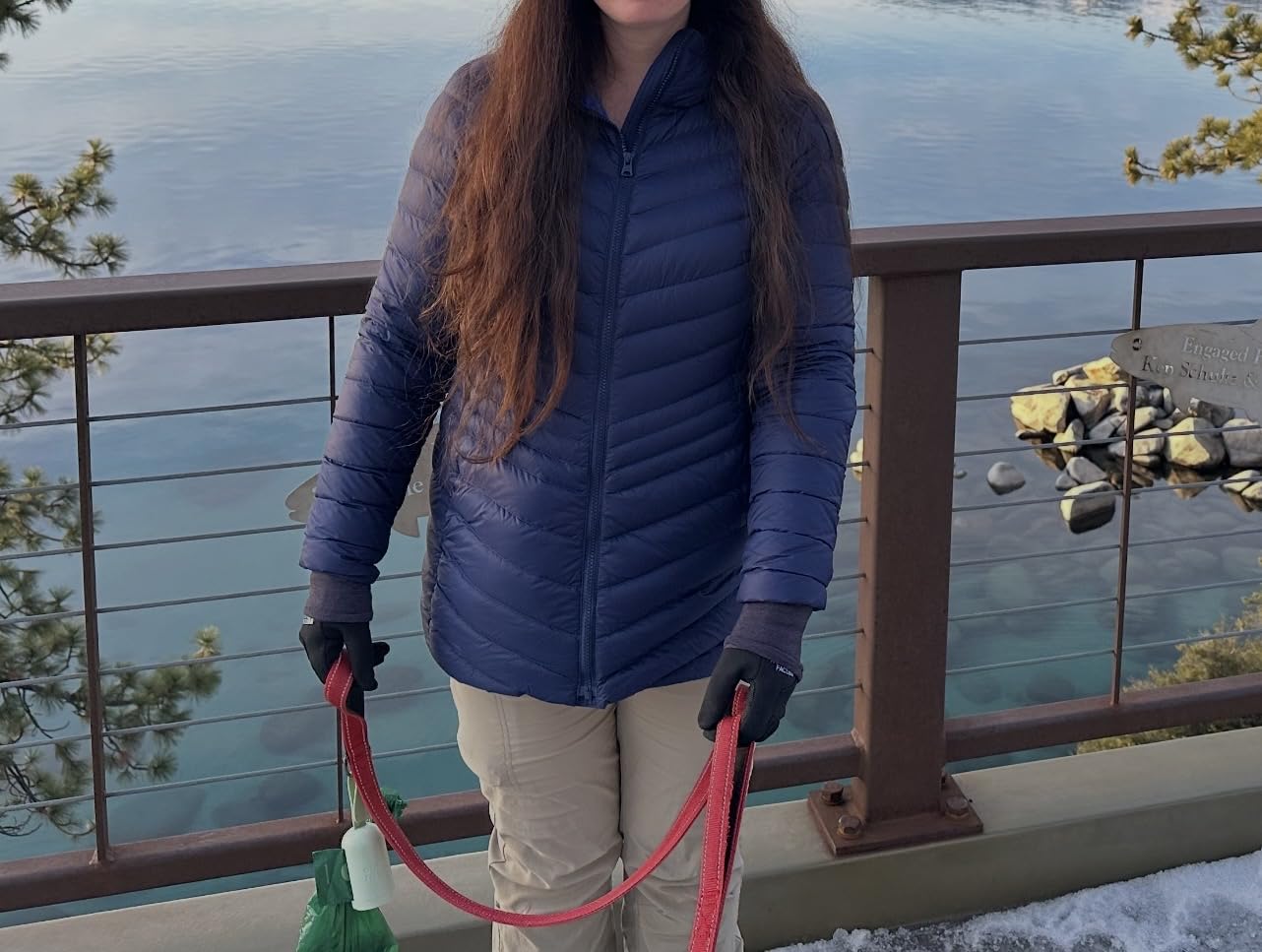
Being machine washable is a bigger deal than it sounds. It means you can clean it between trips in a laundromat instead of carrying a dirty puffy for two weeks, which directly protects the loft over a season of use. Anti-static thread is a smaller detail with the same practical effect, since it keeps the shell from grabbing at itself.
The sizing is extensive, running from Petite and Tall through X-Small to 3X, and the mid-hip length with an attached hood works under a pack lid or over a fleece without shifting.
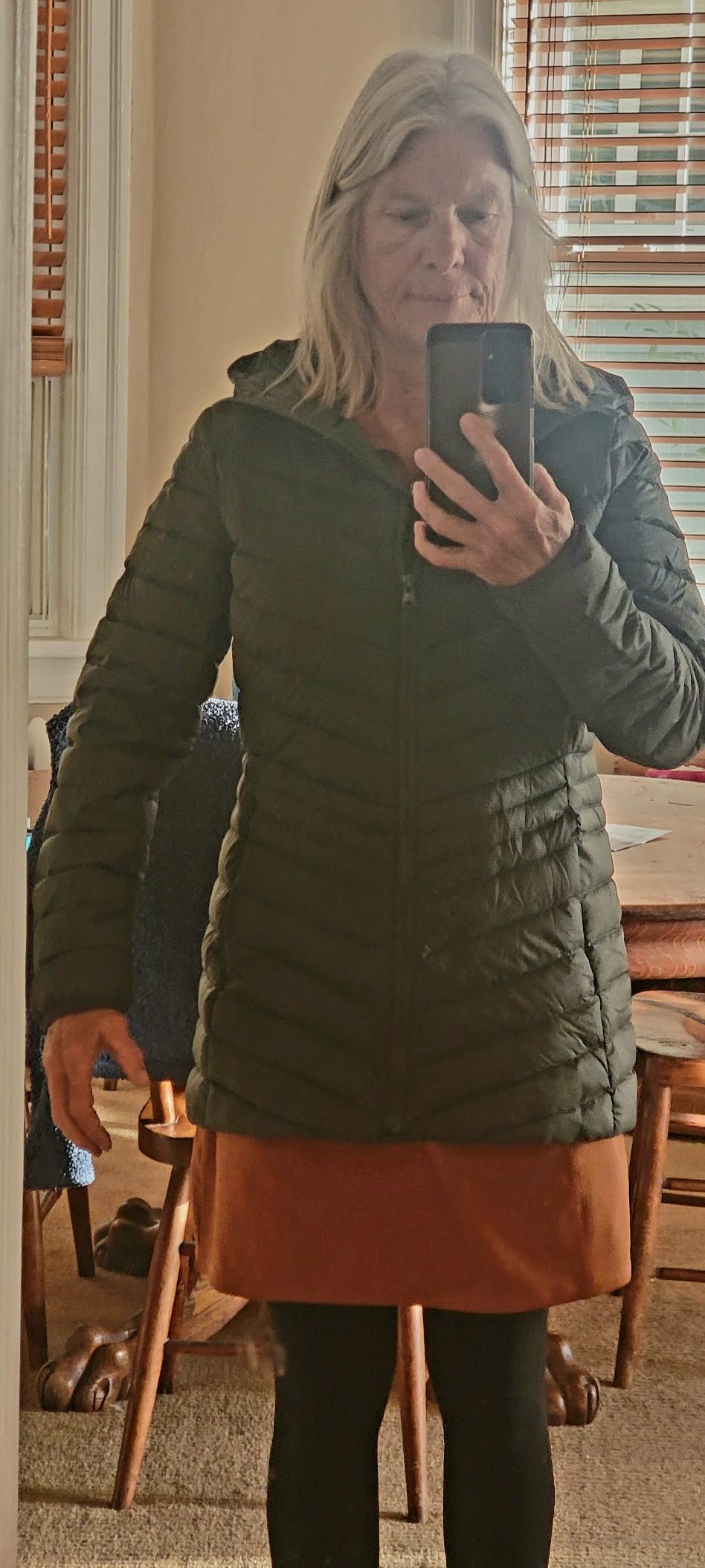
Who this fits best
Anyone who wants real down warmth in a jacket that compresses properly for travel, and who is tired of sizing up into a mens cut and living with the extra length through the torso. The mid-hip hem and full zip from waist to chin sit where a pack strap crosses, which is the correct length for carrying weight.
It also suits hikers who rotate jackets between trips, because it can go through a washing machine without special treatment. Combined with the treated down, that is the low-maintenance option in this roundup.
What the rating spread tells you
At 4.3 across 256 reviews this has the lowest average in the group and the highest one-star share at 7%, so it is the most polarised of the ten. People who get the fit are enthusiastic at 69% five stars, and people who do not are unhappy rather than lukewarm.
Also check the listed item weight. The 0.16 ounce figure in the product data is not plausible for a jacket of this type, and reviewers make the same observation, so weigh it yourself if the number matters to your loadout. The shell is water-resistant rather than fully waterproof, and the styling is generic next to alpine brands, which is a fair trade for the fit and the washability.
10. Pioneer Camp 700-Fill Down Jacket: Budget Pick
Pioneer Camp Men’s Down Jacket 700 Fill Winter Insulated Puffer Jacket Waterproof Puffy Coat with Hood
- Owners compare the warmth to jackets costing far more
- Reported comfort at -5 to -10 C
- Recycled nylon shed icy mist in testing
- Includes a zippered compression bag
- Snug wrist and hem block wind
- Only three pockets and no stuff sack despite the packing claims
- Hood cannot be removed or unzipped
- Single-direction zipper
- Sleeve down distribution uneven in some units
The Pioneer Camp is the value pick, and the reason it works is that it publishes the number most brands hide. The listing states 700 fill power duck down with a 220g fill weight, which is roughly 7.8 ounces of insulation in the garment. That is a real midweight fill, and it is why owners report warmth comparable to jackets costing two or three times more.
With 220g of down, this sits with the Guides Down Hoody and the Valiance in actual insulation rather than at the lightweight end. That is unusual at this price, and it changes what the jacket is for. This is a three-season and mild-winter midlayer, not a packable emergency layer.
One tester wore it at -5 to -10 C in Canada with the hood up, and another found the recycled nylon shell held off icy mist near frozen waterfalls without leaking. The interior drawcord hem and elastic cuffs cut drafts at the waist and wrist, which is where most heat escapes when you are standing still.
The down is 100% RDS-certified responsibly sourced, which is worth noting because certification is not universal at this level. The shell is recycled nylon with a windproof, breathable DWR finish, and the adjustable hood is simple and functional rather than technical.
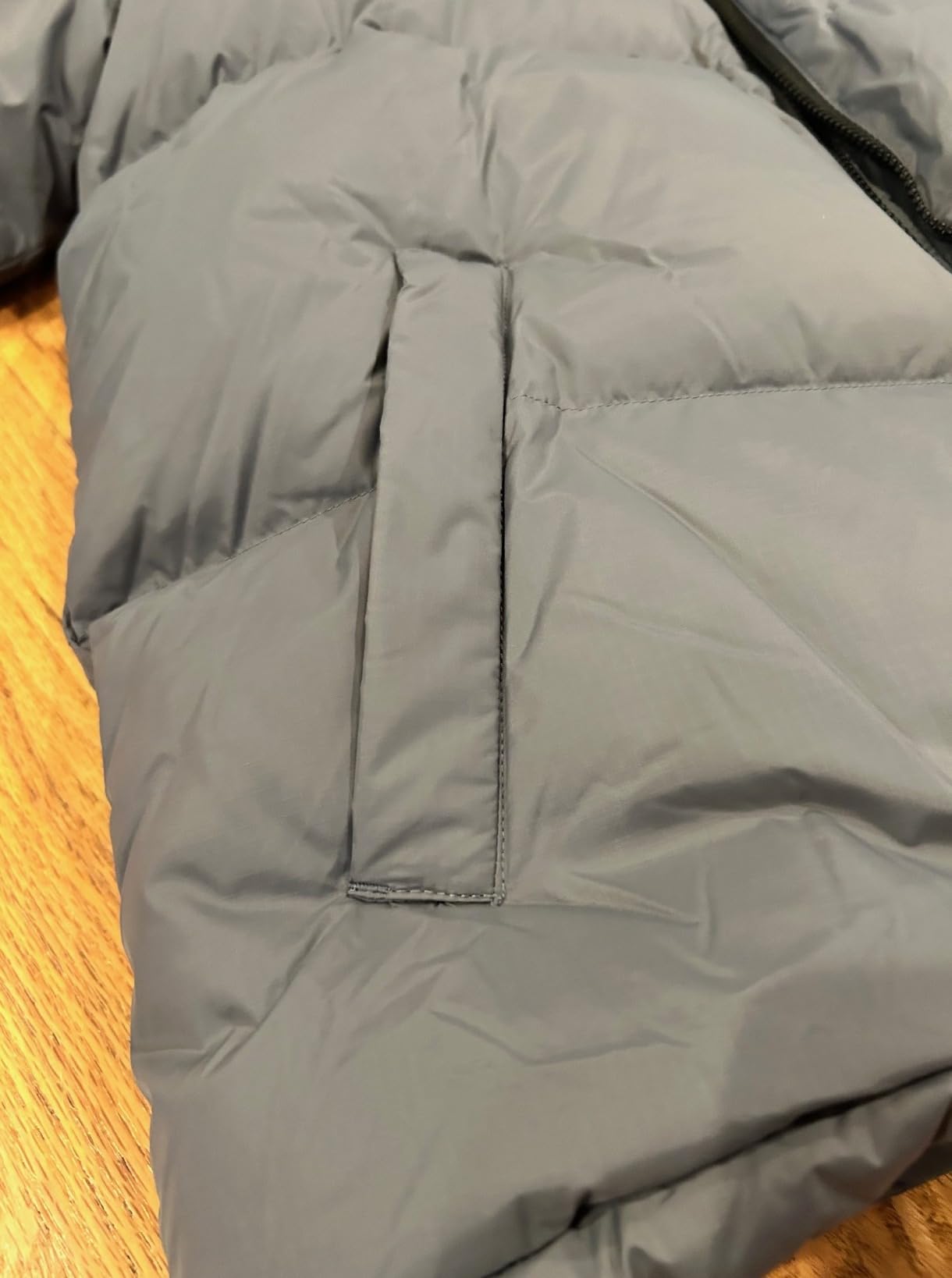
The compression story is mixed. The product information describes compressing it for air travel, and the pocket detail refers to a zippered bag, but owners report that no built-in stuff sack arrives in the box. That is the most common practical complaint, and it is an easy one to fix by buying any small stuff sack with the jacket.
Where the money goes
The fill weight goes into the torso, and you get real warmth for very little money. For a hiker building a first kit, this is the jacket that will get you through shoulder season on a budget.
It also works as a town layer in winter, which stretches the value well beyond backpacking. The snug fit at the wrist and waist is something owners consistently praise, and the zippers are reported as smooth and durable.
Where the trade-offs are
Three pockets is the honest limit here, and several buyers want more interior storage or larger hand pockets. The hood cannot be unzipped or removed and will not fold into the collar, which is a problem when you want it out of the way.
The main zipper is single-direction with no two-way option and no bottom opening, so you cannot dump heat without opening the whole jacket. The fit also runs snug, so heavier wearers may need to size up, and some jackets report uneven down distribution in the sleeves. Treat the 700 fill marketing as a shoulder-season and mild-winter claim rather than a freezing-night one.
Down Jacket Buying Guide: Fill Power, Fill Weight and Shell
Five numbers decide whether a down jacket works on the trail, and only two of them are on the front of the box. The rest of this section is how to read them in the order that actually matters, starting with the one that decides warmth.
1. Fill weight beats fill power every time
Fill weight is the total amount of down in the jacket, measured in ounces. Fill power is a quality number describing how much space one ounce of that down fills when lofted, measured in cubic inches per ounce. Warmth comes overwhelmingly from how much down is in the garment, not from how good that down is.
So when someone asks whether 600 fill or 900 fill is warmer, the honest answer is that the question is incomplete. Nine hundred fill delivers the same warmth using less material, which means less bulk and better packability, but a 900 fill jacket holding only 2 ounces of down loses to a 600 fill jacket holding 8. Read fill weight first, fill power second, bulk third.
That is also why the Pioneer Camp is hard to argue with despite being the cheapest jacket here. It publishes 220g of fill, which puts it alongside much more expensive options in the only measurement that governs warmth.
2. What fill power you actually need for backpacking
For three-season backpacking where you are moving most of the day, 700 to 800 fill is the practical range. It compresses well enough to live in a small stuff sack, recovers loft after a night packed, and resists moisture better than the low end of the scale. Below 650 you are carrying bulk without a warmth return, and above 900 you are paying for loft you will mostly compress away.
The exception is stationary warmth. A jacket you wear at camp, on a belay or in a winter camp can justify higher fill power, because the loft is being used rather than squashed.
Translated into realistic comfort as a midlayer with a base layer underneath, the rough bands are: 650 fill with a moderate fill weight for the upper 30s and low 40s Fahrenheit on a moving hiker, 700 fill for the mid 30s through low 40s, and 800 to 900 fill reaching into the 20s and below. These are our reading of owner reports and standard layering practice, not laboratory ratings, and your own metabolism moves them several degrees either way.
3. Hydrophobic down has moved from optional to sensible
Standard down absorbs water, the clusters collapse, and the warmth does not come back without a long dry. Treated down coats each fibre so it resists absorption and keeps most of its dry loft when damp. Five of the ten jackets here use treated down of some kind: Rab’s Grangers finish on three models, HyperDRY on the Lands’ End, and Down Defender on the Marmot.
Two caveats. Treated down is not waterproof, and a wet jacket in sustained rain will still need a shell above it. And the treatment adds a small amount of weight, which is part of why 800 fill treated down costs more per ounce than untreated.
4. Shell denier is where durability lives
Denier is the weight in grams per 900 metres of thread. Lower is lighter and more fragile, higher is heavier and tougher. The jackets in this roundup span from 10 denier on the Ghost Whisperer to 40 denier Pertex Shield on the Valiance.
At 7 to 10 denier you are trading abrasion resistance for weight, and the failure mode is a snag on a pack buckle, a spruce branch or a granite edge. At 15 to 20 denier you get a jacket that tolerates a season of brush with a modest weight penalty, which is why the Rab climbing models sit there. Above 30 denier you are into hardshell territory and paying for a jacket you can leave the other layer at home.
Our position for backpacking is that 10 denier is fine if your trails are open and you accept the risk, and that 20 denier is the better buy if your routes go through timber. There is no third option here.
5. Baffle construction decides where warmth leaks out
Sewn-through baffles are the lightest construction, where each stitch passes through both layers of shell and creates a small cold spot. Box baffles are separate fabric boxes stitched together with the stitch lines acting as draft seals, which is warmer and heavier. Differential cut uses a curved seam so the baffles hold more loft in the body and less in the sleeves.
You can see all three here. The Pioneer Camp and the CirrusLite use straightforward sewn-through construction at the budget end. The Marmot Guides uses re-engineered stitch-through baffles designed for lasting loft. The Microlight Alpine uses zoned micro and nano baffles, and the Electron Pro uses midi and micro stitching for mobility. If you generate heat while moving, differentiated baffles are worth more to you than another 100 points of fill power.
6. Packed volume is the number nobody publishes
A jacket that eats a litre of your 35 litre pack is a bigger deal than the three ounces it weighs. Fill power drives compressed volume more than weight does, which is why a 650 fill jacket in the same weight class as an 800 fill jacket will stuff noticeably larger.
A practical way to budget: the sub-9 ounce jackets in this roundup compress to roughly the volume of a large water bottle, midweight 16 ounce jackets take about double that, and the 29 ounce Valiance is a genuine pack item rather than a lid-pocket item. If you are building a 35 to 40 litre loadout for a three-season trip, the volume difference between a 650 fill and an 800 fill jacket is often more decisive than the weight difference.
7. Fit decides whether any of it matters
A puffy that will not close over your layers is a puffy you leave in the pack. Check two things before buying: that the jacket fits over the base layer plus midlayer you will actually wear on your coldest night, and that your shell closes comfortably over it.
Sizing runs in both directions in this roundup. The Guides Down Hoody and the Ghost Whisperer/2 run large and most owners size down, while the Electron Pro runs small and most owners size up. That is worth an extra measurement rather than an assumption.
When to skip down entirely
Down is the wrong insulation in sustained wet conditions, and no treatment fixes that. If your trip takes you into the Pacific Northwest in the shoulder season, Southeast Alaska in autumn, or anywhere with monsoon rain, a synthetic midlayer keeps lofting when it is wet because the fibres do not absorb water the way down clusters do.
The catch is that synthetic costs more weight and more pack volume for the same warmth in dry cold, and compresses flat when stored for longer than a few days. The compromise many wet-climate hikers use is a light synthetic layer for the trip plus down for the dry cold nights, and our backpacking tent guide covers the other half of that dry-night strategy.
Caring for a down jacket
Down fails from dirt and from compression, not from wear. Wash it, dry it properly, and store it uncompressed, and the loft will hold for years.
How to wash a down jacket
Use a down-specific wash or a gentle cycle with a small amount of detergent, and skip the fabric softener entirely because it coats the fibres and blocks loft. Wash it warm rather than hot, and run an extra rinse to get the soap out.
If the jacket is not machine washable, as with the Helium Down Hoodie, hand washing works but only if you have somewhere to dry it properly. A jacket that cannot be dried is a jacket that cannot be cleaned.
How to dry it and restore the loft
This is the step that matters. Low heat, lots of tumbling, and tennis balls or dryer balls in the drum, which break up clumps of down as it dries and stop it from matting into one dense block.
Expect several cycles. Down that has been compressed for a week can need an hour or more of tumbling before the loft returns, and if the jacket still feels flat or lumpy when the drum stops, it was not dry enough. Putting it away damp is the fastest way to destroy the fill.
How to store it between trips
Never store it compressed. That is the single most common mistake, and it is the one that permanently reduces loft faster than washing hard. Hang it or put it loose in a large bag between seasons, and give the down time to re-loft before you need it again.
Dry storage also matters. A damp jacket stored compressed can pick up a smell that takes several washes to remove, and a down pillow in the same closet will absorb it. If you want the same material in another form, our down pillow roundup covers the choices.
Frequently Asked Questions
Which is warmer, 600 or 900 down fill?
Fill power alone does not decide warmth. Nine hundred fill delivers the same warmth using less material, which means less bulk, but a 900 fill jacket holding 2 ounces of down loses to a 600 fill jacket holding 8 ounces. Judge warmth by fill weight first, fill power second, and bulk third.
What temperature is 700 fill down good for?
Seven hundred fill is a mid-tier choice that works well as a midlayer over a base layer for three-season trips in the mid 30s to low 40s Fahrenheit. Below that, step up to 800 or 900 fill, or add fill weight rather than relying on fill power alone.
What is the best ultralight down jacket for backpacking?
The Mountain Hardwear Ghost Whisperer/2 is the lightest pick here at 8.3 ounces, with 800 fill RDS-certified goose down and a pocket that stuffs into itself. The Eddie Bauer CirrusLite is the budget alternative at a listed 7.83 ounce package weight, though it uses 650 fill and compresses larger for the warmth.
What is the lightest most packable down jacket?
In this group the Mountain Hardwear Ghost Whisperer/2 is the answer at 8.3 ounces, because it is the only jacket with a published garment weight under nine ounces and it packs into its own chest pocket. Higher fill power is what keeps the compressed volume down at that weight.
Should I buy down or synthetic for backpacking in rain?
Choose synthetic for sustained rain. Down clusters absorb water and collapse, and no hydrophobic treatment stops that in prolonged wet conditions, while synthetic fibres keep lofting when damp. Choose down for dry cold, where it delivers more warmth per gram and compresses far smaller.
Which Down Jacket Should You Buy?
If you read nothing else, read this. The best down jackets for backpacking come down to one question: how much pack volume can you spare, and how cold do your nights actually get. Buy the CirrusLite if you are counting grams and hiking shoulder-season trails. Buy the Ghost Whisperer/2 if you need genuine 800 fill warmth below ten ounces and accept a fragile shell. Buy the Guides Down Hoody if you want a hood, treated down and a two-way zipper without paying alpine prices.
If your nights drop well below freezing, fill weight matters more than fill power, and the Pioneer Camp’s published 220g of 700 fill down is the spec to beat. If you are heading into cold and wet weather rather than just cold weather, the Valiance is the only jacket here with a real waterproof shell. And if you want a women’s fit that layers properly, the Lands’ End cut does that better than any men’s version in this roundup.
Whichever you choose, check that it closes over your warmest layering, buy a stuff sack if it does not include one, and never store it compressed. That last habit costs more loft than any wash you will ever give it.