
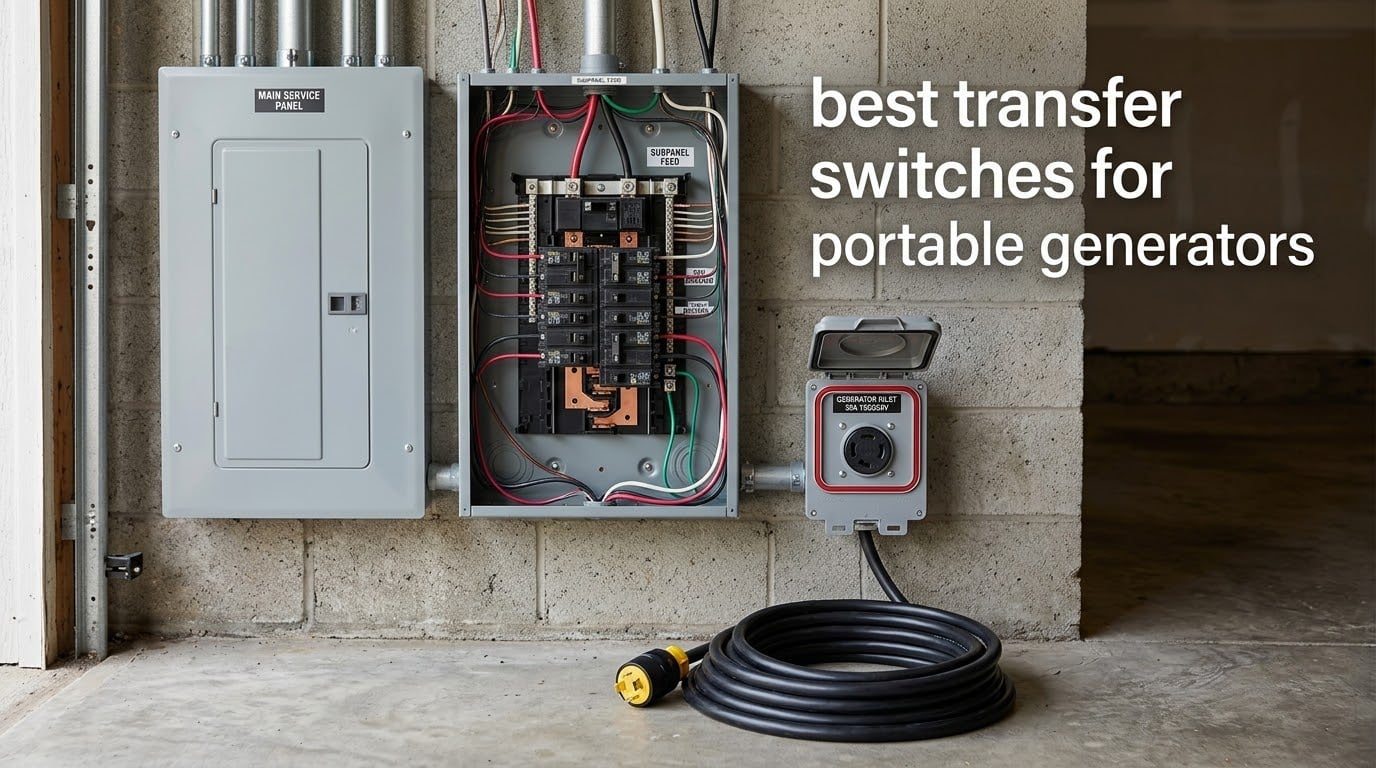
A portable generator is only as useful as the way you connect it to your home. Without a transfer switch, the only safe way to run one is with extension cords through a window, and the moment someone tries a cheaper arrangement the results can be fatal for a lineworker.
Feed generator power back into the utility grid and the grid energizes your main panel, your walls and your appliances while you believe the power is off. Lineworkers repairing a downed line get electrocuted by a house that still has a generator running in the yard. That is why a listed device sits between the two, and why every pick below carries a certification mark.
This roundup covers ten transfer switches, from six-circuit 30 amp kits for a 7,500 watt portable unit up to 50 amp panels that can carry a well pump or central HVAC on 240 volts. We compared ratings, review counts, certifications, enclosure ratings and the complaints that actually appear in owner feedback, and we explain how to match a switch to your generator plug first.
If you are still choosing the generator itself, start with our portable generator picks or the quiet inverter generator guide, then come back to wire it in safely.
Table of Contents
Key Takeaways for Choosing a Transfer Switch in 2026
Match the switch to the generator plug, not to the house. A unit up to 7,500 running watts with an L14-30R outlet pairs with a 30 amp switch. From 7,500 to 12,000 watts with an L14-50R outlet needs a 50 amp switch. Plug type is the mismatch with no safe workaround.
Count the circuits you actually need. Six circuits covers a refrigerator, a furnace or boiler, lighting and a sump pump. Ten adds the well pump, a second refrigerator and a workshop circuit, and four of the picks below run ten.
Certification decides the insurance outcome. Every pick here carries a cULus, ETL or UL listing. An uncertified enclosure can pass a homeowner’s eye and still fail an inspection, which is the most common reason a claim gets complicated.
Top 3 Picks for Portable Generators in 2026
These three cover the most common situations: a 30 amp portable generator feeding essential circuits, a single-load switch for a furnace or inverter, and a 10-circuit panel for homes that need more than six things switched.

Reliance 31406CWK 30A 6-Circuit
- 30 Amp
- 6 circuits
- up to 7500 watts
- Dual wattmeters for load balancing
- Includes inlet box and 10 ft L14-30 cord
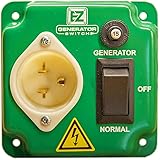
EZ Generator Switch 20A Single Load
- 20 Amp
- 1800 watts
- one essential circuit
- Selectable bonded or floating neutral
- UL
- CSA and ETL listed
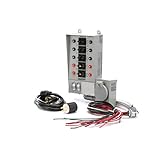
Reliance 31410CRK 30A 10-Circuit
- 30 Amp
- 10 single-pole or 5 double-pole
- 18-inch conduit whip attached
- Powder-coated steel cabinet
10 Transfer Switches for Portable Generators Compared in 2026
| Product | Specifications | Action |
|---|---|---|
| Reliance Controls 31406CWK 30 Amp 6-Circuit Kit |
|
Check Latest Price |
| Reliance Controls 31410CRK 30 Amp 10-Circuit Kit |
|
Check Latest Price |
 Go Power TS-30 30 Amp Automatic Transfer Switch Go Power TS-30 30 Amp Automatic Transfer Switch |
|
Check Latest Price |
| EZ Generator Switch 20 Amp Single-Circuit Switch |
|
Check Latest Price |
 IGEYAPA 100 Amp 2-Pole ATS W2R IGEYAPA 100 Amp 2-Pole ATS W2R |
|
Check Latest Price |
 Generac HomeLink 9854 50 Amp Kit Generac HomeLink 9854 50 Amp Kit |
|
Check Latest Price |
 Connecticut Electric EGS1012KG2 50 Amp 10-Circuit Kit Connecticut Electric EGS1012KG2 50 Amp 10-Circuit Kit |
|
Check Latest Price |
 Reliance Controls 30310A 30 Amp 10-Circuit Panel Reliance Controls 30310A 30 Amp 10-Circuit Panel |
|
Check Latest Price |
 Connecticut Electric EGS107501G2K25 30 Amp Kit Connecticut Electric EGS107501G2K25 30 Amp Kit |
|
Check Latest Price |
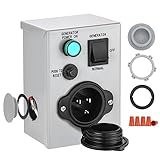 Kohree KR6521 15 Amp Single-Circuit Switch Kohree KR6521 15 Amp Single-Circuit Switch |
|
Check Latest Price |
1. Reliance Controls 31406CWK 30 Amp 6-Circuit Kit for Portable Generators
Reliance Controls Corporation 31406CWK 30 Amp 6-circuit Pro/Tran Transfer Switch Kit for Generators (7500 Watts).,Gray
- Pre-wired internally for a straightforward install
- Load-side design blocks utility backfeed
- Dual wattmeters show load draw on each leg
- Kit includes switch
- inlet box
- cord and connectors
- cULus approved with a 5 year limited warranty
- Push-on wire terminations can arrive loose and need re-securing
- Wattmeter instructions are slightly misleading
- Wire and conduit for long panel runs are not included
The 31406CWK handles portable generators up to 7,500 running watts on six switched circuits, which matches the most common portable size sold in the US. The enclosure measures 4.5 x 7 x 7.5 inches, so it mounts beside a main panel without stealing useful wall space.
What makes it our first pick is the load-side wiring. Power flows into the house from the generator but never out toward the utility, so backfeeding is a physical impossibility rather than something you have to remember. The two wattmeters on the front show how much of the generator you are using before a motor load trips it.
Reviewers report finishing the install in an afternoon with the included 10 foot L14-30 power cord and outdoor inlet box. The recurring complaint is worth knowing before you start: the push-on wire terminations sometimes arrive loose, so tug-test each one after wiring.
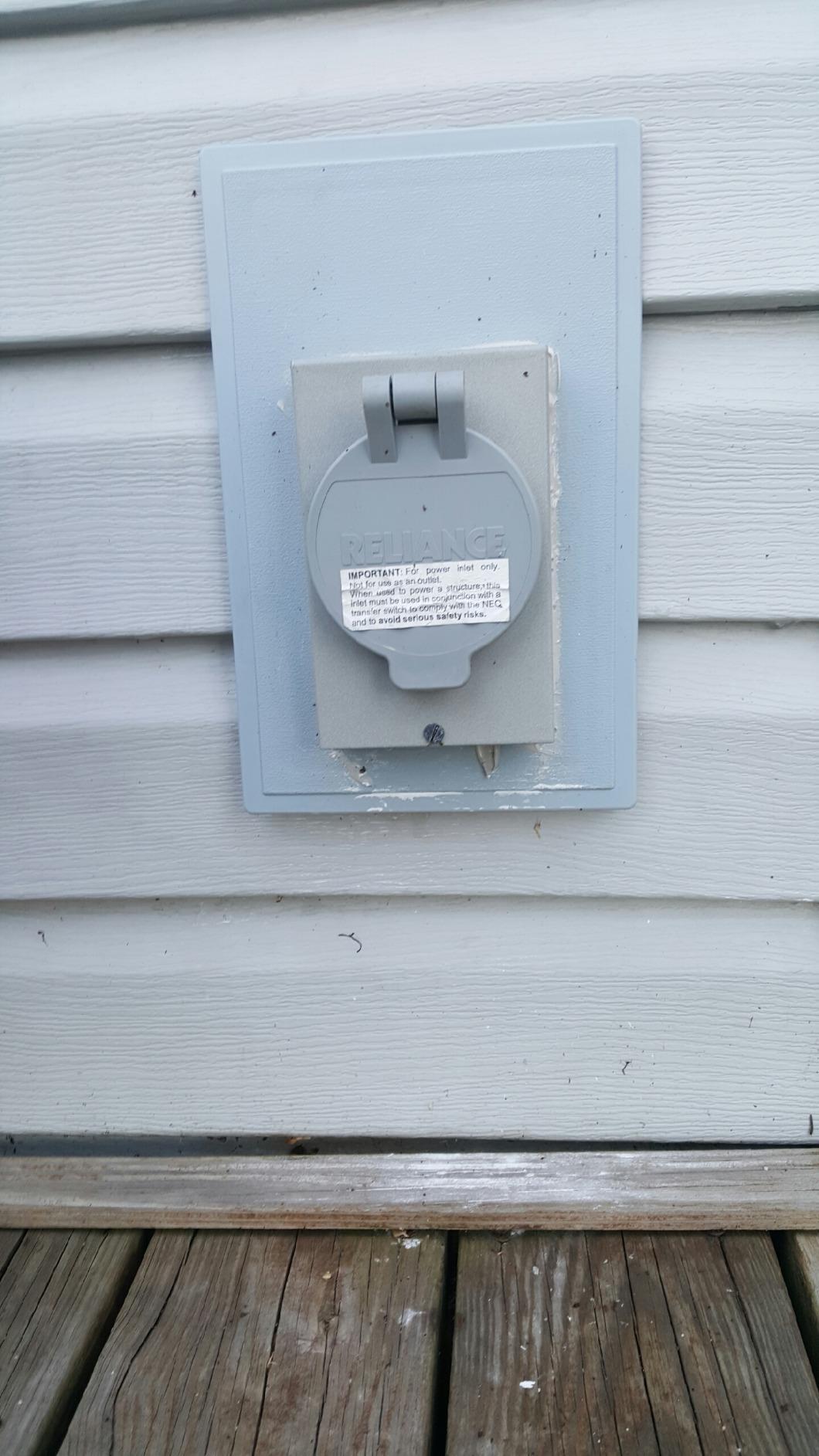
The kit also includes wire connectors, and the cULus listing means an inspector and an insurer both recognise it. Owners using it for a refrigerator, furnace and sump pump report the same outcome: nothing essential stays unpowered.
One more note from owner feedback. The included wire and conduit will not always reach from the panel to an inlet box on the far wall of a garage, so measure the run before the purchase and buy the difference.
Some owners also add a generator plug adapter when pairing with a specific unit. That is worth checking against your generator model before the day of the install rather than after.
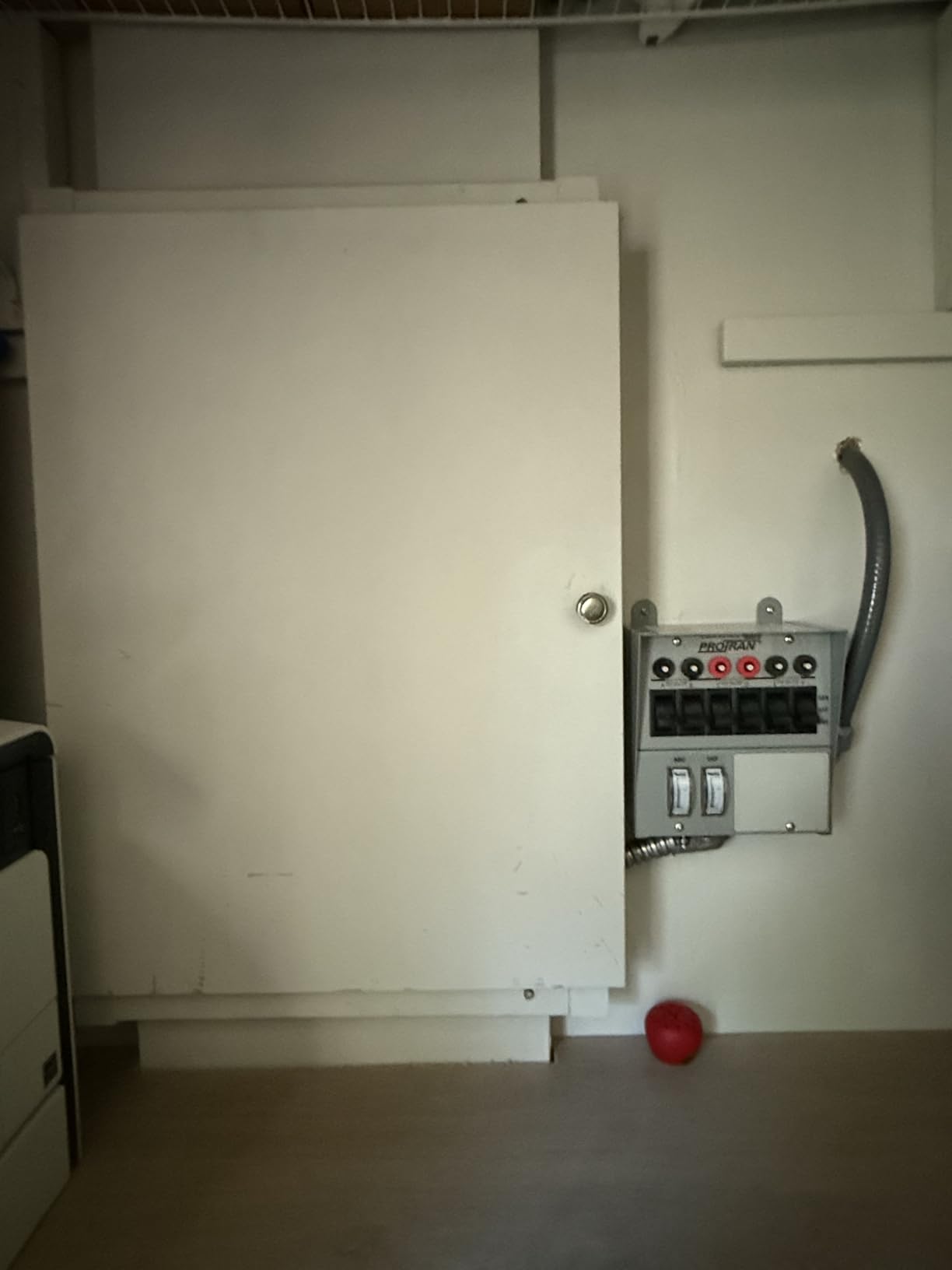
Check the wattmeters before adding a second fridge
The twin meters read total load per side of the panel, which is the fastest way to see how close you are to the generator’s ceiling. Start the fridge, the furnace and a few lights, read the meters, then add loads one at a time.
You will find out within minutes whether a second refrigerator or a well pump fits on the same generator. Owners also use the meters to avoid a surprise: an electric range on the same leg will push you over long before the generator complains.
Where this kit runs short of six circuits
Six is genuinely limiting. A typical essentials list, refrigerator, freezer, furnace, lighting, sump pump, well pump, router and a medical device, reaches eight or nine items. Owners who start here often move up later, paying for two installations.
If you already know you need a well pump and a sump pump running together, look at the 10-circuit version in position 2 instead. The other limit is wiring reach, which applies to every kit in this category.
2. Reliance Controls 31410CRK 30 Amp 10-Circuit Pro/Tran Kit
Reliance Controls 31410CRK Pro/Tran 10-Circuit 30 Amp Generator Transfer Switch Kit,Gray
- Ten circuits cover far more loads than a six-circuit unit
- Powder-coated steel cabinet suits residential and commercial work
- 18-inch conduit whip simplifies the panel connection
- Inlet box and power cord included
- cULus approved with a 5 year warranty
- A 3-prong 120V generator needs an adapter and gives up the middle 240V circuit
- Connection wire for long inlet box runs is not included
When six circuits is not enough, this is the version most people end up with. The 31410CRK handles up to 10 single-pole circuits or 5 double-pole circuits, and at 7 x 4.5 x 13.75 inches it is a tall narrow box that fits cleanly beside most residential panels.
The specification that matters most is the 18-inch flexible conduit whip already attached. It connects straight to load center knockouts and removes the fiddly part of running flexible metal into a panel. The cabinet is powder-coated steel with six combination knockouts, which is why installers treat it as commercial grade.
At 15 pounds, have a helper when you mount it. Owner feedback frames this as the go-to upgrade once six circuits stops being enough, and the labelling is clear: circuits are colour coded so you can name your refrigerator and furnace circuits in the same order every time.
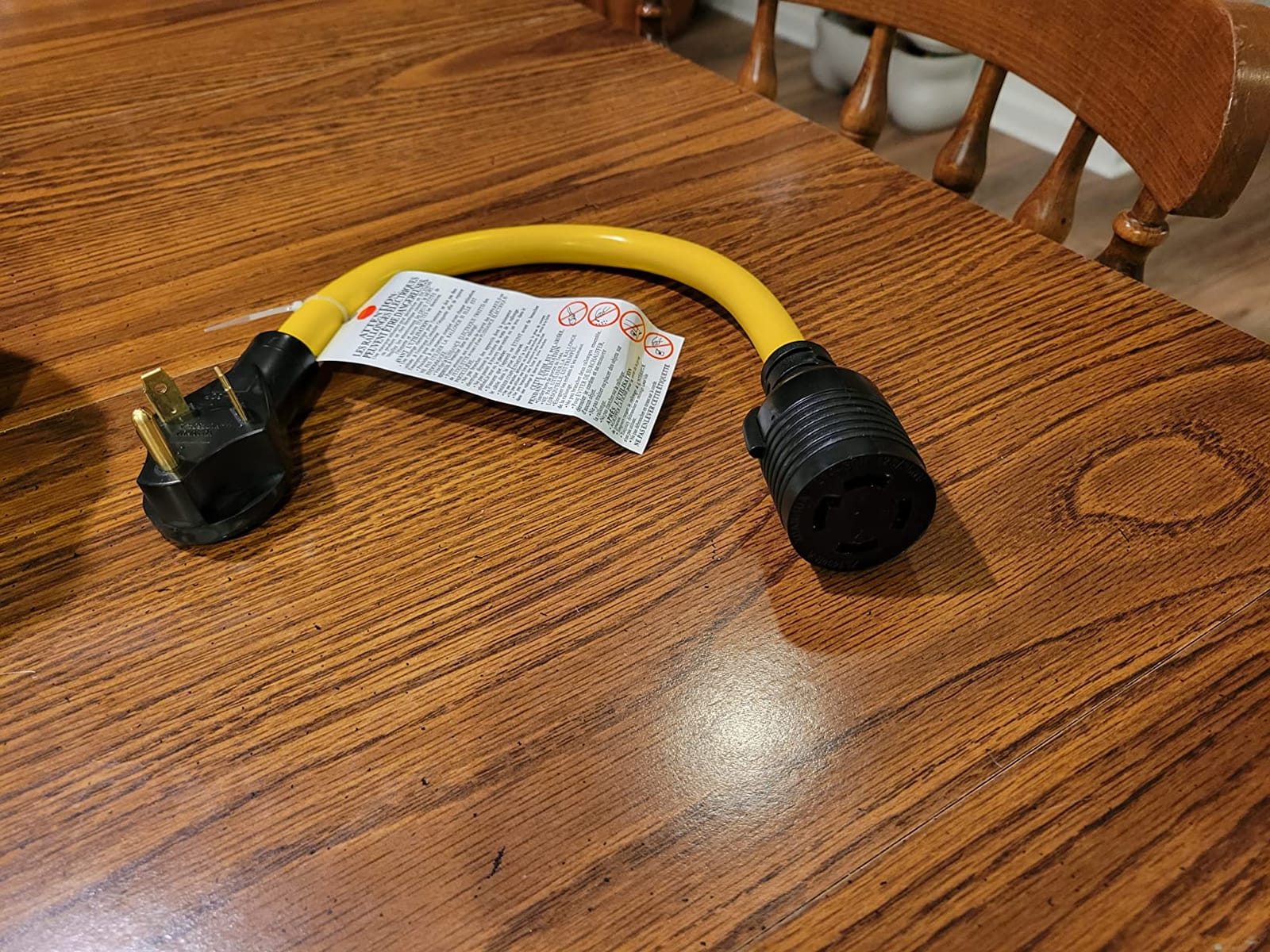
The specific caveat that comes up in reviews: a 3-prong 120V generator needs a bridging adapter, and doing that costs you the middle 240V circuit. For a 7,500W unit with an L14-30 plug, that is a deliberate trade rather than a problem.
The same advice appears again and again, so we will repeat it. Measure from the panel to wherever the inlet box will live and buy the wire to suit. The kit covers the short case well; long garage runs need extra cable.
Owners also mention planning the wire length to the inlet box in advance and using a bridged adapter when pairing with a 120V three-prong generator. Both are two-minute decisions that save an afternoon.
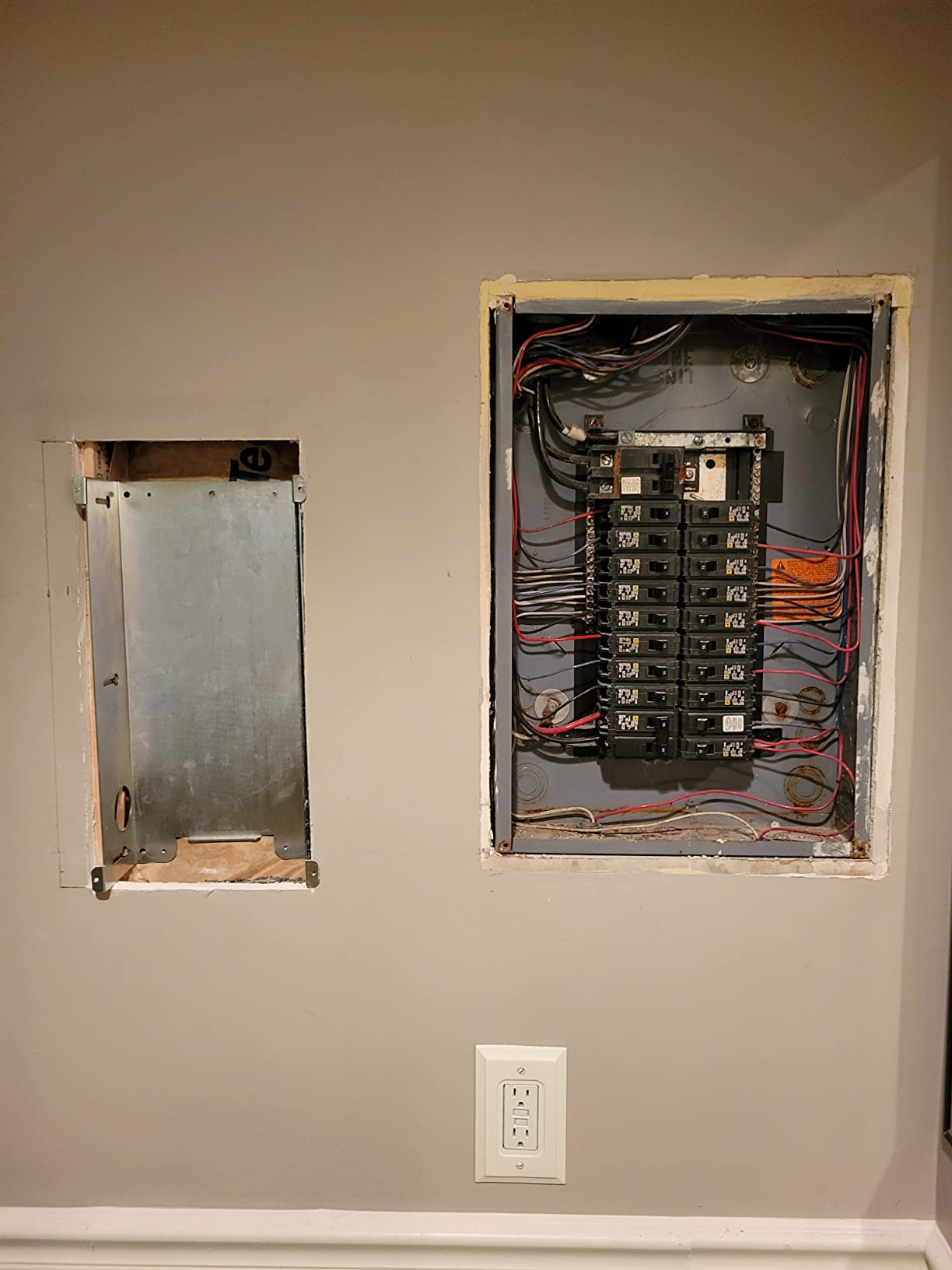
When ten circuits is the right number to buy
Count loads, not rooms. Ten circuits becomes necessary the moment you want a well pump running at the same time as a sump pump, or you need a second refrigerator, a home office, a garage door opener and a medical device alongside the basics.
It also gives you room to prioritise. During a short outage you might want the furnace, refrigerator and lighting only. During a long one you can bring the office and the freezer online too, using the same generator more flexibly.
When the 10-circuit model is the wrong spend
If your generator is 120V only and never delivers 240V, the middle double-pole circuit stays unused, so the six-circuit kit gives you the same usable capacity. Buying a tenth circuit for a load you will never connect is money spent for nothing.
Second limitation: this is a residential grade indoor enclosure with a 146 F upper temperature rating. Keep it on an interior wall where condensation cannot reach it and pair it with the NEMA 3R outdoor inlet box in the kit.
3. Go Power TS-30 30 Amp Automatic Transfer Switch for Two Power Sources
Go Power TS-30 30 Amp Automatic Transfer Switch, Dual Source Compatibility
- Switches between two 30 amp sources almost immediately
- Quick-connect leads and a wiring diagram under the lid
- Compact enough for tight RV and trailer compartments
- Delay function lets the generator stabilise before transfer
- Units can stack to prioritise more than two sources
- Default 30-second return delay feels like a fault without a jumper
- Listing wiring diagram has been reported as inaccurate
- No fuses included so 30 amp fuses must be added
- Enclosure is larger than the switch inside it
The Go Power TS-30 is a different animal from the rest of this list. It is a compact automatic changeover switch for two 30 amp sources, in service since 2001 with more than 1,100 ratings behind it. Most owners use it to hand power between shore power, an inverter and a portable generator.
At 9.65 x 7.28 x 4.75 inches and one pound, it fits inside an RV compartment or a small boat where a 15-pound panel will not. The delay switch is the detail we like most: it pauses before transferring so the generator reaches a stable speed instead of absorbing an inrush while still spooling up.
Automatic and manual modes both work, and LEDs show which source is live. Reviewers describe the contactor as solid and audible, which is a good sign on a part that has to sit in a damp compartment for years. Quick-connect leads and a diagram under the lid speed the install.
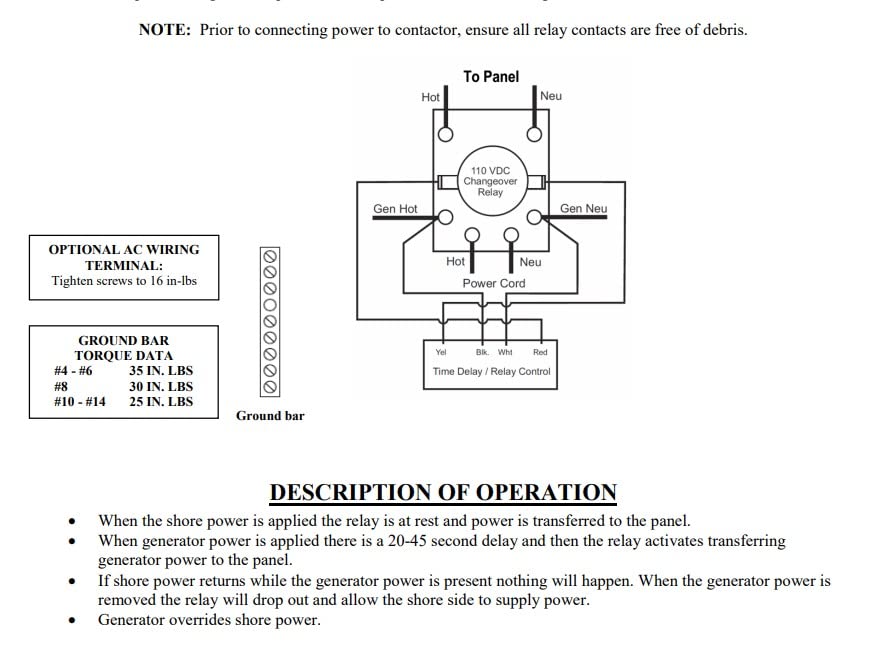
The 30-second return delay draws complaints from people who expect instant transfer. The updated manual describes a jumper that shortens it, so install that jumper when you fit the unit rather than after the first frustrating test. Wire feed holes also need pre-expanding.
Fuses are not included. You need 30 amp fuses between the feed sources and the box, so budget for those and the wiring run. One further tip from experienced owners: on an RV, feed the converter ahead of the switch rather than routing converter output through it.
Reviewers also flag that the wiring diagram in the online listing has been reported as inaccurate. Follow the printed manual in the box instead, and note that the enclosure is larger than the switch it contains.
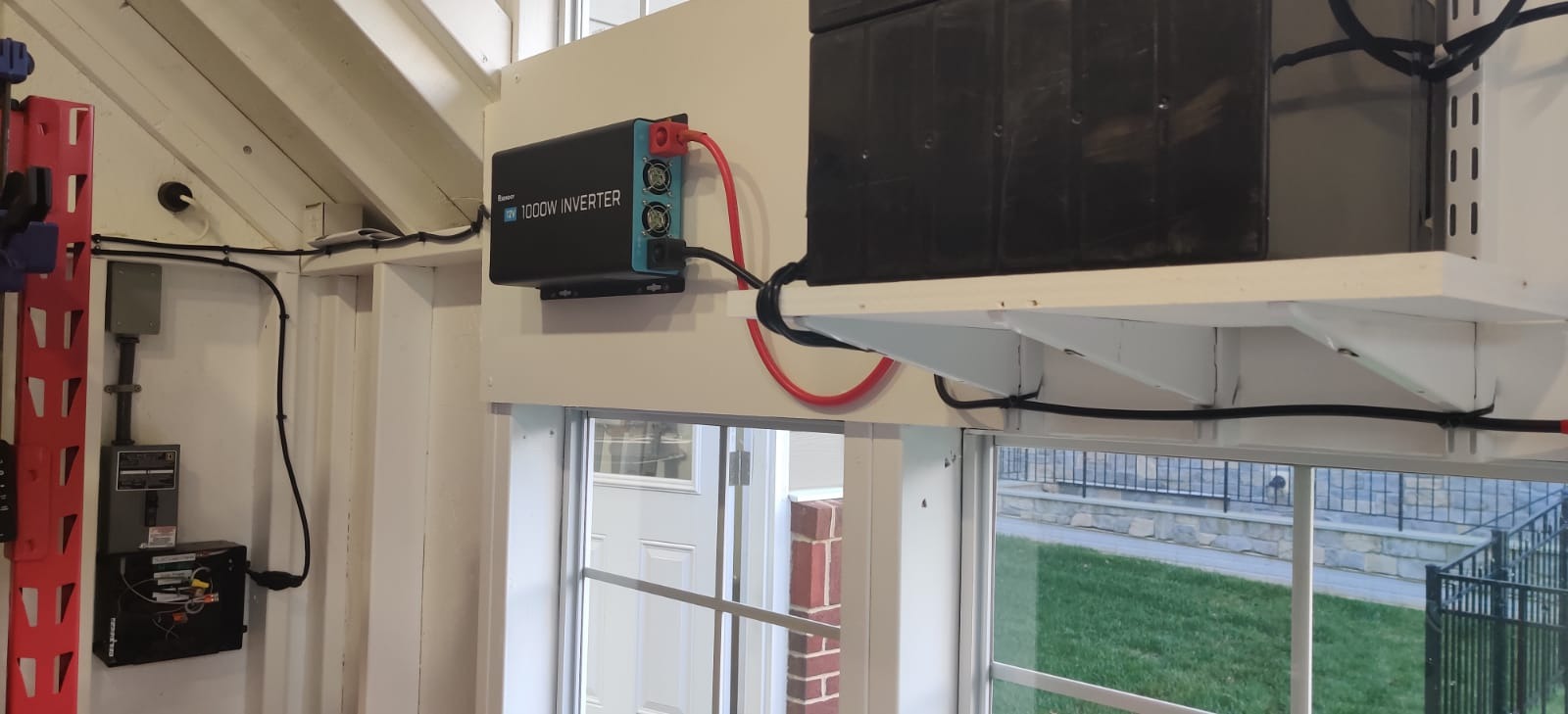
Best fit for an RV, a boat or a cabin with two sources
This switch earns its place when exactly two things compete for the same 30 amp supply. An RV with shore power and a portable generator is the classic case, as is a cabin where the inverter and the generator take turns.
Because it is automatic, it also suits an older adult or a cabin owner who is not there during the outage. The switch moves to the generator on its own instead of waiting for someone to throw a lever in the dark.
Where it does not fit a house
This is not a home transfer panel. There is no branch circuit capacity, no per-circuit switching and no wattmeters, so it cannot bring a refrigerator, a furnace and lighting back one at a time. Buyers who expected house coverage report that disappointment clearly.
The 30 amp rating is also fixed. If your portable generator has an L14-50 plug or pushes past 7,500 watts, this switch is undersized and you need a residential panel instead.
4. EZ Generator Switch 20 Amp Single-Circuit Transfer Switch
- Highest rated option in this roundup at 4.8 stars
- UL
- CSA and ETL certified for code and insurance purposes
- Heavy-duty steel box with copper wiring rather than aluminum
- Handles bonded or floating neutral generators with an internal change
- Also works with inverters and portable power stations
- Instructions are written for electricians rather than DIYers
- Stranded pigtails measure about 24 inches and can fall short
- Connections must be made in a separate metal handy box
- One review reports a factory wiring issue
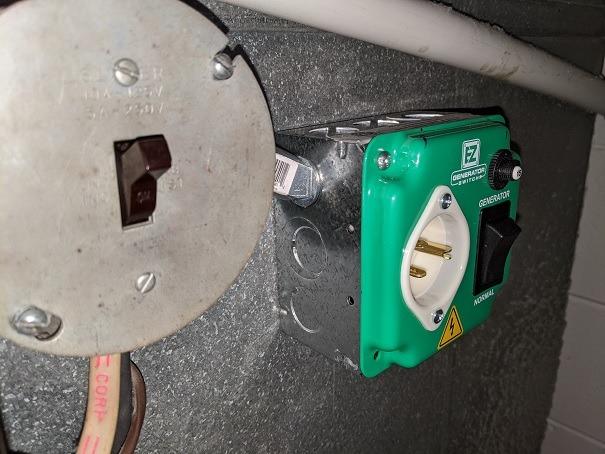
Most homes do not need six circuits. They need a furnace or boiler, a refrigerator, and reliable control of both. The EZ Generator Switch does that in a 4 x 4 x 4 inch steel box, and it carries the highest rating in this roundup at 4.8 stars across 950 reviews.
Rated at 20 amp and 1,800 watts, it covers a gas furnace control board, a refrigerator, a boiler feed pump or a small oxygen concentrator. It is also the only pick here that works with portable power stations and battery inverters, so households running both backup types can use one device.
The selectable neutral is the part professionals care about most. A generator can have a bonded neutral or a floating one, and a change that normally means opening the box takes about a minute here. Copper wiring, screw terminals and a steel rather than plastic enclosure all point the same way.
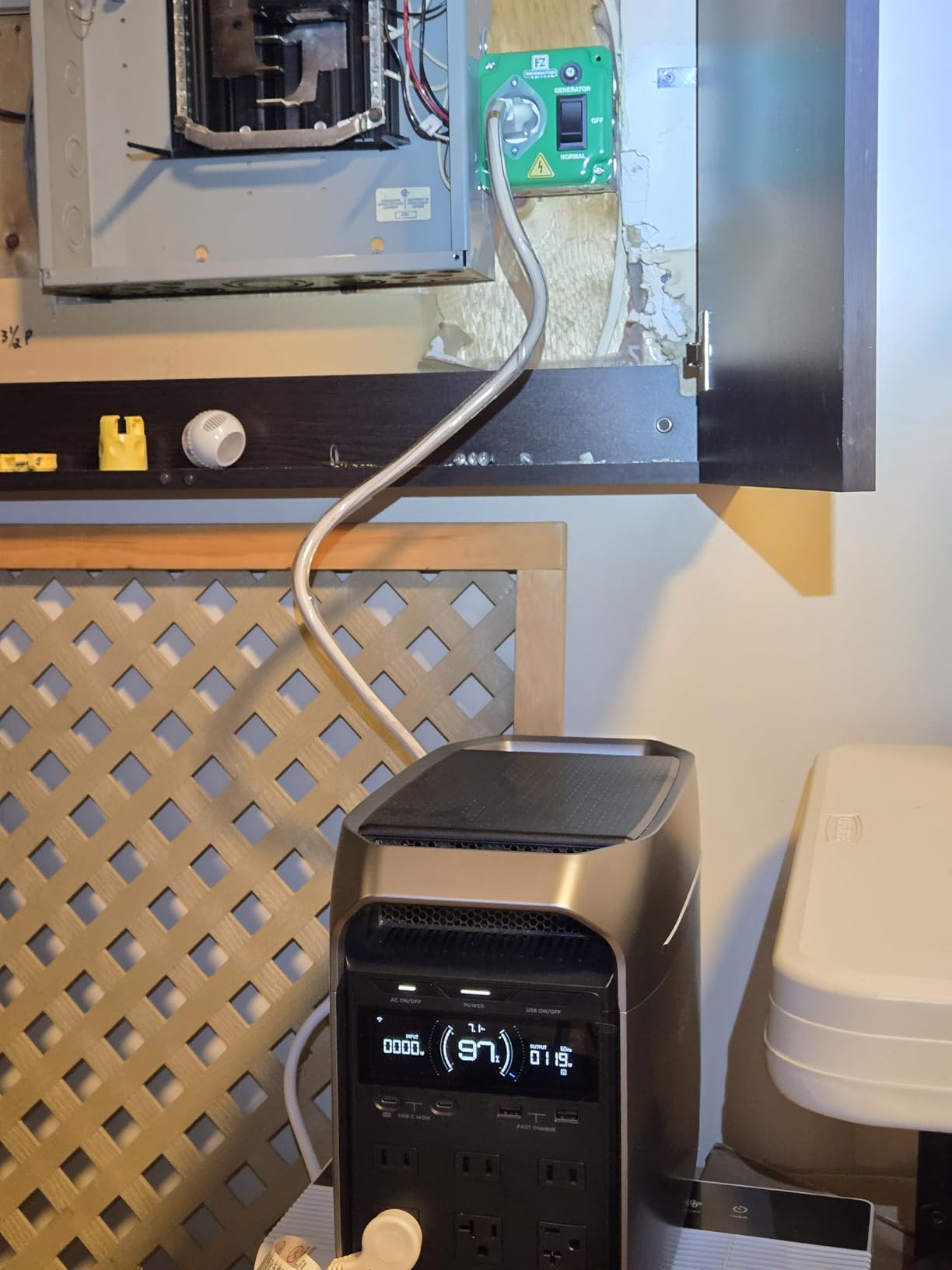
UL, CSA and ETL certification is the headline. Forum regulars treat listing as the baseline for insurance coverage, and this unit carries all three marks. The company is US-based, and buyers mention responsive support and tutorial videos that make the install easier to follow.
The wiring is done in a separate metal handy box near the appliance, not inside the switch. Plan where that box goes before you buy, because the location sets the wire length. The pigtails measure about 24 to 25 inches, comfortable in a furnace closet and short at the far end of a basement.
One review reports a factory wiring issue on a Champion generator, so test the changeover before relying on it. Most owners stress knowing whether your generator has a bonded or floating neutral before you buy.
Best for one critical load rather than a house full
Households running a medical device, an oxygen concentrator or a gas furnace through a cold snap get the most from this switch. Those loads are small in watts and enormous in consequence, and a single listed circuit is simpler to trust than a ten-position panel.
It is also the sane answer for a second home, a cabin or an RV wall where only one thing needs to stay alive. Buyers use it for exactly that and report no further changes after the first winter.
Where the single-circuit limit bites
One circuit is one circuit. You cannot add a second refrigerator or lighting, and the 1,800 watt ceiling is real for anything with a compressor. If your essentials list runs past a furnace and a fridge, step up to a 6-circuit kit.
Two other honest limits. The instructions read as though written for electricians, so a first-time installer should budget time or call one. And because the connections happen in an external handy box, that box adds material and labour to the job.
5. IGEYAPA 100 Amp 2-Pole Automatic and Manual Transfer Switch
- Transfers to the backup source in roughly 0.05 seconds
- Automatic and manual modes in one compact unit
- Over and under voltage protection with clear recovery thresholds
- DIN rail mounting fits PZ30 distribution boxes
- Works across mains
- generator
- inverter and PV sources
- 110V AC version only so 240V household circuits are unsupported
- Not a substitute for a listed whole-home transfer panel
- Instruction manual is minimal
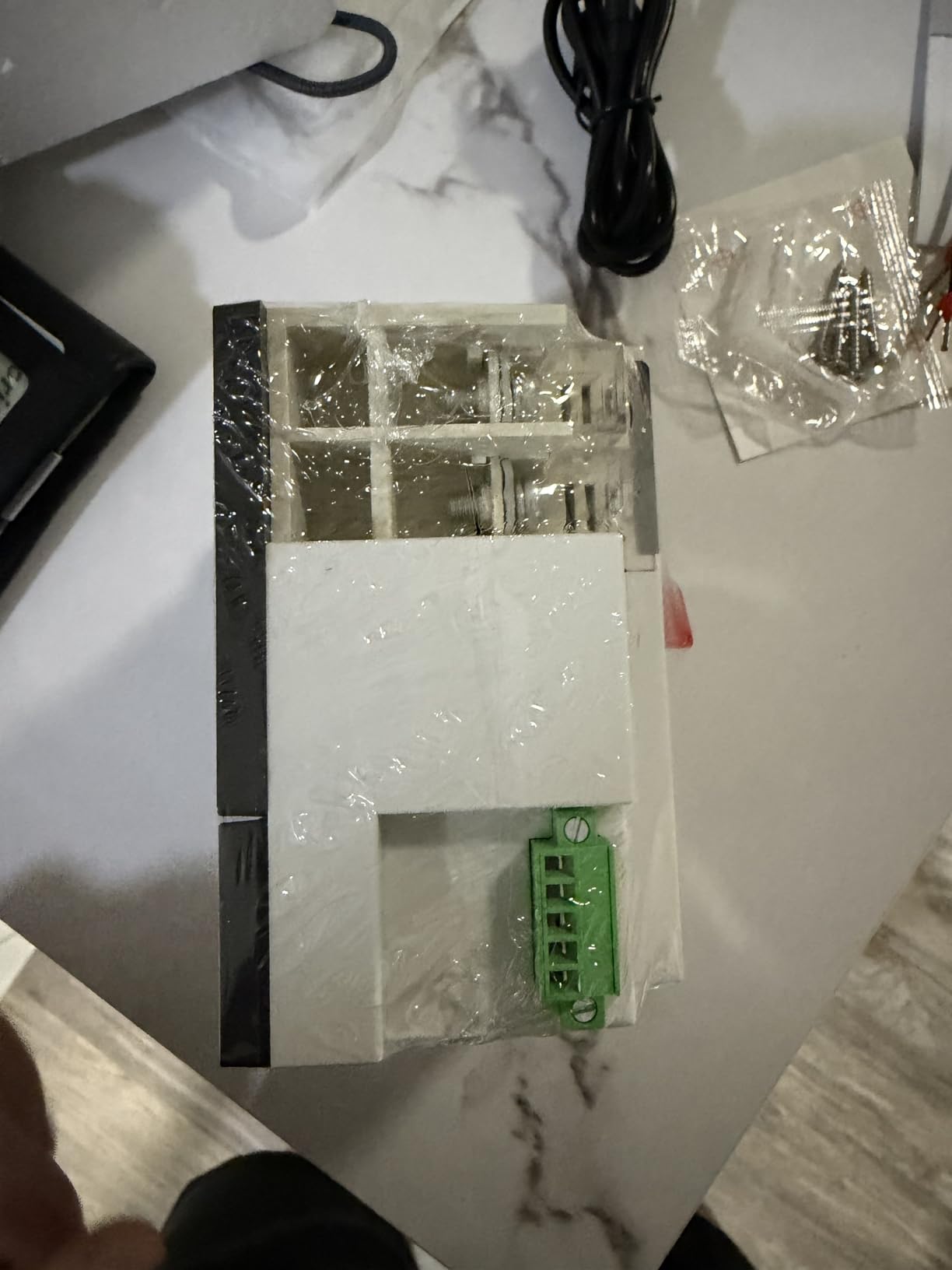
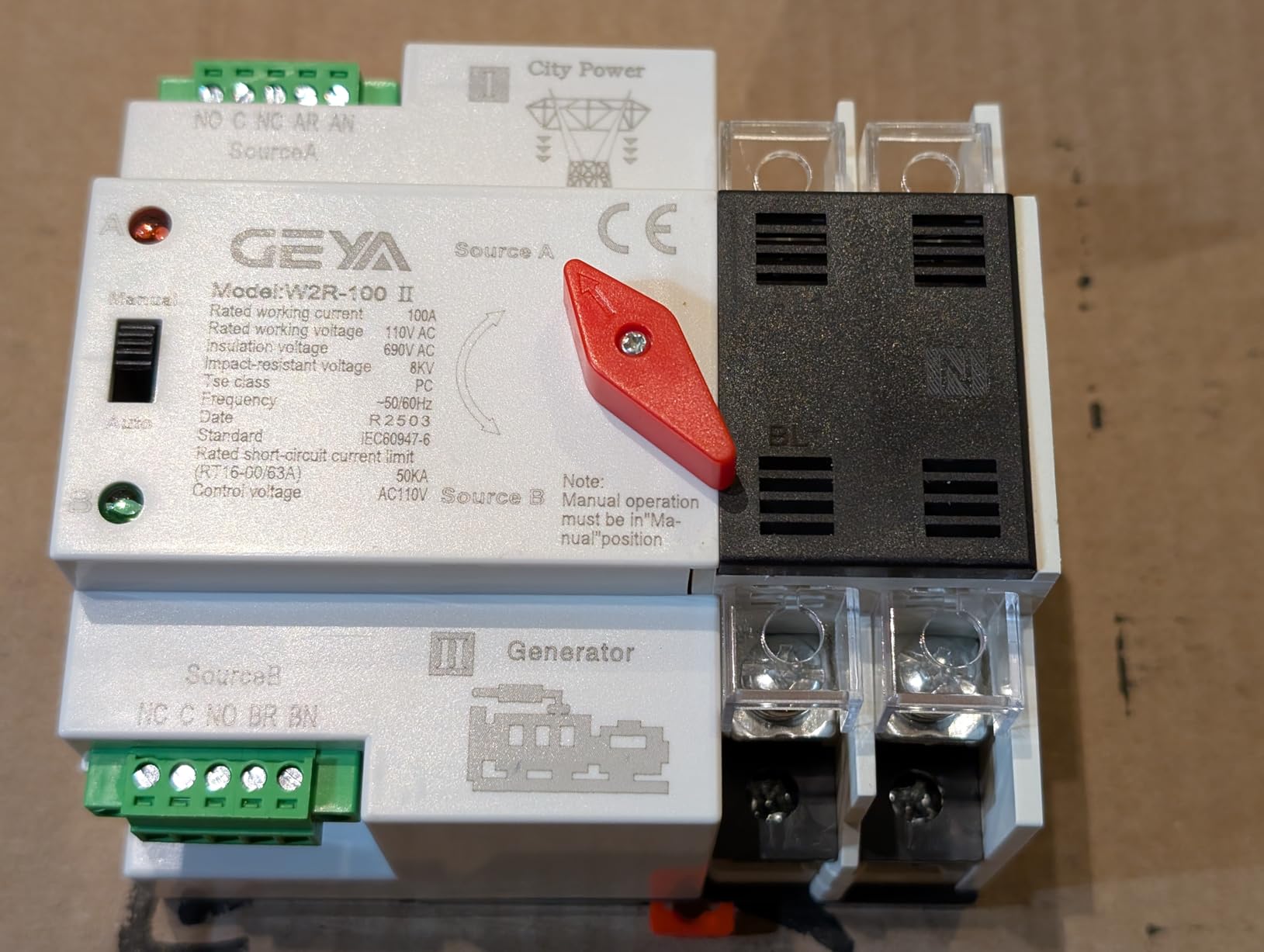
The IGEYAPA ATS W2R is a 100 amp, 2-pole changeover switch that moves from source A to source B in about 0.05 seconds. It is DIN rail mounted at 4 x 3.1 x 5.6 inches, so it drops into a PZ30 distribution box rather than needing a wall of its own.
Automatic and manual modes are both available. In automatic mode the mode selector is set to auto and the red handle points to source A; switch to manual and the handle chooses. Red and green LEDs show which source is live.
The voltage protection is specified clearly: 85V undervoltage with 95V recovery, and 145V overvoltage with 130V recovery, on a 50/60Hz dual power grid. Owners use it as a low-cost changeover for solar, inverter and generator setups, and the 4.7 rating across 262 reviews reflects that.
Two limits are worth stating plainly. This is the 110V AC version, so it does not switch 240V household circuits, and a DIN rail changeover is not a listed transfer panel in most residential code applications.
The instruction manual is minimal, so plan on following the terminal markings with a multimeter rather than expecting a guided walkthrough. Reviews note that the whole decision here is about matching the switch to your working voltage, which is the right frame.
If your goal is to power a refrigerator and a furnace through a main panel, this is the wrong category entirely. There are no branch circuits on this device to control.
Where a fast dual-power changeover makes sense
Solar and inverter setups benefit most. When a battery inverter and a generator both feed the same distribution board, you need something that hands over fast without the manual step. The voltage thresholds stop a marginal bank from dragging the load down during transfer.
For an RV or a small off-grid cabin where 110V is the whole story, the compact size is a genuine advantage over a residential panel.
Why it is not a home backup panel
It switches one 2-pole feed to another; it does not give you individually controlled circuits for a refrigerator, a furnace and lighting. Insurers and inspectors looking for a listed transfer panel will not treat a DIN rail changeover as equivalent.
So read the rating before buying: 100 amp, 2-pole, 110V. If your generator has an L14-30 or L14-50 plug and you intend to back up house circuits, go to a 30 amp or 50 amp manual panel instead.
6. Generac HomeLink 9854 50 Amp Manual Transfer Switch Kit
Generac HomeLink 50 Amp Portable Generator Manual Transfer Switch Kit
- 50 amp capacity supports well pumps
- water heaters and central HVAC
- Mechanical interlock makes grid backfeed impossible
- Pre-wired panel with harness
- conduit and a 12-inch whip
- Works with existing Siemens
- Eaton and Square D breakers
- Expandable from 10 to 16 circuits
- Transfer switch panel is for indoor mounting only
- Power inlet box and generator cord are included only with kit model 9855
- Largest and heaviest option here at 26 pounds
The HomeLink 9854 is the pick for 240V loads. At 50 amp and 120/240V it carries up to 12,000 watts, the range a well pump, water heater or central air conditioner needs and a 30 amp panel cannot deliver. It powers 10 hard-wired circuits and fits Generac XG10000E, XP10000E, GP15000E and GP17500E portable units.
The mechanical interlock follows NEC Article 702 and makes backfeed impossible rather than merely unlikely. It is also multi-listed for Siemens, Eaton and Square D 1-inch standard, tandem, GFCI and AFCI breakers, so your existing breakers stay in place instead of being replaced.
It arrives pre-wired with indicator lights, a wiring harness, ENT conduit and a 12-inch whip, so the factory has done the time-consuming part. The design also expands from 10 to 16 circuits, and the controller can be swapped later to move from manual to automatic standby.
Physical size is the thing to plan around. At 15.4 x 15.8 x 4 inches and 26 pounds, this is the largest and heaviest unit here, and it needs real clearance on the wall. It is an indoor NEMA 1 panel, so it belongs in a dry interior space.
One detail catches people: the power inlet box and generator cord are included only with kit model 9855. Buy the bare 9854 panel and you source the NEMA 3R outdoor inlet separately. Feedback shows owners confirming which variant they received.
With 86 reviews the long-term owner history is thinner than the Reliance kits, so the inspection and permitting questions are best answered by your electrician. Owners who need 240V or more than eight circuits consider this correctly sized.
Why 50 amp is right for well pumps and HVAC
Any load that runs on 240V needs a double-pole circuit, and a 30 amp panel either cannot provide one or provides only one. A 3/4 hp well pump, a 4,500 watt water heater and central air each sit above a 30 amp circuit’s comfort zone.
Owners who made this upgrade report the difference in practice: the generator starts the big motor loads without stalling, and there is headroom when the well pump and sump pump run together during a storm.
Where the size and variant list work against you
Wall space, first. A 26 pound enclosure has to clear the main panel’s working space, and some utility rooms do not have it. A 30 amp kit is 7 x 4.5 x 13.75 inches and fits where this one will not.
Second, indoor rating. Mount it where rain and condensation cannot reach it, and use a proper NEMA 3R outdoor inlet box on the exterior wall. Third, confirm your generator has an L14-50 plug before committing to a 50 amp panel.
7. Connecticut Electric Series 2 50 Amp 10-Circuit Transfer Switch Kit
- Sturdy metal breaker box electricians recognise as code-compliant
- 50 amp capacity allows generous zone selection for the whole home
- 25-foot cord and outdoor inlet box included in the kit
- Double-throw rocker design prevents back feeding
- ETL certified
- Additional wire and fittings may be needed to run the inlet to the switch
- Requires a new hole in the electrical panel and moderate wiring competence
- Fewer than 50 reviews means less long-term feedback
The Connecticut Electric Series 2 EGS1012KG2 is a 50 amp, 10-circuit manual kit rated for 12,500 watts of distribution, and it handles 240V applications such as well pumps and HVAC. For homes that need 50 amp capacity and prefer a straight rocker switch, this is a clean alternative to larger panel designs.
What sets it apart is what arrives in the box: a CS6375 50 amp outdoor power inlet box with a weather-resistant cover and a 25-foot cord. Electricians describe the kit as better value than sourcing switch, inlet and cable separately, and that is the honest summary.
The double-throw rocker switching handles the changeover without a separate interlock mechanism, and the switch can be wired to any panel size by relocating breakers one or two at a time. ETL certification matches what a residential inspector expects.
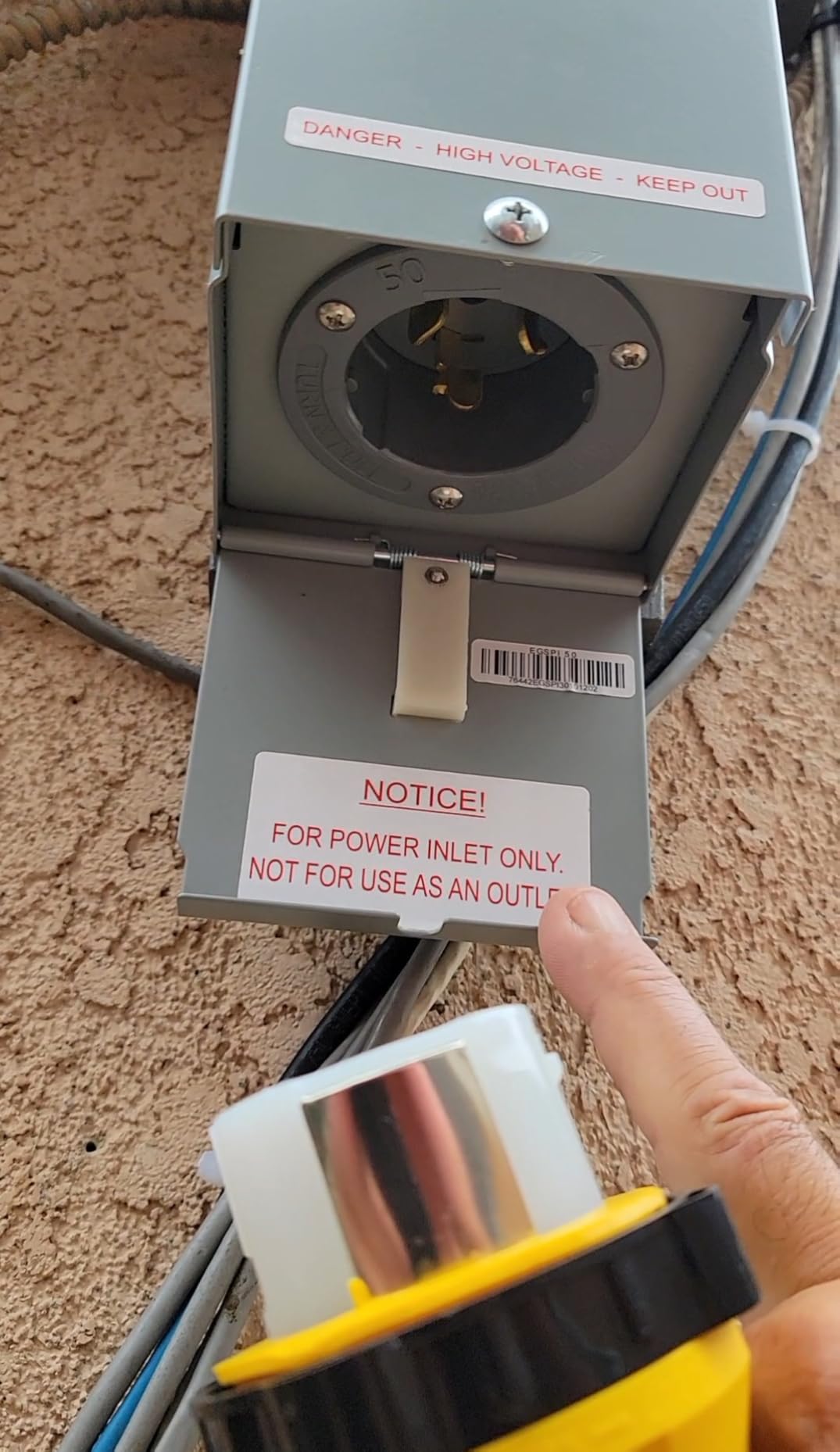
Reviewers with electrical backgrounds describe it as a first-rate box that is straightforward to set up. At 47 reviews the owner history is still short, so treat the long-term durability read as thinner than the Reliance units.
Two practical notes. The included components list mentions a circuit breaker alongside the cord and inlet, so confirm the breaker count and type against your panel before install day. And the run from the outdoor inlet to the switch may still need extra wire and fittings.
That last point is the normal situation in a detached garage. It is also why electricians who installed it stress that a professional should verify the wiring.
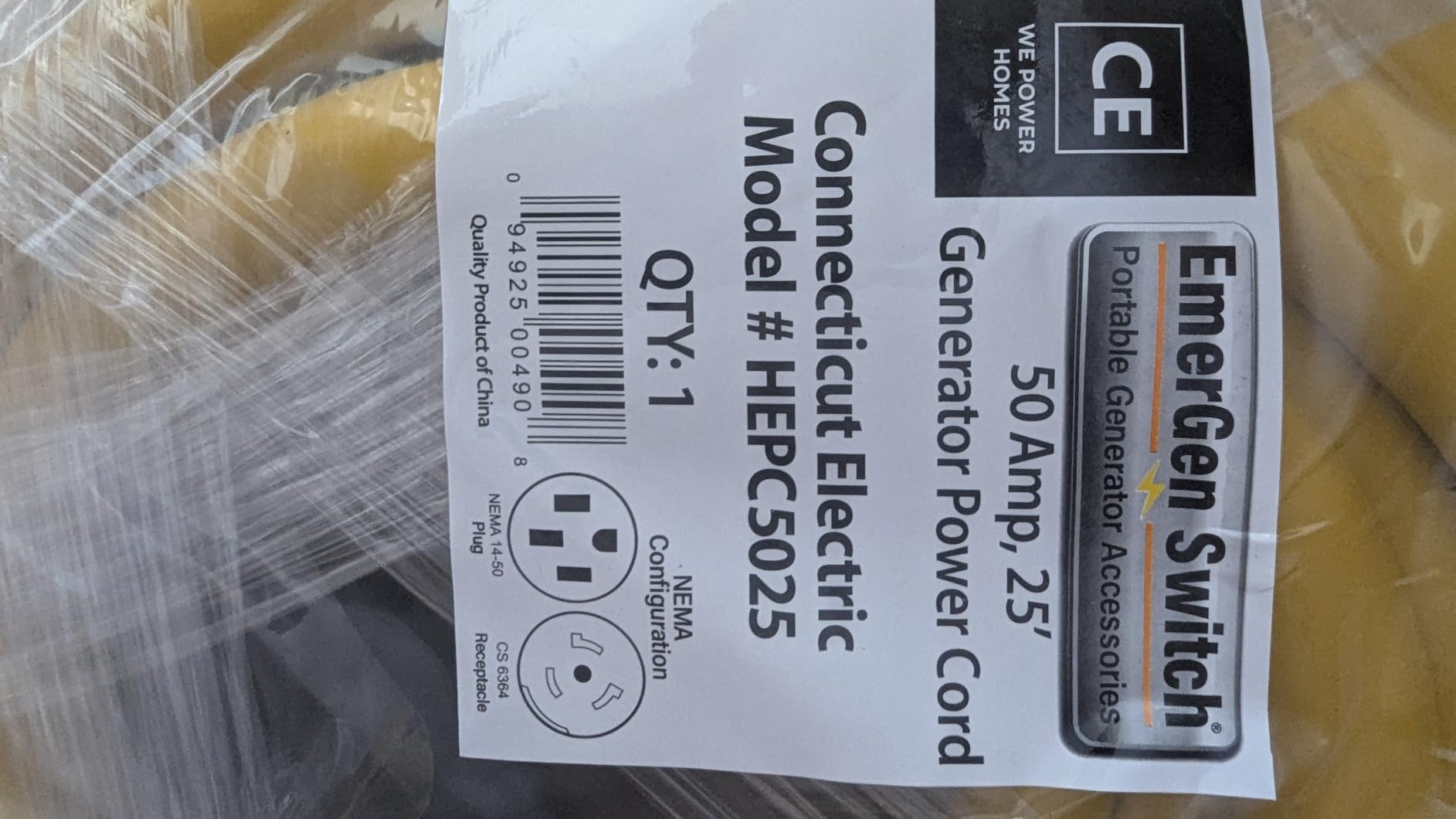
Best for a 50 amp home that prefers simple rocker switching
If you want 240V capacity but not the size, weight or control board of a larger automatic panel, this fits. Ten circuits at 50 amp covers the full essentials list plus a well pump, and the included 25-foot cord removes the most common extra purchase.
It also suits a panel where breakers must move in stages. Because the switch accommodates relocated breakers one or two at a time, you can bring a circuit across without a full panel rebuild, which is how installers keep the job short.
Where this kit asks more of the installer
This is real panel work. It requires a new hole in the electrical panel and a level of wiring competence that most guides describe as moderate, and reviewers repeatedly say a professional should verify the wiring.
Second, expect to add wire. The kit covers the inlet box and a generous cord length, not a 40-foot run through a basement. Third, a 25-foot cord constrains where the inlet can sit relative to the switch.
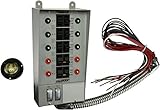
8. Reliance Controls 30310A 30 Amp 10-Circuit Indoor Transfer Panel
- Ten individually switched circuits for essentials like refrigeration and sump pumps
- Built-in wattmeters make load balancing visible
- Isolates the home from the grid for code-compliant backup
- Works with portable generators and battery backup systems
- Reliance has a long record in electrical products
- Indoor panel only so the outdoor inlet box and wire must be planned separately
- Installation requires opening and working inside the main breaker panel
The 30310A is the standalone Reliance 30 amp panel, and it earns its place for one reason: the wattmeters. At 17.12 x 13 x 4.75 inches and 12 pounds it is a flat indoor panel managing up to 10 individually controlled household circuits for portable generators and compatible battery systems up to 7,500 running watts.
Those meters are why owners single it out. When a generator shuts down mid-outage, the meters almost always tell you why: too much load on one side of the panel. Seeing the number turns the response from guesswork into arithmetic.
It also works with battery backup power systems as well as fuel generators, so a household that adds a power station later does not need a second panel. Reliance is a long-established name in residential electrical products.
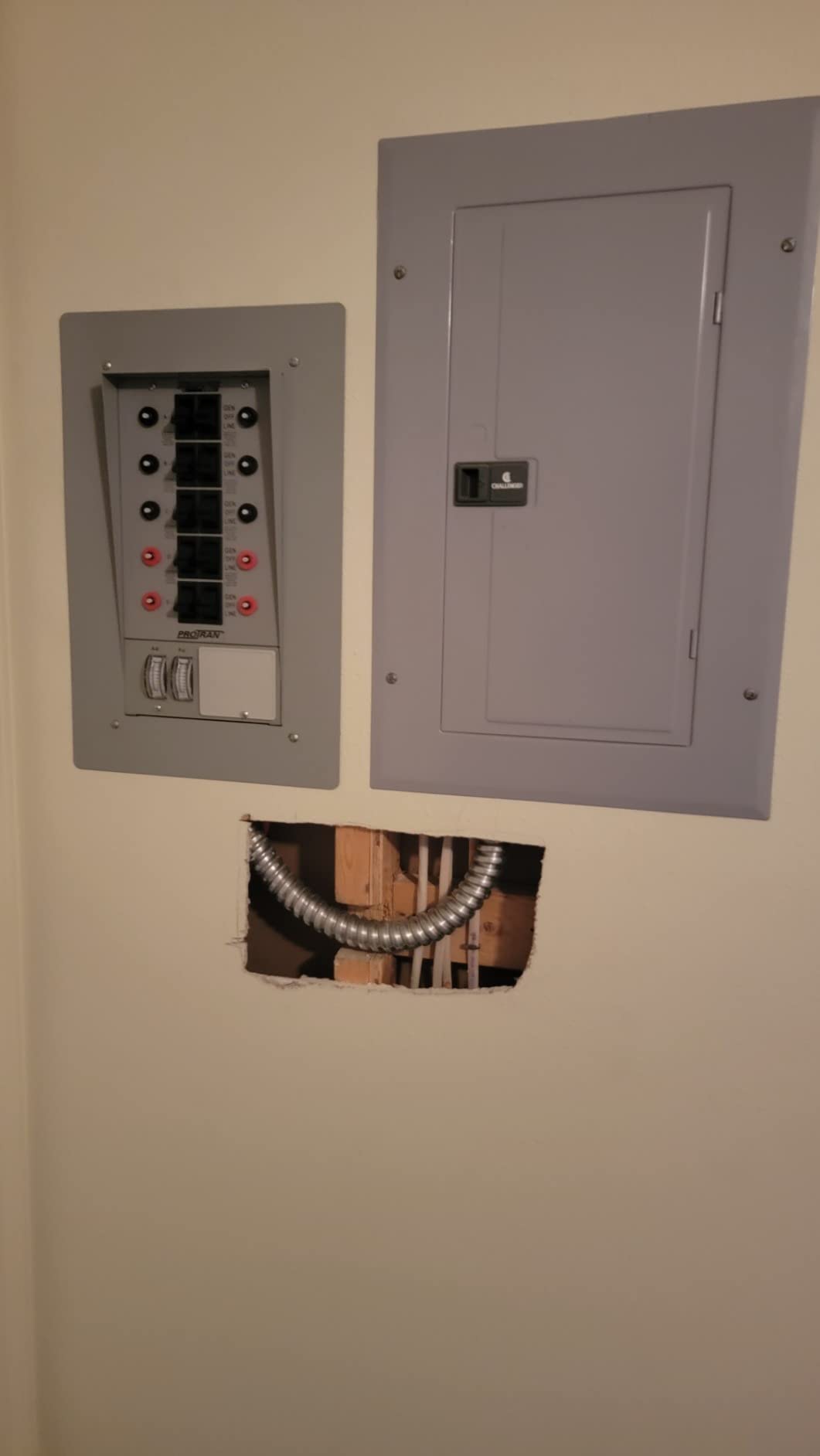
Owners use it to bring essential circuits back under control without extension cords, with refrigeration, sump pumps and heating named most often. The panel handles grid isolation, so the house cannot be fed from two sources at once.
Two honest limits. It is an indoor panel, so an outdoor-rated inlet box and suitable wire have to be planned as separate items. And installation requires opening the main breaker panel and moving breakers, which is normal for this category.
Neither is a first-timer project without a permit, though. Reliance has over a century of electrical products behind the name, which matters when an insurer asks questions.
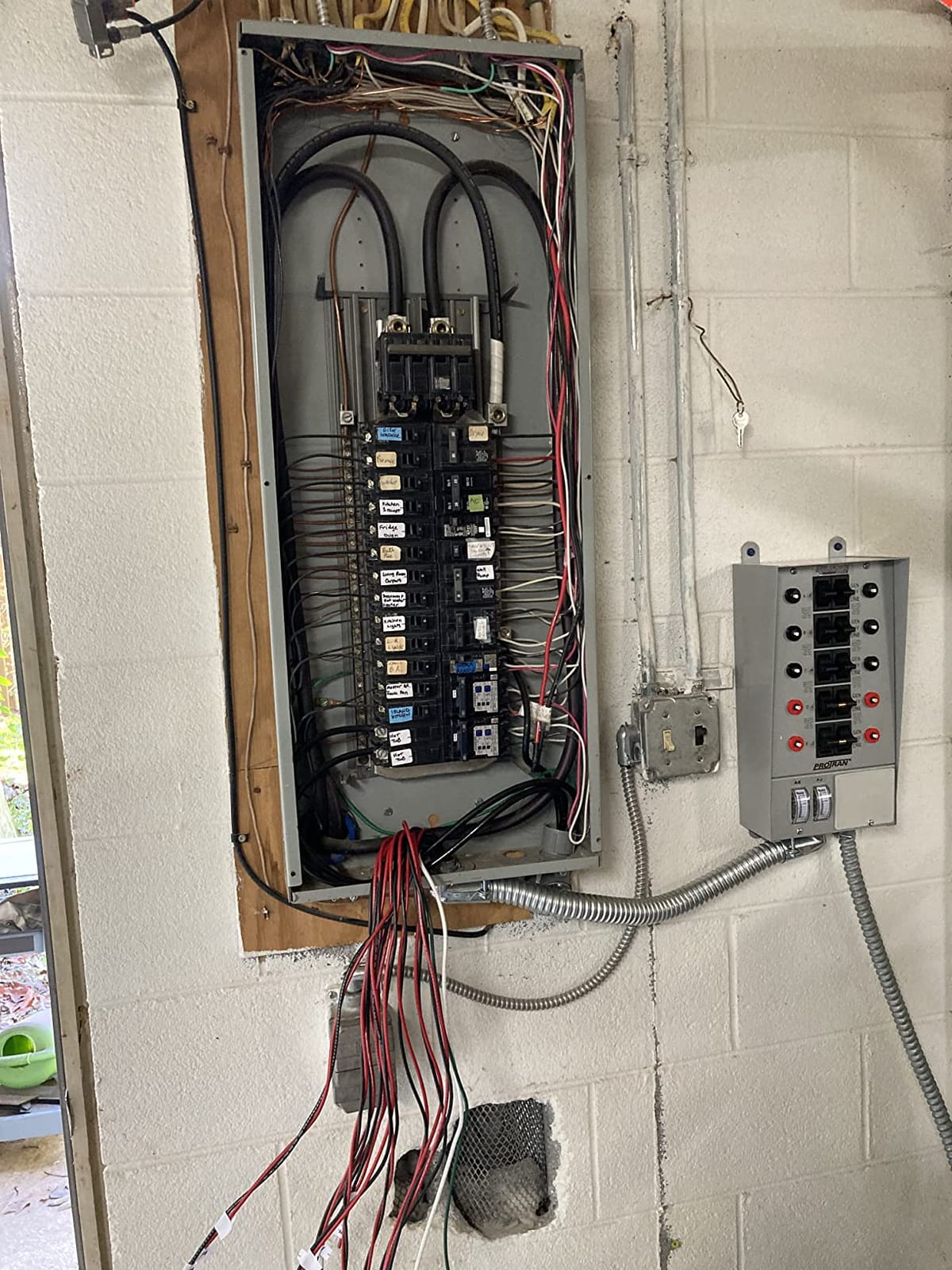
Who benefits most from built-in wattmeters
Households that have never tracked real load draw. The first time a 7,500 watt generator stalls on a motor start, the meters turn a guess into a decision: move the circuit to the other leg, drop the electric range, or accept that two large loads cannot run together.
They also help with balancing, since a 30 amp connection splits across two legs. Keeping the two meters near each other is what stops a generator tripping on an imbalance rather than on total output.
Where the 30 amp ceiling and the panel work apply
7,500 running watts is the limit. Well pumps, water heaters and central air generally will not run on this panel, which is why positions 6 and 7 exist. Check the generator’s rated output, not its surge figure.
The second limit is the install itself. Working inside a live main panel is what makes a licensed electrician worth the call, and it is also what inspectors look at first. Plan the inlet location and the wire run before the purchase.
9. Connecticut Electric EmerGen 30 Amp 10-Circuit Kit with 25 Foot Cord
- Ten circuits instead of the four many competing kits offer
- Complete kit includes the 25-foot L14-30 cord
- inlet box and conduit fittings
- Double-throw rocker design prevents back feeding
- ETL listed with NEMA 3R outdoor ratings
- Clear instructions and labelled toggles for setting priorities
- 120V circuits only with no 240V double-pole output
- One review reports a rocker wired incorrectly at the factory
- Some inspectors require rigid metal conduit at the main panel
- The L14-30 cord will not fit a 120V three-prong generator
The EmerGen EGS107501G2K25 is a 30 amp, 10-circuit kit rated for 7,500 watts running and 9,375 watts surge. Its selling point is completeness: the 25-foot L14-30 cord, the weatherproof inlet box and liquid tight flexible PVC conduit with fittings are all in the carton.
For 30 amp buyers, ten circuits is the right number, since many competing kits in this class offer four. The labelled toggles let you set circuit priority once and leave it, and the double-throw rocker design prevents back feeding without a separate interlock.
ETL listing and NEMA 3R outdoor ratings on the inlet side check the certification box. Owners generally find it well priced and easy to wire, and several describe it as better value than moving to an automatic system.
Read the reviews for the practical detail, not the rating. The advice repeated across them is to test every rocker with the main utility breaker off before the inspection, and to ask your inspector about conduit type and side clearance at the main panel.
Some jurisdictions require rigid metal conduit in that spot rather than flexible PVC, so that conversation is worth having before the wall comes off. One review reports a rocker wired incorrectly at the factory, creating a backfeed risk until it was replaced.
Also note the cord type. The supplied L14-30 cord will not fit a 120V three-prong TT-30 generator, and the adapter commonly sold for that purpose is not an approved solution.
Best for a 120V-only household that wants ten circuits
If your generator delivers 120V and never provides 240V, this kit is generous. Ten circuits at 30 amp covers the essentials with room to spare, and the labelled toggles make the priority order obvious when you set it up in the dark.
The included conduit and fittings also make it a good choice for a first install, because the consumables that usually send you back to the hardware store are already in the carton.
Where the 120V-only design matters
There is no 240V double-pole output, so a well pump, water heater or central HVAC cannot be connected. If any of those are on your essentials list, this is the wrong kit and you need a 50 amp panel.
Treat the pre-inspection test as mandatory. Flip every rocker with the main breaker off, confirm the load-side wiring, and have a licensed electrician verify it. That step covers the factory defect a reviewer reported, and it is what the inspector runs anyway.
10. Kohree KR6521 15 Amp Single-Circuit Transfer Switch and Inlet Box
Kohree Generator Transfer Switch 15 Amp 125V Power Inlet Box, NEMA 5-15P Inlet Circuit Breaker, Predrilled Manual Transfer Switcher for Indoor Outdoor Use, ETL Listed
- Indoor and outdoor rated with a dust cover for weather protection
- Pre-punched knockouts and four-side entry remove the need to drill
- Green indicator light shows when the generator is connected
- Lightweight 2.3 pound surface-mount box
- ETL listed for US and Canadian 15 amp generators
- Limited to a single 15 amp 125V circuit so only one small load can be backed up
- Requires a standard 15 amp three-prong NEMA 5-15P generator
- Not a multi-circuit panel so it cannot cover a home's worth of loads
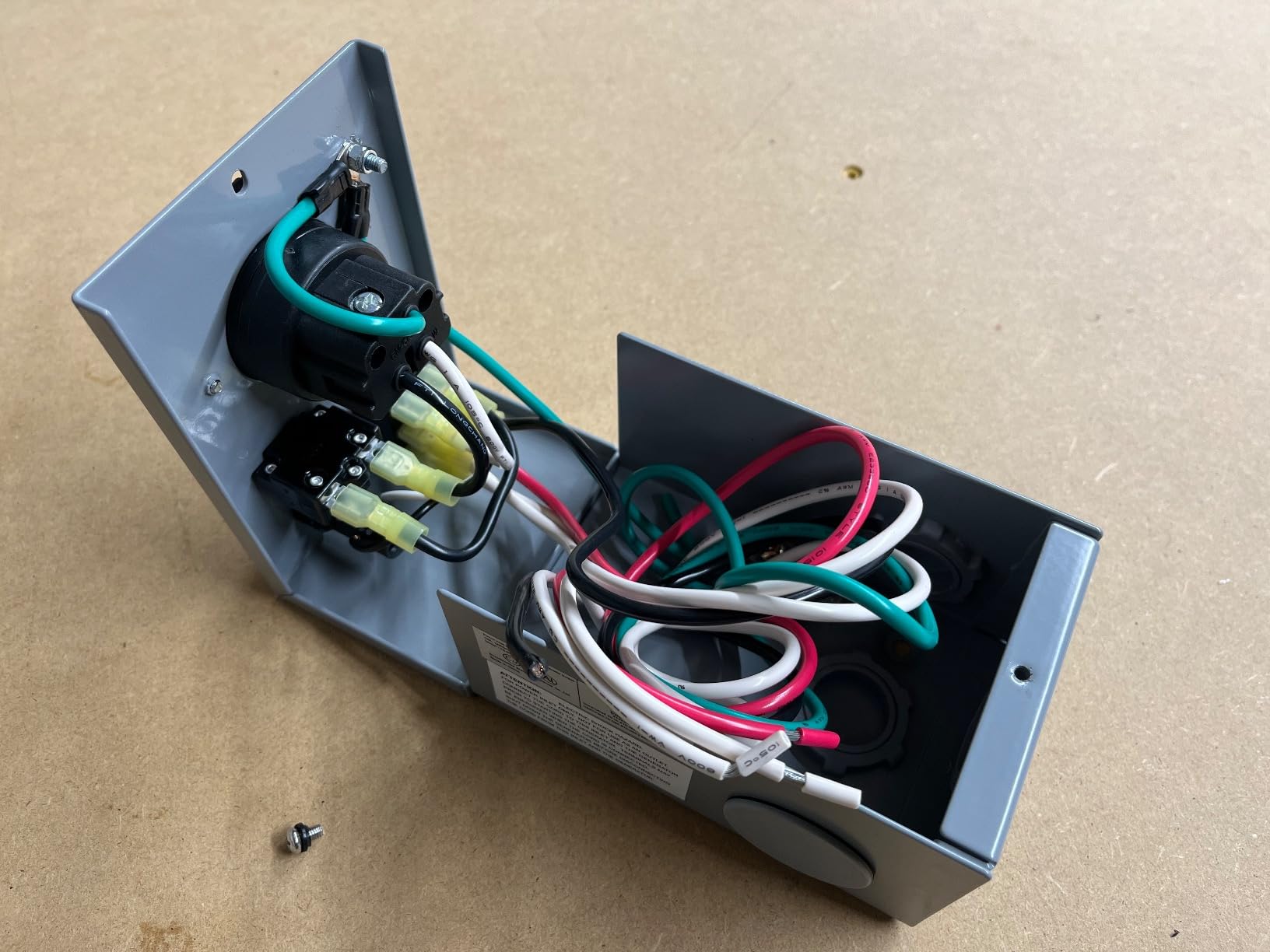
The Kohree KR6521 is the smallest sensible answer here. It is a 15 amp, 125V single-circuit manual transfer switch with an integrated power inlet box, ETL listed for 15 amp three-prong NEMA 5-15P generators in the US and Canada. It weighs 2.3 pounds and mounts on a surface.
The practical design touches are why it works. Pre-punched knockouts with four-side entry mean no drilling for conduit, a pre-wired circuit breaker means no work inside an existing panel, and a green lid light shows at a glance that the generator is connected.
A dust cover handles rain, dust, UV and rust when the box sits outside. Buyers use it to hold up a heating system or one critical appliance through an outage, and the 4.6 rating across 98 reviews reflects a device that does a small job cleanly.
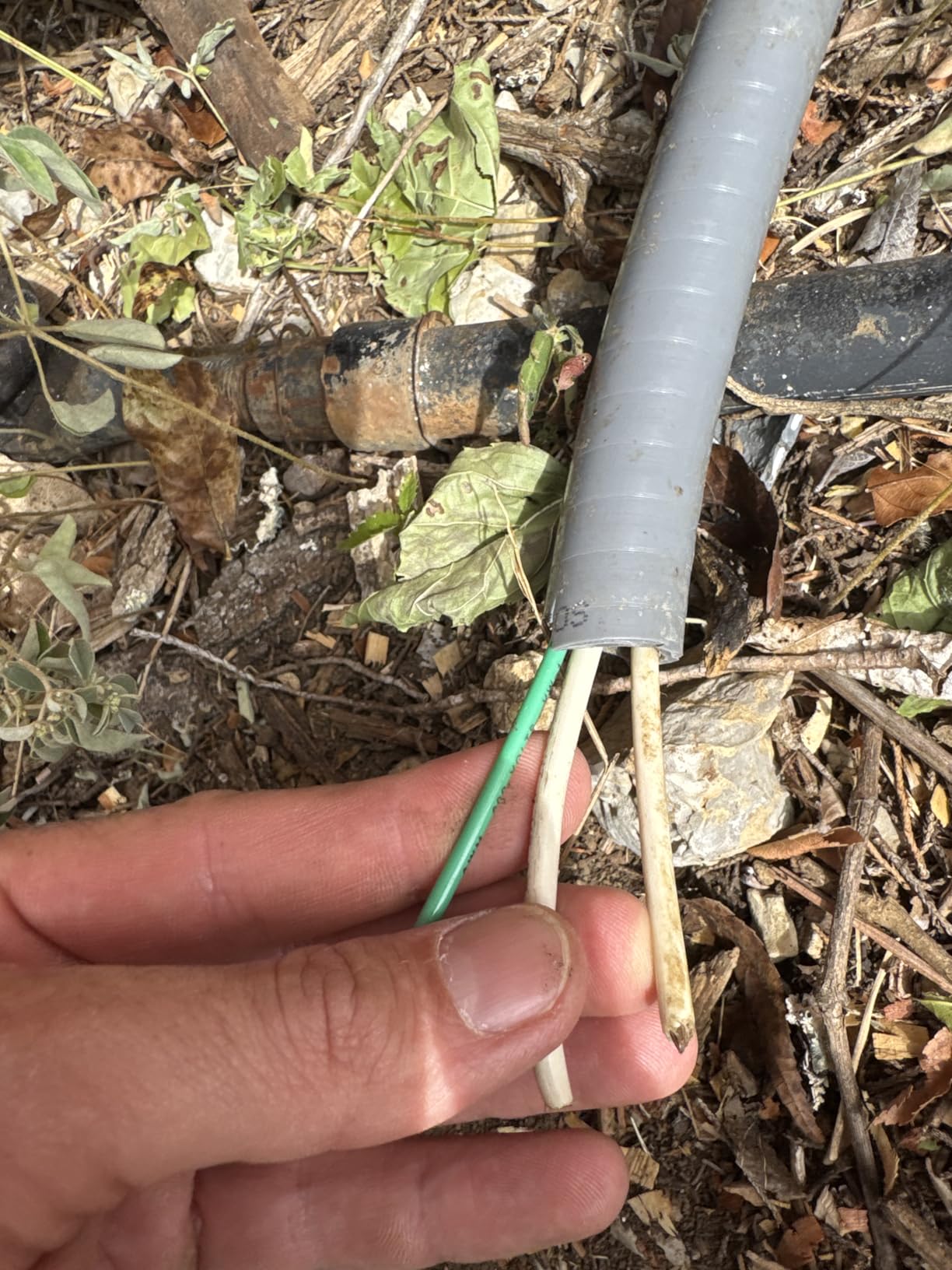
The limitation that appears in every review is capacity, and it is worth being blunt about. One 15 amp circuit at 125V is roughly 1,875 watts, which covers a furnace control circuit or a small appliance but not a refrigerator compressor alongside anything else.
It also assumes a specific generator. If your portable unit has an L14-30 plug, this box is the wrong interface no matter how well the rest of the installation goes.
Many small portable generators ship with a three-prong household plug, which is the case this fits. Beyond capacity, every review flags the same point: it is a single-circuit device rather than a whole-home solution.
A cheap, tidy answer for a single essential circuit
A cabin, a rental property or a home office where one thing must stay alive is the ideal use. Because the box mounts indoors or outdoors, you can place it right next to the appliance, which keeps the wire run short.
The no-drill knockouts matter more than they sound. A pre-punched box saves the step most homeowners get wrong, and the pre-wired breaker means the job never requires opening a panel full of live breakers.
Why it stops at one circuit
Reviewers are consistent on this. It cannot back up a home’s worth of loads, and it cannot grow. Adding a second essential circuit means adding a second device, and at that point a 6-circuit kit at 30 amp is the better single purchase.
The second limit is the plug. This box takes a NEMA 5-15P three-prong generator connection, not an L14-30 twist-lock. Check the outlet on your generator before buying, and remember the household receptacle is not weatherproof on its own.
What Is a Transfer Switch and Why Backfeeding Is Dangerous?
A transfer switch is a device installed between your main breaker panel and a generator that lets exactly one power source feed the house at a time. That single fact removes the danger that makes generator ownership worth thinking carefully about.
Backfeeding happens when generator power reaches the utility side of your main panel. The utility lines and the transformer downstream are then energized from your yard, and anyone touching a downed line is electrocuted by your generator. Your main breaker does not help, because the backfeed arrives around it.
Code treats this seriously. NEC Article 700 covers generator and transfer switch installations, and most jurisdictions plus homeowners insurers expect listed equipment, a permit and an inspection. Forum regulars consistently name UL listing and NEC compliance as the baseline they will not compromise on.
The practical test is simple. If your generator connects to your home through anything other than a listed transfer switch or a listed breaker interlock kit, you are running a suicide cord through an opening in your wall. The term is blunt because the outcome is.
Manual vs Automatic Transfer Switch: Which One Fits a Portable Generator
For a portable generator, a manual transfer switch is almost always right. You start the generator, walk to the panel, and move the lever from utility to generator. Nothing is faster, because you are already outside at the machine.
An automatic transfer switch senses the loss of utility voltage and changes over in roughly 10 to 30 seconds, optionally sending an engine start signal to the generator first. That delay and the signalling hardware pay off when the generator is permanently installed and nobody is standing next to it.
All the manual units here are open transition, meaning break-before-make: the old source disconnects before the new one connects. That brief gap is safe for resistive and motor loads such as refrigerators and well pumps, and it is the standard for portable installations. Closed transition, which makes before break, matters mainly for standby systems serving electronics.
Meter-mounted automatic units sit in a different category. They attach at the utility meter rather than beside your panel, which keeps the panel untouched, but your utility has to approve the work. The Go Power TS-30 and the IGEYAPA unit here are exceptions: small automatic changeover switches for RV, boat and off-grid use.
One more distinction worth keeping straight. A transfer switch for a portable generator is not a whole-home standby system. A portable unit runs for hours on a tank, so the switch’s job is to bring essential circuits back safely, not to carry a house at full load.
30 Amp vs 50 Amp: Sizing the Switch to Your Generator
Size the switch to the generator, not to the house. A 200 amp switch on a 7,500 watt portable generator adds no capacity, and forum answers to the oversizing question land in the same place: a larger switch is not harmful, but it does nothing for you.
The mapping runs like this. Up to 7,500 running watts pairs with a 30 amp switch and an L14-30R outlet. From 7,500 up to 12,000 watts pairs with a 50 amp switch and an L14-50R outlet. Above 12,000 watts you need 60 amp or higher, which is a whole-home conversation.
The plug is the hard constraint. An L14-30 is a 30 amp, 4-prong twist-lock. An L14-50 is the physically larger 50 amp, 4-prong lock. They are not interchangeable, and adapters that appear for sale to bridge the gap are a fire risk rather than a convenience.
The 240V question follows from the amperage. A 30 amp panel gives you single-pole 120V circuits and, at best, one double-pole 240V circuit. A 50 amp panel gives two double-pole circuits, which is what makes a well pump or water heater possible.
Budget loads before you commit. Add the running watts of each circuit you want, then apply a surge multiplier of two to three times for anything with a motor: a well pump, a furnace blower, a refrigerator compressor. A 7,500 watt unit starting a 1/2 hp pump needs headroom for the start, not just the run.
The two sizes also differ in installation. Thirty amp kits are compact surface-mount boxes needing minimal clearance, with short, light L14-30 cords. Fifty amp panels are larger, heavier and more panel-like, with thicker L14-50 cords, so plan the wall space before install.
Transfer Switch vs Breaker Interlock Kit
A breaker interlock kit is the other safe way to connect a portable generator, and it is the alternative most buyers actually consider. Instead of a separate transfer switch panel, a mechanical interlock fits over two breakers in your main panel so the generator breaker and the main breaker physically cannot close together.
The comparison comes down to which circuits you need. A transfer switch gives you individual branch circuits, so you can choose exactly what comes back: refrigerator, furnace, lighting, sump pump. An interlock powers the whole house through the generator’s single connection, with no per-circuit control.
That single budget is the deciding factor. With an interlock, the 7,500 watt limit applies to your entire house, so a well pump and a furnace blower together will exceed it. With a transfer switch, the same generator carries a smaller chosen set comfortably.
Installation effort runs the other way. An interlock kit is a much smaller job: no new enclosure, no outside inlet box, no run of heavy feeder cable. It is faster and cheaper in materials, which is why it wins for a first backup setup in a small home.
Both routes satisfy the same safety requirement. As long as the device is listed and the work is permitted and inspected, an interlock makes backfeeding physically impossible in the same way a transfer switch does. Buyers who own a Generac Nexus Smart Switch often land here, since that is an interlock-style solution.
Our read: choose the interlock for a fast, low-complexity whole-house connection on a smaller generator. Choose the transfer switch when you want per-circuit control, when a motor load needs isolating, or when you plan to expand.
How to Choose the Right Transfer Switch in Six Steps
Six steps will get you to the right device, and each one is quick.
Step 1. Read the generator nameplate. Find the running wattage, not the surge figure, and note output amperage at 120V and 240V. The nameplate is usually on the frame near the engine or on the control panel.
Step 2. Identify the outlet. Count the prongs and note the shape. Four-prong L14-30 means a 30 amp switch. Four-prong L14-50 means a 50 amp switch. A three-prong household plug means a 120V single-circuit device, not a panel.
Step 3. Count the circuits you need. Write them in priority order: refrigerator, then furnace or boiler, then lighting, then sump pump. Add a well pump, a second refrigerator or a medical device and you are at eight or nine circuits.
Step 4. Budget the load, including motor surge. Sum the running watts, then apply a two to three times multiplier to motor loads. If the total with surge sits above the generator’s running output, cut a circuit before you shop.
Step 5. Choose manual or automatic. Manual for a portable generator you start yourself. Automatic, or a meter-mounted unit, if you want the changeover without you and can get utility approval.
Step 6. Verify the listing and the plan. Look for cULus, ETL or UL on the enclosure. Then check placement: the inlet box goes on an exterior wall above grade, the switch sits indoors in a dry location unless it is NEMA 3R, and both need working clearance from the main panel.
Two placement details trip people up. The power inlet box is normally mounted between 18 inches and about 5 feet above grade, and it needs a drilled hole plus a rain-tight cover. The switch needs unobstructed working space in front, and inspectors check it.
On outdoor ratings, NEMA 3R is the one that matters for an exterior install. Condensation is the real enemy: a rain-rated box still traps moisture when temperature swings overnight, so seal unused knockouts and keep the cover closed.
Common Buying Mistakes to Avoid
Mismatching the plug and the inlet. This is the number one mistake and the only one with no workaround. A 50 amp panel fed by an L14-30 generator means a cord that does not fit, and the adapters sold to bridge it are not approved solutions.
Using a 120V three-prong generator with a 240V panel. The EmerGen review notes this directly. Three-prong outputs cannot feed an L14-30 inlet, and forcing the connection with an unapproved adapter is how backfeed and equipment damage happen.
Buying too few circuits. Six is enough for a fridge, a furnace and lights. It is not enough once a well pump, a sump pump and a second fridge are all on the list. Count first, then buy.
Ignoring wire length. Almost every kit here draws the same review comment: the included wire rarely covers a long run to an exterior inlet box. Measure before the purchase, not after the wall is open.
Skipping the listing check. An enclosure with no cULus, ETL or UL mark can look fine and still fail an inspection. Insurers treat the listing as the baseline, and forum buyers refuse to compromise on it.
Mounting an indoor panel outdoors. Several picks here are indoor NEMA 1 enclosures. A standard residential transfer switch in a wet location is a short-lived failure waiting for the first cold night.
Assuming oversized means better. A 60 amp or 200 amp switch does not add capacity to a 7,500 watt generator. Oversizing is acceptable and common, but it should follow the plug, and the plug follows the generator.
Testing nothing before the inspection. Owner feedback repeats one instruction: with the main breaker off, throw every switch and confirm the load side is de-energized. It catches a factory defect and it is the check the inspector runs anyway.
Frequently Asked Questions
What size transfer switch do I need for a 10,000 watt generator?
A 10,000 watt generator draws roughly 42 amps at 240V, so a 50 amp switch with an L14-50 plug is the minimum. Generators up to 7,500 running watts use a 30 amp switch with an L14-30 plug, and anything above 12,000 watts needs 60 amp or higher. Match the switch to the generator plug, never to the size of your house.
Can I use a 50 amp transfer switch with a 30 amp generator?
You can, and it is safe, but the plugs still have to match. A 30 amp generator has an L14-30 outlet and a 50 amp switch has an L14-50 inlet, so they will not connect directly. The realistic approach is a 30 amp switch for that generator, or a bridging adapter used only where the manufacturer allows it. Adapters are not a substitute for matching the switch.
Can I use a transfer switch with a portable generator?
Yes, provided the power inlet matches the generator output plug and the switch carries a UL, cULus or ETL listing. That is the entire purpose of the device: it makes backfeeding onto the utility grid impossible. A manual switch also costs less than an automatic one and needs no wiring beyond the panel connection.
Do I need a transfer switch for a portable generator?
If you want to power your home wiring rather than individual appliances, yes. Without a listed transfer switch or a listed breaker interlock kit, the only safe connection is an extension cord, and running a cord through a window is a fire and backfeed risk. Run extension cords directly to appliances instead of trying to bridge a window or a dryer outlet.
What is the difference between L14-30 and L14-50?
They are two sizes of 4-prong twist-lock generator connection. L14-30 is rated at 30 amps and pairs with 30 amp transfer switches and generators up to about 7,500 running watts. L14-50 is rated at 50 amps and pairs with 50 amp switches for larger units, usually dual-fuel models. They are not interchangeable, and the plug on the generator decides the switch.
How do I choose the right transfer switch?
Read the generator nameplate for running watts, note whether the outlet is L14-30, L14-50 or a three-prong household plug, count the circuits you need in priority order, and total the running watts with a two to three times surge multiplier for motor loads. Then confirm the enclosure carries a cULus, ETL or UL listing before you buy.
How close to the breaker panel must a transfer switch be?
Close enough for the conduit run to be practical and for the switch to keep its required working clearance. In practice installers mount it on the same wall as the main panel, often beside or above it, and run a short whip into a panel knockout. The power inlet box then goes on an exterior wall above grade, commonly between 18 inches and 5 feet up.
Which Transfer Switch Should You Buy?
Most households running a portable generator up to 7,500 watts should start with the Reliance Controls 31406CWK, our editor’s choice. It is a six-circuit 30 amp kit with dual wattmeters, a 5 year limited warranty and the largest review base in this roundup, and it ships with the inlet box and the L14-30 cord you need.
Buy the Reliance 31410CRK if you need ten circuits or more room to prioritise loads. Go to the Generac HomeLink 9854 or the Connecticut Electric Series 2 when a well pump, a water heater or central HVAC puts you in 240V territory. For a furnace, boiler or medical device where only one load matters, the EZ Generator Switch is the cleanest and highest rated option here, while RV and boat owners should look at the Go Power TS-30.
Whatever you choose, confirm the plug on your generator matches the inlet on the switch, confirm the listing, and plan the wire run before the wall comes off. Our manual transfer switch roundup and standby switch guide cover the neighbouring cases, and the wiring is the part worth getting right the first time.