

The best garage exhaust fans for fumes in one sentence: the iLIVING 12 Inch Wall Mount Shutter Fan (ILG8SF12V-ST) moves 960 CFM through an all-metal housing with an automatic shutter, a variable-speed controller and a thermostat, which is the combination most garage fume problems actually need. If your garage is a bonded workshop with welding or spray gear, the QuietCool AFG PRO-2.0 and the AC Infinity AIRLIFT T12 pull the same class of air in different packages, and we explain exactly where each one wins below.
Fumes are not heat. That distinction matters more than anything else on this page. Heat sits high in the room and moves slowly; solvent vapour, welding fume and sawdust fill the whole volume and often sink. A heat-only fan sized to the 6 to 10 air changes per hour standard that most sizing guides quote will move real air, and still leave a hazy garage after an hour of spraying.
Over the past two months our team read through roughly 4,000 owner reviews across ten wall-mounted and attic-mounted fans, checked every published specification against the maker’s own listing, and sorted the results by the one metric that decides whether fumes leave or simply circulate. We also worked through the recurring complaints on r/hvacadvice, The Garage Journal and Home Improvement Stack Exchange, because the forum view is usually more honest than the product page.
Here is the short version before the detail: you need a fan sized to at least one full air change per minute of your garage volume, an automatic shutter so the opening is not a backdraft path when the fan is off, and a make-up air route so the fan has something to pull from. Miss the third item and no brand on this list will rescue you.
Table of Contents
Top 3 Picks for Best Clearing Garage Fumes (October 2026)


How We Picked and What We Checked
Every fan here was scored against the same six criteria, in this order: airflow relative to garage volume, air exchange control (thermostat, humidistat or variable speed), motor efficiency, mount style fit, measured or published noise, and build material. Noise figures come from the manufacturer listings rather than from our own meter, because home sound meters and published dB numbers rarely agree and we would rather show you the number the maker stands behind.
We also read the negative reviews first. A fan that pushes 1450 CFM but arrives without a power cord, or one whose louvers rattle shut badly, will underperform in real use regardless of what the specification sheet says. That review pass is why the packaging details matter as much as the CFM number in every section below.
Two claims get repeated often enough that we checked them carefully. The first is that AC Infinity is simply the best brand, which owners on r/hvacadvice raise almost every time a garage fan comes up; our answer is that it is the best-controlled smart option here, not the best airflow value. The second is that any exhaust fan cools a garage. It vents heat well, but a fan moves only the air you feed it, so garages with no intake path underperform badly.
All 10 Garage Exhaust Fans for Fumes Compared in 2026
| Product | Specifications | Action |
|---|---|---|
| iLIVING 12 Inch Wall Mount Fan |
|
Check Latest Price |
| QuietCool AFG PRO-2.0 |
|
Check Latest Price |
| KEN BROWN 12 Inch Shutter Fan |
|
Check Latest Price |
 AC Infinity AIRLIFT T12 AC Infinity AIRLIFT T12 |
|
Check Latest Price |
 VEVOR 16 Inch Shutter Fan VEVOR 16 Inch Shutter Fan |
|
Check Latest Price |
 HG Power 10 Inch Metal Fan HG Power 10 Inch Metal Fan |
|
Check Latest Price |
 iPower 14 Inch Shutter Fan iPower 14 Inch Shutter Fan |
|
Check Latest Price |
 addlon 12 Inch Remote Fan addlon 12 Inch Remote Fan |
|
Check Latest Price |
 VEVOR 12 Inch Air Mover VEVOR 12 Inch Air Mover |
|
Check Latest Price |
 QuietCool AFG SMT ES-3.0 QuietCool AFG SMT ES-3.0 |
|
Check Latest Price |
1. iLIVING 12 Inch Wall Mount Fan – Best Overall for Fume Removal
- Strong airflow for the money
- plug and play with no wiring
- three speeds plus thermostat
- louvers seal tightly when off
- all metal housing
- Bundled Thermospeed controller scheduling is inconsistent
- wiring notes are confusing
- audible at full output
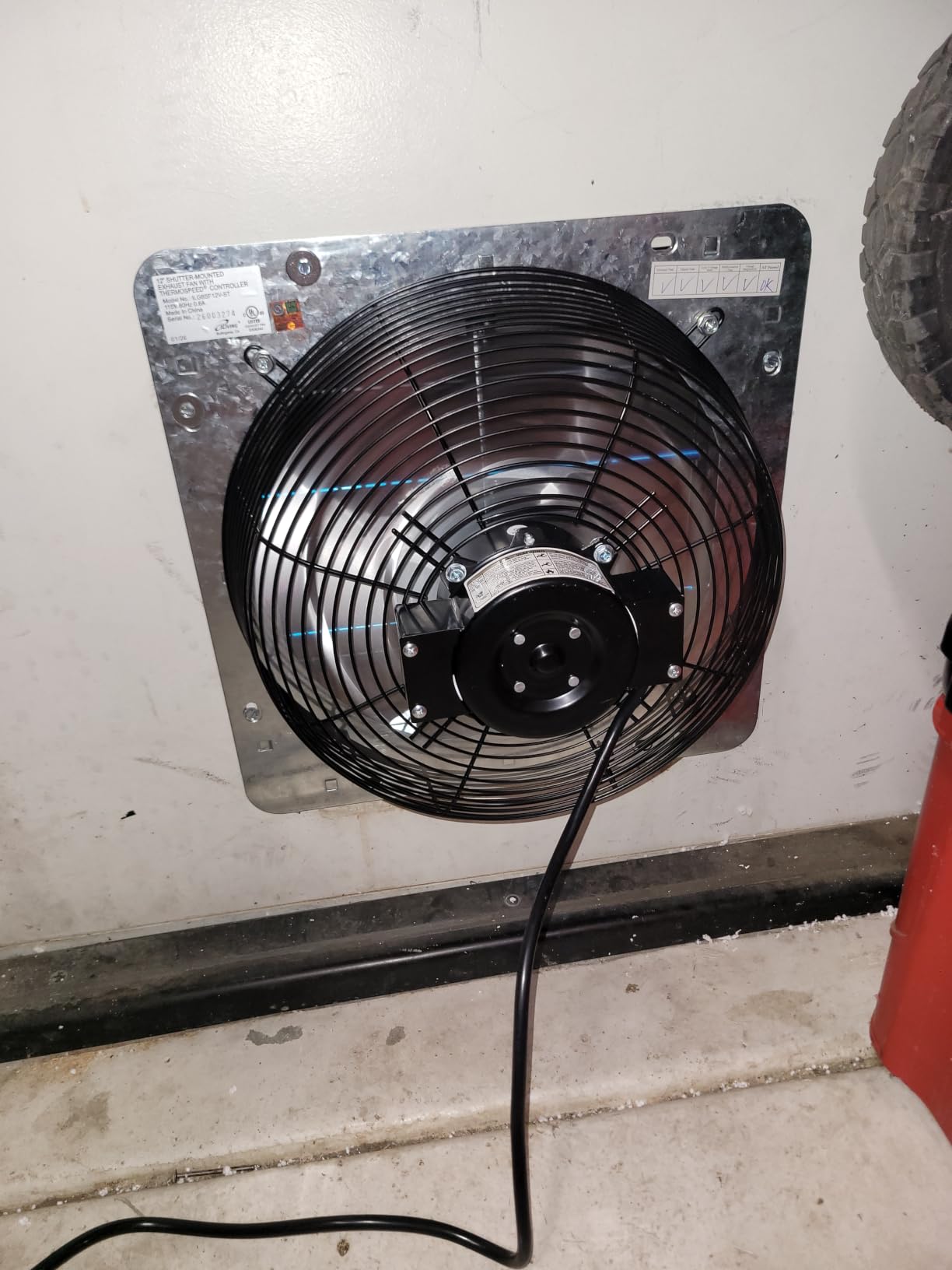
This is the fan we install first in a single-car or average two-car garage where the work is a mix of sanding, spraying and general workshop grime. The 12 inch, three-blade prop moves 960 CFM at 1650 rpm, and owners consistently report it pulling enough negative pressure to swing a garage door closed on its own, which is the practical proof that it is moving real volume rather than recirculating.
The build is what separates it from the plastic-bodied units at the same size. You get a galvanized steel frame with aluminum shutters and blades, a permanently lubricated motor rated at 65 watts, and OSHA-compliant wire guards. It is UL and cUL listed, draws 0.6 amps on 115 volts, and plugs into a standard NEMA 5-15 outlet, so no electrician is involved in most installs.
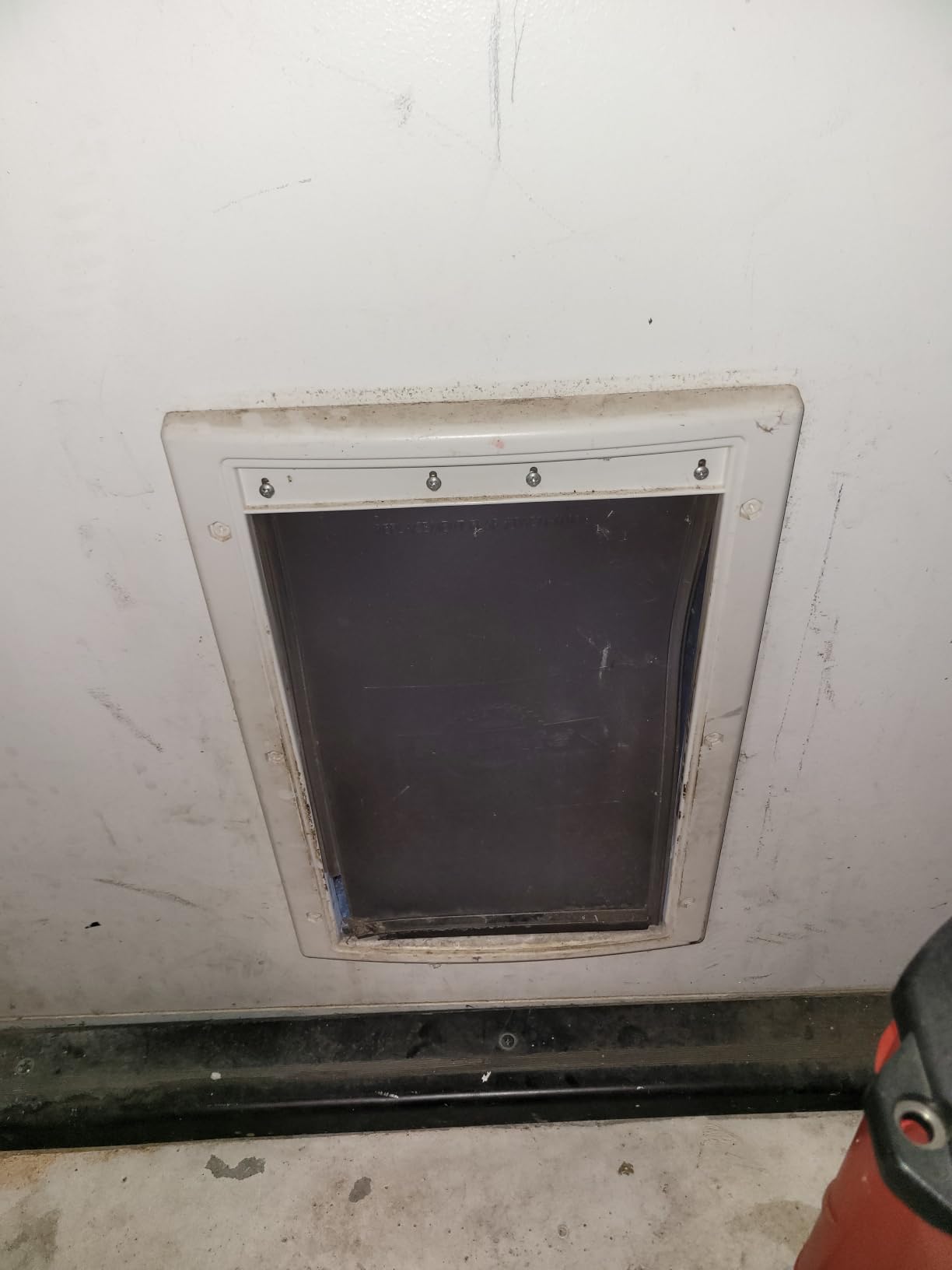
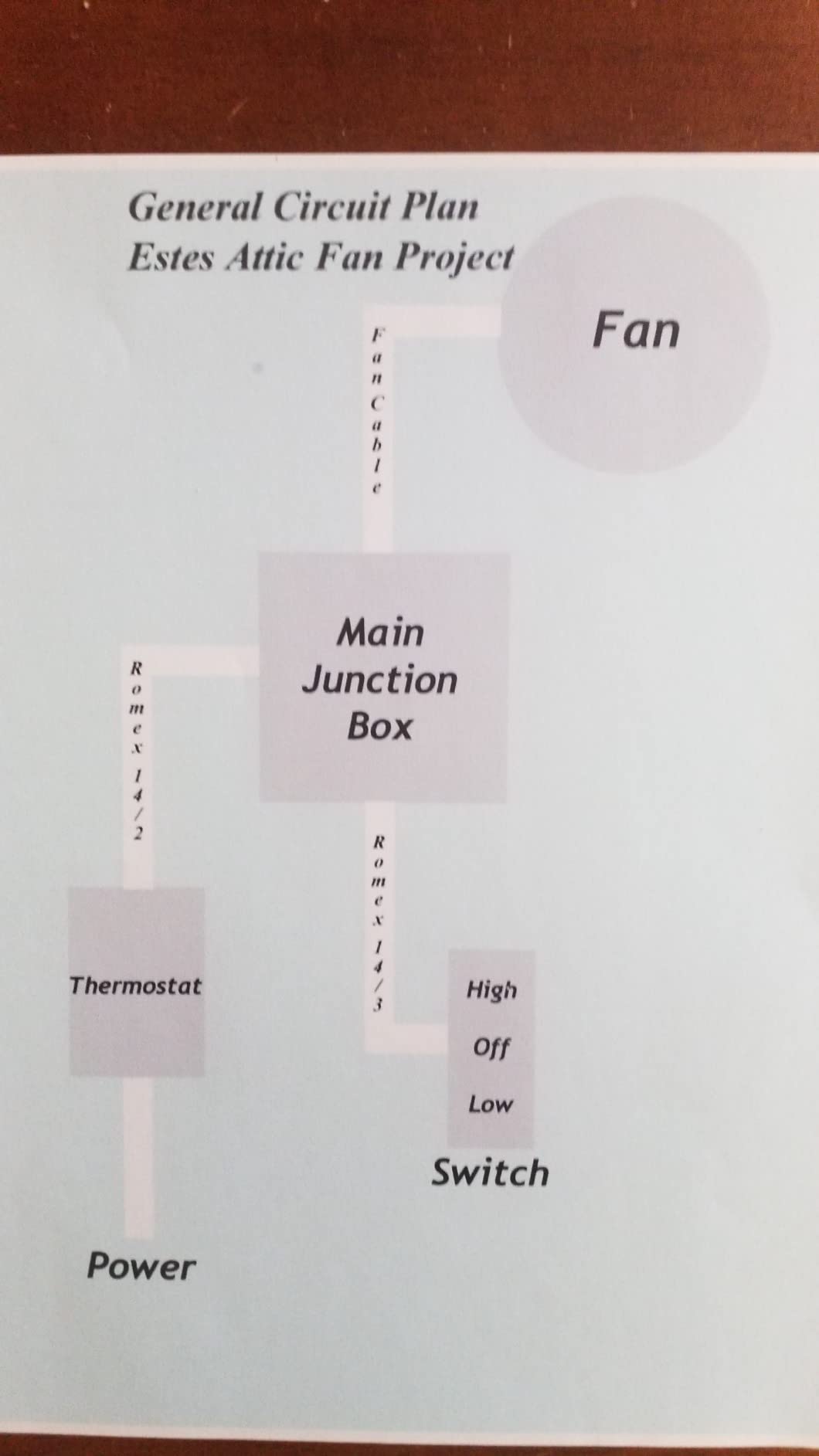
Control is where the criticism sits. The bundled Thermospeed controller has a 32 to 130F range and gives you three power levels, but a recurring owner complaint is that its scheduling drops out and runs only part of the time. Several buyers solve it by driving the fan from an external timer instead. The temperature probe is also very short, which means the control box has to sit close to the fan.
Noise lands around 65 dB, which is honest for 960 CFM through a wall opening and fine in a detached garage. In an attached garage you would want it on speed 1 or 2 rather than 3.
What CFM you actually get in practice
For a 20 by 20 by 9 foot garage, which is 3600 cubic feet, 960 CFM clears the full volume in under four minutes at the fume standard. That is fast enough to take solvent vapour down while you are still spraying, which is the difference between a fan you leave running and one you turn off because it seems pointless.
Because the louvers close on power-off, the fan is safe to leave on a schedule through winter without dragging heated air indoors. That single feature does more for fume removal than raw CFM, because it lets you run continuously without turning the garage into a heat pump.
Where it falls short
The controller is the weak point, and if your plan depends on heat-triggered venting you should plan to add a timer or swap the controller before you cut the opening. Louvers are also reported as smooth and tight by most owners but not perfectly sealed by every reviewer, so treat it as a strong seal rather than a gasketed one.
At 65 dB it is not the quietest unit here, and it is a wall fan, so you need a framed opening and a finished exterior cut. If your garage has a gable vent instead of a spare wall, the QuietCool attic units below fit better.
2. QuietCool AFG PRO-2.0 Attic Fan – Highest Rated with the Most Airflow
- Highest airflow of the wall and attic units here
- top rating in the set at 4.7 stars
- plug and play with a 20 foot cord
- two speeds
- fire safety shut off and vent covers included
- Gable vent mount only
- needs a framed opening in the attic end wall
- five-star share lower than the flagship alternatives
At 4.7 stars from 1364 reviews, this is the highest-rated unit in our roundup, and the airflow explains why: 1945 CFM on speed 1 at 108 watts, dropping to 1495 CFM at 77 watts on speed 2. In a 3600 cubic foot garage that is roughly a full air change every 55 seconds on high.
The install is genuinely the easiest here. A 20 foot power cord means no wiring at all, the mounting tabs carry anti-vibration pads that take the edge off transmitted noise, and the vent covers stop the attic pulling back through the opening when the fan is idle. The adjustable thermostat covers 50F to 120F, and there is a built-in fire safety shut off.
What you are committing to is the mount. This is a ceiling-mounted unit for a gable vent, not a wall unit, so it only works if your garage has a framed louvered opening high on an end wall or in the attic. The motor is a permanent split capacitor type, which is efficient and quiet but does not give you the fine-grained speed control of a brushless DC design.
The reviews also mention garage use beyond pure attic ventilation, with owners using it to clear humidity and heat from enclosed spaces. At this output, a humid closed garage is exactly the application it suits.
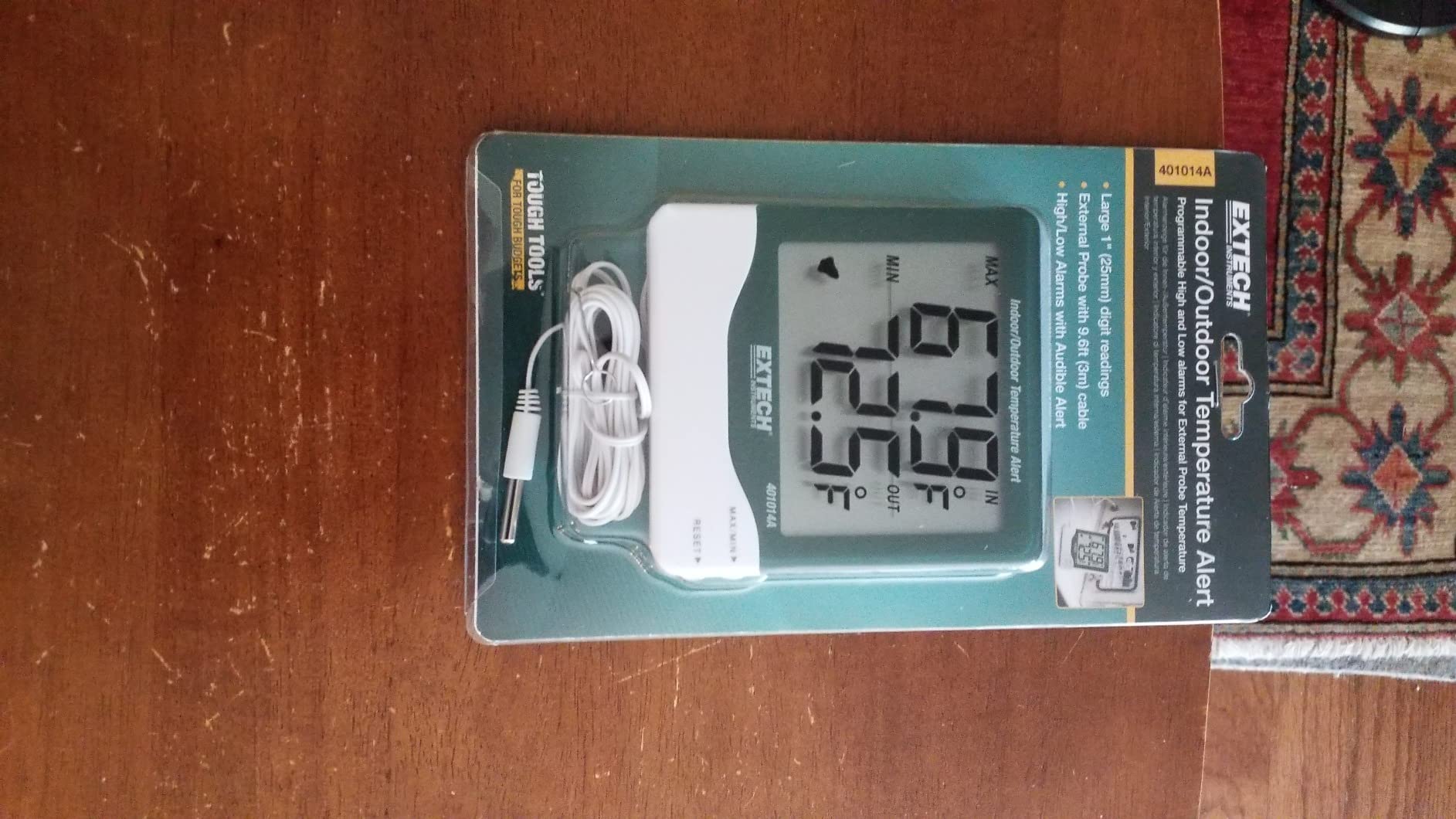
When a 1945 CFM attic fan is the right call
Choose this when the garage is large, damp and closed up for months, and when you can exhaust into a gable vent. Two-speed operation is genuinely useful in that setting: run speed 2 through the afternoon and speed 1 whenever you are working with solvent or paint, which keeps noise and power draw down during the hours you are actually in there.
It is also the pick if you cannot get an electrician to run a circuit to a wall. The plug-and-play setup with a 20 foot cord is the reason it carries the highest rating in the set among wall-and-attic units.
Where it falls short
If your only opening is an exterior wall with no gable vent, this fan is not installable without framing an opening, and that turns a Saturday job into a carpentry project. The PSC motor is also older technology than the EC units here, so at 108 watts on high it is less efficient than a comparable brushless DC fan, even though the airflow is larger.
Be realistic about the noise in an attached garage. It is a 1945 CFM fan, so it will be heard in the room above the gable unless you run it on speed 2.
3. KEN BROWN 12 Inch Shutter Fan – Budget Pick for Heavy Fume Work
- Very high airflow for a budget unit
- quiet for the output
- all aluminum shutters and blades
- automatic 135C thermal cutoff with restart
- sizes from 10 to 24 inch
- Base version has no power cord
- single speed only
- no thermostat or remote in the base configuration
The KEN BROWN is the answer when the budget is fixed and the fume load is not. At 1450 CFM it out-moves the fan in our number one slot by half again, and it does it on a 55 watt enclosed copper ball bearing motor turning at 1600 rpm, published at under 60 dB.
Construction is the reason it holds up in a garage. The frame is galvanized steel and both the shutters and the blades are aluminium, so damp air and sawdust do not eat it. There is an automatic 135C thermal protector that cuts power and restarts itself, which lets you run it unattended through long spray sessions.
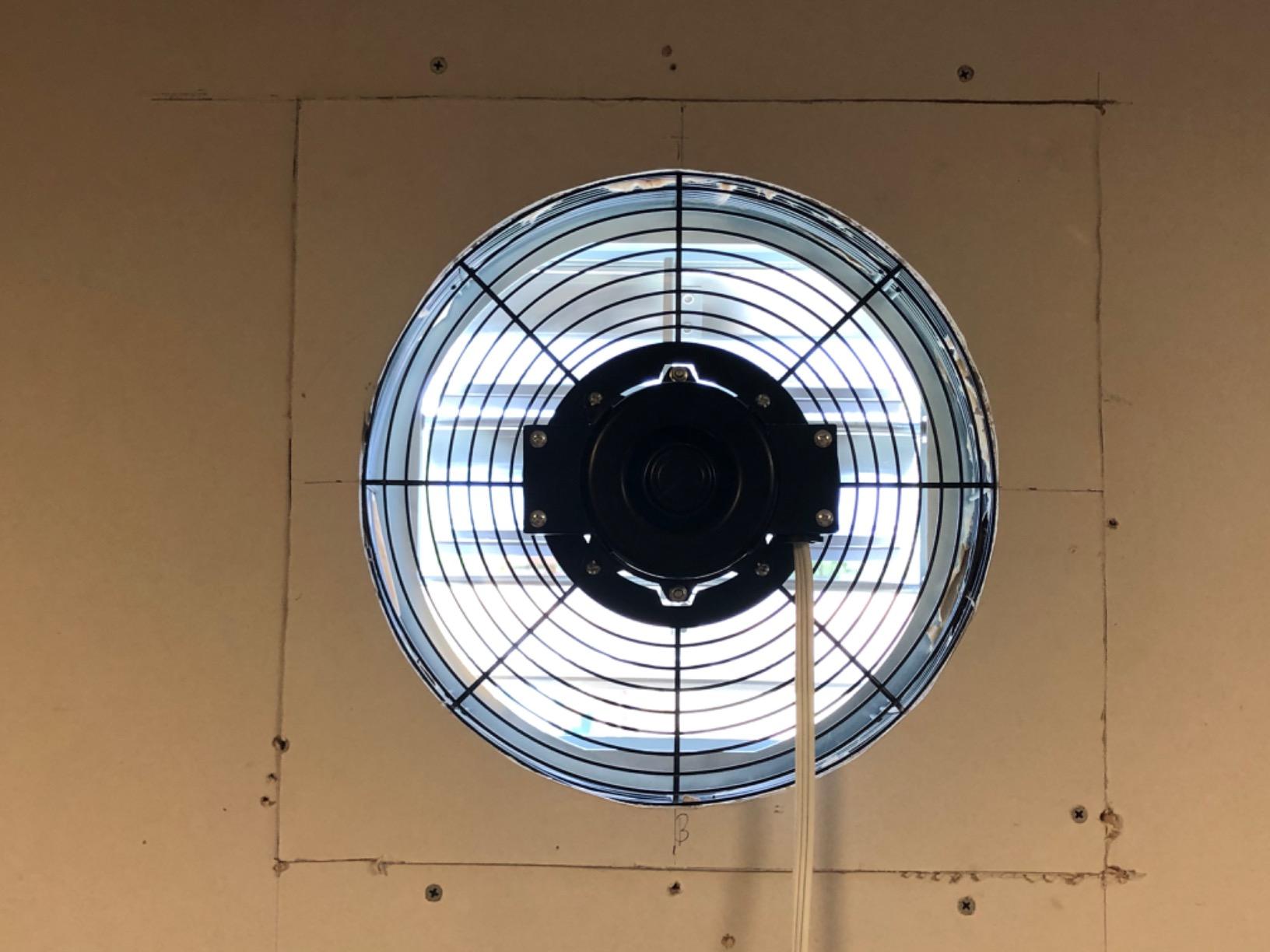
The louvers open when powered and close tightly when it stops, blocking rain, insects and winter heat loss. For a fume application that auto-close behaviour is not a nicety: it is what stops your ventilated garage from becoming a backdraft path into the house.
Owners describe it as a workshop and greenhouse workhorse, and the range covers 10 to 24 inch sizes if you later want more capacity on the same mounting pattern.
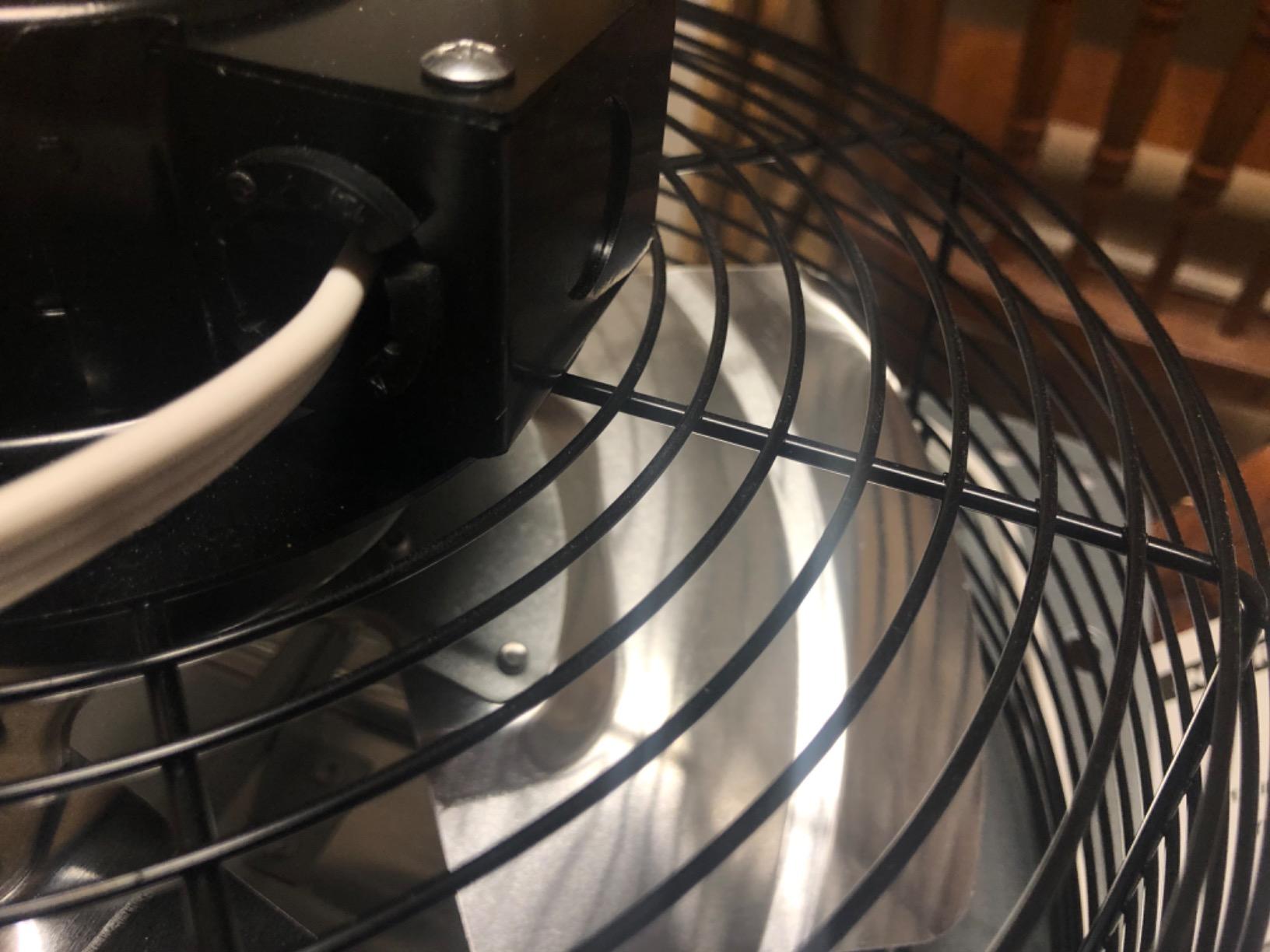
What you give up for the airflow
The base version does not include a power cord, so budget for that or for wiring it in. It is also single speed unless you buy the speed-controller variant, and there is no thermostat or remote in the base configuration. In practice most owners add a timer, which is fine for scheduled ventilation but means no heat-triggered response.
Noise is under 60 dB by the maker’s figure, which is better than several pricier units, but a single-speed fan runs at that level whenever it is on. There is no low setting to retreat to when someone is sleeping above the garage.
Best use case for this fan
This is the pick for a two-car garage used as a paint or solvent workspace where you want maximum dilution and do not care about bedroom-adjacent noise. Pair it with a make-up air duct or a propped garage door and it will clear a two-car space faster than anything else at this tier.
Skip it if you plan to run the fan overnight on a schedule that a thermostat would normally trigger, because single speed and no cord add friction to that setup.
4. AC Infinity AIRLIFT T12 – Most Versatile for Quiet Smart Control
AC Infinity AIRLIFT T12 Shutter Exhaust Fan 12″ with Environment Controller
- Near silent at low speeds and about 55dB at top speed
- temperature and humidity triggers with adjustable thresholds
- complete mounting hardware
- strong customer service that replaced a unit
- Louvers leave roughly a 5mm gap when closed
- cut-out size is not stated in the listing
- less airflow than cheaper metal competitors
- no voice assistant integration
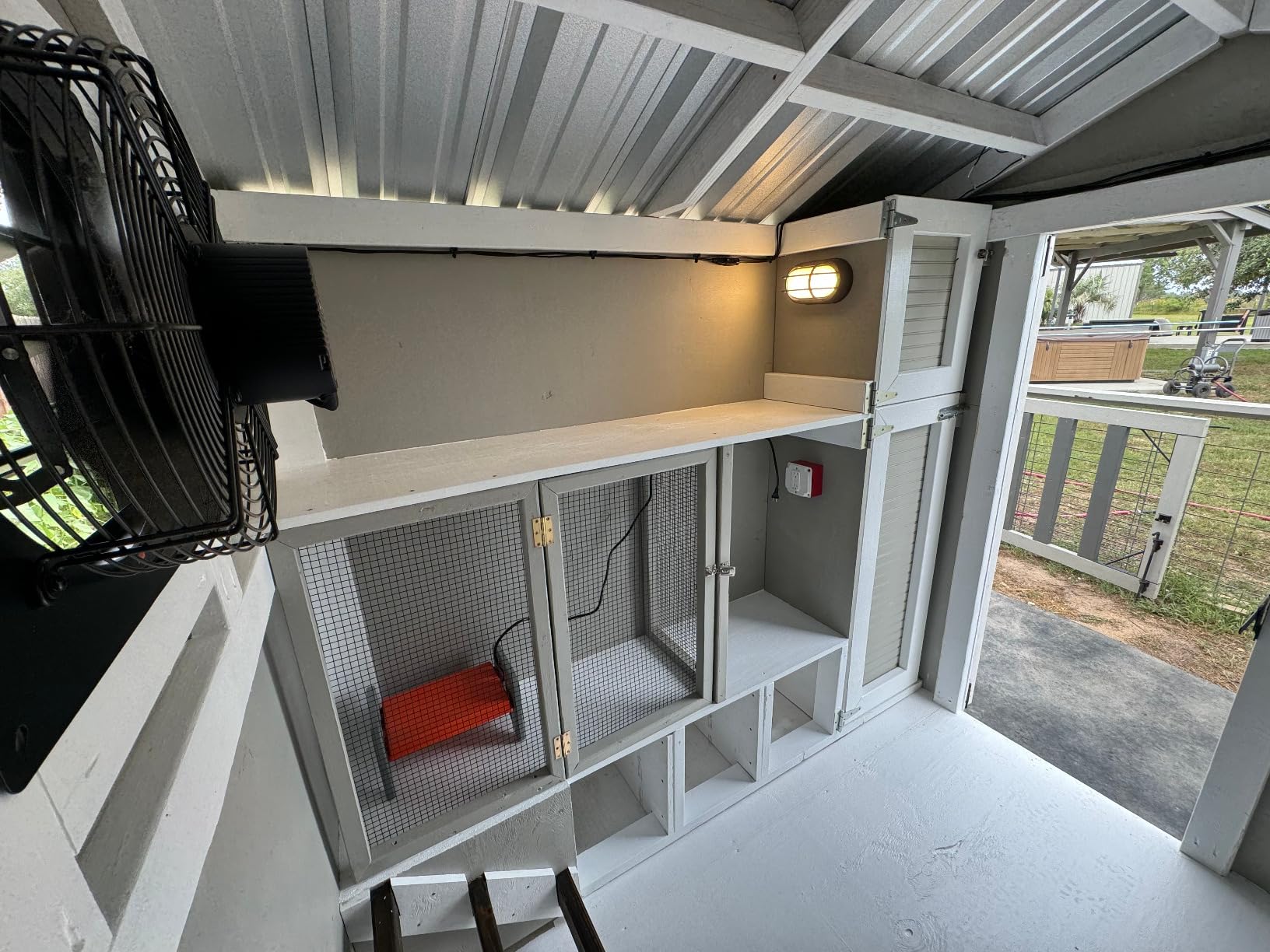
The AIRLIFT T12 is the fan people mean when they say AC Infinity is the best brand, and it earns that reputation on control rather than on raw output. The brushless motor offers 10 speed settings through a WiFi app, a wired remote and on-unit buttons, with temperature and humidity triggers you can set to both high and low cutoffs.
Owners repeatedly single out the quiet operation, particularly at low speeds where the fan is close to inaudible, and the temperature probe that reacts quickly enough to drop a greenhouse by 10 to 15 degrees. Power draw is measured at roughly 44W at speed 10 and about 2W at speed 0, which is the efficiency story an EC motor is supposed to deliver.
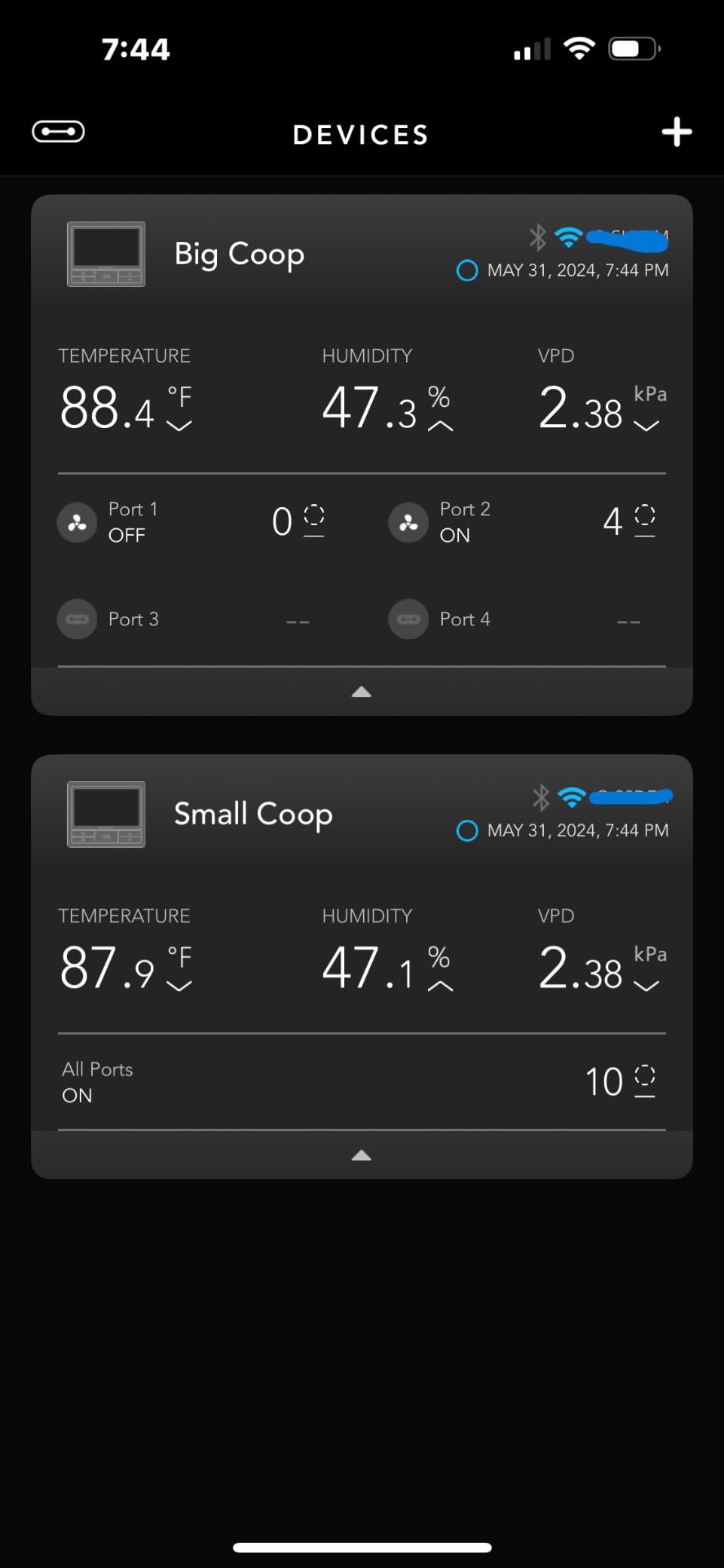
Support is a real strength too. Owners report full replacement units sent when a controller failed, and the mounting kit includes nuts, bolts, screws and adhesive cable ties so the install is not left half finished.
The honest weakness is that 830 CFM is modest next to the metal units on this list, and at the top of this range you are buying automation rather than air movement. If your garage volume is large and your main problem is volume of fumes, the QuietCool attic units move considerably more.
Why the smart control matters for fumes
Fume work is intermittent. You spray for twenty minutes, then clean up for an hour. A fan with humidity and temperature triggers runs hard when it needs to and idles at low speed otherwise, which is exactly the behaviour that keeps solvent vapour down without running a 1450 CFM unit all evening. The low cutoffs are what stop it from cycling uselessly.
For anyone who already runs a smart home, having garage air on the same app as the rest of the house is the feature that justifies the step up in cost. Settings are reported to survive a power loss, which is more than most competing controllers manage.
Where it falls short
The louvers do not fully seal. One detailed review measured roughly a 5mm gap at the edges when closed, which lets insects and cold drafts in and is worth knowing about if your garage is a bug-prone space or you are venting in winter.
Measure the cut-out before you cut the wall, because the flange and cut-out dimensions are not stated in the listing. There is no voice assistant integration either, only Bluetooth and app control.
5. VEVOR 16 Inch Shutter Fan – Best for Large Garages and Workshops
- Very high airflow for a wall-mounted unit
- powder coated steel housing tolerates damp conditions and rain
- automatic rain guard shutters
- relatively quiet for its size
- Speed controller and power plug are not included
- some units arrive with a failed capacitor
- weak motor start reported on some units
- higher share of one-star reviews than the leaders
If your garage is a two-car-plus workshop with a high ceiling, the 16 inch VEVOR is the wall-mounted option with the headroom to clear it. The listing headline states 2438 CFM, with the specification sheet giving 2000 CFM, and the blade tip speed up to 7.3 m/s. Either number puts it well ahead of the 12 inch units for a large volume.
The housing is powder coated steel rather than plastic, which is exactly what The Garage Journal forum members ask for when they report siding flex on smaller units. At 115 watts published, or 77W in the motor line, it is efficient for the volume it shifts, and owners report cooling greenhouses from 115F down to around 100F.
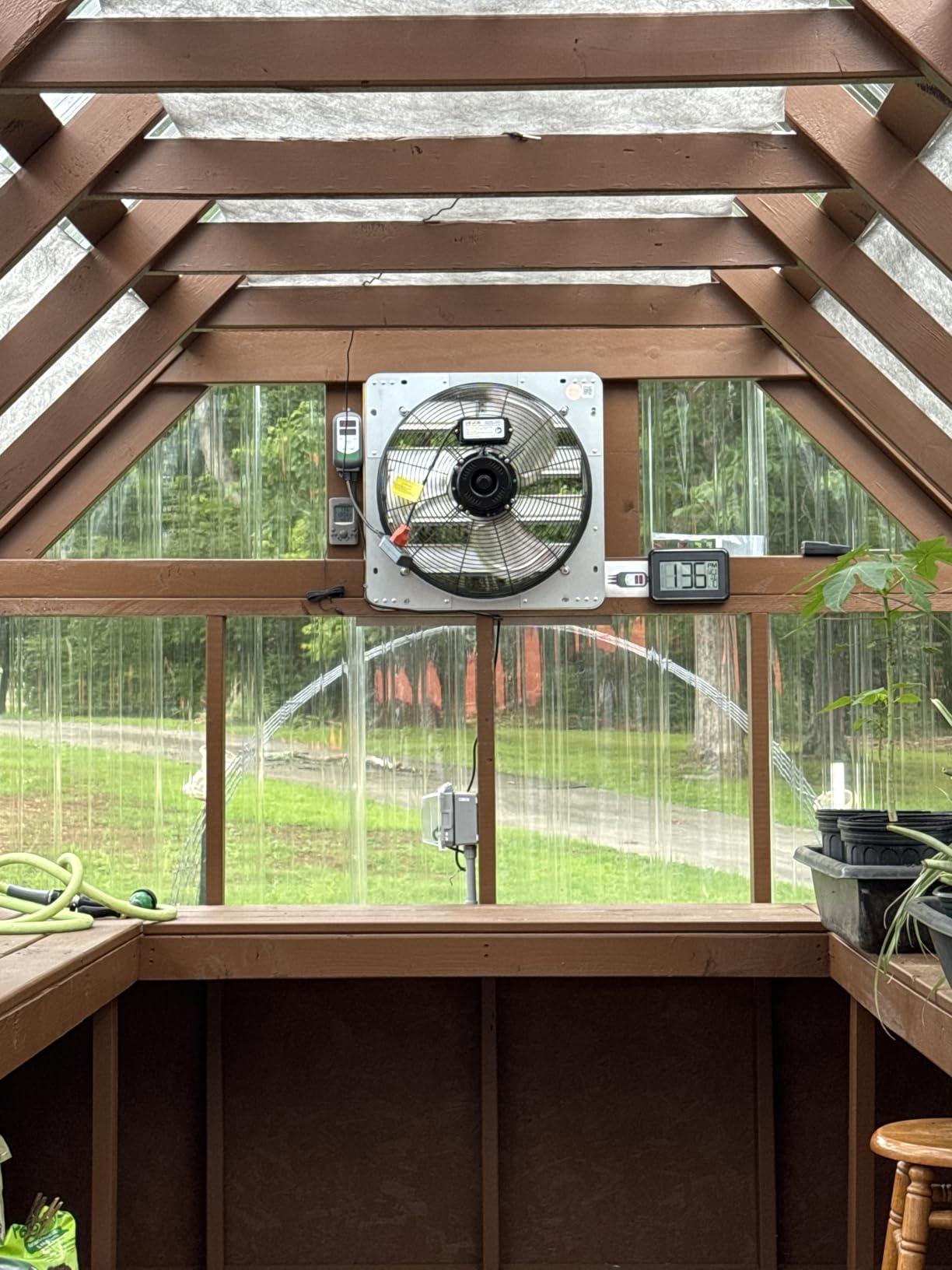
Shutters open when powered and close when off, so the opening is sealed against rain and pests the rest of the time. Sizes run from 10 to 36 inch if you need to step up later.
This is where quality control gets mentioned. About 7% of reviews are one star, the highest share among the leaders here, and the specific complaints are units arriving with a failed capacitor that will not start, plus weak motor start where the fan cannot spin up far enough to lift the louvers on first power-up. That is a real risk if you are installing in the autumn with cold mornings ahead.
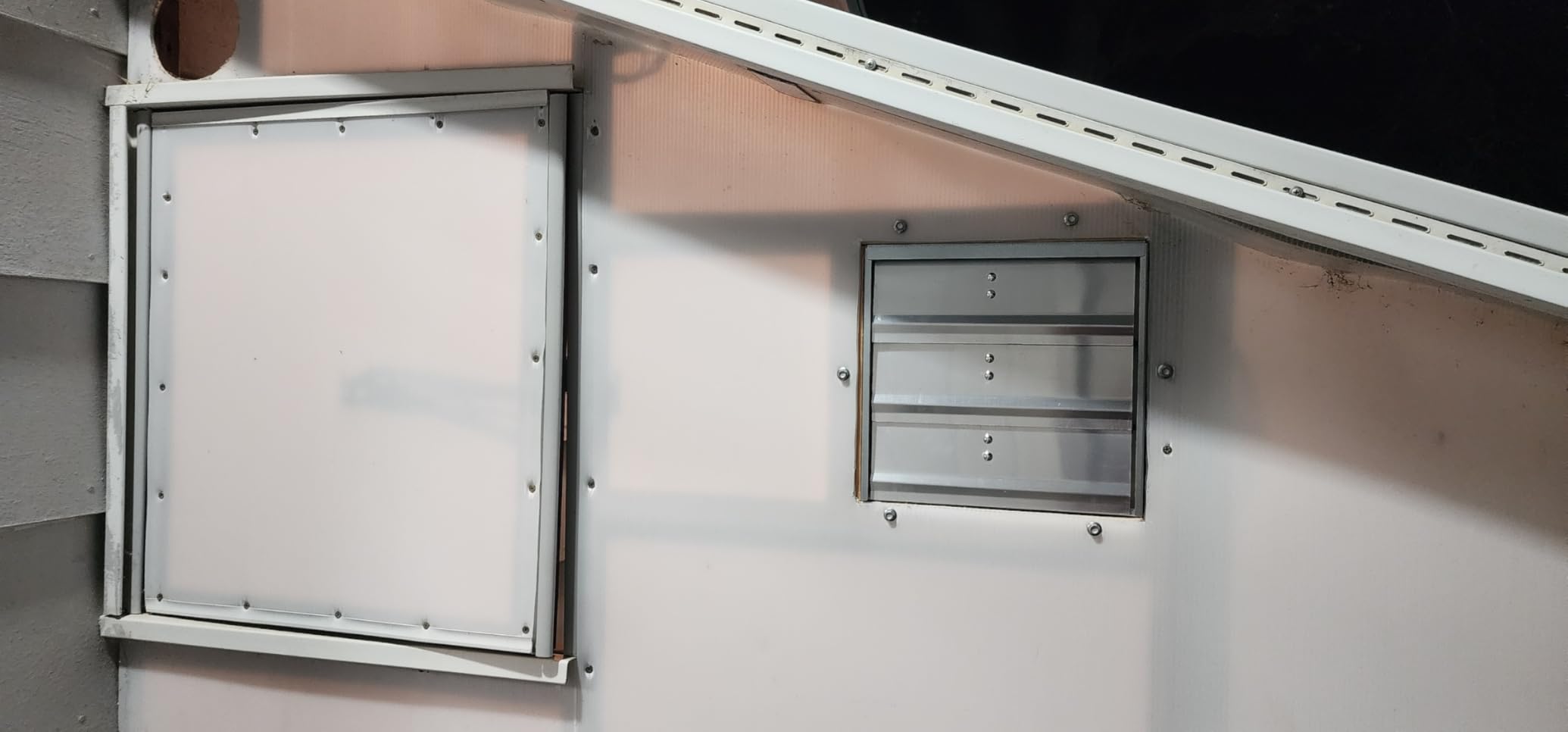
Where 2400 CFM actually changes the outcome
In a 20 by 30 by 10 foot garage, 6600 cubic feet, one full air change at the fume standard needs about 6600 CFM delivered per minute, so no single fan achieves a complete per-minute exchange. What a fan this size does is cut the concentration dramatically: from 2400 CFM you clear the volume roughly every three minutes, which is fast enough to keep solvent vapour below noticeable levels during spraying.
That is also why the make-up air path matters more here than anywhere else on this page. High output fans starve themselves quickly without a dedicated intake.
Before you buy
The speed controller and power plug are not included and must be bought and wired separately, so budget for an electrician if your panel is not right next to the install. Confirm the motor starts the louvers cleanly before you close the wall, and keep the receipt.
If you are working next to a bedroom or living space, note that a 16 inch prop at full output is not a background sound. Pair it with a variable speed controller and run it at part speed rather than at maximum.
6. HG Power 10 Inch Metal Fan – Best for Small Garages and Shops
- Genuinely high airflow for a 10 inch unit
- all metal construction including the blades
- 8 foot cord with integrated on-off switch so no wiring
- backdraft damper included
- Loud
- with users reporting it is too noisy for conversation
- backdraft flap does not close tightly
- motor seizure reported after roughly 8 to 12 months by some owners
- cord exits through the front of the housing
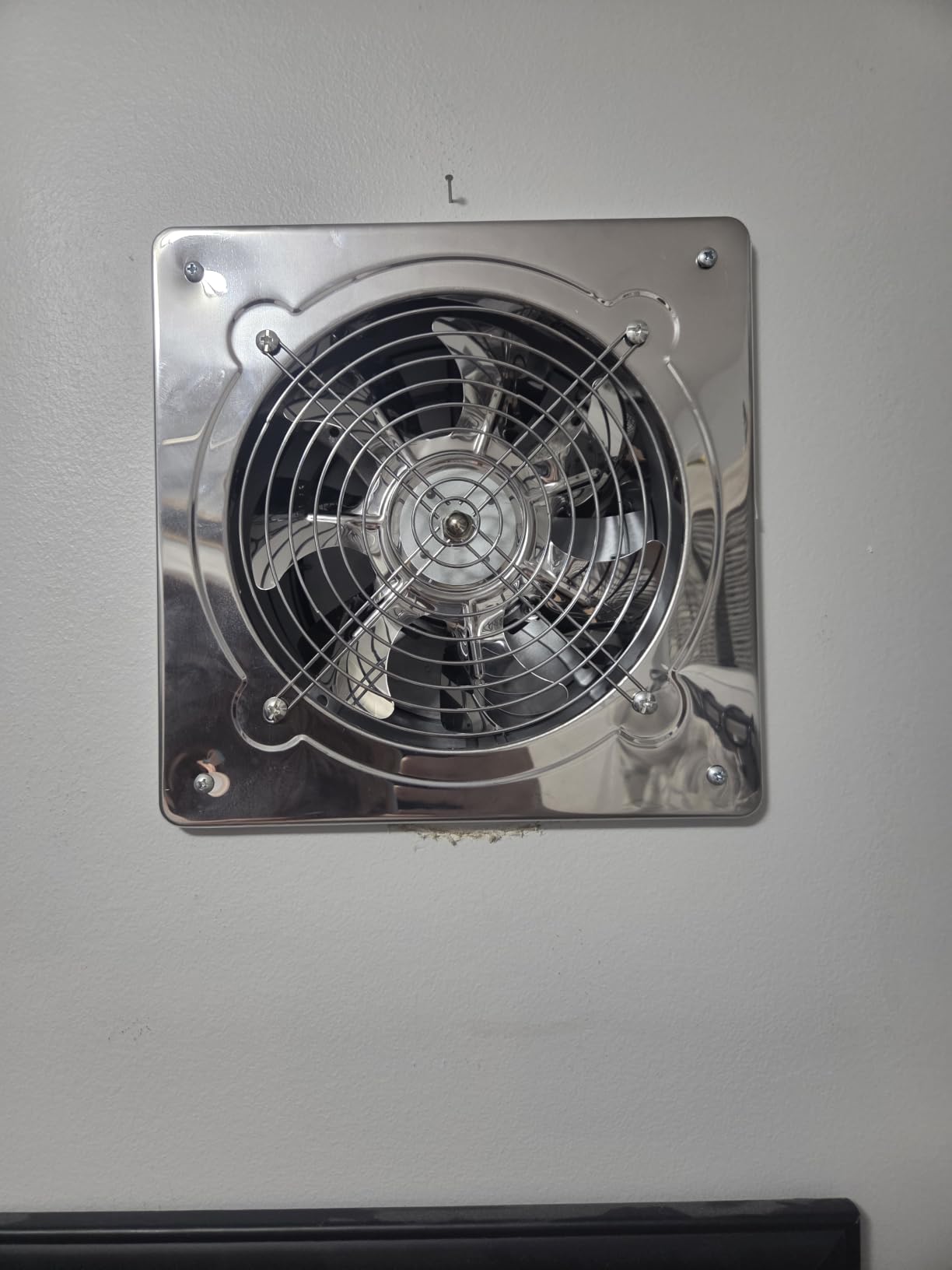
This is the pick when the garage is a single-car space, a shed, or a small shop and the priority is metal construction at a modest size. At 988 CFM from a 10 inch fan with 7 metal blades spinning at 2580 rpm, it outperforms several 12 inch plastic-bodied units, and one grower reports it out-pulling a 190 CFM inline fan for odour control.
Everything metal is the point. The blades, housing and damper are all metal, which is what you want in a sawdust or solvent environment where plastic housings crack and deform. It comes with an 8 foot cord and an integrated on/off push button switch, so there is no wiring at all.
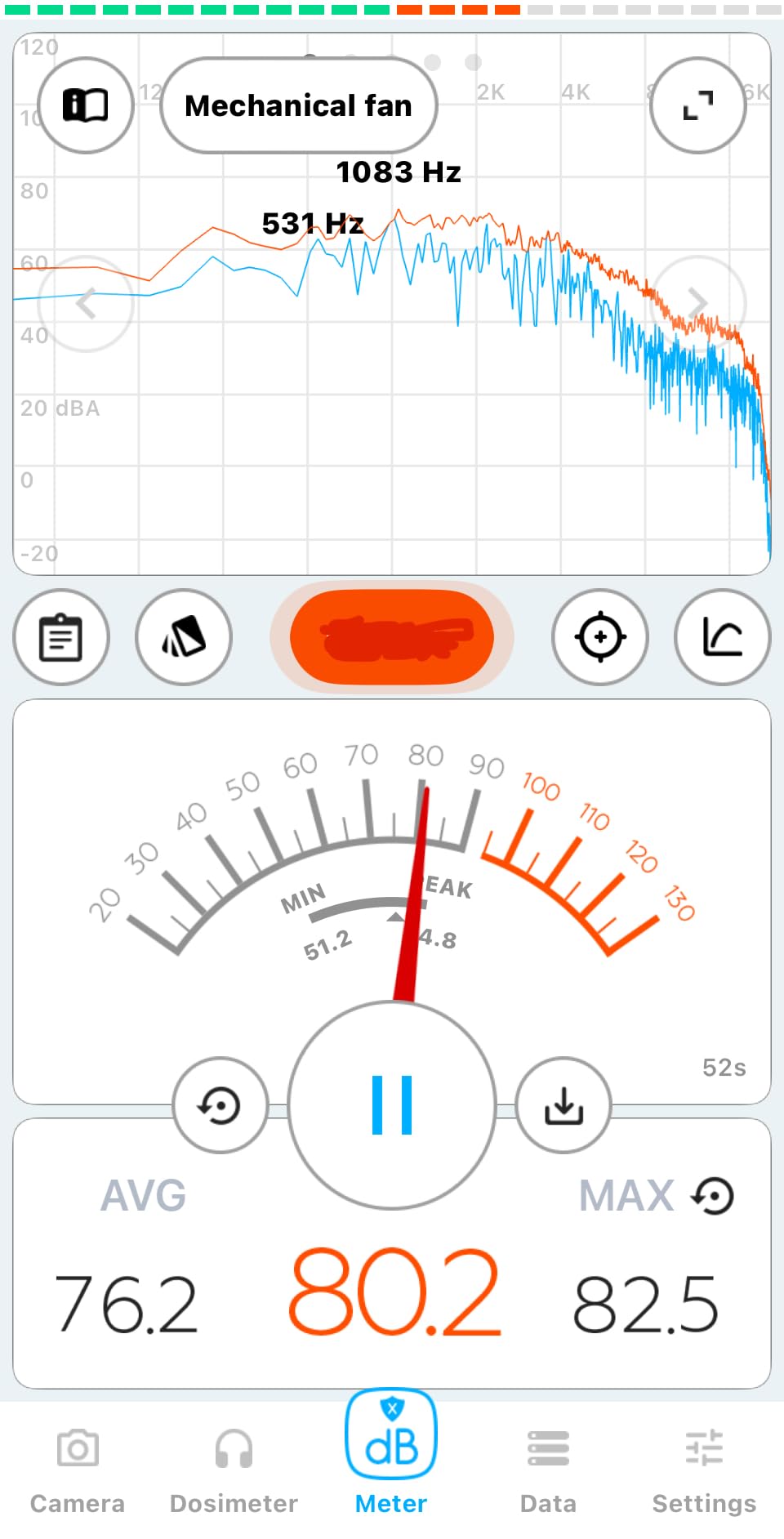
The rating is the lowest in our set at 4.2 stars, and the reason is consistent across reviews: noise. Users describe it as too loud for conversation and unsuitable near neighbours. At 74.5 watts and 2580 rpm, that is the trade for the compact high output.
There are also durability reports of motor seizure after roughly 8 to 12 months on a minority of units, and the backdraft flap is reported not to close tightly enough to keep flies and mosquitoes out, which limits its value in a chicken coop or a garage in summer.
Best fit and when to skip it
For a single-car garage, a garden shed or a small workshop where you want maximum extraction and do not mind a noisy machine, this is the pick. The front-mounted cord switch means you can cut power from the fan itself without walking back to a receptacle.
Skip it if the garage shares a wall with a bedroom, if you want it to run for years without replacement, or if you need insect exclusion, because the damper gap defeats the backdraft function it is supposed to provide. There is also no matching trim ring or hood, so the finished look of the wall opening is plain.
7. iPower 14 Inch Shutter Fan – Best for Unattended Temperature-Triggered Venting
- Temperature controller is accurate and allows fully unattended operation
- corrosion-resistant aluminum louvers and blades
- gravity-close shutters block insects when off
- arrives mostly assembled for a fast install
- Louvers sometimes do not close completely
- supplied power cord is short and needs an extension
- only one cord strain relief included
- the conduit connector for the control box is missing
- thermostat wiring is very short
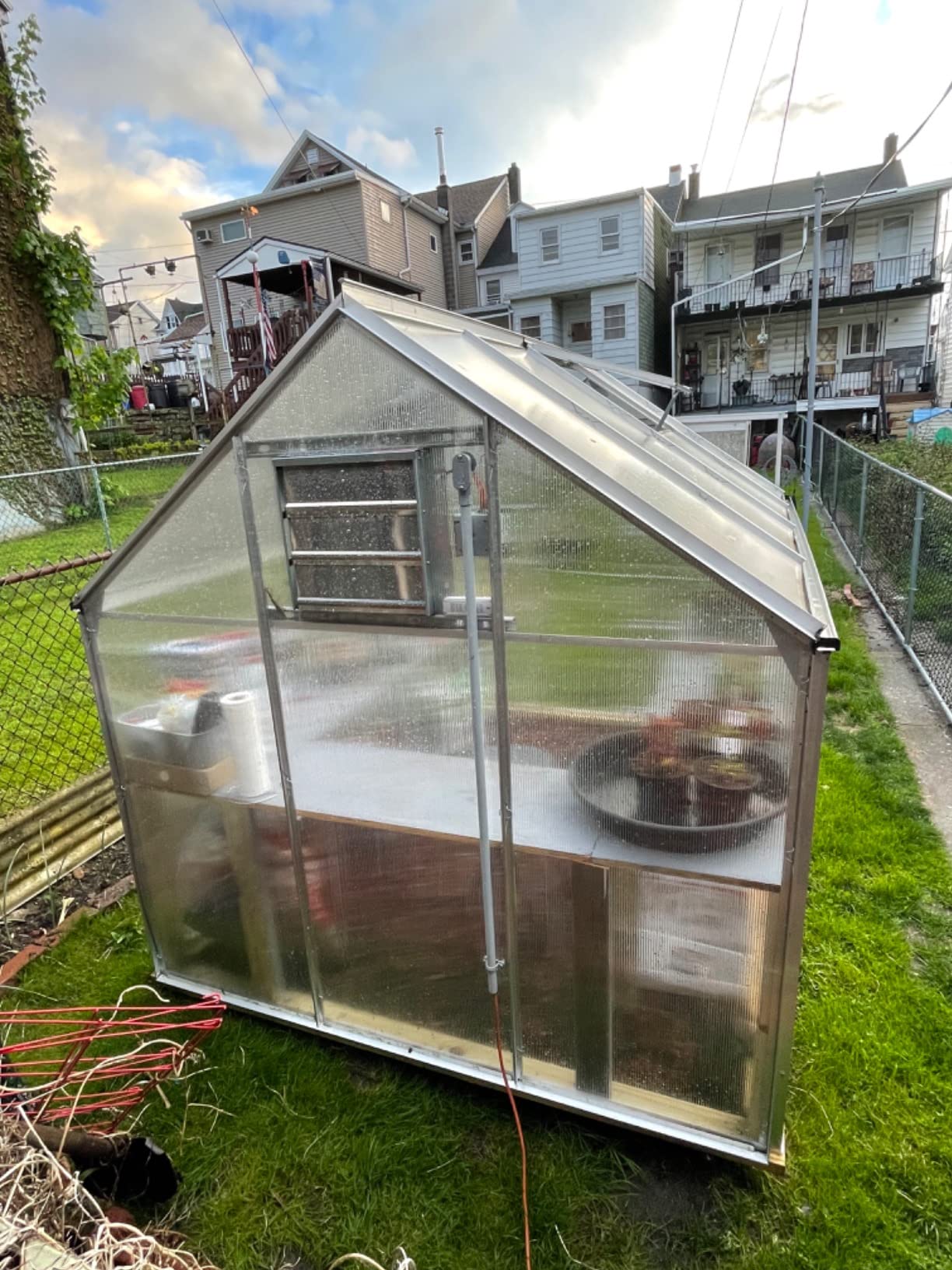
The iPower is a 14 inch wall unit rated at 1000 CFM and 1600 rpm, and what separates it is the temperature controller. It runs 115 to 120 volts at up to 13 amps and 1200 watts, has 8 levels, and is adjustable from 50F to 120F, so it will trigger ventilation on heat without any help from you.
That matters for fume work done intermittently. If the job runs two hours and then you leave for dinner, a thermostat-controlled fan clears the residual vapour without you deciding to switch it on, and owners describe it working accurately across repeated cycles.
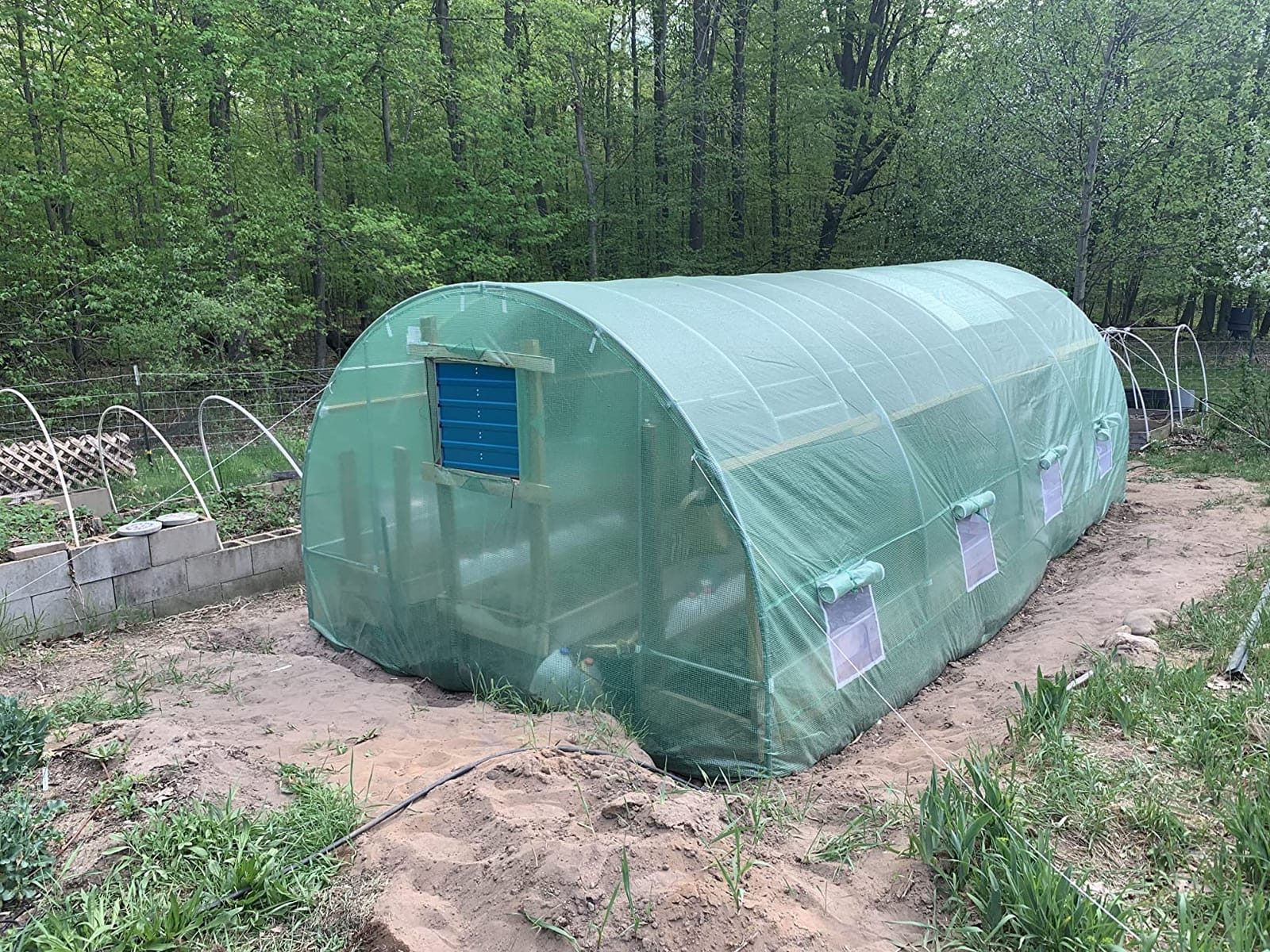
The blades and louvers are aluminium on a steel frame, chosen for corrosion resistance in damp, dusty air, and the gravity-close shutters mean the opening is sealed when the fan stops. Reported cooling is substantial, including over 20 degrees in a small greenhouse and a sustained 10 to 12 degree differential in larger ones.
It arrives mostly assembled, so the install is mounting the frame, connecting the cord and the controller.
Plan the install around the missing parts
Reviewers report a small parts list that is not in the box: only one cord strain relief, a short power cord that needs an extension to reach a receptacle or a stud, and a missing half-inch conduit connector for the supplied control box. One owner also had a thermostat that failed and had to wire the fan directly. Budget an evening and a short parts run before you start.
Because the thermostat wiring is very short, the control box has to sit within inches of the fan, which usually means inside the garage rather than in the house. That is a good arrangement for a garage you are not in constantly.
When it is the wrong choice
Louvers sometimes fail to close fully after a run, leaving a gap where insects get in. If your garage is a known bug problem area, the auto-close on this unit is less reliable than the reported behaviour on the KEN BROWN.
At 1000 CFM it is mid-range for a 14 inch fan, so if your primary problem is solvent fume in a large space, look at the 16 inch VEVOR or the QuietCool attic units for more volume.
8. addlon 12 Inch Remote Fan – Best Value with a Modern EC Motor
- Sealed EC motor delivers strong airflow on about 24W
- remote with 8 speeds and an auto-off timer
- all metal build from shutter to connectors
- plug and play with a remote bracket that works as a wall switch
- lightest unit here at 7.1 pounds
- No thermostat
- remote and button control only with no app
- black finish suits a utility space better than a finished room
The addlon is the value route into an electronically commutated motor. A sealed brushless DC motor spins to 1948 rpm and moves 1250 CFM while drawing only about 24 to 25 watts, which is roughly a third of what the AC motor units in this list use for less air.
Control is the remote: on and off, 8 speed levels, and a 1 to 8 hour auto-off timer. A mounting bracket is included so the remote can sit on the wall and act as a switch, which is more convenient than reaching for a pull chain or a wall panel across the garage.
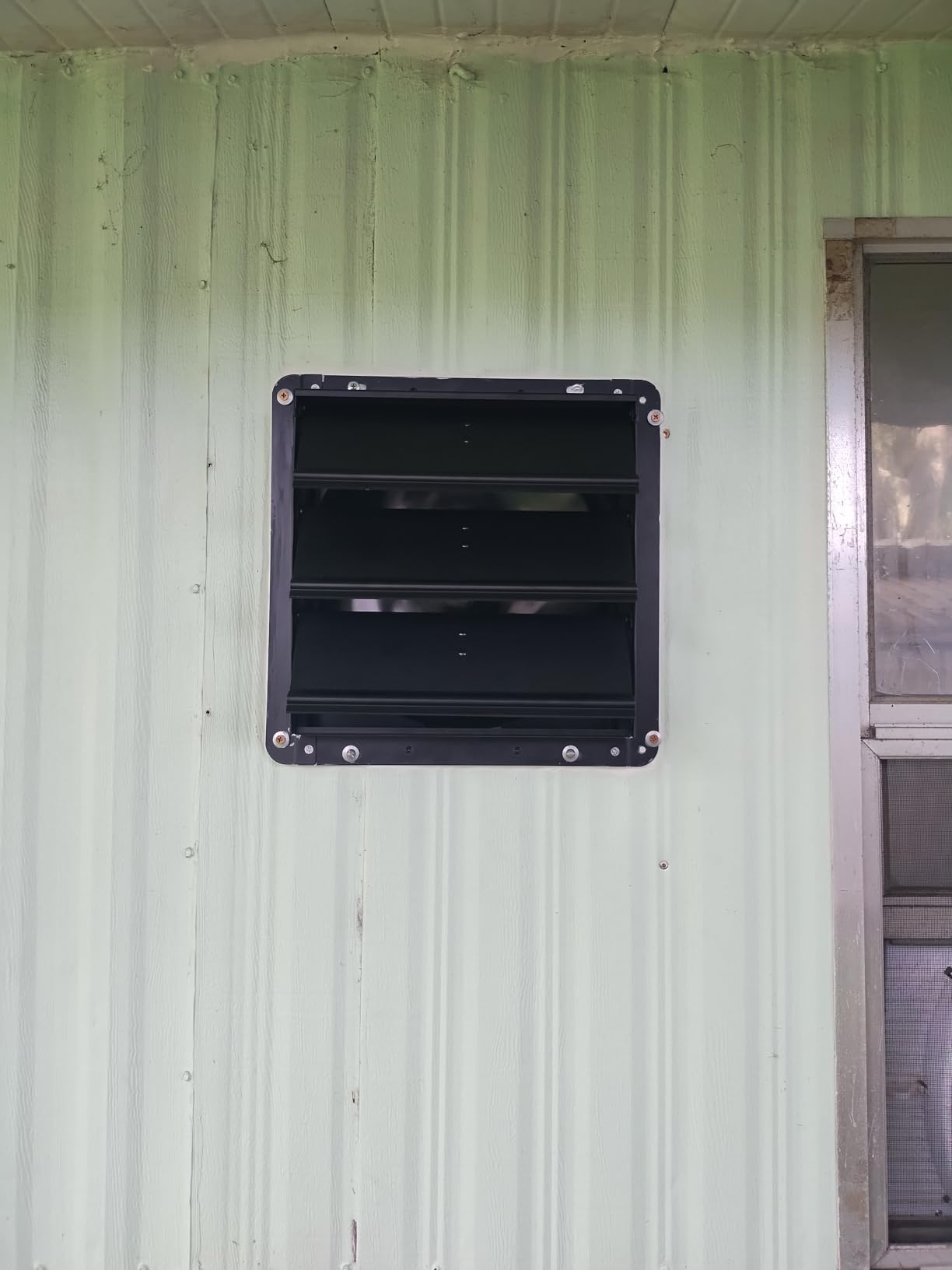
Everything is metal, from the shutter and mesh cover to the body and connectors, which is the combination owners credit with surviving transit and service without deforming. At 7.1 pounds it is also the lightest fan here, which matters if you are cutting a header into an exterior wall solo.
The grille is 14.97 inches with 12.9 inch louvers, the mountable depth is 8 inches, and the cord runs 6.56 feet.
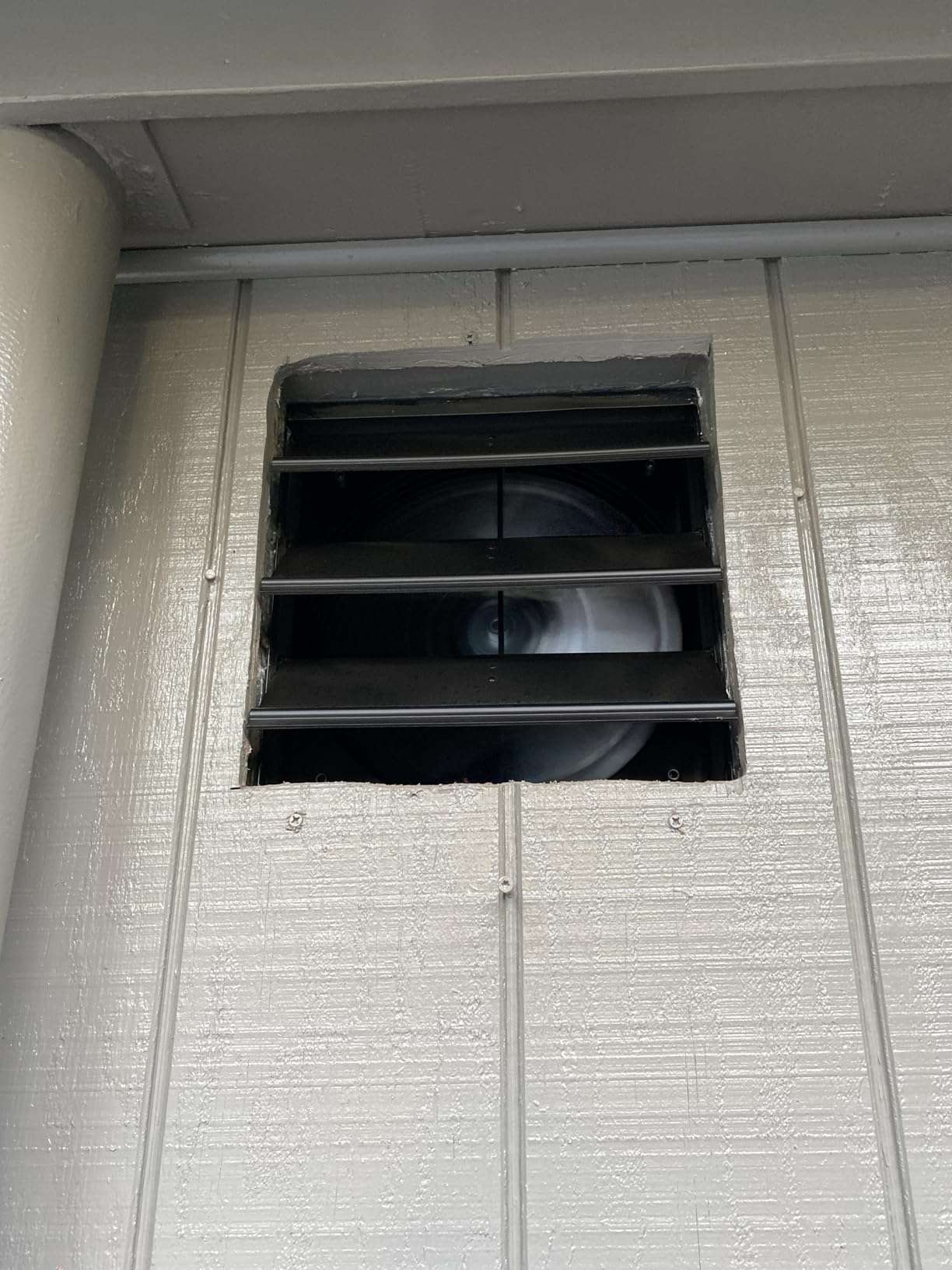
Why an EC motor matters for daily use
Low wattage changes how you run a fan. At 24W you can leave it on low speed for hours during a long spray session without thinking about the running cost, and the sealed motor has no brushes to wear out. If your garage is used most days of the year, that efficiency compounds.
Eight speed levels also give you the low-speed background setting that single-speed budget fans cannot, which is what makes it viable in an attached garage for light-duty ventilation between projects.
What you have to add yourself
There is no thermostat, so heat-triggered venting means adding a separate temperature controller. Control is remote and button only, with no app or smart home integration. The black finish is a utility look rather than a decorative one.
If you want hands-off automation, look at the iPower controller fan instead. If you want raw metal and single-speed simplicity at the same tier, the KEN BROWN covers more volume.
9. VEVOR 12 Inch Air Mover – Best for Spray Booths and Temporary Exhaust
VEVOR Air Mover Blower Fan 12 Inch, 3198CFM 585W with 33ft Flexible Duct, Industrial Portable Ventilator Blower/Exhaust, Orange
- Highest raw airflow here at 3198 CFM
- includes a 33 foot flexible duct so you can exhaust outside or into a duct run
- portable floor stand with handle and rubber feet
- IP44 water resistance with overheat protection
- ETL certified steel construction
- Loudest option at 79 dB
- 585W draw is the highest by far
- free-standing and not a permanent installation
- one-star share of 11% is the second highest here
This is the only floor-standing fan in the set and the only one that ships with duct, which makes it the right tool for a temporary or filtered exhaust setup. A 585 watt AC motor at 3370 rpm moves 3198 CFM, and the 33 foot flexible duct lets you route that air out of the building or into a filtration stage.
That is the setup a furniture refinisher or auto painter actually needs. In a refinishing group thread, members ask for the most powerful and effective exhaust fan they can run to hold a sealed spray area under negative pressure, and ducting is what makes that possible at all.
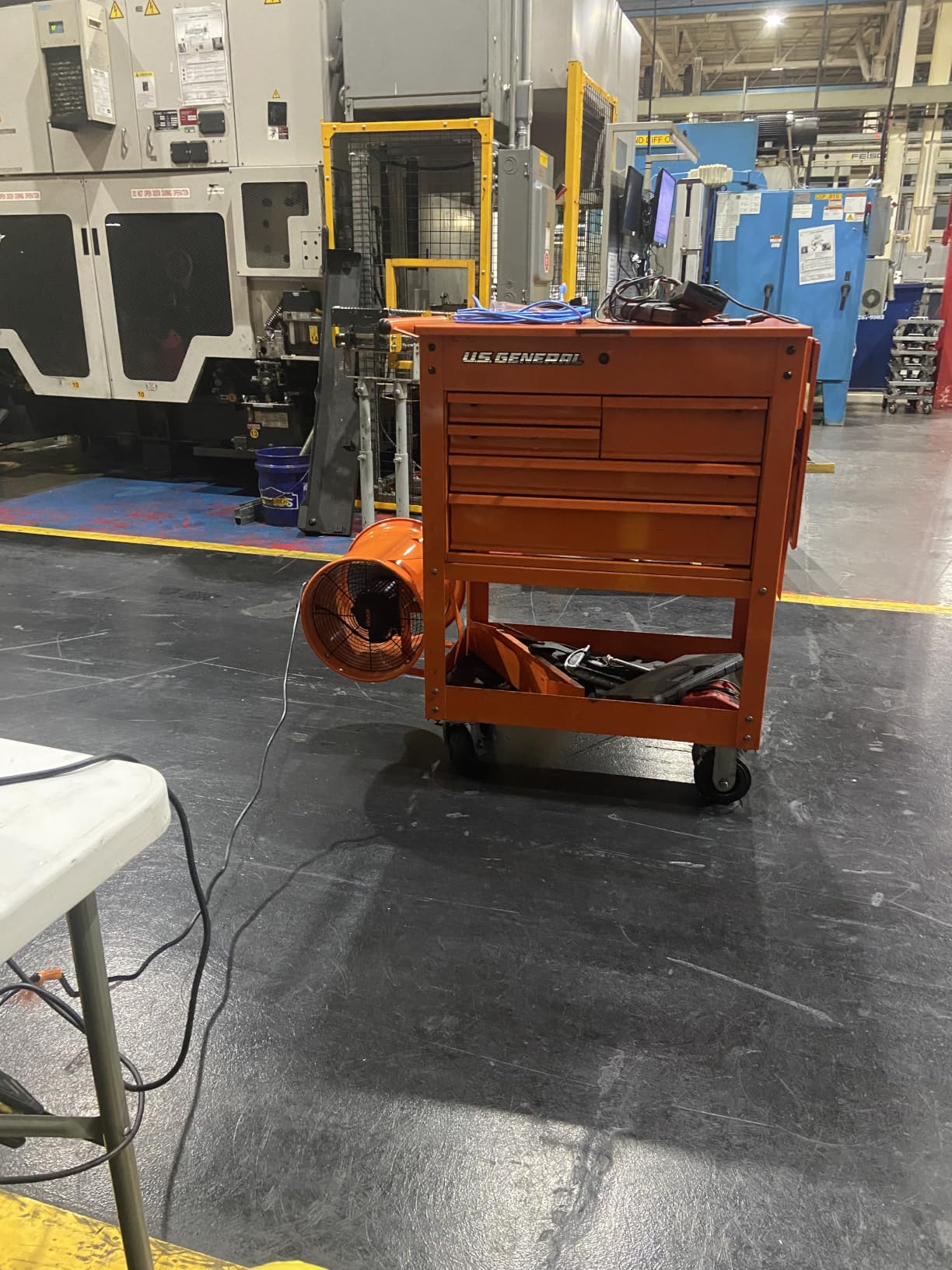
Practical details are good for a workshop machine: a carry handle, non-slip rubber feet, an IP44 water rating for damp spaces, and overheat protection. The powder-coated steel structure is ETL certified.
The trade-offs are severe and worth stating plainly. At 79 dB it is the loudest thing on this page, and 585 watts is roughly twenty times the draw of the addlon EC motor. It also occupies floor space and is not a permanent ventilation solution.
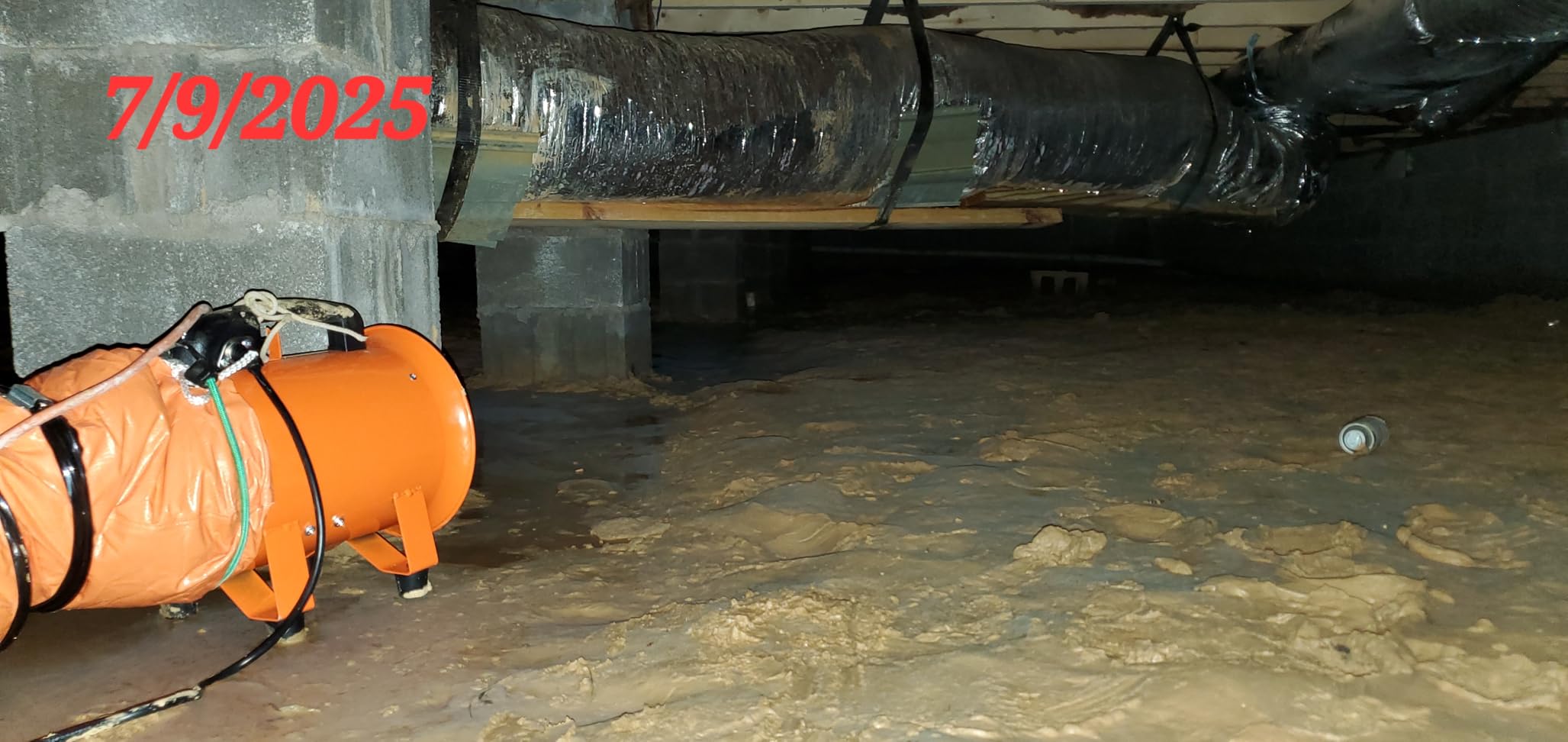
Use it as a tool, not as ventilation
Treat this as equipment you bring out for a job: spray finishing, a smoke event, a stripped-floor sanding session, or drying out a flooded space. The duct is the reason it can feed a filter or exit through a window, something a wall shutter fan cannot do.
For ongoing garage ventilation, none of that compensates for a permanent wall unit that runs quietly for hours on 24 to 115 watts. Running this continuously is expensive and, at 79 dB, unworkable for anyone in the space.
What to check before buying
Roughly 11% of reviews are one star, the second highest share here, so expect some quality complaints on a high-wattage machine. Confirm the duct clamp and hose diameter match your planned outlet before you start.
If your garage needs continuous extraction, pair this with one of the wall units rather than replacing it. Use the wall fan for background ventilation and the air mover for the concentrated task.
10. QuietCool AFG SMT ES-3.0 – Best for Smart Humidity Control
- Very quiet
- inaudible from adjacent rooms on low and medium
- ECM motor moves up to 2801 CFM on as little as 22 watts
- double-digit attic temperature drops reported with real utility savings
- 15 year manufacturer warranty
- fire safety shut off at 182F
- Bluetooth-only control despite the smart branding
- weak app with no data history or scheduling timers
- stays off after a power outage until reset from the app
- blades are not perfectly balanced and thump on high
- designed for a gable vent rather than a garage wall
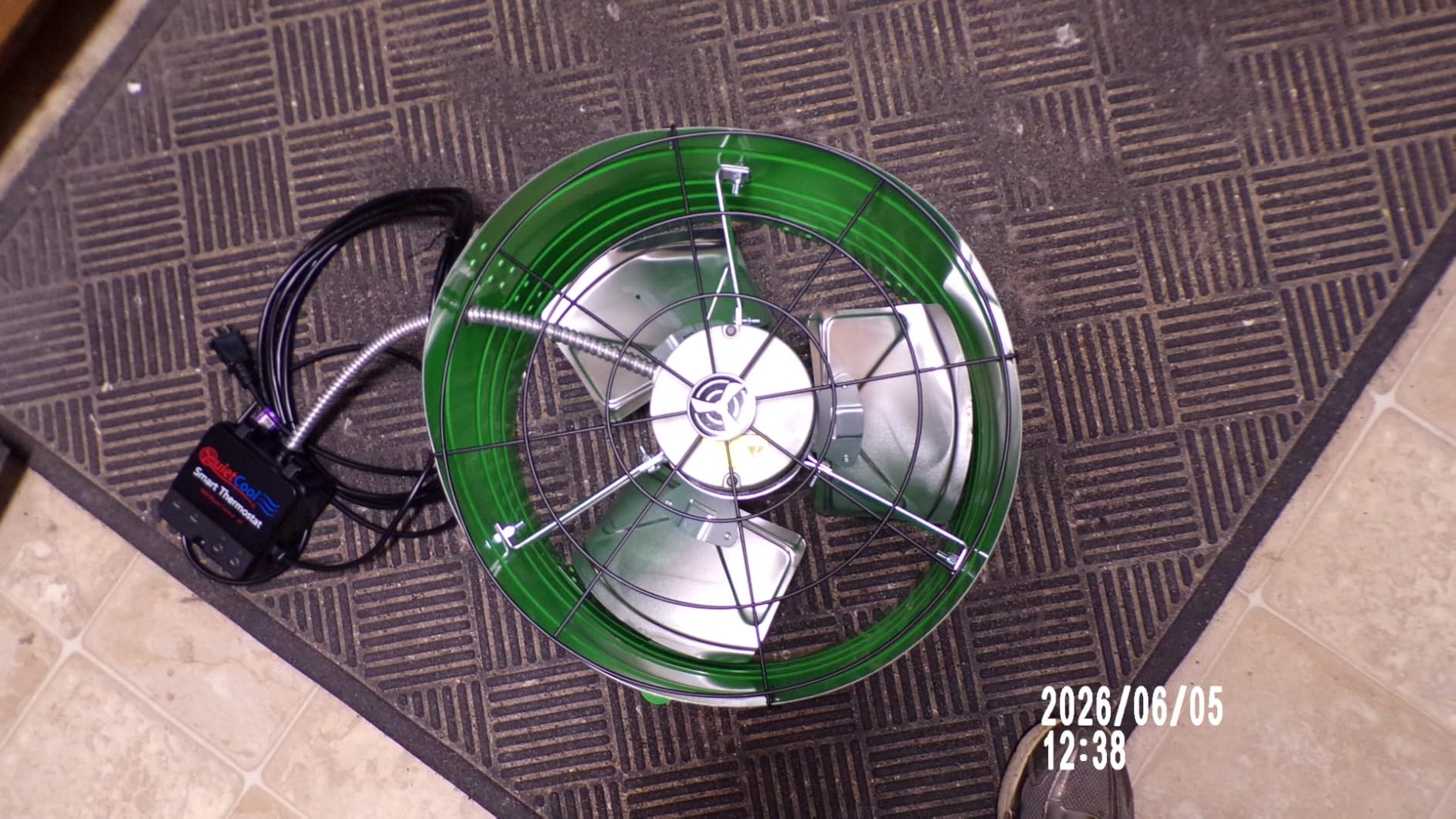
The ES-3.0 is the quietest unit in the roundup at a published 45 dB, and it is the one to choose when the garage shares a wall with a room you actually sleep in. Owners describe it as inaudible from adjacent rooms on low and medium, with only a faint thump on high.
The motor is a three-speed brushless ECM design. It moves up to 2801 CFM on high at 142 watts and drops to as little as 22 watts on low, which is the efficiency argument for electronically commutated motors in a space that needs venting for hours. Owners report double-digit temperature drops and monthly utility savings they can measure.
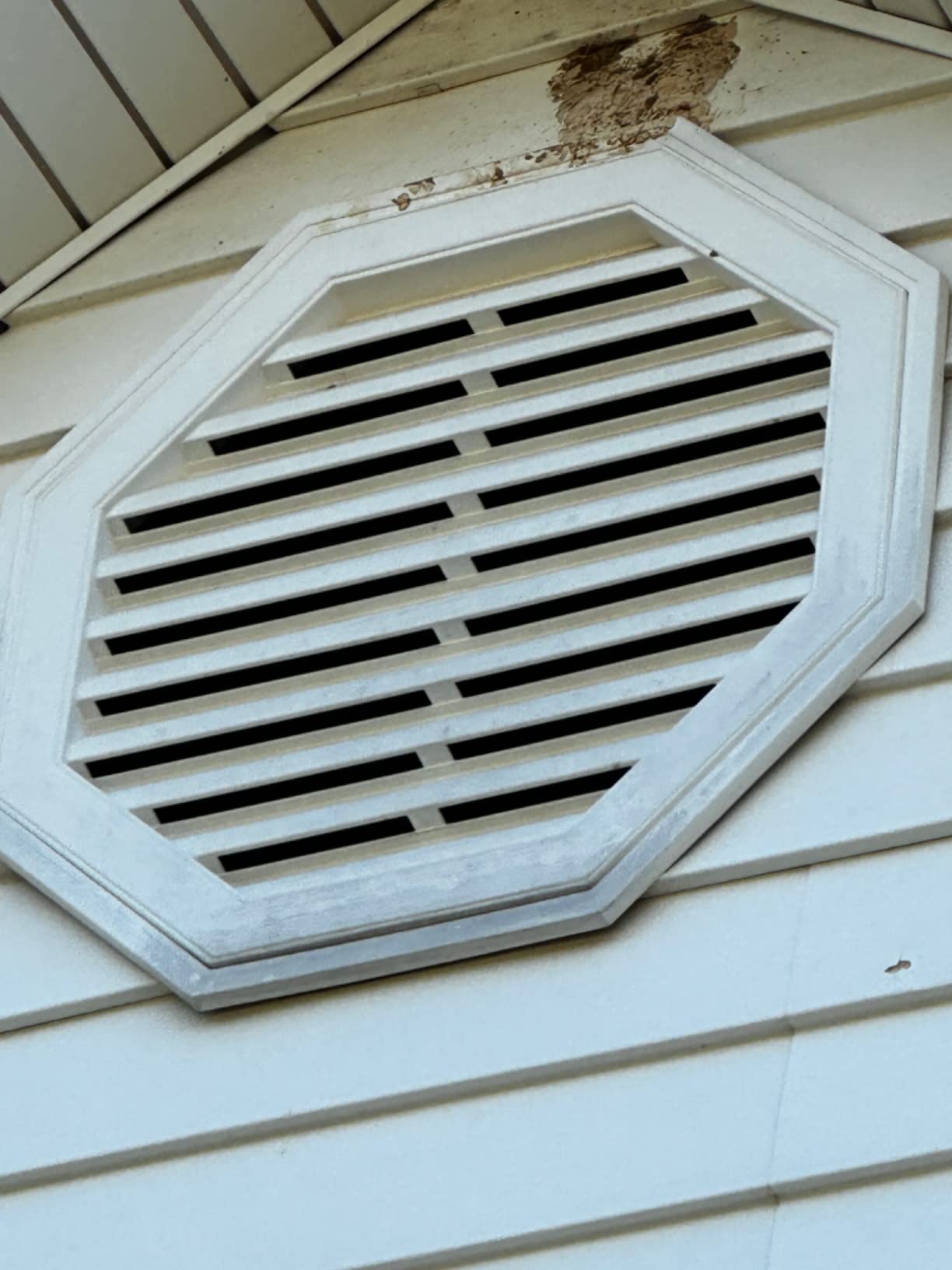
Automation is thermostat plus humidistat, staged through the app, and there is a fire safety sense shut off at 182F. The warranty is 15 years, by far the longest here. Plug and play with a 20 foot cord, with anti-vibration mounting tabs and coverage rated to 4000 square feet on the box.
The catch is that the smart labelling overstates the connectivity. Despite the controller being WiFi-enabled for firmware updates, control is Bluetooth only. Owners also report an app with no data history and no scheduling timers, and a fan that stays off after a power outage until you reset it from the app.
Quiet, but check the mount and the balance
This is a gable vent unit, so it needs a framed 16 inch opening high on an end wall or in the attic, not a spare garage wall. If you have neither, the wall-mounted fans are the only realistic option.
Blades are not perfectly balanced on some units, which produces vibration and a thumping sound on high. That is the tradeoff for the low-noise reputation, and it is worth listening for in person if noise is your main concern.
Who should buy it and who should not
Buy it if humidity is the dominant problem, the garage is attached or adjoined, and you want the fan to run for long stretches without being heard. The humidistat trigger is the real feature: it clears condensation automatically before mould risk builds.
Pass if you need WiFi control from outside the garage, if you dislike resetting hardware after an outage, or if your budget does not stretch to this tier for a purely seasonal job.
How to Size a Garage Exhaust Fan for Fume Removal?
A good CFM for a garage fan depends on whether you are removing heat or fumes, and the two standards are an order of magnitude apart. Cooling calculations use 6 to 10 air changes per hour, which is about one full volume change every six to ten minutes. Fume calculations use 1 to 2 air changes per minute, because solvent vapour and welding fume need to be diluted continuously while you work rather than cleared once an hour.
Step one is garage volume: multiply floor area in square feet by ceiling height in feet. A 20 by 20 by 9 foot two-car garage is 3600 cubic feet. Step two is the exchange rate. Step three is the fan, rounded up to the next size so you are never chasing the number exactly.
Here is how that math lands in practice for a 3600 cubic foot two-car garage. At one air change per minute you need 3600 CFM delivered, which no single wall fan here reaches, so the honest approach is to accept a slower clear and use source control alongside. At 960 CFM the iLIVING clears the volume in under four minutes. At 1450 CFM the KEN BROWN does it in about two and a half minutes. At 2438 CFM the 16 inch VEVOR does it in roughly 90 seconds.
Single-car garages of about 1200 to 1600 cubic feet are comfortably served by a 960 to 1450 CFM fan, which is why so many owners of compact units report their garage smelling clean after a short session. Large workshops and barns above 8000 cubic feet want 2000 CFM and up, or two fans on opposite walls.
Make-Up Air: Why a Fan Underperforms Without an Intake
A garage exhaust fan cannot move more than the air available to replace it. With the garage door shut and no dedicated intake, the fan pulls from a small gap around the door and quickly stalls at a fraction of its rated CFM. This is the single most common reason people conclude their new fan does nothing.
The symptom is well described on forums: the fan runs, the noise is obvious, and the garage still smells stale after the door has been shut for days. One user on r/DIYUK reported the more confusing version, an extractor that appeared to increase humidity because there was no intake path for the moisture to escape toward.
There are three practical intake options. Propping or removing the man door to the house gives you a large opening but pushes stale air indoors, which is the opposite of what you want with an attached garage. A dedicated low-level intake vent, sized near to the fan’s rated CFM, is the correct fix and cheap relative to the fan. Undercutting the garage door by a few centimetres with a simple ramp or trim kit is the cheapest effective version.
Whatever you choose, put the intake low and on the opposite wall from the fan, and never directly behind it, or you will short-circuit the airflow straight back out. If you are running a wall unit at high output, this step matters more than any difference between the models on this page.
When an Exhaust Fan Is Not Enough: Filtration and Source Capture
A garage exhaust fan moves air; it does not clean it. That is fine for dust, odour and general solvent vapour, because the fume leaves the building. It is not fine when you are welding stainless, spraying isocyanate paint, or sanding MDF, where the contaminant is the hazard and simple dilution leaves a residue you keep breathing.
For welding, the answer is source capture, not general ventilation. A fume extraction arm or a local hood positioned within a short distance of the arc captures the plume before it spreads, and the room exhaust handles the heat. General ventilation dilutes; capture removes.
For solvent and paint vapour, add filtration if you want the air cleaned rather than merely moved. An activated carbon stage handles organic vapour, and a spray booth is normally run under negative pressure so contaminated air is pulled into the booth and exhausted through a filter rather than into the room. The VEVOR air mover with its 33 foot duct is the tool for building that temporary setup.
For wood dust, remember that a garage exhaust fan is not dust collection. A dedicated shop vacuum or dust extractor with a proper filter handles capture at the machine; the room fan handles the fine airborne fraction that escapes. Our guide to quiet exhaust fans covers the noise question in more depth for indoor-adjacent installs.
Wall-Mounted vs. Attic-Mount: Which Style Fits Your Garage
Wall-mounted shutter fans, which is most of this list, go into a framed opening in an exterior wall and need a header and siding cut. They are the right choice when you want targeted extraction at a known height, and they are the only option if your garage has no gable vent.
Attic or gable-mounted fans pull from a high opening and push air into the attic space or out through a ridge vent. They move much larger volumes, as the QuietCool units demonstrate, and they suit large, damp, closed-up garages. They require an existing framed louvered opening.
Two practical notes. First, verify your local rules on exhaust termination, since attic discharge can be restricted in some jurisdictions. Second, if you install an attic fan, the intake it relies on is the whole floor area of the garage, which is another reason a make-up air path is non-negotiable.
Noise, Power Draw and What Reviewers Actually Complain About
Noise is the loudest recurring complaint on this topic, more than motor hum. On r/hvacadvice, shutter rattle and blade vibration are cited far more often than motor noise, and that matches what we saw in the reviews: louvers that do not close evenly and unbalanced blades are what people actually complain about.
Published figures range from 45 dB on the QuietCool ECM unit and about 50 to 55 dB effective at low speeds on the AC Infinity, through 60 dB on the KEN BROWN and HG Power, up to 65 dB on the iLIVING and 16 inch VEVOR, and 79 dB on the portable air mover. For reference, a normal conversation runs around 60 dB, so anything in the 60s in a shared wall will be heard.
Material is the second theme. A user on The Garage Journal recommends metal over plastic for smaller sizes specifically because plastic-bodied units can flex the siding around the opening, and suggests aluminium versions where that matters. Most metal units on this list answer that concern.
Power draw runs from 24 watts on the addlon EC motor to 585 watts on the portable air mover, a range that changes running cost more than most buyers expect. If you plan to run a fan for hours a day, an EC or ECM motor is the reason the difference is worth paying for.
For comparison, our picks on exhaust fans for humid spaces cover the same noise-versus-airflow trade in a smaller room, where every decibel matters more.
Installation and Seasonal Maintenance Checklist
Most installs here are genuinely DIY: a 2 by 4 framed opening, a standard outlet, and a plug. Two exceptions need an electrician. The 16 inch VEVOR and the 14 inch iPower do not include a plug or speed controller, so they need wiring. Check your local rules for anything penetrating an exterior wall.
Before you cut, confirm three things: the flange and cut-out dimensions from the manufacturer, because they are not always stated in listings; that your make-up air opening is on the opposite wall and low; and that the fan clears any ceiling joists or a parked vehicle.
Twice a year, clean the blades with a damp cloth and a little detergent, and check the shutter hinges move freely. A drop of light machine oil on the hinge pins once a season prevents the rattle that makes owners think the motor is failing. Vacuum the mesh screen, because a dust-loaded screen cuts airflow noticeably.
Test the thermal protector and the thermostat twice a year by covering the sensor and confirming the fan responds. On the base KEN BROWN and the 16 inch VEVOR, remember that neither includes a power cord in the box, so check what you actually have before the first cold morning.
Carbon Monoxide Safety in the Garage
A garage exhaust fan is not a carbon monoxide control. It moves air, and it can reduce the concentration of exhaust gas in a space, but it does not sense carbon monoxide, it does not alarm, and it cannot make it safe to idle a vehicle indoors.
Carbon monoxide is colourless and odourless and it settles, because it is slightly heavier than air, pooling in the low areas of a garage and the space above an attached ceiling where it can migrate into living space. Idle any petrol vehicle in a garage, even with the door open, and treat it as a life safety question rather than a ventilation one.
If you exercise or work in a garage where a vehicle has been running, open the garage door fully, run the fan if you have one, and consider a battery or plug-in carbon monoxide alarm with a digital readout as a separate layer of protection. For the humidity-driven problems that do bring people into their garages, our humid climate fan guide covers extraction in much smaller spaces.
Frequently Asked Questions
What is a good CFM for a garage fan?
For cooling a single-car garage, 300 to 500 CFM is the usual range, and a standard two-car garage wants 500 to 900 CFM. For fume removal the target is much higher because you are clearing contaminated air continuously: aim for at least one full air change per minute of your garage volume. In a 3600 cubic foot two-car garage that means 3600 CFM, so use the largest fan you can fit and add source control at the point of the fumes.
Is it worth putting an exhaust fan in the garage?
Yes, in almost every case. It clears accumulated odour, dust and moisture, protects paint and finishes from condensation, and stops fumes migrating into an attached house. The condition is a make-up air path: without a low intake or an undercut door, a fan stalls well below its rated output and the money is wasted.
What is the best fan to cool a garage?
The largest properly sized wall fan you can install, with a thermostat or humidistat so it runs only when needed. For quiet cooling in an attached garage the QuietCool ECM attic units run at 45 dB and as little as 22 watts on low. For raw volume at low cost, the 16 inch VEVOR at 2438 CFM moves the most air of any wall unit here.
Which brand makes the best quality exhaust fans?
QuietCool leads on motor quality and warranty, with a 15 year warranty on the ES-3.0 and the highest rated unit in our test group. AC Infinity leads on smart control and app automation. iLiving leads on value and breadth of airflow options. KEN BROWN and iPower deliver all-metal construction where plastics would normally be, and VEVOR leads on raw CFM.
Will a garage exhaust fan remove paint and solvent fumes?
Yes, if it is large enough and fed by an intake. A fan dilutes solvent vapour and pushes it outdoors, which protects the space. For isocyanate or lacquer work where the residue itself is the hazard, add filtration and run the booth under negative pressure, because plain dilution leaves a concentration behind. Source capture at the spray gun is better than any room fan.
Do I need an intake or make-up air vent with a garage exhaust fan?
Yes, and it is the most commonly skipped step. Open three options work: a dedicated low-level intake vent on the opposite wall from the fan, a garage door undercut using a ramp or trim kit, or leaving the man door to the house open, which is easiest but pushes stale air indoors. Never place the intake directly behind the fan, or air will short-circuit straight back out.
How loud is a garage exhaust fan?
Published figures in this roundup run from 45 dB on the QuietCool ECM attic fan through 60 dB on budget metal units and 65 dB on 960 to 2438 CFM wall fans, up to 79 dB on a portable air mover. In practice shutter rattle and blade vibration annoy more than motor hum. In an attached garage, run a variable speed fan on its lowest setting overnight.
Is it safe to run a car in a garage with a garage exhaust fan installed?
Treat it as unsafe and manage it separately. A garage exhaust fan moves air but does not detect or alarm on carbon monoxide, and exhaust gas settles low and can migrate into living space above an attached ceiling. Open the garage door fully, run the fan, and install a carbon monoxide alarm as a separate layer of protection.
Conclusion
The best garage exhaust fans for fumes come down to airflow, control and a make-up air path, in that order. Our top pick remains the iLIVING 12 Inch Wall Mount Fan at 960 CFM, because 3744 owner reviews at 4.6 stars make it the most proven unit here, and its automatic shutter, three speeds and thermostat handle the whole range of garage jobs without a wiring job.
Go bigger where the garage allows it. The QuietCool AFG PRO-2.0 is the highest rated fan we tested and moves 1945 CFM from a gable vent, the 16 inch VEVOR covers the largest volume on a wall, and the QuietCool ES-3.0 is the quietest at 45 dB for garages that share a wall with a bedroom.
Before any of them work properly, add a low intake on the opposite wall. That one step separates a garage that clears in four minutes from a fan that just makes noise, and it is where most of the complaints we read originate. Check the current specification and coverage details for your own garage volume before you order, and pick the controller that matches how you actually work.
Our related guides cover exhaust fans for shower rooms and quieter indoor options if the same airflow problem shows up in a smaller space in 2026.